You step outside to warm air and sunlit petals, breathing in the faint scent of lavender. If your beds feel thirsty by midmorning, you’re not alone.
You can protect blooms with a calm, simple routine that fits your home life.
Start by watering in the early morning and adding 2–3 inches of mulch to hold cool, damp soil under the surface. Use a soaker hose or lightweight watering wand, and deploy shade cloth on the hottest afternoons.
Choose hardy plants like Lavender, Echinacea, Lantana, and Wave Petunias for bright color through the season. Feed regularly with ColorStar fertilizer and deadhead to keep stems productive.
Containers need special attention; their limited soil often means watering every other day. Watch sun-warmed leaves and springy foliage as quick signals to act.
This guide offers practical tips you can use right away to keep your garden vibrant in intense heat and humid weather. With a few tools and a little time, your outdoor space will feel inviting all season.
Key Takeaways
- Water early, mulch 2–3 inches, and use a soaker hose for steady moisture.
- Pick drought-tough choices like Lavender, Echinacea, and Lantana for full sun.
- Feed with ColorStar, deadhead often, and check containers daily in hot spells.
- Use shade cloth in peak afternoon sun and a lightweight watering wand for precision.
- Watch simple cues—cool soil, springy leaves, sun-warmed tips—to time your actions.
Spot the signs of heat stress before your flowers fade
Before you reach for the watering can, check a few quick cues that tell the real story. These steps help you tell normal midday flagging from true dehydration or sun damage.
Wilting vs. underwatering: how to tell the difference
Do the finger test: press the top inch of soil. If it feels cool and slightly damp, your plant is likely flagging from high temperatures and bright sun, not thirst.
Lift containers. A very light pot plus limp foliage means it needs water now. A normal-weight pot that perks up by evening is coping with daytime heat.
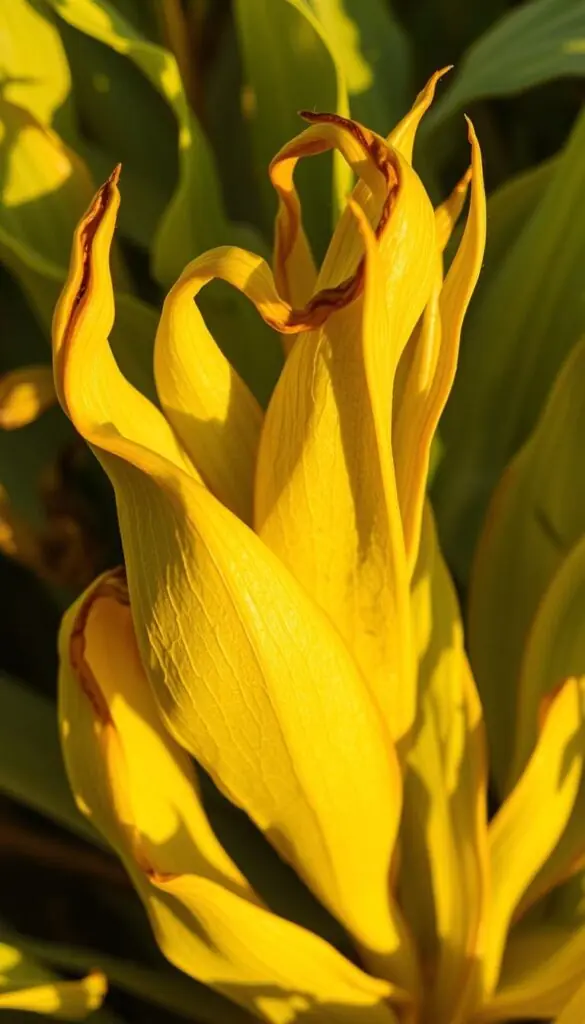
Leaf scorch, droop, and midday “flagging” in full sun
Look at the leaves. Papery edges, pale splotches, or crispy tips point to sun overload and too much exposure, not just low moisture.
- Note time of day: droop at noon but recovery at dusk usually equals temporary stress.
- Compare neighbors: if shaded plants stay perky while sun‑exposed ones sag, adjust afternoon shade.
- Scratch the surface: crusted soil under a hot sun means mulch and earlier watering will help roots.
- If leaves stay curled and dull the next morning, water deeply at the base — that signals real dehydration.
Quick tip: early morning watering reduces evaporation and gives roots a better chance to take up moisture before high temperatures set in.
Choose heat-loving plants that keep their cool
Pick tough, sun‑loving selections that keep your beds bright and pots lush through hot months.
Proven performers for beds: Angelonia offers upright spikes in blue to white. Lantana gives nonstop color with almost no deadheading. Coreopsis sends out cheerful yellow daisies. Gaillardia (‘Sunset Celebration’ or ‘Mesa Yellow’) adds red‑yellow drama. Gomphrena brings small, clover‑like blooms that dry well.
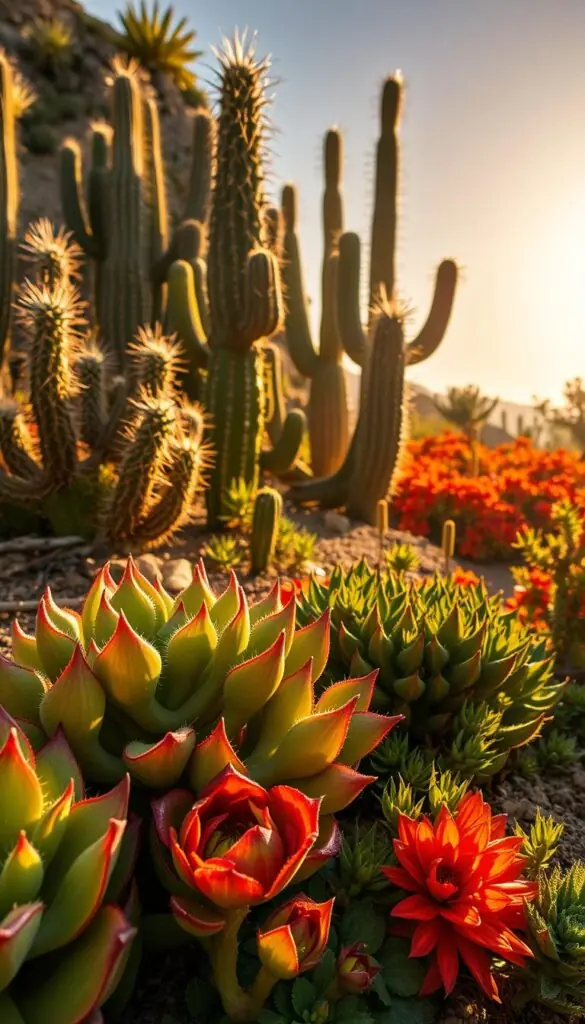
Container standouts and pollinator picks
For pots, trail Calibrachoa and Portulaca over the rim while Wave Petunias or Geraniums fill the center. These textures mix well in strong sunlight and need only basic upkeep.
Invite pollinators: Salvia ‘Mystic Spires’ (deep indigo), Echinacea (purple coneflower), and Nepeta (catmint) attract bees and sustain flowering for months.
| Plant | Color / Texture | Best Use | Maintenance |
|---|---|---|---|
| Angelonia | Blue‑to‑white spikes | Beds / borders | Low; deadhead rarely |
| Lantana | Multi‑color clusters | Beds / massing | Very low; drought tolerant |
| Calibrachoa | Mini petunia, trailing | Containers / hanging | Moderate; regular feeding |
| Salvia ‘Mystic Spires’ | Deep indigo spikes | Pollinator beds | Low; attracts bees |
In hot, humid U.S. zones, pick a sunny spot with well‑drained soil. Amend heavy ground with a little compost to improve airflow around roots. Space plants for good exposure to reduce mildew and keep flowering strong.
Watering in summer heat: timing, technique, and tools
Begin in the cool of morning to help the soil hold moisture and feed roots.
When to water: Set a simple routine at early morning. Cooler air reduces evaporation so more water reaches the root zone.
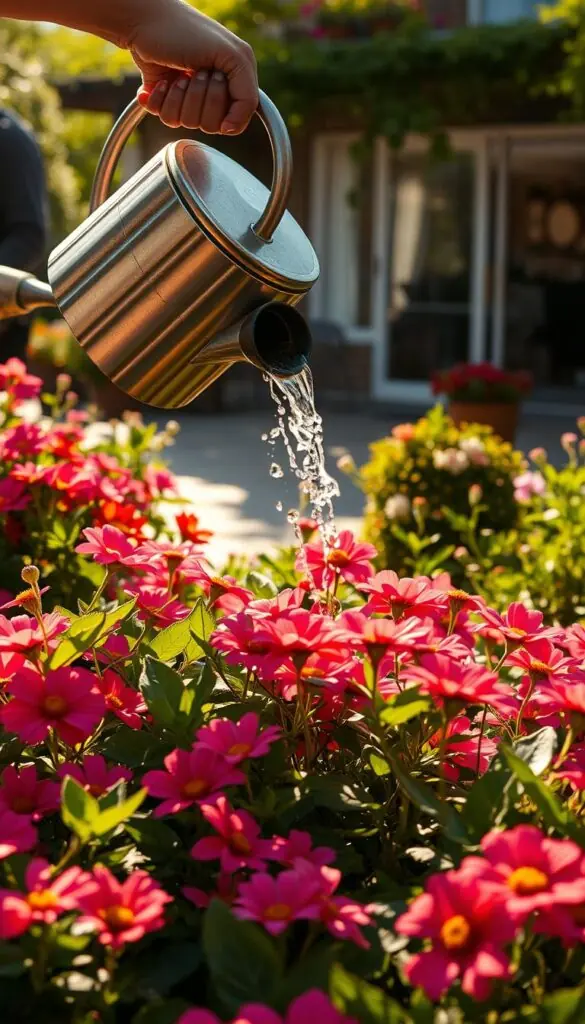
Deep, steady sessions beat quick sprinkles
Use slow, infrequent watering to train roots deeper. Shallow daily sprinkles keep moisture only at the surface and weaken plants.
Tools that help deliver moisture without wetting leaves
- Soaker hoses or drip lines give steady soil moisture and lower leaf disease risk.
- A lightweight rain wand speeds up containers and reaches the base without splash.
- Check pots each morning by feel; pot weight plus the finger test tells you when to water.
"If the top inch is dry and the pot feels light, water until you see runoff from drainage holes."
| Tool | Best for | How it helps | Notes |
|---|---|---|---|
| Soaker hose | Beds / borders | Slow soil saturation | Lay along roots; avoids wet leaves |
| Drip line | Established plants | Targeted, low flow | Connect to timer for consistent time |
| Rain wand | Containers / small beds | Gentle, fast fill | Handheld for spot checks on hot days |
Drainage tip: If water pools, add compost to improve drainage and raise pots so the base won't sit in runoff.
Mulch and soil care to lock in moisture and protect roots
Mulch is the easiest trick to lock moisture into the soil and protect shallow roots. A light, even layer keeps the ground darker and cooler so your plant beds need water less often.
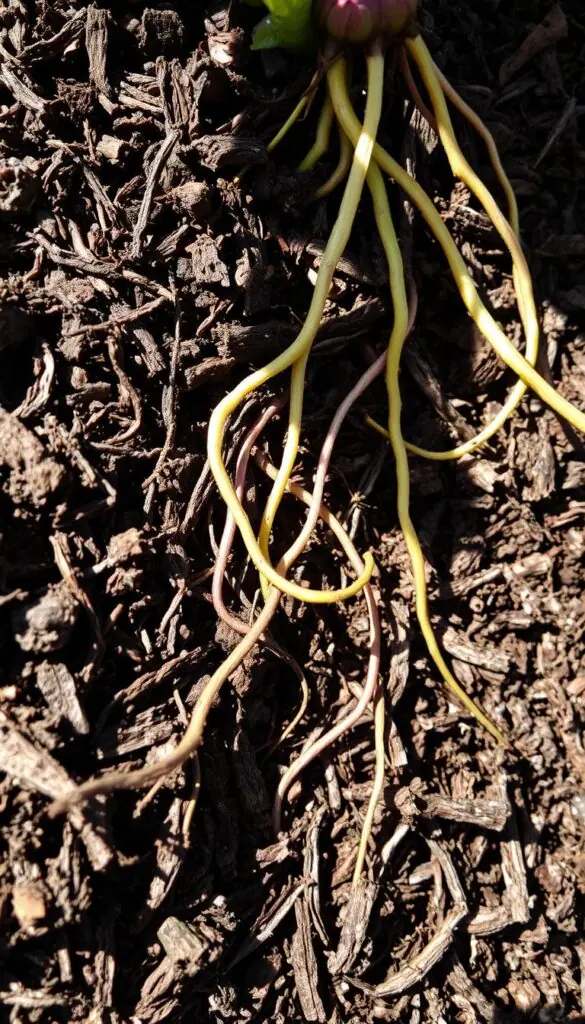
Mulch matters: a 2-3 inch layer to cool soil and reduce evaporation
Spread 2–3 inches of shredded bark, pine straw, or compost around each plant. Pull mulch back an inch from stems to avoid soggy conditions and rot.
Improve drainage and structure with compost
When you mix a few inches of compost into heavy ground in spring or at replanting, the soil gets lighter and drainage improves.
That helps roots breathe and supports steady growth through warm, dry spells.
"After a watering, slip a finger under the mulch—if the soil feels cool and slightly damp, your coverage is working."
- Refresh thin spots twice a season to keep the protective cushion intact.
- In beds that puddle, add composted organic matter and consider slight mounding for better flow.
- A well-mulched garden stays tidy, needs less frequent watering, and shows brighter blooms against rich, dark soil.
| Material | Feel | Best for | Notes |
|---|---|---|---|
| Shredded bark | Tidy, long‑lasting | Beds / borders | Slow to break down; refresh annually |
| Pine straw | Light, airy | Slopes / quick cover | Good for acid‑loving plants |
| Compost | Rich, soil‑building | Vegetable beds / amendments | Improves drainage and growth as it breaks down |
Smart shade, site, and sun exposure management
Small moves around the garden often protect your plants more than big interventions.
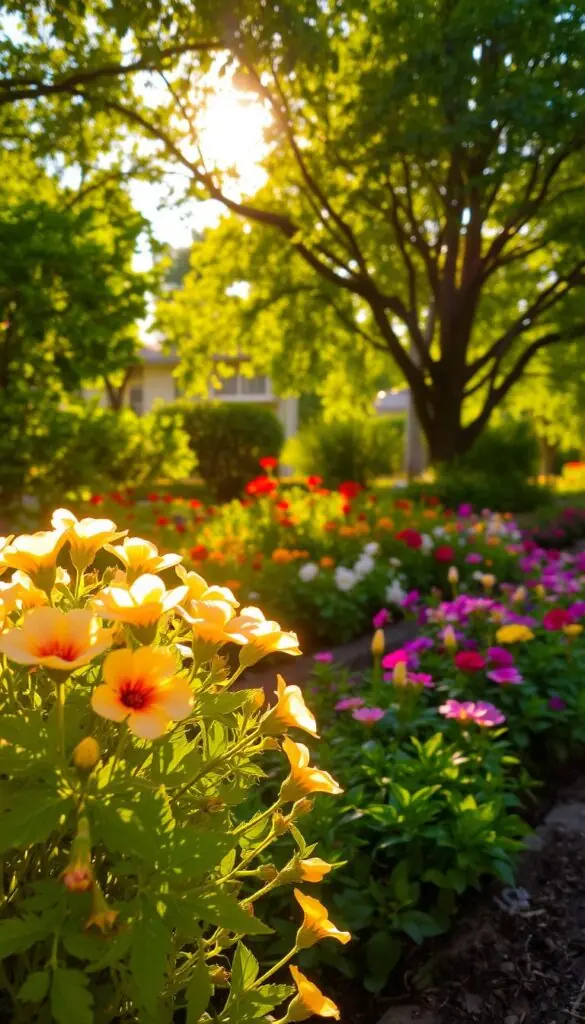
Place thirsty bloomers like SunPatiens where they catch cool morning sunlight, then give them gentle afternoon shade when temperatures spike. SunPatiens tolerate full sun and humidity but do best with a soft break from peak rays in very hot zones.
Easy, neighborly shade options
Use a lightweight patio umbrella, a short stretch of shade cloth, or the dappled canopy of a small tree to soften the hottest hours. These fixes are low‑cost and quick to set up.
Move containers to reduce stress
Slide pots a few feet into partial shade on extreme days. Even a short respite from direct sunlight helps petals stay fresh and cuts watering needs.
- Walk the yard at midday to map lingering sun and match each plant to its best spot.
- Cluster containers so taller pots shade smaller ones for a layered, cooler display.
- If foliage looks tight or wilted on blazing afternoons, shift exposure and give a light evening sprinkle at the base.
"Tune exposure across your space and your plants will keep color longer and recover faster after hot spells."
| Action | When to do it | Best for | Why it helps |
|---|---|---|---|
| Move containers | Midday on extreme days | Any pot plants | Reduces direct sunlight and heat stress |
| Add shade cloth or umbrella | Peak sunlight hours | Thirsty annuals like SunPatiens | Softens harsh rays without blocking morning sun |
| Cluster pots | Any time | Mixed container displays | Taller plants cast shade for lower companions |
| Midday walk & adjust | Daily during hottest period | Whole garden | Identifies hot pockets and saves water |
Feeding, deadheading, and gentle grooming for nonstop blooms
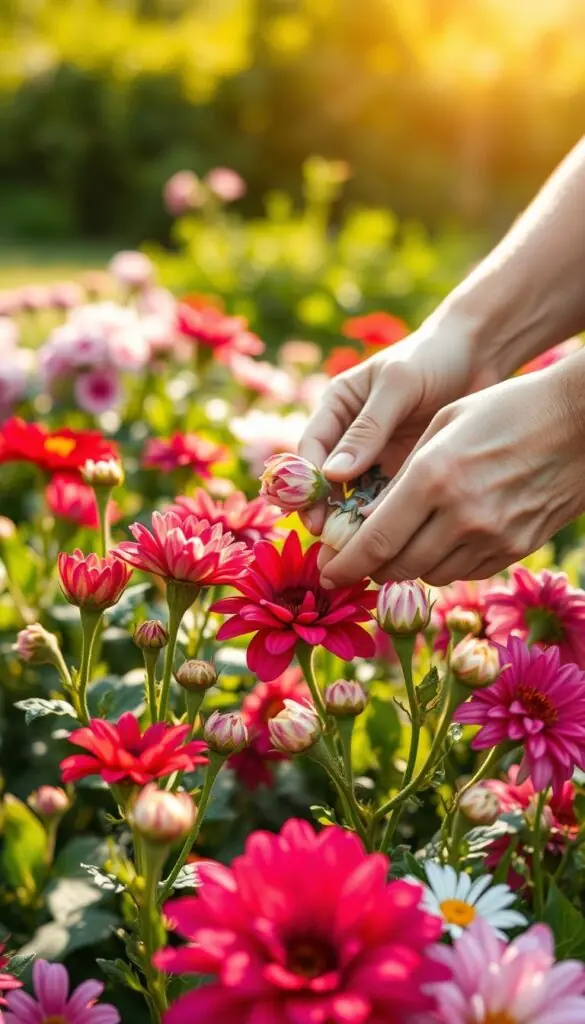
A little feeding and tidy snips will keep your plants blooming and looking fresh all season. Give beds a light weekly check and you’ll catch small problems before they grow.
Balanced feeding and steady options
Feed containers with a balanced liquid fertilizer every one to two weeks. Tuck a slow‑release fertilizer at planting for steady growth and less fuss.
For hungry annuals like Wave Petunias and Calibrachoa, use a bloom‑boosting fertilizer to keep blooms cycling.
Deadhead to speed new flowering
Pinch or snip spent heads on Coreopsis and Echinacea to tell the plant to push fresh buds. Regular deadheading keeps beds tidy and pushes more flowers.
Quick trims to improve airflow and prevent diseases
Make fast grooming passes: remove yellowed bits, thin crowded stems, and tidy edges so blooms get light and air. If foliage stays dense after watering, a few snips lower the risk of common summer diseases.
- Use small snips and a basket—ten minutes can transform a bed.
- Lantana and Angelonia usually need little deadheading; focus on shaping instead.
- Work in the cooler parts of the day so both you and the plant stay comfortable.
"A quick weekly tidy and the right food keep your beds bright and full."
Summer flower care essentials
A quick, regular check of soil, pots, and leaves prevents small problems from turning into big ones. These simple habits save time and keep your garden looking lush through the season.
Summer flower care checklist: water, mulch, drainage, spacing, and pest checks
- Water at the base each morning. Give a deep soak so roots can draw steady moisture through the day.
- Keep 2–3 inches of mulch to cool soil, reduce weeds, and make beds feel tidy between visits.
- Confirm good drainage and spacing. Air movement prevents damp foliage and keeps color crisp.
- Walk beds every few days. Pinch spent blooms, remove pests by hand, and note changes early.
- Feed containers on a simple schedule and refresh potting mix each spring to reset nutrients and structure.
- Use compost when you can to lighten heavy soil and help roots breathe.
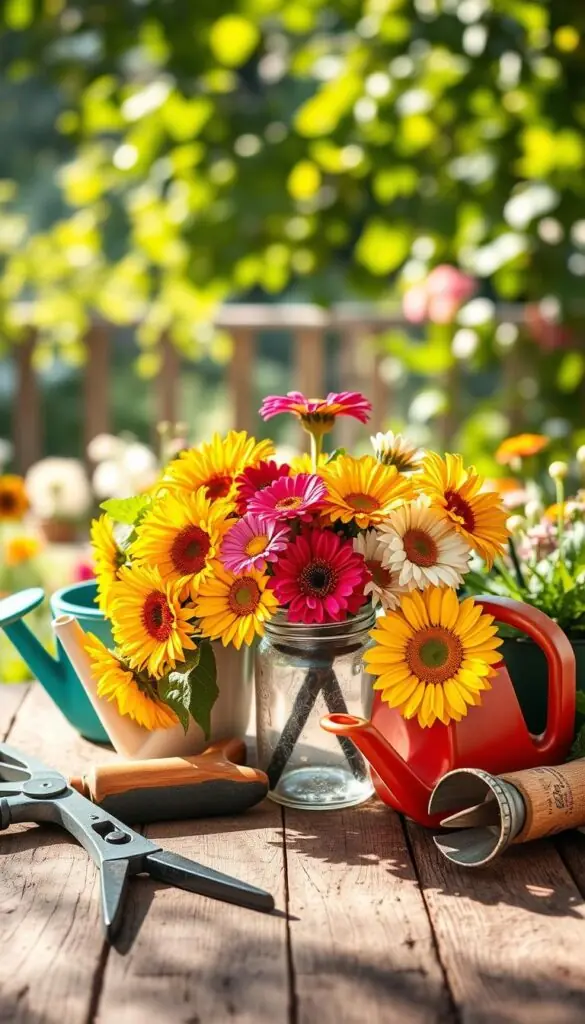
- Keep tools handy: a hose with shutoff, a hand fork, and a small bucket make quick fixes take minutes, not hours.
Mistake to avoid: overhead midday watering that scorches leaves
Avoid blasting foliage in midday sun. Wet leaves can scorch and invite disease while the soil beneath stays dry.
"End each pass with a light sweep and a glance at roots and stems; if it smells sweetly earthy, you’re on the right path."
Conclusion
Small, steady habits make it easy to keep plants lively and colorful all season. Start each day with an early morning check: feel the soil, move a pot if sun exposure is harsh, and give thirsty containers a deep drink.
Keep it simple: a 2–3 inch blanket of mulch, occasional deadheading, light feeding with a balanced fertilizer, and good drainage help blooms last through heat spells.
Choose resilient options like Angelonia, Lantana, Echinacea, and Calibrachoa, build soil with compost, and enjoy short pauses to watch bees at work. When weather shifts, return to the basics—deep watering, drainage, and quick grooming—and your garden will bounce back.
With these gentle routines, you’ll feel calm and capable. Sit, breathe the warm soil scent, and let your outdoor space reward you with steady growth and bright color.
FAQ
How can I prevent my plants from wilting in intense heat?
Water deeply in the early morning, apply 2–3 inches of mulch around roots, and use well-draining soil amended with compost. Place thirsty containers in part shade during the hottest hours and use drip irrigation or soaker hoses to keep moisture steady without wetting leaves.
How do I tell wilting from underwatering versus heat stress?
Check the soil: dry a few inches down indicates underwatering. Heat stress often shows wilting mid-afternoon but recovery by evening if roots are moist. Also look for scorched leaf edges or midday “flagging” when the sun is strongest.
What are the main signs of leaf scorch and midday droop?
Look for brown or bleached edges, curled leaves, and drooping during peak sun. If plants perk up overnight or in morning light, heat exposure is likely the cause rather than disease or chronic water shortage.
Which heat-loving plants perform well in beds?
Choose resilient perennials and annuals such as Angelonia, Lantana, Coreopsis, Gaillardia, and Gomphrena. They tolerate high temps, keep blooms longer, and need well-drained soil.
What container plants thrive on hot patios?
Opt for Calibrachoa, Wave Petunias, Geraniums, and Portulaca. Use larger pots with good drainage, rich potting mix, and check moisture daily since pots dry faster in strong sun and heat.
Which choices attract pollinators while handling high temperatures?
Salvia ‘Mystic Spires’, Echinacea (coneflower), and Catmint are excellent. They provide nectar and hold up well in sunny, warm conditions when planted in well-drained soil.
Any regional tips for gardeners in hot, humid U.S. zones?
Aim for full sun tolerant varieties and improve drainage with raised beds or gritty amendments. Increase airflow and avoid overwatering to reduce fungal issues common in humid climates.
When is the best time to water to maximize uptake and minimize loss?
Early morning is ideal — cooler air reduces evaporation and plants can use water before midday heat. Avoid watering at midday when moisture evaporates quickly or late evening when wet foliage can invite disease.
How often should I water to encourage deep roots?
Water deeply and less often rather than light, frequent sprinkles. Aim to saturate the root zone so roots grow downward; this builds drought resilience and steadier growth.
Are soaker hoses or drip systems worth installing?
Yes. They deliver water directly to the root zone, reduce leaf wetting, and conserve moisture. They’re especially helpful in beds and for groups of containers to provide consistent hydration.
How do I manage watering for containers that dry quickly?
Check pots daily during hot spells, use water-retentive potting mix, place saucers where appropriate, and consider self-watering containers or adding a layer of mulch on top of the soil.
How thick should mulch be to protect roots and conserve moisture?
Apply a 2–3 inch layer of organic mulch like shredded bark or composted leaves. Keep it a few inches away from stems to prevent rot while cooling soil and slowing evaporation.
What soil improvements help both drainage and moisture-holding?
Work in compost to boost structure and nutrients, and add coarse sand or perlite in heavy clay to improve drainage. Good structure keeps roots healthy and reduces stress during hot stretches.
How can I use shade to protect sun-loving bloomers on extremely hot days?
Provide afternoon shade with a pergola, shade cloth, or move portable containers into dappled shade. Plants like SunPatiens benefit from shelter during peak heat to prevent wilting and leaf burn.
Should I move containers during the hottest part of the day?
Yes, relocating pots to a cooler spot reduces stress and water loss. Lighter containers are easiest to move; otherwise use a rolling plant caddy to reposition larger pots.
What fertilizer approach keeps blooms coming without stressing plants?
Use a balanced or bloom-boosting fertilizer for annuals, or a slow-release formula for steady nutrition. Avoid high-nitrogen feeds during extreme heat, which can push soft growth that burns easily.
How often should I deadhead to encourage more blooms?
Remove spent blooms regularly — every week or as needed. Deadheading redirects energy to new flowers and keeps beds tidy, extending the flowering period.
What simple grooming helps prevent summer diseases?
Trim leggy growth to improve airflow, remove debris, and thin crowded plants. Good spacing and clean tools reduce disease risk in warm, humid conditions.
What should be on my seasonal checklist to keep plants thriving?
Regularly check water, mulch depth, drainage, spacing, and pests. Adjust irrigation during heat waves, refresh mulch, and inspect foliage for insects or disease.
What common mistake should I avoid during hot months?
Don’t water overhead at midday. Wet leaves can scorch and promote fungal issues. Stick to morning watering, use drip or soaker lines, and shield delicate plants from harsh afternoon sun.