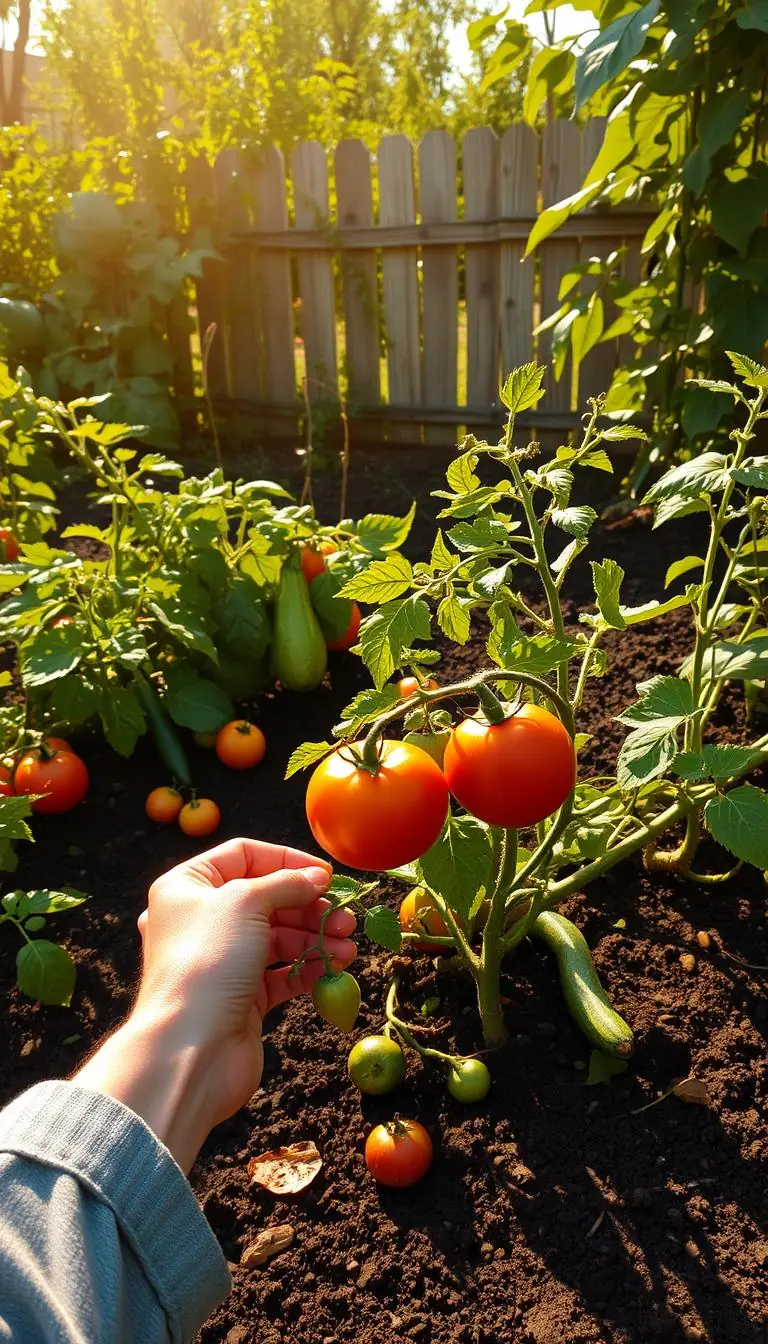
You stand at the edge of your sunlit garden and notice a faint yellow halo on a lower leaf. That small, quiet sign can tell you a lot. You don’t need fancy gear to keep your plants healthy — just clear steps and a little seasonal care.
Start with the basics: choose disease-resistant varieties (V, F, FF/FFF, N, T, A, TSWV, CMV, L, St, ASC), give adequate spacing so air dries foliage, and water at the base each morning.
Stake or cage stems, add a light straw mulch to cut soil splash, rotate crops every 3–4 years, and remove debris in fall. Watch for clear symptoms: small gray dots with dark margins, bull’s-eye rings, water-soaked blotches with white fuzz, or one-sided yellowing and vascular browning.
You’ll get calm, friendly guidance and simple steps you can try today so your fruit keeps setting and your home garden stays lush through spring, summer, and fall.
Key Takeaways
- Choose resistant varieties and space plants for air flow.
- Water at the base in the morning and use soaker hoses.
- Stake, cage, and mulch to prevent soil splash onto leaves.
- Learn common symptoms to act fast and protect fruit.
- Rotate crops and remove fall debris to reduce disease pressure.
Start here: a calm plan to troubleshoot leaf spots in your tomato plants
Begin each check in the soft light of morning. Walk slowly through your garden and scan the lower growth from the bottom up. Note any new symptoms, like tiny marks, pale halos, or water-soaked patches.
Gently flip a few leaves to inspect undersides. Often the underside reveals white fuzz or tiny dark specks after wet nights. This simple habit helps you identify the problem before you treat it.
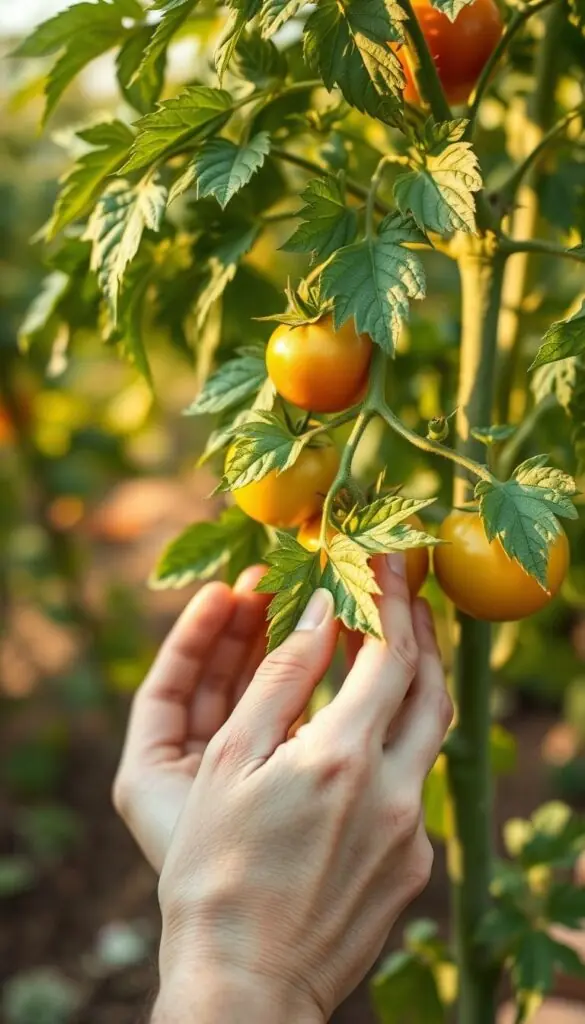
Touch the soil to judge soil moisture—aim for even dampness, not soggy or bone-dry. Step back and check spacing to improve air circulation; crowded plants stay wet longer and invite disease.
Easy actions you can take today:
- Prune a few affected lower leaves and remove debris in fall.
- Add mulch under the canopy and switch to a soaker hose for morning base watering.
- Stake or trellis stems so foliage stays off the ground and reduce soil splash.
Keep a short log on your phone: date, weather, what you see, and what you did. If symptoms escalate, plan a protectant spray on a dry morning and always follow the label directions.
Prevention first: spacing, air circulation, and steady soil moisture
Give each plant roomy spacing so morning sun and breeze dry the canopy fast. Start by imagining a row where air moves and leaves rustle. That simple scene cuts disease risk before it begins.
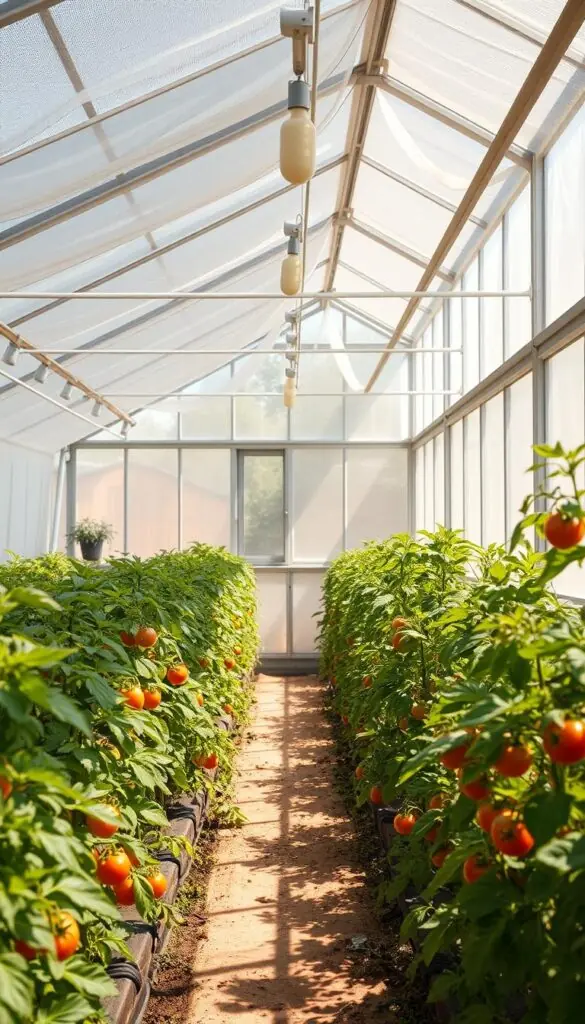
Install stakes or sturdy cages early so stems stay up and off damp soil. Swap overhead sprinklers for a soaker hose or drip line and water at the base in the cool morning. Mulch with 2–3 inches of straw or shredded leaves; the earthy scent and springy bed help keep soil evenly cool and steady.
Quick mistakes to avoid in wet weather:
- Avoid pruning or tying when plants are wet — handling moist foliage spreads pathogens easily.
- Don’t let weeds crowd stems; clear space improves air circulation and reduces humid pockets.
- Skip heavy feedings of excessive nitrogen; lush top growth can weaken fruit set and invite disease.
- In heat waves and high temperatures, water deeper but less often to stabilize soil moisture without drowning roots.
Neighborly tip: walk your garden after a shower. If leaves still glisten at noon, add more spacing or a stronger stake system so airflow can do its work.
Tomato leaf spots: what the common symptoms really mean
Patterns like concentric rings or water-soaked blotches give clear clues about plant health. Look closely at color, edge, and texture. These details point to a likely cause and a calm next step.
Pattern clues: circular spots, concentric rings, yellow halos, and leaf drop
Septoria shows small, round gray centers with dark margins on lower leaves and tiny black specks in the middle.
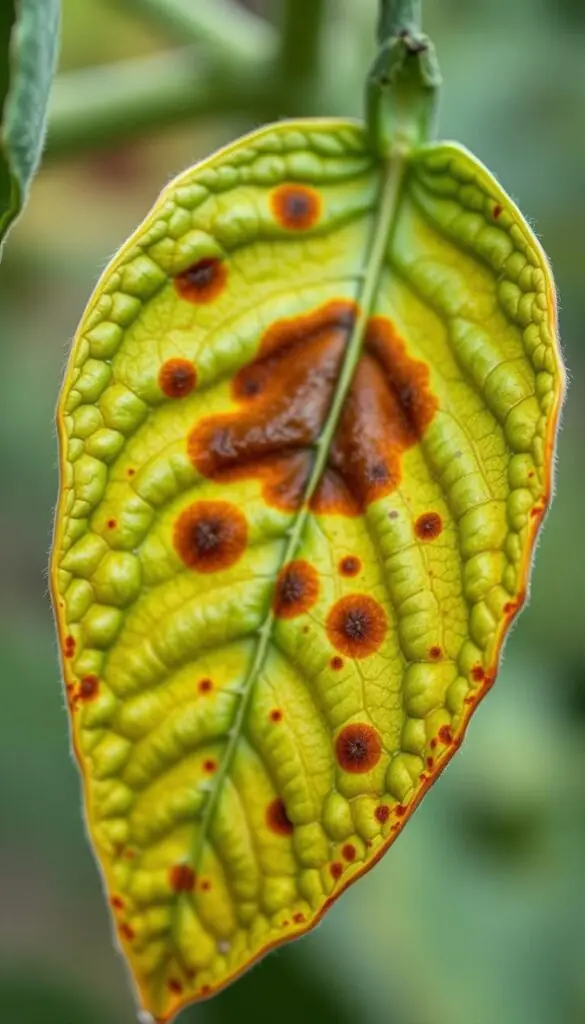
Early blight makes irregular brown lesions with yellow halos and target-like concentric rings. It often begins low and works upward.
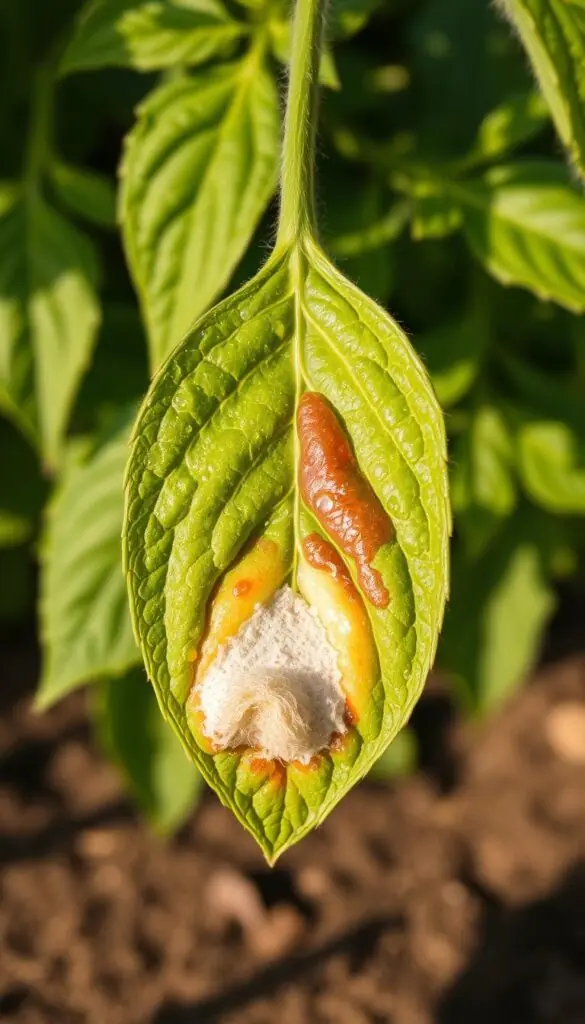
Late blight starts as water-soaked blotches that spread fast. You may see a downy, white fuzz on the underside on cool mornings.
Bacterial speck/spot produces tiny inky specks with bright yellow halos or slightly larger scabby marks on leaves and fruit. Severe infections cause rapid defoliation.
| Pattern | Texture/Color | Where it shows | What to do |
|---|---|---|---|
| Circular spots | Gray centers, black specks | Lower leaves | Prune, mulch, avoid splash |
| Concentric rings | Brown with yellow halo | Starts low, spreads | Remove infected leaves, protect new growth |
| Water-soaked blotches | Wet-looking, white fuzz below | Leaves and stems | Act fast; consider fungicide if weather stays cool/wet |
| Inky specks / scabby | Dark flecks, yellow halo | Leaves and fruit | Sanitize tools, avoid handling when wet |
Track how symptoms change over days. That tells you whether pruning, mulching, or a protectant spray will help the most. Always remove the worst lower leaves first to slow splash and keep fruit ripening in cleaner light.
Septoria leaf spot: tiny gray spots on lower leaves that spread upward
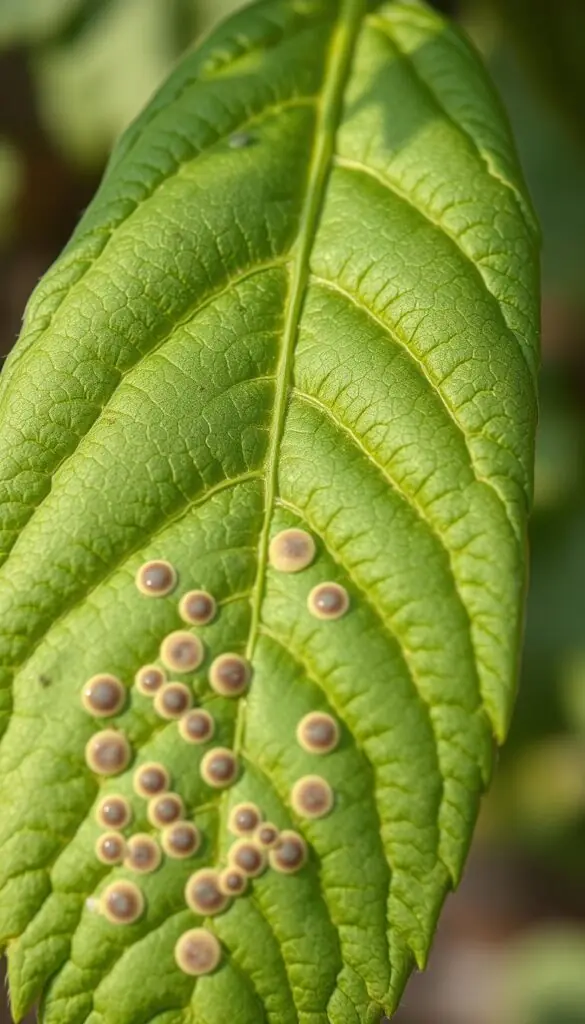
You may first notice small gray circles low on the plant that seem to march upward after rainy days. These marks are classic for septoria leaf spot, caused by the fungus septoria lycopersici. Look close: centers often show pinhead, peppery black fruiting bodies.
What you’ll see
Check the lower leaves for clusters of tiny, round gray lesions with sharp dark edges. The centers can have tiny inky dots that look like pepper.
As wet weather continues, the lesions can join together. Leaves yellow, brown, and drop. Heavy defoliation leaves fruit exposed and at risk.
What you should do right away
Prune the worst infected lower growth and place it in a trash bag—do not compost heavily affected material. Slide a clean layer of straw or shredded leaves under the canopy to stop soil splash and keep fruit clean.
- Switch to base watering in the morning so leaves stay dry.
- Tie stems gently to stakes or cages to improve airflow through the plants.
- If rain persists, consider a protectant rotation (chlorothalonil or copper) and apply before new lesions explode.
- At season end, remove all tomato debris and rotate that bed for several years.
Keep watching. Note how symptoms move and act early. With steady cultural care and patient monitoring, you can slow this disease and help fruit finish strong in your garden.
Early blight: target-like concentric rings and yellowing that moves fast
A telltale target of cinnamon-brown rings often appears low on the plant after warm, wet stretches. Early blight, caused by the fungus Alternaria, begins on the lower leaves and moves quickly up in humid weather.
Look for soft brown lesions with faint concentric rings and a diffuse yellow halo. These symptoms can spread to stems and fruit if conditions stay warm and wet.
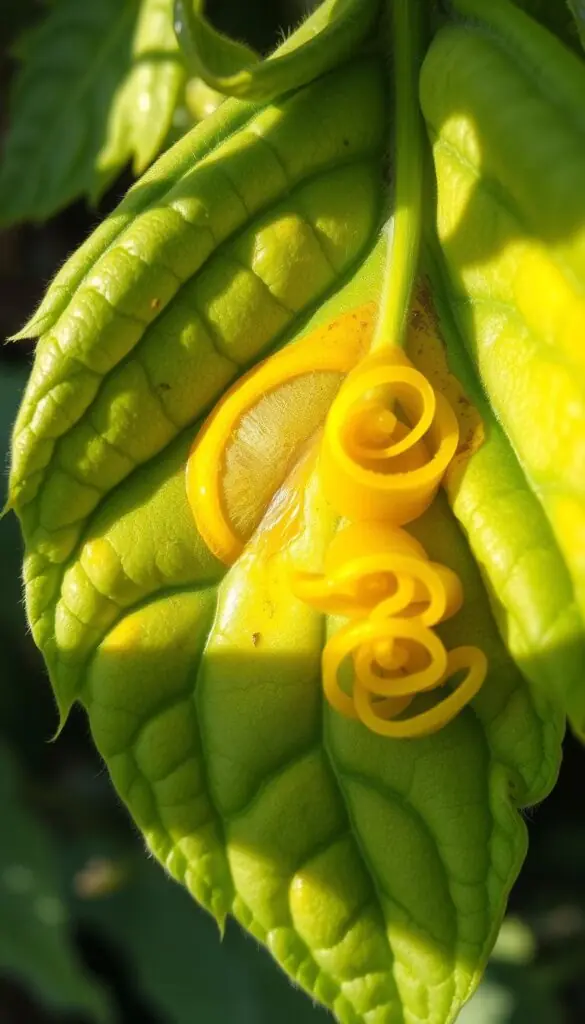
Friendly fix: prune low leaves, mulch, and protect new growth
Act quickly: prune a skirt of lower leaves so rain splash can’t carry spores upward. Bag trimmings to avoid spreading disease in your garden.
Refresh mulch to 2–3 inches to create a clean cushion that blocks muddy splash from the soil. Tie stems upright to boost airflow and speed drying.
"A small, timely prune and fresh mulch often prevent a small problem from becoming a season-long fight."
Harvest ripe fruit promptly; early blight can leave dark, sunken rings if fruit are left on the vine. Rotate beds away from tomatoes, potatoes, peppers, and eggplant for 3–4 years to cut disease pressure.
| Sign | Where it appears | Immediate action | Season plan |
|---|---|---|---|
| Concentric rings, yellow halo | Lower leaves and stems | Prune low growth; bag trimmings | Mulch, rotate, use drip irrigation |
| Cinnamon-brown lesions on fruit | Ripening fruit | Pick ripe fruit often | Choose resistant cultivars |
| Rapid spread in warm, wet weather | Whole plant | Consider protectant fungicide before storms | Feed lightly; avoid lush, soft growth |
Late blight in cool, wet spells: water-soaked blotches and white fuzz underneath
After a string of damp nights, plants can show icy-green, wet-looking blotches that spread in hours. These greasy, water-soaked areas often enlarge into irregular greenish-black patches on leaves and stems.
Turn a leaf over. If you see a downy white fuzz along the blotch edges, act quickly but calmly. Late blight is caused fungus Phytophthora infestans and moves fast in cool, wet weather.
What to do right away:
- Check after cool, rainy nights for frost‑burned, greasy-looking symptoms.
- Remove and bag badly infected plants; destroy the material to stop spores from spreading.
- Water at the base only and avoid wetting foliage while conditions stay damp; keep soil from splashing up.
- Protect healthy plants before the next storm with a labeled protectant like chlorothalonil, copper, or mancozeb.
- Pull volunteer potatoes and nightshade weeds nearby; they can harbor the pathogen.
- Harvest usable green fruit promptly—infected fruit rot quickly and smell foul.
Plan for next season: increase spacing and rotate beds so leaves dry faster after dewy mornings. With steady checks and quick removal, you can protect your garden without panic.
Bacterial spot and bacterial speck: dark flecks with halos on leaves and green fruit
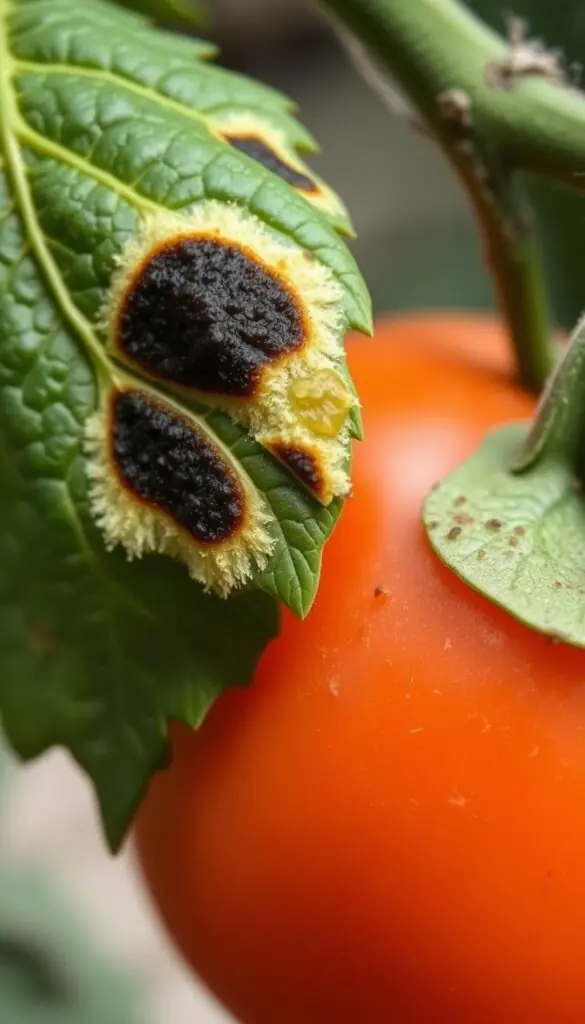
Tiny, ink-dark flecks rimmed with clear yellow halos often signal a bacterial problem on lower growth and immature fruit. These marks can appear on foliage, stems, and on green fruit you hope to harvest.
Visual cues: on leaves look for pinprick black dots; on fruit the lesions may feel slightly raised and later scab.
Handle plants gently and only when foliage is dry. Wet handling spreads bacteria fast. Sanitize stakes, ties, and pruners between plants. Start each season with certified, disease-free seed or transplants.
Handling tips: stay off wet foliage and sanitize tools
- Avoid overhead watering; water at the base in the morning so sun and breeze dry the canopy.
- Rotate away from last year’s rows of tomato and pepper to lower carryover in soil.
- Prune lightly for airflow and remove the most speckled leaves; bag and trash them.
- If infections threaten developing fruit, consider copper sprays as labeled to slow new infections.
"Start with clean transplants, keep things dry, and clean your tools — small habits save a season."
| Sign | Where | Action | Notes |
|---|---|---|---|
| Pinprick dark flecks | Leaves and stems | Sanitize tools, prune lightly | Favored by cool, wet weather |
| Greasy, water-soaked marks | Lower foliage | Remove infected growth; mulch | Caused by Xanthomonas spp. |
| Raised black specks | Green fruit | Harvest affected fruit early | May become scabby with time |
| Rapid spread after rain | Whole plant groups | Use copper per label; avoid working wet | Sanitation and rotation reduce risk |
Viruses (including tobacco mosaic virus): mottling, leaf roll, and slow growth
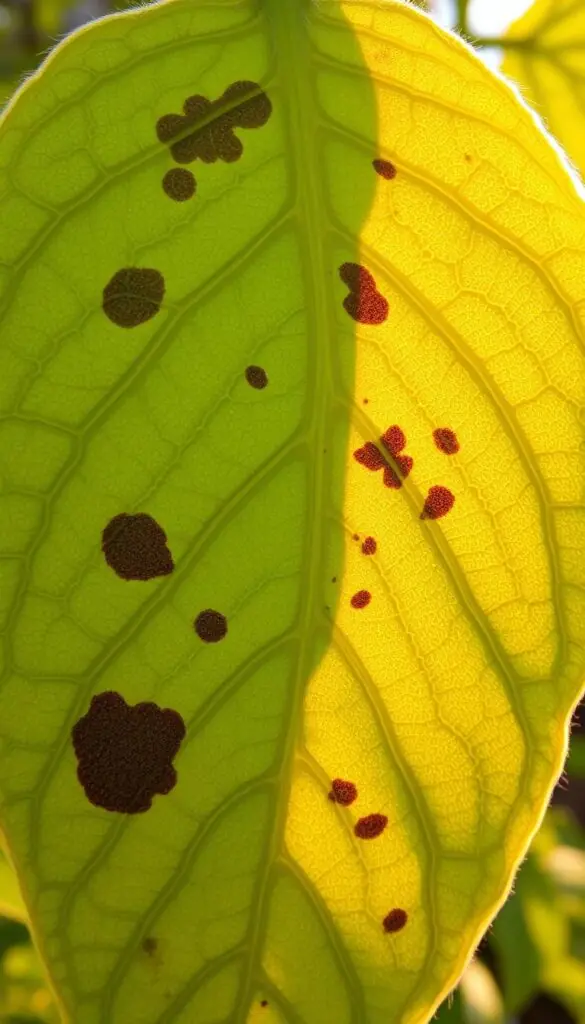
If parts of your plant look like a patchwork of pale and dark green, a virus may be at work.
Watch for mosaic virus patterns: patches of light and dark green with a puckered texture and a gentle leaf roll. Growth often slows and leaves turn yellow in patches. Fruit may show rings or mottled color and fail to ripen evenly.
There is no cure once a plant is infected. That makes prevention and quick removal key to protect nearby plants.
- Choose resistant varieties labeled T, TSWV, or CMV when you can.
- Wash hands and tools often and avoid handling plants after using tobacco — tobacco mosaic spreads on hands and gear.
- Keep weeds down and scout for thrips and other small pests that move viruses.
- Remove and trash sick plants kindly but promptly, then replant in a clean spot with fresh mulch and gentle watering to reduce splash.
| Sign | Where | Action | Why it helps |
|---|---|---|---|
| Mosaic patterns, puckering | Upper and mid growth | Remove plant; sanitize tools | Limits spread via handling |
| Leaf roll, stunting | Whole plant | Pull and discard | Stops insect or contact transmission |
| Rings or mottled fruit | Developing fruit | Harvest what’s usable; remove rest | Reduces reservoirs of virus |
Wilts in warm weather: fusarium wilt vs. verticillium and when leaves turn yellow
In hot stretches, a single wilting stem that seems to recover overnight often signals a vascular problem, not simple drought.
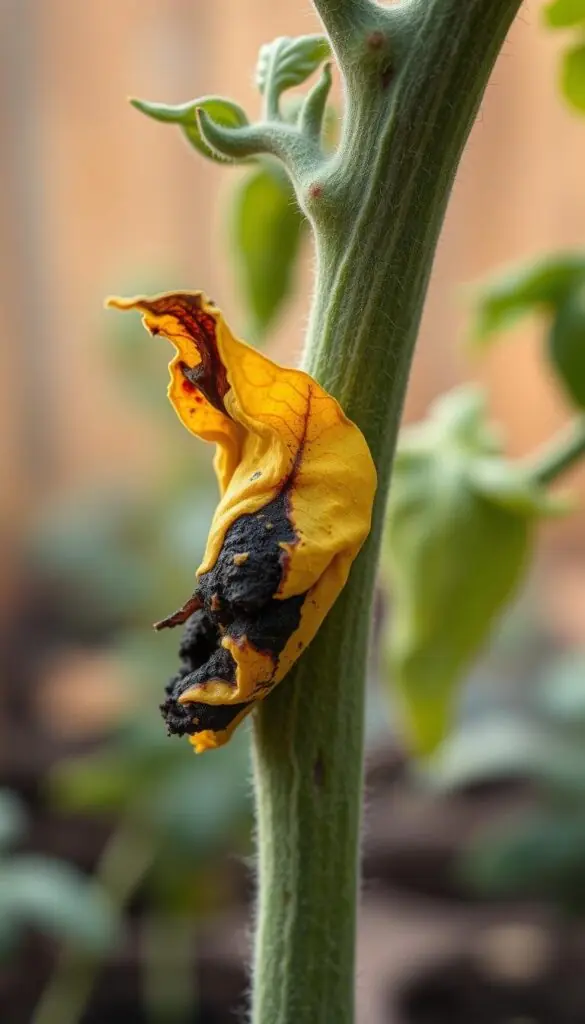
Quick sensory cues: fusarium wilt often makes one side of the plant sag and the leaves turn yellow first. Verticillium usually shows more even yellowing across the canopy.
Slice a lower stem lengthwise. If the xylem shows cocoa-brown streaks, a wilt pathogen is in the vascular tissue. Watering won’t cure true wilt once that damage appears.
- Remove and bag affected plants; do not compost heavy infections.
- Mark the bed and rotate away from tomatoes, peppers, and potatoes for several years.
- Choose resistant cultivars labeled V and F / FF / FFF next season to cut risk.
- Keep soil evenly mulched and water gently; stressed plants show symptoms sooner.
"Remove sick plants kindly but promptly; it protects the rest of your garden and fruit."
| Feature | Fusarium wilt | Verticillium |
|---|---|---|
| Pattern | Often one-sided yellowing and wilting | More uniform yellowing across the plant |
| Stem sign | Cocoa-brown streaks in xylem | Vascular browning but less one-sided |
| Origin | Soil-borne fungus in many gardens | Soil-borne fungus, similar persistence |
| Next step | Remove plant; rotate; plant resistant varieties | Same: remove, rotate, choose resistant types |
If you’re unsure, bring a sample to your local Extension office for a quick diagnosis. A lab test can tell you which pathogen so you can plan next season with confidence.
Lookalikes that aren’t leaf diseases: blossom end rot, sunscald, and nutrient stress
A leathery patch on the bottom of an enlarging fruit usually points to a cultural issue, not a pathogen. If you see dark, sunken tissue at the blossom end, you’re likely looking at blossom end rot rather than an infectious disease.
End rot happens when calcium can’t move into developing fruit. That often follows swings in soil moisture or heavy feeds that push foliage growth too fast.
Sunscald looks different: pale, blistered shoulders on exposed fruit after pruning or loss of canopy. Both problems show on fruit and not as spreading leaf infections.
- If a tomato shows a leathery blossom end, don’t spray—stabilize water and mulch the soil.
- Keep a modest green canopy to shade fruit and avoid sunscald after pruning.
- Avoid quick fixes: excessive nitrogen fertilization can worsen calcium shortages; use gentle, regular feeding instead.
- Test soil every year or two and aim for steady soil moisture so fruit set and ripening stay even.
Quick reassurance: these are care problems you can fix. Small changes in watering, mulch, and feeding will help plants make clean, healthy fruit again.
Pests that mimic disease: spider mites, flea beetles, and hornworms
Small, telltale feeding patterns can look like disease until you get close. Take a magnifying look before you treat so you match action to cause.
- Tiny, sand‑grain stippling and a dusty underside point to spider mites, not a fungal issue.
- Shot‑hole patterns across tender leaves early in the season usually mean flea beetles are chewing.
- Large green hornworms can strip a branch overnight; check for dark frass pellets beneath the plant.
In a busy vegetable garden, protect young transplants with light row cover and scout often. Rinse mite‑prone leaves with a firm spray on cool mornings and keep plants steady with even moisture.
Handpick hornworms when you can. If you see white cocoons, leave them—those tiny wasp allies are doing the work for you.
"Match the response to the cause; don’t reach for fungicides when you’re seeing insect feeding damage."
Keep weeds down, tidy soil around stems, and watch for the right symptoms before treating. Gentle IPM steps save fruit, help plants recover, and keep your garden resilient.
Watering that prevents disease: deep, even moisture without wet leaves
Start your watering day by listening: the soil near the roots should feel cool and slightly springy under your fingers.
Water at the base in the quiet morning so leaves dry quickly and disease pressure stays low. Use a soaker hose or drip line for slow, deep sips that anchor roots and protect fruit set.
Keep mulch 2–3 inches thick. It steadies soil temperature and soil moisture, reduces splash, and helps fruit stay clean. Mulch also gives you a damp, earthy cue after watering.
- Aim for soil that feels like a wrung-out sponge 4–6 inches down—firm but not sticky.
- Water in the cool morning; avoid overhead sprinklers that leave leaves wet into the evening.
- In heat waves, lengthen sessions rather than doubling daily trips—deep moisture is kinder to roots.
- Check by hand near the drip line; adjust before plants flag in the afternoon sun.
Consistency prevents physiological problems like end rot and helps your fruit fill out smoothly. Small, steady habits keep your plants healthy and your garden calm.
Fertilizing tomatoes without fueling problems: avoid excessive nitrogen
Think of fertilizing as a slow conversation with the soil—small, regular notes beat a single loud shout.
Feed for fruit, not just foliage. Too much excessive nitrogen encourages lush, floppy growth and can slow ripening. That shift also raises your risk of cracking and other disorders, and can invite disease in damp weather.
Start with a soil test and add compost before planting for steady nutrients and better moisture holding. If tests show a calcium gap, side‑dress lightly with calcium nitrate once a month. Keep potassium steady so fruit color and resilience improve.
- Skip big fertilizer blasts after fruit set; they push leaves over fruit.
- Watch signals—very lush tops and few clusters mean ease off feeding.
- Pair modest feeding with mulch and steady water so nutrients move gently into the root zone.
- Adjust as the season shifts; late summer needs less feed and more consistent moisture.
With small, regular feedings and simple checks, your plants and fruit will finish the season stronger and steadier in the garden.
Season-by-season care in the United States: spring setup, summer monitoring, fall cleanup
Begin each season by checking soil warmth and planning one simple task for your garden that week.
Spring
Wait until the soil is warm and night temperatures are steady before you set transplants. Choose varieties labeled V, F, FF/FFF, N, T, A, TSWV, CMV, L, St, ASC if your bed has a history of disease.
Space plants for easy airflow, install stakes or cages right away, and add mulch once the soil has warmed. This setup helps young plants and keeps soil moisture steady.
Summer
After heavy rains, stroll the rows and scout lower growth for new symptoms. Prune a few affected leaves and tie stems to improve circulation.
Harvest fruit often to reduce vine stress. Keep watering early in the morning and avoid working on wet plants in the evening.
Fall
Pull spent vines, rake up leaves, and bag debris for disposal. Sanitize stakes and tools, let them dry in the sun, and note which beds grew tomatoes this year.
Rotate that soil for 3–4 years before replanting. A tidy fall cleanup makes spring easier and cuts disease risk in your vegetable garden.
"A few steady habits each season protect your plants and help fruit finish strong."
When and how to use fungicides in a home garden
Use fungicides as a careful shield, not a last-ditch cure for a struggling garden. Think of them as supplemental protection for new growth and vulnerable tissue.
Protectant products work best before or at first symptoms. Apply labeled products like chlorothalonil, mancozeb, or copper on a preventive schedule. Rotate active ingredients to slow resistance.
Protectant products, timing, and label safety
Time sprays before a wet spell so a dry film can form on leaves and stems. Spray in calm, cool parts of the day and avoid hot, windy hours that stress plants and cause drift.
- Use fungicides as shields — apply before or at the first hint of spots.
- Mind pre-harvest intervals; some labels require days between spray and harvest of fruit.
- Keep a simple log of dates, product names, and weather to refine your plan.
- Always read and follow the label; store products safely and dispose of empties per instructions to protect soil and waterways.
"Pair every spray with cultural steps — mulch, pruning, and spacing — so you spray less overall."
| When | Product types | Key action | Safety note |
|---|---|---|---|
| Before rainy stretch | Chlorothalonil, mancozeb | Form a protective film on new tissue | Follow label rates and pre-harvest interval |
| At first symptoms | Copper-based products | Slow spread while cultural fixes take hold | Avoid spraying in hot sun; prevent drift |
| Season plan | Rotate actives | Reduce resistance risk | Record use and weather; store safely |
Conclusion
When you build a simple rhythm around care, most disease worries fade and fruit keeps ripening.
Keep a few steady habits: space and stake plants, add mulch, and water in the cool morning so soil stays even and foliage dries fast. Read patterns—concentric rings, halos, or water-soaked marks—so you can act with calm purpose.
Choose resistant varieties, clean tools, and tidy beds in fall. Use a protectant spray only as part of a gentle plan, and prune early to save ripening clusters. Enjoy the sun-warm scent of tomato vines, the rustle of healthy leaves, and the simple pleasure of a thriving garden. You’ve got this—small steps, beautiful results, and plenty of fresh fruit ahead.
FAQ
How do I start diagnosing spots and yellowing on my tomato plants?
Begin with a calm, step-by-step check. Look at lower leaves first for tiny gray or circular marks, then inspect for concentric rings, yellow halos, or water-soaked blotches. Note whether symptoms began after wet weather, high temperatures, or feeding. Check soil moisture, air circulation, and nearby pest activity like spider mites or hornworms. Gather these clues before acting so your response matches the cause—fungus, bacteria, virus, nutrient stress, or pests.
What basic prevention steps keep plants healthy all season?
Prioritize spacing for good air flow, plant on warm, well-drained soil, and keep moisture even with deep, infrequent watering. Use stakes or cages for support, mulch to limit soil splash, and soaker hoses to wet roots, not foliage. Avoid excessive nitrogen fertilization, which can encourage lush growth that invites disease. Rotate crops and start with disease-resistant varieties when possible.
Which simple tools help prevent and manage problems?
Use stakes, cages, and twine to keep vines off the ground. Lay mulch to reduce soil splash. Install soaker hoses for root watering and a rain gauge to guide adjustments. Keep pruning shears and disinfectant handy to remove infected growth and sanitize between cuts.
What common mistakes should I avoid in wet weather?
Don’t work plants while foliage is wet, which spreads pathogens. Avoid overhead watering that soaks leaves. Don’t crowd plants—poor airflow prolongs leaf wetness. And delay pruning on rainy days; prune only when leaves can dry quickly to prevent infection.
What do circular spots and concentric rings usually indicate?
Circular spots with target-like, concentric rings often point to early blight, a fungal disease. Small gray spots on lower foliage that spread upward typically signal septoria leaf spot. Yellow halos and leaf drop can be signs of bacterial infections or severe stress. Match the pattern to the likely cause before treating.
How can I identify septoria leaf spot and what should I do immediately?
Septoria shows many tiny gray centers with dark borders on lower foliage, especially after wet weather. Remove and dispose of affected leaves, mulch bare soil, improve airflow, and avoid wetting foliage. Fungicidal protectants can help when applied early and repeatedly during wet periods.
How do I recognize and manage early blight?
Early blight creates brown spots with concentric rings and yellowing that moves upward. Prune low leaves to keep soil off foliage, add mulch, and protect new growth. Remove heavily infected plants and consider a targeted fungicide if the problem spreads quickly.
What does late blight look like in cool, wet spells?
Late blight causes dark, water-soaked blotches on leaves and fruit, often with white fuzzy spores on undersides in humid conditions. It progresses fast. Remove infected plants, avoid handling wet plants, and follow local extension advice—this disease can be severe and spreads rapidly.
How do bacterial spot and bacterial speck differ and how should I handle them?
Both cause dark flecks and sometimes yellow halos on foliage and green fruit. Bacterial spot tends to form larger lesions; speck produces tiny, dark dots. Stay off plants when wet, sanitize tools, remove infected fruit and leaves, and avoid overhead irrigation. Copper sprays can reduce spread but check labels and local recommendations.
What are signs of viruses like tobacco mosaic virus, and can I treat them?
Viruses produce mottling, distorted growth, leaf roll, and stunted plants. Tobacco mosaic often creates a mosaic of light and dark patterns. Infected plants cannot be cured; remove and destroy them to prevent spread. Practice strict hygiene and avoid handling plants after using tobacco products.
How can I tell fusarium wilt from verticillium wilt when leaves turn yellow?
Both cause yellowing and wilting, often starting on one side. Fusarium wilt usually causes one-sided yellowing and brown streaks in the vascular tissue; verticillium tends to show more V-shaped yellowing between veins. Soil tests and resistant varieties help manage these persistent soilborne fungi.
Which problems mimic disease but are not infectious?
Blossom end rot, sunscald, and nutrient imbalances can look like disease. Blossom end rot appears as dark, dry spots on ripe fruit caused by calcium or uneven moisture. Sunscald shows pale, leathery patches on exposed fruit. Correct irrigation and balanced feeding usually fix these issues.
Which pests can fool me into thinking plants are diseased?
Spider mites leave stippling and fine webbing that can yellow foliage. Flea beetles make small shot-hole damage, and hornworms strip foliage quickly, often leaving ragged edges. Regular scouting helps you spot pests early and treat appropriately before misdiagnosing a disease.
What’s the best watering approach to prevent disease?
Water deeply and infrequently so roots stay moist but surface and foliage dry quickly. Use soaker hoses or drip irrigation, water early in the morning, and avoid overhead sprinklers. Consistent moisture reduces blossom end rot and limits fungal infections.
How should I fertilize without encouraging problems?
Use a balanced fertilizer and avoid heavy nitrogen doses that cause lush, disease-prone growth. Apply according to soil test or label directions, and use compost to build steady fertility. Feed less often but more reliably to support steady development and fruit set.
What seasonal care steps help in different US climates?
Spring: choose disease-resistant varieties, use clean transplants, and wait for warm soil. Summer: scout after rains, prune for airflow, and harvest promptly to reduce pressure. Fall: remove crop debris, rotate beds, and clean tools to lower overwintering disease risk.
When should I consider using fungicides in a home garden?
Use fungicides preventatively for recurring problems or when conditions favor disease (prolonged wet weather). Choose protectant products, follow label timing, and wear recommended protection. Remember fungicides work best as part of cultural controls, not as a sole fix.