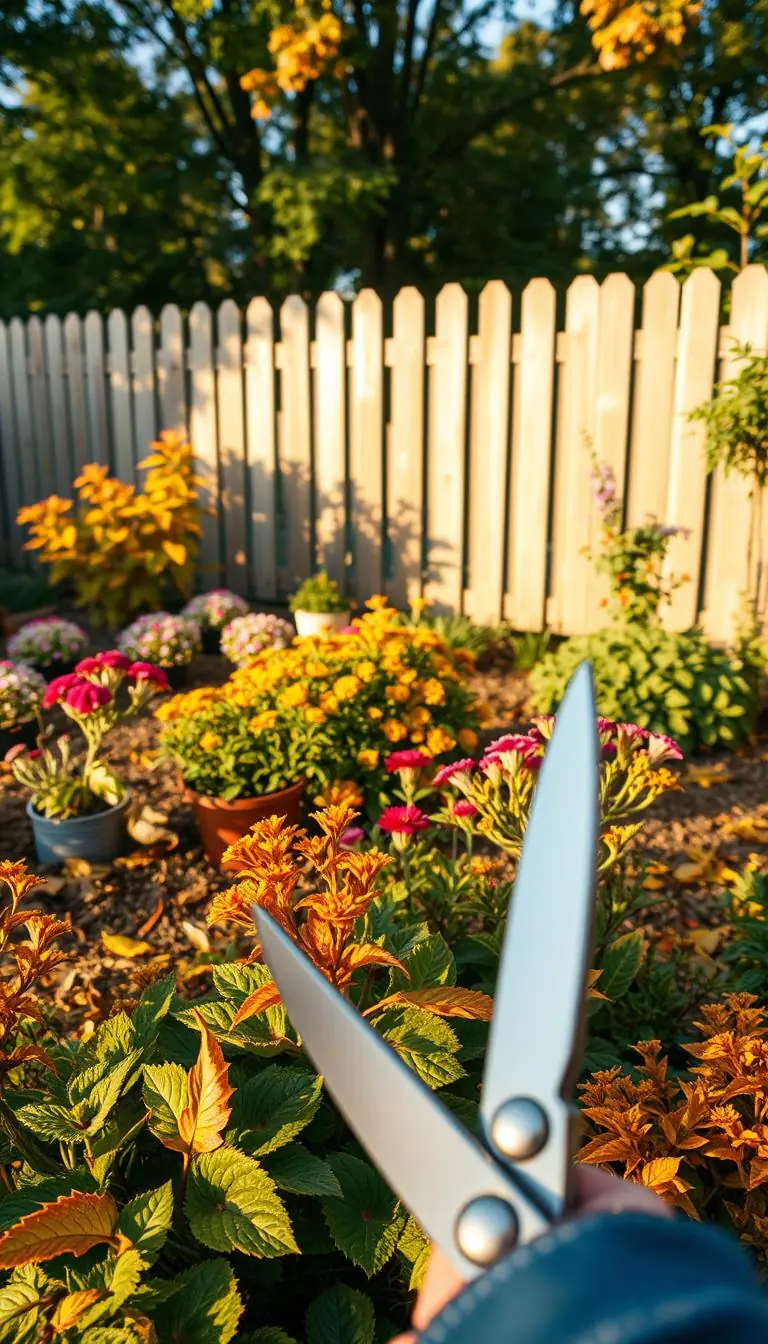
You step outside and feel the crisp snap of fall air on your face. Maybe you spot a thin white rim on a leaf or worry about the basil in a pot by the door. It’s a small moment that asks for a simple plan.
Learn which plants to prioritize, from tender tomatoes and basil to hardy kale and cabbage. You’ll also read quick cues on temperatures and weather so you know when to cover and when to uncover.
You’ll get friendly, step-by-step guidance that reads like a neighbor walking the yard with you. We show what to grab fast—old sheets, towels, even a plastic tub—and how to use them so they trap warmth from the soil and limit damage.
This short intro sets a calm tone: practical tips, seasonal timing for fall and spring, and small habits that boost growth. By the end you’ll feel confident and ready to care for your garden with ease.
Key Takeaways
- Use simple fabrics and items to trap soil warmth during brief freezes.
- Prioritize tender plants like tomatoes and basil first.
- Watch temperatures and weather alerts to time covers right.
- Bring containers inside or tuck them well if a freeze is coming.
- Water earlier in the day and mulch to retain heat around roots.
Understand Frost, Freezes, and Your Garden’s Risk
When the air goes still and the sky looks puckered with stars, you can tell a lot about overnight risk. A frost advisory usually appears around 33–36°F. That’s the signal to prep covers and check tender pots.
What counts as frost and a freeze in the U.S. forecast
Weather services issue a freeze warning when temperatures dip below 32°F and widespread freezing is likely. A frost advisory near 33–36°F means ice crystals can form on leaves even if the air reads a degree or two higher.
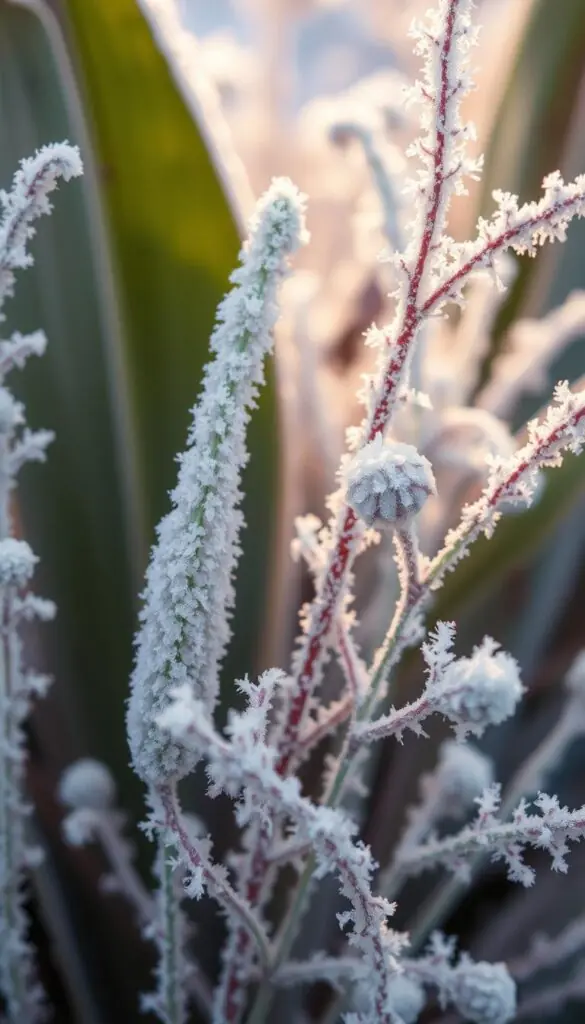
Think of frost as tiny ice on leaf edges; a true freeze brings solid ice into tissues and raises the odds of lasting damage.
Tender vs. hardy: which plants to prioritize
Start with the soft, tender list: tomatoes, basil, peppers, cucumbers, eggplant, most annual flowers, succulents, and seedlings. These are the first to show limp, darkened leaves after a cold night.
Hardy vegetables—cabbage, broccoli, kale, cauliflower, Swiss chard, carrots, radishes, turnips, and beets—often shrug off a light frost. Some greens, like lettuce and bok choy, sit between tender and hardy and may need cover on colder spring nights.
- Read the forecast: treat advisories around 33–36°F as your cue to prep.
- Act on freeze warnings: below 32°F, harvest what you can and insulate beds and pots.
- Use your senses: still, low-lying areas catch cold first; check those spots at dusk.
By knowing types and cues, you’ll save time and focus on the plants that need help most.
Plan Ahead: Read the Forecast and Gather Simple Supplies
A little prep goes a long way—read the day’s weather and pull together simple gear you already own. This tidy routine keeps your garden calm when cool nights come.
Quick checklist
What to have on hand
- Old sheets, towels, and a roll of lightweight to midweight frost cloth (0.55–1.5 oz)
- Hoops or low structures already in beds so you can slip fabric on fast
- Clips or clothespins, bricks or tiles to pin down edges
- Mulch (2–4 inches of straw, chopped leaves, wood chips, or compost)
Timing by season and zone
In fall, group tender pots near the house and fold a small kit with sheets and clips. The soft weight of fabric in your hands is oddly comforting—like tucking a bedspread around roots.
Through winter, refresh mulch and test clips on a clear day. Keep hoops in place so you can throw a cover on quickly at dusk.
In spring, expect surprise cold nights. Check temperatures at lunch, water earlier in the day, then wheel your covers out before sunset.
"Tuck the edges to the soil like a quilt so warm air stays where your plants need it most."
Move fast at dusk: start with the most tender plants, then work across the row. In the morning, lift opaque covers once the sun warms the soil so your garden can breathe and dry.
DIY Covers That Work Tonight: Sheets, Towels, and Bedspreads
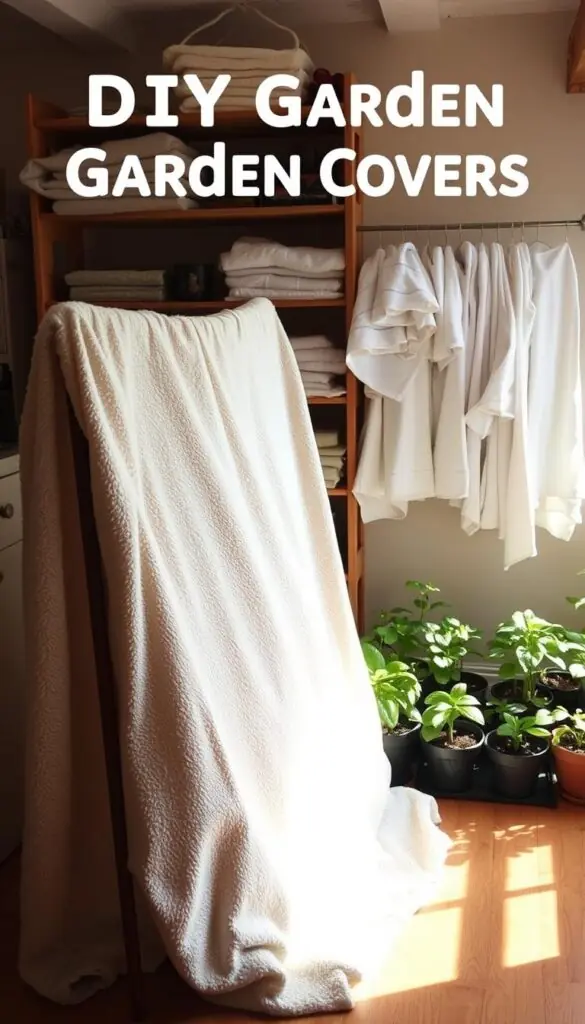
A quick throw of a sheet or towel can create a surprisingly warm pocket for your most fragile plants. Fabric traps the gentle heat that radiates from the soil and keeps moisture from meeting freezing air.
How to trap ground heat and create a warmer microclimate
Drape sheets or lightweight bedspreads so the fabric reaches the ground all around. This seals in the warm air rising from the garden and slows the chill that forms near leaves.
Cover-to-ground technique and why edges matter
Tuck edges under with bricks, tiles, or clothespins so no cold air slips in like a draft. Loose hems let icy air swirl under the fabric and reduce the benefit.
Morning removal to let in sun and release trapped moisture
Lift opaque covers as soon as the temperature climbs above freezing. Letting sunlight in prevents trapped moisture from freezing to foliage and causing damage.
- Keep fabric off very wet leaves when possible; frozen wet fabric can harm flowers and leaves.
- For pots, tuck a sheet under the rim or cap with an upside-down tub weighted with a brick.
- Avoid laying plastic directly on plants overnight unless it’s supported by hoops or a frame.
"Take covers off in the soft morning light so plants can breathe and the soil can warm again."
Row Covers, Frost Cloth, and Tunnels for Reliable Frost Protection
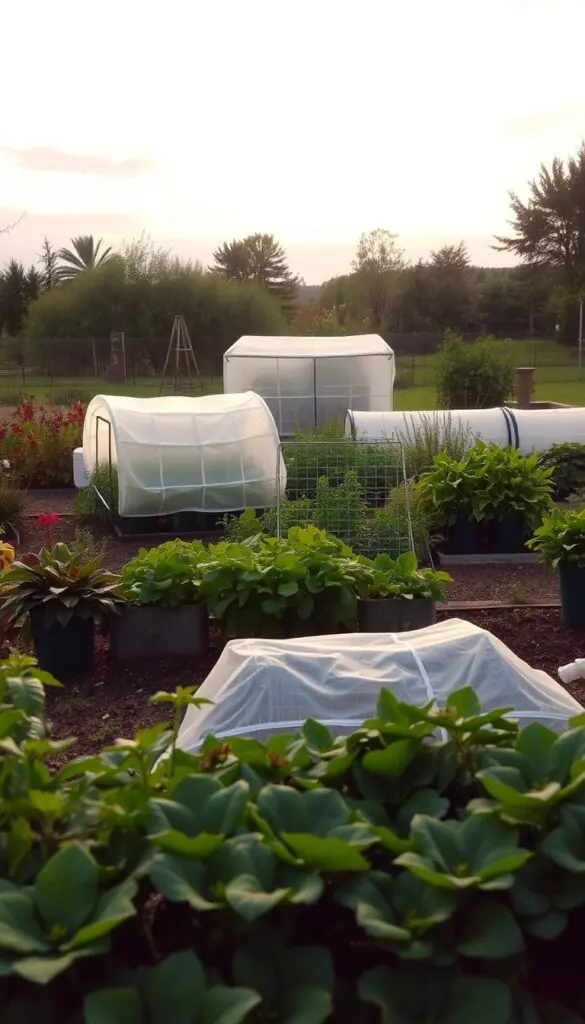
Simple hoops and light cloth turn a row into a cozy microclimate that keeps leaves safe on cold nights. Choose fabric by your usual lows so you can respond fast when forecasts dip. Lighter cloth (.55 oz) floats and lets more light in. Heavier cloth (up to 1.5 oz) feels dense and guards into lower temperatures.
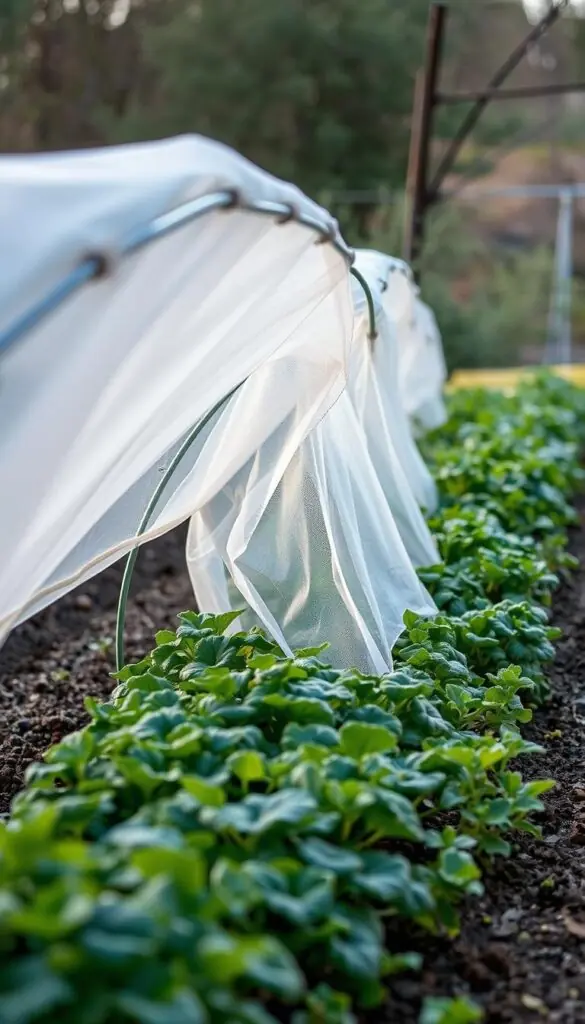
Choosing fabric weights and light levels for your temperatures
Feel the fabric: light fabric breathes and suits brief dips. Dense fabric blocks a bit more light but shields better when freezing temperatures hit.
Hoops, clamps, and securing sides against cold air
Set up simple hoops so the fabric arches above plants. That keeps frozen cloth off foliage and avoids damage.
- Use binder clips or clothespins to grip fabric to hoops.
- Tuck edges under with bricks or boards so cold air can’t sweep in.
- Leave hoops in place year-round for quick covers on surprise nights.
Plastic polytunnels vs. fabric: airflow, sunlight, and daytime venting
Clear plastic lets more sun through and sheds snow, but vents are essential. Crack the ends of a tunnel on bright days so warm air can escape and plants don’t steam.
"Walk the row at dusk—palms on the fabric will tell you if trapped warmth feels right."
| Type | Light Level | Best Use | Notes |
|---|---|---|---|
| Light frost cloth (.55 oz) | High light | Quick dips, early spring | Floats over plants, breathes well |
| Medium cloth (1.0 oz) | Moderate light | Repeated cool nights | Balances warmth and sunlight |
| Heavy cloth (1.5 oz) / Plastic tunnel | Lower light | Near-freezing to 20s, snow spells | More warmth; vent during day |
🌿 Related Reading
Spot Protection: Cloches and Cold Frames for Small Plants and Beds
A few small domes or a low box can turn a shaky seedling into a thriving sprout overnight.
Grab-and-go cloches are simple: clear jugs, nursery domes, or purpose-made garden cloches. Pop one over a single plant on chilly nights for a mini greenhouse effect. Weigh the rim with a small brick so wind won’t lift it and let cold air in.
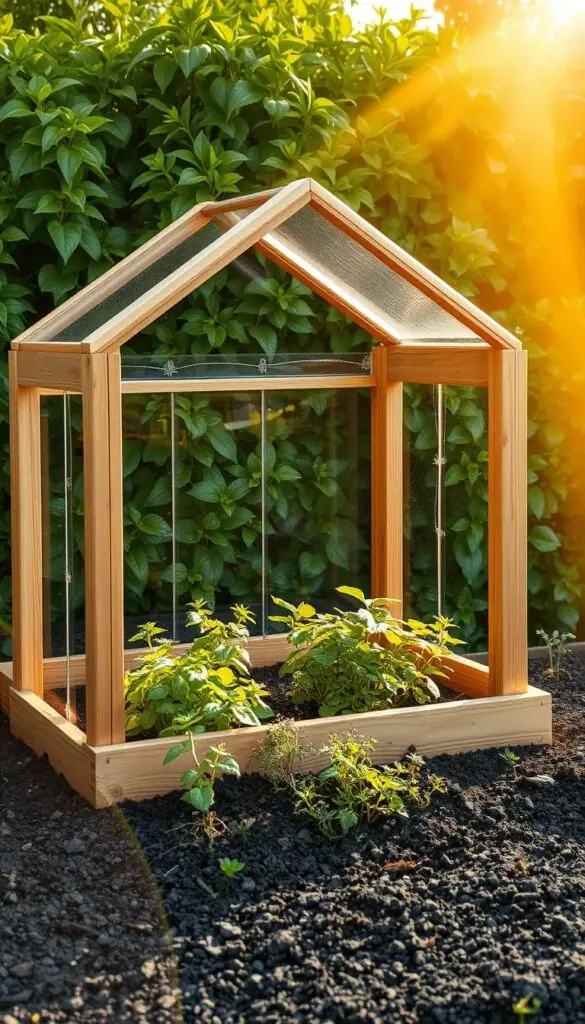
Cold frame basics
A cold frame is a low, sturdy frame with glass or clear plastic that traps daytime heat and keeps winter drafts out. Place frames where the sun is strongest—south or west of a wall.
Use a slide or hinged lid so you can vent with one hand. On freezing nights some gardeners drape a blanket over the glass for extra warmth and remove it at first light.
- Use old windows or corrugated greenhouse plastic for DIY structures.
- Tuck a thermometer inside to watch how quickly temperatures rise in sun.
- Frames are perfect for hardening seedlings and shielding plants from snow and sharp winds.
"The click of a lid in the morning is a small, satisfying proof that your setup is working."
| Tool | Best Use | Notes |
|---|---|---|
| Cloches (jugs/dom es) | Individual seedlings | Quick, portable; weigh down edges |
| Cold frame | Small beds, hardening off | Vent daily; add blanket on cold nights |
| DIY window frame | Raised beds | Affordable; place for winter sun |
Protecting Containers, Pots, and Planters When Temperatures Plunge
Cold snaps ask for fast, simple care for your containers and the plants inside them. A few kind moves at dusk can keep roots warm and avoid cracking or lasting damage.
Move and group where warmth gathers
When a cold night looms, cluster your containers along a south-facing wall, tuck them under eaves, or roll them into a garage, greenhouse, or cold frame. Grouping pots helps them share heat and cuts chill from still air.
Lift pots to cut ground chill
Elevate pots on pot feet, bricks, or tiles so the cold ground doesn’t wick heat away. Keep the drainage hole clear so water can escape and soil won’t freeze into a block that stresses roots.
Wrap, tuck, and guard fragile materials
Wrap vulnerable terracotta and glazed ceramic with burlap, bubble wrap, or a strip of frost cloth to reduce rapid freeze–thaw. Narrow-necked clay pots need extra insulation; their interior soil can expand and crack the rim.
- Quick moves: slide fabric under a pot and tie it up like a bundle for speedy warmth.
- Prioritize fruit: dwarf citrus and other fruit in containers go in first—blossoms are sensitive.
- Top care: add a thin mulch layer, water earlier in the day, then tuck pots at dusk.
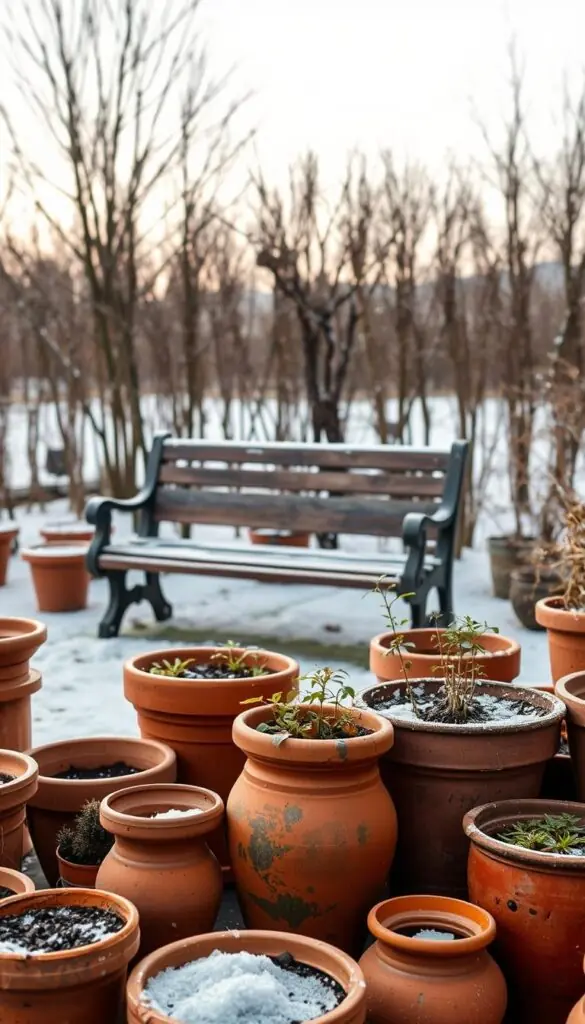
"A dolly by the door turns a heavy lift into a two-minute task—move what matters most."
After the freeze, unwrap and let the sun and breeze dry pots. The clay will warm by afternoon and your garden will thank you.
Soil Warmth, Mulch, and Watering: The Quiet Ways You Protect Plants
A quiet layer and a timely watering can do wonders for roots. These low-effort steps steady the soil and give your garden a gentle buffer when temperatures dip.
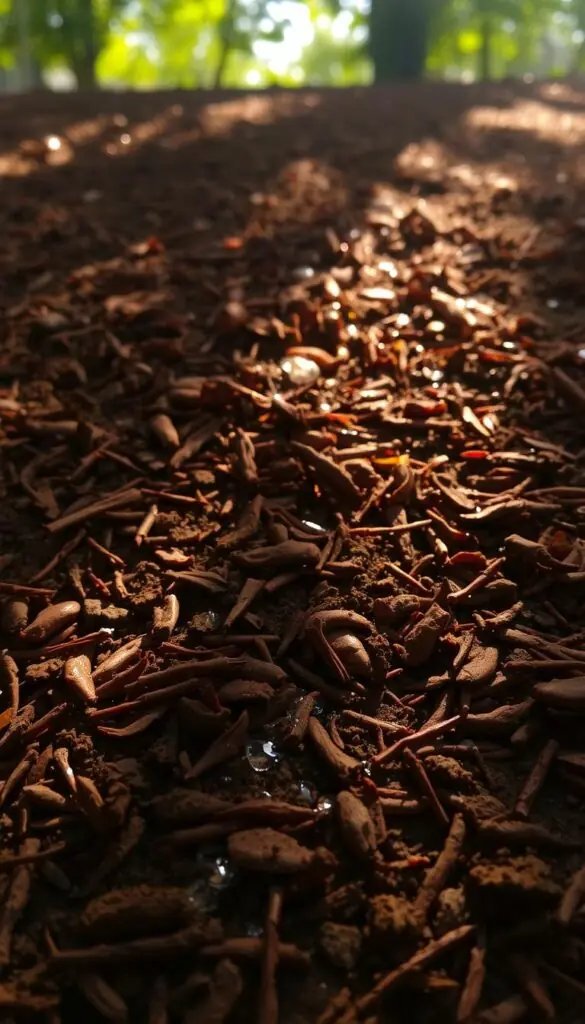
Deep mulch to steady temperatures
Lay a 2–4 inch blanket of straw, chopped leaves, bark, or compost around roots. The mulch smells warm and woody and keeps the soil from swinging wildly with the air.
Tuck material around perennials, young shrubs, and herb crowns. Add a thin top-dress to pots to insulate small root balls that chill fast.
Water early so the ground holds heat
Water in the warm part of the day before a cold night. Damp soil releases stored heat slowly after sunset. This helps prevent deep freezing and eases stress on plants.
Keep water off leaves in home beds; droplets can freeze and harm tender tissue unless water runs continuously through the freeze (a farm method).
- Press your palm to the ground at dusk — mulched soil should feel slightly warm.
- If snow falls, let it lie over mulched beds as extra insulation for roots.
- On bright days, pull mulch back an inch from stems to dry, then nudge it back at dusk.
"Mulch is quiet, steady care that turns into richer soil and stronger plants come spring."
| Action | Depth/Timing | Best for |
|---|---|---|
| Mulch layer | 2–4 inches | Perennials, raised beds, pots |
| Watering | Early day before cold night | All garden beds |
| Top-dress pots | Thin layer | Container plants, young shrubs |
Conclusion
With a few steady habits, you can keep tender plants safe when cold nights arrive. Read the midday weather, water early, and tuck covers in at dusk so soil holds the day’s warmth.
Choose the right cover for the temperatures—light fabric for quick dips, tunnels or frames for deeper cold, and cloches for single starts. Seal edges, vent in the morning, and use 2–4 inches of mulch to steady roots.
In short: group and elevate pots, wrap or move containers when needed, and trust moist soil to give gentle heat. These small steps are reliable frost protection and help protect plants through winter and into spring.
Keep your kit ready and your pace calm; your garden will repay you with steady growth and simple joy. Happy gardening.
🌿 Related Reading
FAQ
What’s the difference between a frost and a hard freeze in U.S. weather forecasts?
A frost forms when air temperature near leaves drops just below 32°F and moisture freezes on plant surfaces. A hard freeze means the air and plant tissues reach well below 32°F, often causing deeper damage to stems and roots. Check your local National Weather Service forecast and frost advisories for timing in your USDA zone so you can act early.
Which plants should I prioritize when cold nights are expected?
Tender vegetables like tomatoes, peppers, and basil, plus many annual flowers and young perennials, are most at risk. Fruit tree blossoms and newly planted shrubs also need attention. Hardy perennials, cabbages, and established shrubs tolerate colder air better, so focus covers and cloches on the most vulnerable plants.
What simple supplies should I have ready before a cold snap?
Keep lightweight sheets, towels, fleece or frost cloth, clothespins or clips, hoops or stakes, bricks or rocks to weigh edges, and mulch on hand. These items let you build quick covers, create small tunnels, and secure fabric against cold air and wind.
When should I put covers on and when should I remove them?
Cover plants in the late afternoon or early evening before temperatures fall and cold air pools. Remove covers after sunrise when the air and soil warm, usually mid-morning, to let sunlight in and prevent moisture buildup that can encourage disease.
How do I use sheets or towels to trap ground heat effectively?
Lay fabric directly over plants and press the edges to the ground with bricks or soil so warm ground air stays trapped. Keep material from touching delicate leaves if possible by using hoops or stakes to create a little air space between cover and foliage.
How heavy should row cover or frost cloth be for different temperatures?
Lightweight fabric (0.5–1 oz/yd²) protects against light freezes and allows light through. Medium-weight (1–1.5 oz/yd²) adds a few degrees of warmth for moderate cold. For longer or severe drops, choose heavier horticultural fleece and add mulch or cold frames for extra insulation.
How do I secure row covers and tunnels so cold air can’t slip in?
Anchor edges with soil, bricks, rocks, or landscape staples. Use hoops or PVC to lift fabric above plants and clamps to tighten seams. Overlap fabric pieces and tape seams if wind is strong, and check ties overnight so covers don’t blow open.
When is plastic polytunnel better than fabric covers?
Plastic polytunnels trap more heat and work well for longer-term season extension or very cold spells, but they limit airflow and can bake plants on sunny days. Use venting or open ends on warm afternoons. Fabric covers are breathable and easier for nightly, short-term use.
What are quick cloches I can use tonight for small plants?
Clear plastic jugs, milk cartons, buckets with the bottom cut out, or purpose-made domes make fast, effective cloches. Place them over seedlings or small pots and weight the base so they don’t blow away. Remove in the morning to avoid overheating.
How do cold frames differ from cloches and when should I use them?
Cold frames are low, enclosed boxes with a clear lid that capture sun and ground heat for larger beds. They offer more stable warmth than cloches and are great for hardening off seedlings, protecting small crops, and extending the season through fall and spring.
What’s the best approach for protecting containers during a freeze?
Move pots to protected spots like a garage, porch, or against a south-facing wall. If not movable, group pots together, elevate them on bricks for drainage, and wrap the sides with bubble wrap, burlap, or frost cloth to insulate roots and prevent cracking in terracotta.
How does watering help protect plants from cold nights?
Moist soil holds heat better than dry soil. Water deeply in the morning or early afternoon when a freeze is forecast so the ground releases stored warmth overnight. Avoid wetting foliage late in the day to reduce ice on leaves.
How much mulch should I add around perennials and shrubs for winter warmth?
Apply 2–4 inches of organic mulch like straw, shredded leaves, or compost around roots after the ground has cooled but before hard freezes set in. Mulch buffers temperature swings and keeps roots insulated through cold spells.
Can I use a heater or heat tape in the garden safely?
Small, purpose-built greenhouse heaters or low-voltage heat tape can help in enclosed spaces like cold frames and greenhouses. Use products rated for outdoor use, follow manufacturer instructions, and never leave high-wattage heaters unattended in flammable setups.
How do I keep soil from freezing solid around shallow-rooted plants?
Mulch heavily, water to retain soil warmth, and consider insulating fabric or a cold frame over the bed. For vegetable rows, building low tunnels with hoops and fabric creates a microclimate that prevents deep soil freezing.
What should I do if leaves are blackened by an unexpected overnight freeze?
Wait until new growth appears before pruning. Blackened foliage often indicates surface damage while roots may survive. Remove dead material in spring and assess whether stems remain flexible; if so, the plant may recover.
How can I protect blossoms on fruit trees during a late spring cold snap?
Sprays of water can form a protective ice layer that releases latent heat, but this needs steady application and proper equipment. More practical: use orchard fans to mix layers of air on still nights or row covers for small trees and bushes to hold in warmth.
Where can I find reliable materials like frost cloth, hoops, and horticultural fleece?
Local garden centers, big-box retailers like Home Depot and Lowe’s, and online nurseries stock horticultural fabric, tunnels, and cloches. Brands such as Agribon and DeWitt offer dependable row covers and supplies for home gardeners.