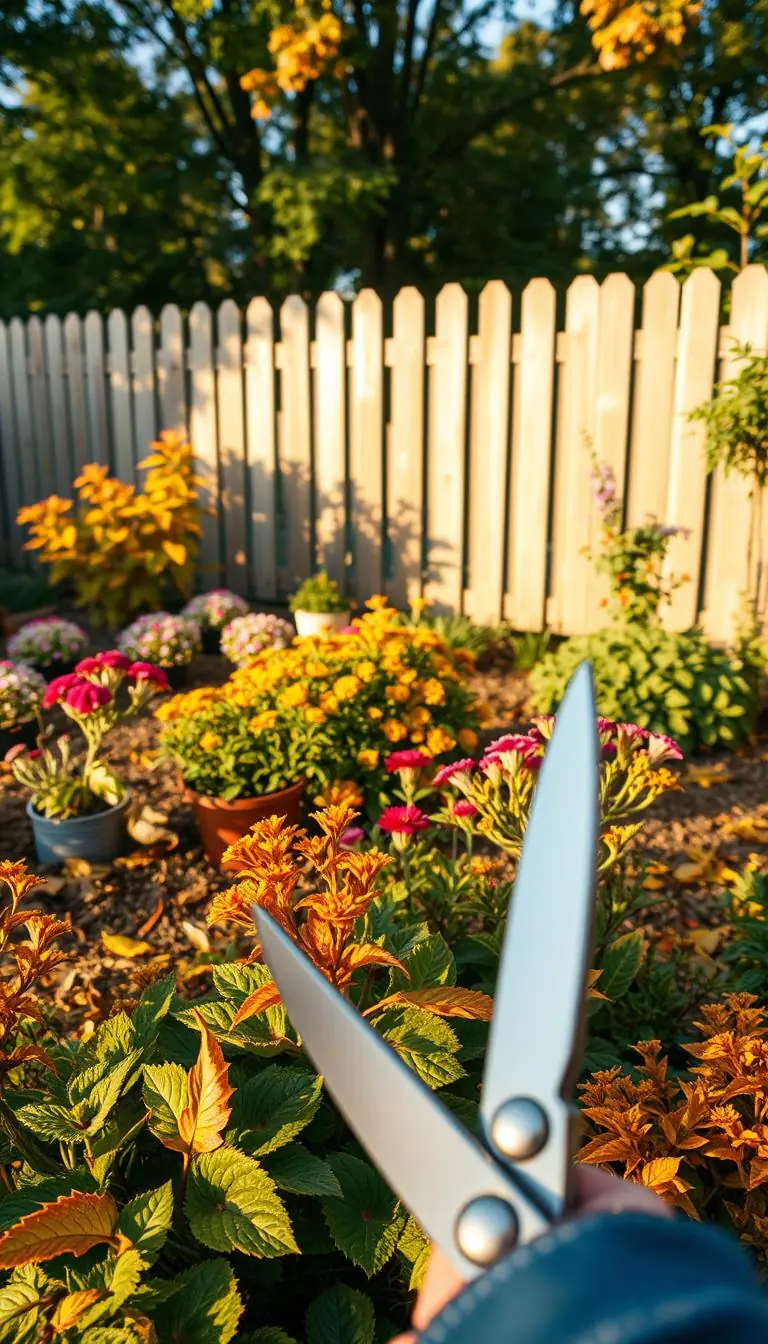
Imagine a cool afternoon scent—crisp air, rustling leaves, the earthy smell of compost as you step outside. You notice a few thin spots and wonder which small tasks will keep your turf safe when the season turns cold.
We’ll give you calm, neighborly advice and clear steps so you feel ready and not rushed. A quick fall feed helps roots store nutrients for green growth in spring. Removing leaves and debris keeps soggy mats and disease away.
Simple tools from the shed and a little timing make a big difference. Avoid walking on frosted or dormant grass to reduce damage. Use ice melt on paths only and watch for products with color indicators so you see where you applied them.
By the end of this guide you’ll have gentle, practical tips that protect moisture balance, prevent compaction, and help your yard wake up healthier come spring.
Key Takeaways
- Do a fall fertilizer to boost root strength for spring green-up.
- Keep leaves off turf to prevent mats and disease.
- Minimize foot traffic on frozen grass to avoid damage.
- Use de-icers sparingly and choose products with markers.
- Small, timely steps add up to a lush, resilient yard.
Set your lawn up for winter success before the first frost
Start your pre-frost checklist on a crisp weekend so small tasks now save big hassles later. Aim to begin in early to mid-fall and finish by late September to early October in many U.S. regions.
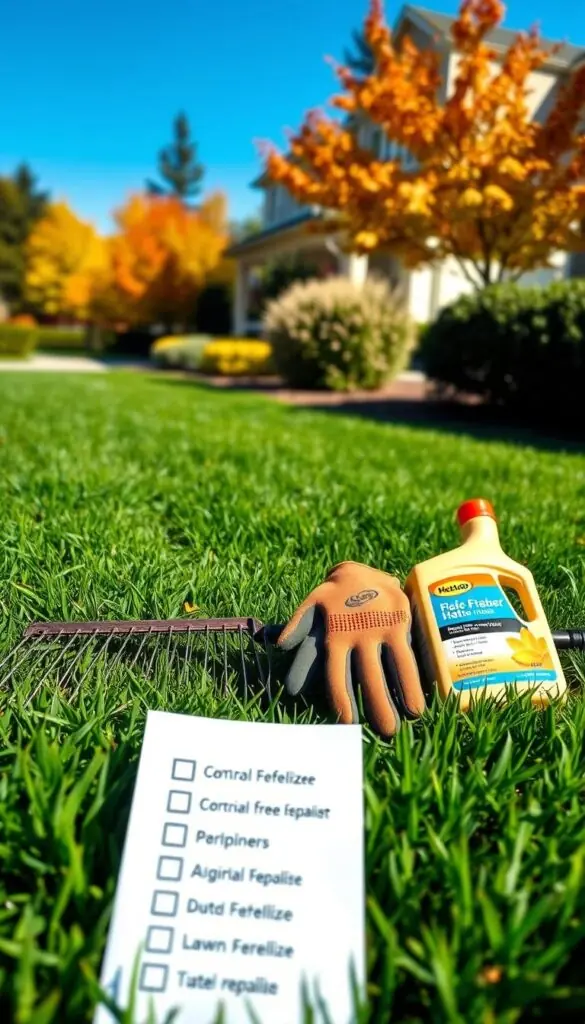
Lay out tools by the back door: a mower, leaf rake, core aerator (rent if needed), spreader, and a wheelbarrow. Having gear ready makes the work calm and steady.
- Check your local average first frost and pick a weekend one to two weeks before it.
- Walk the yard slowly. Note low spots, compacted paths, and thin grass areas you’ll overseed.
- Mow and mulch light, dry leaves into small pieces; rake up heavy or wet mats to avoid disease and debris buildup.
- Aerate when the soil is slightly damp so tines pull clean cores; avoid working on bone-dry ground.
- Clear furniture, toys, and firewood so grass can breathe through the colder months.
"A steady, even afternoon of prep now prevents winter trouble and makes spring much easier."
Quick tip: A typical power aerator rental runs about $90/day at many hardware stores. Tape a simple plan—mow, aerate, compost, seed, clean up—on the garage wall so you move through these steps without rushing.
| Task | When | Why |
|---|---|---|
| Mow & mulch light leaves | Early to mid-fall | Prevents mats and keeps grass breathing |
| Core aerate | 1–2 weeks before first frost | Relieves compaction; helps seed and water reach roots |
| Rake/remove wet debris | Anytime in fall | Avoids soggy spots that invite disease |
| Clear objects | Before cold sets in | Prevents shading and trapped moisture |
Winter lawn care: fall prep that strengthens roots and prevents compaction
Start your fall prep with small, steady steps that give roots room to grow and soil a chance to breathe.
Mow low to prevent matting
Run your mower a little lower than summer height until grass is about 1–1½ inches. If the turf passed 3 inches this season, lower it gradually—never cut more than one-third at a time.
Aerate compacted ground
Rent a core aerator (around $90/day) and work on a moist, not soggy, day. Do a perimeter pass first to ease turns, then make back-and-forth runs to relieve compaction so air, water, and nutrients reach roots.
Top-dress, seed, and feed
Spread a half-inch of cured, crumbly compost on thin areas. Overseed at roughly two-thirds of the bag rate or use a power overseeder to save work. Apply fall fertilizer based on your soil test and open the spreader only while moving.
Water with care
Lightly water new seed 5 minutes two to three times daily until sprout, then once daily for 15–30 minutes before tapering as nights cool. Avoid overwatering and overfertilizing—those are common mistakes that slow spring growth.
🌿 Related Reading
Protect your lawn under snow: traffic, debris, moisture, and ice melt
A neighborly routine can protect grass from traffic, debris, and trapped moisture. Clear clutter and plan simple paths so the yard stays healthy through the cold months.
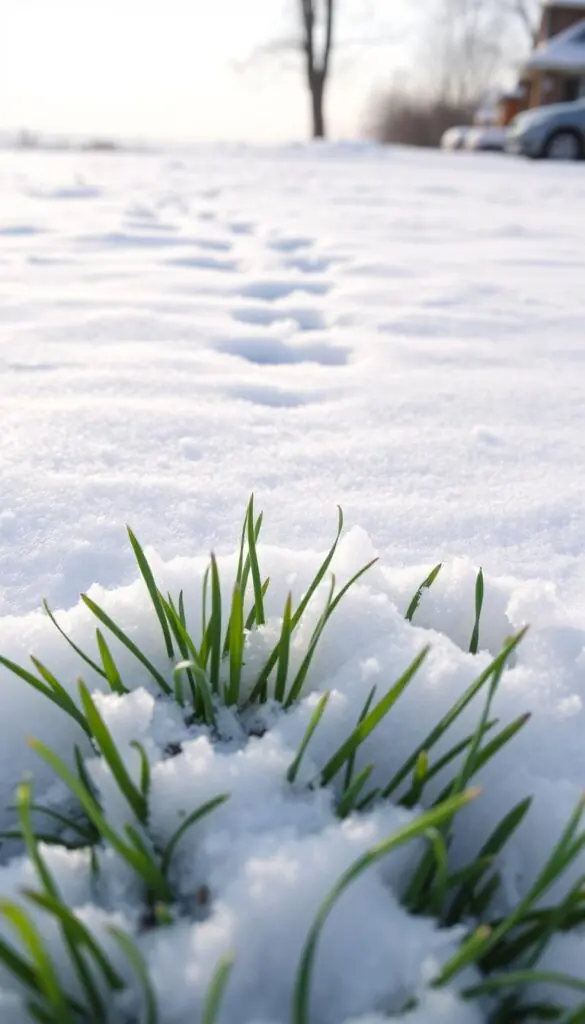
Keep leaves and debris off the grass to avoid snow mold
Rake wet, matted leaves and remove branches before a storm. Light, dry leaves can be mulched; heavy piles invite mold under packed snow.
Avoid footpaths on frosted or dormant turf
When you hear the crunch of frost, steer people and pets to a set walkway. Repeated steps crush crowns and weaken grass over time.
Choose ice melt wisely and keep it on hard surfaces
Apply ice melt only on driveways and sidewalks. Pick blends with a green color indicator so you can see where you spread and keep granules off the turf.
After storms, gently break up crusted snow to improve airflow
Use a broom to loosen packed snow after a thaw-freeze cycle. Be gentle—avoid sharp tools that tear turf. Move piled snow away from low areas and roof runoff.
- Simple habit: move trash bins and furniture off grass before storms.
- Quick tip: create a paved route from driveway to cans to prevent muddy strips year after year.
Adjust for your region and season: cool- vs warm-season grass, water, and tools
Match your mowing, watering, and tools to the grass types and climate where you live. This keeps turf healthy and reduces problems through the colder months.
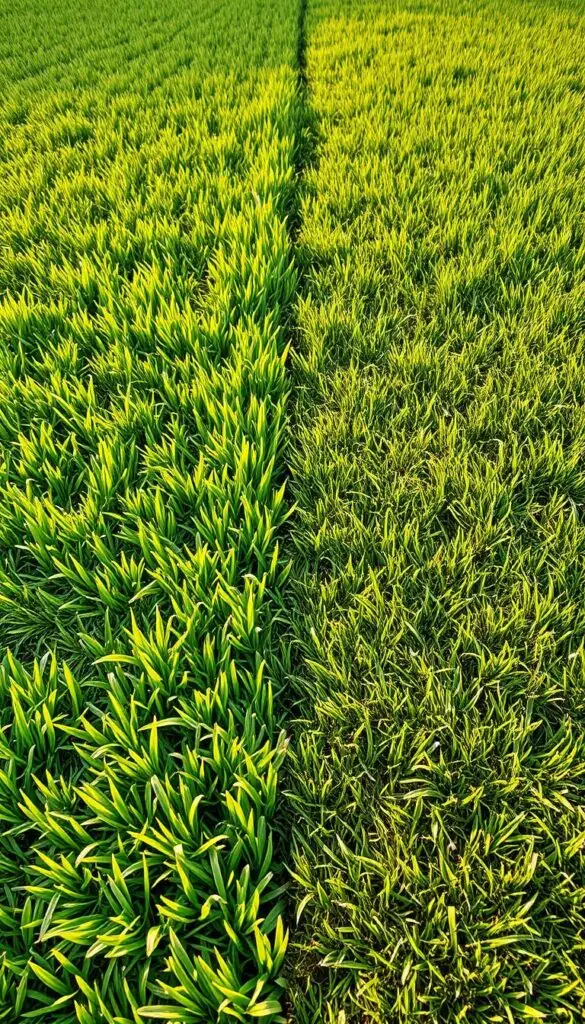
Cool-season vs warm-season grasses: mowing height and growth patterns
Know your grass family. Cool-season grasses like Kentucky bluegrass and tall fescue push growth in fall. They benefit from a final cut near 1–1½ inches before dormancy.
Warm-season turf such as Bermuda and Zoysia can go straw-colored when nights cool. In mild areas you may mow less often and keep blades a touch higher to avoid stress.
Irrigation and sprinklers: winterizing in cold areas, deep watering in mild zones
In freezing regions, blow out sprinklers and shut systems down to protect pipes and heads. Many homeowners schedule a professional blow-out in late fall.
In frost-free zones, water less often but soak deeply to encourage roots to reach stable moisture. Consider a smart WiFi controller to pause for rain and tailor zones by sun and shade.
Tip: Use fall to map shady pockets, sunny slopes, and soggy spots so you can match fertilizer timing, seeding, and irrigation to each microclimate.
- If soil swings from soggy to powder-dry, add a thin top-dress of compost in fall to improve texture.
- Watch growth cues: cool-season turf greens up in fall; warm-season types slow as daylight shortens.
- Not sure what you have? Bring a small tuft to a local garden center for quick ID and tailored recommendations.
Conclusion
Your small, steady efforts make a big difference. A few small steps this fall give your yard quiet strength and a brighter return come spring.
When you tidy up leaves, open the soil, and feed the roots, you lock away nutrients where plants can use them later. These moves help roots reach deeper and store energy for the season ahead.
Keep the routine gentle and steady. Trust the process and picture a soft, green space ready for play after summer. Enjoy the calm pride of a yard that thanks you in color and life.
🌿 Related Reading
FAQ
How can I protect my grass from snow damage?
Start by clearing leaves and yard debris before the ground freezes. Keep foot traffic to a minimum on frosty or dormant turf, and avoid piling snow from driveways onto planted areas. After heavy storms, gently break up crusted snow so air can reach the surface and moisture won’t stay trapped under ice.
When should I finish my pre-frost tasks and what tools do I need?
Aim to finish core tasks—mowing, raking leaves, aeration, overseeding, and a final fertilizer—about two weeks before your average first frost. Useful tools include a mower with a sharp blade, rake, core aerator, spreader, and a hand tamper for small spots. They help you get the job done cleanly and quickly.
How low should I mow in fall to prevent matting under snow?
Mow to about 1 to 1½ inches for most cool-season turf to reduce matting while still protecting crowns. Avoid scalping; keep blades sharp so grass cuts cleanly. This height discourages snow mold and helps blades dry faster after precipitation.
Do I need to aerate, and when is the best time?
Yes—if your soil compacts from foot traffic or heavy clay. Aerate in fall when grass is still active so roots recover. Core aeration lets air, water, and nutrients reach root zones, improving resilience through the dormant season and encouraging a stronger spring green-up.
Is top-dressing with compost helpful before winter?
Lightly top-dress with cured compost to improve soil structure and add gentle nutrients. A thin layer helps keep seed-to-soil contact for overseeding and slowly feeds microbes. Avoid thick layers that can smother grass.
Should I fertilize in late fall or wait until spring?
A fall fertilizer applied a couple of weeks before freeze can strengthen roots and store nutrients for spring. Use a product labeled for late-season application and follow rates carefully. Don’t apply fertilizer in frozen ground or during heavy wet conditions.
When and how should I overseed thin areas?
Overseed in early fall while soil stays warm—this gives seedlings time to establish before freezing. Rake to loosen soil, spread seed at recommended rates, press seed into contact with soil, and water lightly to keep it moist until germination. Reduce watering as temperatures drop.
How do I protect turf from ice melt products and salt?
Use ice melt on walkways and driveways, not on grass. Choose pet-safe, low-chloride products for nearby hard surfaces and sweep any granules off planted areas. Rinse accidental residues with water in mild weather to reduce salt buildup.
What should I do about snow mold and trapped moisture?
Prevent snow mold by removing leaves and keeping grass at recommended heights. If you spot mold after snow melts, rake gently to break up matted patches and improve airflow. Fungicide treatments are rarely needed for small areas; focus on cultural controls first.
How should I adjust tasks for cool-season versus warm-season grass?
Cool-season turf benefits from fall aeration, overseeding, and a lower final mow. Warm-season varieties go dormant earlier—delay heavy seeding and reduce irrigation later in the season. Match mowing height and timing to your grass type for best resilience.
Do I need to winterize irrigation systems and sprinklers?
Yes in cold climates: blow out underground lines and shut off valves to prevent freeze damage. In mild regions, give a deep watering before prolonged dry cold to keep roots hydrated. Disconnect hoses and drain aboveground systems everywhere to avoid cracks.
How can I avoid compaction in high-traffic areas?
Reduce traffic during frosty periods, install stepping stones or mulch paths, and aerate compacted zones in fall. Adding organic matter and avoiding heavy equipment on wet ground also helps maintain soil structure so roots can breathe.