Imagine warm morning light on a small bed of blooms, the scent of lavender drifting past your porch. Have you ever wondered whether to plant quick color or long‑term structure in your garden?
This short guide helps you see the clear difference so you can pick with calm confidence. One group finishes its full life cycle in a single growing season and gives instant color. The other group returns from roots year after year, adding steady form and late‑season interest.
You’ll meet familiar names like petunias and marigolds for fast bloom, and lavender, daylilies, and peonies for dependable returns. We’ll explain how the life of each plant shapes care, when to plant, and how to mix them so your beds and containers stay bright from spring through frost.
Promise: practical steps, real examples, and easy comparisons that fit your space, schedule, and budget. By the end you’ll feel ready to blend quick color with lasting structure and enjoy your garden without fuss.
Key Takeaways
- You’ll quickly grasp the main difference and choose with confidence.
- Think of quick‑blooming plants for instant color and root‑returning ones for backbone.
- Life cycle drives care: seasonal bloomers need more frequent replanting; returning plants build strength over time.
- Mix both types for long color and structure in beds and containers.
- Check your USDA zone because some tender plants act differently in warm regions.
Perennial vs annual flowers: what they are, how they grow, and why both matter
A plant’s life story — from seed to rest — tells you what to expect each season.
Life cycle at a glance: seed to bloom to dormancy or done
True annuals germinate, bloom, set seed, and finish in one growing season. Many keep blooming until frost if you deadhead spent blooms. Think cheerful marigolds and full beds of petunias that brighten a summer day.
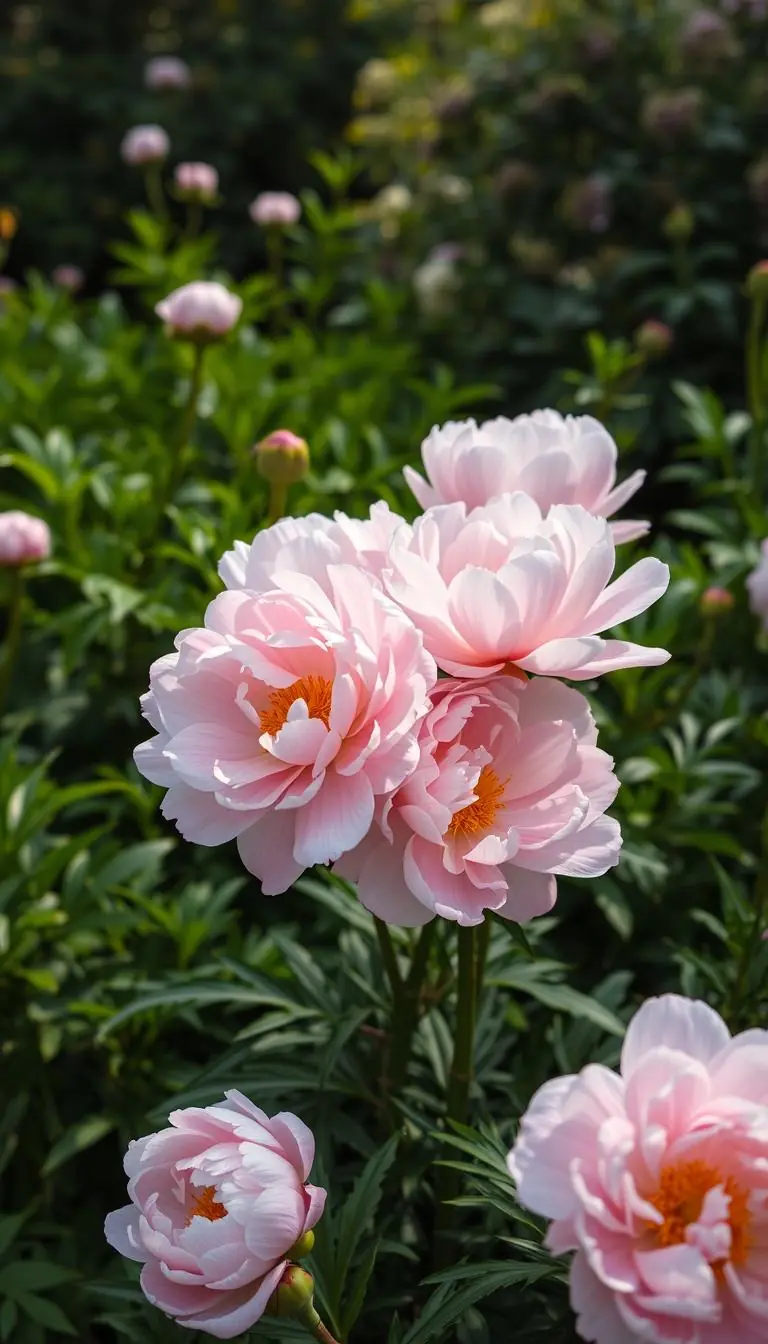
Perennial plants live three or more years. They put energy into roots and structure, so you often get a shorter bloom window and steady foliage the rest of the season. Sturdy peonies reward you in late spring with dramatic blooms and then return the next year.
Hardy, half-hardy, and tender: understanding temperature tolerance
Hardy annuals shrug off light frost. Half-hardy types fit shoulder seasons. Tender annuals need real warmth to thrive. Read the plant tag and match it to your hardiness zone and frost dates.
Biennials in the mix: two-year charmers you’ll see every other spring
Biennials like foxglove leaf out the first year, then bloom in year two and die. They add rhythm to the bed if you plan for their two years of service.
Quick tip:Note your last spring frost and first fall frost on a simple calendar to know which plants will behave as returning or one-season color where you live.
Pros and cons in real gardens: color, costs, care, and confidence
Deciding between quick color and steady backbone shapes how your beds look and how much work you do.
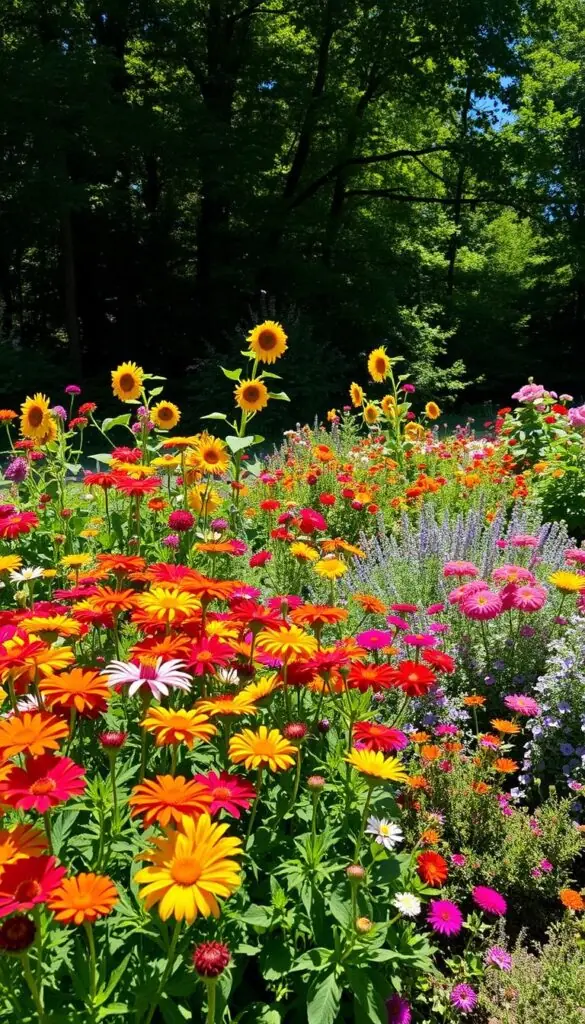
Annuals for season-long blooms and instant color
Instant payoff: Choose these when you want bold color now. Petunias, marigolds, and zinnias fill pots and beds quickly.
They often bloom from planting until frost. Some types self-clean, but many need weekly deadheading. Water more in heat. Use them to refresh containers or hide bare spots.
Perennials for long-term structure and wildlife value
Reliable anchors: Daylilies, coneflowers, and lavender return every year and give the bed a steady shape.
They usually need less water after the first season and support bees and butterflies. Cut back after bloom and divide mature clumps to expand your planting without high cost.
Budget and time tradeoffs: upfront cost, division, deadheading, and watering
Buy small starts of longer-lived plants to save money. In a couple of years you can split clumps to double your beds.
Use a mix: a few dependable perennials plus fresh annuals each spring. This keeps color without extra stress.
| Feature | Quick-color plants | Long-term plants |
|---|---|---|
| Typical example | Marigolds in pots | Daylilies along a fence |
| Care focus | Frequent deadheading, more watering | Divide, cut back after bloom, mulch |
| Cost | Lower upfront; needs replanting | Higher start cost; pays back over years |
| Wildlife value | Attracts pollinators all season | Supports native bees and butterflies |
Plan by season and USDA hardiness zone for reliable results
Timing plants to your local frost dates makes the growing season easier and more reliable.
Spring to fall timing: when to plant in the United States
In early spring, set hardy cool-season annuals like larkspur and sweet alyssum. They handle light frost and add early color.
Wait until nights stay warm before planting tender types such as marigolds, petunias, and zinnias.
Most long-lived plants do best when planted in spring once soil is workable, or in early fall so roots can settle before hard freezes. Stop planting about a month before your first fall frost.
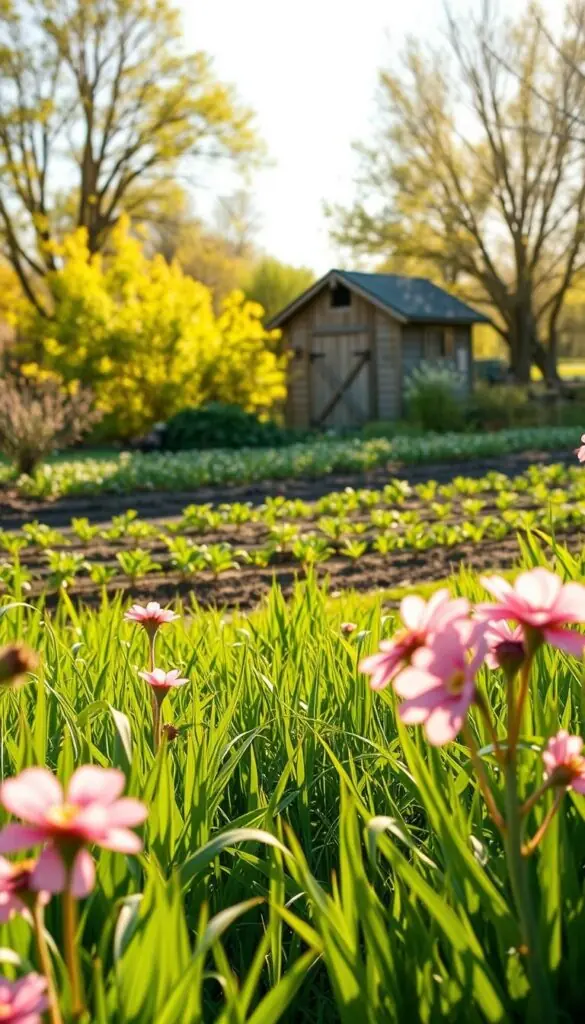
Match plant to place: sun, shade, and water needs by zone
Sun lovers such as lavender and daylilies need 6+ hours of light and well-drained beds.
Shade-tolerant choices like impatiens brighten dim spots and reduce water needs.
Water new plantings deeply at setup and regularly for the first few weeks. Mulch 2–3 inches to hold moisture through the season.
Tender perennials treated as annuals (and how to overwinter)
In cold zones, tender perennials such as begonias or elephant ears are often grown as annuals. You can pot them and bring them indoors for winter.
Dahlias can be lifted and stored in a cool, frost-free spot until spring.
Quick zone-ready examples
- Petunias: sunny containers and porch boxes.
- Marigolds: vegetable beds and pollinator-friendly borders.
- Zinnias: easy cutting garden staples for summer bouquets.
- Lavender, daylilies, and peonies: reliable backbone plants that return year after year and add scent and structure.
Hands-on planting and care: simple steps, tools, and seasonal touchpoints
Get hands-on with simple planting steps that set your garden up for steady growth all season.
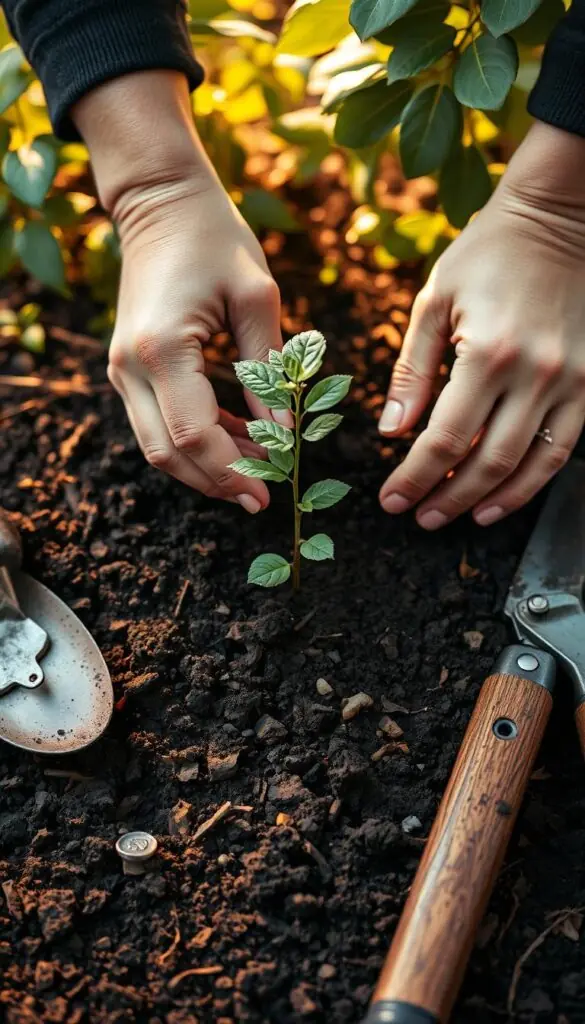
Prepare beds and containers
Gather a hand trowel, pruners, a bucket for compost, a watering wand, and a bag of slow-release fertilizer. These simple tools keep work calm and tidy.
Loosen soil 6–8 inches until it feels crumbly in your hand. Mix in compost so drainage is good and roots can breathe. For containers, use a light potting mix and a pot with a drain hole.
Planting steps that set roots fast
Space plants so they fill the bed without crowding. Set each plant at the same depth it grew in its nursery pot—don’t bury crowns too deep.
Water-in slowly until the soil is evenly moist, then add 2–3 inches of mulch. The fresh mulch scent and dark carpet make foliage and blooms pop, and they keep moisture steady.
Keep blooms coming and clumps vigorous
Feed lightly with slow-release fertilizer at planting and again midseason for quick-color plants. Many longer-lived plants need less frequent feeding after the first year.
Deadhead weekly unless a type is self-cleaning. Shear spent stems on herbaceous plants and divide clumping species every few years in spring or early fall to renew growth.
Quick tips
- Start a few easy seeds like zinnias after frost for a joyful, direct-sown display.
- Don’t overwater new transplants; soggy soil suffocates roots.
- Keep crowns at soil level and check for steady growth in the first two weeks.
Designing with confidence: mixing annuals and perennials for four-season beauty
Start with a clear backbone: set low shrubs and a small ornamental tree to give the bed or container lasting shape. Then layer in repeating groups of perennial plants and a few seasonal bursts to keep interest through the year.
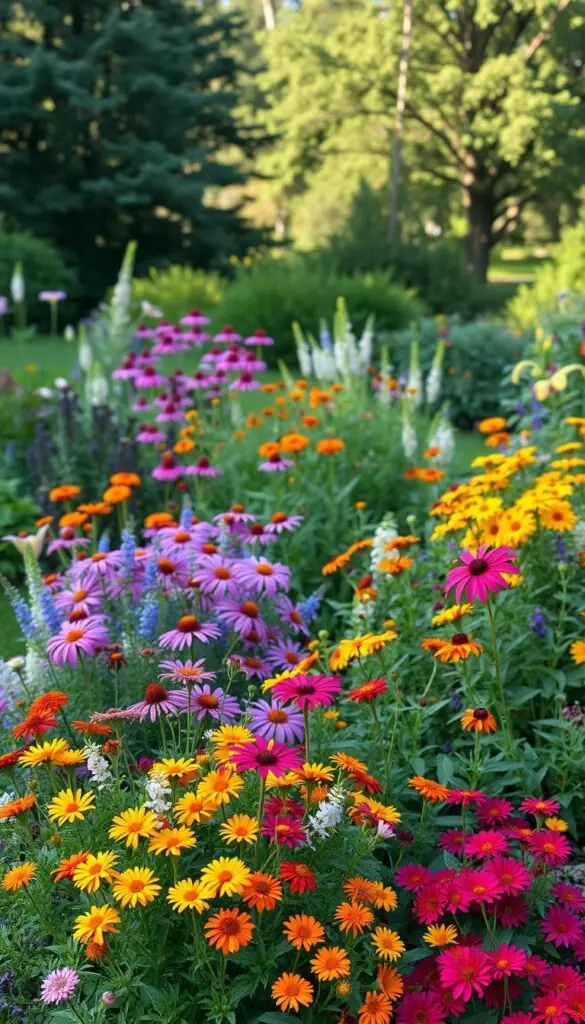
Layer color and texture: foliage frames, flower waves, and bloom succession
Layer heights—tall perennials and grasses at the back, mounded midlayers, and edging annuals up front—so the landscape reads as a single, polished scene.
Use foliage as a frame. Silver dusty miller next to deep green leaves gives calm contrast between blooms. Repeat a color note three times to guide the eye.
"Odd-number groupings feel natural and balanced; three or five of a kind often looks best."
Containers, borders, and small spaces: easy wins that look polished
In containers, use the "thriller, filler, spiller" idea: a spiky focal plant, a mounding perennial or annual, and a trailing accent. This combo looks full while saving water and time.
For small beds, one handsome shrub, a couple of perennial plants, and seasonal swaps of annuals give year-round interest without clutter. Match sun and water needs—shade lovers with shade lovers, sun lovers with sun lovers—for steady growth and fewer problems.
| Design element | Role | Quick example |
|---|---|---|
| Structure | Bones of the bed for year-to-year form | Low shrubs and a small ornamental tree |
| Perennial groups | Repeatable rhythm and lower maintenance | Three to five coneflowers or daylilies in a cluster |
| Seasonal color | Instant and flexible pops of hue | Zinnias or petunias in containers |
| Foliage pairing | Texture and winter interest between blooms | Dusty miller with daylily leaves |
Quick tips:
- Plant perennials in odd-number groups for a natural look.
- Repeat a color or foliage tone three times to lead the eye.
- Always pair companions with matching light and water needs.
Conclusion
A thoughtful mix of long‑lived plants and quick‑blooming accents makes gardening easier and more joyful.
Blend a couple of perennials with a tray of bright annuals, and your beds will sing from spring through fall. The difference between quick color and steady backbone becomes your design tool.
If something fades, it’s part of the cycle—snip it back, tuck in an annual, or plan to divide that clump in fall. Plant hardy choices about a month before first frost and save a few seeds from beloved zinnias for next spring.
Keep it simple: a clean pair of pruners, a bag of mulch, and steady watering. Step outside in the evening and enjoy the soft scents and gentle colors—your garden will grow with you every year.
FAQ
How do I tell if a plant will come back the next year or needs replanting?
Look at the plant's life cycle and hardiness. Some return each growing season from roots or crowns and tolerate winter in your USDA zone. Others complete their life cycle in one season and need replanting. Check plant labels or resources like the Missouri Botanical Garden or your local extension for specific hardiness and whether a plant is treated as tender in cold climates.
When is the best time to plant for reliable blooms from spring through fall?
Aim to plant after your last expected frost for warm-season bedding choices, and in early fall or spring for long-lived garden staples that need time to establish roots. Match planting times to your USDA hardiness zone and the species' preferences: many heat-loving annuals go in late spring, while many clump-forming perennials are fine in early fall or early spring.
Can I mix seasonal bedding with long-lived garden staples in the same bed?
Yes — combining quick-impact seasonal plants with returning garden staples gives immediate color and long-term structure. Use taller, reliable clumps for backbone and fill gaps with colorful seasonal plants in waves for continuous bloom and texture.
What basic soil and planting steps help new plants establish fast?
Prepare well-draining soil, add organic matter if needed, set proper spacing, water in thoroughly, and apply a thin layer of mulch to retain moisture and reduce weeds. Use slow‑release fertilizer if soil is poor, and avoid planting too deep so crowns stay at soil level.
How often should I water and fertilize to keep beds and containers thriving?
Water when the top inch of soil feels dry—containers usually need more frequent watering than beds. Fertilize lightly with a balanced slow‑release product in spring, and supplement with a liquid feed during peak bloom if growth looks weak.
What routine care keeps bloom production strong all season?
Deadhead spent blooms on seasonal plants to encourage more flowers. For clump-forming garden staples, cut back spent stems after flowering and divide crowded clumps every few years to refresh vigor and control size.
Which plants are good low‑maintenance choices that return reliably each year?
Choose hardy, region-appropriate staples like daylilies, lavender, peonies, and ornamental grasses for structure and low fuss. These provide multi‑year value and support pollinators, while seasonal bedding can be added for extra color.
What should I do with tender garden staples in a cold winter?
Treat tender herbs and subtropical plants like tender perennials by moving containers indoors, providing winter mulch, or treating them as annuals and replanting in spring. For borderline plants, try winter protection like burlap screens or insulating mulch over crowns.
How do I budget for color—upfront purchase vs. long-term investment?
Annuals give big instant color for a modest upfront cost but require yearly replacement. Investing in long-lived staples costs more initially but reduces future planting time and expense. A mixed plan balances immediate curb appeal with lower long-term maintenance.
Where can I find reliable planting dates and plant hardiness info for my area?
Use the USDA Plant Hardiness Zone Map, your county extension office, and local garden centers like Proven Winners or Monrovia for region-specific guidance. Local master gardeners are also a great on-the-ground resource.