Can you feel the first warm breeze and hear tiny blades pushing up through cool soil? You’re standing at the window thinking about patchy green and simple ways to help the yard look healthy again. This guide meets you where you are with calm, doable steps that fit your week and your pace.
Think of the next few weeks as a gentle rhythm: a light cleanup, a cautious first mow, and small routines that support thicker grass by summer. Wait until temperatures stay above 40°F and the grass reaches about three inches and is dry before you mow. When you cut, never remove more than one-third of blade height at a time.
Watering matters: aim for about an inch per week early in the season and increase as it warms. A single inch of rain can meet that need, so check the soil first. A timely fertilization helps roots recover from winter dormancy and gives you a stronger, greener start.
Key Takeaways
- Start slowly: follow small, steady steps to revive your yard.
- Wait for >40°F and dry, 3" grass before the first mow.
- Water about 1" per week early in the season; skip irrigation if you get enough rain.
- Never cut more than one-third of blade height at once.
- Spring fertilization supports root recovery and thicker growth by summer.
Start Fresh: Walk Your Yard, Clean Up, and Get Ready
Start by strolling the yard slowly, noticing debris and weak patches as you go. This gives you time to spot branches, stray rocks, and trash that can damage equipment or your windows when the mower runs.
Take small actions first. Gently remove twigs and stones, and lightly rake areas with compacted thatch so more air and moisture reach the soil.
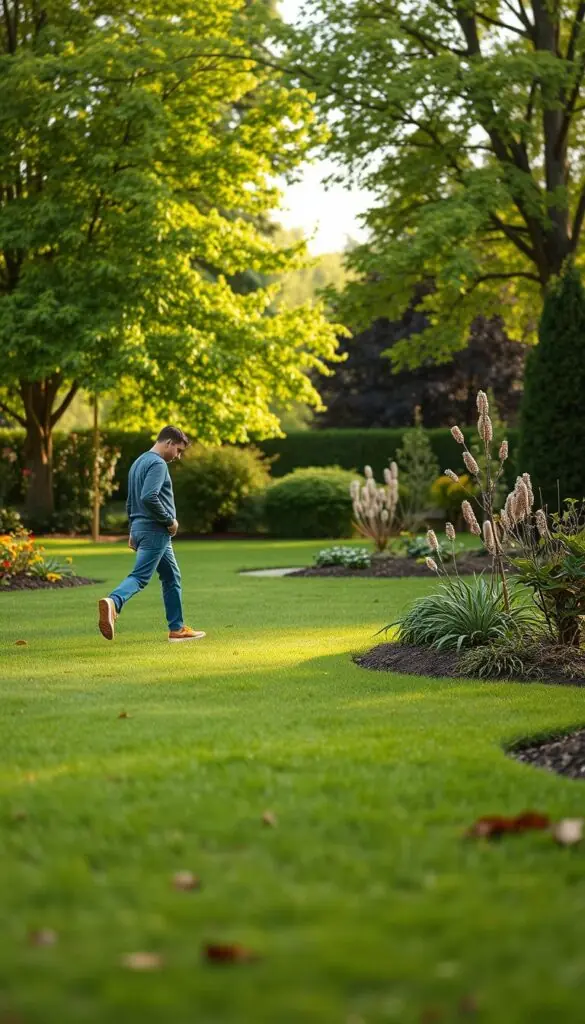
Give your lawn a gentle walkthrough
Focus on high-traffic spots and edges where gravel or clippings collect. Clearing these prevents blades from dulling and keeps your grass looking even.
Safety first: tune up your mower and tools
Before your first cut, change the oil, inspect the air filter and spark plug, and sharpen the blade. A sharp blade makes clean cuts that reduce stress on grass.
- Take a slow lap and pick up debris so the mower runs safely.
- Lightly rake matted material to discourage mold from last winter.
- Warm a cold mower in the sun if it’s stubborn to start, and empty or swap the bag during early passes.
Your spring lawn care roadmap: simple steps from early to late spring
Start by mapping a few simple actions that will make the rest of the season easier.
Begin with a light rake to pull out dead grass and loosen thatch. This lets air, water, and nutrients reach the root system and reduces disease risk.
Check for compaction with a screwdriver pushed up to six inches. If it's hard to push, consider targeted aeration. Most lawns only need aeration every other year.
Timing and mowing
Time your first mow for a dry day when temps top 40°F and grass is about three inches. Never remove more than one-third of blade height at a time to protect roots and steady growth.
Set mower height by turf type
Cool-season turf prefers 3–4 inches. Bermuda and creeping bentgrass run lower. Zoysia and Centipede do best at medium height. Adjust the mower so your grass can build deeper roots.
"Small, timely tasks now save work later and help your yard recover evenly."
| Step | What to check | Why it matters |
|---|---|---|
| Rake | Thatch level, debris | Improves air and nutrient flow to roots |
| Compaction test | Screwdriver to 6 inches | Shows if aeration will improve water and root growth |
| First mow | Dry, >40°F, ~3 inches | Prevents tearing and protects root system |
| Edge & mulch | Soil soft, beds cleared | Neat borders and 2–3 inches mulch reduce weeds |
- Make sure edging happens when soil is soft for a crisp border.
- If you plan to seed, remove heavy thatch to improve germination and best results.
Feed, seed, and water: steady spring steps for healthy growth
A few measured actions now—right fertilizer, proper seed, and steady watering—pay off later.
Fertilize thoughtfully. Choose a slow-release product matched to your turf type and follow label intervals—often every 6–8 weeks. That gives nutrients to foliage and roots without pushing weak, rapid growth.
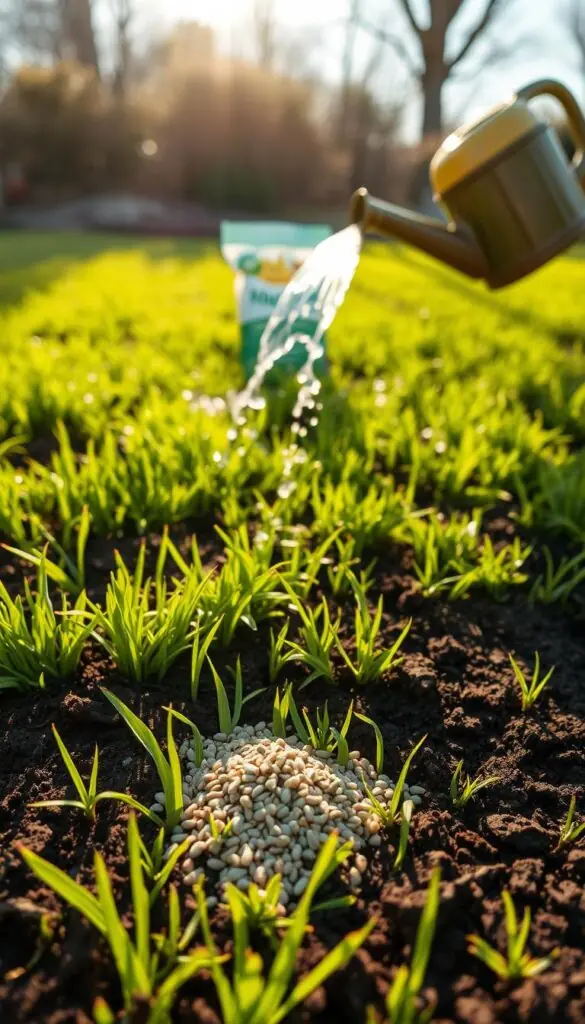
Overseed thin spots the right way
Mow a bit shorter, bag clippings, and lightly roughen bare areas so seed meets the soil. Add a thin layer of topsoil in sparse spots and spread the correct grass seed for your sun and climate.
Apply a starter with gentle nitrogen to seeded patches and keep the surface uniformly moist until shoots appear.
Mind herbicide timing
Pre-emergent weed products can block germination. Avoid them where you plan to seed or delay seeding until the product’s safe window has passed.
Water by inches, not guesses
Aim for about an inch of water per week in this season, counting rainfall. New seed needs light, frequent moisture until it sprouts, then move to deeper, less frequent watering to build stronger roots.
- Feed on a steady schedule—don’t overdo nitrogen early.
- Prepare spots with clean seed-to-soil contact and keep seeds moist.
- Measure water and water early in the day to reduce evaporation and puddles.
"Small, steady steps in feeding, seeding, and watering yield the best long-term results."
Outsmart weeds and early pests with calm, consistent care
A calm, targeted approach wins: remove weeds now and use treatments only where needed.
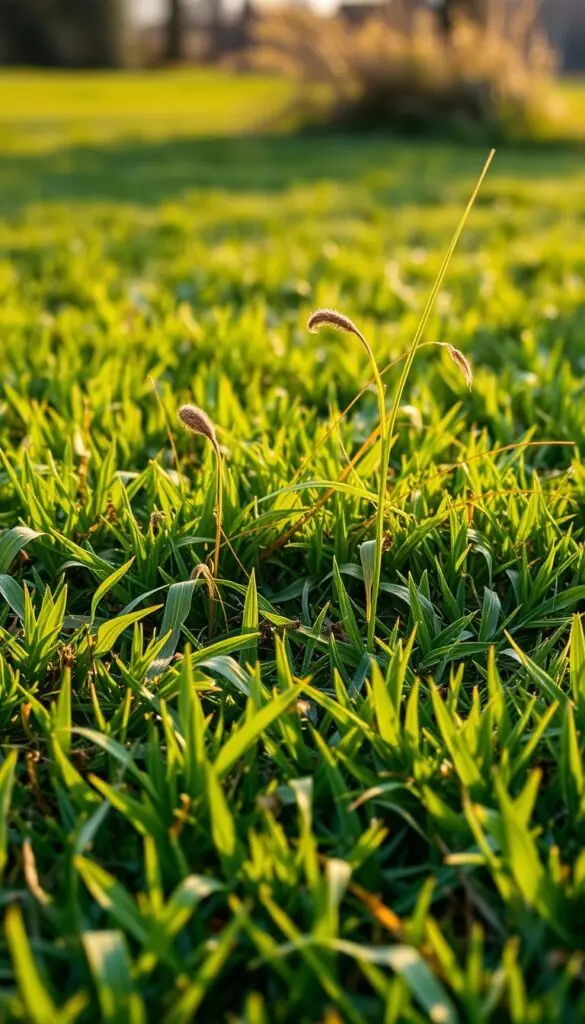
Start small by hand-pulling while the ground is soft. Grab the whole root so the weed won’t return and you cut future work in half.
Use pre-emergent in early spring to block seed germination, and reserve post-emergent products for weeds that are actively growing. Spot-treat problem areas instead of blanket-spraying to protect your soil and grass.
If you seeded parts of your lawn, make sure to separate those patches from pre-emergent applications. Pre-emergent can stop your seed from sprouting, so plan timing or treat different areas.
Late spring is the right time to watch for grubs if you saw damage last year. Treat promptly to protect the root system and reduce summer stress.
"Hand work plus careful, targeted products keeps your yard healthier with less fuss."
- Pull roots cleanly early.
- Spot-treat visible weeds only.
- Check seeded areas before using pre-emergent.
- Watch for grubs and act if needed.
Conclusion
Give yourself permission to move slowly—each small action adds up over the season.
You have a simple, steady plan for spring and a clear set of steps to follow. Focus on clean starts, careful first mows, measured watering, and timely fertilizer to help recovery after winter.
If bigger projects feel heavy, spread them across the next months. Many tasks, like aeration, can wait for fall when conditions suit deeper work.
Watch for gentle shifts: color deepening, grass filling in, and tidy edges. Those small wins bring real results and keep you motivated.
Stick with calm routines, protect the soil, and enjoy the process. Your plants and yard will reward you all year.
FAQ
How do I wake up my turf after a cold season?
Start by walking your yard to remove sticks, stones, and other debris. Gently rake to loosen any thatch so air, water, and nutrients reach the soil. Check for bare or compacted areas and address them with targeted aeration or topdressing if needed. Finally, sharpen and tune your mower before the first cut to avoid tearing grass blades.
When should I make the first mow and how high should I set the deck?
Wait until grass is dry and air temperatures stay consistently above about 40°F. Cut no more than one-third of the blade length in a single mowing to prevent stress. Set the mower height according to your turf type—cool-season grasses do better a bit shorter than warm-season—but aim to encourage deeper roots by keeping grass slightly taller than a scalped look.
Do I need to aerate every year?
Not always. Test for soil compaction by pushing a screwdriver into the ground; if it’s hard to penetrate, aerate. Heavy foot traffic, clay soils, and persistent drainage issues make aeration more necessary. If your turf looks healthy and roots are strong, you can skip it and monitor conditions.
How much and how often should I water during the growth period?
Water by depth, not hours—aim for about one inch per week total from irrigation and rainfall. Early in the season, short, frequent watering encourages shallow roots; instead, water deeply and less often to promote deep roots. Use a rain gauge or a straight-sided container to measure applied water.
When is the right time to fertilize and what type should I use?
Apply a balanced, slow-release fertilizer after the turf has started active growth and soil temperatures are rising. Pick a formula suited to your grass species and local recommendations—high nitrogen early in the growing cycle encourages quick green-up, but avoid overapplication to protect roots and waterways.
How do I overseed thin or bare spots for best results?
Prepare the area by loosening the soil and removing debris. Choose a seed that matches your existing turf and local climate. Lightly rake seed into contact with soil, keep the surface consistently moist until seedlings establish, and avoid applying herbicides near new seed until it’s well rooted.
Can I apply weed preventer and seed at the same time?
No — pre-emergent herbicides block seed germination, so don’t combine them with overseeding. If you need to seed, wait until the pre-emergent effect has worn off or use a compatible post-emergent strategy and spot treat for weeds after new grass is established.
What’s the best way to control early broadleaf weeds without harming grass?
Pull small patches by hand or use a targeted post-emergent herbicide on actively growing weeds. Treat on calm, dry days and follow label instructions. For large infestations, consult local extension guidance to choose the safest timing and product for your turf type.
How do I spot and manage grub infestations?
Look for brown patches that lift like a rug and increased bird or skunk activity. In late spring or early summer, dig a small plug of soil to check for white grubs. If numbers exceed thresholds for your region, treat with an appropriate insecticide or use beneficial nematodes as an eco-friendlier option.
Should I collect clippings or leave them to decompose?
Leave clippings when they’re short and free of disease; they return nutrients and reduce waste. Bag clippings if you have heavy thatch, weeds gone to seed, or when mowing wet growth. Regular mowing and mulching will keep thatch from building up excessively.