Magnolias don’t wait for spring to settle in. They bloom early, often when the air is still cool and gardens are only just waking up. Their large, sculptural flowers appear on bare branches, making them impossible to ignore.
While other plants ease into the season, magnolias announce it.
There’s something bold and reassuring about a magnolia in bloom. It feels like a promise — that winter is ending, and brighter days are coming.
Why Magnolias Feel So Striking in Spring
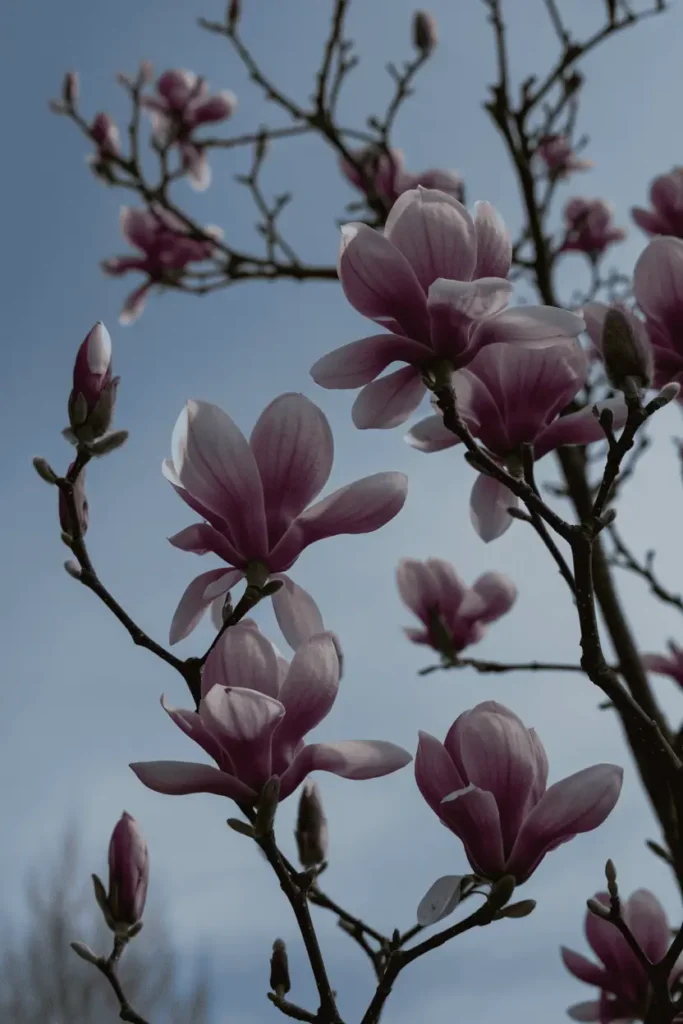
Magnolias bloom before most trees leaf out, which gives their flowers a rare kind of presence. There’s no foliage to compete with — just petals against sky.
This makes magnolias feel dramatic but never loud. Their beauty comes from contrast: soft petals and strong branches, delicate color and solid structure.
On Pinterest, magnolias perform especially well because they photograph beautifully and feel timeless. They don’t follow trends. They anchor a space.
Understanding How Magnolias Grow
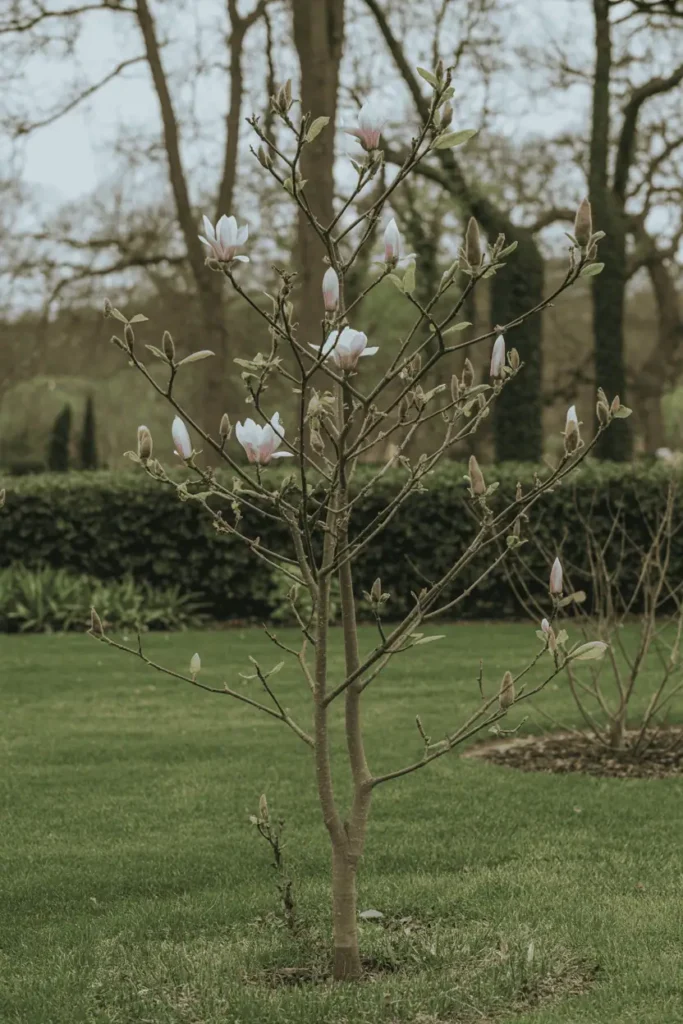
Magnolias are long-living ornamental trees or large shrubs. They grow slowly, but steadily, and reward patience year after year.
Most magnolias prefer full sun to light shade and well-drained soil. Once established, they’re surprisingly low-maintenance, asking only for space and minimal disturbance to their roots.
Magnolias don’t like to be rushed — and that’s part of their charm.
Popular Magnolia Types to Know
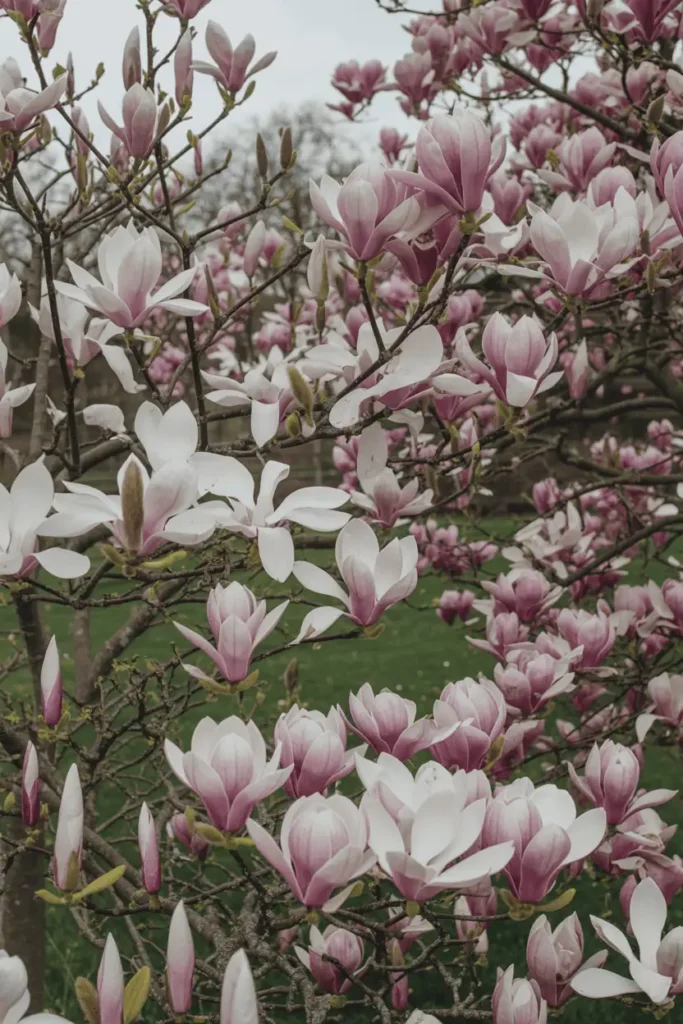
Some magnolias bloom as trees, others as compact shrubs. Some open pure white, others blush pink, creamy ivory, or soft purple.
Star magnolias feel light and delicate, while saucer magnolias are bold and expansive. Evergreen magnolias bloom later, offering glossy leaves year-round with large white flowers in late spring or summer.
The key isn’t choosing the “best” magnolia — it’s choosing the one that fits your space and the feeling you want your garden to have.
Magnolia Color Inspiration
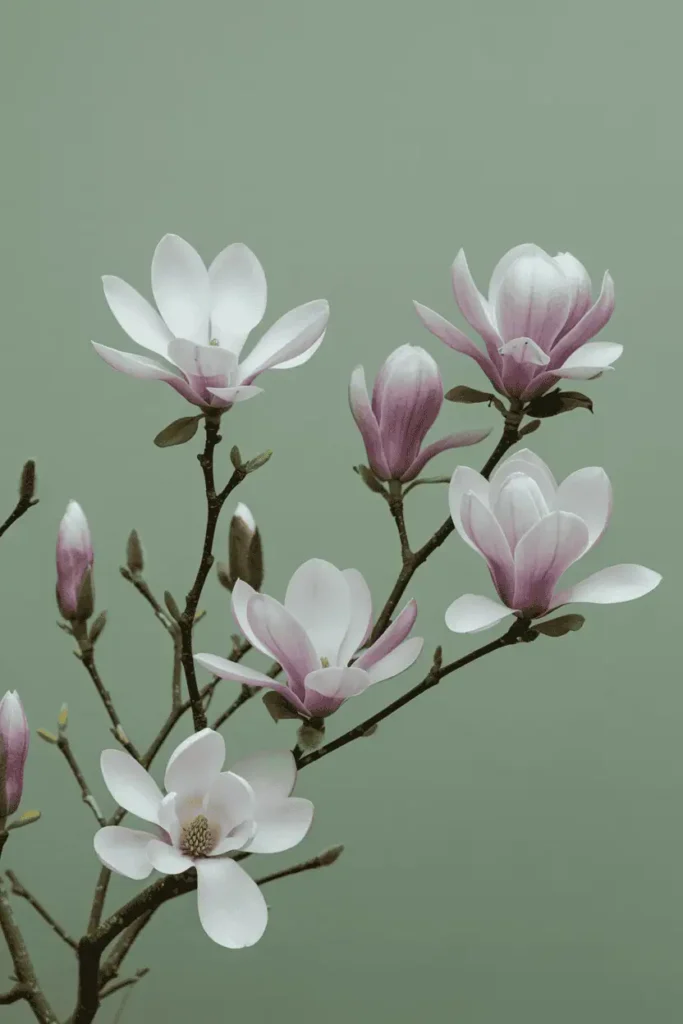
Magnolia colors are subtle but powerful. Whites feel classic and calm. Pink and blush varieties add warmth without overwhelming a space. Deeper purple tones feel dramatic and architectural.
Because magnolia blooms are large, even a restrained color palette feels impactful. One tree in bloom can carry an entire garden visually.
Magnolias pair especially well with stone paths, simple lawns, and minimal planting schemes.
Where Magnolias Look Their Best
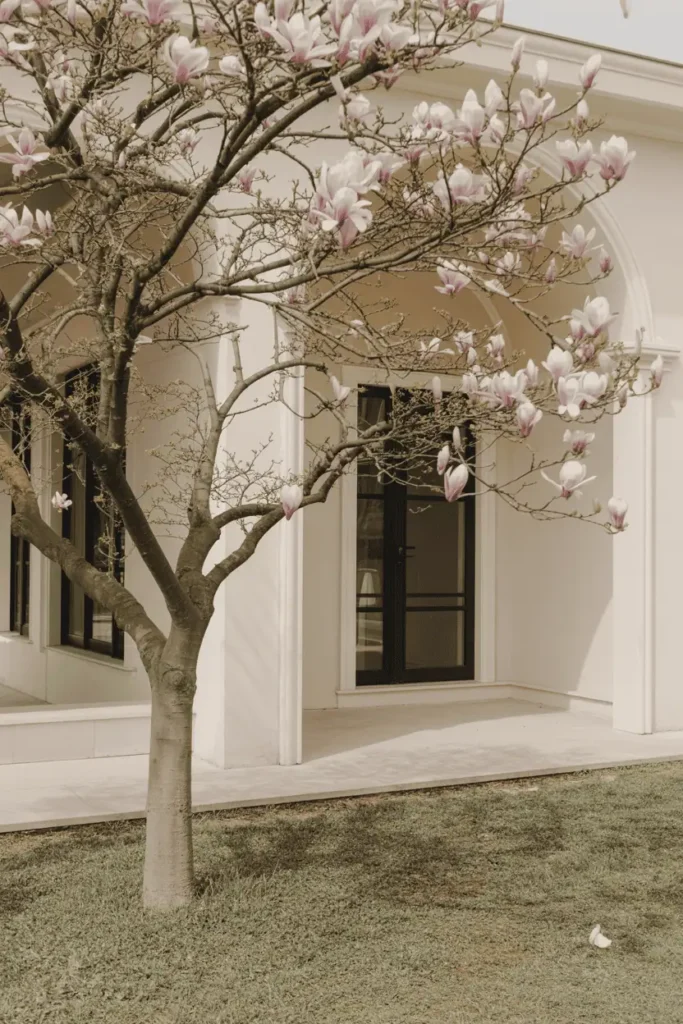
Magnolias deserve space — visually and physically. They shine when planted where their shape can be appreciated: near entrances, in front yards, or as a focal point in an open lawn.
They’re also beautiful when framed by architecture, such as near a porch, courtyard, or window view. When magnolias bloom, they become part of how you experience your home.
You don’t plant magnolias to fill space. You plant them to define it.
Magnolias in Small Gardens
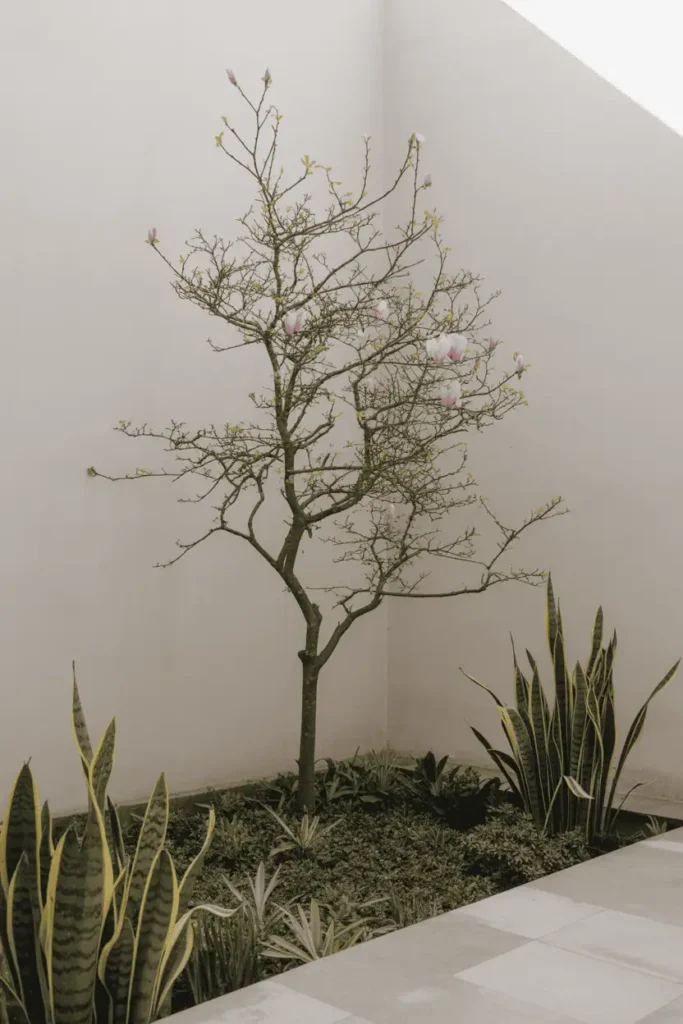
Even small gardens can enjoy magnolias. Compact or slow-growing varieties work beautifully when given a clear role.
In smaller spaces, magnolias feel especially intentional. One well-placed tree can replace multiple smaller plants, creating a calm and uncluttered look.
This is where magnolias truly shine — as a single, confident statement.
The Moment After the Bloom
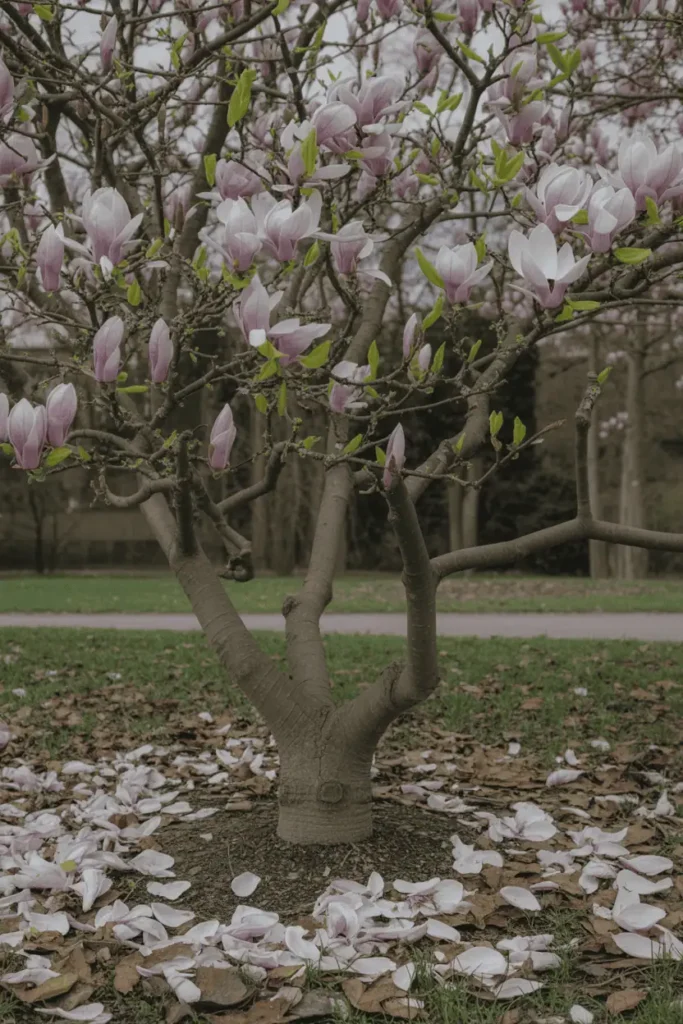
When magnolia petals fall, the tree doesn’t disappear. Its structure remains strong, and its leaves slowly emerge, providing shade and presence through the warmer months.
This transition is what makes magnolias so valuable in garden design. They’re not just a spring feature — they’re a year-round anchor.
And when the next spring arrives, they bloom again, right on time.
Why Magnolias Belong in a Spring Garden Plan
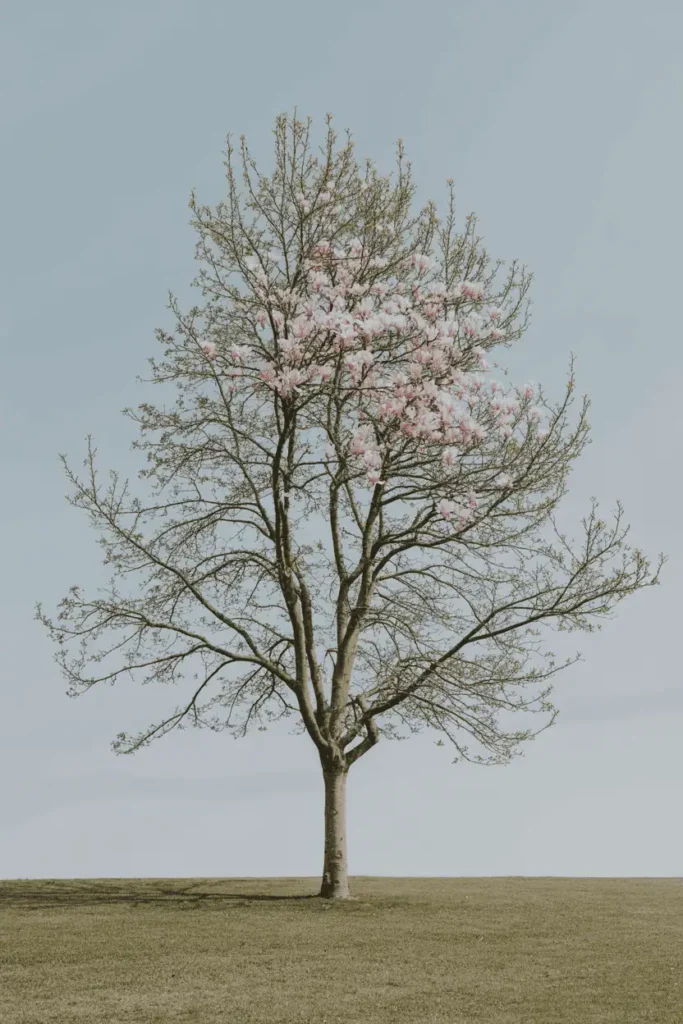
Magnolias bring certainty to spring. They bloom early, reliably, and with confidence.
If cherry blossoms feel fleeting and poetic, magnolias feel grounding and strong. Together, they create balance — emotion and structure, softness and form.
A spring garden with a magnolia always feels intentional.