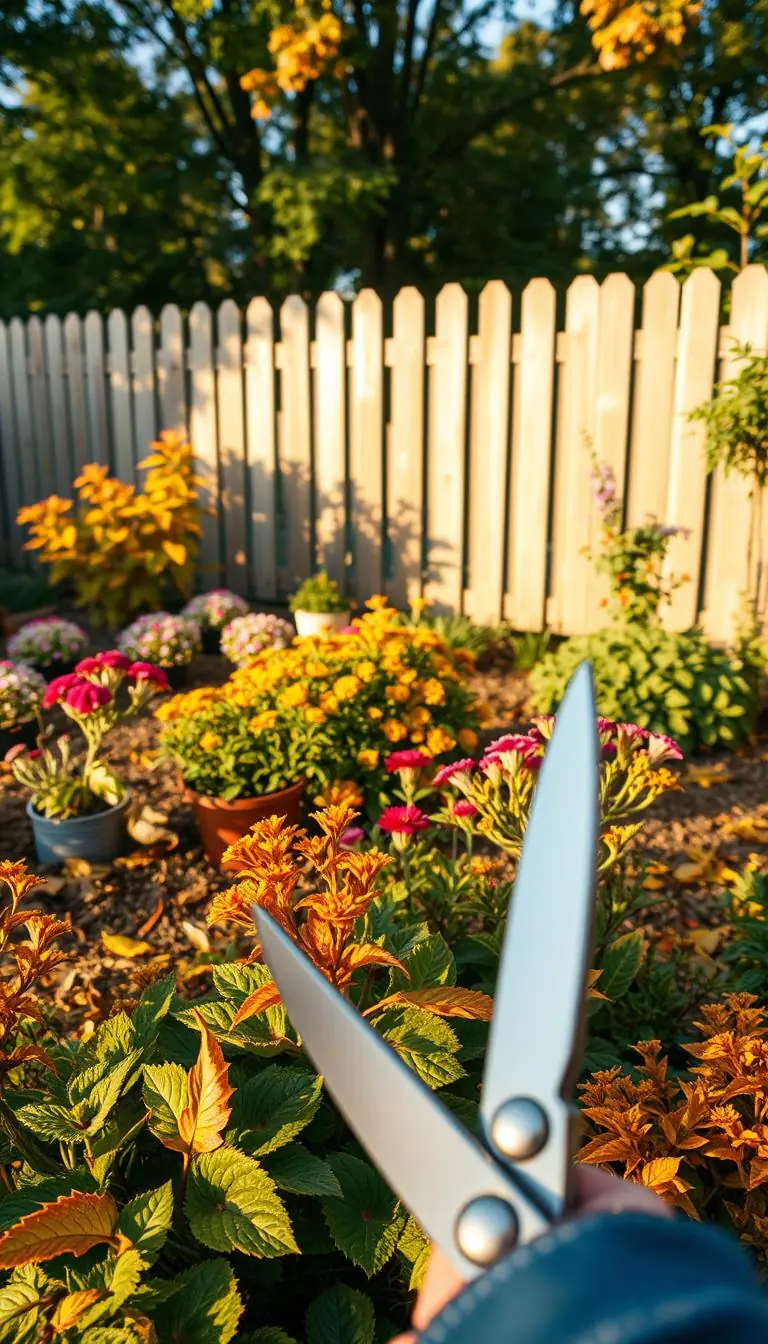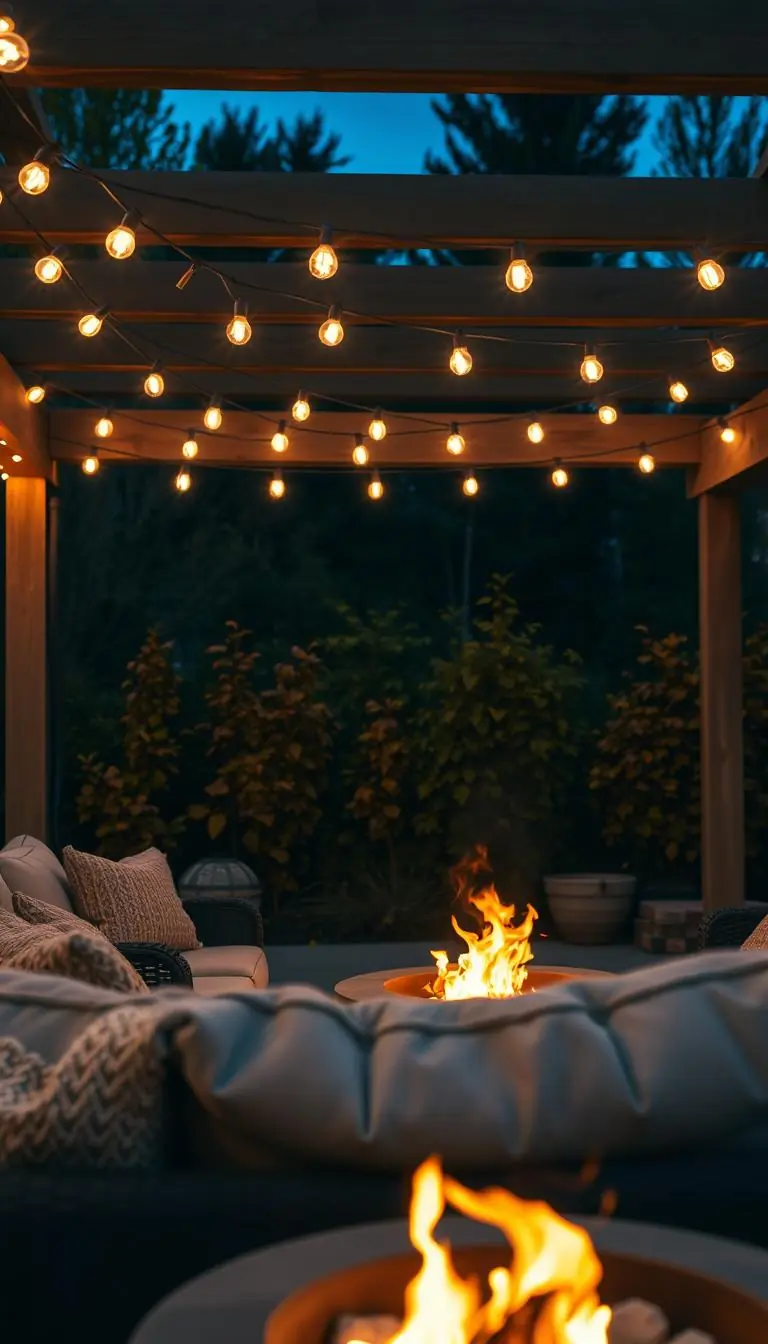
Imagine the warm light on your deck boards and the scent of fresh soil as you sip morning coffee. Do you notice tired surfaces or tiny bare spots in your yard that make the whole space feel dim? You can fix small things quickly and still get a big seasonal lift.
You’ll feel guided like a friend on the porch—calm, encouraging, and practical. Start with gentle cleanups that brighten your patio and deck without harming plants: match cleaners to materials, avoid harsh chemicals, and hand-pull weeds at the root.
Simple steps—cleaning, swapping textiles, adding planters and soft lighting—add warmth and beauty without a big spend. Deck work pays off when you clean, sand, seal, and stain on a 1–3 year schedule, and reseal patios every 2–5 years to keep color and repel water.
Key Takeaways
- Begin with material-safe cleaning and hand-pull weeds for best results.
- Small swaps in textiles and planters refresh your space affordably.
- Maintain decks every 1–3 years; reseal patios every 2–5 years.
- Use compact layouts and vertical planters to expand usable space.
- Soft lighting and a water feature add calm and curb appeal.
Start with a clean slate: low-cost ways to refresh patios and decks
Start by clearing the surface so you can see what truly needs care and pick the right method for each material.
Concrete: Sweep, then use a pressure washer or hose with a high‑powered nozzle. Treat mildew with mild detergent or a diluted vinegar mix. Avoid harsh chemicals near planted areas.
Pavers: Sweep debris, hose down, scrub with dish soap or a paver‑safe cleaner, and refill joint sand if needed to stabilize the surface.
Wood decks: Tighten loose fasteners, sand rough spots, then clean with a wood‑safe wash and soft brush. Keep pressure washing low to prevent splintering.
Stone and tile: Choose pH‑neutral cleaners and a soft brush. Skip acidic products that can etch or dull the finish.
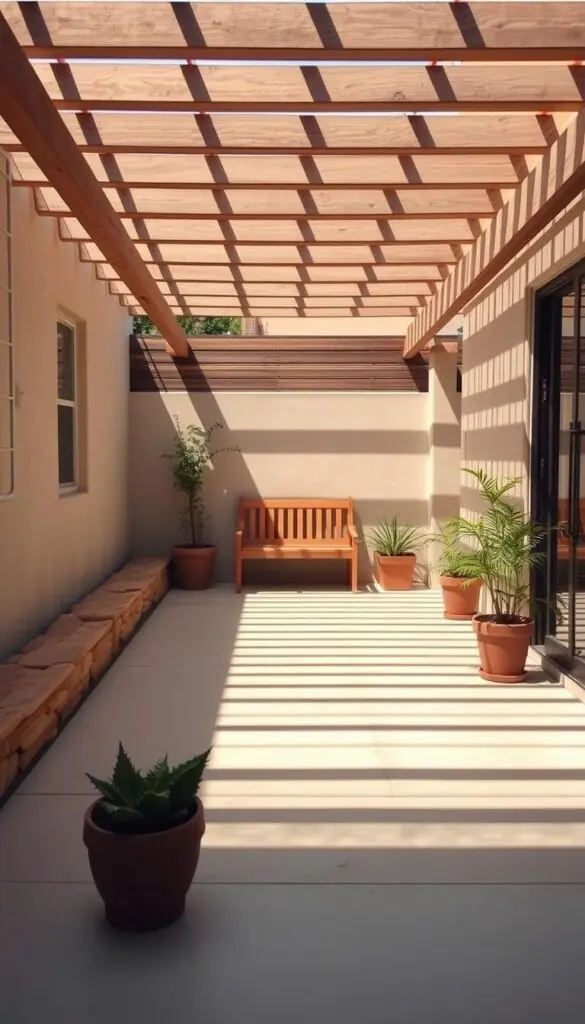
"Small, steady steps protect your plants and make the whole backyard feel cared for."
| Surface | Best Cleaner | Reseal/Schedule |
|---|---|---|
| Concrete | Mild detergent or diluted vinegar | Every 2–5 years |
| Pavers | Dish soap or paver cleaner; joint sand refill | 2–5 years for sealers |
| Wood deck | Wood‑safe cleaner; soft brush | Sand, seal, stain every 1–3 years |
| Composite deck | Soap, water, soft brush; low PSI if washing | As needed; less frequent than wood |
Weed control: Hand‑pull roots with a tool and avoid store chemicals near kids, pets, or edibles. This way you protect soil life and keep beds tidy longer.
Take your time. A calm, material‑matched clean sets a strong base so later elements and ideas add color and comfort without undoing your work.
Add instant color and comfort with textiles you can swap seasonally
A few well-chosen textiles can lift your seating area instantly and keep it feeling fresh all season.

Outdoor rugs and throw pillows that stand up to spring weather
Bring a weather-ready rug to define your seating or dining zone and make the whole area look pulled together. Choose flatweave materials that dry fast and resist mildew.
Pick pillows in performance fabrics that shrug off showers and keep their color. A couple of soft greens, pastel blues, or sunny yellows add cheer without being loud.
Patterns and palettes: soft greens, pastel blues, sunny yellows
Repeat one or two patterns—a subtle stripe and a small botanical—to keep the look coordinated and relaxed. Echo a rug accent color in pillows or lanterns so the space feels connected.
- Keep a lightweight throw for breezy evenings; it invites you to linger.
- Try reversible or zip-cover pillows to switch moods quickly.
- For entertaining, favor darker rug borders and easy-clean fabrics.
| Item | Material | Care | Best For |
|---|---|---|---|
| Flatweave rug | Polypropylene blend | Shake, hose, air dry | Seating zones, high traffic |
| Performance pillows | Sunbrella or polyester | Spot clean, removable covers | Comfort and color accents |
| Lightweight throw | Cotton blend | Machine wash gentle | Breezy evenings, layered look |
"Small textile swaps give you a big style boost with little cost."
Planters, raised beds, and vertical gardens that make small budgets bloom
A few clever containers and the right spot can make your small garden feel abundant and lived‑in.
Upcycle first. Hunt thrift stores and your garage for rain boots, old tires, and thrifted pots. Clean them, add drainage, and give them a coat of exterior paint for a coordinated look.
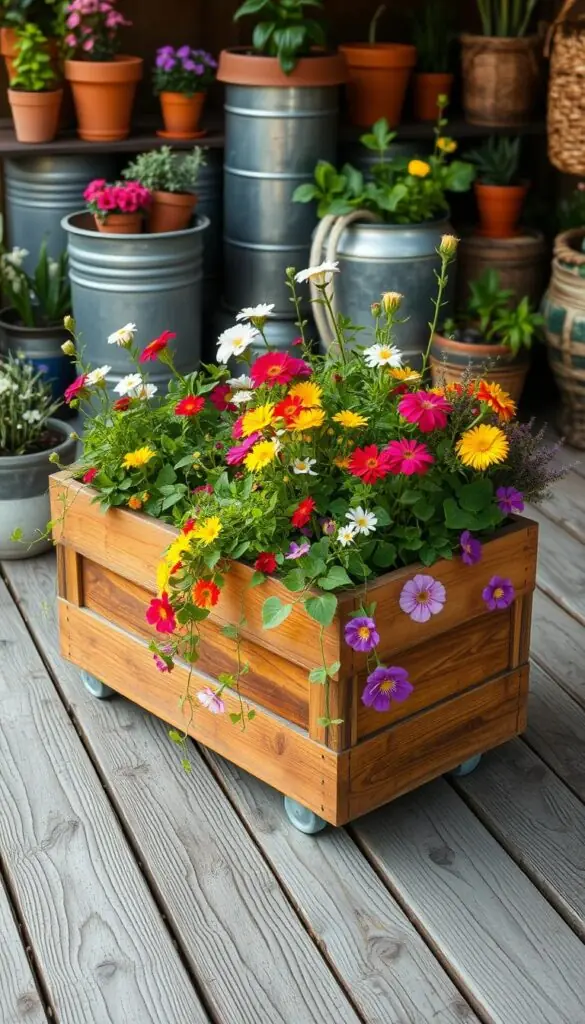
Playful container ideas
- Use rain boots for pansies or petunias; they bring color with little care.
- Paint tire planters and fill with marigolds or succulents for long‑lasting cheer.
- Cluster pots in threes: one tall, one filler, one trailing for balanced layers.
Raised beds and vertical solutions
Build raised beds from food‑safe wood such as redwood, cedar, pine, juniper, Douglas fir, or white oak. Avoid pressure‑treated boards near edibles.
Add a slim trellis or vertical grid behind narrow beds to grow herbs and vines upward. This creates privacy and saves valuable space.
"Place beds where you'll see them daily so tending becomes an easy habit."
- Use saucers on hardscapes to protect surfaces.
- Label herbs with wooden markers to make care simple and satisfying.
Small-space wins: cozy ideas for compact patios, side yards, and balconies
Small footprints can feel roomy when you choose foldable seating and a simple vertical screen.
You’ll get calm, practical tips to make the most of tight spaces. Pick multi-functional pieces like benches with storage or nesting tables so each item earns its keep.
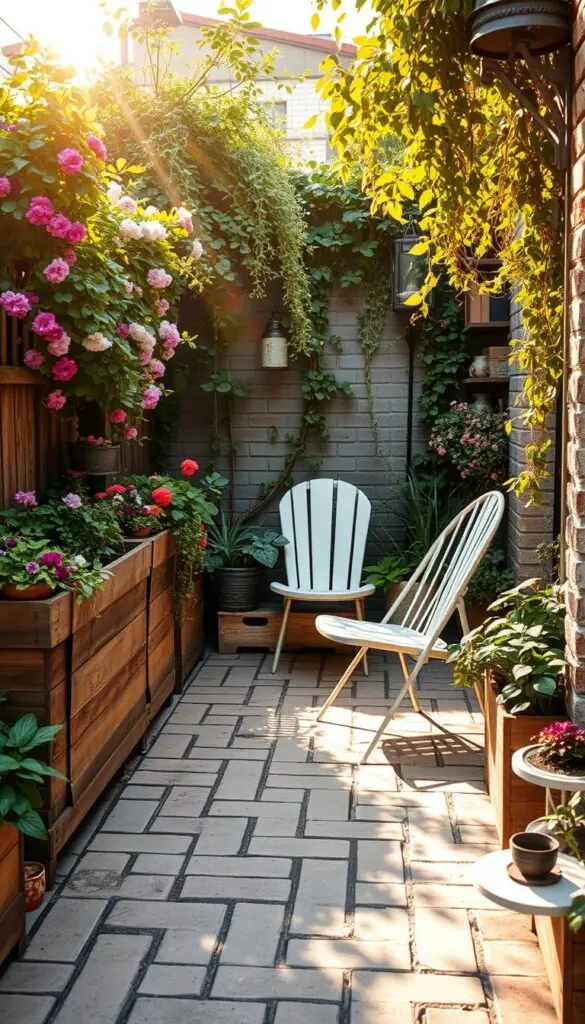
Bistro nooks and foldable furniture for flexibility
Tuck a bistro table and two chairs into a sunny corner to create a morning coffee spot that won’t overwhelm your patio. Choose foldable or stackable chairs so you can clear the floor quickly for guests or yoga.
Vertical greenery and trellises to add privacy and charm
Add a slim trellis with climbing vines to soften a wall and give gentle privacy without blocking light. Mount vertical gardens on fences to create living screens that save floor room.
Define your space with stepping stones and slim planters
Use stepping stones or a tidy gravel line to form a clear path. Line edges with slim planters to frame seating and keep the center open; that open center makes the whole look larger and lighter.
| Solution | Best For | Benefit |
|---|---|---|
| Foldable bistro set | Balconies, tiny yards | Flexibility; easy storage |
| Vertical trellis or wall planter | Fences, walls | Privacy without losing light |
| Slim planters + stepping stones | Side yards, narrow paths | Defined route and framed seating |
"Aim for a clear floor and a calm line of sight; uninterrupted layouts feel more peaceful."
Light the night: simple outdoor lighting for ambiance and safety
With simple fixtures and warm bulbs, you can add safety and mood to your backyard without fuss.
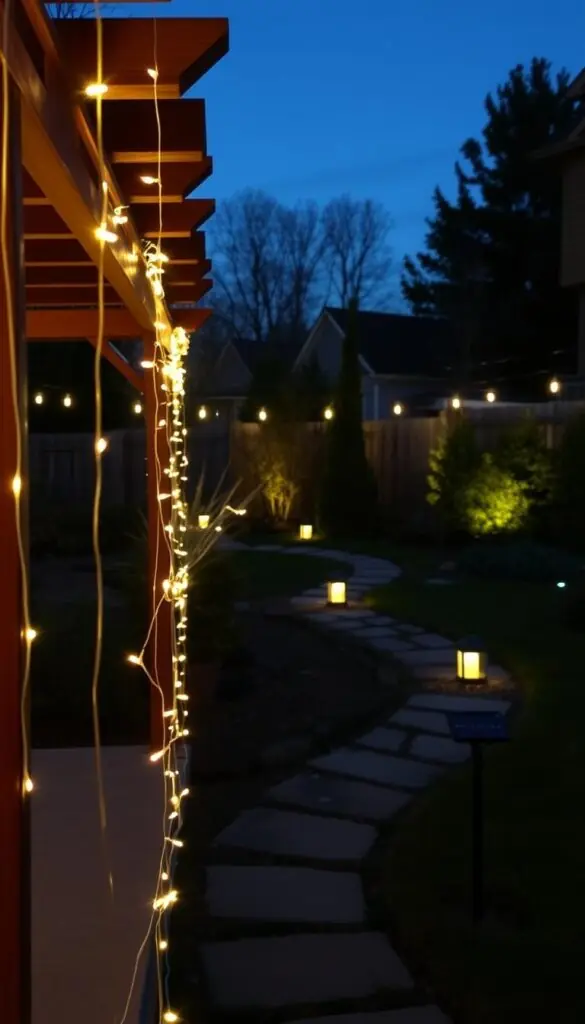
Start with a warm base glow so your space feels welcoming as dusk settles. String lights overhead or draped along a fence create an instant, gentle wash that helps you see and relax.
String lights, lanterns, and solar path lights on a budget
String lights give broad, even warmth. Add a few lanterns or solar path lights to mark steps and edges. Solar options save on wiring and are easy to move while you test placement.
Layered lighting for dining, conversation, and task zones
Layer by activity: a pendant or sconce for dining, a table lantern for chat, and a focused task light near the grill. Dimmable fixtures or multiple circuits help you shift from dinner to stargazing.
Highlight features: trees, walls, and water with soft spotlights
Use low, soft spotlights to graze a wall, silhouette a tree, or show a water feature without glaring. Keep bulbs warm (2700–3000K) to preserve a cozy ambiance that flatters plants and wood tones.
"Good lighting showcases upgrades, extends evenings, and keeps walkways safe."
| Goal | Fixture | Why it works |
|---|---|---|
| Base glow | String lights / overhead | Welcoming, broad light that defines the room |
| Wayfinding | Solar path lights / lanterns | Marks steps and edges without wiring |
| Task & dining | Pendant, sconce, focused lamp | Provides focused light for cooking and eating |
| Feature highlighting | Low spotlights | Grazes textures, silhouettes plants and water |
Quick tips: place lights at knee and eye level for balance, hide cords, and secure strings to anchors. Step back at dusk and tweak angles until your features read naturally and the space feels calm.
Warm gatherings: budget-friendly fire pit refreshes
A circle of soft light and low conversation turns a cool evening into a cozy memory. Set a small, safe focal point and arrange the rest to suit easy talk and snacks.
Adirondack seating, lightweight throws, and safe placement
Choose classic Adirondack chairs or upright lounge seats that invite long chats and move easily when you want to change the layout.
Keep a basket of breathable cotton or light knit throws nearby so guests can grab one as the night cools. Add a couple of small side tables for mugs and s'mores.
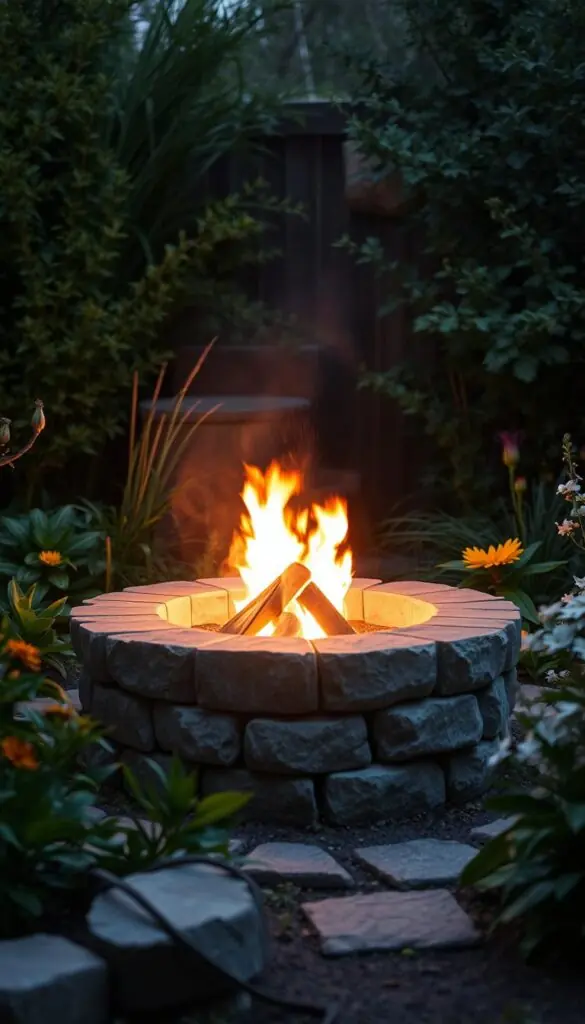
- Space chairs in a loose semicircle so everyone gets warmth and a clear view of the pit.
- Place the pit on a stable, non‑combustible surface and leave safe distance from fences, overhangs, and plants.
- Blend the fire’s glow with soft perimeter lighting to help eyes adjust and move safely.
- If you use wood, keep fuel dry and stacked neatly; use a spark screen and keep an extinguisher or water source close by.
- Rotate chairs slightly with the breeze to keep smoke from faces, and fully extinguish embers when you finish.
"A tidy setup and a little care make every backyard gathering feel effortless and welcoming."
Bring in soothing water: easy features for a calm backyard feel
A modest water centerpiece gives your seating area a quiet, restorative heartbeat.
Start small: a bird bath or a tabletop bowl with a discreet pump adds motion and draws birds. Even low-maintenance pieces change the feel of the space quickly.
If you have a blank wall, choose a compact wall fountain to add a soft cascade without taking ground room. Place that fountain near your main seating so the sound becomes a companion while you read or sip coffee.
Tuck a fountain close to a fence or hard surface to gently amplify the sound and help mask street noise. Keep the water line steady; a weekly top-off usually keeps flow smooth.
Add one plant grouping—ferns or ornamental grasses—near the basin to soften edges and invite birds. At dusk, place a lantern nearby to catch light on the moving surface for an easy, magical touch.

"Small moving water calms the mind and makes your yard feel more private."
Care and placement tips
- Clean the pump and basin monthly to keep flow gentle and water clear.
- Choose finishes—stone, ceramic, or metal—that echo nearby materials for a cohesive look.
- Step back and listen; a small shift in placement can balance sound so it soothes without overpowering.
| Type | Best Use | Sound Level | Maintenance |
|---|---|---|---|
| Bird bath / tabletop pump | Small decks, side nooks | Soft trickle | Weekly top-off; clean monthly |
| Compact wall fountain | Blank walls, tight yards | Gentle cascade | Check pump; clear debris monthly |
| Statue or basin fountain | Garden focal point | Moderate, steady flow | Seasonal cleaning; protect pump |
Outdoor dining made simple: style your spring table without overspending
Invite friends to dine with a laid-back table that looks considered but cost‑smart. Set a relaxed base and you’ll enjoy meals that feel special any night of the week.
Mix-and-match tableware keeps costs low and feels charming. Use plates that share a color family, simple glassware, and washable napkins with a small pattern to hide spills.
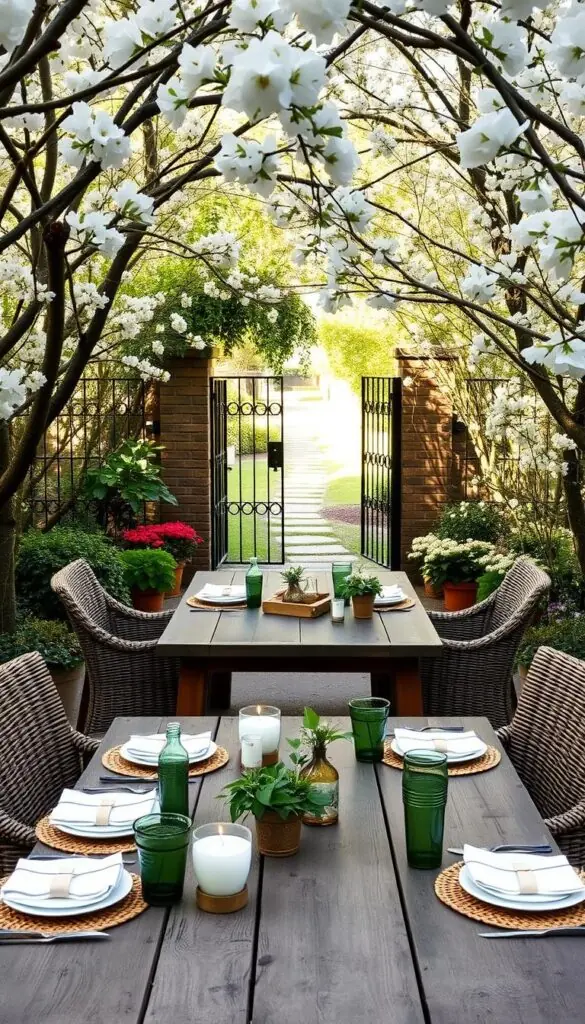
Mix-and-match tableware, centerpieces, and string lights
Keep centerpieces low: a small vase of garden stems, a bowl of lemons, or a cluster of tea lights work well. Hang string lights above to make the meal feel cozy and to extend evenings.
Choosing durable, budget-wise dining sets and table linens
Pick materials that suit your climate. Solid wood brings warmth; aluminum is light; HDPE resists stains and weather. Lay a runner in light green, beige, or a tiny floral to add soft color.
"Small, thoughtful choices help every table feel welcoming and ready for good conversation."
- Add nesting side tables for drinks so the main table stays clear.
- Keep a bin with clothespins, matches, and extra napkins for quick setups.
- Give seats a cushion or lumbar pillow so dinners with friends last longer.
Front porch and curb appeal refreshes that say “hello, spring”
A tidy entry sets the tone — small touches can make your house feel warmly invited.
Start with a wreath of tulips, hyacinths, daisies, or eucalyptus to add a soft, friendly note at the door. Pair it with a welcome mat in pale yellow or light blue for an instant cheerful look.
Give your mailbox a quick makeover by painting it sky blue, retro red, or grass green. Add a decal or hand‑painted detail and train a clematis or bougainvillea to climb a nearby post for living charm.
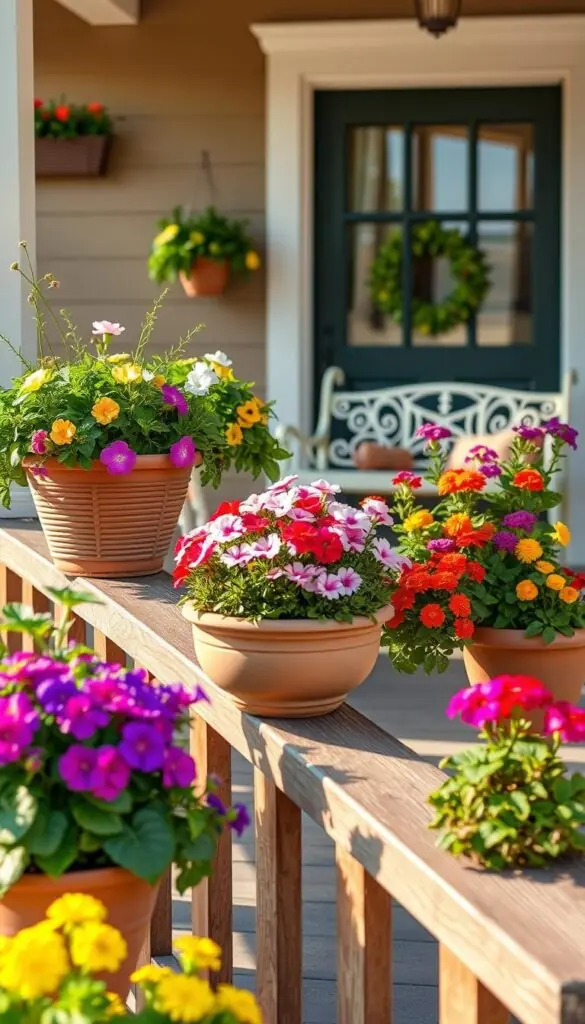
Birdhouses, paths, and porch seating
Add a birdhouse in wood or painted metal to bring sound and motion to the entry. Create a simple pebble path by digging a shallow trench, adding a gravel base, and arranging pebbles in a gradient or geometric pattern.
If you can hang a porch swing, soften it with two pillows and a light blanket. Keep evening light low and warm — a sconce, lanterns, or a few solar stakes will make the porch cozy without glare.
"Flank the door with planters that repeat the wreath colors to tie the entry together."
| Update | Quick Tip | Why it works |
|---|---|---|
| Wreath + mat | Tulips or daisies; soft color mat | Instant seasonal welcome |
| Mailbox | Paint bright; add a trailing vine | New focal point from the curb |
| Birdhouse | Wood or painted metal | Attracts life and charm |
| Pebble path | Gravel base; patterned pebbles | Guides guests and adds texture |
| Porch swing + lights | Pillows; soft lanterns or solar stakes | Creates an inviting evening spot |
- Pick a doormat you won’t mind swapping each season; small changes shift the whole look.
- Touch up trim or railings while you work; neat edges sharpen the overall curb appeal.
- Step back from the street to check balance so your garden and entry read as a friendly welcome.
Balcony bliss: cascading flowers, wall art, and a coffee nook
Turn a tight balcony into a calm retreat where plants spill over railings and a small table invites slow mornings.
Waterfall blooms in hanging planters and stable wall pots
Hang a few cascading planters—petunias, fuchsia, or bluebells—for an easy waterfall of color that saves floor space. Use railing brackets or sturdy hooks and check fasteners often so everything stays secure when winds pick up.
Light curtains, mini yoga mats, and compact café tables
Add a pair of light curtains to soften the view and create privacy while letting air flow through. Keep a mini yoga mat rolled nearby with a pot of lavender or mint to add scent for short stretches and calm breathing.
Create a tiny café nook with a compact high‑leg table and two chairs. A simple tray for cups turns morning coffee into a small ritual that feels lived in and stylish.
- Choose wall art with weather‑friendly finishes to echo your living style this season.
- Limit your palette to two or three colors so the small space reads calm, not crowded.
- Tuck storage under seating for cushions and blankets to keep the area tidy.
- Leave clear walking space; easy steps make the balcony feel larger and more livable.
"A few secure planters and one well‑placed seat are all you need to make a balcony feel like a private nook."
| Element | Why it helps | Quick tip |
|---|---|---|
| Hanging planters | Create a waterfall effect without using floor space | Pick trailing petunias or fuchsia; use strong hooks |
| Light curtains | Add privacy and soften wind | Choose UV‑resistant fabric; install a simple rod |
| Mini yoga mat + herbs | Encourages short stretches and adds scent | Keep lavender or mint in a sunny pot nearby |
| Compact café set | Defines a living spot for coffee or reading | High‑leg table saves floor area and fits narrow spaces |
spring outdoor decor, patio refresh
Think of the plan as layers: a clean base, soft textiles, plants, and warm light.
Start with simple steps that tie your backyard together. Clean surfaces, choose a neutral foundation, then add color with pillows and planters. This keeps your living areas calm and cohesive.
Repeat one or two elements—a metal finish or a wood tone—to help separate and link different spaces. Define zones with rugs and a trio of planters so dining, conversation, and quiet corners each feel intentional.
- Pick one feature per zone: rail lighting for steps, a trellis by seating, or a compact planter near the door.
- Choose sturdy materials to cut upkeep and keep time outside enjoyable.
- Let plants repeat—same variety or color—to visually connect spaces and guide the eye.
- Edit: remove one item per area so favorite pieces can breathe.
| Feature | Why | Where | Quick tip |
|---|---|---|---|
| Rail lighting | Safety and soft glow | Steps/entries | Use warm LEDs (2700–3000K) |
| Planter trio | Defines a point of interest | Doorway or seating edge | Repeat one plant color |
| Layered textiles | Comfort and color | Seating zones | Neutral base + two accents |
| Single trellis | Privacy and vertical greenery | By benches or fences | Train a single vine variety |
"Finish with a warm evening glow so your backyard carries you through dinner, conversation, and a few peaceful minutes under the stars."
Mulch, color, and greenery: small changes with big visual impact
A tidy layer of mulch and a few bright plantings can change how your beds read at a glance.
Mulch finishes beds and gives a polished look while cutting weeds by blocking sunlight. It also helps retain water and evens soil temperature so roots stay protected.
Choose a mulch color that contrasts gently with your plants and hard edges. Wood mulches work well around ornamentals; check labels before using near edibles.
Mulch for neat beds, fewer weeds, and richer soil
Spread 2–3 inches over beds, avoid piling against trunks, and water well after you mulch so materials settle and roots get a good drink. As it breaks down, mulch adds organic matter and slowly feeds soil life.
Strategic pops of flowers and foliage for instant lift
Add just a few clumps of color—two matching groups by a path or three pots by steps—to draw the eye where you spend time. Place plants near seating or entry so you enjoy their color every day.
- Mix foliage textures: fine grasses with broad leaves to keep interest when blooms fade.
- Keep bed edges crisp for a tidy, low-effort look.
- Step back at dusk to check balance; a small move often improves the whole composition.
| Action | Why it helps | Quick tip |
|---|---|---|
| Add 2–3" mulch | Suppresses weeds, retains water | Keep mulch away from stems/trunks |
| Pick mulch color | Enhances plant contrast and beauty | Match wood tones with hardscape for cohesion |
| Plant small clumps | Instant color and focal points | Place near seating or walkway |
"A few careful choices make the whole backyard feel refreshed and cared for."
Conclusion
Tiny shifts—one plant, one pillow, one warm light—add up to a whole new sense of home.
You’ve set a calm foundation by cleaning, layering textiles, adding planters, and soft lighting. Those steps make your space feel cared for and lived in.
Keep leaning on small, steady ideas. A swapped pillow, a tidy edge, or a simple table for outdoor dining often gives more joy than a big overhaul.
Choose materials that are easy to clean and pleasant to touch. Add one plant you love and let tending become a daily pause.
Be grateful for the progress, enjoy the evenings you’ve created, and when you’re ready add one new feature at a time. Your home will keep growing with you.
FAQ
How can you clean different patio materials without spending much?
Start with a broom and hose. For concrete and pavers use a stiff brush and a mix of water with a little dish soap or white vinegar to lift grime. For wood decks, sweep, spot-sand any rough patches, then clean with a wood-safe cleaner; rinse and let dry before sealing. For natural stone, avoid acidic cleaners—use a pH-neutral cleaner and soft bristle brush. Rent a pressure washer only for heavy staining and use a low setting to prevent damage.
What quick fixes help a deck look refreshed?
Do simple repairs: replace loose boards or nails, tighten railings, and sand splintered spots. Clean thoroughly and apply a fresh stain or sealant to protect the wood and brighten grain. Add weatherproof cushions and a rug to hide imperfections and create an inviting space without a full rebuild.
How do you control weeds without harsh chemicals?
Pull weeds by hand after rain when roots come up easily. Lay landscape fabric under mulch in beds and use organic mulch like shredded bark to block light. For cracks in pavers, use a vinegar-and-water spray for young weeds and a weed torch or boiling water for stubborn growth. Regular maintenance prevents large infestations.
Which textiles hold up best for seasonal swaps?
Choose fabrics labeled for outdoor use—solution-dyed acrylics resist fading and mildew. Look for easy-care covers with removable shells you can wash. Keep color palettes simple: soft greens, pastel blues, and sunny yellows mix well and layer without clashing. Store textiles in breathable bins during off-seasons to extend life.
Any budget-friendly planter ideas that look intentional?
Upcycle boots, wooden crates, or thrifted pots after a fresh coat of paint. Use galvanized tubs or untreated cedar boxes for longer-lasting planters. Group mismatched containers by color or plant type to create cohesion without matching everything. Add potting soil mixed with compost for stronger growth.
What wood is best for building raised beds on a budget?
Cedar and redwood resist rot naturally and last longest, though they cost more. For tighter budgets, use pressure-treated pine rated safe for edibles (look for newer, ACQ-treated lumber). Line the inside with landscape fabric to protect wood and soil. Place beds where they get at least six hours of sun for most vegetables and flowers.
How can you make a small balcony feel cozy and functional?
Use foldable bistro furniture to save space and install slim planters or railing boxes for greenery. Hang wall planters or vertical pockets to add blooms without losing floor area. Add an outdoor rug and a couple of soft pillows to create a comfy coffee nook that feels private and inviting.
What lighting options give the best ambiance without breaking the bank?
String lights and solar lanterns are affordable and easy to install. Combine them with inexpensive path lights to mark walkways and battery-powered candles for a soft glow at tables. Use clip-on spotlights to highlight trees or wall art; layering these sources creates zones for dining, conversation, and tasks.
How do you refresh a budget fire pit area safely?
Place the pit on a nonflammable surface like gravel or pavers and keep it away from overhangs and dry vegetation. Add Adirondack-style chairs or lightweight metal seating for easy rearranging. Keep a fire extinguisher or garden hose nearby, and use propane pits or contained wood-burning models designed for home use to minimize sparks.
What small water features give big calming effect?
A recirculating tabletop fountain or a small pump in a ceramic basin delivers soothing sound and requires little space. Wall-mounted fountains and bird baths work well in narrow yards. Place pumps away from leaf drop and use a soft spotlight to enhance evening ambiance while masking street noise.
How can you style an alfresco dining table on a budget?
Mix-and-match tableware and thrifted glassware create charm without expense. Use a simple runner, a cluster of small planters or mason jars with flowers as a centerpiece, and hang string lights overhead for atmosphere. Choose durable melamine or enamel pieces for frequent use and easy cleanup.
What front-porch updates give the most curb appeal for little money?
Swap a new welcome mat, add a seasonal wreath, and repaint the mailbox or door hardware for instant impact. Place symmetrical planters by the steps and add low-cost pathway lights. Small touches like a refreshed house number or a hanging birdhouse guide guests in and feel welcoming.
How do you create privacy and greenery in a compact side yard?
Install narrow trellises or lattice panels and train climbing vines like clematis or honeysuckle. Use tall, slim planters with bamboo or columnar evergreens to block sightlines. Add stepping stones and a slim bench to define the space without crowding it.
What mulch and planting tricks give the biggest visual lift quickly?
Fresh mulch instantly tidies beds and suppresses weeds—use bark or shredded hardwood for a natural look. Add pops of color with grouped annuals and mixed foliage plants for year-round interest. Plant in odd numbers and vary heights to create depth and a balanced composition.
How often should you maintain planters and garden textiles?
Check containers weekly for water needs and spent blooms; top-dress soil mid-season with compost. Wash removable cushion covers every month during heavy use and store them when not needed. Seasonal checks and small regular tasks keep everything looking cared-for without major effort.
Can you incorporate a water feature near a fire pit or seating area?
Yes—place the water feature at least several feet from open flames and seating to avoid splashing and humidity issues near cushions. The gentle sound of water pairs well with a fire’s crackle if positioned to the side or slightly behind seating. Use compact recirculating systems to keep maintenance low.
What are low-cost ways to protect cushions and rugs from moisture?
Choose water-resistant fabrics and quick-dry foam. Store cushions in waterproof bins or a small deck box when rain is expected. Lay outdoor rugs on a slight slope or use rug grippers to prevent puddling; wash or hose rugs seasonally to prevent mildew buildup.
How do you choose durable dining furniture on a budget?
Look for powder-coated steel, teak alternatives, or aluminum frames—these resist rust and wear. Check resale stores for high-quality pieces that only need a light refresh. Opt for modular or foldable sets so you can adapt the layout for gatherings or storage easily.
What patterns and color schemes work best for a welcoming space?
Stick to a simple palette: soft greens, pastel blues, and sunny yellows mix well and feel fresh. Use one bold pattern as an accent—striped cushions or a floral runner—and keep other elements solid to avoid visual clutter. Repeat a color across planters, pillows, and tableware to tie the space together.