Imagine the warm air at your back and the scent of fresh soil as you step outside to plan a small, bright bed by the kitchen window.
You’ll get calm, practical steps in a friendly, neighborly voice so you feel confident starting your garden. Simple tools and clear timing make this feel doable in an afternoon.
Start with low-maintenance bulbs you plant in the fall for a joyful return next year. Daffodils are hardy and rodent-resistant. Tulips give bold color but often need replanting and protection from critters, while grape hyacinths naturalize into sweet-scented patches and can be toxic to pets.
Crocuses come up early and can surprise you under shrubs. We’ll show which spots need sun, how to prep soil with a bit of compost, and easy groupings for layered beds. Take a breath, step outside, and let the season guide you—one small choice leads to a garden that feels cared for all springtime.
Key Takeaways
- Choose a few showy, forgiving bulbs to build momentum fast.
- Plant bulbs in fall for reliable blooms the next year.
- Daffodils resist rodents; protect tulips or use pots.
- Group tall plants in back, low up front for a full look.
- Prep soil with compost and use basic tools like a trowel.
- Note toxicity for pets and place sensitive bulbs accordingly.
How to Prioritize Your Spring Garden in the First Warm Weeks
When the thaw begins, a few smart choices will set your garden up for a season of steady color.
Start with a quick walk. Note sunny spots, soggy patches, and where bulbs are poking through. Do small tasks so progress feels steady.
Early spring vs. late spring: what goes in the ground when
In early spring, focus on cleanup and fast wins. Snip dead stems, rake matted leaves, and top-dress beds with an inch of compost so soil warms and drains.
As late spring arrives, shift to tender plants and supports. Plant heat-loving annuals after your last frost date and stake taller perennials before storms hit.
Grab-and-go tools
Keep a kit by the back door: gloves, a hand trowel, pruners, a bulb planter, and a tub of compost. A single loop with these tools finishes most jobs.
| Task | Early spring | Late spring |
|---|---|---|
| Clean up | Prune, rake, remove debris | Edge beds, refresh pots |
| Bulbs & cool plants | Check crocus and snowdrops; avoid disturbing shoots | Fill gaps with wallflowers and warm-loving annuals |
| Shrubs | Shape forsythia after bloom; set lilacs in sun | Support tall bloomers; mulch thinly |
- Tease roots, set plants level with the soil, water once to settle.
- Work in short bursts—fifteen minutes at a time—to keep momentum without stress.
spring flowers to plant first for instant color and confidence
Begin with bulbs that reward you fast — bright, hardy, and easy to place. These picks give quick wins and help you build confidence without heavy work.

Daffodils and grape hyacinths: cheerful, low-maintenance bloomers
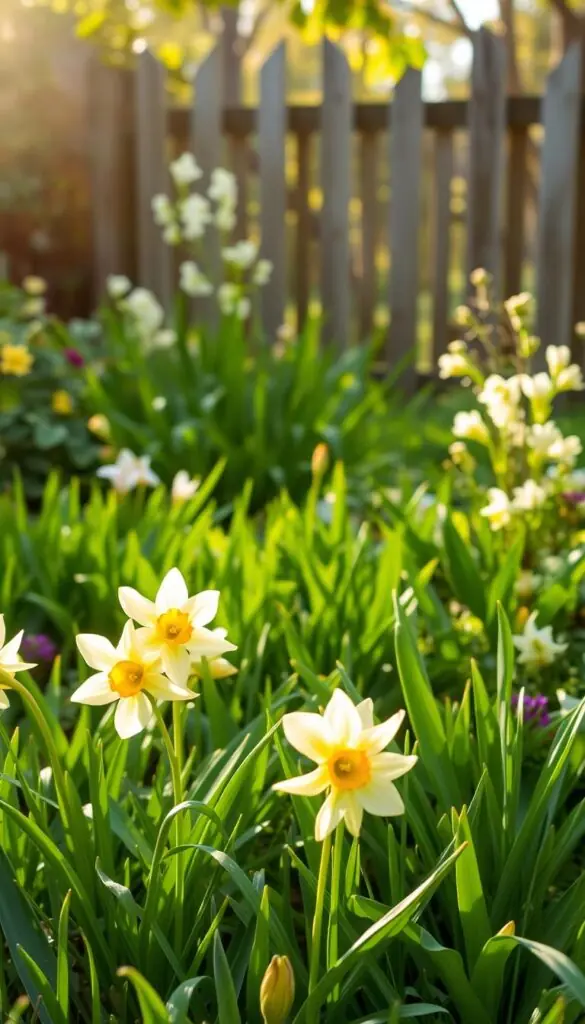
Daffodils shine with trumpet heads in morning light. Plant them in sunny, well-drained spots in fall. Rodents usually skip them, so you get steady blooms with little fuss.
Grape hyacinths make a neat blue-purple carpet and have a mild sweet scent. They naturalize in full sun but are toxic to pets, so tuck them where animals can't reach.
Crocus and snowdrops: tiny cups of color that signal the season
Crocus and snowdrops are the first to peek through the ground. Plant them along paths and under shrubs for delightful surprises at the first warm days.
Tulips for bold hues—plus simple protection from rodents
Tulips love full sun and give dramatic color. Use pots on a porch or pair tulips with daffodils and grape hyacinths to discourage pests. Snip a few stems for your kitchen to bring that fresh, sunlit feeling indoors.
| Bulb | Best spot | Key tip |
|---|---|---|
| Daffodils | Full sun, well-drained | Rodent-resistant; plant pointy side up |
| Grape hyacinth | Front of beds, sunny fence base | Naturalizes; keep away from pets |
| Crocus & Snowdrop | Paths, under shrubs | Small clusters for surprise color |
| Tulips | Pots or full sun beds | Replant yearly; protect from critters |
Best Early Spring Bulbs and Perennials to Wake Up Your Beds
Wake your beds gently with a mix of hardy bulbs and early perennials that return year after year. These choices are low‑stress and layered so color arrives in waves.
Daffodils: Plant in the fall in sunny, well‑drained soil. Space bulbs in small clusters so they naturalize into clumps. They are low‑maintenance and largely rodent‑resistant, giving trumpet blooms that come back reliably.
Grape hyacinth: Place these at the front of beds for blue‑purple drifts and a mild sweet scent on warm afternoons. They naturalize over time; keep them away from pet play areas because they are mildly toxic.
Snowflake & snowdrop: Add delicate bells for spots that range from part shade to full sun. Plant both in fall; they handle light shade and fill gaps between early bulbs.
Crocus: Nest small groups along paths and under shrubs so bright cups peek through leaf mulch. Plant in fall in sun to early shade and tuck them where you’ll notice their cheerful bloom first.
- Work a trowel‑width of compost into the top few inches of soil before planting.
- Stagger varieties so blooms overlap: snowdrops → crocus → grape hyacinths → daffodils.
- Use a bulb planter for consistent depth, water once, and mark clumps with small tags.
- Let foliage yellow naturally after bloom to feed bulbs for next year.
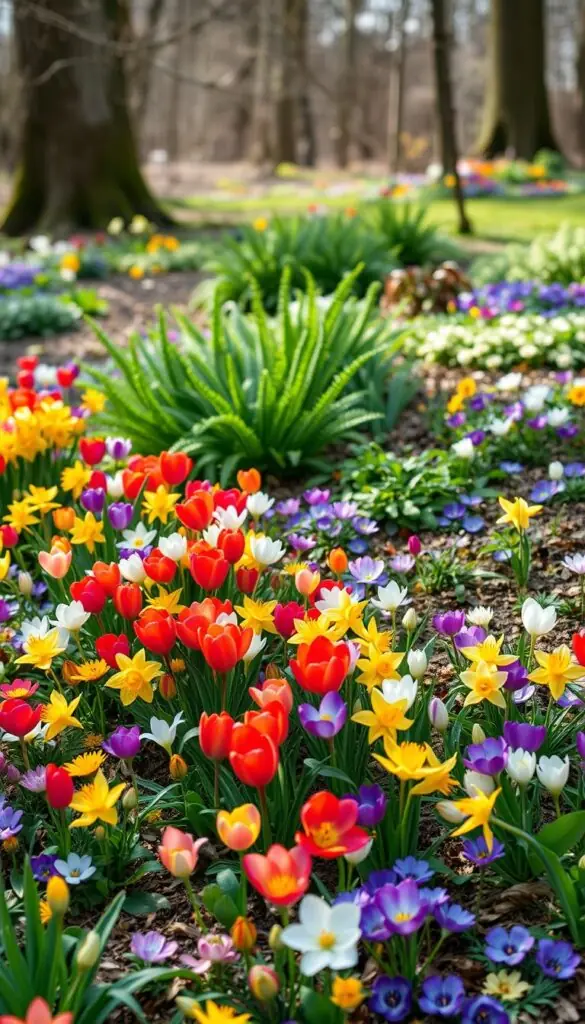
Show-Stopping Spring Shrubs and Trees for Structure and Blooms
Layering a few statement shrubs and trees brings height, scent, and season-long interest. These choices add form, fragrance, and a steady backdrop for bulbs and perennials.
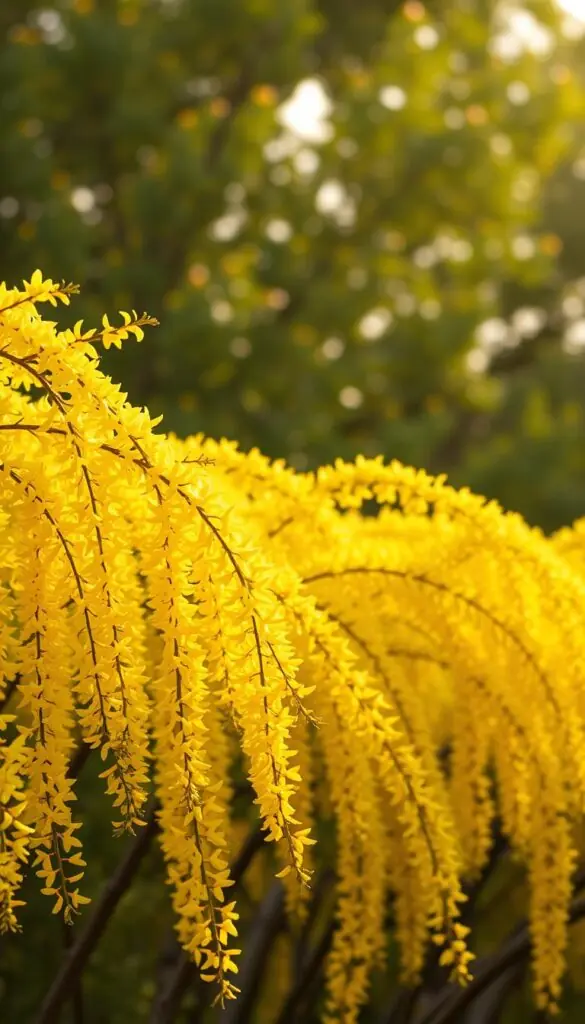
Forsythia and early golden drama
Forsythia gives golden sprays that hum with early pollinators. Plant it in full sun where arching stems can show off.
Many varieties reach about 10 feet tall, so give room and use cut stems for vases. Prune right after bloom so you don’t remove next year’s buds.
Lilac for scent and long-lived charm
Tuck a lilac in a sunny spot for cone-shaped clusters that perfume the yard. This hardy shrub draws bees and returns for decades with minimal fuss.
Magnolia for sculptural branches
Choose a magnolia to suit your zone. Wide, plate-like branches and late-winter to mid-spring bloom create a calm focal point.
Flowering quince: vivid petals and jelly fruit
Flowering quince gives bright petals for about 10-14 days, then small fruit perfect for jelly. Plant it near a path so that color and scent feel close-up.
- Mix varieties: forsythia at the back, lilac to the side, quince near walkways.
- Keep soil mulched and water weekly the first season for steady root growth.
- Prune forsythia and quince right after they finish their main bloom.
Partial Shade Darlings for Porch Edges and Woodsy Corners
Soft, dappled light makes porch edges and wooded corners feel like secret rooms for easy-care plants. These spots reward small, steady choices: scent, texture, and jewel-toned blooms instead of full sun drama.
Lily of the valley forms a cool, fresh carpet of green with tiny bell-shaped blooms that perfume the air for a few sweet weeks. It thrives in mostly shaded areas and spreads quickly into dense clumps.
Give it room to breathe. Edge with a spade once a year so it does not crowd slower neighbors, and site it away from heavy footpaths where scent can linger in quiet corners.

Lily of the valley: bell-shaped fragrance in green carpets
The scent is subtle and memorable. Later, clusters of red berries appear, so keep an eye if you have curious pets or kids.
Columbine: airy foliage and jewel-toned forms
Columbine prefers part sun and shows off exotic flower shapes in coral, red, pink, and purple. Its fine leaves float above the bed and play nicely with hostas and ferns.
- Use partial shade along porch edges or under trees for plants that glow in softer light.
- Amend soil with compost so moisture holds without staying soggy.
- Let columbine self-sow lightly for surprise color combinations over time.
- Water gently and mulch thinly to keep roots cool as the season warms.
Bold Border Plants for Late Spring Drama
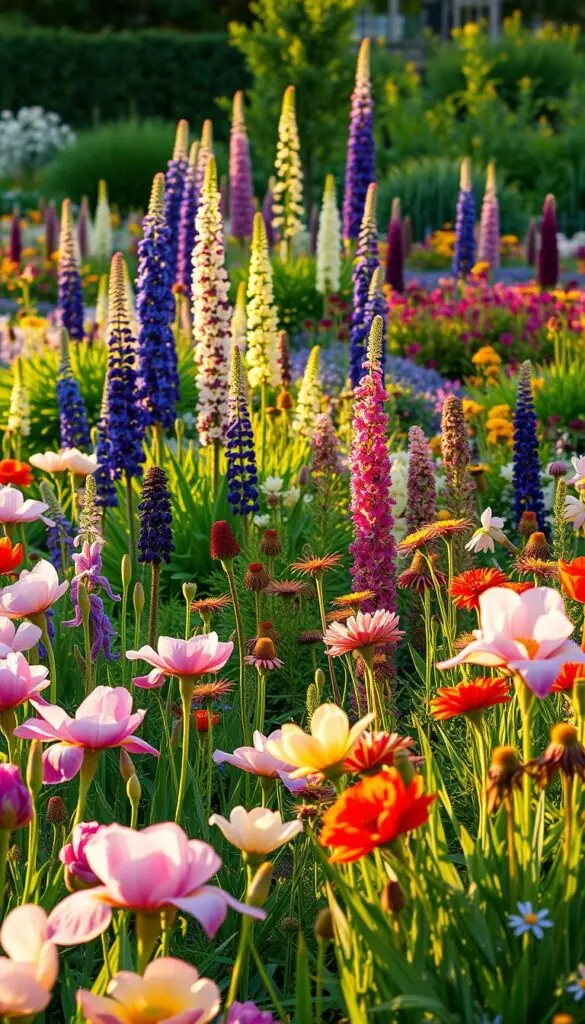
A focused trio of upright perennials can turn a sunny edge into a humming, textured stage. Place these where they get sun and room to show off.
Iris: Plant rhizomes about three inches deep with the top just covered so the sword-like leaves fan out. Space clumps a couple of feet apart. Irises love full sun, attract bees and hummingbirds, and can be toxic to pets, so keep curious animals away. Divide clumps every few years to keep leaves vigorous and blooms plentiful.
Foxglove: Set these toward the middle of the border so tall, speckled tubes read like a cottage backdrop. Give a light stake for windy sites. Note: foxglove often flowers in its second year, and letting a few spikes go to seed helps the patch renew itself.
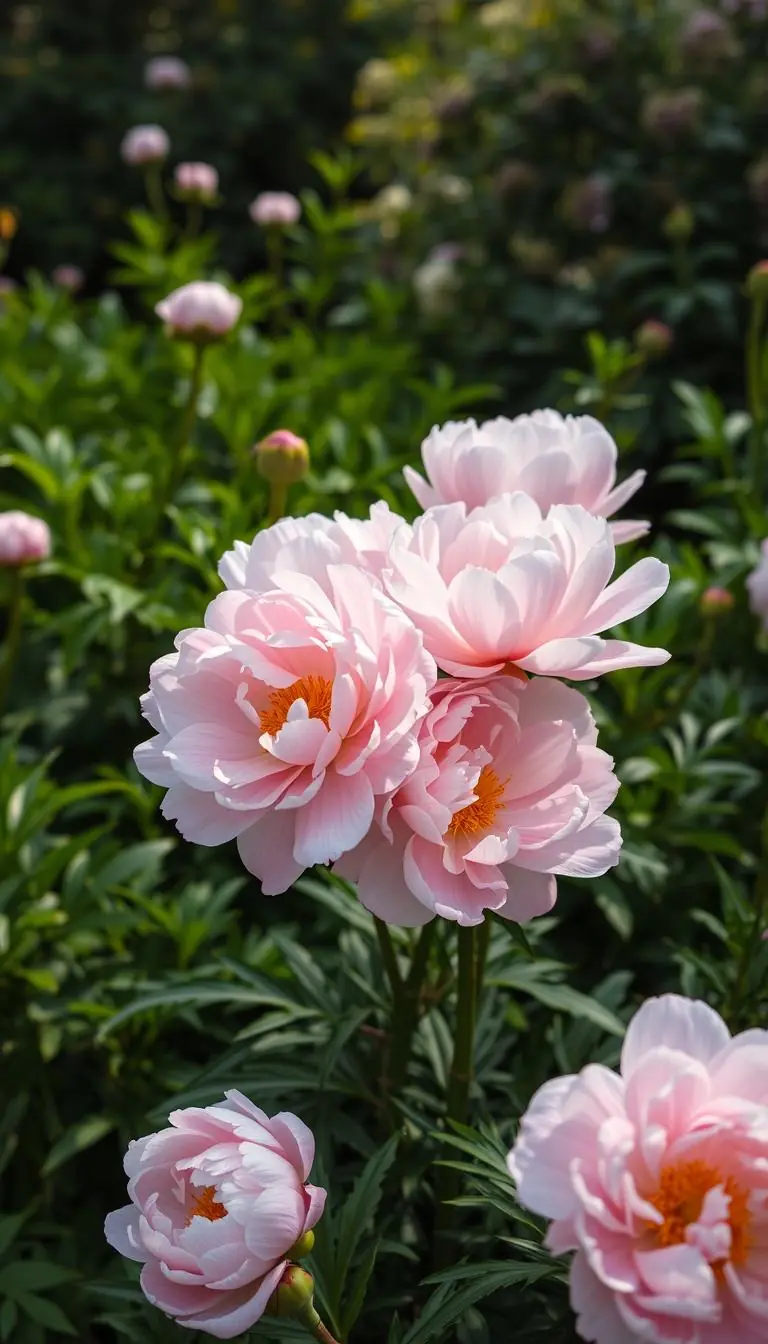
Peonies: Space peonies about two to three feet apart so air flows. Their lush, ruffled petals and soft fragrance after rain feel luxurious. Fit a simple hoop or ring around young buds so heavy stems stay upright after a downpour. Cut a few stems for the table—those blossoms make a meal feel special.
- Work compost into the top soil and water deeply once a week as buds swell.
- Choose matching varieties for a cohesive border and mark iris clumps for easy care.
- Keep about a couple of feet between stars so each plant gets sunlight and breathes.
Tulips and How to Replant for Reliable Spring Color Each Year
A small plan—choose favorites, use good drainage, and swap bulbs each fall—gives steady, brilliant tulips every year.
Choose varieties you love: mix single-height classics with a couple of doubles for drama. Pick three or four colors so your display feels cohesive and easy to repeat next year.

Plan a simple annual routine
Treat tulips like annuals for dependable color. Plant bulbs in fall in full sun and well-drained soil. Water once after planting and let winter chill set the bulbs.
Smart placement and pairings
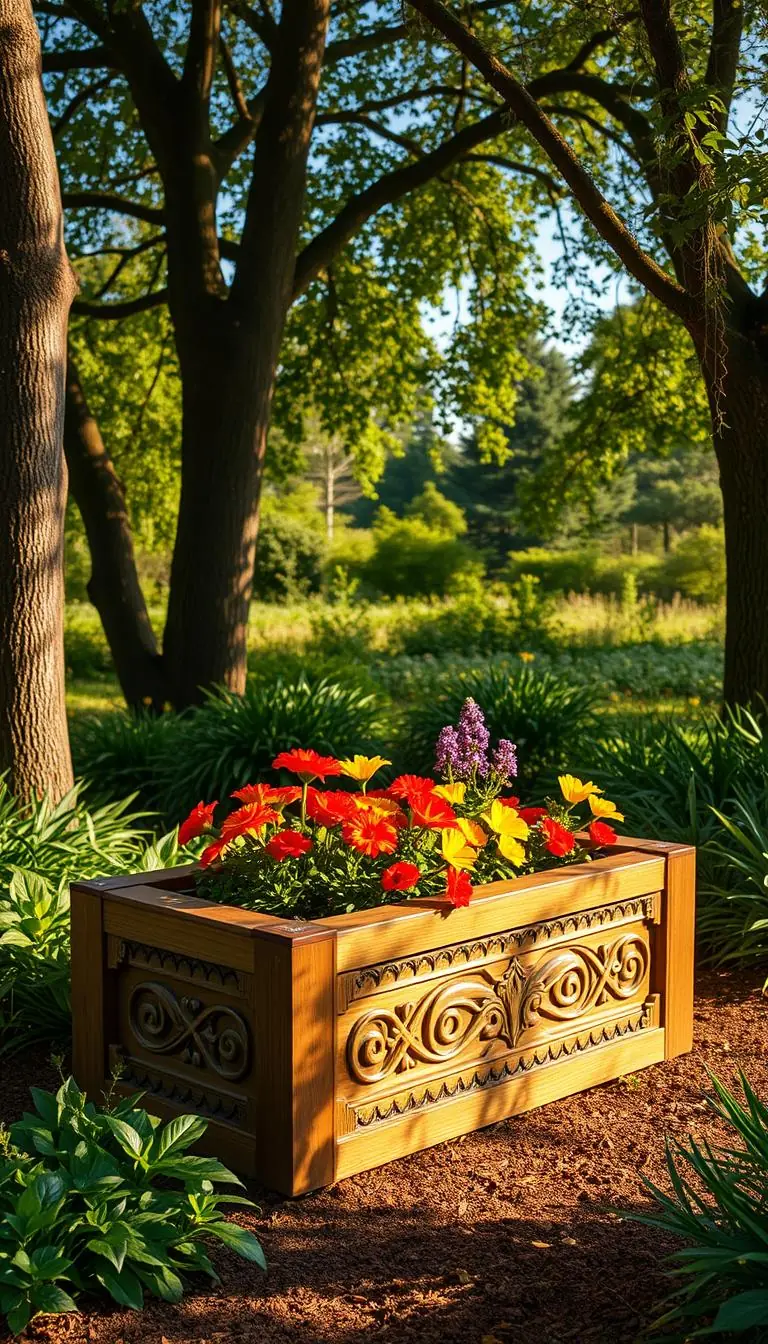
Use containers or raised beds so you control drainage and show off pots near entries. Pair tulips at the center with rodent-resistant bulbs—daffodils or grape hyacinth—around the edges to discourage nibbling.
- Refresh container soil and replace bulbs each fall for big blooms the next spring.
- Mix heights and forms in one pot to create layered, lush looks.
- Check your hardiness zone with a zone finder before ordering bulbs so your picks thrive in your climate.
If pets explore, move grape hyacinth out of reach—its mild scent is lovely but it’s toxic. Keep a note of the colors you loved this year so fall shopping is fast and fun.
Color Waves and Cut-Flower Ideas for a Cohesive Spring Look
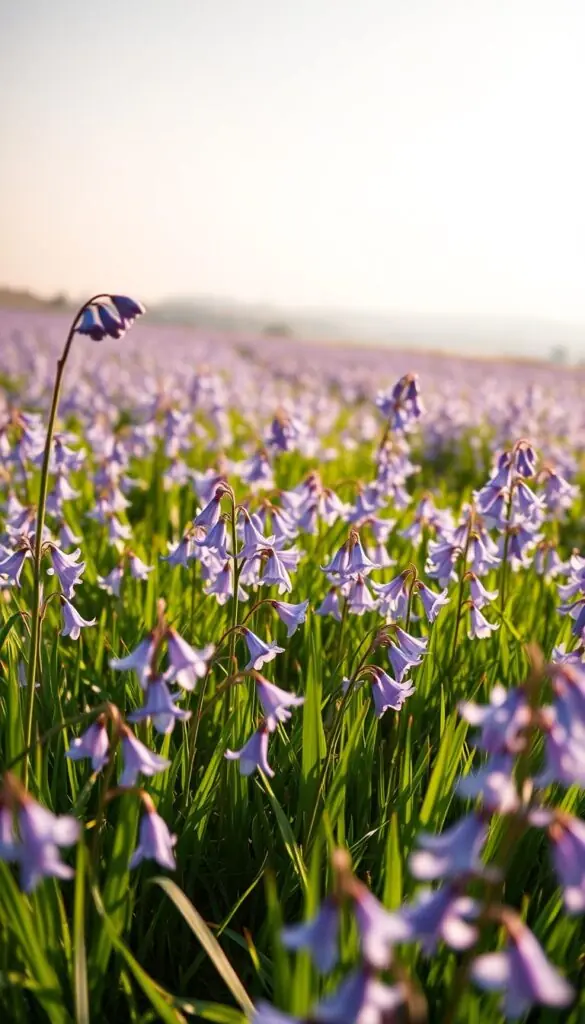
Blue-violet drifts and honeyed scent make a small bed feel like a living still life.
Bluebells bloom in early season and cut well for short bouquets. Pair them mid-border with forget-me-nots at the edge to invite butterflies and soft sky tones.
tuck wallflowers into sunny pockets; they add fragrance and bridge cooler blues to warmer tones. Start wallflowers indoors 10–12 weeks before the last frost so they thrive and keep scent into summer.
Stems to snip for the kitchen and vase
- Forsythia branches: cut as buds swell. They open in a few days and bring bright yellow cheer to the sink.
- Lilac sprays: harvest early morning, split stems, and they will sip water for longer while filling a room with scent.
- Iris standards: add vertical lines to arrangements and balance softer blooms.
| Plant | Best spot | Cutting tip |
|---|---|---|
| Bluebell | Mid-border, part shade | Cut after first open blooms; keep stems cool |
| Forget-me-not | Front edge, moist soil | Harvest small bunches to keep drift intact |
| Wallflower | Sunny pockets, well-drained | Start indoors 10–12 weeks before last frost |
| Forsythia / Lilac / Iris | Near paths or porch for quick snips | Cut early; place in deep water and change daily |
Simple recipe: sweep cool bluebells into a low vase, add a few tulips in matching tones, then finish with a lilac spray for scent and an iris for height.
Zones, Sun and Shade: Matching Plants to Your Place
Look at each nook as its own little ecosystem before you buy a single plant. That habit helps you pick the right bulbs, shrubs, and perennials for lasting success.
Use a zone finder to confirm hardiness before you plant
Find your USDA zone with a zone finder so choices survive winter and thrive in spring. Great Garden Plants and K. van Bourgondien both recommend this step before shopping.
Full sun vs. partial shade: placing shrubs, bulbs, and perennials
Watch light across a day. Put lilacs and sun-loving trees or shrubs where they get most sun. Reserve cooler corners for shade-tolerant variety like snowflakes.
Soil check: drainage, compost, and spacing in feet for healthy roots
Dig a hole, fill it with water, and time the drain. Amend topsoil with compost only in the planting zone so roots meet both rich and native soil.
- Checklist: confirm zone, observe sun patterns, test drainage, and space plantings in feet.
- Use a spacing calculator and mark spots in feet before you dig.
- In fall, pre-mark bulb pockets in sunny beds so planting is quick and tidy.
| Type | Typical spacing (feet) | Tip |
|---|---|---|
| Small perennials | 1–2 feet | Group by light needs |
| Shrubs & lilacs | 4–8 feet | Keep from tall fences |
| Small trees | 10–20 feet | Consider mature spread |
Quick Tips to Avoid Common Spring Planting Mistakes
A quick set of common-sense steps stops many early-season mistakes before they start.
Don’t bury iris rhizomes too deep. Set the top of the rhizome about three inches from the surface so sun can reach it. Too-deep planting gives you lots of leaves and few blooms.
Mind toxicity and safe placement
Check labels for toxic plants and keep curious kids and pets out of risky areas. Lily of the valley, azalea, and iris can be harmful if sampled. Place daffodils where you still enjoy their color—animals tend to avoid them.
Stagger blooms for steady color
Plan so early crocus and daffodils lead into mid-season tulips and later iris or peony. That way your flowers bloom in a smooth arc and you get weeks of interest.
- Wait a day or two after heavy rain so you don't compact the ground or soil.
- Leave a few feet of spacing so air moves and petals dry after showers.
- Cut stems with clean pruners and set blooms in water right away for longer vase life.
- Use a light compost top-dress rather than heavy fertilizer at planting time.
- Mark bulb spots so you don’t dig into sleeping bulbs when adding new plants.
- Give yourself small tasks over days — steady, short sessions beat marathon work and keep gardening joyful.
Conclusion
Take a slow breath, then step outside and pick two small tasks.
Breathe deep, stroll the yard, and mark two or three simple tasks that will bring weeks of bloom.
Start with reliable bulbs like daffodils and a few pots of tulips. Add long-lived anchors—lilac or a magnolia—to give structure and scent through late winter to mid-spring and into summer.
Trust the season’s rhythm. Little, steady care—light compost, a tidy edge, and a quick water—sets up a bright display next year and a calm, thriving garden today.
Enjoy the color and scent, share a stem with a neighbor, and be kind to yourself— each bloom is a quiet win.
FAQ
What should I plant first to get quick color and confidence in my garden?
Start with easy bulbs and early perennials like daffodils, grape hyacinth, crocus, and snowdrops. They emerge from cool soil, naturalize well, and give bright color before shrubs and trees leaf out. Plant bulbs in well-drained soil and add compost to improve drainage and nutrition.
How do I decide what goes in the ground during the first warm weeks?
Prioritize bulbs and cold-tolerant perennials first, then add shrubs and trees once the risk of hard freezes passes. Use a zone finder to check hardiness, place sun-loving varieties in full sun, and save partial-shade darlings like lily of the valley and columbine for protected spots.
What tools should I have on hand for early planting?
Keep a small kit: a sturdy trowel, hand pruners, gloves, a bulb planter, and a good supply of compost or aged manure. These let you plant, tidy up spent foliage, and amend soil quickly without hauling heavy equipment.
Which bulbs are best for instant, low-maintenance color?
Daffodils and grape hyacinths are top picks. Daffodils are generally rodent-resistant and tolerate sun and part shade. Grape hyacinth naturalizes into charming blue drifts and adds scent. Both handle a range of soils if drainage is good.
Where do crocus and snowdrops work best in the landscape?
Plant crocus and snowdrops in lawns, under deciduous shrubs, or along paths where their small cups and bells can peek through. They thrive in areas that get sun in early spring before tree leaves fill in and prefer soil that stays moist but not waterlogged.
How can I protect tulip bulbs from rodents without harmful chemicals?
Use physical barriers like wire cages or plant tulips with fragrant, rodent-resistant bulbs such as daffodils. Placing bulbs in pots raised on benches or using hardware cloth in planting holes helps too. Mulch lightly to avoid hiding rodents while the bulbs establish.
Which early shrubs and trees give structure plus blooms?
Forsythia, lilac, magnolia, and flowering quince provide early-season structure and showy blooms. Forsythia attracts pollinators, lilac offers strong fragrance, magnolia gives bold flowers, and quince adds color plus edible fruit if you want preserves or jelly.
What are good partial-shade plants for porches and woodsy corners?
Lily of the valley and columbine shine in dappled light. Lily of the valley forms fragrant groundcover; columbine offers delicate, nodding blooms in coral, red, pink, or purple. Both complement shrubs and taller perennials in shady beds.
Which late-spring border plants add drama and height?
Iris, foxglove, and peonies make strong statements. Iris keeps rhizomes near the surface, foxglove gives tall spires for cottage schemes, and peonies reward you with lush petals and long-lasting cut flowers.
How do I plan tulip plantings for reliable color year after year?
Choose varieties suited to your climate and plant each fall for the following season. Use pots or well-drained beds in full sun, pair tulips with bulbs that deter rodents, and treat some tulips as annuals—replant each autumn for consistent displays.
What combinations create cohesive color waves and good cut-flower mixes?
Layer bluebells, forget-me-nots, and wallflowers for soft, blended hues. For cutting gardens, include stems like forsythia branches, lilac sprays, and iris standards to mix structure, scent, and varying stem lengths in bouquets.
How do I match plants to my sun, shade, and soil conditions?
Check your hardiness zone and test soil drainage. Place full-sun shrubs and bulbs in open spots, reserve partial-shade plants for under trees or north-facing beds, and add compost to heavy soil. Space plants by the recommended feet to avoid crowding and to promote airflow.
What common planting mistakes should I avoid in early season work?
Don’t bury iris rhizomes too deep; keep their tops near the soil surface. Be mindful of toxic plants like lily of the valley and certain azaleas if pets or children visit. Stagger bloom times—plant early, mid, and late-season varieties—to enjoy continuous color.