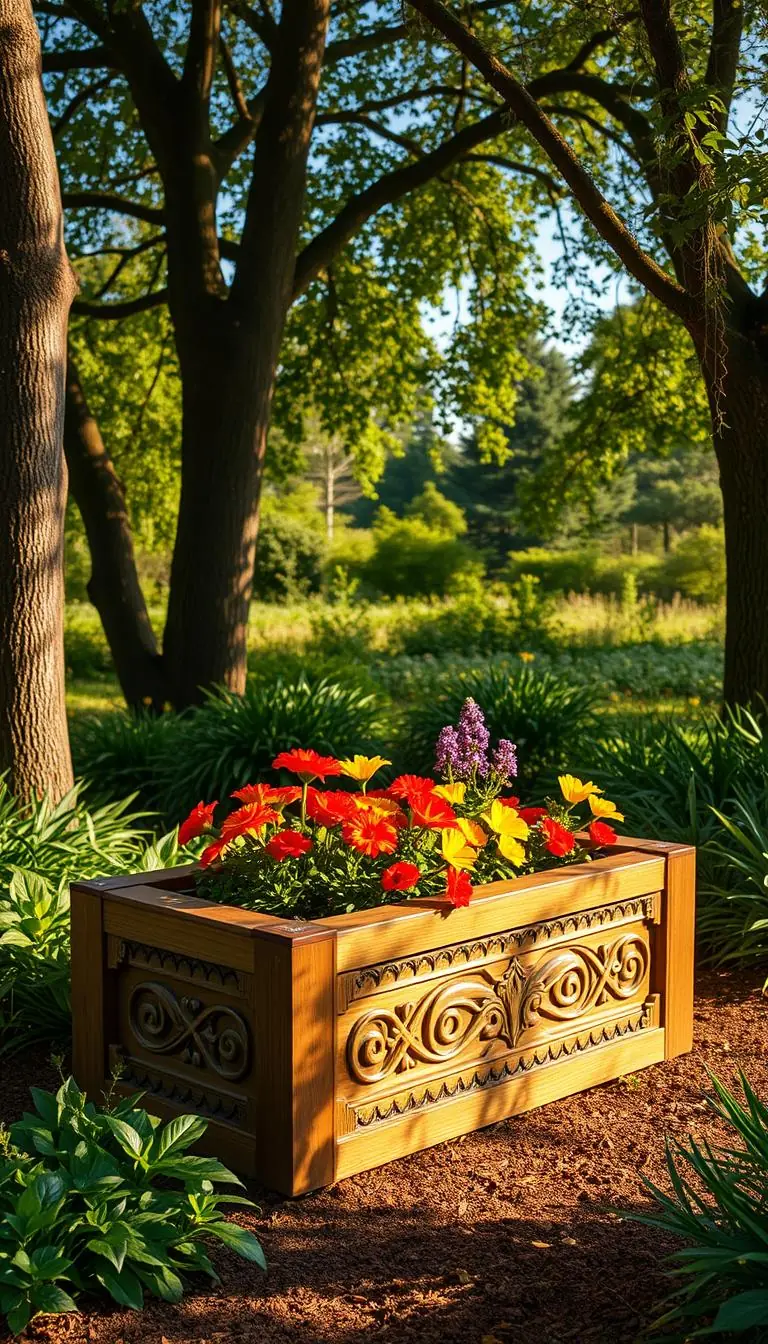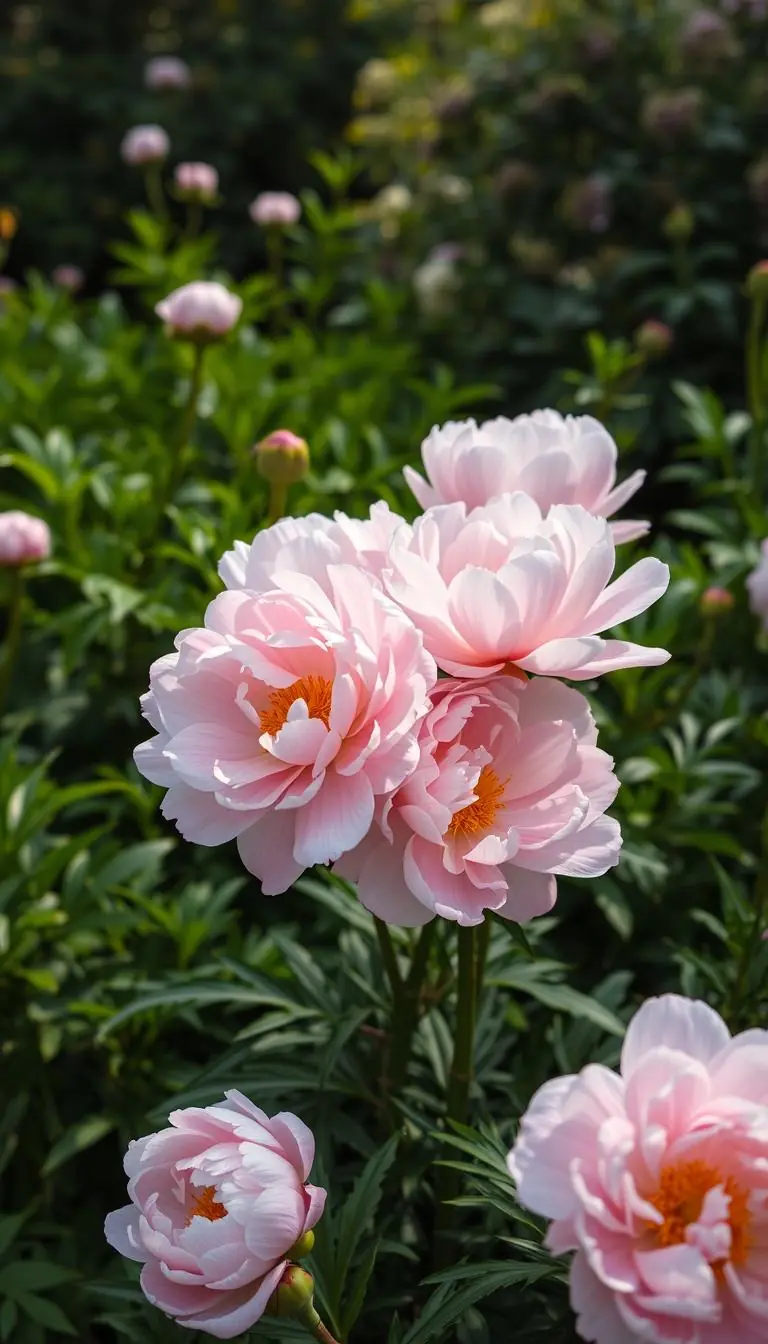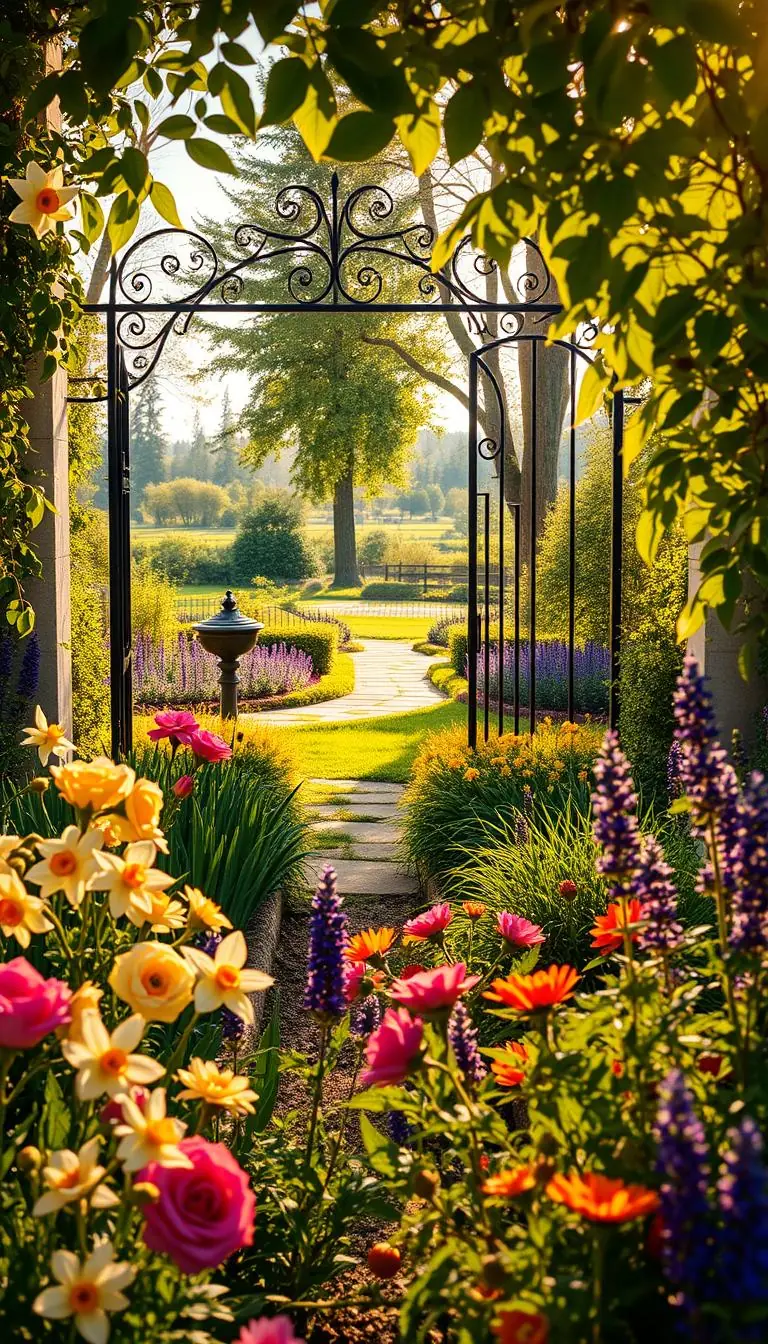
Sun-warmed petals, the scent of lavender drifting past the patio, and cool mulch underfoot. Have you ever paused and wished your beds could keep that glow from morning to dusk?
You’re in the right place. Think of this as a calm chat over the fence where we share simple, reliable steps. We’ll show where the sun lands, how soil drains, and how to space plants so beds look lush, not crowded.
Expect easy watering rhythms that save time and build strong roots, gentle feeding tips, and quick weekly habits like deadheading that spark fresh bloom.
We’ll also cover staking tall stems, mulching to hold cool moisture and deepen colors, and small container ideas for patios or balconies. Along the way you’ll meet reliable plants—like coneflower and Russian sage—that keep color from mid-season into fall and invite pollinators to stay all year.
Key Takeaways
- Find sunny spots with at least six hours of direct sun for best results.
- Space plants for airflow and steady, long-lasting bloom.
- Water deeply on a schedule to build strong roots and save time.
- Use mulch to hold moisture, reduce weeds, and protect crowns.
- Deadhead, stake, and tidy weekly to keep beds cheerful.
Set your summer beds up for success: full sun, soil, and spacing
Start by mapping the light across your beds for a reliable plan. Watch where the sun moves for a full week and note trees or fences that cast shade. Full sun means at least 6 hours of direct light so flowers can store energy.
Know your light
Use a notebook or phone to mark bright windows of the day. Place taller varieties to the north or back so they don't shade shorter ones. A steady breeze through leaves is a good sign of airflow.
Soil prep
Scoop a handful of soil. If it crumbles and smells earthy, drainage is likely good. If it stays dense and wet, mix in compost and grit. Shasta daisy, salvia, and Russian sage prefer well-drained soil; sedum and blazing star do too.
Smart spacing
Measure plant widths in inches or feet and space by mature size so air can move between foliage. Mark spots with stakes or twine before planting. Use a moisture meter or small trowel to check the top few inches before you water.
"Good spacing and soil give you healthier stems and more blooms, with less fuss."

| Need | Example plants | Soil | Mature height |
|---|---|---|---|
| Full light | Shasta daisy, salvia | Well-drained, light compost | 1–3 feet |
| Good drainage | Russian sage, sedum | Gravelly or amended soil | 2–4 feet |
| Layering | Variety of heights for continuous color | Mix compost lightly in holes | inches to feet |
Watering that keeps blooms coming without wasting a drop
Give roots what they need with fewer, deeper soaks rather than quick splashes. Start each watering session in the early morning so the sun dries stray splashes and leaves stay healthy. Aim for slow, deep watering at the base to encourage strong roots and steady bloom.
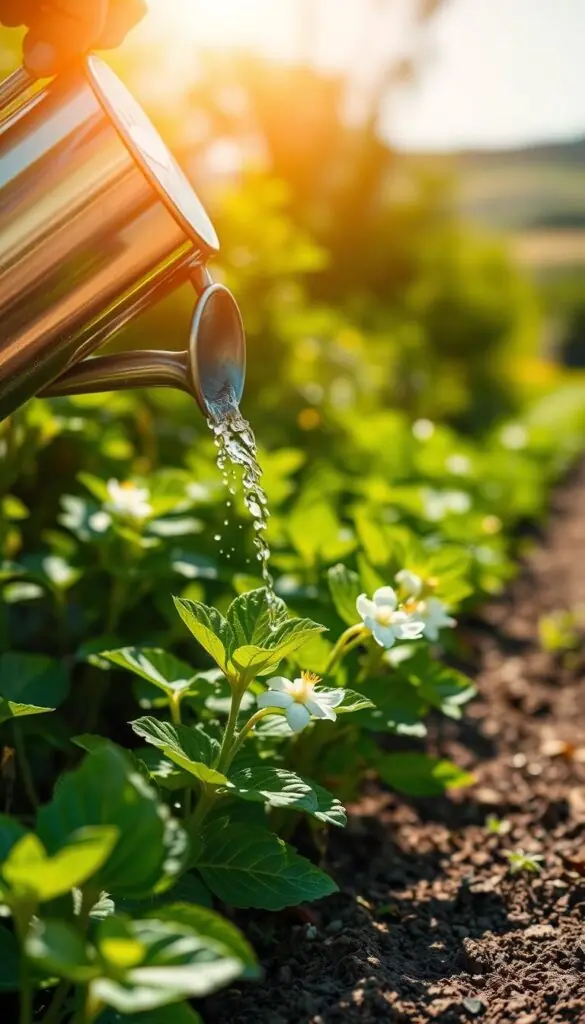
Deep, infrequent soaks at the base in early morning
Set your goal to wet the top 6 to 8 inches of soil; roots follow moisture downward. Use a watering wand or soaker hose to deliver water at the crown and avoid wetting foliage.
Adjust for heat waves and containers vs. beds
Containers dry faster in wind and sun, so check pots twice a day during heat spells. Shorten the interval between soaks in a hot week rather than giving shallow, frequent sips.
Tools that help: soaker hoses, mulch rings, moisture meter
Lay soaker hoses along rows and cover with mulch to cut waste. Form small mulch rings to catch water at each stem. Keep a moisture meter or a finger test handy; water only when the soil feels dry a few inches down.
- Group pots by water needs so thirstier bloomers aren’t paired with drought-tough plants like portulaca.
- After a soaking rain, skip scheduled watering and check soil first—your planting will tell you when it needs more.
"Deep water now saves time and keeps petals perky later."
Feed for steady energy: gentle fertilizing through the season
A light, steady feeding plan keeps plants steady and petals vivid all season.
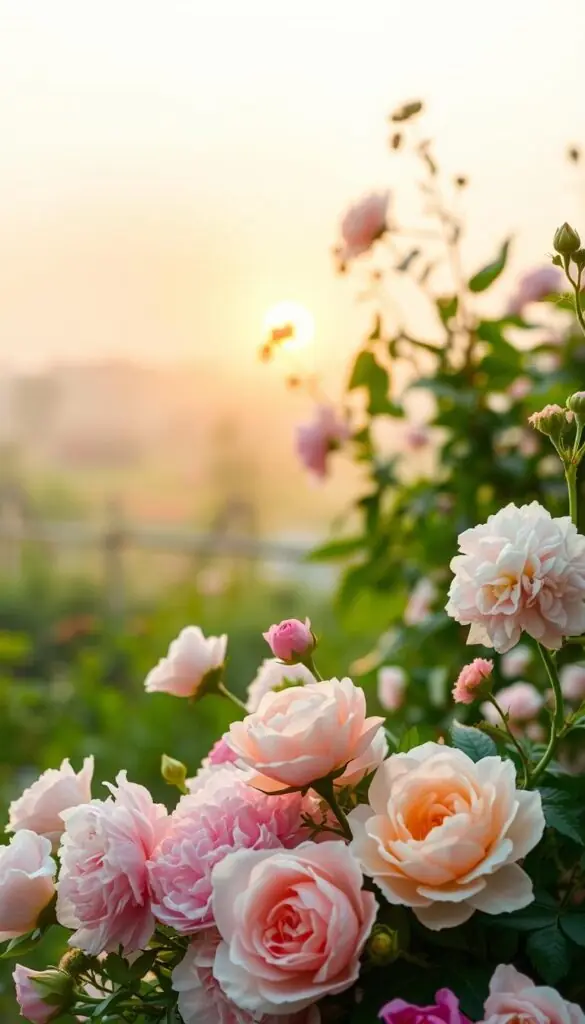
Start with a balanced slow-release feed at planting to give perennials a steady trickle of nutrients. The granules often look like coarse sand; scratch them into the top inch and water to wake them up.
Slow-release vs. liquid options
Slow-release feeds feed over weeks and reduce work. Liquid feeds act like a tonic — quick for containers or right after heavy bloom.
Match feeds to plant habits
Daylilies are dependable workhorses. Give a light spring feed and a midsummer refresh; they often rebloom. Lavender prefers lean soil and good drainage; too much fertility cuts back fragrant spikes.
- Read labels and use a hand spreader for even application.
- Always water before feeding if soil is dry to avoid root burn.
- For containers, use weekly liquid feeds during heavy bloom cycles.
"Soft, steady feeding keeps flowers lively without inviting pests."
| Feed Type | Texture/Scent | Best use |
|---|---|---|
| Slow-release granular | Coarse, sand-like granules | At planting and midseason top-up for beds |
| Liquid feed | Tonic-like, mild scent | Quick boost for containers and peak bloom recovery |
| Organic tonic (compost tea/fish emulsion) | Earthy, light aroma | Gentle nudge for sensitive plants and soil life |
Deadhead and tidy: simple weekly habit for more flowers
Bring your bypass pruners out with a cup of coffee and watch beds wake up. A short stroll with snips sends energy into fresh buds and keeps beds neat. The soft snap of a spent stem and the clean scent after a quick tidy make this a small, satisfying task.
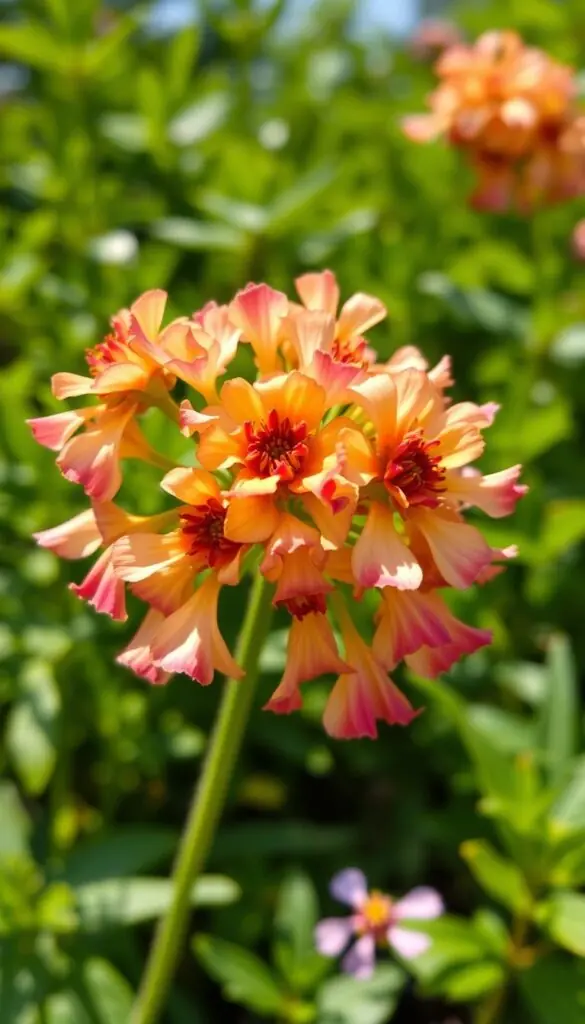
Pinch, snip, or shear — what to do
Pinch soft tips on branching annuals to encourage a fuller shape and more flowers.
Snip daisy forms like coreopsis or Shasta just above a leaf node to trigger side shoots.
Shear mounded bloomers back by about a third after a big flush to cue a fresh wave later.
- Set a weekly time to stroll with snips; removing spent blooms rewards you with more color.
- Leave some coneflower heads later in summer so goldfinches can snack through fall.
- Wipe bypass pruner blades between cuts to avoid spreading disease.
- Gather faded petals for compost and enjoy the bright, tidy look in minutes.
"A quick tidy opens space for air and light, helping keep leaves dry and healthy."
Watch how each plant responds; your gentle trims teach you exactly when they like a haircut. In short, a little weekly care gives steady, longer-lasting blooms and an easier season.
Stake tall beauties before they flop
Tall stems ask for a little planning so they stand proud, not floppy. A few simple supports keep blooms visible and paths clear. Plan early and work with the plant so supports feel natural.
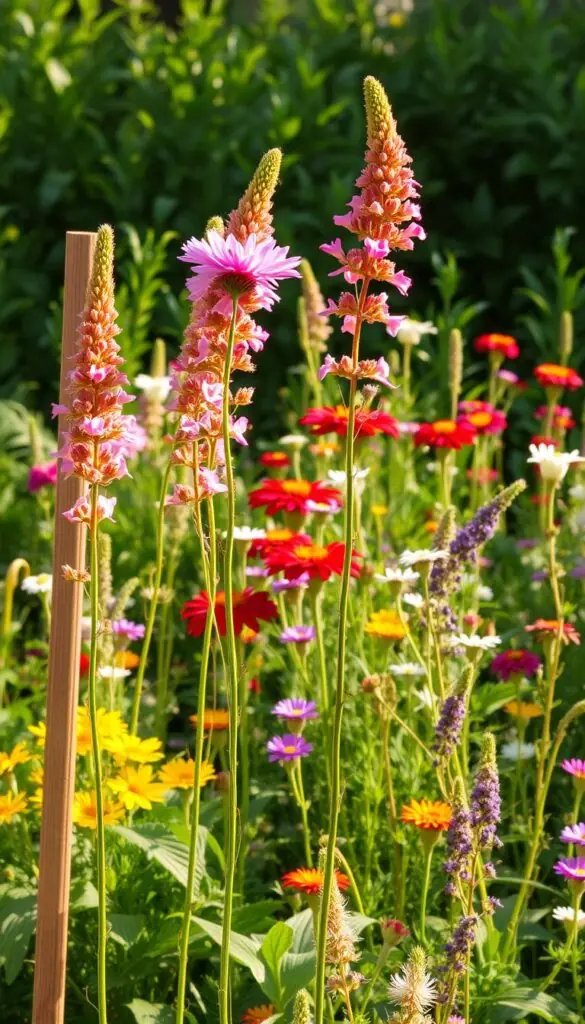
Bamboo stakes, soft ties, and discreet grids
Place stakes early when stems reach about 12–18 inches so plants grow into the support. Use bamboo stakes driven 8–10 inches into firm soil and angle them slightly toward the plant center.
Practical setups that blend into foliage
- Loop soft twine or cloth ties loosely; avoid tight knots that can rub in wind.
- For clumps like coneflowers (often 1 to 5 feet tall), set a low grid or ring so many stems share support without looking “tied up.”
- For spires such as delphiniums, which can reach up to 6 feet tall, use two or three stakes per clump to spread the load.
- Space supports so flowers can sway; slight movement strengthens stems.
"Staking early helps plants look natural and keeps blooms from snapping during storms."
Keep a small bundle of stakes on hand and check ties after heavy rain. This small habit protects blooms and keeps your garden easy to enjoy.
Mulch wisely to lock in moisture and color
Two inches of the right mulch keeps soil steady and plants comfortable through hot spells. A neat layer does more than look tidy—it holds moisture, cools roots, and limits weeds so you can enjoy more color with less work.
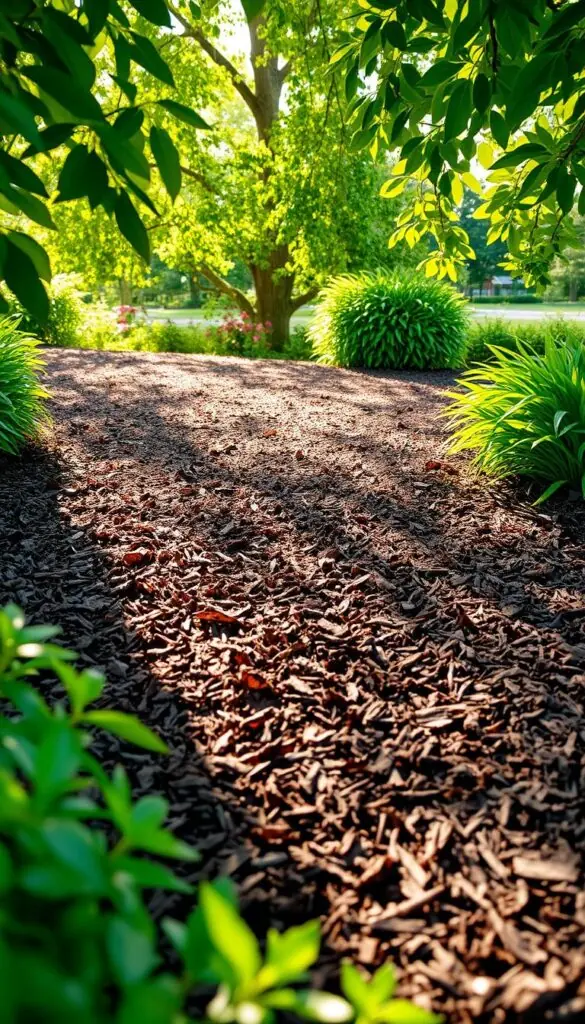
Two inches, kept off crowns
Spread about two inches of shredded bark, pine straw, or compost over prepared beds. Keep mulch pulled back a few inches from stems and crowns to allow air circulation and to prevent rot.
- Shredded bark gives a tidy, dark backdrop that makes blooms pop.
- Pine straw gives a lighter blanket that settles nicely around perennials.
- Compost adds a gentle nutrient boost as it breaks down.
- Cover soaker or drip lines after installation to protect hoses and improve efficiency.
In heavy clay, wait until the soil dries slightly after a rain before mulching. For containers, top-dress with a thin layer of fine bark to slow evaporation on hot patios. Rake gently in spring to fluff compacted spots and reestablish that even two-inch depth.
"Enjoy the earthy scent and the cool feel underfoot as beds stay healthy through warm days."
Container care for patios, porches, and sunny balconies
A warmed clay pot, trailing blooms brushing your hand at the railing, is one of summer's small delights. Give each pot the basics: generous drainage, airy mix, and the right size so roots can breathe.
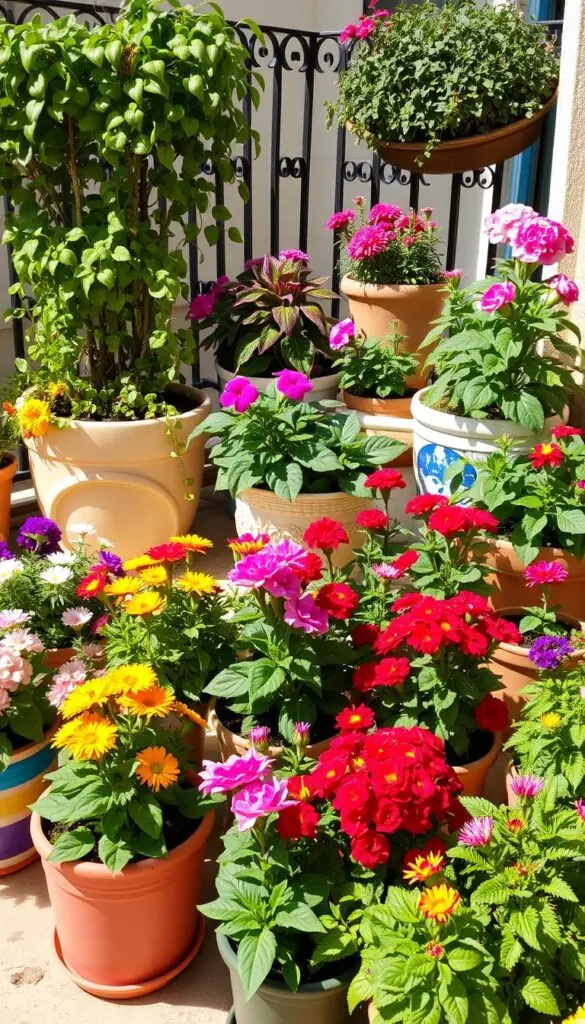
Potting mix, drainage, and watering rhythm
Choose pots with large drainage holes and fill them with a premium potting mix — not garden soil — so the root ball stays light and airy.
Pick a container at least 12–16 inches wide for balanced root space and better moisture hold in hot weather.
Water until it flows from the bottom, then wait until the top inch feels dry before the next soak. On balconies, water early so pots aren't heavy in midday sun.
Great picks for containers
Combine globe amaranth for nonstop color, lantana for cheerful cluster blooms, and bacopa to spill jewel-like white, blue, or lavender petals over edges.
"Turn pots a quarter turn each week so all sides get sun and even growth."
- Feed lightly every 1–2 weeks during peak color.
- Tuck mulch or moss on top to slow evaporation and finish the look.
- Group pots to shade each other's sides and keep roots cooler.
- Pinch and tidy regularly to keep shapes compact and flowers coming.
| Item | Why it matters | Quick tip |
|---|---|---|
| Drainage holes | Prevents root rot and keeps soil airy | Choose pots with large holes and use a saucer |
| Potting mix | Holds moisture and air in balance | Use premium mix labeled for containers |
| Size (12–16 inches) | Gives roots room and reduces daily watering | Wider pots stay cooler than tall narrow ones |
Invite pollinators and hummingbirds for a lively summer garden
A few thoughtful plant choices and a shallow water dish turn any sunny bed into a lively pollinator stop. Planting with purpose brings the soft hum of wings and bright, busy activity right to your yard.
Choose nectar-rich natives and near-natives: agastache (hummingbird mint), bee balm, coneflower, and milkweed are great for native north america pollinators. Add salvia or red hot poker for extra hummingbird appeal.
Nectar, water, and continuous bloom
Set a shallow dish with pebbles for safe sipping and refresh the water every few days. Scatter plants that bloom from late spring to fall so visitors always find food.
Color cues and friendly practices
Reds and oranges catch hummingbird eyes; daisy forms like coneflower invite bees. Cluster three or more of each plant so pollinators feed efficiently without long flights.
- Mix herbs like lavender and catmint to add scented nectar stations.
- Avoid broad-spectrum sprays—hand-pick pests or rinse leaves in the morning.
- Leave some coneflower seedheads for fall birds and mild winter interest.
- Provide a small patch of bare soil or a quiet stem-filled corner for native bee nesting.
"Enjoy the soft whir of wings, the sparkle of water, and the spice of bee balm foliage as your outdoor space comes alive."
Heat and drought tactics when days sizzle
On scorch days, focus on essentials and let tougher plants carry the show. Slow your routine and protect roots so beds recover without extra stress.
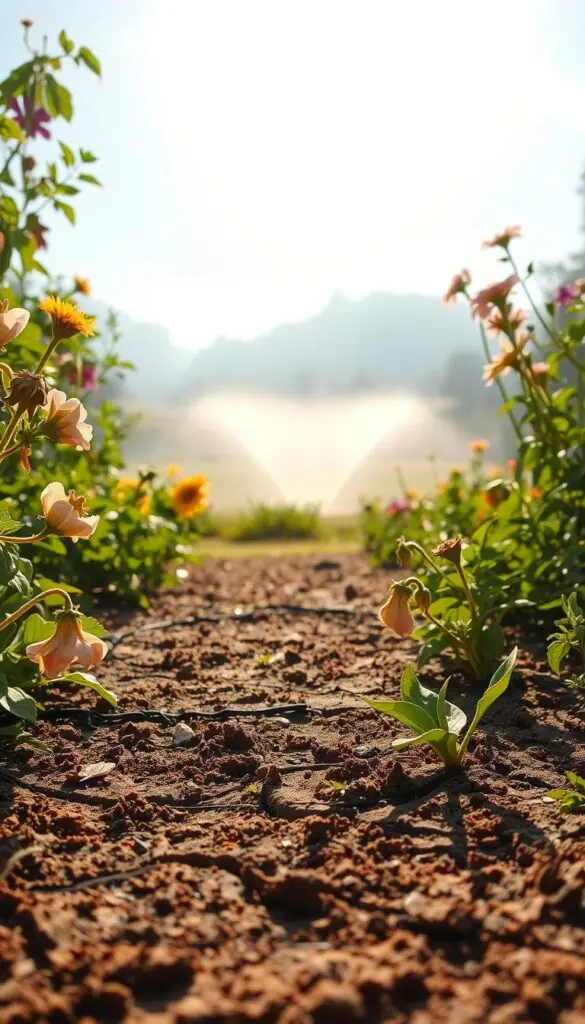
Drought-tough allies to lean on
Choose resilient options: Russian sage (2–4 feet) and sedum need sharp drainage and reward you with steady form. Blazing star tolerates drought but must sit in very well-drained soil. Yarrow thrives in full sun and poor soil and draws pollinators.
Practical shade and watering moves
Water at dawn so roots drink before wind and heat steal moisture.
Lay 30–40% shade cloth over a light frame with simple clips to soften late-afternoon scorch during a heat dome.
- Pause fertilizing in severe heat; let plants focus on survival.
- Add an extra inch of mulch to exposed spots to steady moisture.
- Move small containers into bright, indirect light until the worst passes.
- Trim only damaged bits—avoid heavy pruning in hot spells.
- Check irrigation emitters for clogs; efficiency matters most now.
"Celebrate tough beauties that hold color when the thermometer soars."
| Action | Why it helps | Quick tip |
|---|---|---|
| Dawn watering | Maximizes uptake and reduces evaporation | Use a soaker or slow hose at the base |
| 30–40% shade cloth | Softens intense afternoon sun without blocking light | Attach with cloth clips to a temporary frame |
| Extra mulch | Shields soil and keeps roots cooler | Add one inch around exposed areas, not on crowns |
Fine-tune sun exposure: full sun lovers and light shade options
Some plants crave blazing skies while others prefer a soft afternoon pause. Observe your beds for a week to map where light is steady and where late-day shades arrive. Small moves now save you work later.

True sun stalwarts to place in unfiltered light
Group salvia, lavender, Shasta daisy, and coreopsis where they get at least six hours of direct light. Salvia likes warm, sunny conditions and well-draining soil.
Lavender prefers hot, dry spots and lean soil; keep mulch light around its crown to avoid wet feet.
Plants that do well with a touch of relief
Place catmint, asters, and calamint where morning rays arrive but afternoon shades soften the heat. Catmint blooms from late spring into fall and tolerates varied conditions.
If leaves crisp at the edges, give more afternoon relief. If blooms thin out, move a bit closer to brighter light—plants will tell you the right balance.
- Improve drainage in bright spots with grit or raised mounds so roots stay airy.
- Rotate containers a quarter turn weekly to balance growth and sun exposure.
- Expect a range of responses by variety; some cultivars handle more heat or humidity.
| Light | Best picks | Quick care notes |
|---|---|---|
| Full sun | Salvia, lavender, Shasta daisy, coreopsis | Well-draining soil; light mulch; warm exposure |
| Morning sun / light shade | Catmint, asters, calamint | Morning rays, afternoon relief; blooms through season |
| Container tip | Rotate pots weekly | Balances sun on all sides; prevents one-sided growth |
"Let your beds show you their sweet spot—watch foliage color and bloom clusters."
Keep pests and diseases at bay with simple routines
A few small habits now will save you big headaches later when pests or disease show up. Spend a little weekly time scouting and you’ll keep most problems light and easy to handle. Healthy siting and quick checks matter more than a spray bottle.
Airflow, morning watering, and clean tools
Water at the base in the early morning so moisture dries fast and fungi struggle to spread. Space plants in spring and thin crowded stems to lower humidity inside clumps.
- Wipe pruners with alcohol between cuts to avoid cross‑contamination.
- Keep mulch steady to stop soil splashes from hitting lower leaves.
- Scout undersides of leaves weekly for pests before populations surge.
Watchlists: powdery mildew on phlox; leaf scorch in containers
Powdery mildew often shows on phlox—improve airflow first and try a gentle horticultural soap if needed. For containers, watch for leaf edge browning; move pots to afternoon shade and water deeply when edges brown.
- Remove and trash badly infected foliage; don’t compost disease-heavy debris.
- Avoid overhead watering late in the day; damp, cooling foliage invites trouble.
- Remember: well-sited, vigorous plants resist pests and keep your outdoor garden full of healthy flowers.
"Scout weekly, act early, and choose gentle fixes first—your beds will thank you."
Design ideas: layers, hues, and texture that glow in summer
A thoughtful mix of spikes, mounds, and soft edges makes paths and borders sing. Think of beds as a stage where height, hue, and texture each take a turn. A few simple rules keep the layout inviting and low work.
Height layers: airy spikes, midsize mounds, and low edging
Place upright spikes like salvia and veronica at the back or center of an island so they read clearly. Follow with midsize mounds such as coreopsis for steady mass and repeat them in groups of three for rhythm.
Edge paths and borders with soft lamb’s ear; its velvety silver leaves and pink spikes add calm contrast to brighter blooms.
Hues that sing in sun: lavender blues, sunny yellows, sunset oranges
Repeat your best colors so the eye flows across a bed. Pair lamb’s ear silver with Shasta daisy whites for a lasting glow.
- Add sedum for late-season weight and richer tones as nights cool.
- Soften path edges with low bloomers so color spills gently toward steps.
- Tuck a few fragrant lavender near seating to invite quiet moments.
"Mix upright, mounded, and low layers to make every color and texture show."
Timing by region: when to plant, pinch, and divide
Timing matters more than a strict date. Watch soil warmth and your last frost instead of only the calendar. That way you work with nature, not against it.
USDA zones and last frost to late spring transitions
Know your USDA zone and mark the average last frost. After that frost, plant hardy perennials as soil warms in late spring.
Use local frost data and a soil probe. If soil is still cold, wait a few weeks so roots start strong.
Early summer tasks vs. late summer refresh
Pinch branching annuals in late spring early summer to encourage fuller shapes and more buds.
In early summer, stake tall growers and begin a light feed as new shoots appear. Mid to late summer, shear tired bloomers to refresh foliage and coax a second show.
Fall prep to set up next year’s blooms
Divide congested clumps in late summer or fall while soil is still warm. This helps quick re-rooting before winter.
- Mark coneflower seedheads to feed birds into fall and winter.
- Plan tasks on cooler mornings—it's easier for you and for plants.
- Keep a simple calendar with your zone frost dates and reminders for pinching and dividing so next year goes smoothly.
"Note bloom windows this spring and time plantings so beds fill gaps next season."
Plant spotlights for bright, long-lasting blooms
Start with resilient picks that reward you with long shows and friendly wildlife visits. Below are short, friendly profiles to help you choose perennials that suit light, soil, and the look you want.
- Salvia, also known as Mexican sage — full sun, sharp drainage, drought-tolerant; rewards you with a long, steady bloom that pollinators love.
- Coreopsis — cheery daisy forms from late spring to fall; attracts bees and fills beds and borders with steady color.
- Globe amaranth — nonstop globes in vivid colors; loves heat and strong sun for long-lasting blooms.
- Lantana — clusters of hot hues that draw hummingbirds; great in sunny containers and needs weekly water once established.
- Lavender — aromatic and lean-soil loving; lavender blooms in soft shades from late spring to fall and scents the air.
- Daylily — available in many varieties, from compact inches to clumps several feet tall; hardy and often reblooming.
- Coneflower — a native North America classic; summer bloom and seedheads feed birds into fall.
- Russian sage — airy lavender-blue spikes, carefree and drought-tolerant, standing 2 to 4 feet tall to add height and haze.
"Mix these perennials for a tapestry of colors and forms that welcome hummingbirds, bees, and butterflies."
Tip: Combine a few of these picks to stagger bloom times so your flowers bloom across warm months with low fuss and high reward.
Common mistakes in a summer flower garden and quick fixes
A quick check of soil, sun, and spacing will tell you what to tweak today.
Overwatering sun lovers and crowding plants too close
Full‑sun perennials like lavender and sedum need good drainage. If the soil stays wet, ease up on the hose and let beds dry between deep soaks.
Thin or move crowded plants so air reaches leaves. That simple step cuts disease and helps stems grow strong.
- If pots droop daily: move to a larger container or water earlier in the morning.
- If leaves yellow: check roots for sogginess before adding fertilizer.
- Quick fix: lift a few clumps and replant with extra grit or compost for better drainage.
Skipping deadheading and feeding during peak bloom time
Deadhead weekly during peak color so energy goes to new buds instead of seeds. Coreopsis and coneflower respond well to this tidy habit.
Feed lightly midseason for heavy performers. Skipping nutrition can stall bloom and shorten the season.
- Pinch spent heads each week to extend bloom.
- Apply a mild feed once midseason if plants look tired.
- Replant tight clumps in fall or next spring to reset vigor and spacing.
"Small, steady changes now save time and give you a fuller, healthier display all season."
Conclusion
Take a slow breath, step outside, and notice the life you've helped grow. With simple routines — right light, good soil, deep watering, and steady tidying — your flower beds in a summer garden will thrive under the sun. Pick a few dependable perennials like coneflower, lavender, and Russian sage and site them where drainage is good. They reward you with long bloom, drought tolerance, and steady pollinator visits.
Keep brief notes and adjust gently; your beds will improve each year. Enjoy the soft hues, the bright colors, and the quiet buzz as your bloom stretches on. Step outside in the evening, breathe in lavender’s calm, and know you’ve made something beautiful. You’ve got this.
FAQ
How much sun do these plants need to thrive?
Most picks here prefer full sun, which means about six or more hours of direct light a day. If your spot gets strong late-afternoon heat, choose plants that tolerate a bit of light shade or use shade cloth during heat waves to prevent scorch.
What kind of soil should I prepare before planting?
Aim for well-drained beds enriched with compost. Lean, gritty mixes suit mediterranean herbs like lavender, while richer soil benefits heavy feeders such as daylilies. Good drainage prevents root rot and helps blooms last.
How far apart should I space plants?
Give each plant enough room for mature width to ensure airflow and reduce disease. Follow label spacing but err on the generous side—crowded beds trap moisture and invite mildew.
When and how should I water to keep blooms healthy?
Water deeply and infrequently, early in the morning at the base of plants. Containers may need daily checks in hot spells; beds usually do fine with longer soaks twice a week. Mulch helps lock in moisture so you can water less.
Should I use slow‑release or liquid fertilizer?
Both work. Slow‑release gives steady nutrition with less fuss, while liquid feeds offer a quick boost during peak bloom. Match the feed to plant needs—heavy feeders benefit from more regular feeding than drought‑tolerant, lean‑soil lovers.
How do I deadhead without damaging the plant?
Pinch or snip spent blooms just above the next set of healthy leaves or a lateral bud. Some plants respond well to light shearing, while others bloom better with selective pinching—observe each variety and make it a weekly habit.
What’s the best way to support tall plants?
Stake early with bamboo poles, soft ties, or discreet grids before plants get floppy. Use flexible ties to avoid stem damage. Taller perennials like delphiniums benefit from strong support; coneflowers may only need light staking.
How much mulch should I apply and where?
Apply about two inches of organic mulch, keeping it pulled back from stems and crowns to prevent rot. Mulch conserves water, cools roots, and reduces weeds—helpful for consistent bloom color and vigor.
Any special tips for containers on patios and balconies?
Use a quality potting mix with good drainage and pick containers with holes. Watering rhythm is more frequent than in beds—check soil daily in heat. Choose container‑friendly plants like globe amaranth, lantana, or bacopa for nonstop color.
How can I attract pollinators and hummingbirds?
Plant nectar-rich varieties such as agastache, bee balm, coneflower, and milkweed. Provide shallow water sources and aim for continuous bloom from late spring to fall. Reds and oranges lure hummingbirds; daisy‑forms attract bees.
Which plants tolerate heat and drought best?
Look for drought‑tough allies like Russian sage, yarrow, sedum, and blazing star. These handle dry spells with minimal care and keep beds looking lively when temperatures spike.
Can I grow some of these in light shade?
Yes. While many are full‑sun stalwarts—salvia, lavender, Shasta daisy, coreopsis—others tolerate light shade, such as catmint, asters, and calamint. Match plant choice to the brightest part of your space.
What simple routines help prevent pests and disease?
Encourage airflow by spacing plants, water in the morning at the base, and keep tools clean. Monitor for powdery mildew on susceptible varieties like phlox and avoid prolonged leaf wetness to reduce issues.
When should I plant, pinch, or divide by region?
Follow your USDA zone and local last‑frost dates. Generally plant and pinch in late spring after frost risk passes. Early summer focuses on routine care; divide clumps in late summer or early fall to set up next year’s displays.
Which varieties offer long‑lasting color and pollinator value?
Reliable choices include salvia (Mexican sage), coreopsis, globe amaranth, lantana, lavender, daylily, coneflower, and Russian sage. They provide continuous bloom, attract pollinators, and suit beds or containers depending on the variety.
What are common mistakes and quick fixes?
Overwatering sun‑loving plants and crowding beds are top errors. Fix them by improving drainage, reducing water frequency, and thinning overcrowded areas. Also, don’t skip deadheading and seasonal feeding—small weekly habits yield richer displays.