You step outside and the soil smells warm and crumbly, the sun on your back as color edges into a bed near the porch. Have you noticed thin blooms or leggy stems and wondered how to help your plants feel steady and lush?
Start with a simple soil check. Aim for a pH near 6.5 so nutrients are available and roots enjoy that moist, crumbly texture you want in a healthy flower bed.
For new beds, mix soil and starter granules into the top 4–6 inches. For established beds, pull back mulch around plants, spread granules evenly, lightly scratch them in, then water plants thoroughly so the nutrients reach roots.
Feed annuals at bed prep and again in 6–8 weeks. For roses, feed in May, June, and July, then stop after mid-July to avoid tender growth that could winter-kill.
Key Takeaways
- Test soil pH and aim for about 6.5 for best nutrient uptake.
- Mix amendments into top 4–6 inches for new beds; side-dress established beds.
- Water after applying granules so nutrients penetrate the root zone.
- Feed annuals at planting and again 6–8 weeks later; time rose feedings to May–July.
- Avoid overdoing nitrogen and never feed drought-stressed plants.
Understand nutrients and NPK so your flowers keep blooming
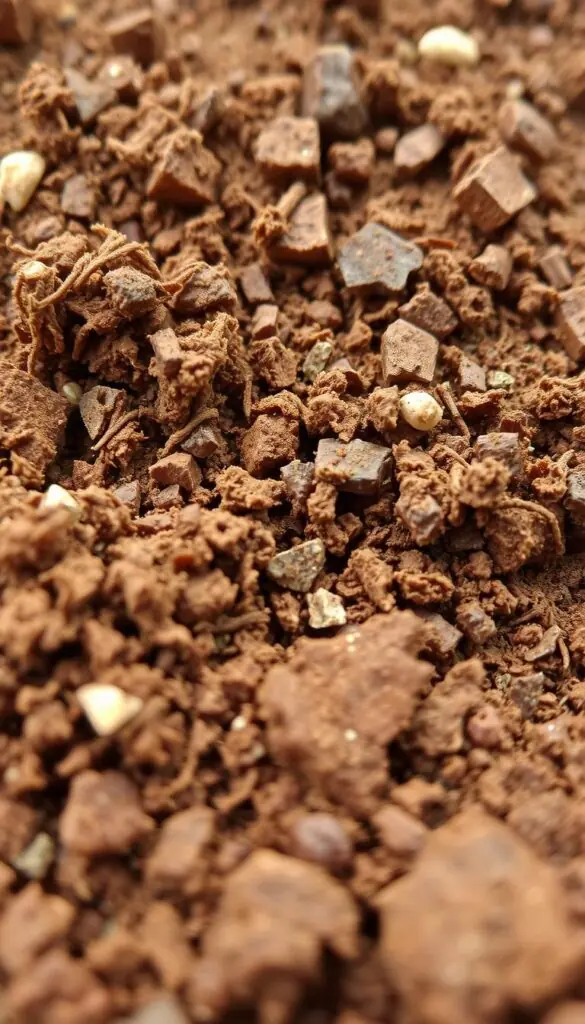
Feel the soil between your fingers—does it crumble like chocolate cake or compact into a hard clump? That simple check tells you whether nutrients can travel to roots and support steady bloom.
Soil pH basics for flowers
Most flowering plants prefer a pH near 6.5. Test first—this is the best use of time in spring.
If the bed is too acidic, add limestone; choose dolomitic lime if you also need magnesium. Work it into the top 6–8 inches when the ground is not frozen. Split large amounts (over 10 lb/100 sq ft) so you don’t shock the soil.
If pH is high, use sulfur or aluminum sulfate and be patient; real shifts take 6–18 months.
NPK explained: choose bloom-friendly ratios
Read the N-P2O5-K2O numbers on the bag. Nitrogen feeds foliage, phosphorus helps buds and roots, and potassium steadies health and color.
"If leaves surge but buds stall, you may be using too much nitrogen."
| Goal | Typical Ratio | Why it helps |
|---|---|---|
| Encourage blooms | 5-10-5 | Higher P supports buds without excess foliage |
| Balanced growth | 10-10-10 | Even N-P-K for steady roots and flowers |
| Slow feed | Granular blends | Feeds about 6-8 weeks; reapply after heavy rain |
- Test first, read the bag, and measure amounts with a cup.
- Apply in mild weather and water lightly so granules settle into the soil.
- Avoid chasing green foliage by overdoing nitrogen; favor phosphorus and steady potassium for true bloom power.
How to choose the best flower fertilizer
Choose a feed that matches the plants you grow and the spot they live in. This keeps care simple and effective for everything from petunias and zinnias to tulips, dahlias, daylilies, and hybrid tea roses.
Match feed to plant type
Start with the plant. Annuals like petunias and zinnias appreciate steady feed every 6–8 weeks. Perennials such as daylilies and coneflowers do best with a spring boost and a possible follow-up after six to eight weeks.
Bulbs: feed at spring growth and again in late August or early September for spring bulbs. Summer bulbs take feed at planting and after flowering. Roses: feed in May, June, and July, then stop after mid‑July.
Bed vs. container gardens
For a new flower bed, mix the product into the top 4–6 inches before planting using a hand rake or small cultivator.
In containers, blend a slow‑release product into potting soil at planting. Then use a gentle liquid feed as blooms ramp up. Water before application so salts don’t build up and pull mulch around plants back when side‑dressing.
Natural organic vs. synthetic: quick guide
If you prefer natural organic sources, match nutrients by weight: bloodmeal for nitrogen, bonemeal for phosphorus, and kelp meal for potassium. Remember these are less concentrated, so use larger amounts.
If you pick a synthetic mix, choose a bloom‑friendly analysis such as 5‑10‑5 to boost buds without pushing too much leafy growth.
Read the label
- Scale rates to your bed size—if the bag lists 100 sq ft but you have 20 sq ft, apply one‑fifth.
- Keep a scoop, a notebook for application rates, and a watering can to rinse granules into the soil after application.
- Check every 6–8 weeks during peak bloom and adjust if you see big leaves but few buds — lower nitrogen, raise phosphorus next time.
When and how to apply fertilizer throughout the growing season
Set a simple rhythm for the season so your beds get steady, gentle nourishment. Plan applications when soil is cool and slightly damp; this helps granules settle and roots drink them in.
Before planting: work granular mixes into the top 4–6 inches so nutrients sit where new roots explore. The soil should feel moist and crumbly, not soggy.
Seasonal timing cues
Feed at spring wake-up, give a mid-summer boost about 6–8 weeks later, then taper as nights cool. For roses, stop feeding after mid‑July to prevent late tender growth.
Application technique and simple math
Pull back mulch and spread evenly in a ring or side‑dress. Lightly scratch in and water so granules dissolve into the bed.
| Task | Area | Rate | Practical cups |
|---|---|---|---|
| Planting new annuals | 50 sq ft | 1.5 lb | 4.5 cups |
| Mid-summer touch | 50 sq ft | 1.0 lb | 3 cups |
| Convert scoop | — | 0.5 lb per cup | 3 cups = 1 lb |
Size your bed with length × width = square feet. A 5 × 10 bed equals 50 sq ft, so halve any 100‑sq‑ft rate on the label.
After feeding, water lightly so the surface glistens without puddles. If plants look stressed, water first and wait a day before any application.
Natural and DIY options to nourish your flowers
Try simple kitchen scraps to give your garden a gentle, low-cost nutrient boost. These home remedies work well between scheduled feeds and feel kind to the soil.
Banana peels and banana tea: gentle potassium for sturdy stems
Banana peels are an easy potassium source. Chop and bury small pieces just around plants, or soak 2–3 peels in water for 3–7 days to make banana tea.
Then dilute that tea 1:5 so the water smells sweet but is weak. Pour gently around plants to avoid shocking roots.
Coffee grounds and eggshells: nitrogen lift and calcium support
Spread a thin, dry layer of coffee grounds for an earthy nitrogen boost. Avoid mats—use small amounts and stir into topsoil.
Eggshells add calcium: dry, grind fine, and mix into soil, or steep grinds of ~20 shells in a gallon of boiling water overnight. Apply 1.5–2 cups per plant monthly.
Compost tea and seaweed soaks: microbe-rich sips for containers and beds
Steep compost or rinsed seaweed in water for a few days, stir, strain, and dilute before use. The ocean-fresh hint from seaweed is a pleasant cue that microbes are getting fed.
For a microbial boost, stir 1–2 tbsp blackstrap molasses per gallon and water moist soil. Use Epsom salts (1 tbsp/gal) monthly for a magnesium lift in containers.
"Use DIYs in moderation and test soil to avoid overdoing it."
- Rinse seaweed to remove salt and avoid chemically treated aquarium water.
- Apply thinly around plants and note results in a garden notebook.
- These homemade sources complement, not replace, a balanced commercial product.
Conclusion
A simple plan—test, measure, and water—lets your beds thrive with little fuss.
With the right flower fertilizer and steady habits, you set plants up for graceful growth. Watch soil pH, pick a bloom-friendly NPK, and measure amounts by cups and square feet so rates match your bed size.
Think seasonally: a spring start, a mid-summer refresh (stop rose feeding after mid‑July), and gentle watering carry flowering plants through the growing season. Small, even applications beat a rushed heavy dose.
Whether you tend annuals or perennials, keep notes, match the source to need, and trust the rhythm. In the cool light of morning, your garden will answer back—colors deepen, leaves whisper, and the simple care you give shows up in the blooms.
FAQ
What is the best fertilizer for flowering plants?
Choose a balanced bloom formula with higher phosphorus and steady potassium, and moderate nitrogen. For beds, slow-release granules give steady nutrition; for containers, a liquid feed every 2–4 weeks keeps blooms lively. Match the product to your plant type—annuals, perennials, bulbs, and roses each have slightly different needs.
How do N, P, and K affect blooms?
Nitrogen (N) fuels leafy growth, phosphorus (P) supports strong roots and more blooms, and potassium (K) helps overall plant health and flower quality. For best bloom production, pick a blend that emphasizes P with steady K and avoids excess N that causes foliage over flowers.
What soil pH should I aim for?
Aim for a near-neutral pH around 6.5. Most ornamentals perform well there. If soil is too acidic, add garden lime; if too alkaline, sulfur or acidifying amendments can help. Test soil first and adjust gradually to avoid shocking roots.
How do I choose between organic and synthetic options?
Organic sources like compost, bone meal, and kelp feed soil life and release nutrients slowly. Synthetic products give predictable, fast results. Use organics for long-term health and synthetics for quick corrections or when blooms need an immediate boost.
Should I use different fertilizers for beds and containers?
Yes. Beds usually benefit from slow-release granules incorporated into the top 4–6 inches. Containers need frequent, lighter liquid feeds because potting mix drains and depletes faster. Also refresh container mix each season with fresh compost or potting soil.
When should I apply fertilizer during the growing season?
Start at planting by mixing starter nutrients into the planting hole or bed. Feed again at early bloom and mid-season as needed. Stop heavy feeding late summer to let perennials harden off before winter; roses often stop heavy feeding by mid to late summer.
How do I apply fertilizer correctly?
Pull back mulch, spread the product evenly around the root zone (not on stems), then water thoroughly to move nutrients into the soil. For side-dressing, place granules 2–3 inches from stems and scratch lightly into the topsoil.
What are simple dosing guidelines?
Follow the label, but as a rule of thumb many slow-release granules suggest 1–2 cups per 50–100 sq ft at planting. Containers typically need 1/2 to 1 teaspoon of water-soluble feed per quart of water every 2–4 weeks. Adjust for plant size and soil fertility.
Can I use household items to boost blooms?
Yes. Banana peels provide potassium; coffee grounds add a mild nitrogen lift and improve soil texture; crushed eggshells add calcium. Compost tea and dilute seaweed soak are great for micro-nutrients and microbial life. Use these as supplements, not sole nutrition.
How often should I feed annuals and perennials?
Annuals benefit from feeding at planting and again every 4–6 weeks. Perennials usually need a spring feed and an optional mid-season boost. Use slow-release at planting for steady support and liquid feeds when a quick lift is needed.
What signs show my plants need nutrients?
Pale or yellowing leaves, weak stems, fewer blooms, or stunted growth can indicate nutrient shortfalls. Specific patterns—like older leaf yellowing—often suggest nitrogen deficiency; poor bud set can point to low phosphorus or potassium.
Can overfeeding harm my plants?
Yes. Too much nitrogen causes lush foliage with few blooms; excess salts from over-application can burn roots and stress plants. Always follow label rates, water in after applying, and err on the side of less when unsure.
How do I size my bed for correct application?
Measure the planted area in square feet. Use the product’s recommended cups or pounds per area to calculate the amount. For irregular beds, divide into sections, apply evenly, and blend into the top 4–6 inches before planting or as directed.
Are there special tips for roses and bulbs?
Roses appreciate balanced feeds with blooms in mind—feed at spring break and mid-season, then taper off. Bulbs need phosphorus-rich, low-nitrogen nutrition at planting to set strong roots and blooms; avoid heavy late-season nitrogen after foliage begins to die back.