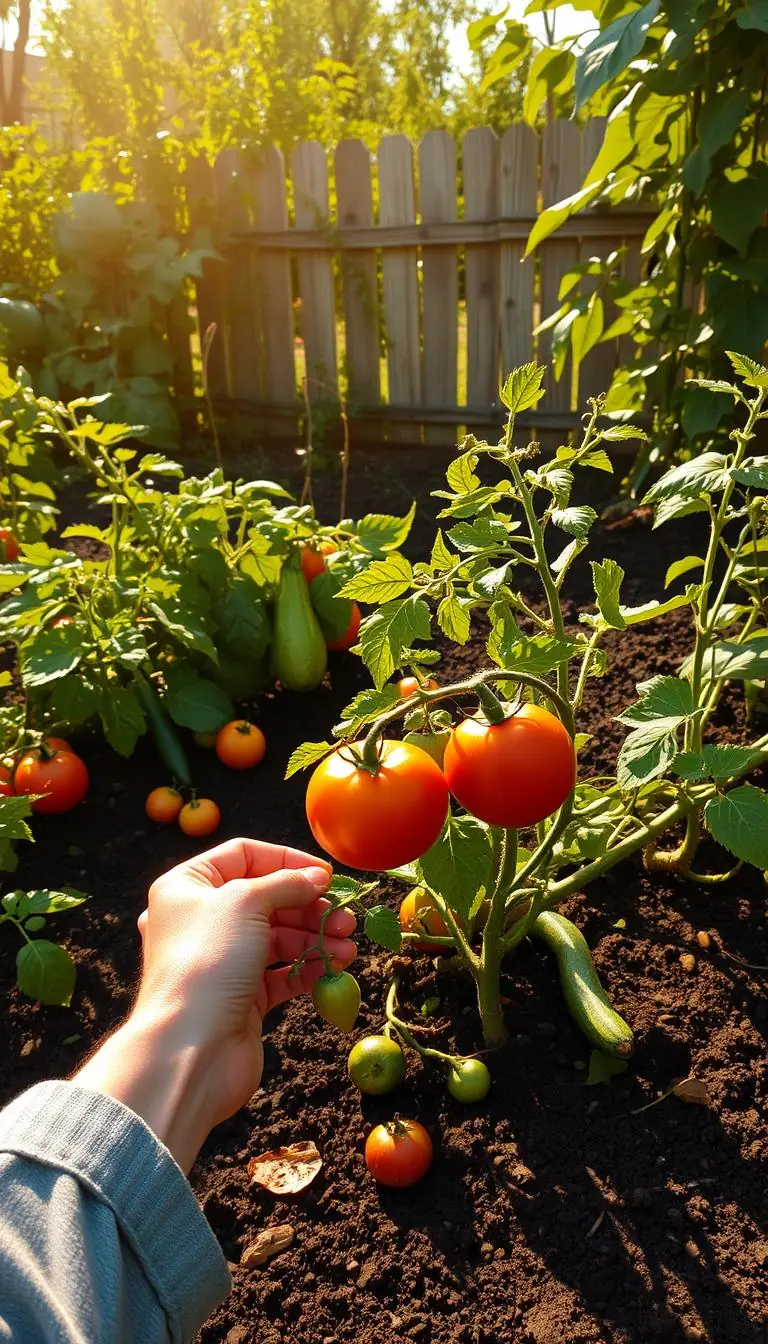
You step outside at dawn and the beds breathe in cool, sunlit air. Do you want lush, tasty harvests without guesswork? This short guide helps you choose what to use and when, so your spring work feels calm and rewarding.
We’ll explain the simple meaning behind N‑P‑K numbers and how they shape visible growth you can watch week by week. You’ll learn when a quick, water‑soluble feed helps peppers and tomatoes, and when a gentler organic choice builds living soil that keeps moisture after hot afternoons.
Expect down‑to‑earth tips for containers or raised beds, plus the basic tools you already own: a watering can, a cup measure, and a soil test kit. We point out easy timing so you avoid the common mistake of big leaves with few blossoms.
Key Takeaways
- Learn N‑P‑K basics so you pick the right mix for spring starts and midseason care.
- Match fast‑acting feeds to early growth and switch to gentler blends for fruiting.
- Use simple tools—watering can, cup measure, soil kit—to keep doses steady.
- Organic, living‑soil options help long‑term health and steady moisture.
- Watch foliage versus fruiting to avoid overfeeding and adjust as needed.
Start here: what “best” vegetable fertilizer means for your garden
The "best" choice is the one that fits your space, season, and goals. It might be a gentle, balanced start for spring containers or a slower mix for a large backyard bed headed into fall.
Think about soil and season. Sandy beds dry fast and often need quicker, water‑soluble feeding after warm, windy days. Heavy loam prefers steady, slow release to avoid sudden leafy surges.
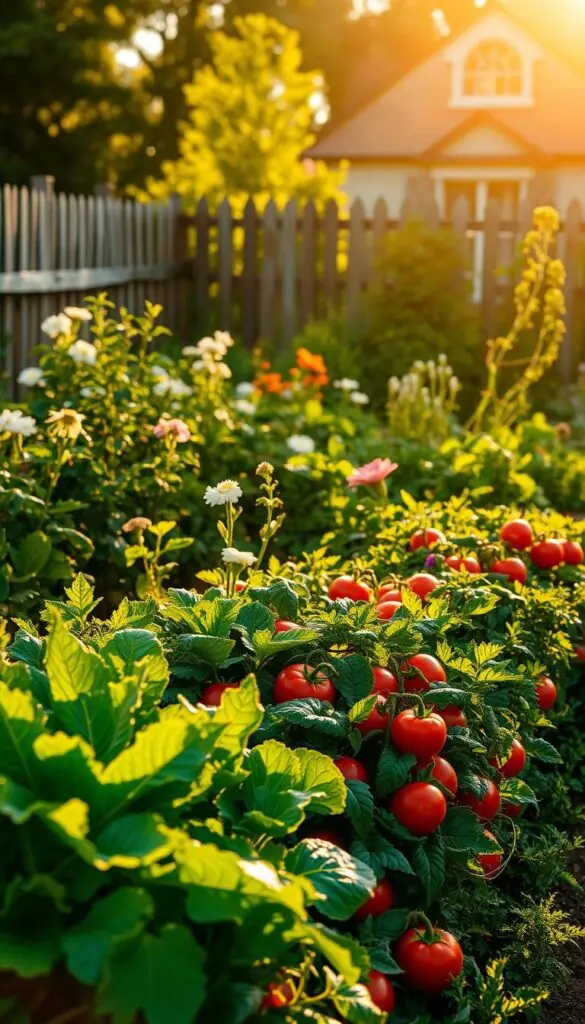
- For leafy greens, favor moderate nitrogen so leaves stay tender.
- For tomatoes and peppers, limit nitrogen to encourage blooms and fruits.
- Choose products you will actually use—easy mixing and clean spreading matter.
"When in doubt, go lighter and watch your plants for a week."
Overfeeding often makes lush foliage but poor fruiting. When possible, pick organic options to build living soil and steady health. Keep notes, follow a simple plan, and enjoy the process as much as the harvest.
Understanding fertilizer basics: N-P-K, forms, and what your vegetables actually need
A little know‑how about N‑P‑K goes a long way toward brighter leaves and better fruit.
Nitrogen, phosphorus, potassium: clear roles
Nitrogen makes the green maker — it boosts chlorophyll and top growth. Too much gives lush leaves and few blooms.
Phosphorus helps roots and flowers establish. Seedlings set stronger roots and later make more blooms that turn into fruits.
Potassium steadies water balance, strengthens stems, and helps leaves handle heat and disease.
Organic vs. synthetic choices
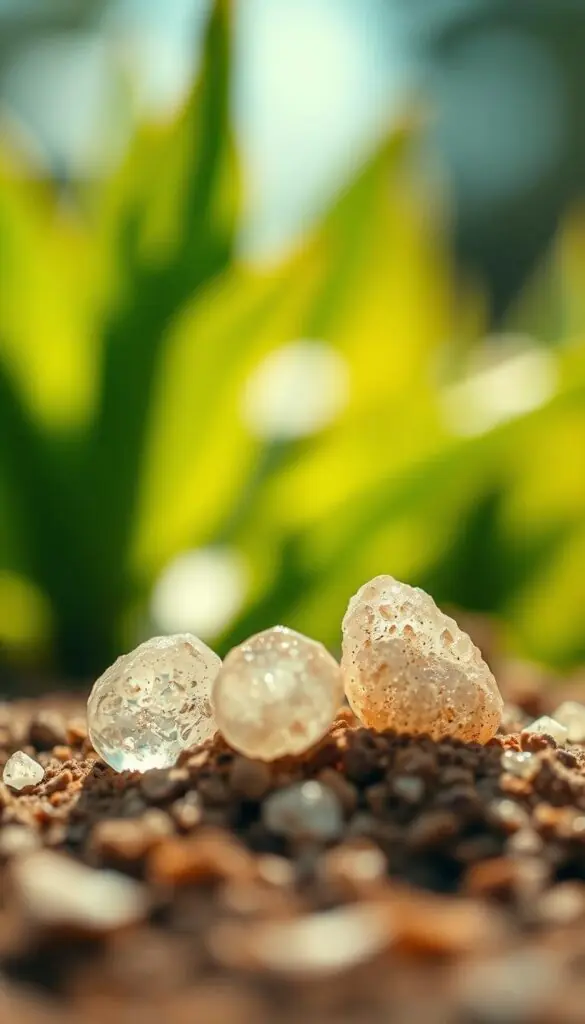
Organic granulars like Dr. Earth Home Grown 4‑6‑3 build living soil. They release slowly and include mycorrhizae and microbes for steady uptake.
Water‑soluble blends such as 18‑18‑21 act fast. Gardeners report quick greening in peppers; switch to a gentler mix midseason for better blooms.
When to use granulars, soluble feeds, or teas
- Use granular organics for long beds and to improve crumbly, rich soil.
- Use water‑soluble for seedlings, containers, or sandy sites that drain fast.
- Use teas or fish/seaweed liquids for gentle, frequent feeding that’s easy on roots.
| Form | Speed | Best for | Notes |
|---|---|---|---|
| Granular organic (4‑6‑3) | Slow | In‑ground beds, soil building | Adds microbes, mycorrhizae; steady color and fewer stress dips |
| Water‑soluble (18‑18‑21) | Fast | Seedlings, containers, sandy soil | Quick green boost; switch midseason to gentler mix |
| Teas & liquids | Gentle to moderate | Frequent feeding, delicate roots | Easy to water in; mild and flexible |
How to choose the right vegetable fertilizer for your soil, season, and plants
Start with the ground underfoot — it guides every choice you make for healthy plants.
Read your soil first
Use a simple soil test kit to check pH and basic nutrients. Scoop a handful; if it feels gritty and drains fast, plan lighter, more frequent feeding.
Mix in compost and a little well‑aged manure as a baseline. Beds should look darker and feel springy underfoot once organic matter is added.
Match to crop goals
Leafy greens like lettuce prefer gentler, balanced mixes (for example, 5‑10‑10) to keep leaves tender without coarseness.
Fruiting crops do best when you start balanced (10‑10‑10) then reduce nitrogen as buds form so blossoms and fruit set well.
Timing and containers
In the U.S., give a light pre‑plant feed in spring, side‑dress at midsummer, and top‑dress with a mild organic in early fall to maintain health.
Containers dry quickly. Choose a water‑soluble option at lower strength more often so potting mix does not swing between feast and famine.
Tools and tidy application
Use a cup measure for consistent rates and a watering can or hose‑end feeder to apply evenly. Side‑dress by making a shallow trench a hand’s width from the stem, sprinkle, cover, then water until the soil darkens.
- Keep granules off leaves and always water after applying so nutrients move to roots.
- Watch plants 5–7 days for deeper green and steady new growth as a sign you’re on track.
Vegetable fertilizer timing and rates by crop: practical, no-guess guidance
A quick schedule per crop keeps growth steady and fruits sized right.
Tomatoes, peppers, eggplant: before planting mix 3 lbs 5-10-10 per 100 sq ft for tomatoes and 2 lbs for peppers. Side‑dress at first fruit set with 2 lbs 5-10-10 per 100 sq ft, then repeat after the first harvest. For eggplant, start with manure or 3 lbs 5-10-5, then add 2 lbs at fruiting. Avoid excess nitrogen so vines make fruit, not just leaves.
Leafy greens & roots: work in 4 lbs 10-10-10 per 100 sq ft for lettuce; when heads reach 10" side‑dress with fish or seaweed. For carrots and beets, use 1 lb 5-10-10 per 50 ft row and keep nitrogen low to encourage straight, sweet roots. Add a light fish feed at 6" tall.
Corn, melons, squash: pre‑plant 3–5 lbs 5-10-10 per 100 sq ft. For corn side‑dress 2 lbs urea or ammonium sulfate at 8" and add 2 lbs superphosphate at silk. For melons and squash, feed when vines run and again at fruit set so plants don’t stall in hot weather.
Quick tip: side‑dress in a shallow band just beyond the dripline, water until soil darkens, and keep granules off stems to prevent burn.
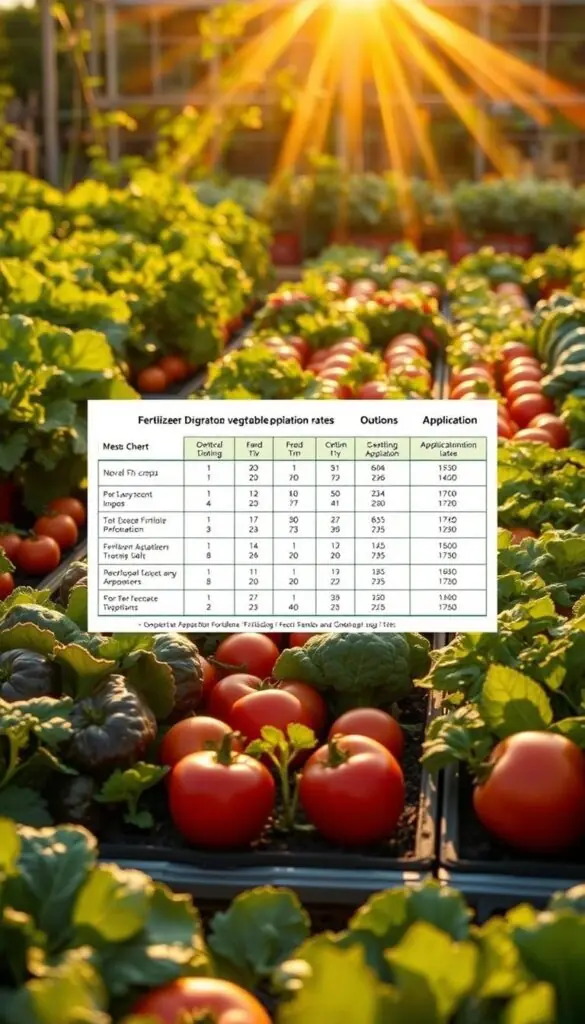
| Crop | Pre‑plant rate | Side‑dress timing | Quick note |
|---|---|---|---|
| Tomatoes | 3 lbs 5-10-10 /100 sq ft | 2 lbs at fruit set; after first harvest | Avoid extra nitrogen once blossoms form |
| Lettuce | 4 lbs 10-10-10 /100 sq ft | Side‑dress with fish/seaweed at 10" | Gentle feeds keep leaves tender |
| Carrots | 1 lb 5-10-10 /50 ft row | Light fish feed at 6" tall | Low nitrogen for straight roots |
| Melons & Squash | Compost + 5 lbs 5-10-10 /100 sq ft | Feed at vining and again at fruiting | Feeding at run and fruit prevents stalls |
Real-world picks and how to use them for thriving vegetables
Match what you buy to how you garden, and you’ll see steadier growth and fuller fruit.
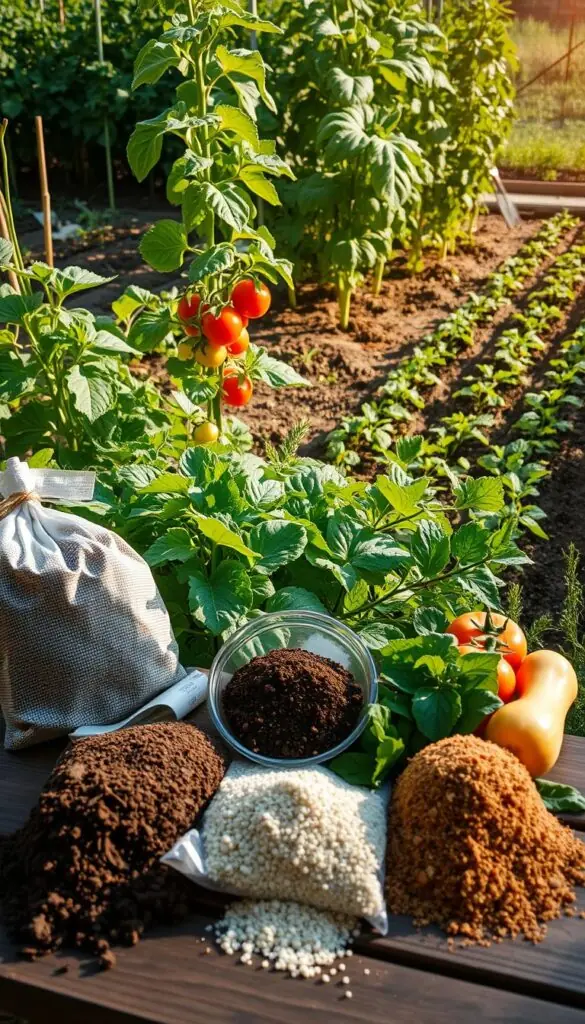
Organic standout: Dr. Earth Home Grown 4-6-3
Dr. Earth Home Grown 4-6-3 is OMRI listed and full of TruBiotic microbes and mycorrhizae. It builds living soil and improves drought tolerance.
How to use: mix a small handful into each planting hole. Top-dress every 4–6 weeks. Scratch it in and water until the soil glistens.
Water-soluble win: 18-18-21, then 11-3-8
Start with 18-18-21 for early vigor. Apply at ground level so leaves stay dry. Switch to 11-3-8 as blooms form to balance nitrogen and favor fruit set.
"Gardeners report peppers greening fast and cucumbers climbing strong after this two-stage approach."
Household helpers and simple tools
Bone meal adds gentle phosphorus for roots and blooms. Compost and well-aged manure improve texture and steady nutrient release. Brew a mild manure tea and drench near roots on warm mornings.
Keep a dedicated cup for measuring so rates stay consistent. Small tools and clear steps make caring for your plants easy and calming.
| Product | Why use it | Quick how-to |
|---|---|---|
| Dr. Earth 4-6-3 | Builds living soil with microbes | Handful in hole; top-dress 4–6 weeks |
| 18-18-21 (soluble) | Fast early vigor | Mix per label; apply at base; switch midseason |
| Bone meal / compost / manure tea | Roots, texture, gentle boosts | Work in compost; brew tea for drench |
Conclusion
A few small steps now keep your soil healthy and your garden calm all season.
Choose a simple plan: start balanced, feed lightly at key stages, and let your plants guide the next move. Favor organic options when you can; they build living soil and steady strength.
Mix long‑term care—like a Dr. Earth 4‑6‑3 top‑dress—with short boosts from water‑soluble mixes when growth needs a quick lift. Avoid overdoing it; too much feed reduces blooms and fruit set.
Simple next step: pick one product to start, measure carefully, apply at the base, and water until the soil darkens. Walk the beds in evening light and enjoy the quiet rewards of a thriving, beautiful garden.
FAQ
What does “best” fertilizer for a vegetable garden actually mean?
The “best” product helps your soil and plants meet goals like leafy growth, strong roots, or abundant fruit while fitting your schedule and values. It’s a blend with the right N-P-K balance for the crops you grow, a form you can apply easily (granular, water-soluble, or tea), and ingredients that suit your soil tests and season. Think of it as what helps your garden thrive without excess work or runoff.
How do N, P, and K affect plant growth?
Nitrogen (N) fuels leafy growth and lush green color. Phosphorus (P) supports roots, early growth, and blooms. Potassium (K) strengthens stems, disease resistance, and fruit quality. Different crops need different mixes: greens want more N, fruiting crops need balanced P and K to set and ripen well.
Should I choose organic or synthetic products?
Both work; pick by goals. Organic formulas build soil life and release nutrients slowly, which is gentle and long-lasting. Synthetic blends feed quickly and precisely when you need fast vigor. For many gardeners, a combo—organic baseline like compost or a product with microbes, plus a targeted water-soluble boost during heavy demand—gives the best results.
When is granular better than water‑soluble or teas?
Use granular or slow‑release when you want steady feeding with fewer applications—great for in-ground beds. Choose water‑soluble for quick corrections, container plants, or during rapid growth periods. Teas and liquid organics are gentle and excellent for frequent, low-dose feeding or to feed soil microbes.
How do I test my soil and what should I look for?
Start with a basic soil test for pH and nutrient levels (many extension services offer low-cost kits). Check texture and organic matter: sandy soils drain fast and need more frequent feeding; clay holds nutrients. Use compost or aged manure as a baseline to improve structure and supply slow nutrients before picking a specific product.
How do I match feed to crop goals like leafy greens vs. fruiting crops?
For leafy crops, favor higher nitrogen ratios for steady green growth. For fruiting plants, use balanced or lower-N formulas with adequate phosphorus and potassium to encourage blooms and fruit set. Adjust with side-dressing or water‑soluble feeds during key stages like flowering and fruit development.
What’s the best timing for feeding across the season?
In spring, give a kickstart when growth begins. Apply midsummer boosts at flowering and early fruit set. In fall, cut back and give a gentle finish to help plants store energy without pushing tender new growth. Timing also depends on product type—slow‑release needs fewer applications, liquids require more frequent light feedings.
Any special tips for containers versus in-ground beds?
Containers dry and lose nutrients faster, so use regular water‑soluble feeds or a balanced potting mix with slow‑release granules. In-ground beds benefit from compost and occasional side-dresses. Watch watering closely; both under- and over-watering affect nutrient uptake.
How do I measure and apply feeds safely?
Follow label rates and use simple tools: a measuring cup for dry mixes, a watering can or hose‑end feeder for liquids. Apply even doses, avoid direct contact with stems, and water in after granular applications. Side‑dress by placing product a few inches from stems and lightly working it into the top inch of soil.
What feeding schedule works for tomatoes, peppers, and eggplants?
Start with a balanced feed at planting. Side‑dress at first fruit set and again midseason if plants show heavier demand. Avoid excess nitrogen once fruits form, or you’ll get lots of foliage but fewer ripe fruits. Gentle, regular boosts help ripening and yield.
How should I feed leafy greens and root crops?
Give steady, lighter feedings rather than heavy doses. Fish and seaweed or low‑strength water‑soluble mixes nourish leaves without forcing excessive growth. For root crops like carrots, avoid high nitrogen late in the season—too much tops will mean poor root shape.
What about heavy feeders like corn, melons, and squash?
These crops benefit from staged feeding: a good start at planting, a boost during rapid vegetative growth, and another as vines set fruit. Use higher nitrogen early, then shift to balanced or potassium‑rich mixes to support flowering and fruit filling.
Which real-world products are reliable for home gardens?
Look for proven organic options with living ingredients to build soil, and trusted water‑soluble blends for quick starts. For example, an OMRI-listed home‑grown blend with mycorrhizae supports long-term soil life, while a balanced water‑soluble mix provides fast early vigor. Complement with compost, bone meal, fish emulsion, or aged manure as needed.
Can household amendments like compost, bone meal, or manure replace commercial feeds?
They can do much of the work. Compost and well‑aged manure improve structure and supply slow nutrients. Bone meal adds phosphorus for roots and blooms. Fish and seaweed provide fast, gentle nutrients and trace minerals. Often a mix of amendments plus occasional commercial feedings gives the cleanest, most resilient results.
How do I avoid overfeeding and nutrient burn?
Less is often better. Follow label directions, dilute concentrates, and watch plant response. Signs of overfeeding include burnt leaf edges, dark wilted foliage, or stunted growth. If you suspect salt buildup, flush soil with plenty of water and pause feedings until plants recover.