You step outside and breathe in a soft, green promise — a scent of soil, a hint of flower, and the gentle hush of water. Have you noticed dull patches or empty corners that could use a fresh, calm update? You’re not alone.
You’ll get calm, friendly, step-by-step guidance to refresh your yard with beauty and ease. We focus on simple actions, good timing, and real plant examples, so you build confidence fast.
Start by picturing your goals: a fresher space that feels colorful and inviting in less time. We’ll map sun and shade, choose easy plants like Knock Out Roses and Pop Star Hydrangea, and pick a few handy tools.
Expect neighborly tips on what to plant first, how to layer tall back to short front, and when to pause. Small focal points and soft paths make your plot look intentional without a big budget.
Key Takeaways
- Begin with a clear picture of your goals and the time you can commit.
- Map light and breeze so plants match the spot and the season.
- Use one focal point and layered plantings for instant impact.
- Choose reliable plants and simple tools to save effort.
- Avoid overplanting and check soil before major work.
Start Here: Map Your Space, Light, and Timing for the Season
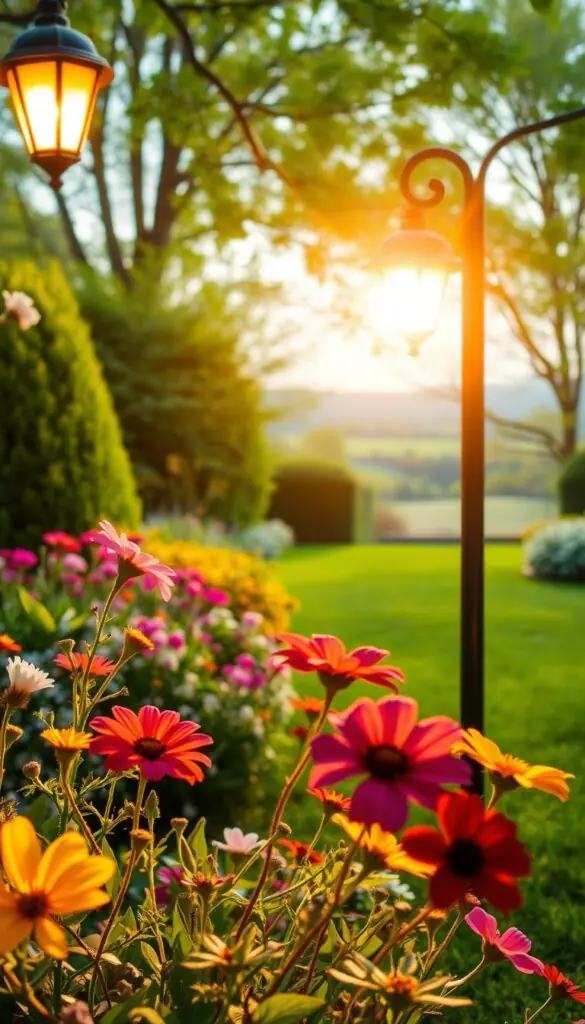
Take a calm, three-time walkthrough—morning, midday, and late afternoon—to map how light moves across your yard. This quick habit shows where full sun holds and where cool pockets sit. Mark spots that get 6+ hours as full sun and note part-shade areas for tender plants.
Read your yard’s light and microclimates
Walk the space on different days and note shifts. Sunny south-facing fences warm faster. Low hollows stay damp longer after rain.
Tip: Plan taller plants on the north side of beds so they won’t shade smaller ones.
Set a simple spring-to-summer plan
Check your USDA zone and last frost date. Work backward from that date to decide safe planting time. Group tasks into days—trim on dry days and plant on mild, overcast days.
Gather essentials and keep it simple
- Hand pruners and a telescopic ratchet pruner for reach.
- Loppers for thicker branches and a sturdy rake.
- Gloves, a hose with spray head, and a raised bed kit for small areas.
- Allow about 18 inches between rows so you can move and work the soil.
Final note: Write a short plan, flag watering routes, and keep tools in a tote or folding seat. This saves time and helps you enjoy the season as a confident gardener.
Spring Garden Design: A Simple Layout That Looks Good and Grows Better
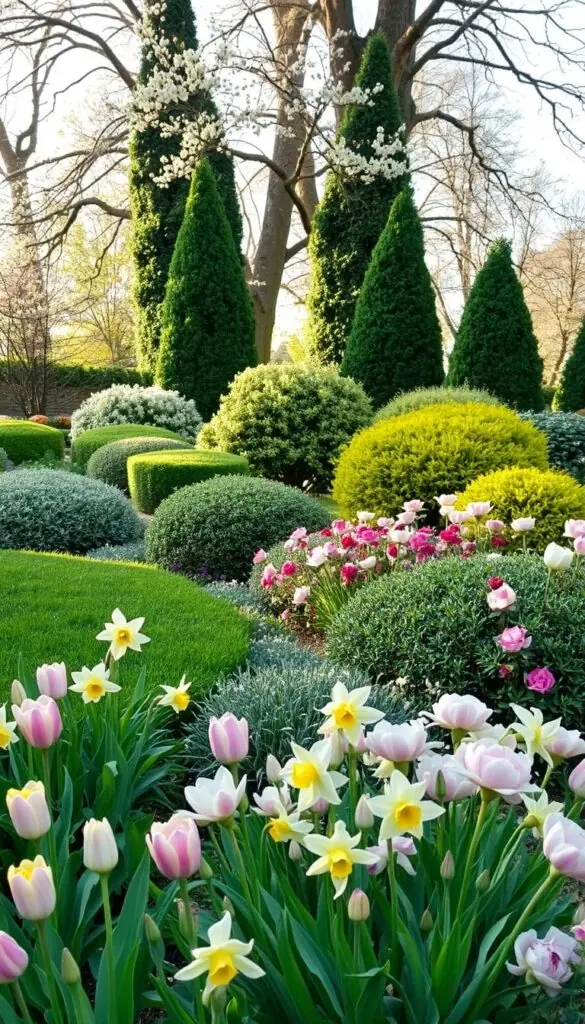
Lay out layers first, then add a single anchor to give the space a calm, welcoming focus.
Start by planting tall shrubs like Knock Out Roses at the back, mid-height bloomers in the center, and low edging plants up front. This order creates depth and makes maintenance easier.
Place one focal point — a Bernini cordless fountain, a bright container, or a trellis — to lead the eye and invite a stroll. That anchor helps the space feel intentional.
Practical spacing and sun access
Keep 18-inch paths so you can move with a basket or hose. Leave step-in spots to avoid compacting beds and to reach plants without strain.
Put taller crops and structures on the north side so sun reaches shorter plants through late spring and into summer. Group plants by water needs to avoid over- or underwatering.
"Fewer, well-placed plants often look better and grow stronger than crowded borders."
- Layer by height and texture for visual balance and airflow.
- Mix perennials for structure and annuals for instant color.
- Repeat a few colors and add one surprise accent to lift the space.
| Element | Purpose | Example |
|---|---|---|
| Back layer | Provide height and shelter | Knock Out Roses |
| Middle layer | Seasonal blooms and texture | Pop Star Hydrangea, Heliopsis |
| Front edge | Soft finish and walkway definition | Low perennials and annuals |
| Focal point | Anchor and guide movement | Bernini cordless fountain |
Prep the Soil the Neighborly Way: Test, Amend, and Edge
Before planting, try a simple hand squeeze to learn what your soil really needs. This quick check tells you the basic conditions so you can add the right help and save effort later.
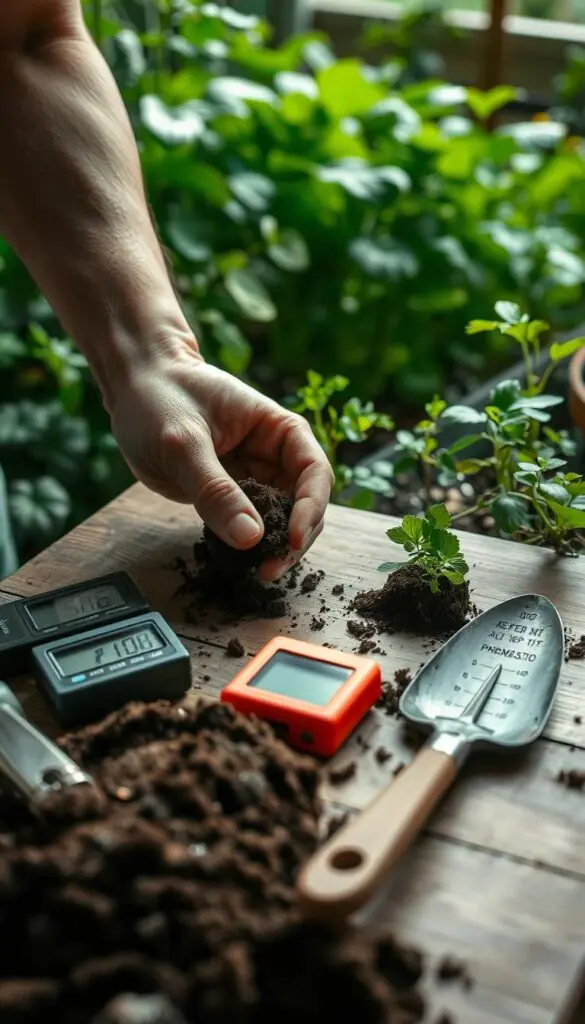
Quick squeeze test and what it tells you
Dampen a patch, wait a day, then squeeze a handful. If it forms a crumbly "cake" ball, your soil is just right for spring planting.
If water streams out, blend in compost to restore balance. If the soil won’t hold a ball, add leaf mold or grass clippings to improve texture.
Compost, leaves, or grass clippings: easy organic matter to add
Lay about 1 inch of compost and work it into the top few inches. Shredded leaves or sawdust help sticky clay open up so roots reach nutrients.
Till lightly, rake smooth, and edge beds with a neat trench
Till less than a foot to protect soil life; overworking can hurt structure and slow crops. Rake smooth so seeds make good contact and water spreads evenly.
Edge beds with an 8-inch trench to keep mulch tidy. Avoid stepping on prepared areas—use boards or a path and label where you plant seeds and starts.
Choose Plants with Confidence: Reliable Spring Stars and Edibles
Choose a handful of tried-and-true selections so you spend time enjoying blooms and harvests, not guessing. Below is a friendly shortlist with quick cues about sun, soil, and timing to help you plant with confidence.
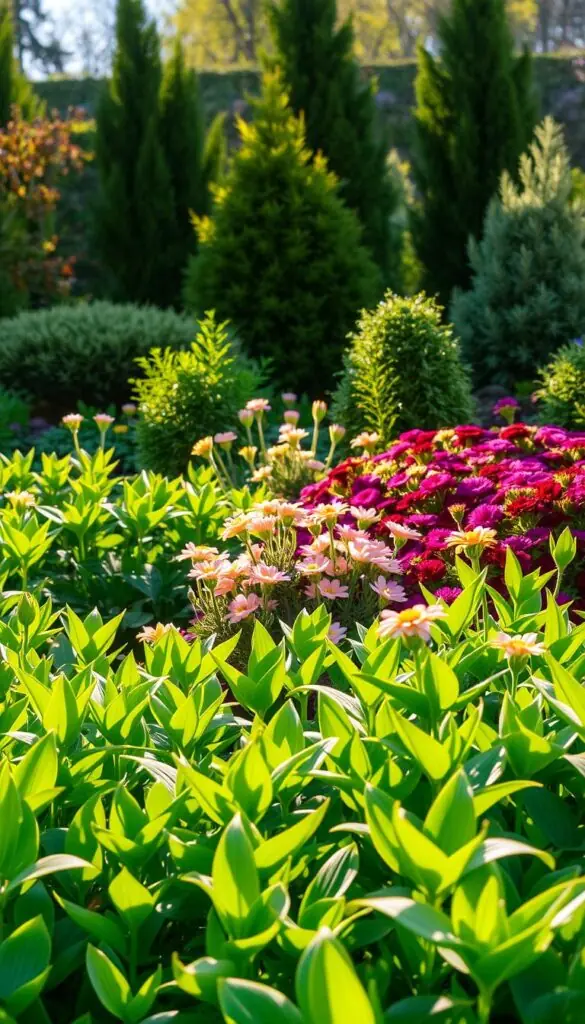
Color-forward shrubs and flowers
For continuous showstoppers, plant Knock Out Roses along walkways for steady blooms and scent. Pop Star Hydrangea shines near patios; its color shifts with soil pH—blue in acidic beds, pink in alkaline ones.
Vines and vertical accents
Train Amethyst Falls Wisteria on an arbor for cascading purple fragrance. Add trellised bush beans for quick, tidy crops that climb and save space.
Sun and shade allies
Place Spring Fling Forsythia and Heliopsis Tuscan Gold in areas with full sun for bright yellow and gold tones. Fill shady nooks with SunPatiens for steady color. Neon Burst Dogwood adds chartreuse leaves that glow through summer and fall.
Easy edibles to kick off the season
Sow cool-loving greens now for early harvests. Set out tomatoes only after your last frost so they establish in warm soil. Add a few bush beans on simple supports for fast, satisfying yields.
- Group sun lovers together and shade fans together to simplify care.
- Pick two leaf tones and two bloom hues for a calm, repeatable palette.
- Match plant needs to your soil and sun to protect time and effort.
Grow Up, Not Out: Vertical Gardening for Small or Busy Areas
If ground space is tight, growing up is the easiest way to expand your harvest. Vertical planting saves room and brings crops within reach so care and harvest take less time.
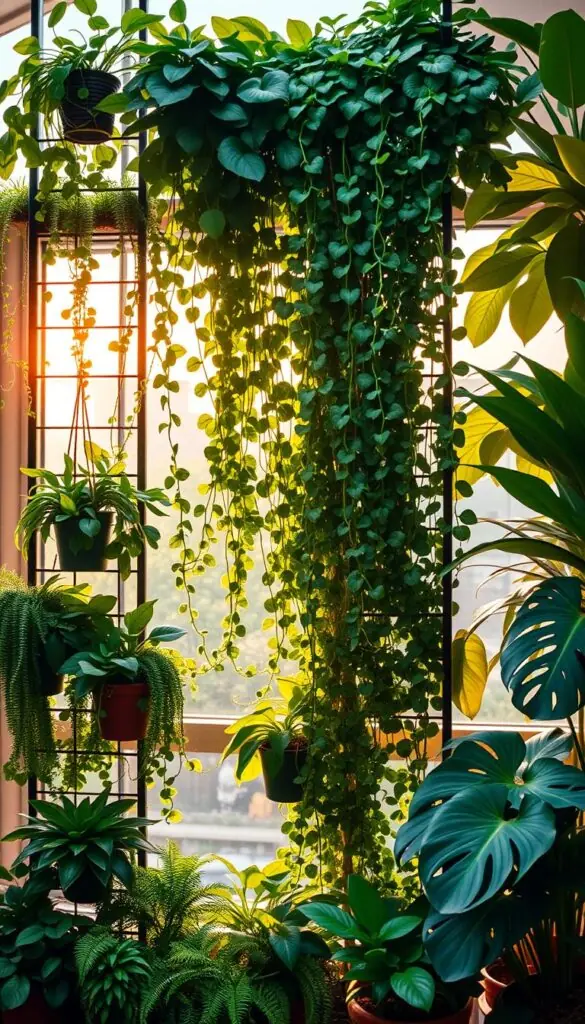
Trellises and arbors let beans and cucumbers climb so you harvest at eye level. Place a slim trellis near a bed and plant herbs beneath to maximize two uses of the same space.
Trellises, arbors, and wall planters for beans, cucumbers, and tomatoes
Use an arbor at a path entrance for tomatoes or a training vine. It creates a soft, green gateway and gives tall crops firm support.
Hanging baskets and living walls for herbs, strawberries, and trailing blooms
Hang baskets to keep strawberries clean and reduce slug damage. Wall planters near a grill are perfect for basil and thyme.
Privacy screens and green backdrops
Try a modular living wall by a seating nook. It doubles as a privacy screen and a textured backdrop that soothes.
- Tie vines loosely with soft ties; check weekly as stems thicken.
- Water at the soil line—containers dry fast, so morning checks help avoid stress.
- Anchor supports where wind is mild and keep a small stool and pruners handy.
Water, Mulch, and Feed: Simple Spring Care that Pays Off
Small, regular acts—like a morning soak and a tidy mulch layer—prevent most spring problems. Follow three easy habits and your beds and crops will thank you with stronger growth and fewer surprises.
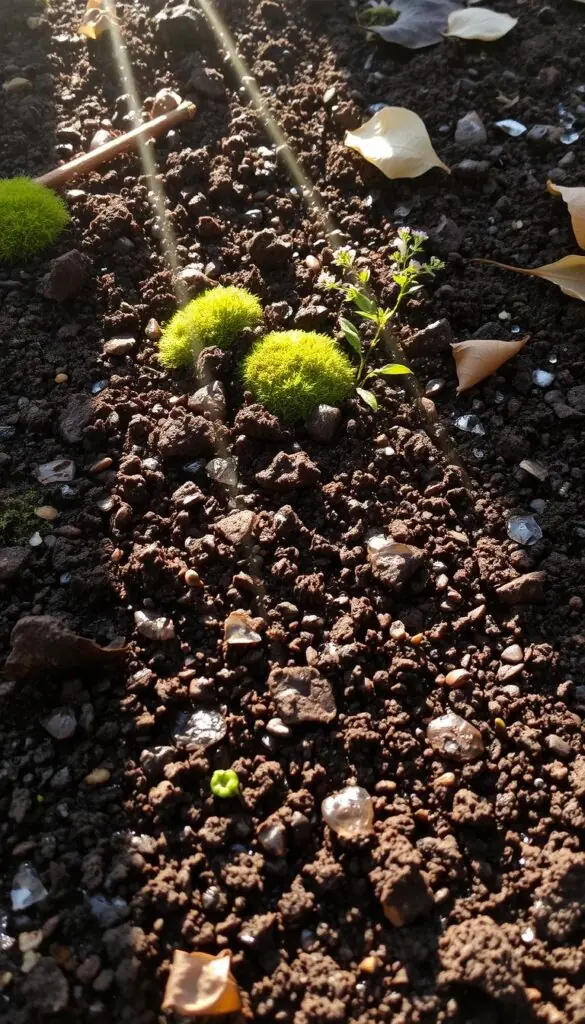
Water early and at the soil
Water in the morning and aim the nozzle at the soil, not the leaves. About an inch each week is a good target in dry spells.
Use a coffee can or simple rain gauge to track weekly totals. New transplants need a bit more while they root.
Mulch to cool soil and block weeds
Apply 2–3 inches of mulch to keep soil cool and hold moisture. Choose shredded leaves for a soft look, or wood chips for tidy paths.
Keep mulch a few inches from stems to avoid rot and give insects space to move.
NPK basics and gentle feeding
For blooms and fruit, a balanced feed near a 3-1-2 ratio supports flowering without excess salts. Go light and consistent—slow-release or compost work well.
Reserve a strip at the bed edge for seasonal compost top-dressing. Small, regular boosts of nutrients help roots work steadily.
"Water early, mulch well, and feed gently—those three moves solve most small problems."
| Action | When | Amount | Why it helps |
|---|---|---|---|
| Water at soil | Morning, weekly | ≈1 inch/week (more for transplants) | Limits fungal issues; promotes deep roots |
| Mulch beds | After soil warms | 2–3 inches | Retains moisture; shades weed seeds |
| Feed flowering plants | Early season, then steady | Light, slow-release or compost | Provides steady nutrients without salt stress |
| Quick checks | Weekly | Phone reminder | Catch problems early—lift mulch, feel soil |
Weeds and Pests: Gentle Controls that Keep Nature in Balance
Handle weeds and nibblers with small, sure moves that protect soil life. A calm routine saves time and keeps living soil healthy.
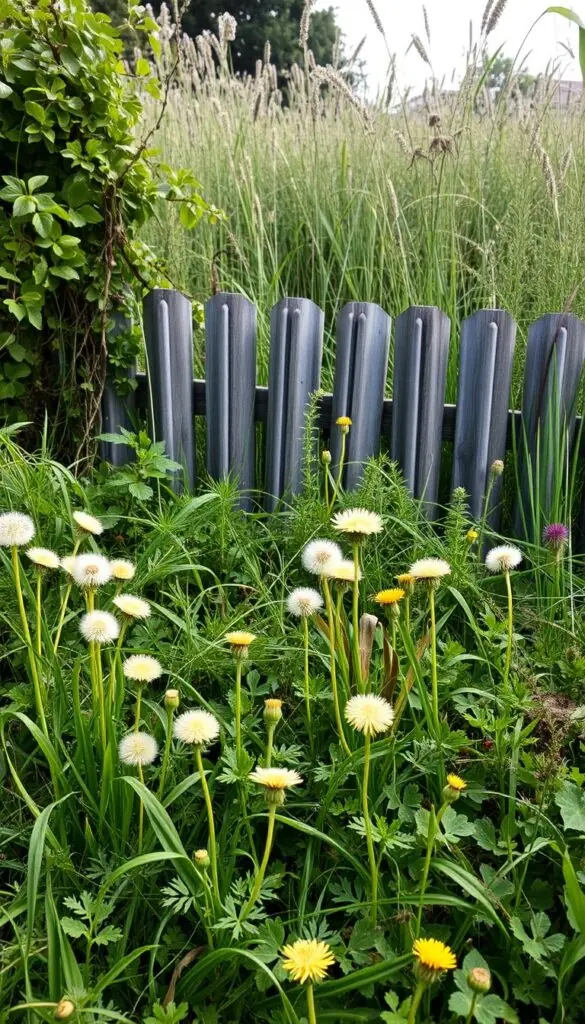
Weed smarter with less digging
Slice weeds at the soil line with a sharp weeding knife instead of deep turning. This avoids bringing buried seeds to the surface and disturbs roots less.
Work the day after heavy rain when roots pull free easily. If you can’t remove a weed, snip flower heads to prevent seeding.
Herbal helpers and simple barriers
Plant basil, lavender, or marigolds as friendly borders; they add color and help deter some pests near veggies and ornamentals.
Use low wire to keep rabbits out and taller mesh where deer pressure is high. Mulch quickly after clearing a patch to block light and slow weeds.
"Observe leaf conditions as you walk; early, gentle action prevents larger issues later."
- Try a targeted vinegar spray on still, sunny days; avoid contact with nearby plants you love.
- Keep gloves and a sharp knife handy so five-minute tidies fit into busy days.
Remember: A patient approach that favors timing and small tools protects your garden and supports nature while you garden.
Design Accents that Soothe the Senses
A few gentle updates—water sound, soft movement, and a comfy seat—change how you use your outdoor spot.
Place a Bernini Bari 5‑in‑1 cordless fluted fountain where you can hear it from the kitchen. The soft splash calms and creates a quiet focal point.
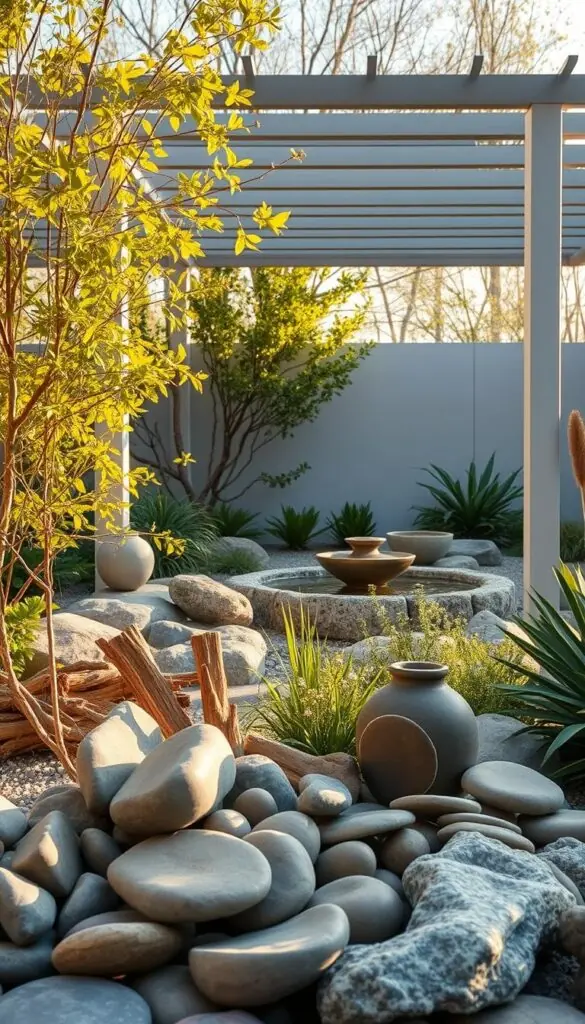
Soft sounds and movement
Add ornamental grasses that rustle in the sun. Their moving leaves make a living backdrop for flowers and seating areas.
Color stories that set mood
Choose whites and pastels—Casa Blanca lilies and soft perennials—for a peaceful corner. Or pick Heliopsis Tuscan Gold and coral accents to lift a path with joyful color.
Comfort to linger
Tuck a folding gardener’s seat with tools nearby so quick tasks feel easy. Keep fragrant plants like lavender close to seating for gentle evening scent.
| Accent | Why it helps | Example |
|---|---|---|
| Water sound | Soothes and masks noise | Bernini Bari cordless fountain |
| Rustling grasses | Add movement and texture | Ornamental grasses |
| Color theme | Sets mood and cohesion | Casa Blanca lilies; Heliopsis |
- Repeat colors in pots to tie the scene together.
- Place one sunlit focal pot where leaves glow in afternoon light.
- Let simple touches guide your inspiration and the way you enjoy the space.
Celebrate the Season: Moonlight Corners, DIY Labels, and Spring Parties
Celebrate the season with small, easy touches that make evenings linger and your beds feel tidy and loved.
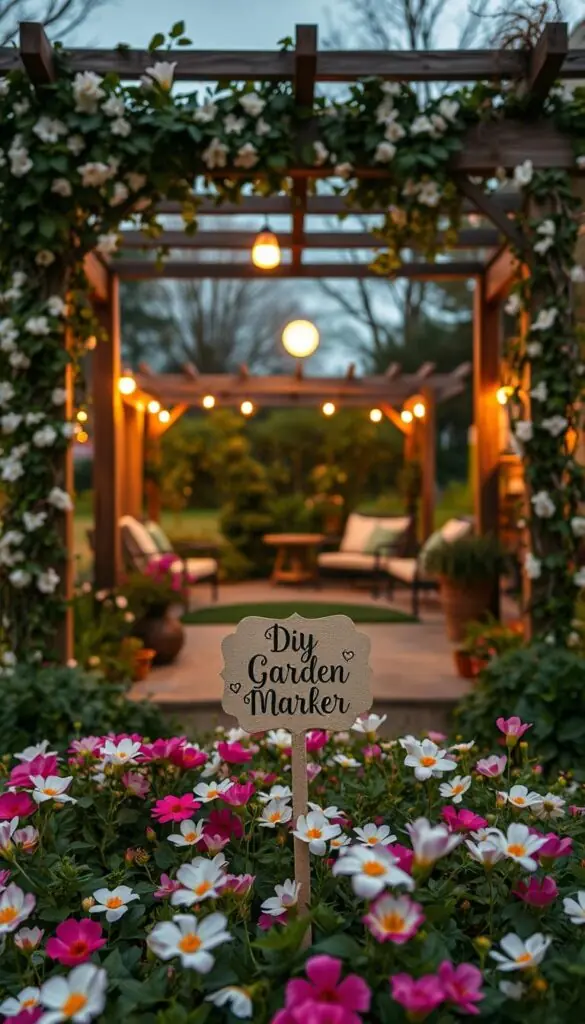
Moonlit glow and night-scented corners
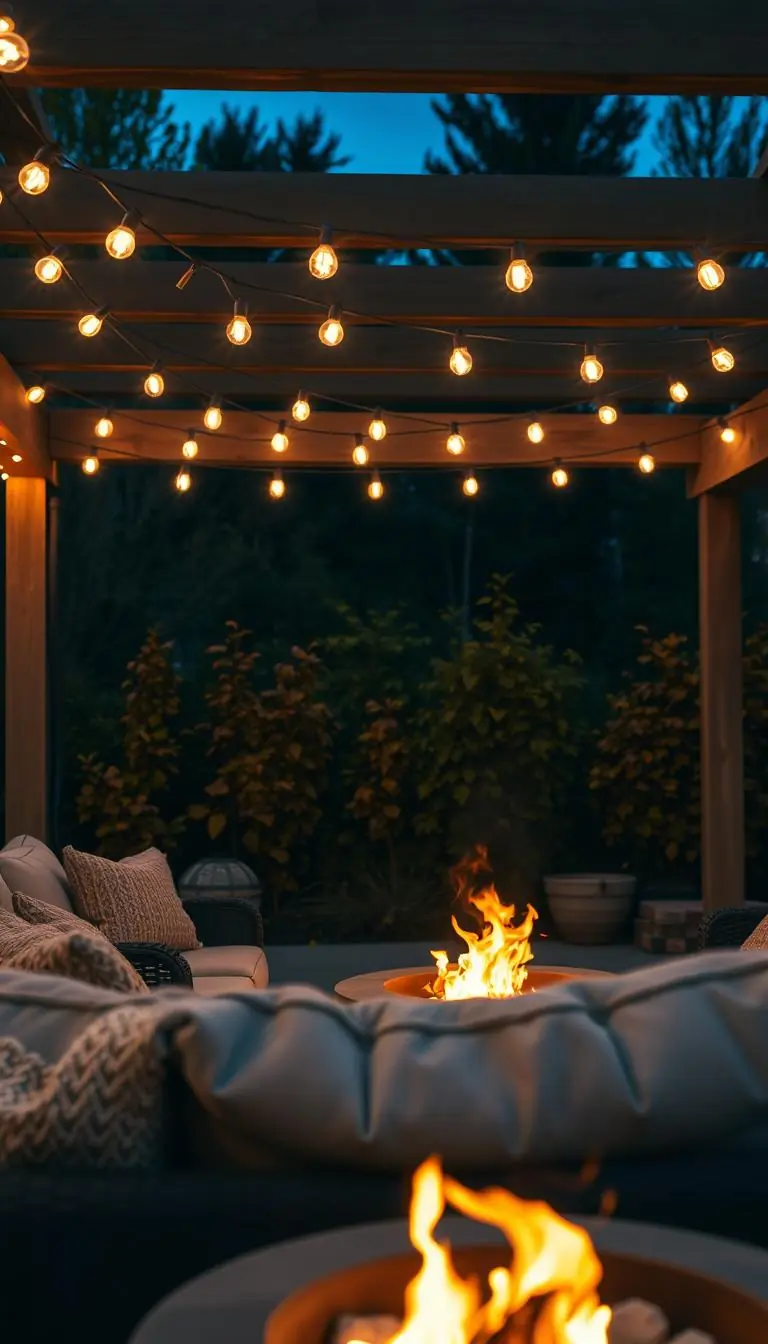
Create a moonlight corner with white flowers and silver foliage that glows softly after dusk under soft solar lights.
Choose moonflowers and evening primrose for scent, and add dusty miller or lamb’s ear for luminous texture. Place lights along paths so the view invites you out after dinner.
DIY spoon garden markers
Flatten vintage spoons, stamp plant names, darken letters with a permanent marker, polish with steel wool, and seal if you like.
These markers stay put, look charming, and are perfect as you finish spring planting and sort seeds and young crops.
Host a simple outdoor gathering
Pick a theme, set a long table, and weave cut flowers down the center. Serve seasonal bites and a pitcher drink so prep stays light.
Add lawn games, keep paths clear, offer a short tour of your beds, and send guests home with a few seeds in a paper packet.
"Small rituals—soft light, clear labels, friendly food—turn outdoor chores into celebrations."
Conclusion
A clear plan and small, steady habits make refreshing your spring garden feel simple and joyful.
With beds prepped and soil cared for, planting a few seeds, a tomato, or quick greens is easy.
Use vertical touches and tidy paths so the space stays open and sun reaches every corner into summer.
Water at the soil in the morning, add light nutrients when needed, and enjoy little harvests of beans and salad greens.
Label beds, add soft light and a seat, and make one small improvement each season.
Trust your pace—you are the gardener of this home space. When winter passes and spring blooms return, pause and enjoy the calm pleasure of tending and learning.
FAQ
How do I read my yard’s light to decide what to plant?
Start by observing sun patterns for a full day. Mark spots that get full sun (6+ hours), part shade (3–6 hours), and deep shade (less than 3). Note microclimates near walls or under trees where soil stays warmer or cooler. Use that map to place sun-loving vegetables and flowers in bright spots and shade-tolerant plants under trees or on the north side of buildings.
When should I set a planting plan based on my USDA zone and last frost date?
Look up your USDA zone and the typical last frost date for your area, then schedule seeds and transplants around that date. Sow cold-tolerant greens earlier, start heat-loving crops like tomatoes and beans after frost risk passes, and stagger plantings for continuous harvest through summer.
Which tools are essential for a spring clean and planting?
Keep a small toolkit: hand pruners, loppers for thicker branches, a sturdy rake, a hose or watering wand, gloves, and a raised bed kit if you’re short on space. These basics let you prune, clear beds, prep soil, and water efficiently.
How should I arrange beds so they look good and grow well?
Use simple layering: tall plants at the back, medium in the middle, low at the front. Create clear paths for access, allow airflow between rows to cut disease risk, and orient beds so key plants get their preferred sun. Mix perennials for structure and annuals for seasonal color.
What quick soil tests and amendments help most in early season prep?
Do a squeeze test to gauge texture: sandy soils fall apart, clay forms a tight ball, loam holds but crumbles. Add compost or aged leaves to improve structure and nutrients. Lightly till or fork the bed, rake smooth, and edge beds to keep neat lines.
Which reliable shrubs and edibles perform well for many yards?
Choose resilient flowering shrubs like Knock Out roses and hydrangea cultivars, and easy edibles such as leafy greens, bush beans, and tomatoes planted after frost. Select varieties labeled for your zone and full sun or part shade depending on your site.
How can I maximize a small space with vertical gardening?
Use trellises, arbors, and wall planters to grow climbing vegetables and vines, and hang baskets for herbs and trailing blooms. Vertical setups increase yield per square foot, create privacy screens, and add lush, sunlit layers without sprawling beds.
What’s the best way to water, mulch, and feed in spring?
Water early in the day at the soil line, aiming for about an inch per week during dry spells. Apply a 2–3 inch layer of organic mulch to retain moisture and suppress weeds. Use balanced NPK fertilizers or compost tea for steady growth; choose organic options if you prefer.
How do I manage weeds and pests without harsh chemicals?
Pull or slice weeds at the root, disturb soil less to avoid bringing new seeds up, and mulch promptly. Plant companion herbs like basil, lavender, and marigolds to deter pests. Use physical barriers, row covers, or hand-pick pests before populations grow.
What small accents make an outdoor space feel more inviting?
Add soft sounds and movement with a small fountain or ornamental grasses. Choose a color story—serene whites and pastels or bright corals—and include a comfortable folding seat so you linger longer. Simple elements like solar lights and DIY plant labels add charm and function.
Any tips for starting seeds and transitioning seedlings outdoors?
Start seeds indoors on a sunny windowsill or under grow lights according to packet timing. Harden off seedlings by gradually exposing them to outdoor conditions over a week. Transplant on a mild day, water well, and protect from late cold snaps with cloches or row covers.
How do I plan for continuous harvest from spring through summer?
Stagger plantings of quick crops like salad greens every two weeks, follow early greens with warm-season crops in the same beds, and interplant fast annuals among slower perennials. Succession sowing and choosing varieties with different maturity dates keeps your table full.