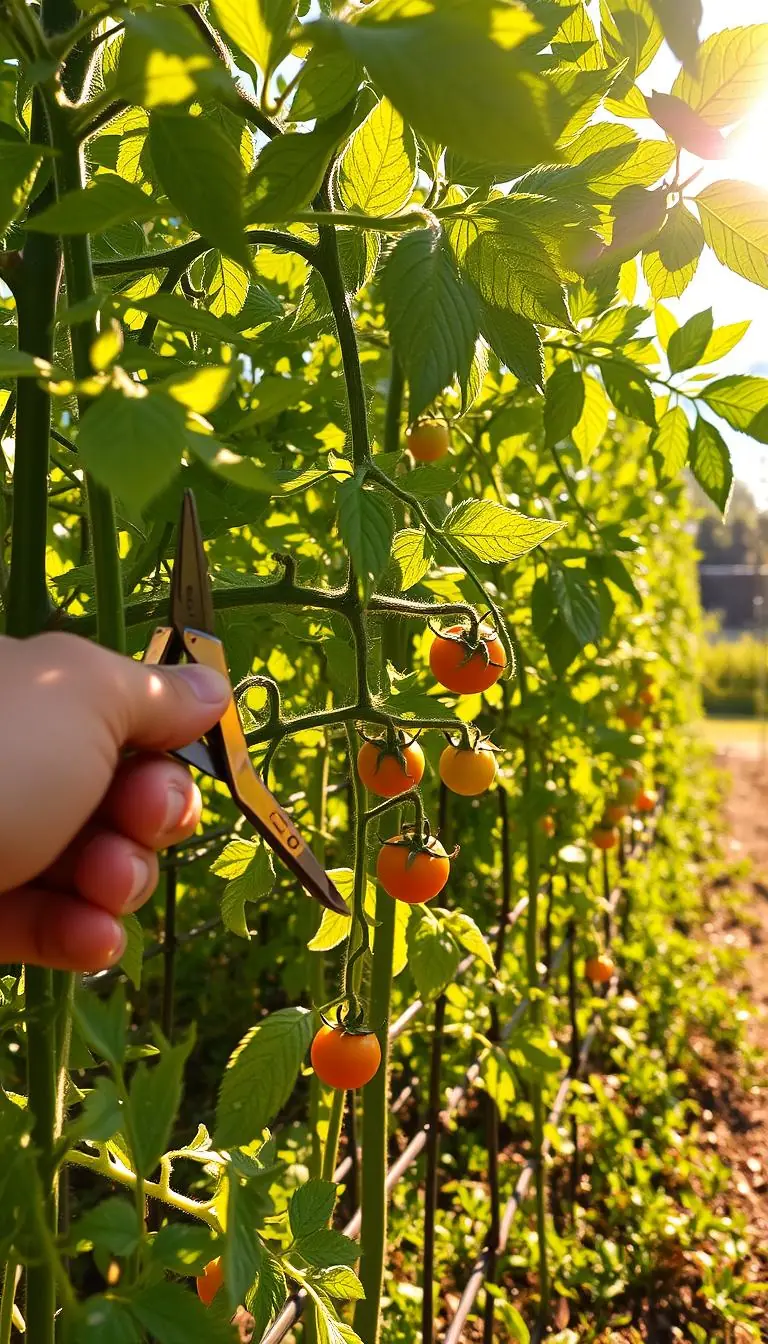
Morning sun warms silvery leaves and a soft gravel path crunches underfoot. Have you ever wished your outdoor space could look lush with less fuss? This guide helps you do just that.
We promise friendly, step-by-step methods, practical tips, and sensory inspiration so you can build beauty and ease into your yard. Expect clear advice on choosing the right plants for heat, placing them well, and using simple tools like a hose-end timer, a soil knife, and a compost bin.
Learn practical fixes—from reading sun and heat patterns to prepping beds, setting up drip irrigation to cut waste, and laying mulch to hold moisture. Cities now encourage waterwise choices, and replacing lawn with tough groundcovers like creeping thyme or sedums saves water and time.
You’ll see real examples with zones and spacing, plus quick design moves—raised berms, pea gravel paths, and containers—that blend form and function. By the end, you’ll have a simple plan to start this weekend and a peaceful, resilient space you enjoy all season.
Key Takeaways
- Find plants that thrive in hot sun and need less tending.
- Use drip irrigation and mulch to conserve water and reduce chores.
- Keep tools simple: hose timer, soil knife, hand trowel, compost bin.
- Design with structure—paths, boulders, and berms slow runoff.
- Follow spacing and zone examples for long-term success.
Understand Your Site: Sun, Soil, and Heat Pockets
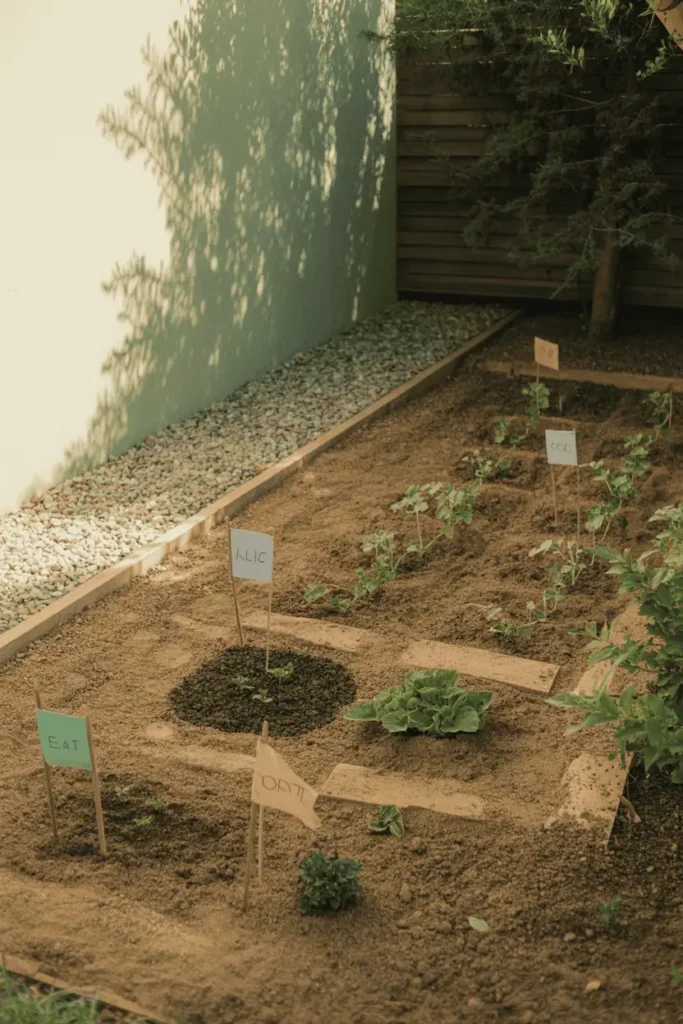
A quick site map saves time: note sun patterns, heat reflections, and soil spots before you shop for plants.
Walk your yard three times—early morning, midday, late afternoon. Mark hot areas near south- and west-facing walls, driveways, and light-colored patios with flags or chalk.
Place a thermometer at waist height near pale walls and pea gravel to find heat pockets where reflected sun dries soil fast.
Simple tests and tools
Bring a notebook, flags, shovel, and a hand trowel. Dig a 12-inch-deep, 6-inch-wide test hole in three spots. Fill with water, let it drain, then refill and time the drop. A rate near 2 inches per hour suits many low-water plants; much slower means add grit or use berms.
Do the squeeze test: moisten a handful of soil and compress it. If it ribbons and holds, it’s clay. If it falls apart, it’s sandy. Loam sits between. This helps you decide how much compost or grit to add.
Sketch zones and plan runoff
Draw simple zones: full sun, part shade, reflected heat, and cool corners. Note where water flows and mark irrigation lines and spigots so you can design efficient drip zones later.
| Test | Measurement | What it shows | Action |
|---|---|---|---|
| Percolation | 12" hole, time to drop 2" | Drainage rate | Add grit or build berms if slow |
| Squeeze | Handful, moist | Soil texture (clay/sand/loam) | Adjust compost or sand accordingly |
| Heat check | Thermometer at waist height | Reflected hot pockets | Place heat-tolerant plants or provide shade |
| Walk-through | Three times/day | Sun and shade areas | Sketch zones and group by needs |
Keep a relaxed, working map in your notebook or phone. Note moisture, soil, and micro-conditions of each zone. This map will guide plant choices and where to slow runoff with permeable paths or shallow swales.
Soil Prep for Dry Conditions: Structure, Drainage, and Organic Matter
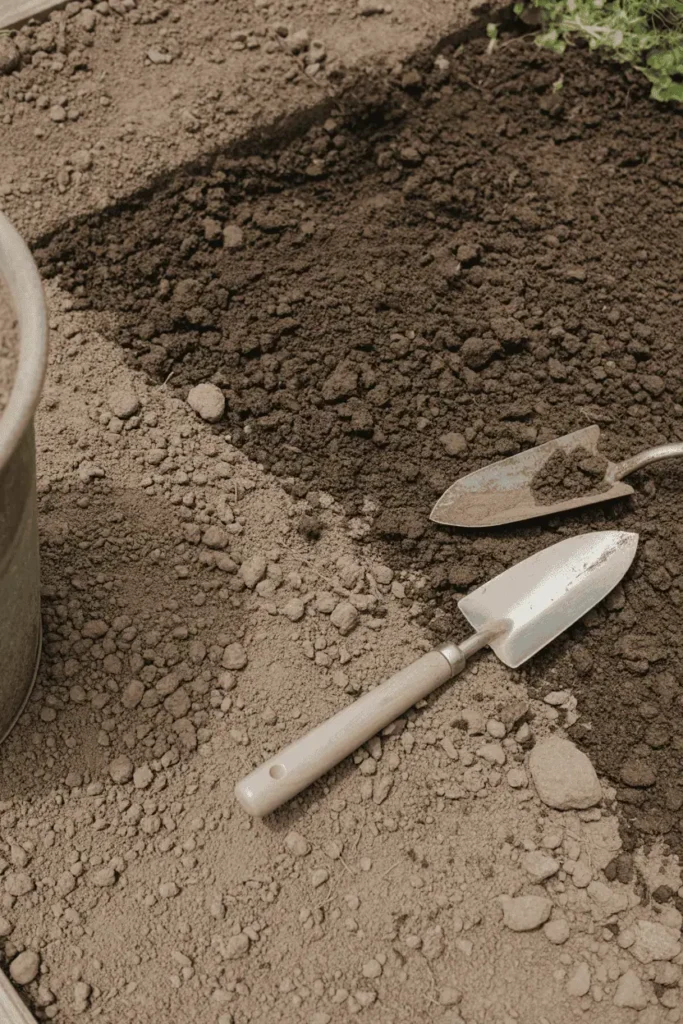
Good soil makes hot-site planting feel simple and dependable. Start by loosening the top 8–10 inches and aim for a crumbly, open texture that drains fast but holds some life for roots.
When to add compost vs. keep soil lean
For most beds, blend in 1–2 inches of compost to improve structure and matter. This helps perennials and wildflowers that like a bit more food and easier rooting.
Keep soil lean for Mediterranean herbs such as lavender, salvia, and succulents like sedum. Skip heavy compost and mix 25–40% coarse sand, fine gravel, or crushed lava to boost drainage.
Create well-draining beds
Build raised berms 6–12 inches tall where drainage is poor. Shape gentle slopes so water spreads without pooling.
- Extra-wet spots: dig 12–18 inches and set a rubble core of clean rock or broken concrete, then cover with a gritty mix.
- Top-dress 1–2 inches of small gravel around lean-loving plants to keep crowns dry and cut maintenance.
| Action | Materials | Quick measure |
|---|---|---|
| Loosen & amend | Compost, coarse sand | Top 8–10", 1–2" compost |
| Lean mix | Gravel, crushed lava | 25–40% grit |
| Rubble core | Clean rock | 12–18" deep |
Test blend by filling a small hole with water—drainage in 30–90 minutes is a good target. Edge beds with stone or steel to protect your texture-rich soil mix and reduce future maintenance.
Smart Watering: Drip Irrigation, Zoning, and Establishment Practices
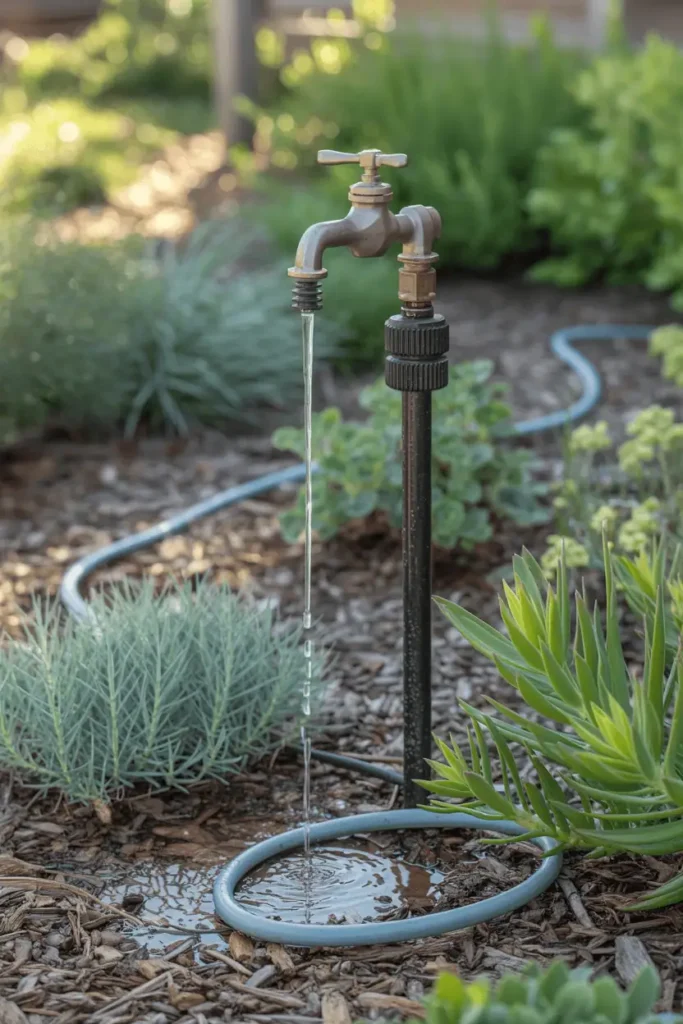
Set up drip lines and zones to give each plant just what it needs. Start with a basic layout and a small kit. That will save you time and water over the season.
Step-by-step drip setup
- Attach a backflow preventer to the hose bib, then add a pressure regulator (25–30 psi) and a filter.
- Run a 1/2" mainline and branch 1/4" tubing to plant bases; use 1–2 emitters for small perennials and 3–4 for larger shrubs.
- Add a timer so runs hit dawn or dusk when evaporation is lowest. Even an affordable unit helps.
Hydro-zoning and schedules
Group thirsty newcomers and containers on one circuit, and tougher beds on another. This hydro-zoning stops overwatering and keeps newer roots happy.
For the first two growing periods, water deeply but infrequently: 45–60 minutes once or twice weekly, then adjust for heat and soil. After two seasons, shift most beds to occasional deep soaks so roots grow stronger.
| Component | Spec | Purpose |
|---|---|---|
| Pressure regulator | 25–30 psi | Protects emitters |
| Timer | Basic digital or mechanical | Consistent runs at dawn/dusk |
| Emitters | 1/2–2 gph | Deliver targeted water to plants |
Maintenance: Check emitters each spring, flush lines, and log runtime tweaks on your phone. UC Davis trials show drip lowers use while keeping landscapes attractive. Combine drip with 2" mulch or pea gravel to slow runoff and keep crowns dry.
Designing for Beauty and Function in a Water-Wise Landscape
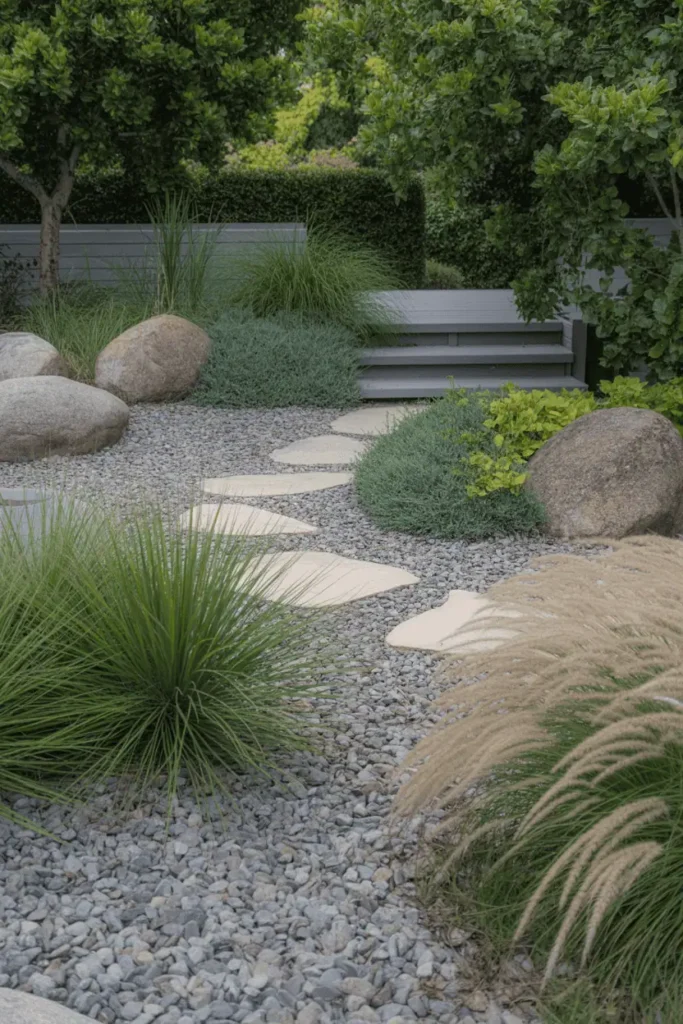
Arrange beds and paths so the space reads as a room you want to spend time in.
Layer by height: put airy grasses and spires at the back, mounding perennials in the middle, and low groundcovers up front. This makes borders feel full without crowding.
Think foliage and texture first, then flowers. Silvers, blues, and blue-greens cool hot areas. Add chartreuse accents and terracotta planters to warm the view.
Use simple hardscape to shape spaces. Boulders, gravel ribbons, and steel edging define paths and slow runoff. A small patio or pea-gravel nook works as an outdoor room.
- Repeat two to three reliable plants for unity; tuck in a bold accent for personality.
- Place a bench in light afternoon shade and add low-voltage path lights for evening use.
- Mix evergreen structure with long-blooming perennials so the space looks good beyond flowering peaks.
- Lift the eye with a trellis or slim obelisk so smaller areas feel taller and balanced.
Planters at key sightlines give seasonal flowering without irrigating the whole bed. Keep circulation clear: 2–3 feet of walkway protects edges and feels comfortable.
| Element | Purpose | Suggested Materials | Quick Tip |
|---|---|---|---|
| Seating nook | Focal rest spot | Bench, pea gravel, low-voltage light | Place in light shade for comfort |
| Layered borders | Visual depth and year-round interest | Grasses, mounding perennials, groundcover | Repeat 2–3 plants for cohesion |
| Hardscape edges | Define paths and slow water | Steel edging, boulders, gravel ribbons | Use stone mulch near silvery foliage |
| Planters | Seasonal color without major irrigation | Terracotta pots, lightweight mixes | Place at sightlines for instant impact |
Drought-Tolerant Superstars for Hot Climates (Zones and Uses)
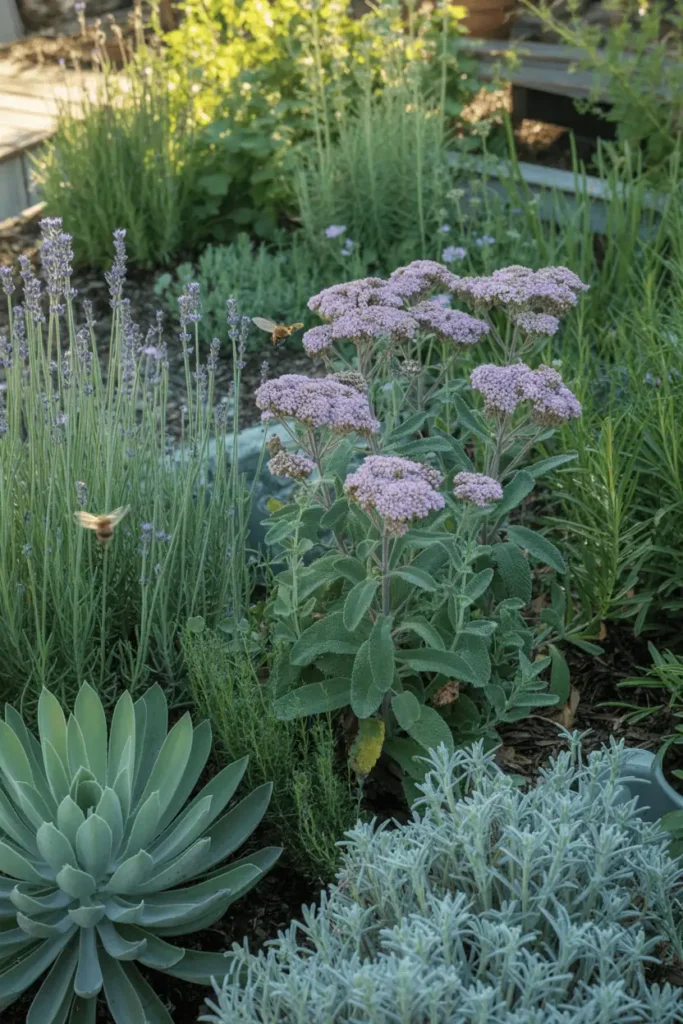
Select a handful of tried-and-true plants to simplify planting and keep pollinators coming. Below are reliable choices, with zones, senses, spacing, and quick pairing ideas so you can place each plant with confidence.
Lavender — Zones 5–9
Sensory: silvery foliage and a clean fragrance that draws pollinators.
Plant in full sun with excellent drainage. Space 18–24 inches apart. Shear lightly after the first bloom to encourage rebloom. Use in containers, borders, or on sunny slopes.
Russian sage (sage family) — Zones 4–9
Sensory: airy purple spikes and soft texture.
Give full sun and lean soil so stems stay upright. Space 24–36 inches. Pair with blue fescue or coneflower for contrast and long season color.
Yarrow — Zones 3–11
Flat-topped clusters in yellow, white, or coral make great summer blocks. Space 12–18 inches for massed effect. Cut stems for bouquets; butterflies love it.
Sedum / Stonecrop — Zones 3–11
Thick leaves act as living mulch, knitting soil and holding moisture. Plant as groundcover or edging at 8–18 inches spacing. Late-season umbels feed bees and add texture.
Lantana — Zones 9–11 (annual elsewhere)
Long bloom from late spring to frost and a favorite of butterflies. Fits containers, curb strips, or mixed beds. Give full sun and moderate spacing, about 18–24 inches.
Quick Combos and Tips
- Coneflower + catmint + blue fescue = peak-summer color and nectar.
- Purslane covers hot edges near stone; use where heat radiates.
- Add a shrub like butterfly bush for backbone and habitat.
- Mix varieties with overlapping bloom windows so something is always flowering for pollinators.
| Plant | Zones | Spacing | Best Uses |
|---|---|---|---|
| Lavender | 5–9 | 18–24 in | Containers, borders, slopes; rebloom with shear |
| Russian sage | 4–9 | 24–36 in | Back of border, massed spikes, pairing with grasses |
| Yarrow | 3–11 | 12–18 in | Color blocks, cut flowers, pollinator beds |
| Sedum | 3–11 | 8–18 in | Living mulch, edging, container mixes |
Regional Planting Guides: East, West, and Nationwide Winners
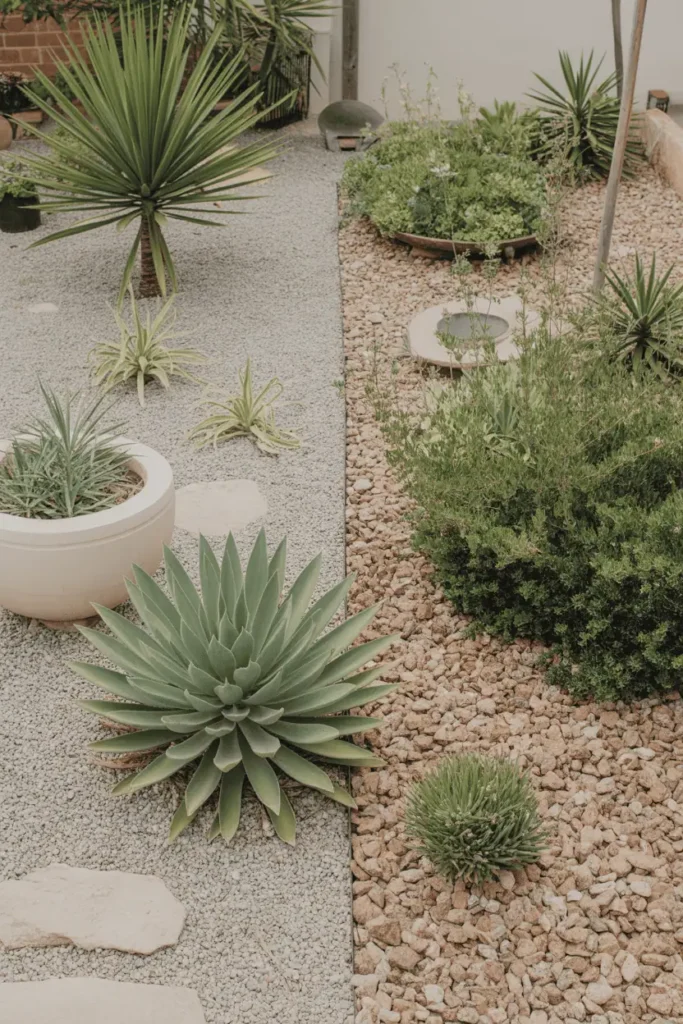
Choose plants by region so your landscape fits local sun, soil, and seasonal swings.
US East Coast
Bright, sunny beds with good drainage work best. Try black-eyed Susan (Zones 3–9; 2–3' tall, spreads 1–2'). Pair with butterfly weed and Joe-Pye weed for layered color that feeds butterflies and bees.
Use switchgrass at the back for movement and winter structure. In wetter pockets, add a shallow berm or a gravel band to keep crowns dry.
US West Coast
Lean, well-draining soil favors California poppy and many salvias. Ceanothus adds evergreen form; red yucca gives tall, sculptural stalks. Space plants for air flow and low summer watering once established.
Nationwide Stalwarts
Agastache, cranesbill (geranium), blue fescue, and wormwood perform across many zones. Group plants by similar needs—sun, lean soil, and infrequent water—to simplify care.
- Site a small native tree to the west of patios for light afternoon shade and habitat.
- In coastal climates, wind dries soil fast—use mulch plus drip to help establishment.
- Repeat nectar plants every 3–5 feet to create a pollinator corridor.
| Region | Example Plants | Height / Spread |
|---|---|---|
| East | Black-eyed Susan, Butterfly weed, Switchgrass | 2–6' / 1–4' |
| West | California poppy, Salvia, Ceanothus, Red yucca | 1–6' / 1–5' |
| Nationwide | Agastache, Cranesbill, Blue fescue, Wormwood | 6"–3' / 6"–2' |
Tip: Check local extension resources to confirm zones and microclimates near walls and fences. UC Davis trials note St. John’s wort and pyracomeles as standout low-water performers—good candidates to test in your area.
How to Plant for Dry Success: Spacing, Depth, and First Water
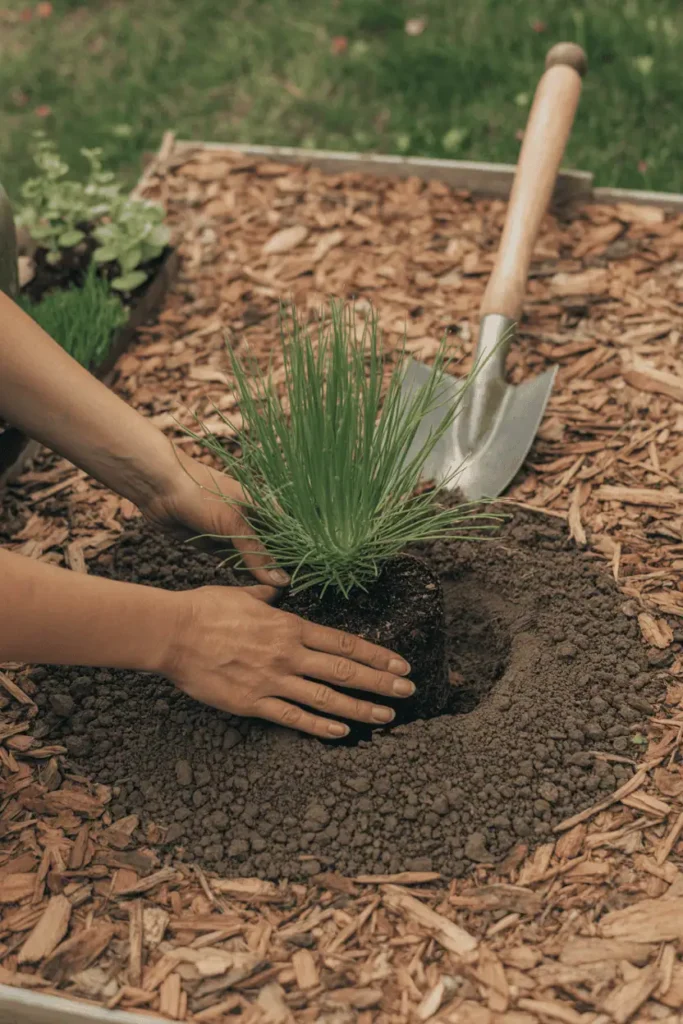
Small, careful moves at planting time — the right depth, a gentle backfill, and a mulch ring — pay off all season.
Right hole, right depth: set crowns to prevent rot
Dig a hole twice as wide as the root ball and just as deep; roughen the sides so roots can grow into native soil. Set the crown about 1 inch above grade for Mediterranean-style perennials like lavender, sedum, and salvia.
Backfill with your prepared soil mix and firm gently to remove air pockets without compacting. If roots are pot-bound, tease them apart so they spread outward.
Spacing that breathes: 12–36 inches by mature width
Space plants so foliage doesn't touch when mature: 12 inches for small groundcovers, 18–24 inches for mid-size perennials, and 30–36 inches for larger clumps or shrubs.
| Type | Mature Width | Spacing |
|---|---|---|
| Groundcover | 6–12" | 12" |
| Mid perennial | 1–2' | 18–24" |
| Large clump | 2–3' | 30–36" |
Water-in method and mulch ring
Water slowly right after planting until the hole fills and drains. This settles soil around roots and balances initial moisture.
Create a 2–3 foot wide mulch ring, about 2 inches deep, keeping mulch a palm's width away from stems. Use stone near lean-loving plants and organic mulch where extra moisture is helpful.
- Stake discreetly at planting for tall bloom spikes if your site is windy.
- Plant in spring when soil is workable so roots establish before peak heat.
- Label varieties and dates to track performance; after a week check 3" down for dryness and water deeply if needed.
Mulch and Groundcovers to Lock In Moisture
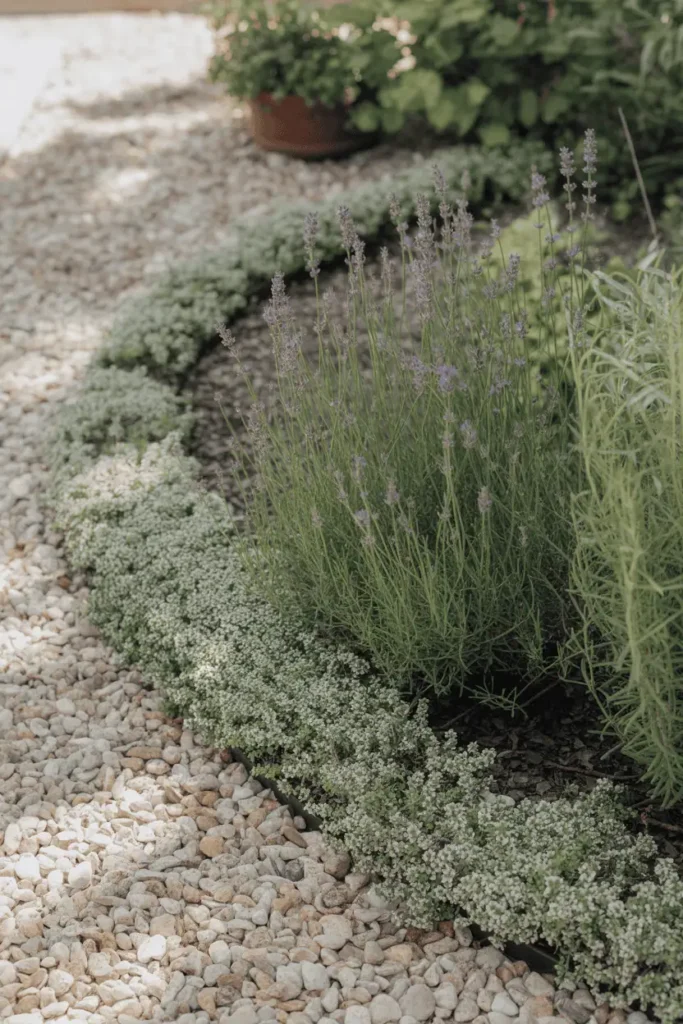
Mulch and low covers act like a blanket for soil, keeping roots cooler and moisture in place. Choose materials that match each bed: organic matter where you want slow feeding, and small stone where crowns must stay dry.
Stone vs. organic mulch
Use 2 inches of shredded bark or composted wood in mixed beds to cool the soil and add matter over time. Refresh in spring to keep the layer even.
Around Mediterranean plants—lavender, santolina, rosemary—lay pea gravel or small stone. The mineral layer reflects light, keeps stems dry, and reduces pests.
Living mulch and spacing
Tuck creeping thyme or low sedums about 12 inches apart along hot edges. They knit together, shade soil, and give a soft carpet you can walk on.
In partly shaded areas, consider ajuga or low sedges to fill spots that need color and weed suppression.
"A thin, well-placed layer of mulch saves you time and keeps plants happier through heat."
- Keep mulch a few inches back from stems to prevent rot.
- In windy spots use heavier gravel so it stays put.
- Make shallow mulch dishes around young shrubs to catch drip water.
| Type | Depth / Spacing | Best for | Quick tip |
|---|---|---|---|
| Shredded bark | 2 in | Mixed beds, adds organic matter | Refresh each spring |
| Pea gravel / small stone | 1–2 in | Mediterranean plants, windy areas | Keep 2–3" from crowns |
| Creeping thyme / sedum | 12 in spacing | Walkable edges, living mulch | Use rock pockets for thyme to scent paths |
| Ajuga / sedges | 8–12 in | Partial shade, weed suppression | Good for dry shade once established |
Seasonal Care Calendar: Spring Through Peak Summer and Fall
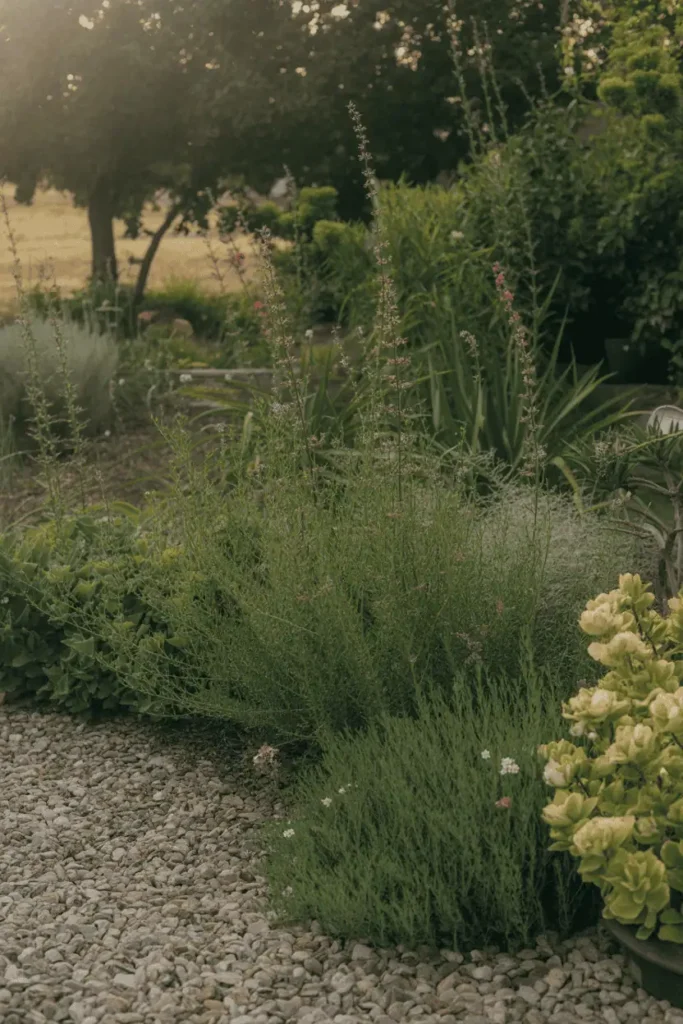
A simple seasonal rhythm keeps plants healthy and reduces surprise chores. Use this compact calendar to guide weekly to monthly maintenance without stress. Track what you do so each year gets easier.
Spring
Checklist:
- Test and flush drip lines; replace clogged emitters and set timers for dawn runs.
- Add 1–2 inches of compost only where plants will benefit.
- Plant perennials and shrubs after frost; water deeply at planting and set mulch rings.
Early Summer and Summer
Stretch intervals between deep waterings as roots establish. Watch leaves for early wilt before you change timings.
- Deadhead catmint and yarrow to encourage fresh flowers.
- Lightly shear lavender after the first bloom to prompt a second flush.
- Check stakes on tall spires like Russian sage and reset if wind shifted stems.
- Rake gravel mulch mid-to-late summer so water still penetrates.
Fall
Slowly reduce water as nights cool and growth slows. Leave coneflower seed heads for birds and winter interest.
- Cut back salvia; leave seed heads on coneflower for wildlife.
- Touch up paths and edging in shoulder seasons so your beds look tidy with little effort.
- Keep notes year-round—what bloomed when and which water intervals worked.
| Period | Key Action | Why it matters |
|---|---|---|
| Spring | Flush drip, plant, compost where needed | Sets strong roots and prevents clogs |
| Summer | Deadhead, shear lavender, inspect mulch | Promotes rebloom and keeps crowns dry |
| Fall | Cut back, leave seedheads, reduce water | Feeds birds, saves effort, prevents overwatering |
"UC Davis trials found that simple seasonal checks and proper mulching kept plants attractive while using less water."
Pollinator-Friendly Choices that Thrive in Heat
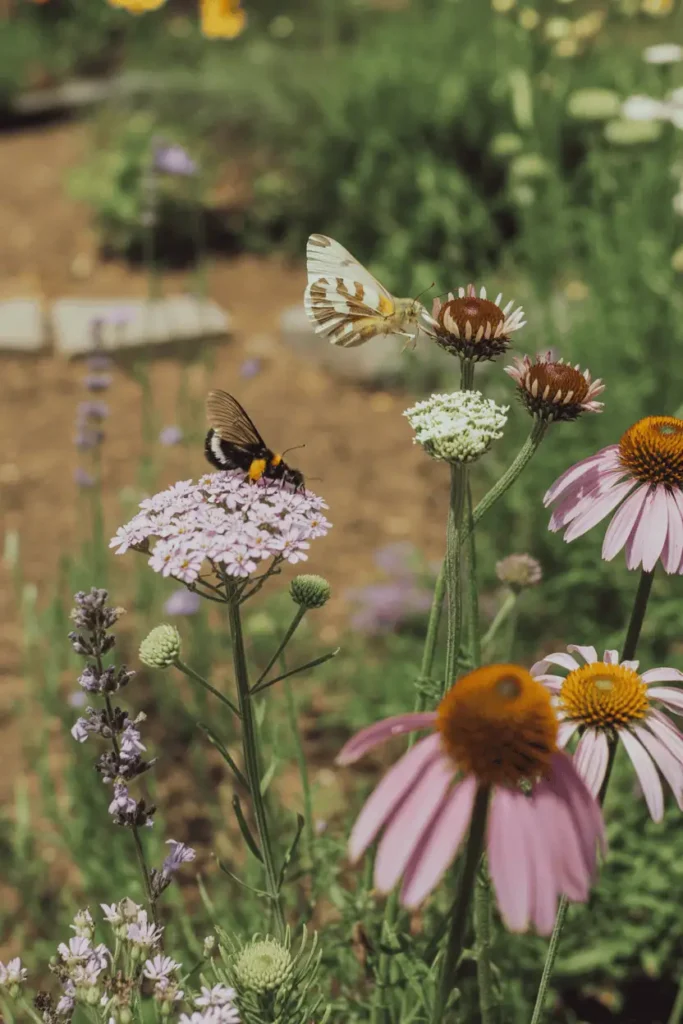
Design beds that feed visiting pollinators from spring through fall with layered shapes and sequenced blooms. Planting with intent helps you enjoy more visits and keeps pollinator populations healthy during hot months.
Butterflies, bees, and hummingbirds: flower shapes and bloom sequences
Match flower shape to visitor. Tubular blooms like salvias and lantanas suit hummingbirds. Daisies and coneflowers act as landing pads for butterflies.
Cluster umbels, such as yarrow, invite many bees at once. Catmint blooms early and keeps going, offering nectar when other plants are sparse.
Plan a succession: early catmint, midseason yarrow and sage, and late sedum to close the season. Group plants in drifts of 3–5 so pollinators spot them easily.
UC Davis blue-ribbon picks and practical combos
Sunny Boulevard St. John’s wort, Juke Box pyracomeles, and compact Pugster Blue butterfly bush earned praise for beauty on less water. Add tubular salvias and lantana for hummingbird visits.
| Plant / Cultivar | Flower Shape | Pollinators |
|---|---|---|
| Sunny Boulevard St. John’s wort | Open yellow blooms | Bees, butterflies |
| Juke Box pyracomeles | Small clustered blooms | Bees, small butterflies |
| Pugster Blue butterfly bush | Spike-like flower clusters | Butterfly, hummingbird |
| Salvia (tubular) | Tubular | Hummingbirds, bees |
Practical notes: Avoid pesticides, add a shallow water dish with pebbles, and leave some stems over winter for nesting. Plant mixed heights—low carpets, mid mounds, tall spikes—so every visitor finds a comfortable perch.
Textures, Colors, and Scents: Sensory Layers for Dry Gardens
Layer scents, leaf textures, and soft color to make evening strolls feel like small discoveries.
Pair silvery foliage with dusky purples and soft blues for a cooling palette that tames glare in late afternoon light. Add a few white blooms or variegated leaves near paths to catch moonlight and extend the space into evening.
Choose aromatic perennials so every brush past a shrub releases scent. Plant lavender or wormwood near seating and low thyme or Dianthus at edges so footsteps stir clean, comforting notes.
Mix fine-textured grasses like blue fescue with bold sedum heads. The contrast keeps interest even when flowers fade. Let some seed heads stand into fall for sculptural silhouettes and late-season texture.
- Repeat two leaf shapes (needle-like and broad) to make rhythm without clutter.
- Limit the palette to 3–4 main hues; add small bright accents for delight.
- Use glazed containers in deep blue or terracotta to amplify color and reflect sky tones.
| Combo | Texture | Scent / Feature | Best Placement |
|---|---|---|---|
| Lavender + blue fescue + white Dianthus | Fine + tuft + low mound | Warm, herbal evening scent | Seating edges, containers |
| Wormwood + sedum + cream yarrow | Silvery foliage + bold heads | Clean, resinous leaves | Sunny borders, slopes |
| Thyme edge + low asters + seed heads | Mat-forming + airy stalks | Subtle crushable aroma | Paths and stepping zones |
| Blue glazed pot: mixed perennials | Contrasting foliage and bloom | Seasonal swap for freshness | Focal points, sightlines |
"Simple repeats of color and leaf shape calm the space and keep the senses engaged from day into night."
Hardscape and Materials: Paths, Planters, and Water Harvesting
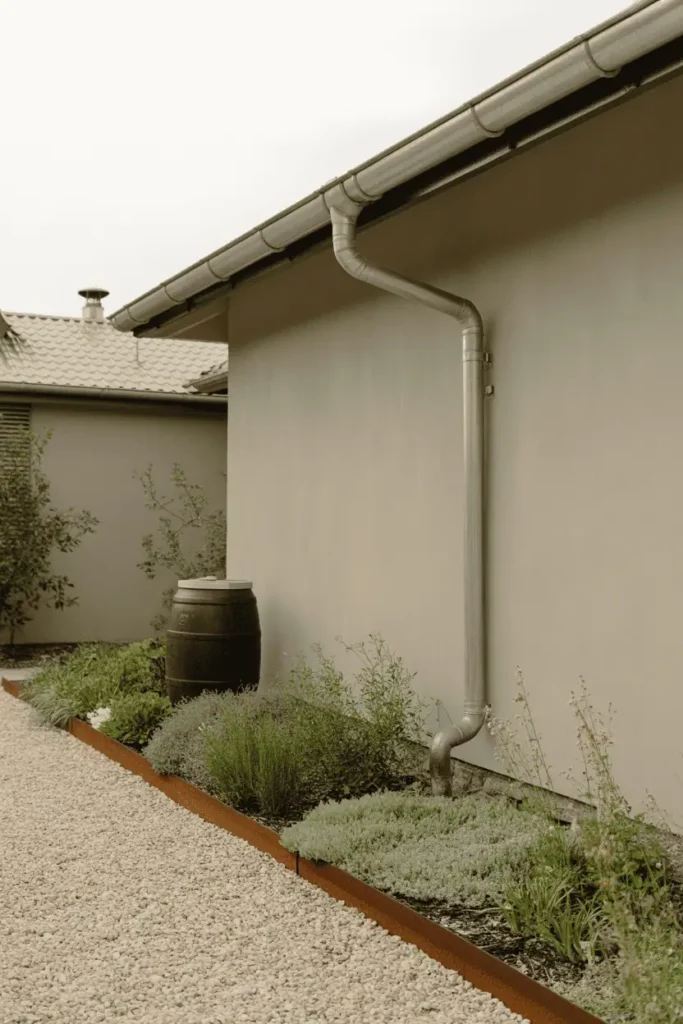
A few smart materials turn runoff into useful moisture and make paths pleasant to walk on. Think of hardscape as both practical and beautiful: it guides foot traffic, cools nearby soil, and helps you harvest water.
Permeable paths that slow runoff
Lay 2–3 inches of pea gravel over a compacted base for paths that drain fast and feel good underfoot. Edge them with steel or stone to keep clean lines between path and bed.
Use broad, stable pavers for accessibility and set them with gravel joints so the surface stays permeable and rain soaks in.
Containers and planters for accents
Place planters at corners, entries, and sightlines as living focal points. Choose larger pots — they hold moisture longer — and group them near a spigot or a drip splitter for easy watering.
Try combos such as blue fescue + sedum + lantana or a mounded shrub with low groundcover for contrast and low fuss.
Simple water harvesting and micro-habitats
Install rain barrels at downspouts and feed gentle swales that meander through beds to slow and spread water where plants need it most.
When renovating paths, bury rubble under new berms to form hidden drainage channels and cozy micro-environments for shrubs and perennials.
- Place a bench or bistro set where morning shade lingers to create a cool seating spot.
- Keep a small tool cache—pruners, trowel, gloves—near seating for quick tidy-ups.
- Add a small fountain or birdbath to cool the area and invite wildlife without wasting much water.
| Element | Spec | Benefit |
|---|---|---|
| Pea gravel path | 2–3" over compact base | Fast drainage, cools soil |
| Edging | Steel or stone | Tidier lines, less washout |
| Rain barrel + swale | Downspout-fed | Reduces irrigation need |
"Small hardscape choices collect more water and add lasting comfort to outdoor rooms."
Common Mistakes to Avoid in a Drought-Tolerant Garden
Common slip-ups often hide in plain sight—simple fixes will save you time and plants. Read these gentle reminders before you water or dig. A quick check now prevents rot, crowded beds, and wasted effort.
Overwatering and poor drainage with lavender, russian sage, and sedum
Do not chase every wilt with the hose. Check the soil 2–3 inches down. Soggy roots suffocate and invite rot, especially for lavender and sedum-like succulents.
Set crowns a touch high at planting so stems dry quickly after rain. Use 2 inches of pea gravel around Mediterranean types to keep crowns dry.
Planting too densely, skipping mulch, or mixing incompatible water needs
- Give russian sage room—space it so air moves through stems and they stay dry.
- Don’t mix thirsty and low-water plants on one line; separate zones and timers instead.
- Mulch: 2 inches gravel for lean beds; 2 inches organic for mixed beds to moderate temperature.
"Step back each season and edit—move a thirsty plant out of a lean bed rather than fight its preferences."
| Mistake | Quick Fix | Why |
|---|---|---|
| Water at first wilt | Check soil moisture | Prevents unnecessary watering |
| Too dense | Re-space by mature width | Improves air flow |
| Wrong mulch | Use stone for Mediterranean beds | Keeps crowns dry |
Observe before reacting. With attention you’ll help your plants thrive in hot sites and build a truly drought tolerant landscape that needs less fuss over time.
Build Your Drought Resistant Garden with Confidence
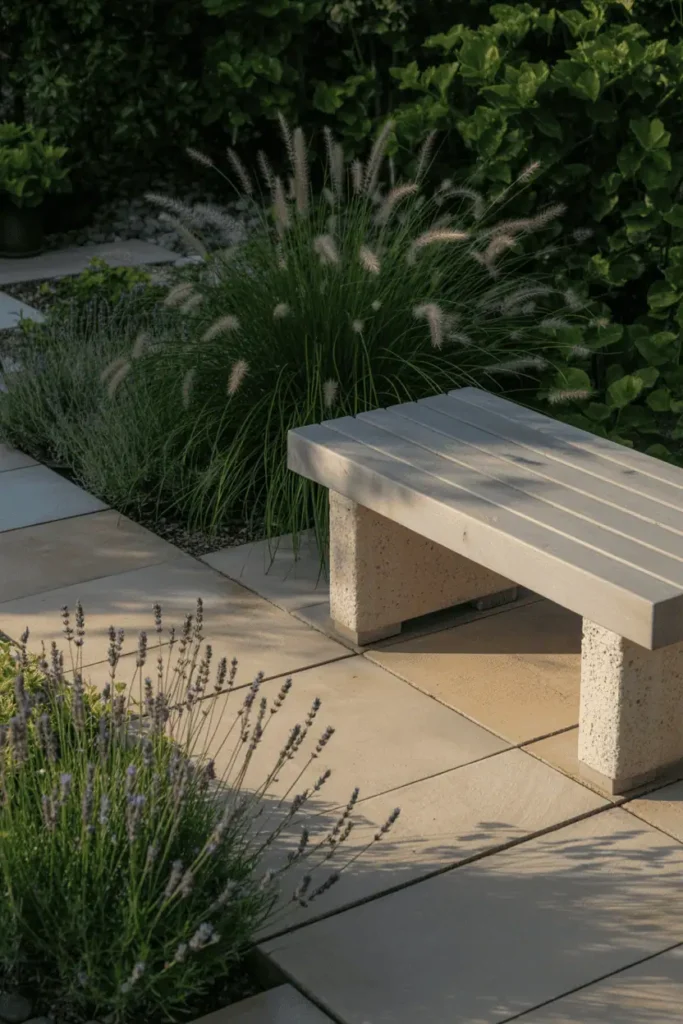
Begin with a single sunny strip and build confidence as plants prove themselves.
You can start small and see real results quickly. Pick one sunny border or a narrow front strip. Apply the steps you learned: right soil mix, a simple drip line, and a tidy mulch ring.
Simple action plan: choose a trio—one structural grass or shrub, one long-blooming perennial, and one groundcover. Repeat that combo in other beds for unity and easy care.
- Install a basic drip line with a timer so watering happens automatically.
- Add 2 inches of the right mulch and watch moisture stay put.
- Keep notes on what thrives in your local climates and swap what struggles.
Visit your space in cool morning or evening. Enjoy the scent and the small wildlife visits. Celebrate each new flush of flowers and the extra free time you gain.
Share divisions with neighbors to spread success and community. When you feel ready, expand planters or add a gravel path to tie areas together. Trust your eye and observations—this space is yours to tend and love.
| Start Area | Trio | First Steps |
|---|---|---|
| Sunny border | Ornamental grass, salvia, sedum | Prep soil, drip line, 2" mulch |
| Front strip | Small shrub, coneflower, thyme | Space by mature width, timer, mulch ring |
| Container grouping | Potted shrub, annual, trailing sedum | Large pots, grouped for drip or hand-watering |
Conclusion
Finish by choosing one small patch to transform this weekend—one planter, one border, one clear idea. That single step makes the rest simple and satisfying.
Plant smart: read sun and soil, group by water needs, and use drip irrigation with a tidy mulch ring. Add pea gravel for sunny paths and lean mixes for quick drainage so flowers and shrubs stay healthy through summer.
Enjoy texture and scent—silvery foliage and purple blooms like russian sage bring calm and invite bees and hummingbirds. Your landscape can be both beautiful and practical across zones.
Keep notes, check emitters in spring, and start small. You’ve got this—step outside, pick a spot, and let your water-wise garden grow with confidence.
FAQ
What are the best plants for hot, dry landscapes?
Choose Mediterranean and desert-adapted perennials like lavender, Russian sage, agastache, sedum, and blue fescue. These have silvery foliage or succulent textures that reflect sun and hold moisture. Include shrubs such as ceanothus or red yucca and flowering perennials like coneflower and yarrow to add long season color and pollinator support.
How do I assess sun exposure and heat pockets in my yard?
Walk your site through a full day and note where sun, reflected heat from walls or patios, and afternoon shade occur. Sketch a simple map showing hot spots and cooler areas so you can match plant choices to microclimates and avoid placing shade-preferring species in reflected-heat zones.
What’s the easiest way to test drainage and soil texture?
Dig a 6–8 inch hole and fill it with water; if it drains within an hour or two you have good drainage. For texture, squeeze a moist handful: sandy soils won’t hold a shape, loam forms a loose ball, and clay forms a firm ribbon. Amend accordingly for plants that need lean, gritty mixes.
When should I add compost and when should I keep soil lean?
Add modest compost to most beds to improve structure and beneficial microbes. For Mediterranean plants like lavender, salvia, and many sedums, keep soil lean and well-draining—excess organic matter can hold moisture and invite root rot.
How do I create well-draining planting beds?
Build raised berms or ridges, incorporate gritty amendments such as coarse sand or crushed rock, and consider a rubble core beneath large beds to speed drainage. Position crowns slightly above the surrounding grade to prevent water pooling.
How should I water new plants during establishment?
Water deeply and infrequently. Give new transplants a good soak at planting, then water on a schedule that encourages deep roots—typically every 7–14 days depending on heat and soil. Reduce frequency after two seasons as plants mature.
What are the benefits of drip irrigation and hydro-zoning?
Drip systems deliver water directly to roots, reducing evaporation. Hydro-zoning groups plants with similar water needs so you can run separate lines or valves. Both save water and simplify maintenance while keeping plants healthier.
How do I design a drip layout for varied plant sizes?
Use pressure regulators and an adjustable timer. Place emitters at the root zone of each plant—use multiple low-flow emitters for larger shrubs and single emitters for small perennials. Test output and adjust flow so each zone receives the proper amount per run.
Which plants attract butterflies, bees, and hummingbirds in hot areas?
Choose a sequence of bloomers: agastache, salvia, coneflower, lantana, and yarrow draw pollinators. Include tubular flowers for hummingbirds and flat landing platforms like blue fescue or cosmos for butterflies. Aim for continuous bloom from spring into fall.
How close should I space new plants to allow airflow and reduce disease?
Space plants based on their mature width—typically 12 to 36 inches. Leave room for airflow to prevent fungal problems and allow pollinators and beneficial insects to move freely through borders.
Should I use stone or organic mulch around Mediterranean species?
Use gravel or decomposed granite around plants such as lavender and Russian sage to keep crowns dry and reflect heat. Use organic mulch in beds with perennials that appreciate a bit more moisture and soil life, but keep it away from plant crowns.
What are simple living-mulch options for hot edges and pathways?
Creeping thyme and low sedums make attractive living mulch that tolerates foot traffic, provides texture, and blooms for pollinators. Blue fescue and other ornamental grasses add structure and help cool the soil.
How should I plant in containers for sunny patios?
Use a well-draining mix and select sun-loving, water-wise combos—succulents with lavender or small salvias work well. Ensure containers have drainage holes and position them where reflected heat won’t stress the roots too much.
When is the best time to plant in hot climates?
Planting in spring or early fall gives roots time to establish before the most intense heat. In very hot zones, fall planting often leads to stronger root development with cooler nights and occasional rain.
What common mistakes should I avoid for long-term success?
Don’t overwater or plant species with conflicting water needs together. Avoid crowding plants, skipping mulch, and using heavy, poorly draining soils around Mediterranean species. Also, resist the urge to feed heavily—many heat-tolerant plants prefer lean conditions.