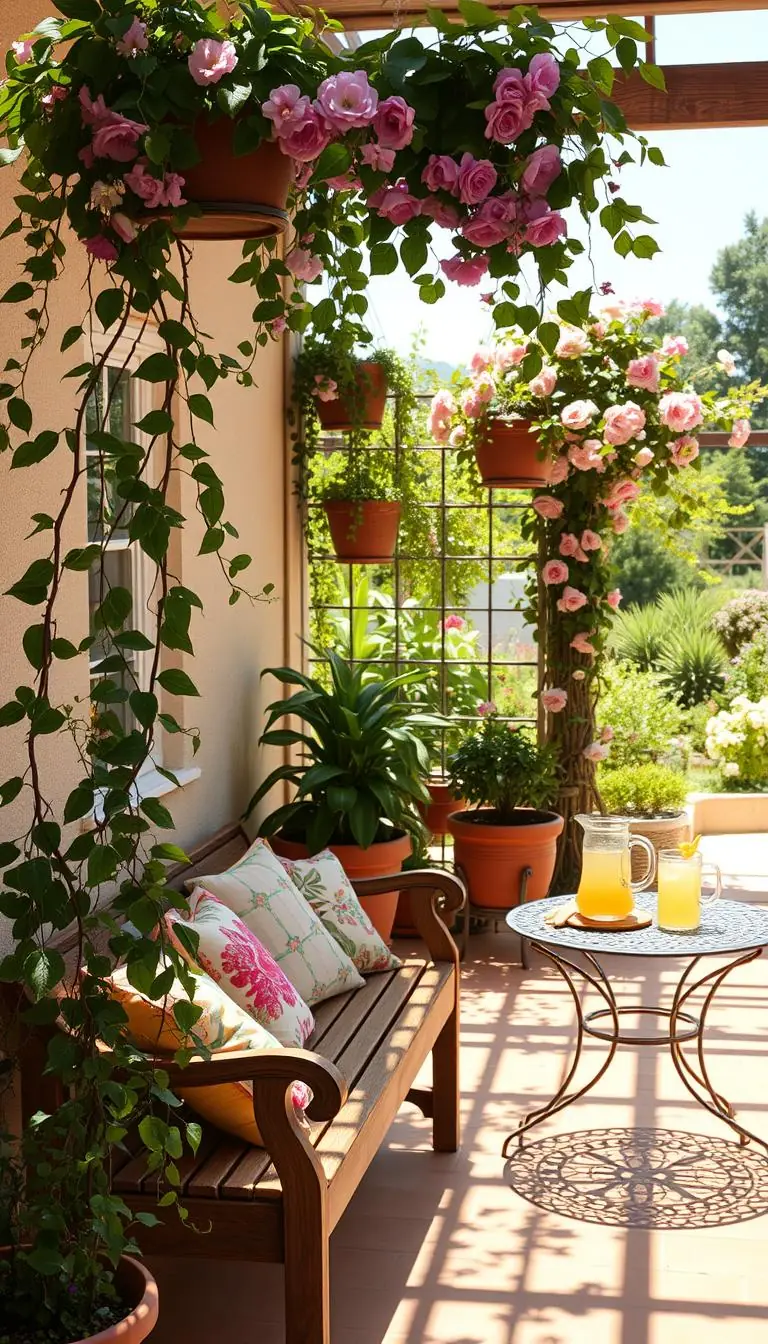
The cedar scent of a fresh mulch bed and the soft thud of a lid closing set the scene for a tidy weekend. Have you ever wished the tools, cushions, and kids’ toys were out of sight but still easy to reach?
Start with a simple, practical plan. Measure open spots, note door swings, and list exact items you need to protect—seat cushions, rakes, potting soil, sports gear, and seasonal equipment. A compact deck box or a slim shed can be a game changer.
Choose durable materials like resin that mimics wood, or steel-reinforced designs for windy zones. Brands such as Suncast, Keter, and Arrow offer reliable products and a range of price and feature options.
Think vertical to save ground space: narrow cabinets and wall hooks keep tools handy. Plan by season—seed trays near spring beds, leaf tools in fall, and shovels within reach in winter. With a small checklist and a clear spot, you’ll make the most of your yard quickly and calmly.
Key Takeaways
- Measure your space and list what you need to store before shopping.
- Match a product to daily routines for quick access near work areas.
- Prefer durable materials—resin or steel-reinforced—for year-round use.
- Use vertical options and compact boxes to free up ground area.
- Plan for seasonal swaps so the right tools are always handy.
How to Choose Outdoor Storage for a Small Yard
Measure, list, and match — that three-step habit keeps small yards tidy and useful.
First, measure your available space twice: length, width, and height. Mark the footprint with painter’s tape so you can walk around and test door swing and lid clearance.
Measure once, buy right: footprint, height, and access
Bring a tape measure and a quick sketch to the store. Check gates and pathways for delivery so the carton and assembled product fit without fuss.
Match storage to what you actually store
List items by season and size: long-handled tools, cushions, kids’ toys, potting soil, and grilling gear. Think front doors for rakes, top lids for cushions, and a low deck box under a window for quick access.
Weather, zones, and year-round durability
In snowy Zone 5 choose reinforced walls and pitched roofs. In sunny Zone 9 pick UV-resistant panels and vents for airflow. Feel panels and hinges—smooth hinges and a firm click of a hasp tell you the build will last.
| Material | Best For | Security/Notes |
|---|---|---|
| Resin (steel-reinforced) | All climates, looks like wood | Often has integrated latch points |
| Vinyl-coated steel | Heavy-duty, windy sites | Good for locks; resists rust |
| Weather-resistant plastic | Lightweight, low price | Check UV rating and vents |
Outdoor Storage Sheds for Tight Spaces
A compact shed can feel like a tidy closet for your yard when you pick the right footprint.
For narrow runs, consider a slim 4x2 ft shed that swallows long-handled tools without blocking the path. Neutral tones keep HOAs pleased and help the unit blend with fencing and nearby cabinets.
Steel-reinforced resin vs. vinyl-coated steel
Steel-reinforced resin panels give low maintenance and year-round stability. They resist warping and look warm, like wood, without heavy upkeep.
Vinyl-coated steel sheds are rugged and dent-resistant. Pick metal hardware with corrosion protection if you live near salt air or heavy rain.
Security: integrated locking and padlock points
Check that doors close flush and the latch lines up with a padlock point. A smooth, satisfying click means the frame is square and the seal will keep potting mix dry and smelling fresh.
Floor kits, anchoring, and HOA-friendly profiles
Floor kits lift bags off damp ground and make rolling a compact mower easier. If wind worries you, use through-floor anchors on concrete pavers or a gravel base.
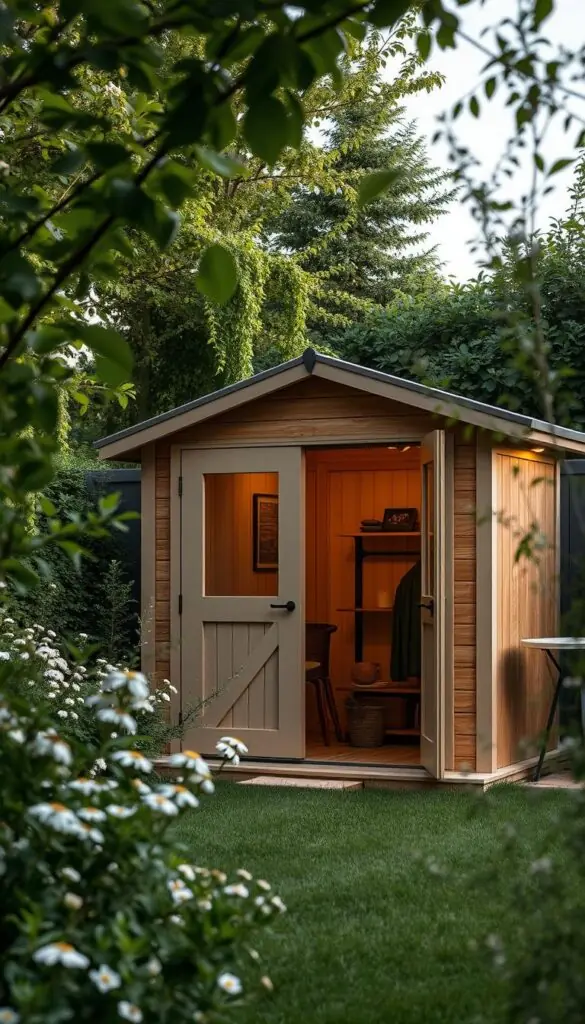
- Bring a level, masonry bit, and anchors for a secure install.
- Confirm exterior sizes and interior clearances; some small sheds have tall roofs for vertical storage.
- Pair a compact shed with a nearby deck box for quick-grab items like gloves and twine.
| Feature | Steel-reinforced Resin | Vinyl-coated Steel |
|---|---|---|
| Best use | All climates, low maintenance | Stormy or salty conditions, heavy-duty |
| Security | Integrated latch points, padlock ready | Strong door frames, corrosion-resistant locks |
| Anchoring & floors | Often accepts floor kits; lighter anchors | Through-floor anchoring common; robust floors available |
| Typical sizes | Slim 4x2 ft up to taller narrow models | Similar footprints; noted for dent resistance |
Deck Boxes that Double as Design
Let a deck box be your patio's quiet workhorse and finishing touch.
Think beauty and function together. A resin deck box can mimic warm wood grain or woven wicker while keeping cushions, toys, and grilling gear tucked away. Choose a capacity that fits your routine: about 120–150 gallons for deep seat cushions, or 80–100 gallons for small chair pads and folded throws.
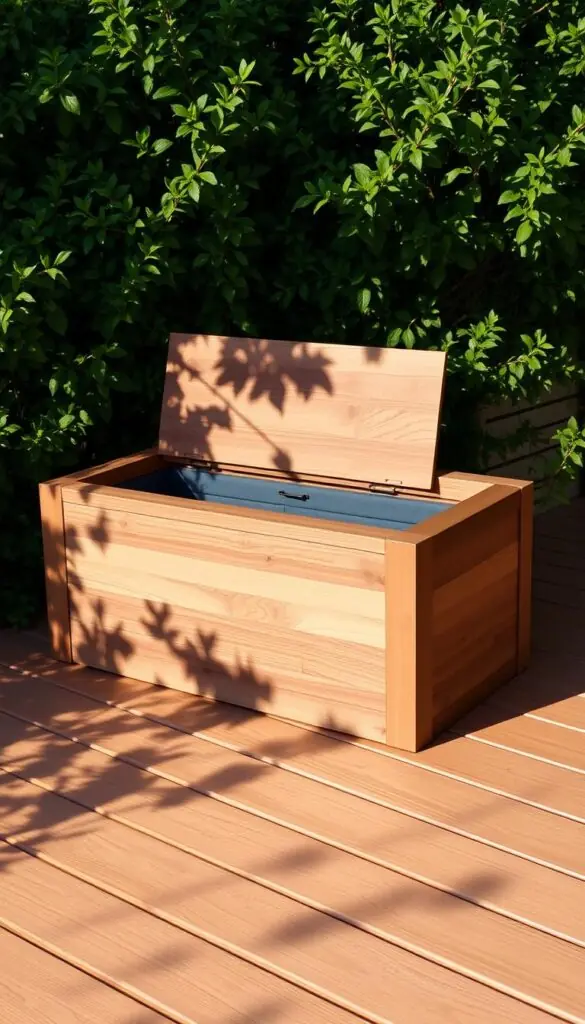
Sizes for cushions, toys, and grilling gear
Pick a mid-size box to corral pool toys or a larger box for multiple cushion sets. Place the box where you naturally set cushions—beside the patio set or along the deck railing—so tidying takes seconds.
Resin textures that mimic wood or wicker
Resin casting gives realistic texture and low maintenance. Look for tight seals and vents so items stay dry and airy. Gas hinges offer that soft hiss and make lids easy to close.
- Pro tip: Add a small caddy inside for tongs and thermometers so grilling tools don’t tangle with throws.
- Compare price by features like reinforced bases, hydraulic hinges, and lockable hasps.
Outdoor Storage Benches: Seat + Stash
A bench that hides clutter and invites you to sit can change how a small balcony or patio feels.
Soft cushion under you, the morning sun on your face, and a cedar-scented sachet tucked inside. These benches are both practical and peaceful. They serve as compact seating and a place to hide everyday items.
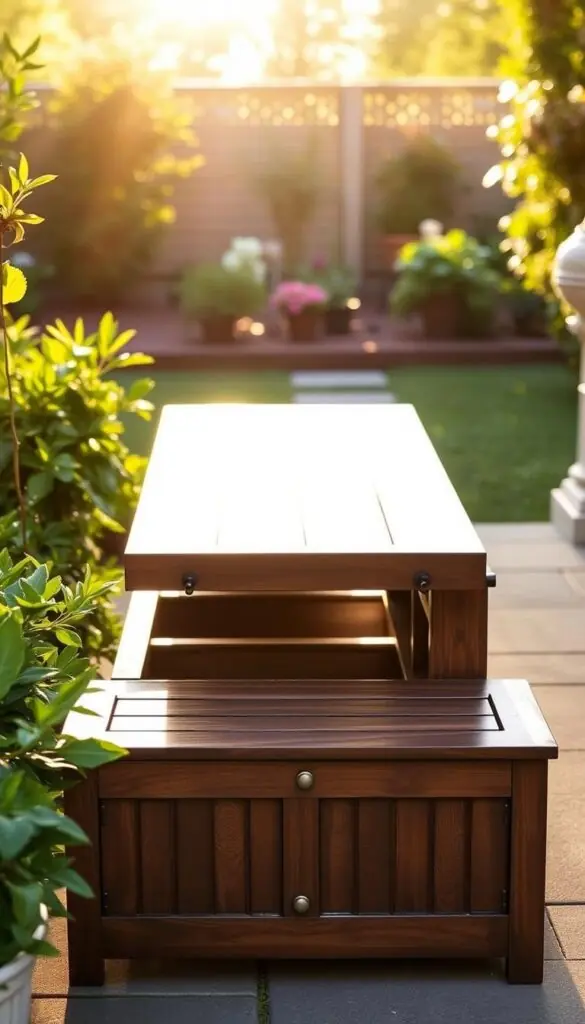
Where they fit: balcony, patio, or small deck
On a balcony, a 40–50 inch bench offers a welcoming seat while hiding hand tools, gloves, and a small watering can. It pairs nicely with herb pots by the rail.
For a patio, pick weather-resistant furniture with tight seams so summer showers do not seep in. Tuck citronella candles and throws inside for easy evenings.
On a small deck, tape the footprint on the floor first so you can test door clearance. Confirm the bench won’t block sliding doors and check the stated load rating so two adults sit comfortably.
What to store and how to keep it dry
- Stash seed packets in a small bin and add thin cedar sachets to keep contents fresh.
- If you store kids’ toys, choose a slow-close hinge and an easy-grip front handle.
- Look for UV protection and good seals; compare hinge quality and the box’s seal design when checking price.
Style matters: match the bench to nearby pieces—clean gray lines for modern spaces or a wood-look texture beside terracotta pots for warmth. A well-chosen bench feels like furniture and a tiny shed all in one.
Outdoor Storage Cabinets for Tools and Supplies
A well-chosen cabinet can turn a cluttered corner into a neat, usable nook.
Pick tall cabinets when you need room for rakes, stakes, and soil bags. Choose low cabinets for under-window spots or to double as a plant stand.
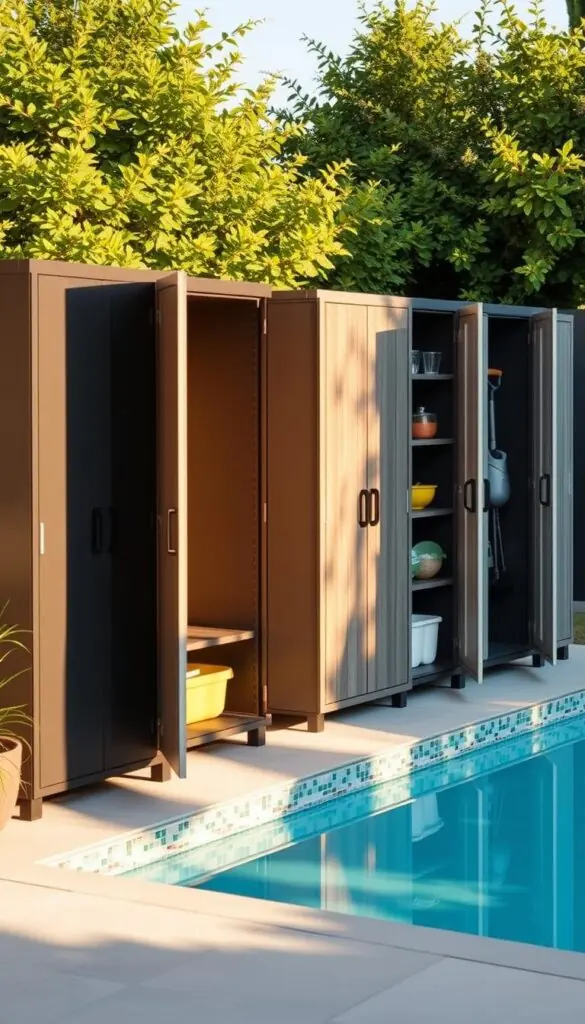
Tall vs. low units, shelving, and door clearance
Measure door swing and arc so lids and doors don't hit railings or planters. Favor adjustable shelving to fit sprayers, gallon jugs, and bulb augers without wasted space.
Moisture control and rust-resistant hardware
Add desiccant packs or vented panels to keep seeds and gloves crisp, not clammy. Pick stainless or coated hinges so doors glide smoothly through wet springs and humid summers.
- Use a level and anchors for a wobble-free install on pavers or gravel.
- Sort items by task: top shelf for pruners and twine, middle for potting mix, bottom for heavy bags.
- Check delivery dimensions if stairs or narrow gates are involved.
| Feature | Best for | Why it matters |
|---|---|---|
| Tall cabinet | Long tools & soil bags | Keeps upright items neat and accessible |
| Low cabinet | Under-window spots | Doubles as a stand; easy reach |
| Adjustable shelving | Mixed items | Custom fit saves space and reduces clutter |
| Rust-resistant hardware | Humid or wet climates | Smooth doors and longer life |
Compare price by shelf capacity, door reinforcement, and weather seals—those features repay you in ease and longevity. Open the door: it should move smoothly and the inside should feel dry on humid days.
Material Guide: Resin, Plastic, Metal, and Wicker
Picking the right material makes your cabinet or bench work harder and look better.
Resin is the go-to for low upkeep and natural looks. Resin panels mimic wood or wicker and wipe clean easily. They handle sun, rain, and snow without splintering, so they suit year-round use.
Plastic options are lightweight and fade-resistant. Move them when you rearrange for a party or when potting day calls. They are simple to clean and handy if you like flexible layouts.
Metal choices—aluminum, galvanized, or stainless—bring strength and security. Use coated finishes in salt-air zones. Metal feels cool on a crisp morning and holds up for bikes and heavier gear.
Wicker-look pieces offer airy style by the pool or patio. They keep the breezy texture without the sag or fray of natural fibers. These products pair well with woven cushions and plain planters for a calm, cohesive look.
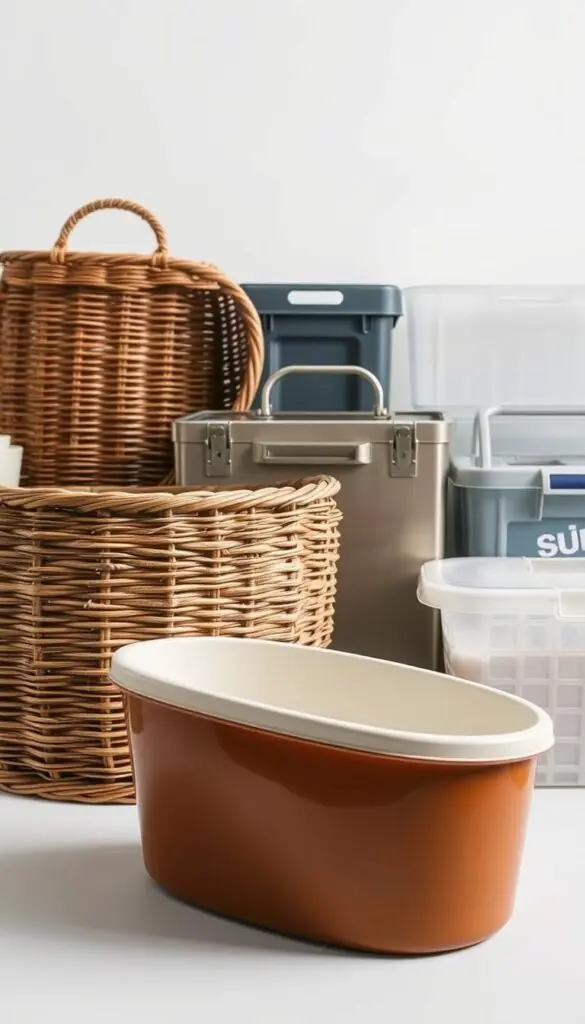
- Match task to material: resin for cushions and toys, metal for bikes, plastic for portable supplies.
- Maintenance rhythm: pick low-care options if weekends are busy; a quick rinse is often enough.
- Hardware matters: stainless screws and hinges extend lifetime and keep doors aligned through seasons.
| Material | Best for | Notes |
|---|---|---|
| Resin | All-season cabinets, low upkeep | Wood-look textures; durable |
| Plastic | Portable products, casual use | Lightweight, fade-resistant |
| Metal | Security, heavy gear | Aluminum/galvanized/stainless; coat near salt air |
Choose a material that fits how you live and the climate. A matched set of cabinet and bench materials ties the whole yard together and keeps your outdoor storage looking cared-for.
Small-Yard Layouts: Make Every Inch Work
Make a quick map of your yard so each inch works harder for you.
Corners and narrow runs are perfect for compact sheds and slim cabinets. Place a corner shed or a 16–24 inch deep unit along a fence to protect tools without shrinking walkways.
Use vertical shelving inside small units to lift gear off the floor. Hooks for hoses, trays for pruners, and bins for seed packets keep things neat and easy to grab.
Sketch sun, shade, and paths. Mark where doors swing and where people naturally walk. A deck box behind a loveseat hides cushions and keeps lounge space open and airy.
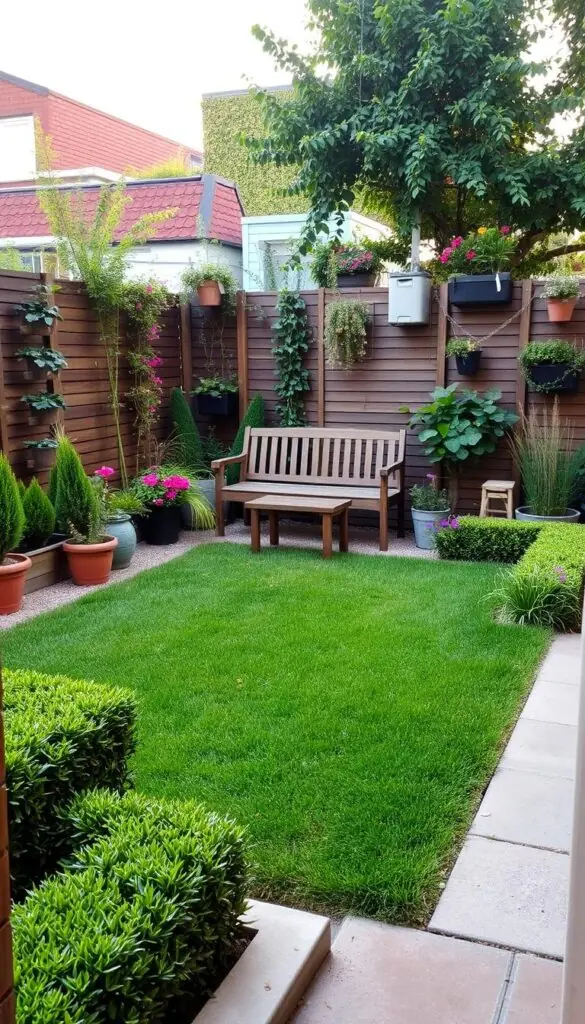
- Lay pavers or gravel pads under each unit for firm footing and good drainage.
- Choose resin or coated metal for low-care edges and long life.
- Balance height: pair one tall cabinet with lower boxes so the garden view stays open.
| Spot | Best fit | Why |
|---|---|---|
| Corner | sheds / shed | Out of traffic, high capacity |
| Fence run | slim cabinets | Saves center space |
| Near beds | small boxes | Near tools and potting |
Outdoor Storage Solutions for Gardening Tools
Organize your garden gear with a few simple zones for wet work, sharp tools, and small bits.
Start by placing a slim cabinet or small shed near beds to create a garden work zone. Add hooks for hand tools and a low shelf for soil bags and compost. This keeps heavy items low and easy to lift.
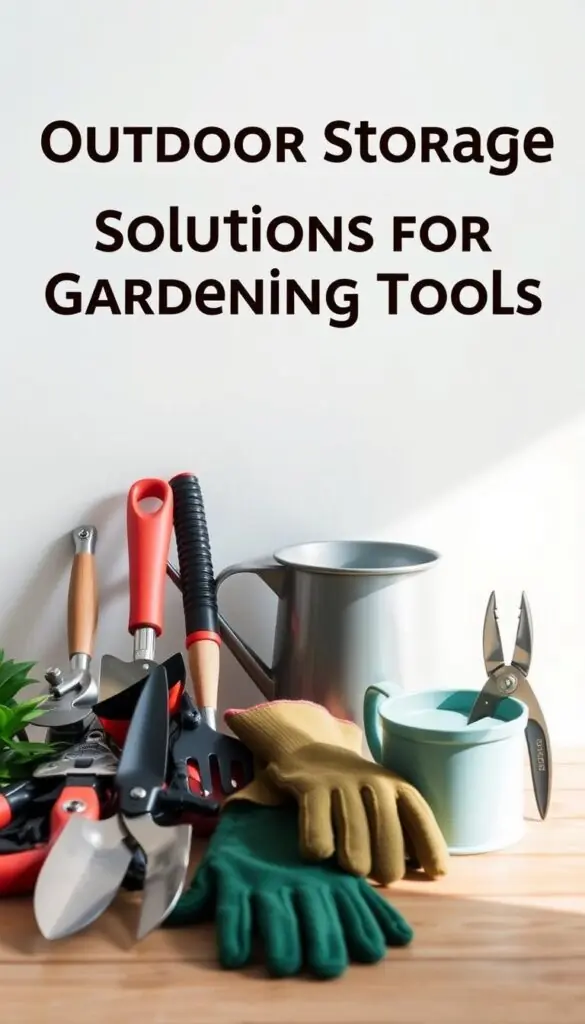
Hand tools, soil bags, and hose reels
Coil hoses on a sturdy reel at elbow height to avoid kinks. Tuck nozzles and extra washers in a labeled bin. Install a narrow strip of shelving for flats and seed-starting trays so they slide out without tipping.
Safe storage for pruners, trowels, and fertilizers
Sort sharp pruning shears, hori-hori, and trowels into a lift-out caddy. Keep a small bottle of camellia oil to wipe clean, oiled pruners after each session. Store organic fertilizers and amendments on a high shelf, lids tight and labels forward.
- Use a shallow tray for seed packets and plant tags with dividers for seasons.
- Keep soil blocks and mulch low; place a mat inside to catch spills.
- A compact deck box by the spigot holds gloves, twine, and watering accessories for quick-grab mornings.
Choose resin or coated metal panels for durability in damp spots. Vented panels help air circulate after rainy days. Pin a short checklist on the door: clean, oil, hang tools — and the garden is ready for next weekend.
Outdoor Storage Boxes for Cushions and Entertaining
A well-chosen box can make evening setup feel effortless.
Keep cushions dry and airy between summer showers by prioritizing venting and quick-dry fabrics. Let cushions air in sunlight a few minutes before you stow them. Line the bottom with a breathable mat to reduce condensation.
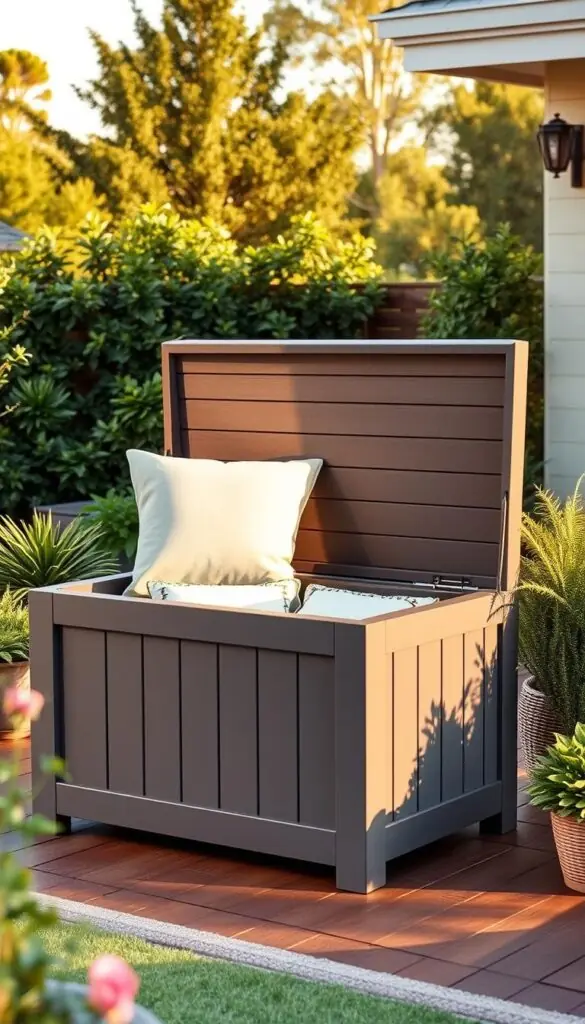
Smart habits and simple organizing
Group accessories—LED string lights, citronella candles, and outdoor-safe tumblers—into a small bin so party setup takes seconds. Use a second, smaller box just for games and blankets if you host often.
"The gentle hiss of a gas-assist hinge makes one-handed opening feel like a small delight."
- Choose sizes by measuring a stacked cushion and adding a few inches so fabrics don't crumple.
- Prefer weather-tight lids with discreet vents so items stay dry yet breathe.
- Compare price by hinge quality and base strength; reinforced floors prevent sag.
- On deck boards, add protective feet or a thin mat to keep airflow and avoid trapped moisture.
| Feature | Benefit | Notes |
|---|---|---|
| Vents | Reduce mustiness | Subtle placement keeps rain out |
| Breathable liner | Limits condensation | Removable for washing |
| Gas hinges | Easy one-handed access | Check rating for frequent use |
| Resin finish | Low care, wood-look | Wipes clean after pollen or grills |
Metal Outdoor Options for Bikes and Equipment
If you store bikes, compressors, or pricey tools, a metal unit can be the smart choice.
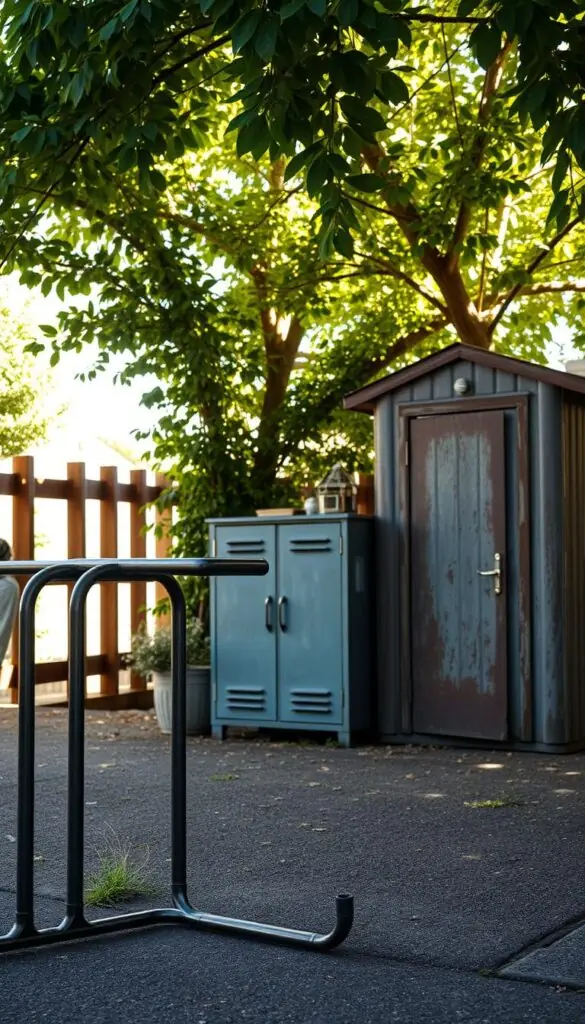
Pick coated or galvanized panels when security and dent resistance matter most. These builds suit heavy equipment and bikes and resist corrosion in damp climates.
Locks and anchors: look for integrated lock points and doors that line up cleanly. A steel latch that snaps home gives a reassuring, solid feel and a cool, crisp touch on a morning check.
- Anchor to concrete or pavers with manufacturer hardware so the shed resists wind.
- Add a floor mat and a desiccant canister to cut condensation during big day-night swings.
- Fit interior shelving or a freestanding rack to keep helmets, pumps, and chargers away from frames.
- Measure delivery paths and steps before you order; metal panels can be rigid and unforgiving on narrow routes.
Compare panel gauge, corrosion protection, and warranty, not just dimensions. Balance price and protection—spending a little more on strong panels and hardware prevents headaches years from now.
| Feature | Why it matters | Best for |
|---|---|---|
| Coated/Galvanized panels | Rust resistance and dent protection | Bikes, compressors, grills |
| Integrated lock points | Simple, secure closure | Valuable tools and power equipment |
| Anchoring hardware | Keeps unit stable in wind | Sheds on pavers or concrete |
| Interior shelving | Organizes small items and chargers | Gear separation and neat access |
Pro tip: Pair a metal unit with a small deck box for quick-grab items—locks, gloves, and a pump—so your next ride begins fast.
Weatherproofing and Maintenance Tips
A tidy foundation and seasonal nudge save time and money down the line. Small prep work keeps doors aligned, seals tight, and kits ready when you need them.
Site prep: level base, pavers, or gravel
Start on firm ground. Compact gravel or pavers give a steady footprint and the satisfying crunch underfoot when you walk the site.
Why it matters: a level base prevents warped doors and pooling water after a storm. If your deck or patio slopes, add shims or adjustable feet so doors don't drift open.
Airflow, seals, and simple seasonal checks
Keep vents clear and seals intact. Inspect gaskets and roof joins each season and clear leaves and webs that trap dampness.
- Anchor per the manufacturer's guide so lids close with a clean click.
- Rinse resin panels with mild soap; avoid harsh cleaners that strip UV protection.
- Touch up scratches on metal with rust-inhibiting paint.
- Lubricate hinges and lock hasps in spring — the crisp, tuned latch should sound like a small reward.
- Before winter storms, brush off heavy snow; in fall sweep leaves away from bases.
- Stage delivery by clearing a clear path and gathering tools (level, drill, bits) for calm assembly.
"A little seasonal care makes a shed, box, or cabinet feel new every year."
Brand Snapshot: Suncast, Keter, and More
Brands often focus on different strengths — style, toughness, or easy care.
Suncast is known for low-maintenance resin that feels modern and lasts year-round. You’ll like clean textures and simple hinges. Their products include deck box options and compact cabinets that suit small yards.
Suncast: modern resin designs and low maintenance
Suncast focuses on easy care and practical details. Expect good seals, gas-assist lids on some product lines, and finishes that mimic wood without the upkeep.
Keter: patterns and textures that elevate style
Keter emphasizes refined looks. Their pieces often simulate wicker and wood grain. They balance design with vents and usable interiors.
Arrow and others: sturdy shed options to compare
Arrow and similar makers favor metal sheds and heavy-duty frames. Choose these when security and long-term strength matter.
- Compare hinge action, seal quality, and interior shelves.
- Check sizes across deck box, benches, and compact sheds.
- Weigh price vs. thicker panels and UV protection.
- Confirm delivery dimensions and access before you buy.
| Brand | Strength | Best use |
|---|---|---|
| Suncast | Resin, low care | Deck box, bench |
| Keter | Textured patterns | Stylish cabinets |
| Arrow | Metal, sturdy | Security sheds |
"See textures in person when you can — resin grains and colors vary."
Tip: Keep a short must-have list so you skip main extras you won't use and pick the product that fits your plan.
Shopping Smart: Price, Delivery, and Assembly
Before you click buy, pause to match features to the life you actually live.
Think of this as a short, practical checklist. A fair price blends material quality, useful features, and real-world ease. Delivery logistics and a calm assembly plan make the best purchases feel effortless.
Weighing price vs. materials and features
Compare price by material—resin with UV protection, metal gauge, reinforced floors, and lock points. Look at included shelving and whether a floor kit is part of the package.
Check product options: a deck box or a storage shed may cost more but give daily ease. Pick the option that fits your routine and the items you use most.
Delivery access and simple tool lists for setup
Measure gates, stair turns, and door widths before delivery. Note carton size and weight so you can arrange help.
- Read assembly guides ahead of time and lay parts out by step number.
- Have a charged drill, a bit set, a level, and a helper nearby.
- Keep a camera handy to photograph serial numbers and receipts for warranty records.
| Compare | Why it matters | Check now |
|---|---|---|
| Materials | Durability and price | Resin/metal/plastic |
| Hardware & seals | Daily feel and weather protection | Hinges, gaskets, lock points |
| Included shelving | Useable space | Adjustable shelves/floor kit |
Finish by anchoring and leveling so doors close smoothly. With a simple plan and a willing helper, assembly becomes a small, satisfying project.
Outdoor Storage
Begin by picking one anchor unit, then add compact boxes where you reach most.
Quick category view: sheds hold bulky tools, cabinets organize supplies, benches give seating plus stash, and deck boxes keep everyday items handy. Choose durable materials like resin or metal and look for lock points and vents that matter to you.
Think in layers. A compact shed stores mowers and large gear. A cabinet along a fence keeps fertilizers tidy. A deck box by seating makes evenings easy.
Start small if you prefer. One well-placed box can change how tidy the yard feels and help you build a calm plan over time.
- Mix textures — wood-look resin near plants softens the view.
- Compare options by vents, shelves, and lock points, then set your price range.
- Confirm delivery fit through gates and corners before buying.
| Category | Best for | Why choose it |
|---|---|---|
| Shed | Large gear, mowers | High capacity, secure |
| Cabinet | Garden supplies, pots | Neat lines, sealed doors |
| Deck box | Daily items, cushions | Quick access, seating option |
Seasonal Setups: Spring Refresh to Winter Ready
A simple swap routine keeps cushions, tools, and décor ready as weather changes.
After the last frost, move seed trays and gardening tools to eye level so potting is effortless. Place pruners and soil blocks where you reach them first.
In summer, keep cushions and pool toys near seating in a deck box for quick afternoons on the patio. A small bin for sunscreen and bug spray makes sunny days easier.
Fall and winter cues
Before the first hard freeze, swap summer equipment for leaf scoops, rakes, and bulb planters. Label a bin "holiday lights" and tuck wreaths where the piney scent greets you.
When snow is likely, park ice melt and a sturdy shovel by the door. Lift delicate gardening tools high so they stay dry and ready.
Simple system that works
- Timing: after last frost, before first hard freeze.
- Bins: color-code—green for gardening, red for holiday décor.
- Quick tidy: set a 15-minute monthly reminder to reset shelves and close lids snugly.
Small habits add calm: cedar blocks for a fresh scent, labeled bins for fast finds, and a tight lid for a clean snap each time you close a storage box or shed door.
| Season | Key items | Where to place |
|---|---|---|
| Spring | Seed trays, gardening tools, pruners | Eye level in shed or shelf |
| Summer | Cushions, pool toys, sunscreen | Deck box near seating or patio |
| Fall/Winter | Rakes, leaf scoops, ice melt, holiday décor | Front of shed; shovel by entry |
Simple Styling: Storage as Garden Furniture
Treat your units like pieces of furniture so they pull the garden together.
Let functionality feel deliberate. Choose a neutral resin grain that reads like sunlit wood and pairs with pots and throws.
Color cues, textures, and placement for a cohesive look
Match colors to nearby furniture and planters — warm browns with terracotta, cool grays with blue-glazed pots. Repeat a texture, such as a wood-look resin deck box near a matching bench, to tie the patio together.
Place taller pieces by fences or hedges so views stay open. Keep low boxes beside seating to double as a side table.
- Line up units with paver joints or deck boards so placement feels intentional.
- Soften corners with plant companions like lavender or ornamental grasses for scent and motion.
- Choose hardware finishes (matte black or brushed steel) to match your other furniture.
"A sunlit resin grain and a soft rustle of grass make a cabinet feel like part of the room."
Practical note: leave a few extra inches for paths; the breathing room keeps the whole space calm. For small yards, a low-profile box can act as a table with a tray for iced tea on warm afternoons.
Conclusion
A single well-chosen piece can turn a crowded corner into a calm, useful place.
Match outdoor storage solutions to how you live. Measure, list, then pick one durable product that answers your biggest daily need.
Compare features—materials, seals, shelves—and set a comfortable price so the choice feels right. Plan delivery and assembly on a calm day, and anchor for doors that close with a clean click.
Tuck items where they support life outside: cushions by seating, tools by beds, and seasonal décor labeled and ready. Choose textures and colors that echo your furniture so the unit blends into the garden.
With a little care—rinsed panels, checked seals—that shed or box will serve you through every season. You’ve got this: place it thoughtfully, then enjoy more sunlit mornings and evening breezes in your yard.
FAQ
What size box or cabinet should I pick for a small yard?
Measure the footprint where you plan to place the piece, note the maximum height under eaves or railings, and consider access — will you need to open a lid or swing doors? For cushions and toys a medium deck box works; for tools, choose a tall slim cabinet with shelves. Leave a few inches around the unit for airflow and maintenance.
How do I match storage to what I actually store?
Make an inventory: cushions, grill tools, gardening gear, bikes, or seasonal décor. Choose shallow, wide boxes for cushions and deep cabinets with adjustable shelving for pots and small power tools. Use hooks, bins, and hose reels to keep hand tools and cords tidy.
Which materials hold up best year-round in a small yard?
Resin and high-density polyethylene resist fading and moisture for low maintenance. Galvanized or stainless steel gives strength and security for bikes or heavy equipment. Wicker-look resin offers style for poolside without the upkeep of natural wicker.
Are steel-reinforced resin sheds better than vinyl-coated steel?
Steel-reinforced resin blends durability with weather resistance and often needs less rust care. Vinyl-coated steel sheds can be very sturdy and economical but may require rust checks and paint touch-ups over time.
How can I secure a shed or metal box on a small lot?
Choose models with integrated lock points and add a weatherproof padlock or hasp. Anchor floor kits to a level base like pavers or compacted gravel to resist wind and theft. Position the unit in view from the house when possible for extra security.
Do deck boxes keep cushions dry and mold-free?
Many deck boxes include vents or slight elevation to promote airflow. For best results, store cushions dry, use silica packs or a breathable cushion bag, and open the box occasionally to air items after damp weather.
Can a storage bench double as seating safely?
Yes. Look for benches rated for seating with reinforced lids or steel frames. Confirm weight limits and choose materials that resist moisture so the seat stays comfortable season after season.
What should I consider when choosing a tall cabinet for tools?
Check door clearance in your layout, choose adjustable shelving for pots and fertilizers, and pick rust-resistant hardware. Interior hooks and a removable tray for small items make organizing easier.
How do I prep the site for a shed or box on a small yard?
Level the area and use pavers, compacted gravel, or a simple wood frame with a plastic sill to keep moisture out. Good drainage prevents pooling and helps protect floors and stored items.
How can I maximize space with vertical storage?
Use corner sheds, narrow cabinets, wall-mounted hooks, and shelving systems. Tall slim units free floor space while offering plenty of organized capacity for tools and supplies.
Which brands are reliable for compact solutions?
Suncast and Keter make sturdy resin boxes and benches with attractive textures. Arrow and similar brands offer dependable metal sheds. Compare features, warranties, and customer assembly reviews before buying.
What maintenance keeps cabinets and boxes lasting longer?
Clean surfaces seasonally, check seals and vents, lubricate hinges, and touch up exposed metal. Keep items dry inside and remove leaf litter or debris from around the base to prevent moisture buildup.
How do I balance price, delivery, and assembly when shopping?
Compare materials and features rather than only price. Factor in delivery access and whether the item comes preassembled. Simple tools and one or two helpers often make assembly manageable; some retailers offer assembly services if you prefer.
What storage options work for bikes and heavy equipment in a small yard?
Choose galvanized or stainless steel sheds or bike-specific metal cabinets for security. Look for reinforced floors, locking options, and enough internal clearance to store bikes vertically if space is tight.
How should I store fertilizers and hazardous gardening supplies?
Keep chemicals in a locked, ventilated cabinet away from children and pets. Place them on a raised shelf or tray to avoid contact with moisture, and follow label instructions for safe storage and disposal.