You step outside after a rain and the yard smells earthy while puddles linger in low spots. Have you noticed dense patches that stay soggy or areas where footprints won’t bounce back? That sense of touch and sight tells a clear story about what’s going on beneath your feet.
In this short guide, you’ll get a calm, step-by-step plan that turns stubborn ground into a living base so your grass looks lush and feels springy underfoot. We’ll walk you through simple tools, timing, and a few easy fixes you can do this weekend.
You’ll learn why fine particles can be an ally—how they hold water and nutrients for plants when managed—and why compaction blocks air and roots. Expect plain advice on aeration, topdressing with compost, using gypsum, and avoiding common mistakes like mixing sand or peat.
Key Takeaways
- Small, steady steps make big improvements over time.
- Aeration and organic topdressing restore structure and breathability.
- Gypsum helps loosen tight areas without altering pH.
- Spot problems early: standing water and lasting footprints need attention.
- Choose grass suited to your area and follow simple watering and feeding routines.
Know your clay: simple ways to identify, test, and time your project
Start by watching your yard after rain — where water pools and where footprints hold tells you a lot.
After a steady shower, stroll the yard and spot the glassy puddles that sit like mirrors. Those slow-draining areas are classic signs of poor drainage and heavy ground.
Press your heel into damp spots. If the print stays and the edges smear, you are seeing compaction in action. Compaction keeps air and nutrients from reaching roots.
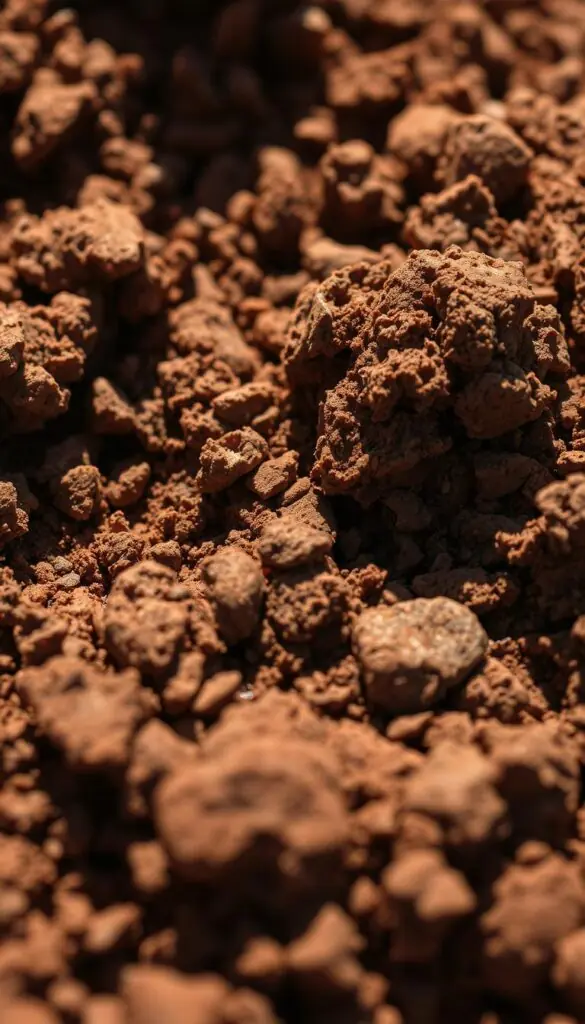
Try a quick jar "mud shake" at home: mix a sample with water, shake, then set it in sun. Watch layers settle to estimate sand, silt, and fine particles. It’s an easy at‑home test to see how much of your site is fine-textured.
Get official numbers and pick the right time
Order a soil test kit from your county extension and send a mixed sample from several areas. The report gives pH, nutrients, and organic matter so you can amend accurately.
Time work for when the ground is moist but not sticky. If a handful crumbles instead of smearing, it’s a good time to aerate or topdress without making compaction worse.
| Test | What it shows | Best use |
|---|---|---|
| Jar “mud shake” | Relative layers of sand, silt, fine particles | Quick DIY estimate of texture |
| County extension | pH, nutrients, organic matter % | Accurate amendment plan |
| Walk test after rain | Standing water, slick spots, footprints | Map problem areas for targeted fixes |
- Mark low spots on a simple sketch so you treat areas, not the whole yard.
- Retest every three to four years in heavy ground zones to track progress.
- Avoid walking or mowing on wet patches—traffic deepens compaction.
Step-by-step: How to improve a clay soil lawn
A simple sequence—pull plugs, add compost, and apply gypsum—changes heavy ground over a single season.
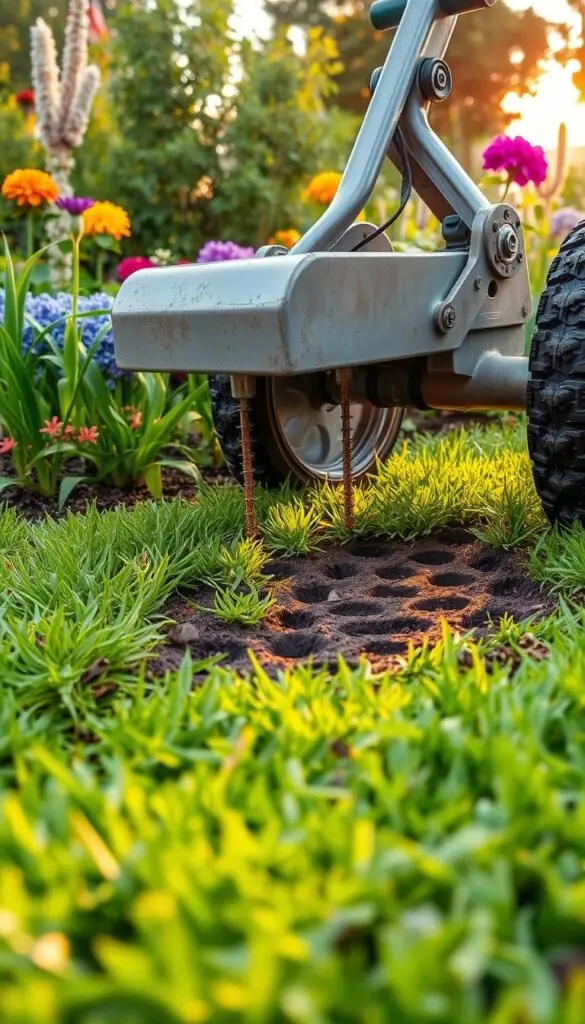
Core aeration comes first. Rent a plug aerator and work when your grass is actively growing. Pull 2–3 inch cores so channels let water, air, and nutrients reach deeper roots. Do sections twice if compaction is severe.
Topdressing with compost
Right after aeration, spread about a 1/4 inch of screened compost. Rake lightly so the dark, crumbly material falls into holes and forms a thin surface layer.
If you’re preparing to seed or sod, blend 3–6 inches of organic matter into the top 10–12 inches before laying grass.
Gypsum for tight or sodium-heavy areas
Apply gypsum with a broadcast spreader to loosen heavy clay without changing pH. It adds calcium and sulfur to improve drainage and nutrient flow, especially where sodium is a problem.
Liquid aeration and biostimulants
Use a backpack sprayer to apply humic-based liquid aeration during the growing season. These products help break down compaction over time and allow water and nutrients to move deeper without ripping turf.
What to avoid
Avoid mixing sand or peat into dense ground. Sand can create a brick-like layer and peat may hold excess moisture. Both choices often worsen compaction and drainage.
- Core aerate while grass grows.
- Topdress 1/4" compost and rake in.
- Spread gypsum where needed with a spreader.
- Consider liquid aeration for gradual improvement.
- Water lightly after topdressing, then return to normal irrigation.
| Task | Tool | Timing | Result |
|---|---|---|---|
| Core aeration | Rent plug aerator | Active growth, moist soil | Opens pathways for water and air |
| Topdressing | Screened compost, rake | Immediately after aeration | Adds organic matter and improves structure |
| Gypsum application | Broadcast spreader | Any dry workday | Loosens heavy areas without changing pH |
| Liquid aeration | Backpack sprayer | Growing season | Helps long-term infiltration |
Choose and establish the right grass for clay soils
Match the grass to your region and light, and you’ll give new turf the best chance to take hold.
Best-fit grasses by climate:
- Tall Fescue shines in cool regions and transition zones. Its deep roots tolerate heavy ground and heat while keeping steady color.
- Bermuda varieties like Tifway 419 or Celebration work in warm, sunny areas. They recover fast, resist wear, and handle active use well.
- Zeon Zoysia fits mixed light and partial shade. It makes a dense, soft surface that feels great barefoot and fills thin spots quickly.
Prepare the surface: Loosen the top 6–10 inches and blend in screened compost so the surface feels crumbly instead of cloddy. Rake smooth so sod or seed has close contact and early roots can reach nutrients and drainage layers.
Laying sod or seeding: Apply a slow‑release starter fertilizer at planting to feed young roots without burning tender shoots. For sod, lay in a brick pattern, roll to press seams, and water so the layer beneath stays evenly moist. For seed, spread evenly, lightly rake, and keep the top half‑inch damp with short, frequent watering until germination.
Plan your first mow when grass is about one‑third taller than usual and feels springy underfoot. Use a sharp blade, avoid overwatering that can invite rot in heavy ground, and patch thin spots with a thin compost layer and seed where needed.
| Climate | Recommended grass | Key benefit |
|---|---|---|
| Cool / transition | Tall Fescue | Deep roots, drought tolerant |
| Warm / sunny | Tifway 419, Celebration Bermuda | Fast recovery, high wear resistance |
| Mixed light / some shade | Zeon Zoysia | Soft texture, dense growth |
Seasonal care that keeps clay soil lawns healthy
Set a gentle yearly rhythm so each season nudges compacted ground toward health.
Spring and fall focus
In spring and again in fall, aeration is the backbone of recovery. Pull plugs to open channels and follow with a thin 1/4–1/2" compost topdress. That adds organic matter and feeds microbes that loosen compaction over the year.
Apply a light, slow‑release fertilizer after aeration so nutrients trickle in. This supports steady grass greening without pushing weak, water‑hungry shoots.
Summer and winter tips
Raise mower height in summer to shade the surface and cut stress. Water deeply but infrequently so roots grow down instead of staying near the top.
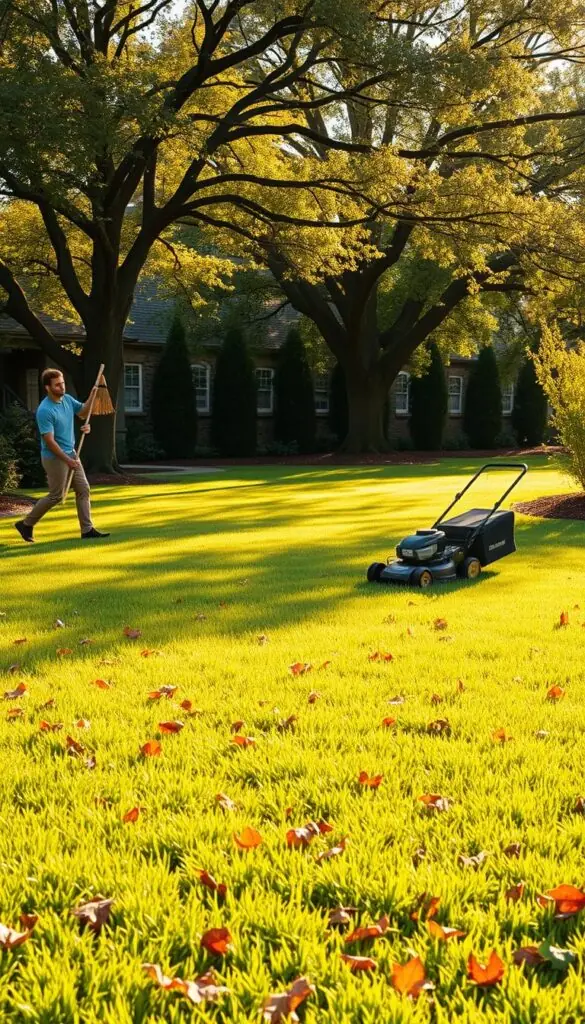
In fall, mulch leaves finely to return organic matter and nutrients to the ground. In winter, limit traffic on saturated or frosty spots to avoid extra compaction.
Quick checks: monitor puddles and yellowing areas after storms. Lightly regrade low spots with a compost‑topsoil blend to improve drainage and keep your healthy lawn humming year after year.
Conclusion
A few steady steps each season will change heavy clay into a reliable, nutrient-rich base for healthy grass.
Test, aerate, topdress with organic matter, and apply gypsum where it helps. These simple amendments improve soil structure and drainage without risky mixes like sand or peat.
Over time, fine particles that once caused puddles begin to hold water and nutrients in useful ways. Choose climate-fit grass varieties and retest every few years to keep amendments precise.
Step outside, breathe in the fresh, sunlit air, and enjoy the calm of steady progress. Small, thoughtful work pays off with greener areas and a yard that feels alive.
FAQ
How can I tell if my yard has heavy clay and compaction?
After a rain, look for standing water, slow drainage, and hard, cracked surfaces. If puddles linger and seedlings struggle, that’s a sign. Press a shovel into the ground — tough resistance means compaction. Also watch for thin, patchy grass and shallow roots when you pull a turf plug.
Should I get a soil test and where do I send samples?
Yes. A test gives pH, nutrient levels, and organic matter percentage. Your county extension office provides test kits and detailed instructions and often explains results and recommended amendments for your region.
What does core aeration do and how often should I do it?
Core aeration pulls small plugs to open channels for water, air, and nutrients and reduces compaction. Do it once a year on heavy ground, ideally in spring or fall depending on your grass type. Follow with compost topdressing for best results.
How much compost should I spread when topdressing?
Apply a thin layer, about 1/4 to 1/2 inch, over the surface after aeration. Work it into the holes and repeat each season. Over time this builds humus, improves structure, and helps roots access moisture and nutrients.
Will gypsum fix my problem and when is it useful?
Gypsum helps where sodium or tight mineral binding causes hardness, improving crumb structure without changing pH. It’s not a cure-all; use it after testing and in combination with organic matter and aeration for best long-term benefit.
Are liquid aeration products and biostimulants worth using?
They can help by loosening surface particles and stimulating microbial life, which improves infiltration over time. Think of them as supplements to mechanical aeration and compost, not replacements for core work and steady organic additions.
Why should I avoid adding sand or peat moss to heavy ground?
Mixing sand with tight particles can create an even harder cement-like layer if proportions are wrong. Peat dries out quickly and doesn’t improve structure long-term. Focus on organic matter and proper aeration instead.
Which grass types work best in heavy conditions for my climate?
In cool regions, tall fescue establishes deep roots and tolerates compaction. In warm areas, Bermuda varieties like Tifway 419 or Celebration and Zoysia types such as Zeon handle dense ground and traffic well. Choose cultivars suited to your local climate and sunlight.
How should I prepare the surface before seeding or laying sod?
Loosen the top few inches, blend in ample compost, and level the area. For large projects, till to a manageable depth and remove large debris. Firm the surface lightly so seed-to-soil contact is good, or lay sod on a smooth, compost-amended bed.
What starter care do new seed or sod need on heavy ground?
Use a starter fertilizer based on your test results, keep the surface consistently moist but not waterlogged, and mow the first time when grass reaches the recommended height for the species. Avoid deep traffic until roots establish.
What seasonal tasks keep a compacted yard healthy?
In spring and fall, core-aerate, topdress with compost, and apply a slow-release feed. These seasons are best for repair and building organic matter. Summer and winter focus on conserving moisture: raise mower height, water deeply and less often in heat, and mulch leaves in fall to protect soil life.
How long will it take to see improvement after I start amending the ground?
You’ll notice better drainage and softer texture in a single season with regular aeration and topdressing, but full transformation can take several years. Consistent additions of organic matter and proper maintenance steadily build structure and nutrient-holding capacity.