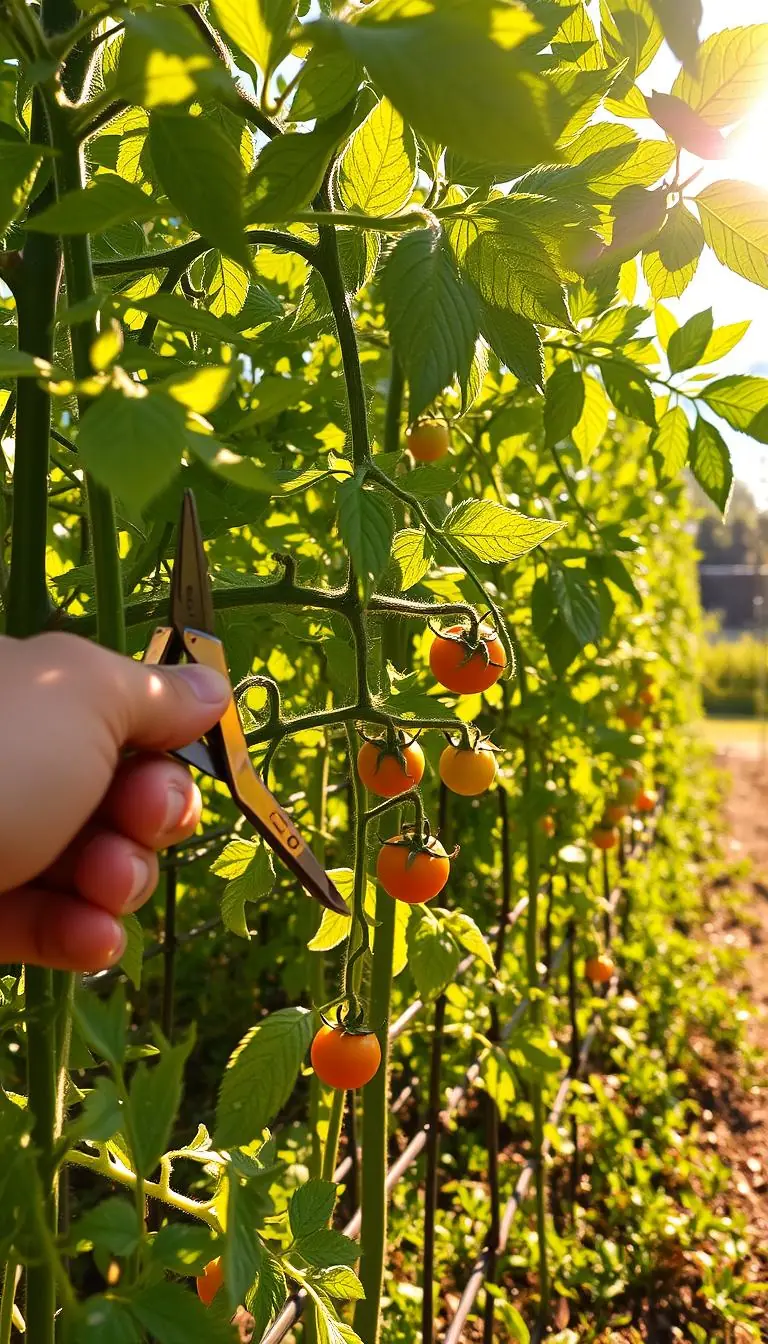
You open the shed and breathe the cedar scent, fingers brushing the satin sheen of a well-oiled spade. Do you ever wonder which pieces will last, feel right in your hands, and leave a smaller environmental impact as seasons pass?
We help you make calm, useful choices that match your garden and your life. This intro promises clear, step-by-step advice on comfort, repairability, and materials that age gracefully.
Along the way you’ll learn to read LCA and PCF labels in plain terms, spot credible company claims, and weigh carbon and emissions information without fuss. You’ll get fit tips—handle length, grip size, and balanced weight—so every tool feels steady and light in your hands.
By the end, you’ll have a short plan that saves time, cuts waste, and brings real value to your yard. We’ll also point out common mistakes and simple upgrades like LED path lights or a rain barrel to support your goals.
Key Takeaways
- Choose gear for comfort, repairability, and long life.
- Read LCA/PCF and carbon footprint info in plain language.
- Match the right tool to each task to save effort and energy.
- Look for clear company information and repair parts before buying.
- Follow seasonal care: spring tune-ups, summer upkeep, fall cleanup, winter storage.
Start Here: What “Eco-Friendly” Really Means for Your Everyday Gardening
Eco-friendly starts with a practical rule: pick gear you’ll enjoy using, can fix, and that ages well.
Think of it as less waste, more use. That means choosing the right-size hand spade or pruner for the job so you reach for it daily instead of letting it gather dust.
"Choose comfort first, repairability second, materials third."
Simple steps at home: favor replaceable blades, swappable batteries, and handles that can be sanded and refinished. Read labels plainly—FSC means responsibly sourced wood; recycled steel notes reclaimed material; LCA or PCF show cradle-to-grave analysis of production, shipping, use, repair, and end-of-life.
- Match the tool to the task: light hand hoes beat heavy cultivators in small beds.
- Consider use-phase emissions: a cordless trimmer may outperform gas in a small yard.
- Set small goals: one upgrade per season and a five-minute clean-and-oil habit.
Ask companies for parts availability and warranties. Little choices add up—your shed stays tidy, your garden stays thriving, and your purchases feel like part of your life.
The Quick-Choose Checklist for Sustainable Tools
Start with fit: a well-matched handle and blade make every job easier and greener. Right-sizing cuts strain and reduces emissions over the tool’s life.
Step-by-step checklist
- Handle length: spade 28–32" for raised beds; 54–60" for ground digging; 54–60" shovel for tall gardeners to protect your back.
- Grip diameter: 1.25–1.5" is ideal for most hands; choose textured, slightly soft grips to avoid blisters.
- Blade and weight: 10–12" hand pruner for stems up to ¾"; bypass lopper for ¾–1½"; pruning saw for thicker limbs. A forged trowel at 8–12 oz slices compact soil with less work.
- Repairability check: confirm replacement blades, springs, batteries, and chargers are available for 5–7 years.
Seasonal swaps and mistakes to avoid
Spring: sharpen hoes and hand forks. Summer: prioritize pruners and mulch rakes. Fall: leaf rake with flexible tines. Winter: clean, oil, and store.
Avoid oversized mowers for tiny lawns, cheap pruners with no parts support, slick grips that blister, or multi-sets that sit unused.
| Item | Fit Recommendation | Why it matters | Quick check |
|---|---|---|---|
| Hand pruner | 10–12" blade for ≤¾" stems | Less strain; avoids motorized use | Replaceable springs & blades |
| Spade | 28–32" (raised beds) or 54–60" (ground) | Maintains posture; saves time | Solid grip, hardwood or bamboo handle |
| Trowel | 8–12 oz, narrow tapered blade | Easier digging; fewer reworks | Forged head, balanced weight |
| Pruner upgrade | Bypass lopper ¾–1½" or pruning saw for thicker | Reduces need for power tools | Parts available 5+ years |
Quick note on emissions: right-sizing and extending product life are the biggest levers for reducing carbon and operational emissions. Small choices add up—one maintenance habit, one upgrade per season, real value for your garden and your neighborhood.
Materials That Last: Choosing Wood, Metal, and Composites with Lower Environmental Impact
The feel of a handle and the bite of a blade tell you more than a label ever will.
Start with handles. FSC ash has a warm grain and a steady flex that eases wrist shock when you pry dandelion taproots from Midwestern clay.
Bamboo is light with a gentle spring. A bamboo-handled rake glides over mulch after Southeastern storms without gouging beds.
Recycled composite handles feel dense and resist split in Northeast freeze-thaw cycles. Pick a matte, 1.25–1.5" oval profile for comfort and grip.
Working ends: forged vs. stamped
Forged steel is heat-compressed for tight grain and long life. Choose forged heads for weekly-use pruners, hoes, and spades in clay or compacted soil.
Stamped steel is lighter and cheaper. It works well for occasional items like a 10-inch stamped leaf rake or a bulb planter used in fall.
- Finish: powder coat sheds wet soil; bare forged steel takes a light oil to develop a patina.
- Right-size: 6" forged hoe for compacted paths; 10" stamped rake for spreading mulch.
- Care: rinse, dry, then rub vegetable oil on metal; refresh wood with linseed oil twice a year.
| Material | Feel & Use | Best for | Care & Longevity |
|---|---|---|---|
| FSC ash | Warm grain, slight flex | Spades, long-handled forks for upright posture | Sand & linseed oil yearly; repairable handles |
| Bamboo | Light, springy | Rakes, lightweight hoes for raised beds | Keep dry; seal annually; replace if splintered |
| Recycled composite | Dense, matte texture | Cold-climate handles, heavy-use grips | Minimal care; check for through-color wear |
| Forged steel | Dense bite, durable | Pruners, spades, hoes for clay/compacted soil | Oil after drying; sharp as needed; long service life |
| Stamped steel | Light, workable | Leaf rakes, bulb planters, soil scoops | Clean and dry; may need earlier replacement |
Finally, look for clear company information on replacement parts and finish processes. An open process often signals greater long-term value and better lifecycle assessment in product selection.
Look Beyond the Label: Lifecycle, Certifications, and Real Sustainability Performance
Before you trust a label, learn what a product’s life story really says about impact. An LCA or a product carbon footprint (PCF) is simply a map of a item's life — from raw materials through manufacture, shipping, use, and disposal.
What an LCA/PCF means for a shovel or pruner
Read an LCA like a checklist: materials, manufacturing energy, transport distance, years of use, repairability, and end-of-life options.
On a pruner, the PCF is shaped by forged versus stamped steel, heavy packaging, and whether replacement blades keep it working for years. Durability lowers repeat production and carbon emissions.
Signals of integrity: certifications and clear reporting
Look for third-party marks: FSC for wood, TÜV-backed methods for carbon claims, and B Corp for broader corporate sustainability and transparency.
"Companies that publish methods tied to recognised frameworks (like the GHG Protocol) give you better, verifiable data."
Durability as performance: warranties, service networks, and spare parts
Strong warranties (5–10 years) and an obvious spare-parts page show a company plans for long life. Before buying, follow these steps:
- Search “[Brand] + pruner + replacement blade” and confirm listings.
- Check for spring, screw, and blade kits and downloadable maintenance PDFs.
- Bookmark the parts diagram and a responsive support contact if you need repairs.
Quick risk check: avoid vague green claims with no data or expired certifications. When in doubt, pick the brand with clear documentation, published methods, and a helpful customer team.
Make a simple goal: choose one product with parts support, keep it monthly-maintained, and review its condition yearly. That plain approach turns labels into real performance for your shed and your garden.
Supply Chain Transparency and Carbon Footprint: How Companies Reduce Impact Before Tools Reach You
Before anything ships, a clear supply map tells you where wood and steel begin their journey. That simple map shows how a company reduces carbon and manages emissions long before a product arrives on your porch.
Clues a company is tracking its chain:
- Published supplier list and FSC chain-of-custody for wood.
- Recycled-content percentages and factory energy sources (renewables noted).
- Shipping choices that favour lower emissions, such as ocean vs. air freight.
- Public Scope 1–3 goals, methods, and progress summaries.
Why this matters to you
Businesses that use carbon management software can measure Scope 1, 2, and 3 emissions and set clear goals. They often publish decarbonisation actions and supplier engagement plans. That means less hidden carbon in the items you buy, with no extra effort from you.
"If a brand posts tidy charts, a parts store, and a dated progress report, it's a good sign of real corporate sustainability management."
| Transparency Cue | What to look for | What it signals | Quick action |
|---|---|---|---|
| Supplier overview | Named mills/factories and country | Lower upstream risk; easier audits | Prefer listed suppliers |
| Scope reporting | Scope 1–3 with methods and dates | Shows emissions management and goals | Pick brands with current reports |
| Recycled content % | Exact percent by part | Lower embodied carbon | Choose higher percentages |
| Shipping & energy notes | Ocean freight, renewables in plants | Reduced transport and factory emissions | Favor clear logistics statements |
Ask one question: “Do you sell replacement parts and a repair guide?” The answer reveals the business model and often the honesty behind the numbers. Pick one brand with clear emissions data this season and watch how it performs in your yard.
Pick the Right Tool for Your Region and Season for Less Waste and More Joy
Choose what works in your climate first, and you’ll use it more often. A region-friendly pick lasts longer, feels better in your hands, and cuts repeat purchases.
By climate and zone
- Arid Southwest (Zones 9–10): rust-resistant stainless or powder-coated heads, a narrow 1" hoe for drip-line weeding, and a mulch fork to move gravel without dust clouds.
- Humid Southeast (Zones 8–9): corrosion-resistant blades, breathable sheaths, and a 24–26" hedge shear to keep azaleas tidy without motors buzzing in thick air.
- Cold North (Zones 4–5): composite or sealed-wood handles, insulated or cork grips for frosty mornings, and raised storage off concrete to avoid condensation.
By season
- Spring prep: 6–8" hand fork, 60" digging fork, and a soil knife for dividing perennials.
- Summer upkeep: bypass pruners up to 3/4", a stirrup hoe for quick weeding, and a soft-bristle brush to clear soil before rinsing.
- Fall cleanup: flexible leaf rake, lightweight tarp, and loppers with 1.5" capacity.
- Winter storage: hang racks 12" apart, breathable sheaths on edges, and silica packs for dryness and a cedar scent.
"The right regional pick gets used more, feels better, and lasts longer."
| Region | Recommended feature | Example size | Why it helps |
|---|---|---|---|
| Arid Southwest | Powder-coated heads | 1" narrow hoe | Resists rust; precise drip-line weeding |
| Humid Southeast | Corrosion-resistant blades | 24–26" hedge shear | Stays sharp; breathable storage prevents mildew |
| Cold North | Sealed handles & insulated grips | Raised racks, 12" spacing | Prevents cracking; reduces condensation |
Small opportunities: one regional upgrade per season keeps spending calm and builds your ability to care for what you own. Note what rusts, what stays sharp, and what your hands prefer—this information speeds the next choice and adds real value to your garden.
Care, Repair, and Store: Step-by-Step Methods to Extend Tool Life
A five-minute routine can double a product’s life and spare you early replacements. A little management each time you finish gardening cuts wear and keeps your shed calm. Below are clear steps you can follow right after use and on a monthly schedule.
After-use routine (5 minutes)
- Knock loose soil with a stiff brush, rinse lightly, then dry with a towel.
- Apply a few drops of camellia or light mineral oil and rub until the metal shows a soft satin sheen and a faint oil scent.
- Wood grips: wipe dry and hang to air for 10 minutes so no damp remains.
Sharpening and tuning
- Pruners: file at a 20–25° angle with a diamond file, one direction only; 6–8 strokes usually restore a crisp edge that "bites" cleanly.
- Monthly tune: tighten the pivot bolt, add a dab of grease, and swap a tired spring.
- Hoes: two minutes per side with a flat file to keep the whisper-slice through weeds.
- Mower blades: disconnect power, clamp the blade, file evenly, then balance by hanging on a nail; file the heavy side until level.
Cleaning recipes and wood care
Sand-and-oil bucket: mix a bag of play sand with one cup of light oil. Dip trowel heads after drying; the grit lifts residue and the oil protects metal.
Handle care: twice a year sand with 220-grit, then rub in boiled linseed oil; the wood will glow and feel satin-smooth in your palm.
Smart storage
- Hang long pieces 12–16 inches apart on a wall rack so edges don’t touch.
- Use breathable sheaths on sharp edges and add silica packs in drawers to avoid musty smells.
"Rinse, dry, oil" is a simple process. Over time it reduces replacements, lowers emissions, and keeps your gear working when you need it.
Common mistakes to avoid: stowing items damp, over-tightening pruners so they bind, or leaving batteries fully depleted. These habits cause extra wear and interrupt your progress.
| Action | Frequency | Quick cue |
|---|---|---|
| Rinse & oil | After each use | Soft satin sheen on metal |
| Sharpen & tune pruners | Monthly | 20–25° angle; crisp bite |
| Sand handles | Twice a year | 220-grit then linseed oil |
Simple Eco Upgrades and Common Mistakes to Avoid
A few smart swaps will shrink emissions and brighten how your yard works for you. These are practical, low-cost changes that cut use-phase energy and extend product life.
High-impact upgrades:
- Swap to a manual reel mower for lawns up to 2,000 sq ft. It makes a neat cut and saves gas and carbon from frequent engine use.
- Choose a cordless string trimmer with a brushless motor. Keep a second battery charged and stored at 40–60% in winter to avoid under-sizing and downtime.
- Add a 50–100 gallon rain barrel with a diverter and mesh screen. You’ll water more gently and use less municipal water in summer.
- Install low-voltage LED path lights (2700–3000K). Pick metal stakes and replaceable bulbs so you replace bulbs, not the whole fixture.
- Start a compost bin or buy compost in bulk—one 3×3×3 pile turns kitchen scraps into rich soil over months.
Ask companies for clear information on recycled content, parts availability, and a simple repair guide. Businesses that publish supply chain notes and use software to track Scope metrics help customers reduce risk and make better choices.
"One upgrade per season—spring reel mower, summer rain barrel, fall LED lights—gives steady gains and calm returns."
Common mistakes to avoid: buying gas gear for a small yard, under-sizing batteries, skipping blade care, or choosing sealed items with no parts support. Small actions like these keep carbon and emissions lower while making your garden more peaceful for family and customers alike.
Conclusion
A gentle routine and one thoughtful upgrade will change how your garden feels and performs.
Start with a single, kind rule: choose a product you love and care for it five minutes after each use. That small habit extends life, lowers carbon and emissions, and adds real value to weekend work.
Favor companies that publish clear progress, align reporting with the GHG Protocol, and show parts and warranty support. When a business shares methods and uses software for supply-chain management, it signals reliability for years to come.
Keep your sustainability strategy short: buy once, care often, repair when needed. Enjoy the growth—your garden, your calm, and the quiet wins you can see each week.
FAQ
How do I choose eco-friendly garden tools that fit my needs?
Start by matching the tool to the task and your garden size. Choose the right-size option so you use less energy and get the job done faster. Look for ergonomic grips and balanced weight so you’ll actually use and maintain the tool. Check materials—FSC-certified wood handles, recycled metal, or durable composites reduce environmental impact. Finally, favor items designed to be repaired with replaceable blades, cords, or batteries to extend lifespan and lower your product carbon footprint.
What does “eco-friendly” really mean for everyday gardening gear?
It means choosing products that reduce harm across their life: from materials and manufacturing to transport, use, and end-of-life. Look beyond green marketing—find third-party certifications, transparent reporting, and data on lifecycle assessments (LCA) or product carbon footprint. Durable, repairable designs and responsible supply chains matter more than a single label.
What should I check on a quick-choice checklist before buying?
Use a simple checklist: right-size vs. horsepower, repairable design, low-impact materials like FSC wood or recycled steel, and comfort features such as ergonomic grips and quiet operation. Also consider warranties, spare-part availability, and whether the maker tracks emissions across its supply chain.
Which handle materials last longest and have the lowest impact?
FSC-certified ash and bamboo are strong, renewable choices. Recycled composites and aluminum handles offer durability and lower maintenance. Each has trade-offs—wood feels warm and repairs easily, metal can be lighter and longer-lasting—so pick what fits your use and climate.
When should I choose forged steel over stamped metal for working ends?
Forged steel is best for heavy-duty tasks and tools you’ll keep for years—it holds an edge and resists fatigue. Stamped metal suits lighter, budget-friendly tools for occasional use. Think durability as part of sustainability: a longer-lived tool often cuts overall impact.
How do lifecycle assessments and product carbon footprints affect my selection?
LCA and footprint numbers reveal where a product has the biggest impacts—materials, manufacturing, transport, or use. A shovel with a low footprint might use recycled steel and local manufacturing. Use these metrics to compare real performance, not just marketing claims.
What signals show a company is serious about environmental performance?
Look for third-party certifications, published sustainability reports, clear data on supply chain emissions, and commitments to repairability and spare parts. Brands that offer warranties, service networks, and accessible replacement components usually back durable, lower-impact products.
How can companies reduce emissions across the value chain before tools reach me?
They can source low-impact materials, use efficient manufacturing, consolidate transport, and track scope 1–3 emissions. Investments in cleaner energy, recycled inputs, and supplier engagement all cut the carbon footprint of the final product.
How do I pick tools for my climate and zone to reduce waste?
Choose materials and finishes that resist local weather—stainless or coated metals for humid regions, rust-resistant alloys for wet climates, and sturdy handles for cold zones. For the arid Southwest pick drought-friendly implements; in the humid Southeast favor corrosion resistance; in cold North areas, focus on durability through freeze–thaw cycles.
What seasonal tool choices help reduce waste and boost joy?
Match tools to seasonal tasks: lighter pruning gear for spring, reliable shears and mulchers for summer upkeep, leaf rakes and heavy-duty pruners for fall cleanup, and proper winter storage solutions. Using the right tool at the right time prevents damage and extends life.
What is a simple after-use routine to prevent rust and damage?
Spend five minutes: rinse mud, dry thoroughly, oil metal parts lightly, and wipe handles. Store in a dry place on wall racks or breathable sheaths. Small habits prevent corrosion and keep performance high.
How often should I sharpen and tune pruners, hoes, and mower blades?
Sharpen hand tools at the first sign of dullness—usually every few weeks in heavy use or monthly for typical garden work. Mower blades should be inspected and balanced each mowing season, or sooner if you feel vibration or uneven cuts. Regular tuning boosts efficiency and safety.
What are the best smart storage practices to extend tool life?
Use wall racks to prevent contact with damp floors, breathable sheaths for blades, silica packs in enclosed boxes to reduce humidity, and labelled spots so tools are returned and cared for. Good storage reduces replacement needs and maintenance time.
What easy upgrades give the biggest environmental and user benefits?
High-impact swaps include choosing manual tools for light tasks, switching to cordless electric options with serviceable batteries, adding rain barrels for irrigation, and using LED path lights. Small changes can cut water use, emissions, and operating costs.
What common mistakes should I avoid when buying greener garden gear?
Don’t buy the cheapest option for short-term savings—low-quality items wear out fast and create waste. Avoid tools that aren’t repairable or lack spare parts. Don’t rely solely on labels; check durability, warranties, and company transparency to ensure long-term value.