Picture a steaming mug in your hands and a strip of green peeking through pale light. Have you noticed how a splash of color or a glossy hedge can lift the whole view outside your kitchen window?
We’ll start simple. With a calm plan and a few plain tools—hand pruners, a small rake, gloves, mulch, and a watering can—you can choose shrubs and bulbs that keep your yard lively through the cold months.
Think structure, berries, stems, and early blooms. Evergreens like North Star boxwood and Soft Serve Gold false cypress give form. Bright stems such as Arctic Fire dogwood and winterberry add pops of red. Hellebores, camellias, snowdrops, and crocus offer surprising flowers as spring nears.
We’ll help you make sure each choice fits your USDA zone and light, so roots stay healthy and the ground drains well. Expect neighborly tips that keep things easy and rewarding.
Key Takeaways
- Mix structure, berries, stems, and blooms for steady color through the months.
- Choose species by zone and light so they thrive, not just survive.
- Use simple tools and mulch to protect roots and improve drainage.
- Look for sensory cues—glossy leaves, spicy scents, and bright stems.
- Start with small containers or space-saving hedges if your yard is tight.
A calm start: how to think about color, texture, and scent in the winter garden
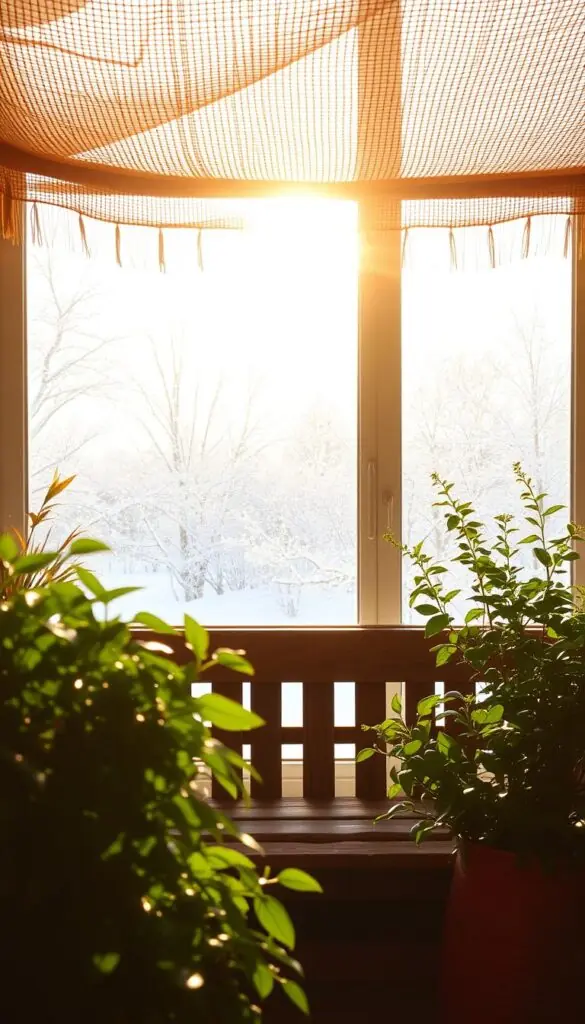
Begin by looking out the window and noting which view would cheer you most on a gray day. Stand at your doorway or favorite window and write down the front walk, bird feeder, and mailbox view. These are the places you’ll enjoy most.
See color beyond blooms: bark, berries, foliage, and stems
Color often comes from bark and foliage, not just flowers. Red twig dogwood bark, glossy holly leaves, and blue-green juniper berries all read clearly from inside.
- Start where you spend time and mark those sightlines.
- Group by texture—fine needles next to broad, shiny leaves for contrast.
- Tuck scented shrubs near paths so you catch fragrance on mild days.
Zone, sun, and soil: a quick check before you plant
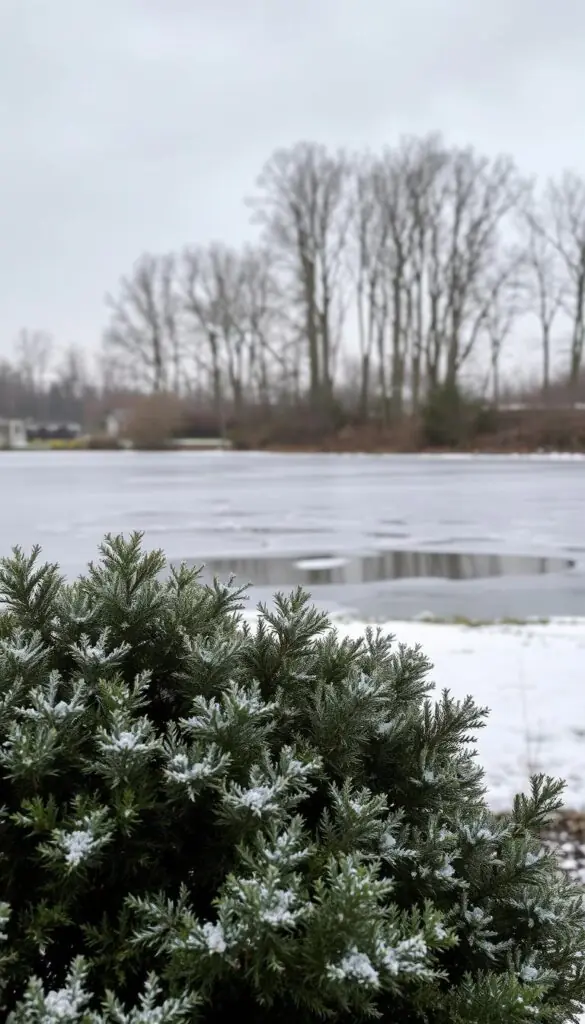
Before buying, make sure you match species to your USDA zone and the exact sun or shade each spot gets in winter when leaves are off trees.
| Site | Sun | Soil check | Suggested feature |
|---|---|---|---|
| Front walk | Full sun | Well drained | Red stems or bright berries |
| Side yard | Part shade | Add compost if heavy | Shade-tolerant evergreens |
| Mailbox/entry | Variable sun | Test for standing water | Scented shrubs near path |
"Leave some seedheads standing; they catch frost and feed birds."
Quick checklist: note views, test soil with a small hole, map sun and shade, and group by texture and height. These small steps help your gardens feel calm and intentional.
Winter plants that thrive by region and light
Start by matching hardy choices to your climate and the light each spot actually gets. This makes planning simple and sure-footed.
Cold climates (Zones 2–5): durable choices for snow and deep frost
Choose shrubs and grasses bred for deep freezes. Try Arctic Fire red twig dogwood (Zones 2–7) for bright stems. Fire Light panicle hydrangea (Zones 3–8) and North Pole arborvitae (Zones 3–8) give structure. 'Totem Pole' switch grass adds winter texture.
Mild winters (Zones 6–9): extended bloomers and evergreen structure
Lean on bloomers and glossy foliage. Camellias (Zones 7–9), daphne odora (Zones 7–9), and hellebores (Zones 3–9) extend interest. Blue holly suits zones on the warmer edge and keeps berries for color.
Shade vs. sun: placing each choice where it will shine
Note where noon sun falls and where deep shade sits. Test soil drainage by filling a 12-inch hole with water; if it stays too long, amend with compost and grit. Make sure you match light: sunny walls suit jasmine, while hellebores glow in shade. Mix a variety of heights—low groundcovers, mid shrubs, and a vertical or two—to carry interest into spring and early spring bulbs for quick color.
Evergreen shrubs that carry the garden through the coldest months
Let a trio of evergreens stand like quiet sentinels to keep your view green all year. Start with a few strong anchors and arrange them where you pause: beside the entry, along a path, or framing a mailbox.
Boxwood and inkberry: tidy, mounded anchors
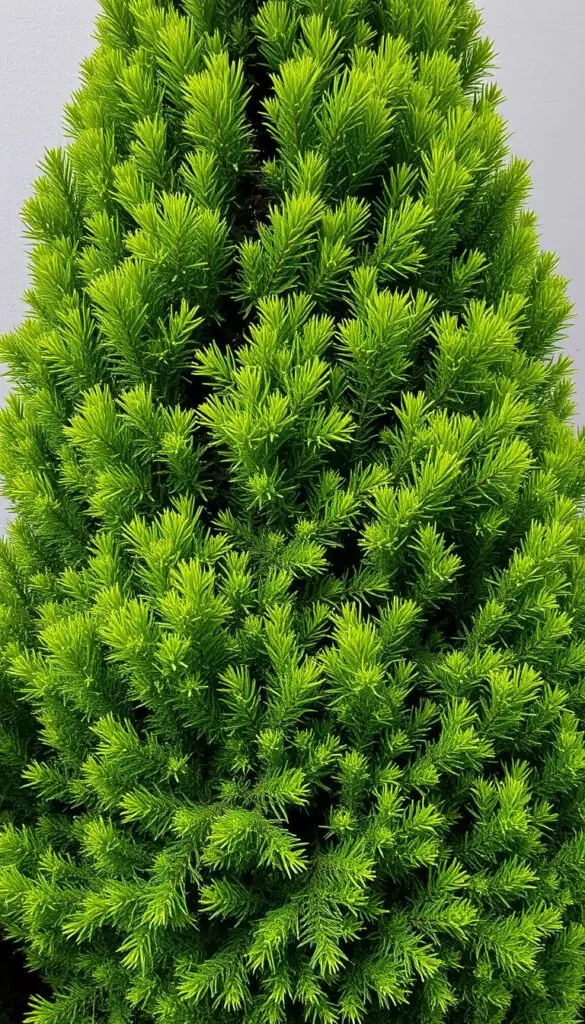
North Star boxwood (Zones 5–9) holds its color and clips neatly for formal hedges. Strongbox inkberry is a native, disease-resistant alternative with a rounded habit and less burn.
Holly, arborvitae, and yew: structure and screen
Blue holly ‘Castle Spire’ gives glossy leaves and red berries; plant a male nearby for fruit. North Pole arborvitae is narrow and great for slim screens without crowding walkways. Stonehenge yew is slim and shade-tolerant for quiet entries.
Accent color and deer tips
Soft Serve Gold false cypress adds warm, golden foliage that pops against snow. If deer are a concern, mix in junipers and protect young shrubs with repellents during their first year.
- Space boxwood or inkberry for airflow; use string to keep hedges straight.
- Clip lightly after new spring growth with hand pruners.
- Place two or three anchors so beds look tended through the cold months.
Shrubs and trees with berries and blazing stems
Bright stems and jewel-like fruit can turn a gray view into a small celebration. Choose a few shrubby anchors near windows and paths so you see color from inside and birds do, too.
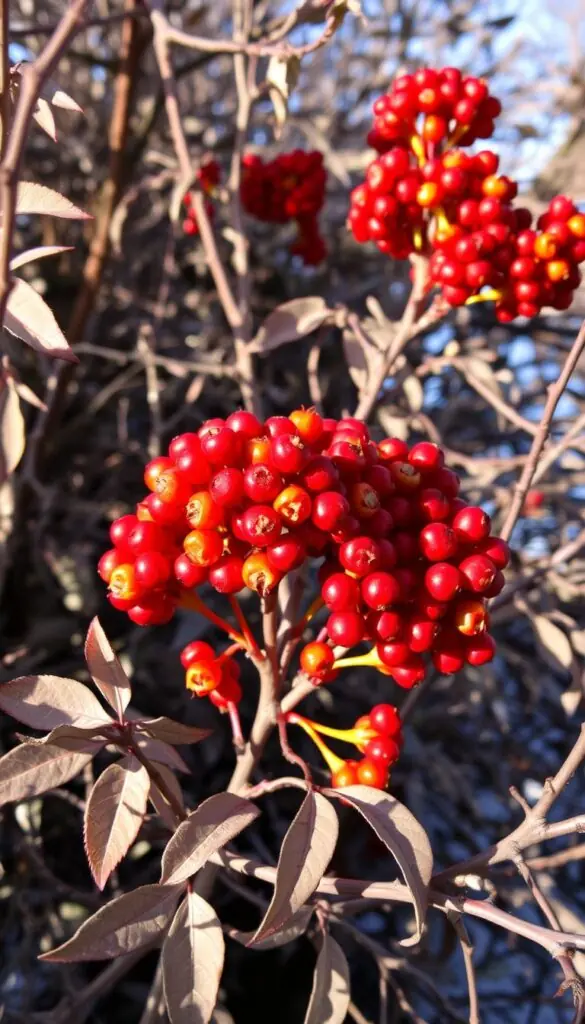
Winterberry 'Berry Poppins' (Zones 3–9) puts out heavy red berries on bare branches. Plant it where you’ll watch the kitchen window for bird visits.
Juniper 'Gin Fizz' (Zones 4–8) forms a neat pyramidal screen. Its blue-green berries are deer resistant and stand out against a muted landscape.
How to use and care
- Place Berry Box pyracomeles by the front walk so orange-to-red clusters greet you from late fall into the cold months.
- Use Arctic Fire Red dogwood for cut stems; fresh shoots show the best color. Keep sharp pruners and a bucket handy for stems.
- Mix one tree-scale accent, like a multi-stem dogwood, into a shrub bed to lift the eye and balance composition.
| Species | Zones | Key trait | Best siting |
|---|---|---|---|
| Berry Poppins (Ilex verticillata) | 3–9 | Bright red berries on leafless stems | Near kitchen window, bird feeder |
| Gin Fizz Juniper (Juniperus) | 4–8 | Blue-green berries, deer resistant | Screen or low hedge |
| Berry Box (Pyracomeles) | 7–9 | Orange to red clusters in late fall | Front walk or entry |
| Arctic Fire Red Dogwood (Cornus) | 2–7 | Vivid red stems for cutting | Mixed bed, porch pots |
"Place berry-bearing shrubs where you can enjoy sight and song—windows and feeders make daily moments."
Simple pruning tip: prune dogwood older stems low every few years in late winter after the worst cold has passed. Use sharp hand pruners and a bucket for stems. Pair red berries with golden grasses and white pansies for calm, balanced color.
Winter bloomers that perfume the air on mild days
Bring scent close to where you stand most: a step, a path, or the kitchen window. A few fragrant choices add subtle joy on calm afternoons and give life to gray views.
Hellebores (Helleborus niger and hybrids)
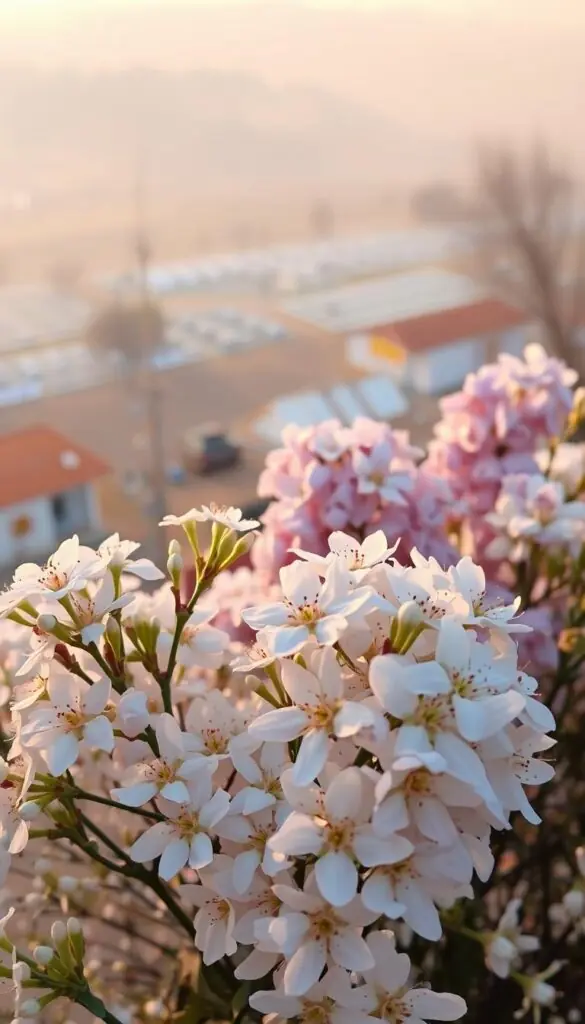
Where: tuck in dappled shade by a path so nodding flowers are easy to see.
Care: hardy in many climates; mulch roots with a 2-inch blanket in fall and water in dry spells.
Camellias (Zones 7–9)
Where: give morning sun and afternoon shade so glossy foliage and layered blooms look lush.
Witch hazel, daphne, and Japanese quince
Witch hazel shows spidery golden flowers from late fall into the cold months; prune right after flowering to keep shape.
Daphne odora is best by the front step; plant high in gritty soil for excellent drainage and sweet late winter perfume.
Japanese quince blooms in late winter early spring; train it on a trellis and clip lightly after bloom.
| Species | Zones | Best spot | Prune & mulch |
|---|---|---|---|
| Hellebores | 3–9 | Dappled shade near paths | 2" mulch; minimal pruning |
| Camellias | 7–9 | Morning sun, afternoon shade | Mulch roots; prune after bloom if needed |
| Daphne odora | 7–9 | Front step, well-drained soil | Gravelly mix; avoid root disturbance |
| Witch hazel / Quince | 3–9 | Backdrop or trellis | Prune after flowering; mulch for winter months |
"Place fragrant shrubs near daily routes so scent becomes a small, repeatable pleasure."
Use a hand fork, a small watering can, and good mulch. These perennials and shrubs carry color and scent into spring while keeping care simple and kind.
Seedheads, grasses, and dried flowers that sparkle with frost
Tall grasses and dried flower heads catch light and turn cold air into a small celebration. Let a few seedheads stand and the yard will glow on clear mornings.
Switch grass (Panicum ‘Totem Pole’)
Why it works: ‘Totem Pole’ makes upright plumes that hold their shape through wind and snow. It adds vertical texture to the landscape and reads well from the window.
Panicle hydrangea (Hydrangea paniculata ‘Fire Light’)
Why leave the heads: Fire Light’s dried flowers look charming dusted with snow. They form natural bouquets that last through the cold months and into late winter.
Quick neighbor tip: how and when to cut back
Cut timing: Leave a handful of sturdy stems until late winter, then prune before new growth begins.
- Use clean bypass pruners for single stems and loppers for thicker wood.
- Group dried forms where low sun hits so plumes glow in the afternoon.
- Mix plumes with evergreen mounds for soft edges and year-round structure.
- Keep a small bucket nearby to gather broken bits after storms.
- If a tree casts heavy shade, plant grasses at its sunny edge so stems ripen and stand tall.
"Leave select stems standing; frost turns them into a simple, everyday delight."
Bulbs and corms for late winter color peeking through snow
Planting bulbs in fall gives you tiny promises of color when the ground thaws. A few choices tucked near windows or at shrub edges will cheer the shortest days and carry you into spring.
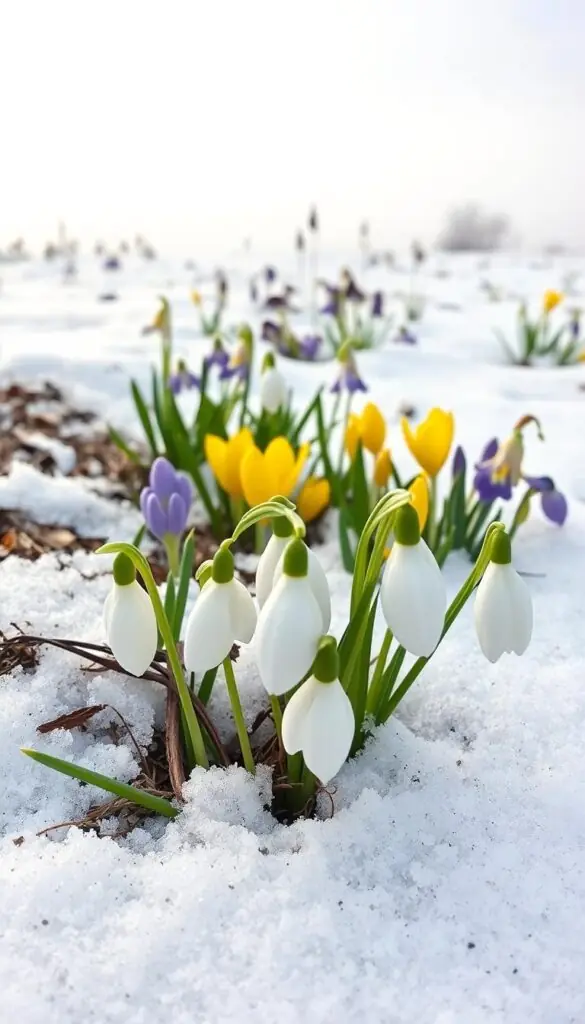
Snowdrops (Galanthus nivalis)
Snowdrops bloom in Feb–Mar in Zones 3–7 and like partial shade. Plant with a hand trowel in fall, 3 inches deep and 2–3 inches apart. They read best in small drifts near paths.
Crocus spp.
Crocus give purple, yellow, and white cups. Set corms where you’ll notice them from a window. Protect from squirrels with red pepper, coffee grounds, or a light layer of chicken wire until shoots emerge.
Winter aconite, Chionodoxa, and narcissus
Winter aconite (Eranthis hyemalis) makes golden discs in Zones 3–7. It prefers alkaline, well-drained soil and looks lovely at shrub edges.
Chionodoxa blooms Feb–Mar (Zones 3–8); plant 2–3 inches apart so they read as patches.
Narcissus (Zones 3–8) need cold to set buds. Plant them deeper where winters bite—about 6 inches—so sturdy stems push through snow and greet early spring.
- Plant bulbs in fall with a trowel and water once to settle the soil.
- Mix white, purple, and yellow flowers for contrast during the winter months.
- Add a thin spring compost layer to feed clumps each year.
"A small drift of bulbs is a quiet, reliable way to brighten gray days."
🌿 Related Reading
Climbing and trailing choices for walls, fences, and trellises
Place climbers where low sun will backlight blooms and foliage, turning plain walls into seasonal features. A trellis along a sunny fence is an easy way to add height and color without much ground space.
Where to put supports: run a sturdy trellis on a south or west-facing fence for the best light. Mount frames a few inches from the wall so air flows behind vines. That gap helps stems dry and reduces rot.
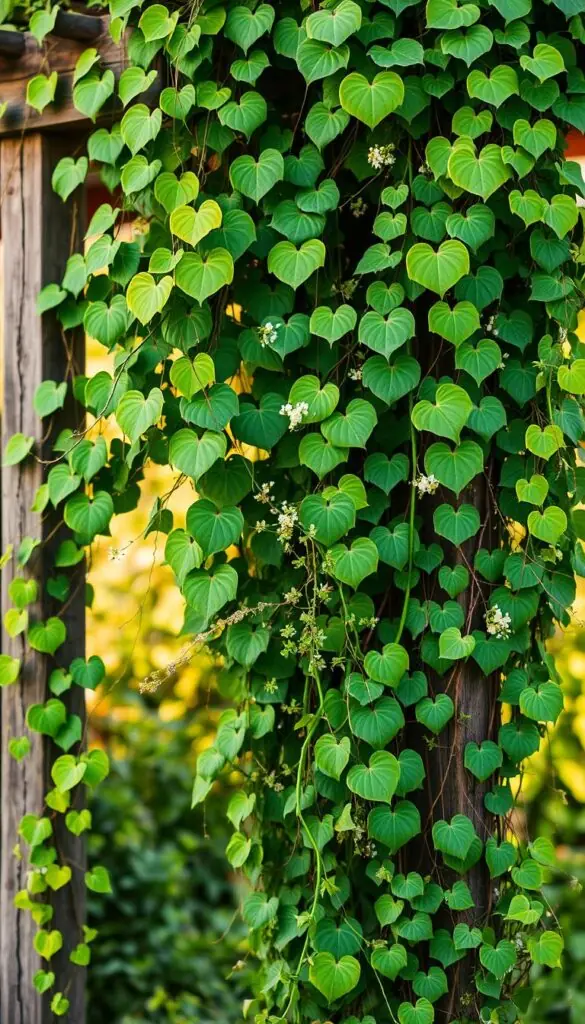
Winter jasmine (Jasminum nudiflorum)
Winter jasmine blooms in early January with bright yellow stars. It can reach 10–15 feet in Zones 6–10 and spreads fast.
Prune right after bloom to control length. Plant at the base of a sunny trellis and train new shoots up with soft ties so they don’t rub in wind.
Clematis cirrhosa
Clematis cirrhosa opens creamy, freckled bells in December in Zones 7–9. Give it fertile, well-drained soil and morning sun.
Cut back in spring after flowering. Tie young stems gently to the support to encourage an orderly habit and avoid damage.
Seven son flower (Heptacodium)
Add a seven son flower nearby as a small tree with peeling bark and an elegant winter frame. It offers structure once leaves drop and pairs nicely with climbing vines.
- Run a sturdy trellis along a sunny fence and plant winter jasmine for January color.
- Give Clematis cirrhosa good soil and morning sun for midwinter blooms.
- Tie new shoots with soft garden ties; prune both vines right after bloom to keep them manageable.
- Place climbers where low sun will backlight flowers and foliage for best effect.
| Species | Zones | Key trait | Best siting |
|---|---|---|---|
| Winter jasmine | 6–10 | Early January yellow stars; vigorous vine | Sunny fence, south/west exposure |
| Clematis cirrhosa | 7–9 | Creamy, freckled flowers in December | Morning sun, fertile well-drained soil |
| Seven son flower | 5–9 | Peeling bark; sculptural small tree | Near trellis or as focal accent |
"Train carefully and prune after bloom—small steps now keep a neat, long-lived climb."
Groundcovers and low growers that quilt the winter ground
Low growers knit a cozy carpet that softens paths and frames viewlines. Use them to add evergreen texture, small blooms, and winter color at eye level.
Microbiota ‘Celtic Pride’ is a hardy evergreen that turns russet-purple in cold months and resists deer. Stitch it along bed edges for a soft, low hedge that meets in two to three years.
Erica carnea makes low mats of pink and purple blooms. It prefers acidic to neutral, well-drained soil and bright spots with some shade at midday.
Bergenia ‘Miss Piggy’ has shiny, broad foliage and late-season pink blossoms. Plant it near paths so you can touch the glossy leaves and enjoy those early spring flowers.
Heuchera (Dolce, Primo series) brings silver, purple, and near-black leaves. Mix varieties for layered contrast in front of low shrubs or perennials.
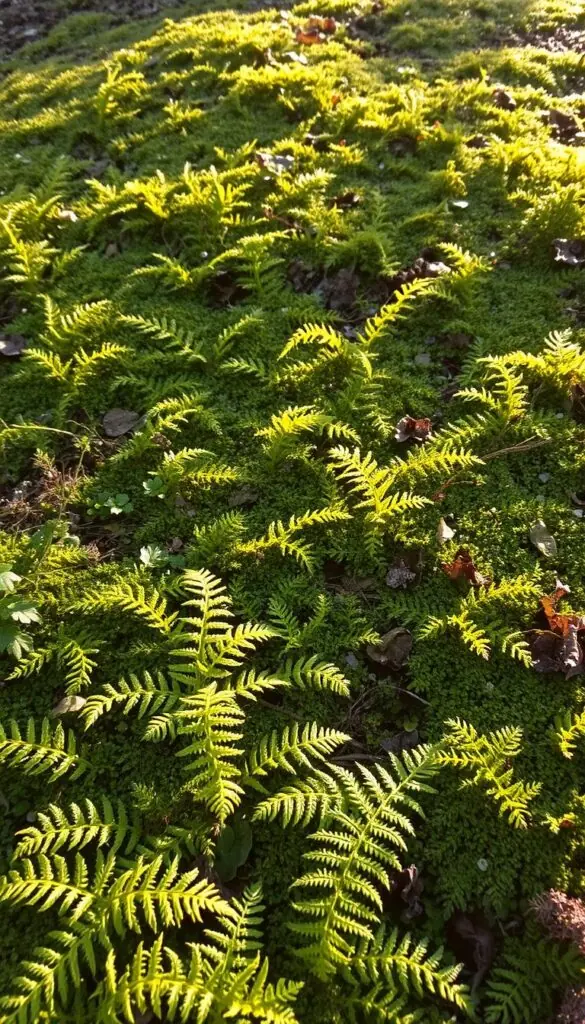
- Space groundcovers so they meet in 2–3 years; typical spacing: 12–18 inches for Microbiota, 8–12 inches for Erica, 18–24 inches for Bergenia and Heuchera.
- Mulch lightly the first season, use a hand fork to loosen soil when planting, and water during dry spells.
- Edge beds with a shallow trench or metal edging to keep a neat seam between lawn and the quilted ground layer.
- Place a small lily valley (Pieris japonica backdrop) to lift the composition and echo seasonal blooms.
| Species | Zones | Key trait | Best siting |
|---|---|---|---|
| Microbiota ‘Celtic Pride’ | 2–7 | Evergreen; russet-purple tone; deer resistant | Bed edges, rock gardens, full sun to part shade |
| Erica carnea | 5–7 | Low mats with pink/purple blooms | Acidic to neutral soil; part shade |
| Bergenia ‘Miss Piggy’ | 4–8 | Shiny foliage; late-winter pink blossoms | Near paths, part sun to shade |
| Heuchera (Dolce/Primo) | 4–9 | Bold foliage colors; good in sun or shade | Front of borders, under light shrubs |
"A stitched groundcover layer keeps beds tidy and gives the eye a calm, textured surface all season."
Container-friendly winter displays for porch and entry
Containers let you carry color to the doorway, so every return home feels bright and cared for.
Start with a 16–20 inch pot filled with a quality potting mix and good drainage holes. Plant one small evergreen shrub such as North Star boxwood, a textured Gin Fizz juniper, and a Heuchera for year-round foliage contrast.
For cheerful blooms, tuck pansies, alyssum (‘Snow Princess’), or primroses around the base. Deadhead pansies weekly to keep flowers fresh and productive.
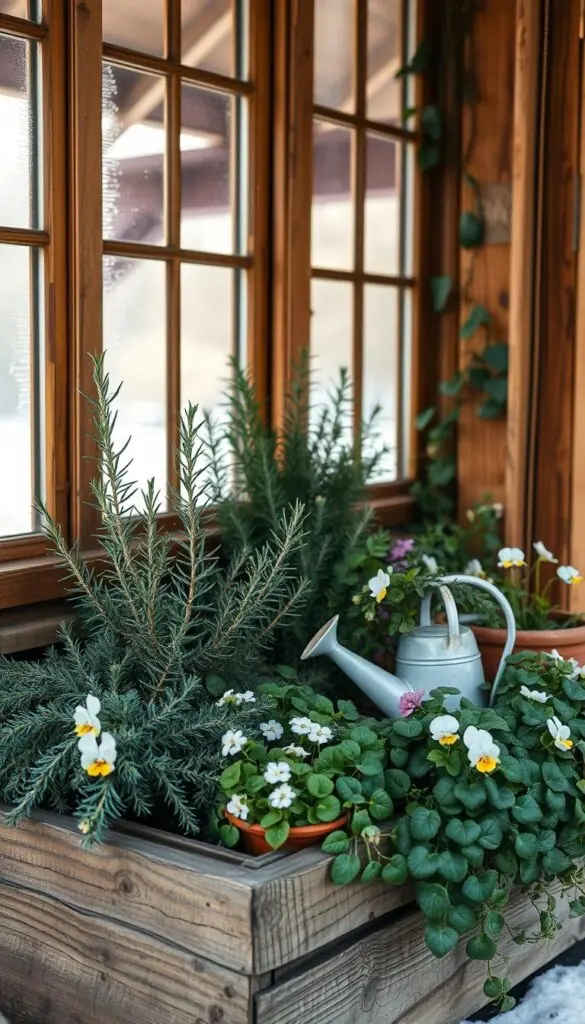
Add a shallow layer of mulch to slow moisture loss in dry weather. Water lightly when the top inch of soil feels dry; avoid waterlogging by checking drainage.
House-to-porch shuttle and accents
Coprosma (Waxwing series) makes a glossy focal accent. In colder climates, shuttle it between bright indoor light and a sheltered porch on mild days to extend its season.
- Face containers toward morning sun and protect from harsh wind.
- Rotate pots every couple of weeks for even growth.
- Swap in red twig branches and a few pine cones for a quick seasonal refresh without replanting.
- Choose cool-tolerant varieties labeled for winter performance so your display stays lively through fall and beyond.
| Pot | Soil | Watering |
|---|---|---|
| 16–20 inch | Quality potting mix | Lightly when top 1" is dry |
| Drainage | Holes required | Mulch top to retain moisture |
| Accent | Branch, cones | Rotate toward sun |
"A small porch pot greets you with color and structure—simple care, big reward."
Small-space hedging and privacy that looks good in snow
A narrow hedge can turn a tight side yard into a quiet, green corridor you enjoy year-round. With a few upright evergreens and low mounds, you get a clean edge that reads well from windows and paths.
Arborvitae ‘North Pole’ is the go-to for slim screening in narrow strips. It stays upright, resists winter burn, and keeps a dark green color through the cold months. For tight side yards, space each tree about 3 feet from the fence so the row forms a neat, vertical wall without crowding.
Strongbox inkberry is a fast-growing, naturally rounded alternative to boxwood. Use it to edge paths and define low borders. It needs less clipping and holds a tidy form that helps the whole landscape look cared for.
- Measure spacing with a tape and two stakes: place stakes where the centers of shrubs will sit, then check distance before planting.
- Mulch a 2-foot strip along the bed to protect roots, simplify mowing, and insulate soil.
- Water deeply the first season before the ground freezes so roots establish; evergreens store moisture in needles during the cold.
- Mix one tree-scale element, like a multi-stem dogwood at a corner, to anchor the view and lift the composition.
"A simple row of narrow evergreens and a low, mounded border creates privacy while keeping the yard calm and neat."
Shade-nook highlights for quiet winter corners
Turn a shaded corner into a small stage for subtle color and scent that you can enjoy from the kitchen table. These quiet pockets feel restful and invite close, daily moments of pleasure.
Hellebores under deciduous trees:
Hellebores under deciduous trees: nodding blooms you’ll spot from the window
Slip Helleborus niger and hybrids beneath leafless trees so their nodding blooms glow against bare branches.
They handle partial to full shade and bloom in mid‑winter. Plant in small staggered pockets so clumps read from inside.
Pieris japonica (lily of the valley shrub): ruby-red buds and late-winter flowers
Pieris brings ruby buds and dangling bells from late winter into early spring. Place it where cold winds are blocked by a wall or larger tree.
Mulch well and protect roots so buds open undisturbed. Note: parts of Pieris are toxic to pets and people, so keep curious animals away.
- Slip hellebores under leafless trees so their nodding blooms glow on gray days and you can admire them from the kitchen table.
- Add Pieris (lily valley) where it’s shielded from wind so ruby buds and late winter bells open undisturbed.
- Mulch 2 inches to steady soil moisture and protect shallow roots when leaves are off and winds are drier.
- Water on thaw days if the weather has been dry; a slow trickle from a watering can is enough.
- Keep pets away from Pieris leaves and flowers; enjoy the showy clusters from a safe, nearby seat.
| Feature | Why it works | Care tip |
|---|---|---|
| Hellebores (H. niger) | Early nodding flowers, shade tolerant | Plant in pockets; 2" mulch; minimal disturbance |
| Pieris japonica | Ruby buds, late-winter bells | Shield from wind; 2" mulch; keep pets away |
| Placement | Under deciduous trees, near windows | Group in small clumps for best indoor views |
"Plant quietly in shade corners—small clusters of hellebores and a sheltered Pieris make a steady, gentle show."
Pollinator- and bird-friendly winter choices
Make your garden a pit stop for birds and late pollinators by mixing berry-bearing shrubs with early bloomers.
Berries for birds: cluster Berry Poppins winterberry where you can watch from a window. Its cardinal-red fruit is a reliable snack. Add Gin Fizz juniper for blue‑green berries and deer resistance. Pyracomeles (Berry Box) brings orange‑to‑red clusters that show up well against evergreen backdrops.
Nectar in lean times: choose witch hazel for late fall to winter flowers, winter jasmine for early-season yellow stars, and hellebores for long-lasting sepals that pollinators use on mild days. These provide vital blooms when other sources are scarce.
- Place shrubs near windows and feeders so you can enjoy visits from inside.
- Keep a shallow dish of unfrozen water close by and refresh it on thaw days.
- Skip pesticides and leave some seedheads standing to feed insects and birds.
- Add a small brush pile out of sight for shelter; it brings more visitors and natural balance.
- Make sure berry shrubs include a male where required (e.g., some hollies) so fruit sets reliably.
"Cluster food, water, and shelter close to daily views—small steps invite big wildlife moments."
Quick seasonal care: simple steps to keep plants happy
A handful of steady chores will protect your best shrubs through gray days. Keep a pair of clean pruners, a rake, 2" of mulch, and a hose nearby for small, regular checks.
- Late fall: make sure roots have a 2-inch mulch blanket, especially new stock and those in windy climates.
- After storms: brush heavy snow up and off branches; let ice melt on its own to avoid breakage.
- On thaw days, press your finger into the soil to check moisture; water evergreens and new plantings if the top inch is dry.
- Deadhead pansies and tidy containers monthly so they keep blooming for weeks and months.
- Cut back ornamental grasses and spent stems in late winter early, before new shoots appear; sharpen pruners for clean cuts.
- In early spring, top-dress beds with compost and reset any heaved roots so crowns sit level with surrounding soil.
- For fussy shrubs like daphne, keep drainage perfect and avoid overwatering in cold weather.
"A few calm checks each month save time and keep beds healthy through the cold and into spring."
Common mistakes to avoid in winter gardening
A quick check now can save you a season of heartache and wasted work. Small missteps are easy to fix when you spot them early. Below are the common traps and gentle fixes.
Planting without checking your USDA zone
Warning: buying by looks alone can lead to early losses.
Fix: take 30 seconds to confirm your USDA zone online before you buy. A correct match saves time, money, and effort in the long run.
Over‑pruning colorful stems and removing all seedheads
Warning: cutting all red twig dogwood stems or stripping seedheads removes winter interest and wildlife food.
Fix: remove only the oldest canes at the base in fall or late winter to encourage new, vivid stems. Leave some seedheads for birds and frost sparkle; tidy only high‑traffic areas.
Poor drainage for daphne and other sensitive roots
Warning: heavy, soggy soil quickly harms daphne odora and similar shallow‑rooted shrubs.
Fix: plant these in raised beds or mix grit and compost into soil to improve drain. If you suspect sogginess, use a moisture meter when planting and choose a slightly higher bed.
- Label new additions after placing them so you remember bloom windows and pruning timing.
- Keep a pair of sharp hand pruners and, optionally, a moisture meter for spot checks.
| Mistake | Why it matters | Quick fix |
|---|---|---|
| Wrong USDA zone | Plant won’t survive first deep cold snap | Check zone online; choose suitable varieties |
| Over-pruning stems | Loss of color and structure | Cut oldest canes only; stagger pruning |
| Removing all seedheads | No food for birds; less garden interest | Leave some seedheads; clear paths only |
| Poor drainage (daphne) | Root rot and decline | Use raised beds or gritty mix; test with moisture meter |
"A little care in fall keeps the view bright and the garden resilient."
When to plant, what to buy, and how to stage for late winter and early spring
Buy bold structure in fall, tuck in bulbs next, and you’ll have layered color from late winter into spring.
What to buy: shop in fall for shrubs with strong form and buy bulbs in bulk so you can plant generous clusters. Choose varieties that stagger their color—some camellias for midseason, hellebores for deep cold months, and witch hazel for the shoulder weeks.
Stage porch pots first for instant cheer. Then layer beds: set shrubs now and underplant with bulbs like narcissus (they need chilling). This gives a steady run of blooms from late winter into early spring.
Plant in late fall while soil is still workable; finish before regular freezes. In late winter early, cut back grasses and refresh mulch so new shoots and early blossoms read cleanly. In early spring, fill gaps by adding a few more items in groups of 3 or 5 for a natural look.
| Task | When | Tip |
|---|---|---|
| Buy shrubs & bulbs | fall / late fall | Bulk bulbs, sturdy shrubs |
| Plant bulbs | late fall | Plant clusters near windows |
| Prune vines | after bloom | Winter jasmine & Clematis cirrhosa |
| Refresh | late winter / early spring | Cut grasses; fresh mulch |
"Stage porch pots first for instant cheer, then let bulbs and shrubs finish the story as spring arrives."
Conclusion
Small, steady choices in the yard give you color week by week, not just a fleeting show.
With one evergreen, one berry shrub, and a handful of bulbs you create lasting structure and surprise blooms. Start small and place features where you pause most—by the door, a window, or the path.
Your garden will move from quiet to bright as the season shifts into spring. Take it slow: plant in groups, water on thaw days, and enjoy each change.
Keep a mug in hand, step outside on mild afternoons, and savor those simple scents and textures. You’ve got this—our neighborly guidance is here for your gardening all year long.
🌿 Related Reading
FAQ
How do I add color and texture to a gray garden when most blooms are gone?
Look beyond blossoms. Use bark, berries, evergreen foliage, and bright stems to layer color and texture. Select shrubs with colorful winter stems like red twig dogwood and berrying hollies, plant grasses and seedheads that catch frost, and tuck bulbs such as crocus and snowdrops near walkways for early-season pops. Think of scent too—daphne and witch hazel give a fragrant lift on mild days.
What should I check before buying new specimens for cold months?
Match plants to your USDA zone, sun exposure, and soil type. Inspect root health and choose cultivars rated for your climate (zones 2–9 vary widely). Consider drainage—many shrubs like daphne dislike soggy soil—and assess wind and salt exposure if you live near roads. A quick site check saves replacements later.
Which evergreen shrubs hold up best through the coldest months?
Choose reliable varieties known for winter performance: clipped boxwood for structure, inkberry holly for native resilience, blue holly for glossy leaves and berries, narrow arborvitae for screens, yew for shady pillars, and false cypress for golden accents. Plant them with mulch and wind protection to reduce winter burn.
What berry-bearing shrubs attract birds and still look good in snow?
Winterberry, juniper, and pyracomeles (also called firethorn or similar berrying shrubs) are excellent. They keep fruit through frost, giving birds a food source and your landscape bright spots of color. Place them where you can enjoy the berries from windows or feeders.
Can I get blooms and perfume during late cold snaps?
Yes—hellbores, camellias (in warmer zones), witch hazel, daphne, and Japanese quince flower in late fall through early spring. Plant them in sheltered spots with appropriate light: hellebores and daphne prefer part shade, while witch hazel tolerates sun to part shade.
How can I use ornamental grasses and dried flower heads in cold weather design?
Leave select seedheads and grass plumes standing. Varieties such as switch grass and panicle hydrangea hold structure and gather hoarfrost beautifully. They add movement and silhouette, and you can cut stems for indoor arrangements when you want fresh decor.
Which bulbs are safest for late winter color in frosty soils?
Snowdrops, crocus, winter aconite, glory-of-the-snow, and hardy narcissus naturalize well and often push through snow. Plant bulbs in fall in well-draining soil, protect from rodents if needed, and group them for impact near paths or under shrubs.
What climbing or trailing choices brighten walls and fences when everything else is bare?
Winter jasmine and clematis cirrhosa offer early-season flowers on trellises. Seven son flower provides interesting bark and form for winter structure. Train these on south- or west-facing walls for best bloom and microclimate benefits.
How do I create container displays that stay attractive through cold months?
Combine evergreen elements like dwarf boxwood and juniper with color from pansies, primroses, or heuchera. Use heavier pots, add drainage, and group containers near entries for warmth. Move tender specimens to a sheltered porch when temps plunge.
What groundcovers work best to quilt bare soil and add winter interest?
Consider low growers such as Microbiota ‘Celtic Pride’, Erica carnea, bergenia, and heuchera. They provide color, winter foliage contrast, and help suppress weeds. Plant them in appropriate light—some prefer sun, others thrive in shade nooks.
How can I support pollinators and birds during lean months?
Plant berry-producing shrubs and winter-flowering nectar sources. Winterberry, juniper, pyracomeles, winter jasmine, hellebores, and witch hazel all provide food or nectar. Add a heated water source if possible and avoid heavy pruning that removes seedheads.
What common mistakes should I avoid when planning for cold-season landscaping?
Don’t plant without checking your USDA zone, over-prune colorful stems, or remove all seedheads and grasses that provide structure and food. Also avoid poor drainage for moisture-sensitive species and placing tender shrubs in exposed, windy sites.
When is the best time to plant for late-season and early-spring results?
Plant hardy shrubs and trees in early fall or early spring when soil is workable. Bulbs go in during fall. For milder areas, some deciduous shrubs can be planted in late winter to get a head start before new growth. Always water in well at planting and mulch to regulate soil temperature.