Morning light filters through the maples and the soil is cool under your fingertips. Have you ever wished a shaded corner could still feed your family and look lovely by the kitchen window?
You don’t need full sun to grow tasty greens. In a small, shaded garden you can expect crisp lettuce, peppery arugula, and even kale with a sweeter, cool-season flavor when you plant for partial shade.
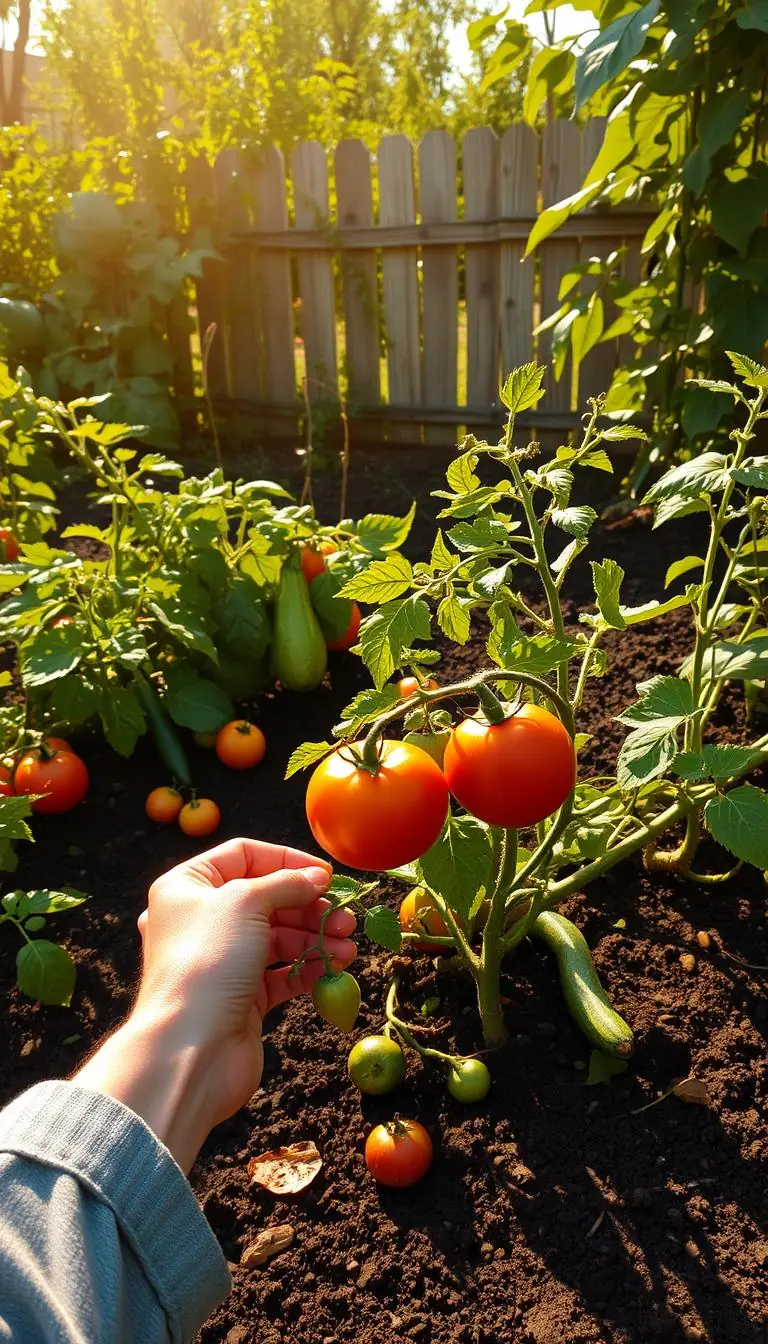
Leafy crops usually do well with fewer hours of sun. Roots and fruiting crops often need more sunlight, but gardeners have managed tomatoes with about five hours and cucumbers trained on a west trellis performed respectably.
Over the next paragraphs we’ll give gentle, practical tips you can use this week — from sowing lettuce 1/4 inch deep to choosing a hand trowel, mulch, and a small trellis to make your shaded spots productive and beautiful.
Key Takeaways
- Partial shade can extend harvest time for leafy greens.
- Sow lettuce about 1/4 inch deep for best germination.
- Use simple tools: hand trowel, mulch, lightweight trellis.
- Adjust expectations for fruiting crops that usually need more sun.
- Harvest in the cool morning for peak texture and flavor.
Start Here: What Partial Shade Really Means for Your Vegetable Garden
Knowing how much sun your patch gets makes all the difference in what you plant there.
Think of partial shade as a spot that gets bright light but not full sun all day. If you see about 3 to 5 hours of direct sunlight plus bright, open shade the rest of the day, many leafy crops will do well.
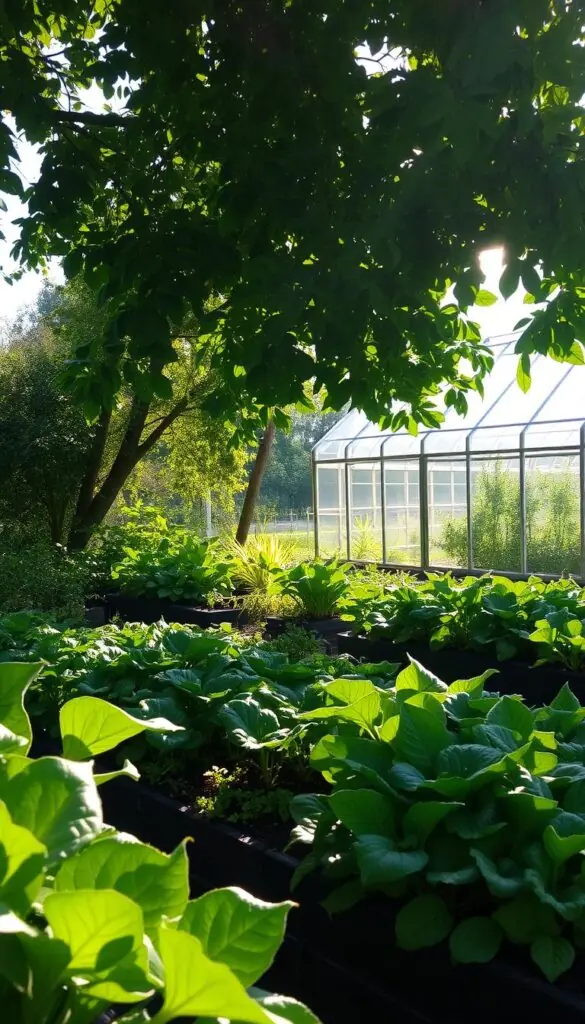
Full sun is roughly 6 to 8 hours of direct sunlight. Fruiting crops usually need that much. Roots like carrots can manage with around 6 hours if the soil is loose and consistently moist.
"A little less midday heat often means sweeter, slower-bolting greens and a longer harvest."
Quick tools: try a phone light meter app or a small notebook. Jot hours of sun on a Saturday and again midseason. That simple tracking shows how light shifts and helps you plan planting.
- Partial shade helps kale and spinach keep tender leaves.
- Use bright shaded beds for greens and save the sunniest plots for sun-loving crops.
- Observe morning versus afternoon light for best plant placement.
| Light Condition | Direct Sun Hours | Best Uses |
|---|---|---|
| Full sun | 6–8 | Tomatoes, peppers, cucumbers |
| Partial shade | 3–5 | Spinach, kale, lettuce |
| Light shade | 2–3 | Salad greens, herbs, small roots like carrots |
Light Levels, Hours of Sun, and the Shade in Your Yard
Your yard's light is a patchwork; learning that pattern helps plants thrive. Start by watching a single bed on a clear day. Note when it gets sun and when it stays bright but shaded.
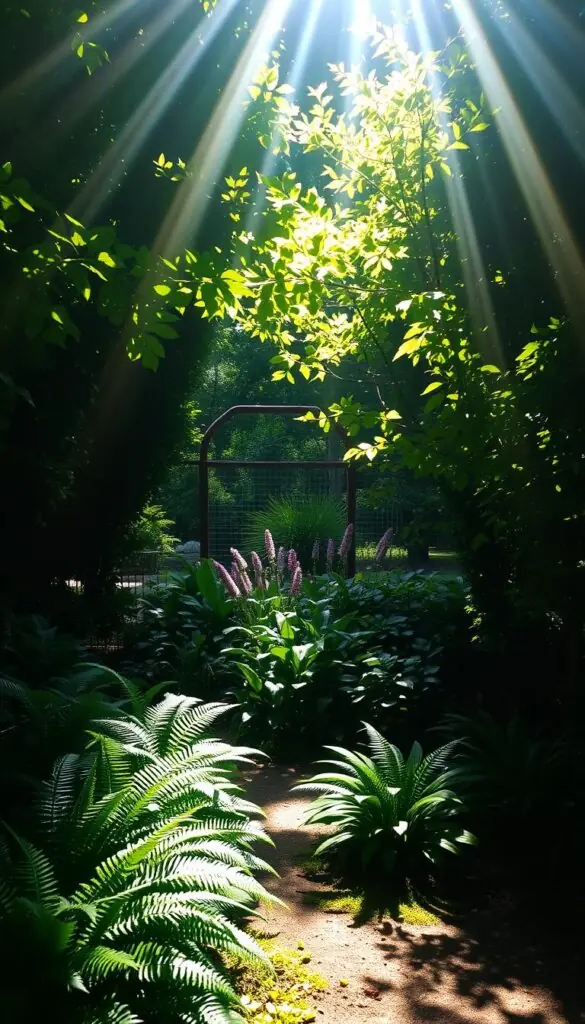
Dappled, Morning, and Afternoon Shade: How Each Affects Growth
Dappled shade gives quick flecks of sun through leaves. That dancing light keeps leaves cool and is ideal for tender greens.
Morning shade with afternoon sun cools beds early and supplies stronger light later—good for vines if you trellis them toward the brighter band.
Heavy afternoon shade under a dense canopy will limit growth; those areas need plants that do well with less direct sunlight.
Counting Hours of Direct Sunlight vs. Bright Indirect Light
Check your spot every two hours on a clear day. Mark when direct sunlight hits soil and when the area is only bright.
"A quick sketch with hours marked helps you place crops wisely the next time you sow."
Finding Microclimates by Fences, Garages, and Trees
Look for warm corners: a pale fence can bounce light, a garage wall may cast afternoon sun, and stones hold heat into evening.
Practical tools: use stakes and twine to sketch a sun map and a small trellis to lift vines into extra light.
- Train runner beans or cucumbers up a trellis to reach sun higher in the yard.
- Re-check as tree canopies fill; your hours can change through the season.
Leafy Greens That Love Low Light and Stay Tender Longer
A cool corner of the garden can yield lush, tender greens all season long. In partial sun, these plants slow growth just enough to keep leaves sweet and crisp.
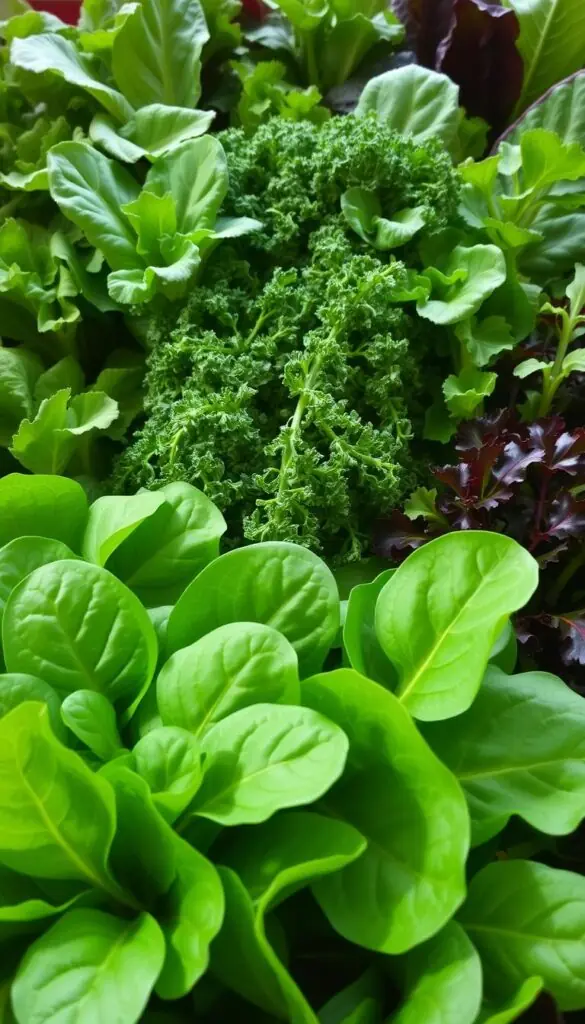
Lettuce for crisp morning harvests. Tuck lettuce seeds 1/4 inch deep and about 1 inch apart in your coolest bed. Harvest in the early morning when leaves are dew-kissed and snap with a clean, buttery bite. Use sharp shears and a salad spinner to wash and dry quickly.
Spinach that resists bolting. Sow seeds 1/2 inch deep and 2 inches apart. Mulch lightly to keep soil cool and roots happy. In shaded light, spinach stays velvety and mild; expect harvests at about 28–55 days.
Peppery arugula for steady cut-and-come-again. Sow arugula 1/4 inch deep in succession every 2–3 weeks. Snip leaves at 2–3 inches for a bright, peppery flavor that perfumes the kitchen the moment you rinse it.
Kale with sweeter spring and fall leaves. Sow 1/4 inch deep and space 3 inches apart. Mulch to hold moisture and pick outer leaves gently, leaving the center intact. Shade slows bolting so leaves develop richer, sweeter notes.
"Shade often means tender, slow-growing leaves and a longer, more forgiving harvest."
- Keep soil evenly moist with a gentle watering wand to avoid splash and grit.
- Choose varieties like butterhead or romaine lettuce, 'Bloomsdale' spinach, and 'Lacinato' or 'Red Russian' kale for reliable texture and flavor.
- Rinse harvests promptly and spin dry; sharp shears make clean cuts and help plants recover fast.
Roots That Can Grow in Partial Shade Without Getting Woody
Root crops can thrive in gentle light if you set them up with the right soil and steady moisture. Prepare the ground with a rake to smooth the surface. Use a hand fork to pull stones and loosen compacted spots.
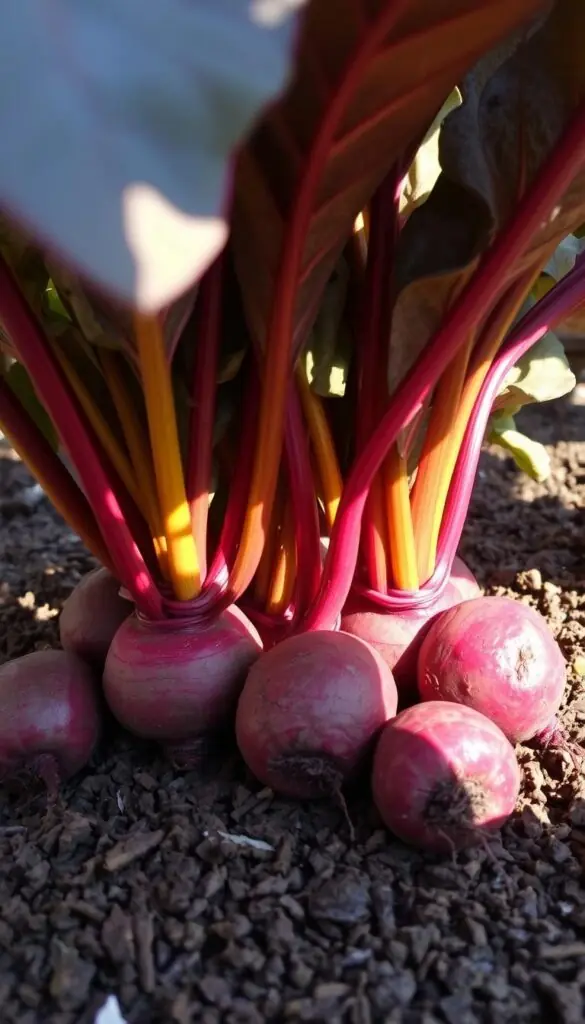
Beets for Greens and Modest Roots
Sow beets 1/2 inch deep and 2 inches apart. Mulch lightly with straw to steady moisture and suppress weeds.
In partial shade the leaves stay lush and the roots form modestly. Harvest at 7–9 weeks when crowns lift 1–2 inches and the earthy scent of beet greens rises from the soil.
Radishes That Stay Crisp
Plant radish seeds 1/2 inch deep and 2 inches apart. Filtered sun keeps heat down so roots stay crisp and not pithy.
Pull when bulbs reach 1–2 inches. You’ll hear a clean snap and taste a juicy crunch that proves the light and timing worked for growth.
Carrots in Loose, Rock-Free Soil
Prep soil until it is loose and rock-free; sift clumps with a hand fork. Sow seeds thinly and keep soil consistently moist.
Use a 12-inch-deep container if ground is shallow. Carrots mature in 60–80 days; cover shoulders at harvest to avoid greening.
"Avoid heavy nitrogen feeding—too much leaf growth reduces root development."
- Step-by-step: rake, remove stones with a hand fork, sow seeds at the right depth, mulch with straw, water gently.
- Partial shade protects roots from heat stress and prevents radishes from turning woody.
- Harvest on time for best texture and flavor; you’ll feel the satisfying tug as a bright root slides free.
Peas, Vines, and Vertical Tricks to Reach the Sun
Even small, shaded spots can host climbing crops if you give them height and a touch of afternoon sun.
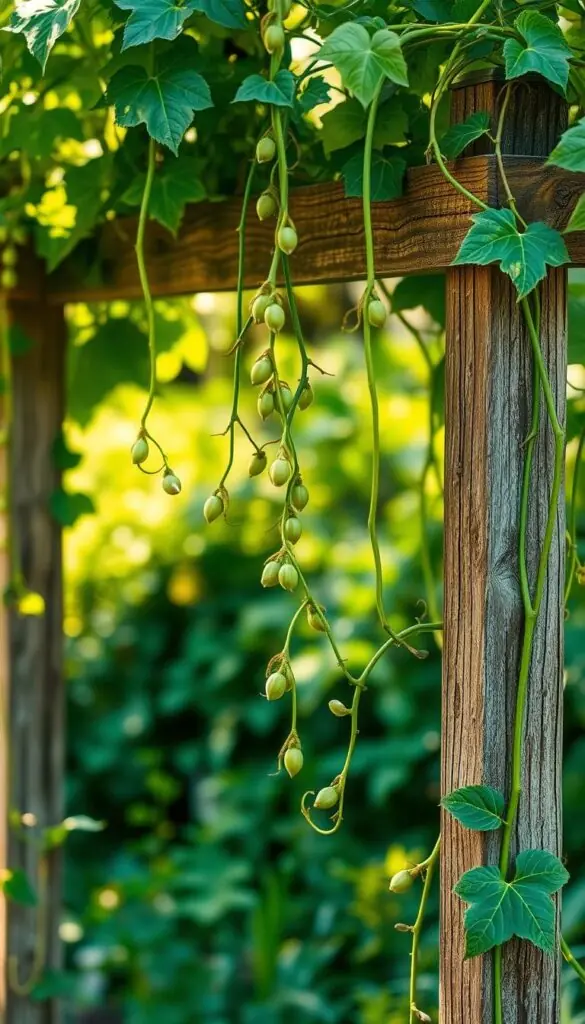
Snap and snow peas thrive in cool weather. Sow seeds 1 inch deep and 2 inches apart. Add a simple trellis so vines climb toward brighter sunlight above the bed. Expect pods in about 60–70 days.
Practical trellis tips
Use bamboo poles, a welded-wire panel, or a fence as the backbone. Tie soft twine loosely so tendrils can grab. You’ll hear the faint click of hooks and feel the cool pea pods as you harvest.
Cucumbers up a fence into afternoon sun
Train cucumbers up a west-side fence or strings leading to the sunlit wall of a garage. Vertical growth lifts leaves into warmer rays and improves airflow. Mulch the base and water evenly to steady growth and reduce disease.
| Crop | Sow Depth & Spacing | Support | Harvest Cue |
|---|---|---|---|
| Peas | 1" deep, 2" apart | Trellis, bamboo, twine | Glossy, plump pods (60–70 days) |
| Cucumbers | 1/2"–1" deep, 6–12" apart | Fence panel, netting | Firm, evenly colored fruit |
| Benefit | Cool-season success | Vertical height = more sun | Frequent picking encourages more crops |
- Give vines a head start in cool weather and lift them up for extra sun.
- Keep stems tied loosely and mulch under vines to hold moisture.
- Vertical setups open airflow in shady garden spots and lower disease risk.
Herbs That Thrive in the Shadows
Even a dim corner can host a fragrant handful of kitchen herbs that brighten salads and soups. With a few steady choices, you can fill a shady spot with useful, fragrant plants that keep giving through spring and fall.
Parsley: A reliable, leafy workhorse
Parsley tolerates a wide range of conditions and stays ornamental into fall until the hard freeze. Its fresh, green scent lifts when you crush a leaf between your fingers.
Use kitchen scissors to snip stems just above a leaf node. This keeps the plant compact and encourages steady regrowth.
Plant in rich soil or a mixed pot and give steady nutrients in partial shade for the best flavor.
Mint in deep shade and why containers help
Mint will grow shade and even full shade happily, but it spreads fast. Contain it in a 10–12 inch pot to keep roots from wandering.
Fill containers with high-quality potting soil and a scoop of compost. Keep soil evenly moist and nestle the pot in a shady spot where the cool menthol scent greets you on warm days.
- Choose parsley as your shade workhorse; curly leaves add texture to a dim garden corner.
- Rotate containers a quarter turn weekly so plants grow evenly in low light.
- Other herbs to try: chives, cilantro, dill, lemon balm, and lovage for varied flavors.
"Tuck a pot of mint near a path so brushing by releases that soothing, minty scent."
Shade-Tolerant Vegetables: Best Varieties to Try First
Start with a few easy varieties that reward shaded beds with tender, flavorful leaves. These picks work well in partial shade and give you quick wins while you learn your garden's light pattern.
Lettuce: choose butterhead or romaine for sweet, soft heads. Summer Crisp handles warm spells and keeps texture when the sun is gentle.
Spinach: go with 'Bloomsdale' or 'Space' for deep-green, crinkled leaves that resist bolting in cool, shady spots.
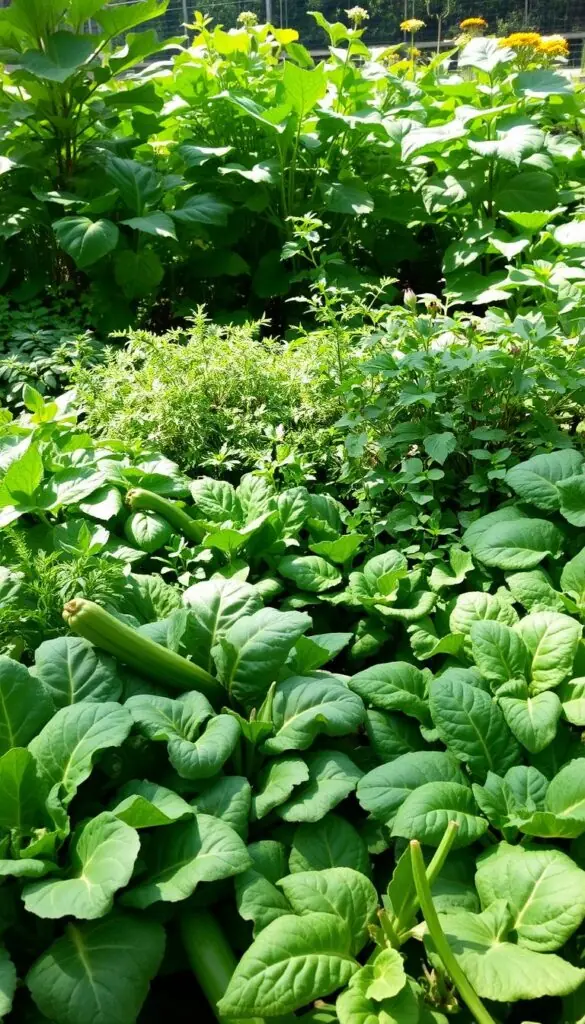
- Kale: 'Red Russian' and 'Lacinato' offer sweet, sturdy leaves that look blue‑green in low light.
- Beets: 'Detroit Dark Red' or 'Chioggia' give you tasty greens and colorful roots for the cutting board.
- Carrots: 'Nantes' and 'Danvers' form smooth roots when soil is loose and the bed stays cool.
- Peas: try compact 'Sugar Ann' or 'Oregon Sugar' and trellis them up into brighter sun above the bed.
- Herbs: parsley is a reliable, shady workhorse; mint belongs in a pot to keep it tidy.
"Start small, sprinkle seed lightly, and let steady moisture do the rest."
These low‑risk crops let you enjoy color, texture, and flavor without chasing extra sun hours. Plant a few now and you’ll gain confidence for the season.
Containers and Raised Beds for Shadier Areas
Small containers and a shallow raised bed can turn a dim corner into a productive patch. Use pots and beds to control soil texture and moisture where light is limited. Containers move easily so you can chase brief slivers of sun as the day changes.
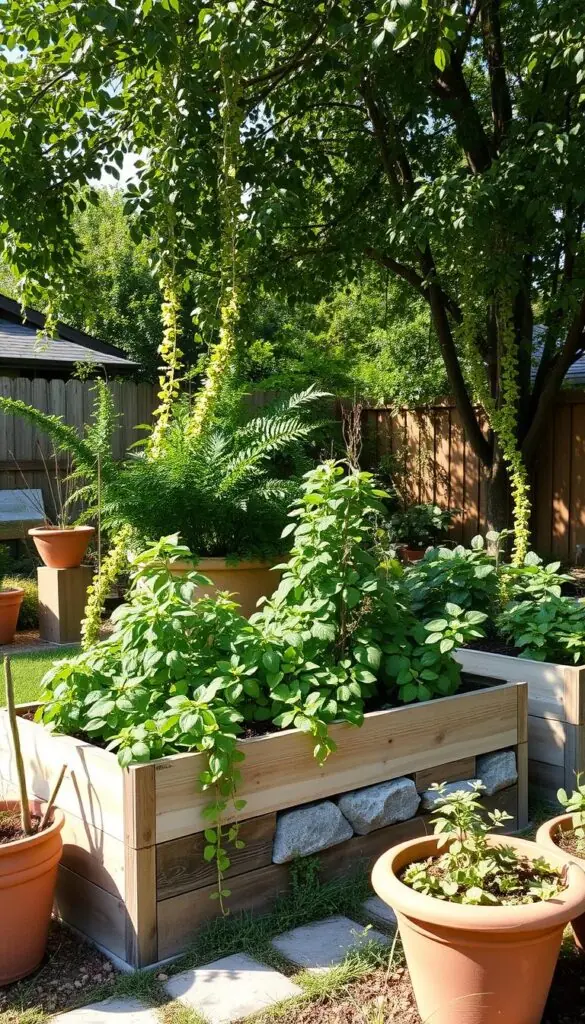
Soil mix that holds moisture without getting soggy
Mix half quality potting mix and half compost for a moisture‑holding yet free‑draining blend. This 50:50 recipe feeds roots and keeps air pockets so growth stays healthy in low‑light conditions.
Right-size pots, window boxes, and troughs
Choose 10–12 inch pots for herbs and window boxes for lettuce and arugula. Use 12–18 inch deep troughs for carrots and beets so roots grow straight. Raise pots on feet or bricks and add saucers to catch drips.
Watering and mulching to prevent bolting in heat
Water less often but more evenly in partial shade. Test the top inch with your fingertip and use a gentle watering wand when it feels dry.
Mulch the surface with fine bark, straw, or shredded leaves to cool roots and reduce bolting during sudden warm spells.
- Set containers where they catch a sliver of afternoon sun or bright morning light — one extra pocket of sunlight lifts growth noticeably.
- Group pots by water needs to simplify care and keep your shady garden corner lush and easy to manage.
- Quick mistake to avoid: overwatering in dim spots — soggy soil starves roots of air and slows plants.
Seasonal Timing: Cool-Season Wins in Spring and Fall
Timing is your ally in cool seasons when low light slows growth but boosts flavor. In spring the bed feels cool and damp; that is the best cue to sow into mellow soil. Use a soil thermometer and wait for steady, cool‑but‑not‑freezing readings.
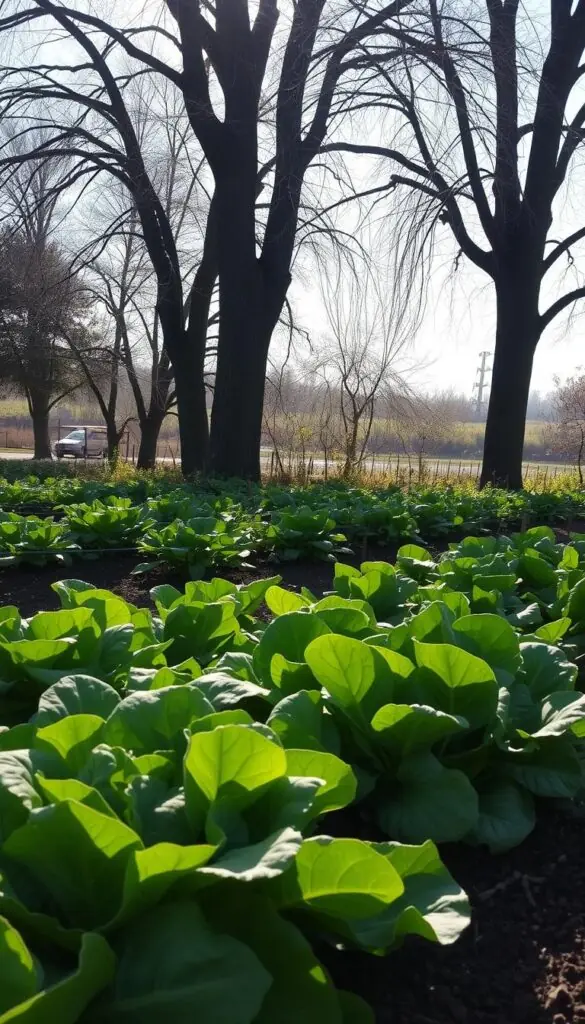
Spring sowing windows for greens, peas, and roots
Drop pea seed 1 inch deep in early spring and again in fall; expect pods in about 60–70 days. Lettuce, spinach, and early carrots settle into moist, cool soil and germinate reliably in shaded spots.
Fall planting to extend harvests as sunlight wanes
Plant kale about six weeks before your first hard frost and lettuce 4–6 weeks prior. Partial shade cushions late sun and slows bolting so leaves grow sweeter as daylight shortens.
"The first sweet bite of fall kale tastes like the season itself—cold air and slow, steady growth."
- Quick tips: sow seeds a little earlier in partial shade than in hot beds.
- Trellis peas early so vines climb as light angles change toward autumn.
- Use a light row cover on chilly nights and harvest in the morning when leaves are coolest.
Plan Your Beds: Simple Steps for Healthy Growth in Low Light
Good beds begin with loose soil, steady compost, and a gentle hand. A little prep sets the stage for strong plant growth in partial shade. These steps help your garden stay productive and calm through cooler, low‑light conditions.
Compost, Slow-Release Nutrition, and Mulch for Even Moisture
Loosen each bed 8–12 inches with a garden fork. Use a wheelbarrow to add a full load of finished compost per 4x8 bed. The sweet smell of compost tells you the soil will feed roots steadily.
Rake the surface smooth and blend compost evenly. Choose a slow‑release organic fertilizer so nutrients trickle in as roots need them. In low light, slow and steady feeding beats big, quick doses.
- Mulch: Lay 1–2 inches of straw, shredded leaves, or fine bark. You’ll hear a soft rustle as you spread it; mulch keeps soil cool and evens moisture for healthy leaves and roots.
- Watering: Water deeply but less often to encourage roots to search. Shaded beds lose less water—check soil before you water.
- Spacing & care: Space plants a bit wider for airflow, weed lightly each week, and keep pathways tidy to cut competition for moisture and nutrients.
Reserve the sunniest corner of your garden for sun lovers, and dedicate your shadiest bed to greens and herbs. Label rows simply so you remember what you planted and when. Small plans make steady growth feel easy and joyful.
Common Shade-Garden Mistakes and Friendly Fixes
Shady spots behave differently — and small changes fix most problems.
Treating a deep shade corner like a full sun bed is common. Swap fruiting crops to brighter areas and plant tender greens and herbs in the dimmer spot. Adjust expectations: many vegetables survive with less sunlight but won’t thrive.
Overwatering because soil looks dark is another trap. Check moisture an inch down or use a simple moisture meter. Water only when needed and mulch to hold steady moisture.
Planting too densely in humid shade raises disease risk. Space rows wider, thin seedlings, and add a thin mulch to improve airflow. Use pruning shears to remove crowded foliage.
"A small note on timing: track the hours of sun and shift containers as trees leaf out."
| Mistake | Fix | Easy Tools |
|---|---|---|
| Treating deep shade like full sun | Choose greens, move fruiting crops | sun map, containers |
| Overwatering dark soil | Check 1" down, water sparingly | moisture meter, mulch |
| Letting mint run free | Plant mint in a pot | 10–12" container |
- Keep notes on sunlight and hours so you fine-tune each spot next year.
- Add compost and a slow-release feed to keep soil happy in partial shade.
- Harvest greens in morning sunlight for best texture.
Choosing Varieties by Region and Conditions in the United States
Regional climate shapes which plants will reward your shaded beds most. A short pause to match seed choice to local weather pays off all season.
Cooler Zones (2–6): Lettuce, Spinach, Peas, and Swiss Chard
In cold springs and crisp mornings, partial shade slows bolting and keeps leaves sweet.
Try: lettuce, spinach, peas, chard and hardy kale for shoulder seasons. Beets and carrots do well when soil is loose and cool.
- Plant early and harvest before summer heat arrives.
- Use a trellis for peas to lift vines into brighter hours of sun.
- Mulch lightly to hold consistent moisture and steady growth.
Warmer Zones (7–10): Heat-Tolerant Greens and Afternoon Shade Strategies
Afternoon shade is gold in hot summers. Dappled light keeps leafy greens from wilting.
- Choose heat-tolerant lettuce and spinach varieties and sow small patches often.
- Reserve your brightest beds for full sun fruiting crops and use shaded beds for salads and herbs.
- Stagger sowing so something is always coming up as heat ebbs and flows.
"Match crops to conditions and your garden will feel balanced and calm."
Conclusion
A few thoughtful moves — a trellis, a little mulch, timed sowing — turn dim corners into steady harvests.
Partial shade can be a quiet ally. Plant shade-tolerant crops and roots that enjoy softer light, and keep your sun-loving plots for full sun fruiting plants.
Lift vines toward brighter layers, mulch to hold even moisture, and harvest leaves in the cool morning to keep texture and flavor. Let herbs fill edges so scent and color brighten the bed.
Take a small step today: sow a short row, set a trellis, or move a pot to a sunnier spot. Notice how the leaves glow, breathe in the scents, and enjoy the steady satisfaction of your garden over time.
FAQ
What does "partial shade" mean for my garden?
Partial shade generally means your planting spot gets about three to six hours of direct sunlight a day or bright, indirect light for most of the day. It’s often created by trees, fences, or buildings and is perfect for many leafy greens, herbs, and some roots. Observe the area through a full day to know whether mornings or afternoons supply the strongest sun.
Which greens do best in low light and stay tender longer?
Lettuce, spinach, arugula, and certain kale varieties perform very well with filtered sun or morning light. They keep a tender texture and resist bolting longer when afternoons are cool or shaded. Choose loose‑leaf or cut‑and‑come‑again types for continuous harvests.
Can root crops like carrots and beets grow in shady spots?
Yes—beets, radishes, and carrots will produce in light shade if soil is loose, well drained, and kept evenly moist. Roots may grow a bit slower, so use mulch and steady watering to avoid woody texture and help consistent sizing.
How do I count hours of direct sun vs. bright indirect light?
Track sunlight from sunrise to sunset for a few days. Note when the ground receives unbroken, direct sun (sharply defined shadows). Bright indirect light is when the area is illuminated but shadowed or dappled. Average the hours to classify the spot and pick crops accordingly.
Which peas and vining crops work in shaded yards?
Snap and snow peas tolerate cooler, shadier corners if you give them a trellis to climb toward available light. Cucumbers can also be trained up fences to reach afternoon sun—this boosts fruit set and keeps foliage drier and healthier.
Are herbs useful in shady beds and which ones thrive?
Absolutely. Parsley and mint do very well in low light; parsley adds texture and flavor while mint can flourish so much it’s best kept in containers. Cilantro and chives also handle partial shade nicely.
What soil mix should I use in containers for shadier areas?
Use a well‑draining potting mix amended with compost to hold nutrients and moisture without becoming waterlogged. Add a little coconut coir or composted bark for aeration. The goal is steady moisture and rich organic matter for steady growth.
How do I prevent bolting in heat when my garden is partially shaded?
Keep soil cool with mulch, plant early in spring or in fall when temperatures are milder, and water consistently. Succession sowing of arugula and lettuce spreads harvests so you always have tender leaves before bolting starts.
What are microclimates and how do I find them in my yard?
Microclimates are small areas that differ in light, wind, or temperature—near a south‑facing wall will be warmer, under a tree cooler and dappled. Walk the yard at different times, noting where sun, shade, and reflections fall to match plants to their best spots.
Which varieties should I try first if I’m new to gardening in low light?
Start with reliable, easy varieties: loose‑leaf lettuce, baby spinach, arugula, Swiss chard, radishes, and early peas. These crops forgive uneven light and give quick, encouraging results so you can build confidence.
When is the best time to sow in partial shade for spring and fall harvests?
Sow cool‑season greens and roots early in spring as soon as soil is workable, and again in late summer for fall harvests. Peas and many leafy crops prefer the cool of spring or fall and will produce best when temperatures stay moderate.
How should I size containers for greens and roots in shaded areas?
Choose containers at least 8–12 inches deep for roots like carrots and beets; wider troughs or window boxes are great for lettuce and mixed greens. Bigger pots hold moisture more steadily, which helps in spots that receive less direct sun.
What common mistakes do people make when gardening in shade, and how do I fix them?
Most gardeners either try sun‑loving crops in too little light or overwater shaded beds. Fix this by choosing plants suited to low light, improving soil with compost, using mulch to regulate moisture, and watching drainage to avoid root rot.
How do I choose varieties by U.S. region for cooler vs. warmer zones?
In cooler zones (2–6), choose cold‑tolerant greens like spinach, lettuce, peas, and Swiss chard. In warmer zones (7–10), favor heat‑tolerant greens, succession sowing, and use afternoon shade strategies to keep leaves from bolting in summer.