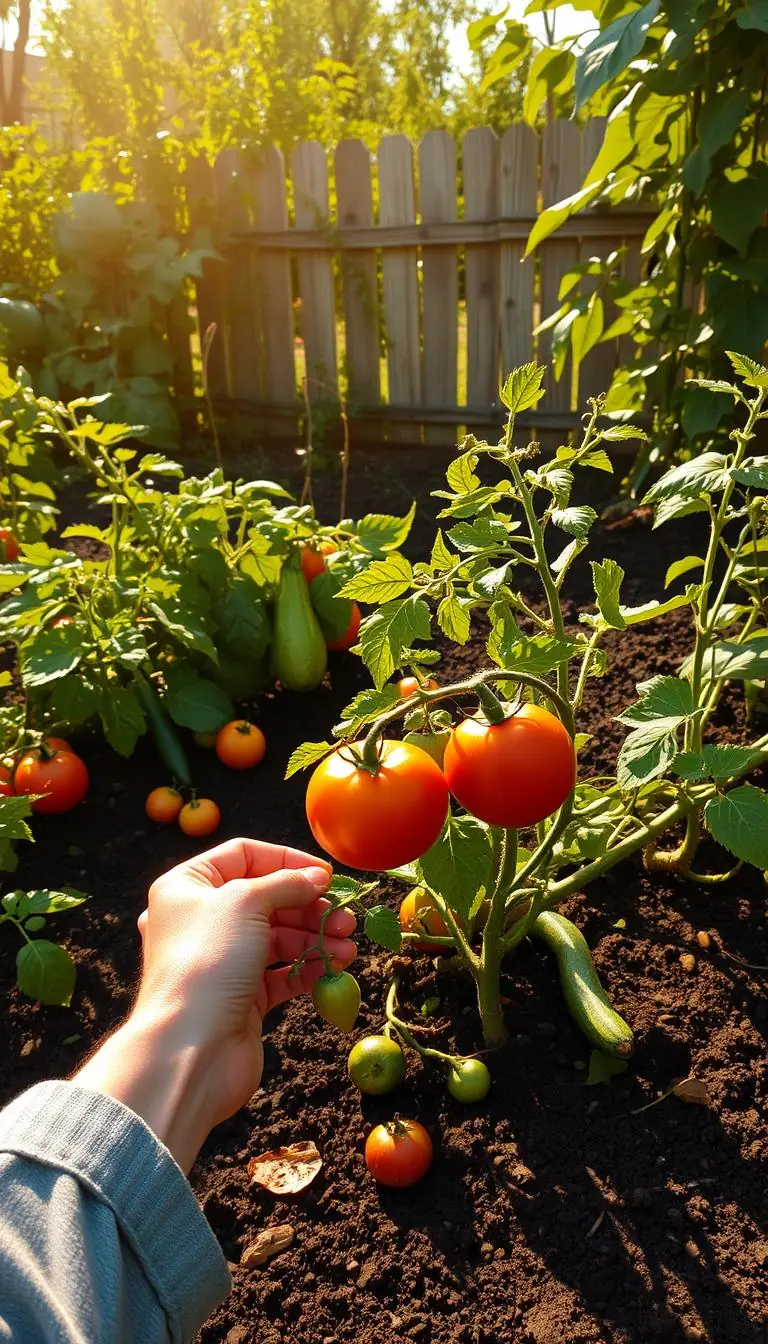
You step outside and feel the sun warm a cherry tomato in your hand. That quiet moment is what this guide is for. If you have a small patio, narrow strip, or sunny windowsill, you can grow real, tasty food without a big yard.
Think of glossy leaves, snug pots, and the scent of potting soil. We’ll point you to proven compact vegetable varieties and easy steps that build calm confidence.
In short, you’ll learn which plants fit tight space, which seeds and tools work best, and when to expect your first sun-warmed fruit. We keep things simple: matching pots and trellises to plant habits, easy watering rhythms, and quick pruning tips.
Ready to turn a small corner into a thriving little market of color and flavor? Let’s walk through a practical, friendly list of options that grow well in small setups and reward you fast.
Key Takeaways
- You can harvest bright flavor from a balcony or stoop with the right small plants.
- We recommend proven names and timing so you know when fruit is ready.
- Match containers, trellises, and cages to keep vines tidy and sunlit.
- Simple care—consistent watering, light feeding, and minimal pruning—keeps productivity high.
- Choose seeds and a few tools now to set up an easy, repeatable small garden.
Start smart: small-space gardening basics for patios, pots, and tiny plots
Start by finding the sunniest corner of your patio and imagine pots lined like little warm homes for plants.
Measure the spot so you know how much space you really have. Choose a place that gets at least 6–8 hours of direct sun.
Pick pots that match the crop: herbs and shallow roots fit window boxes, dwarf crops do well in 5–10 gallon containers, and deep-rooted tomatoes want 10–20 gallon pots (about 18–24 inches wide).
Use quality potting soil, not garden dirt. A light, fluffy mix holds moisture and drains well so roots breathe. Containers dry faster but warm earlier in the season, and you can move them to chase sun or shade.
- Water deeply until a little runs out the bottom; check daily in heat.
- Feed lightly with slow-release granules or a monthly organic liquid.
- Place supports at planting—trellises and cages save roots later.
- Leave a palm’s width between pots for airflow and healthy leaves.
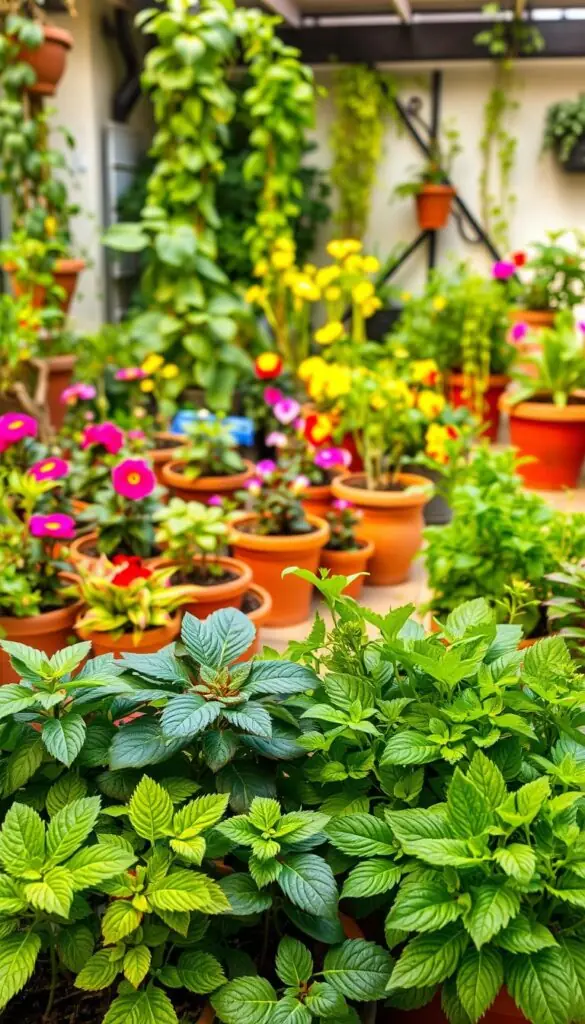
Keep tools simple: a hand trowel, pruning shears, watering can, and mulch are enough to get a calm, productive season of vegetables and herbs.
| Crop Type | Recommended Pot | Sun |
|---|---|---|
| Herbs / Salad greens | Window box / 5 gal | 4–6 hrs |
| Dwarf vegetables | 5–10 gal | 6–8 hrs |
| Tomatoes (deep-rooted) | 10–20 gal (18–24" wide) | 6–8 hrs |
How to choose compact vegetable varieties for your garden
Pick seed packets that promise tidy growth and quick harvests—those labels save time and space.
Scan packets for words like dwarf, bush, patio, or mini. These tags point to plants that stay small and finish sooner.
Favor early-season choices (45–70 days) so you taste success fast and can fit a second round into the season. Examples: tomatoes 'Tiny Tim' (45 days), 'Red Robin' (55 days), and 'Window Box Roma' (70 days).
- Pick thick-stemmed, self-supporting types with smaller leaves that cope with wind and tight pots.
- Match root depth to container: window boxes for lettuce/herbs, 5–10 gallon pot for peppers, 10–20 gallon for tomatoes (18–24" wide).
- Try cucumber 'Bush Pickle' (45 days) or 'Salad Bush' (57 days), and peppers like 'Jingle Bells' (60 days) or 'Baby Belle' (68 days).
- Buy fresh seeds each year, store extras cool and dry, and sow two seeds per spot to find your best performers.
You don’t need many plants to eat well. A few well-chosen choices bring steady harvests and a joyful look of glossy, healthy leaves in tight space.
Tomatoes, cucumbers, and peppers that stay tidy but produce big
A small shelf of pots can yield a summer of shiny peppers, snappy cucumbers, and juicy tomatoes.
Tomato picks: Try 'Tiny Tim' (45 days), 'Red Robin' (55 days), 'Window Box Roma' (70 days), or 'Early Girl Bush' (63 days). Set plants in a sunny spot and drop a cage in at planting so fruit ripens without stress.
Compact tomatoes for containers
These selections finish fast and suit a single container. They slice well for salads and roast beautifully in small kitchens.
Dwarf cucumbers for crisp summer snacks
Go for 'Bush Pickle' (45 days), 'Spacemaster' (60 days), or 'Salad Bush' (57 days). Use a short trellis in a wide pot and pick often for the best snap.
Snack-size peppers in pots
'Hungarian Cheese' (~60 days), 'Baby Belle' (68 days), 'Jingle Bells' (60 days), and 'Bull Nose Bell' (55–80 days) give shiny, sweet fruit. Tuck them near a warm wall for sweeter flavor.
- Feed every 2–3 weeks with a balanced organic fertilizer to keep flowers and fruit coming.
- Water deeply; let the top inch dry between drinks to reduce splits and bitterness.
- Prune lightly for airflow but leave enough leaves to shade developing fruit.
| Crop | Days | Recommended Pot | Support |
|---|---|---|---|
| Tiny Tim / Red Robin | 45–55 | 5–10 gal | Small cage |
| Window Box Roma / Early Girl Bush | 63–70 | 10–20 gal | Cage or short stake |
| Bush Pickle / Spacemaster | 45–60 | Wide 5–10 gal | Short trellis |
| Hungarian Cheese / Jingle Bells | 60–68 | 5–10 gal | No stake needed |
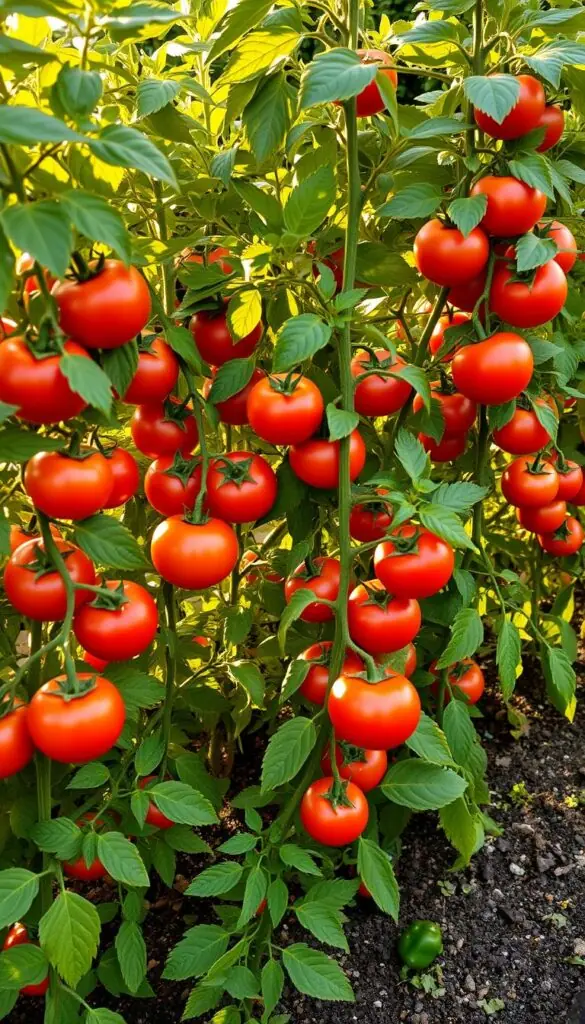
Cool-season winners: peas, baby broccoli, mini lettuce, and leafy greens
Cool mornings are perfect for planting tender greens that taste their best when the air is crisp.
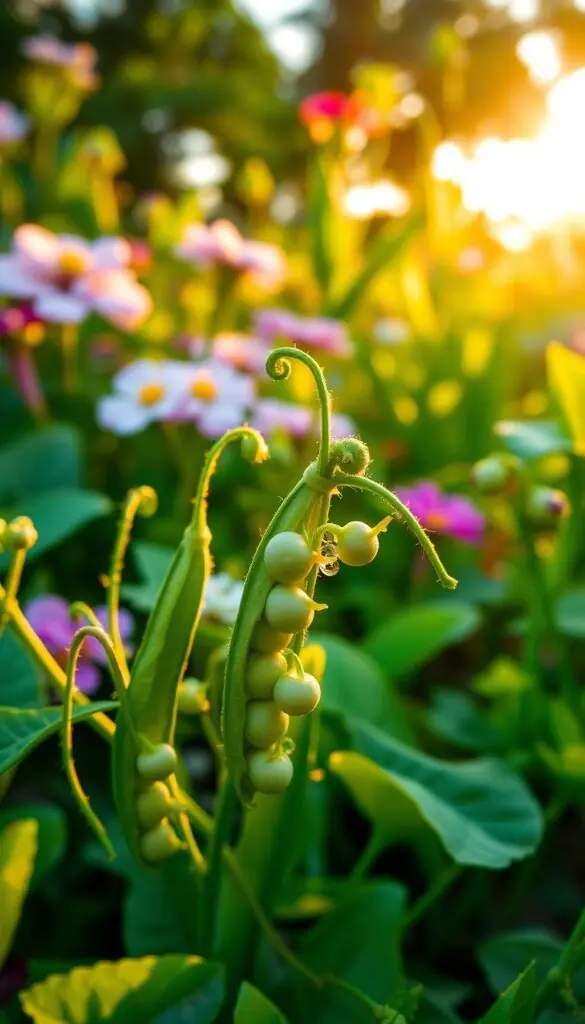
Miniature peas: Plant heirloom Tom Thumb in a sunny window box. These peas grow about 10 inches tall, need no staking, tolerate down to 20°F, and ripen in roughly 50 days. Soak the seeds overnight in cool weather and consider a rhizobia inoculant to boost vigor.
Baby broccoli and fast salad greens
Tuck Aspabroc Baby into a 24-inch container. The main head matures in 50–60 days and gives tender stems plus edible flowers you can eat like tiny broccoli florets.
Fill gaps with Pomegranate Crunch lettuce for cherry-red outer leaves and light-green hearts ready in 45 days. Mulch with shredded cedar bark or a ring of crushed eggshells to keep slugs away.
Kale for steady harvests
Plant Lacinato and Red Russian kale in a medium container. Pick leaves leaf-by-leaf through the season for steady, soft, blue-green harvests.
- Start in early spring; give morning sun and afternoon shade as days warm to slow bolting.
- Interplant radishes or carrots to loosen soil and use space well.
- Harvest small and often—sweet flavor is best in cool mornings when pods snap and leaves feel dewy.
| Crop | Days to Harvest | Container / Space |
|---|---|---|
| Tom Thumb peas (heirloom) | ~50 days | Window box (10" height) |
| Aspabroc Baby | 50–60 days | 24" container |
| Pomegranate Crunch lettuce | 45 days | Small pots or gaps in beds |
| Lacinato / Red Russian kale | Leaf harvest season | Medium container |
Simple tools: a small trowel, hand fork, and a watering can keep your spring gardening calm and successful.
Small vines, big flavor: dwarf squash, melons, and eggplant
Even a single pot can grow a scallop squash or a palm-sized melon that smells like summer.
Choose short-season choices so you taste success sooner. Try dwarf summer squash like Gold Rush (55 days), Peter Pan (49 days), Sunburst (60 days), and Dwarf Summer Crookneck (50 days). Pick fruits young for best texture and flavor.
For personal-size melons, Minnesota Midget (60–75 days) gives 1–2 lb fruits that perfume the air. Sugar Baby (~85 days) makes a sweeter, larger melon if you use a big pot and prune to a few vines.
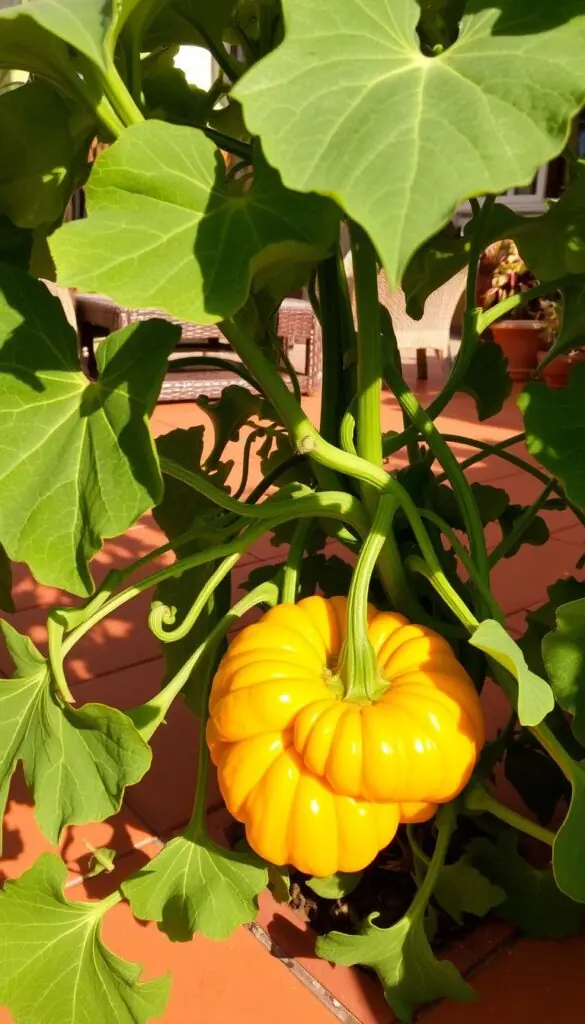
Patio-friendly eggplant like Fairy Tale (63 days) and Orlando (60 days) show striped, glossy skin when ready. Harvest when skins shine and seeds stay pale.
- Train vines on a short trellis or tomato cage; use soft ties to avoid rubbing.
- Keep soil evenly moist and feed every two weeks so growth never stalls.
- Encourage pollination with a nearby pot of bee-friendly flowers or hand pollinate in the morning.
- Expect first harvests in roughly 50–85 days depending on crop and seeds chosen.
| Crop | Typical Days | Recommended Pot |
|---|---|---|
| Peter Pan / Sunburst (squash) | 49–60 | Wide 5–10 gal pot |
| Minnesota Midget (melon) | 60–75 | Large container / pot |
| Fairy Tale / Orlando (eggplant) | 60–63 | 5–10 gal pot |
Sweet extras for tiny spaces: strawberries, blueberries, and goji on the patio
Little pots can hold big joy when you add fragrant berries to a sunny step.
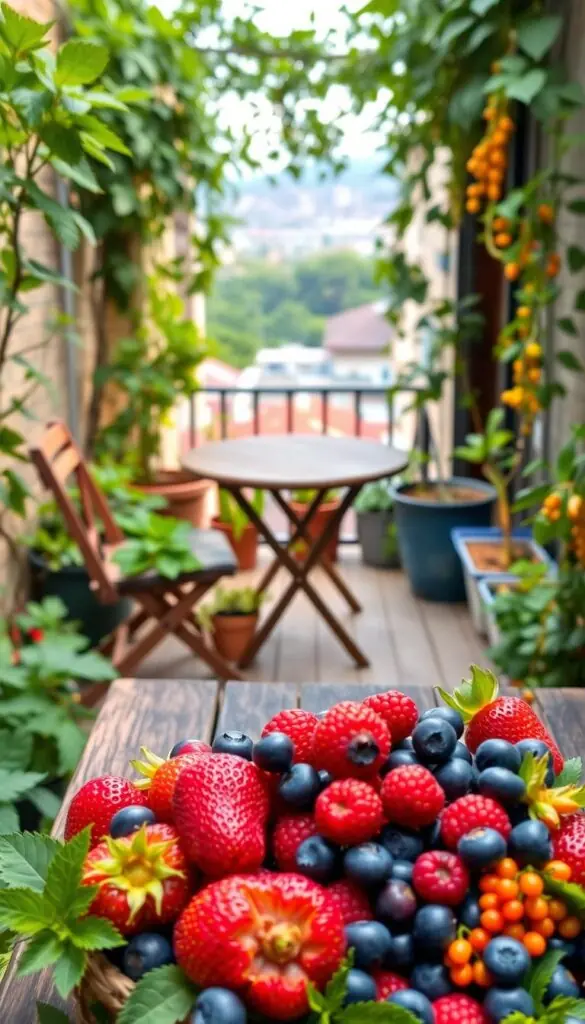
Runner-free strawberries like ‘Pineapple’ alpine are perfect for neat containers. Plant in a shallow 6–8 inch pot with rich, well-draining soil. The berries are pale yellow and smell of pineapple and rose. They often fruit the first year and need no runners, so they stay tidy and sweet.
Pot blueberries with spring blossoms
Set ‘Blueberry Glaze’ in a 12–16 inch pot filled with a peat-forward, acid mix. It forms a two-foot mound with white-pink flowers and glossy, deep-blue midsummer fruit.
It needs about 500 chilling days and grows well in Zones 5–8. Scratch a little sulfur and a granular fertilizer into the top few inches each spring to keep pH low and plants happy.
No-prune goji for steady summer fruit
‘Sweet Lifeberry’ goji thrives in Zones 5–9. Use a large container with good drainage and stake 3–5 canes; no regular pruning is required. Purple spring flowers open before honeyed red berries appear.
- Pick berries in cool mornings; they hold their shape and scent better.
- Mulch containers lightly to keep roots cool as days warm.
- Place pots where you pause—on a sunny step or garden edge—for easy snacking.
Planting calendar and care: soil, watering, and seasonal timing
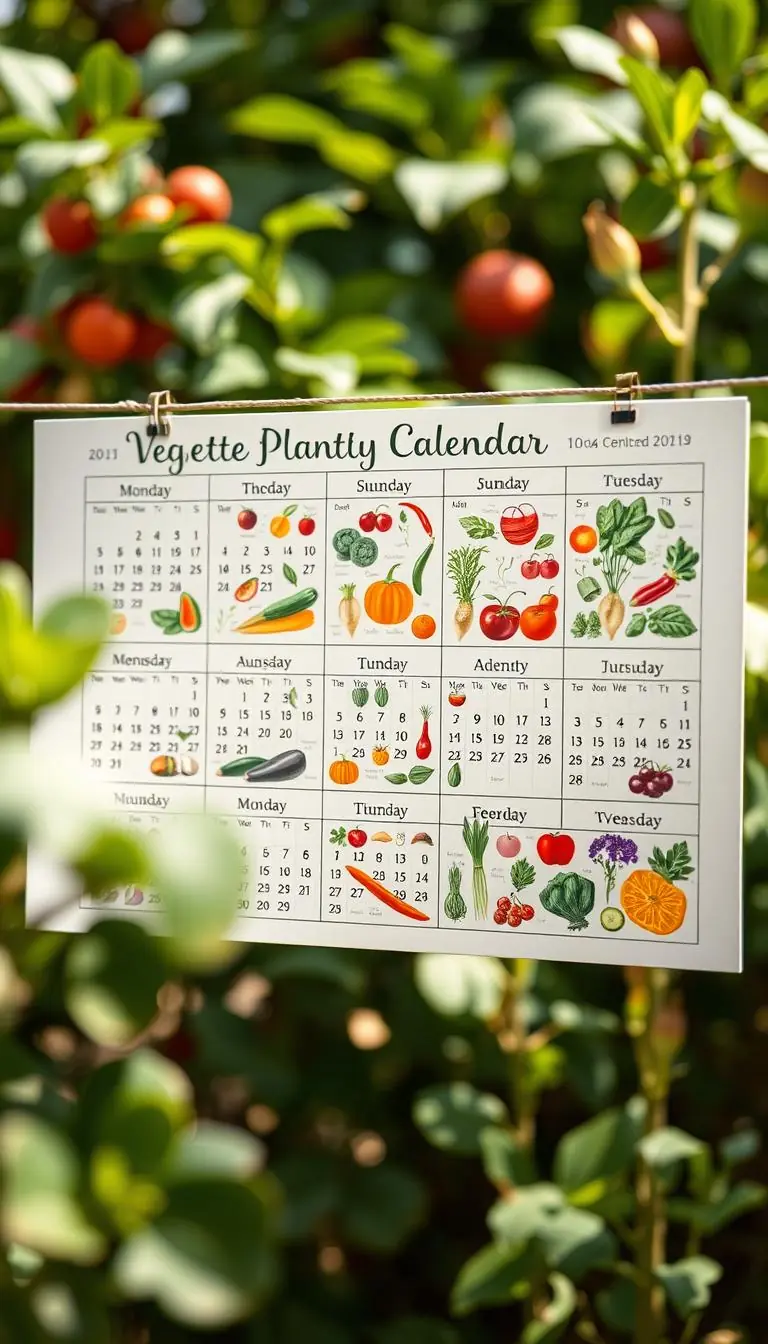
Plan a simple planting rhythm now so each pot gives a steady harvest through the season.
When to sow and set out
In early spring, sow peas, lettuce, and broccolini. These cool crops like crisp mornings and finish fast.
Wait to set tomatoes and peppers until nights stay above 50°F. Most small selections reach harvest in roughly 45–85 days.
Container success and soil mixes
Use a high-quality potting soil for most pots. For blueberries choose a peat-forward, acidic mix and refresh the top 2 inches each spring with a light sulfur dressing.
Match the pot to roots: 10–20 gallon pot for tomatoes (18–24" wide), 5–10 gallon pots for peppers and eggplant, and window boxes for greens.
- Water when the top inch of soil is dry; in heat this may be daily. Water until you see a steady drip from drainage holes.
- Feed every 2–4 weeks during the growing season to keep blooms and fruit coming.
- Add a thin mulch layer to even moisture and cool roots. Move containers to follow sun for better fruit set.
- Inspect weekly for pests; pinch early blooms on young transplants to help roots establish.
| Task | Timing | Container |
|---|---|---|
| Sow cool-season seed | Early spring | Window box / small pot |
| Set out warm-season transplants | After nights >50°F | 5–20 gallon pots (match crop) |
| Watering cadence | Top inch dry; daily in heat | All containers |
| Feeding | Every 2–4 weeks | Pots and garden beds |
Conclusion
Small steps—one pot, one seed—lead to a season of fresh flavor and quiet joy.
Keep a short list of trusted plants: heirloom 'Tom Thumb' peas, Lacinato or Red Russian kale, and a quick patio tomato like 'Tiny Tim'.
One or two pots make a tiny garden feel generous. Add a dwarf squash or a personal melon for sweet fruit and bright flowers in summer.
Track what you love each year, repeat winners, and try one new variety. Water deeply, feed gently, and harvest often.
Your space is enough. Start small, enjoy the flowers and flavor, and let gardening bring calm, tasty rewards to your steps and table.
FAQ
What are the best vegetables for a small garden or patio?
Look for dwarf, bush, patio, or mini types that suit containers and small plots. Good choices include small tomatoes, snack-size peppers, dwarf cucumbers, baby broccoli, and fast lettuce. These plants fit window boxes, balcony pots, and 20-gallon containers while still giving a steady harvest.
How do I start smart with small-space gardening?
Begin with a sunny spot and well-draining pots. Use a quality potting mix, choose varieties labeled for containers, and match pot size to root depth. Keep soil consistently moist, feed regularly, and rotate crops each season to keep soil healthy.
What should I look for on seed packets to find space-saving varieties?
Search for words like dwarf, bush, patio, and mini. Also check mature height and root depth. Short descriptions often note suitability for containers or hanging baskets, which helps you pick the right seed for your space.
How do I pick the right containers for different plants?
Match container size to root systems: shallow window boxes for lettuce and herbs, 5–10 gallon pots for peppers and eggplant, and 15–20+ gallon pots for tomatoes and deeper-rooted crops. Ensure drainage holes and use saucers or trays if on a balcony or patio.
Which tomatoes, cucumbers, and peppers work best in pots?
Choose determinate or dwarf tomatoes and varieties labeled for containers. For cucumbers pick bush or dwarf types that don’t need heavy trellis support. Small and sweet pepper types thrive in pots too. A sunny site, sturdy cage, and regular feeding boost fruit set.
Can I grow peas, baby broccoli, and lettuce in containers during cool seasons?
Yes. Peas and baby broccoli do well in cool spring or fall. Use medium to deep pots and keep soil cool but not waterlogged. Fast-maturing lettuce varieties and kale also thrive in shallow containers and can provide continuous harvests.
Are there small vines, melons, or squash that fit tiny gardens?
Look for compact or bush-type summer squash and personal-size melons bred for small spaces. Patio eggplant varieties also perform well in pots. Use a small trellis or vertical support to save floor space and improve air circulation.
What fruits work well on a patio besides vegetables?
Strawberries, container blueberries, and certain goji varieties do beautifully in pots. Choose cultivars suited to containers and your USDA zone, use acidic mixes for blueberries, and give strawberries good sun and consistent moisture.
When should I sow seeds or set out transplants for best results?
Follow your local frost dates. Start cool-season crops in early spring or late summer for fall harvests. Warm-season plants go out after the last frost and when soil temps are warm. A simple planting calendar tied to your zone will guide timing.
What soil and watering practices help container gardens thrive?
Use a light, peat-forward potting mix with good drainage and organic matter. Water deeply but allow the top inch to dry between waterings for most crops. Containers dry faster than beds, so check daily in hot weather and mulch the surface to retain moisture.
How can I keep pests and diseases down in small spaces?
Use clean containers and fresh mix, rotate plant families, and inspect plants often. Encourage beneficial insects, use row covers for early protection, and remove affected leaves promptly. Proper spacing and air flow reduce fungal problems.
Can heirloom and hybrid seeds both work in small gardens?
Yes. Heirlooms offer flavor and character, while hybrids may bring disease resistance and compact growth. Choose based on your priorities: taste, space efficiency, or resilience to local pests and weather.
How do I feed container plants for steady production?
Use a balanced, water-soluble fertilizer on a regular schedule or incorporate slow-release fertilizer into the potting mix. Containers need more frequent feeding than garden beds because nutrients leach with watering.
What are quick tips for a successful small-space harvest?
Give plants plenty of sun, choose the right pot size, keep soil healthy, and harvest regularly to encourage production. Small changes—consistent watering, timely feeding, and light pruning—make a big difference in yield and plant health.