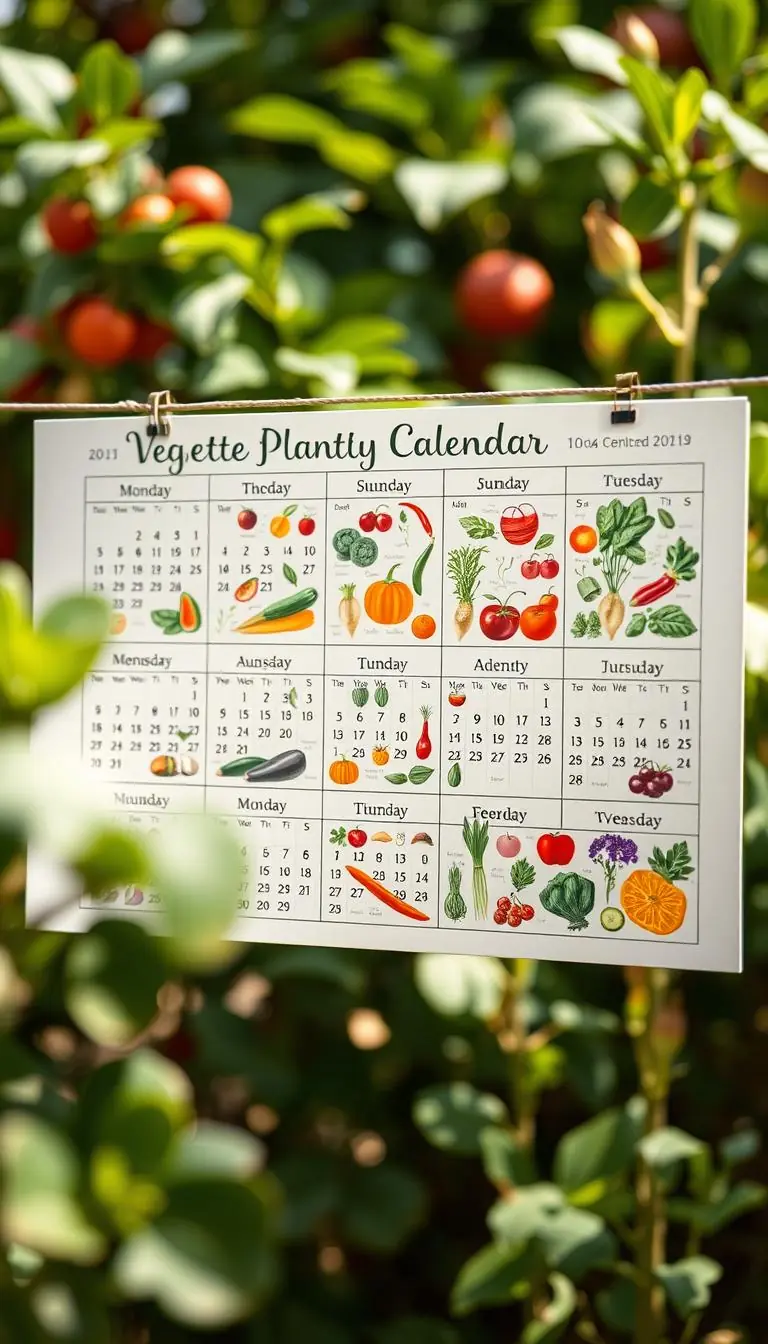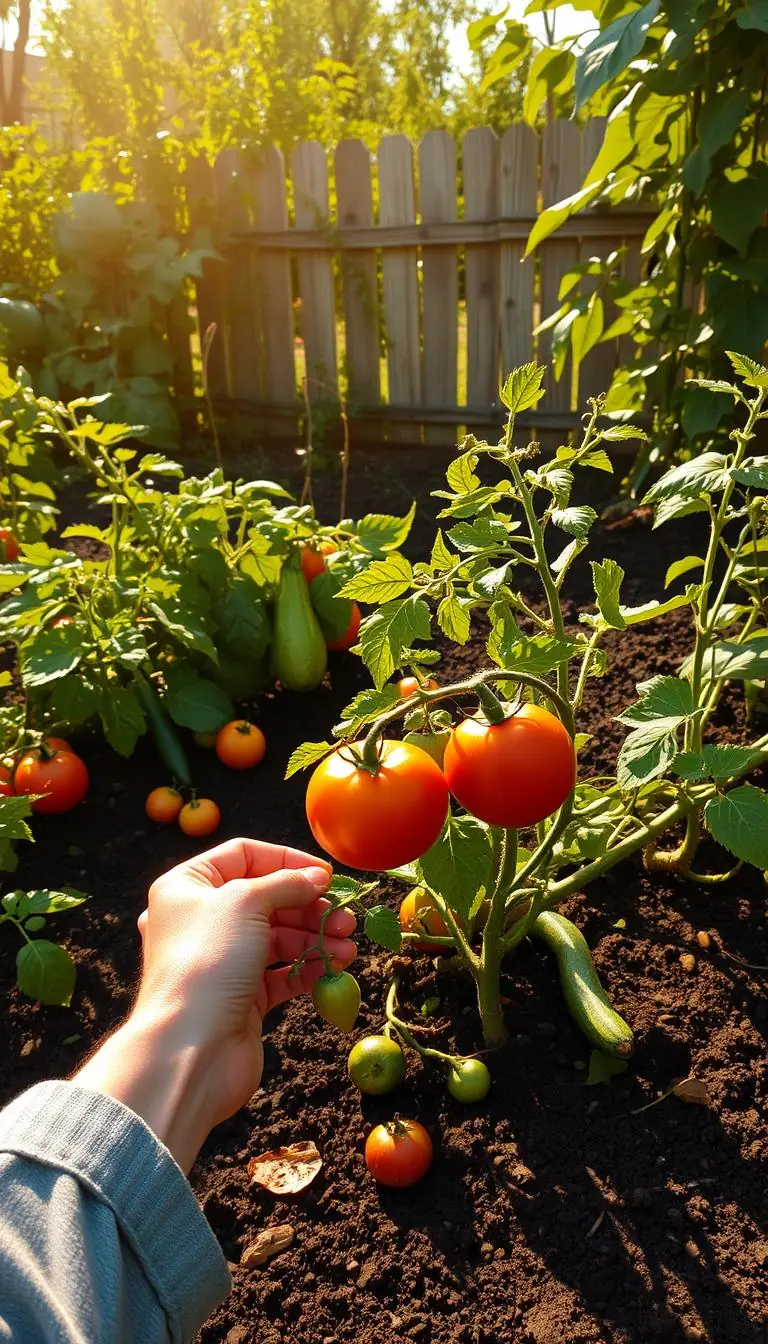
Imagine the scent of sun-warmed soil and the snap of a fresh carrot in your hand.
You want a garden that feeds you steadily through the season, not all at once. This guide shows a calm, neighborly way to plan small, satisfying harvests so your kitchen stays tidy and your table stays full.
The focus is practical: roots like carrots, radishes, and beets give quick, steady returns. Herbs such as basil and cilantro need frequent sowing to avoid bolting, and beans or peas work well in 2–3 week rounds.
We promise simple steps, real examples, and short tips to avoid common snags like shade or heat stress. You’ll learn how to map timing, choose vegetables, and use a few basic tools.
Picture steady baskets of crisp greens, sweet carrots, and savory herbs arriving across the year — little by little, with confidence.
Key Takeaways
- You’ll learn a clear way to harvest bit by bit so food is ready all season.
- Root crops and quick herbs are ideal for repeated sowings.
- Stagger bush beans and peas every few weeks for steady yields.
- Simple tools and a small notebook make planning easier.
- Short steps and gentle tips help you avoid bolting, shade, and heat stress.
Start Here: A neighborly way to plan steady harvests all season
Start small and steady: one bed, one container, one short task each week to build a lasting harvest.
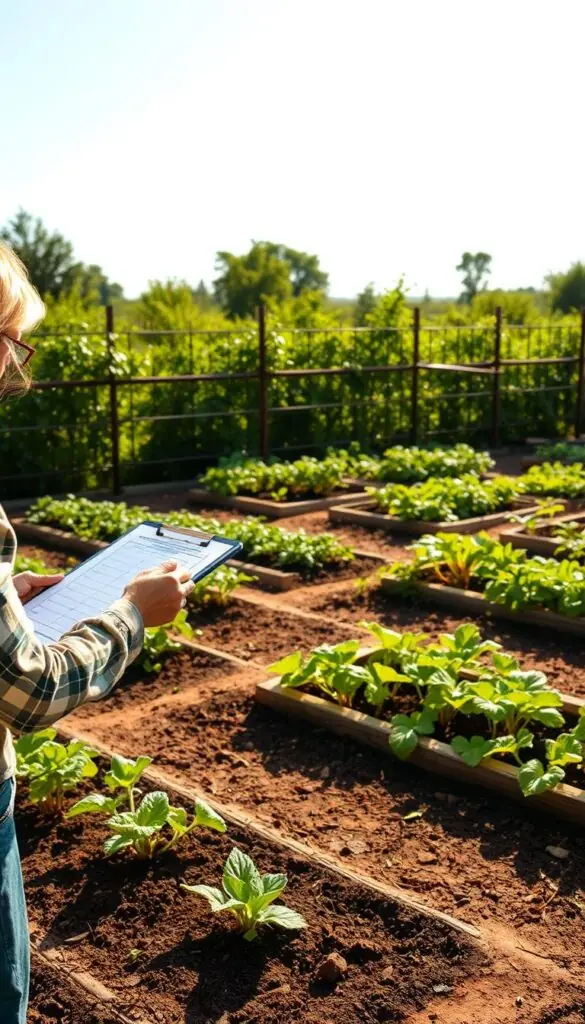
Friendly tip: pick a little corner to try a "little each week" rhythm. This keeps work light and the yield steady.
- Choose your spot: one small bed or a few containers to begin.
- Track frost dates: jot last and first frost in a notebook or phone note for simple planning.
- Gather basics: hand fork, watering wand, plant tags, and a roll of lightweight row cover.
- Pace it: sow something new each week — lettuce now, radishes next week — so harvests arrive over time.
Place taller plants on the north edge so shorter crops get sun. Weather will shift, so stay flexible: if it warms early, move up a sowing; if cold lingers, wait a week.
For quick herbs like cilantro, sow a small pinch every one to two weeks to avoid bolting and keep fresh leaves for meals. These small, regular steps help gardeners stay calm, confident, and rewarded all season long.
What is succession planting and why it works in your garden
A few well-timed sowings turn one busy harvest into many gentle ones.
At its heart, this is an easy way to keep beds productive and your kitchen supplied. You can sow the same crop in waves, or follow a quick one with a slower one so soil never sits idle.
Two simple paths
One path: sow a single crop in small batches. Think lettuce sown every two weeks for steady tender leaves.
Another path: grow a quick starter, then plant a longer-season crop behind it. Radishes → bush beans is a classic example. The snap of fresh peas, or the sweet bite of young carrots, tells you it’s working.
"Keep a tiny record of sowing dates and days to maturity — it pays back with calm, steady harvests."
| Approach | Example | Benefit |
|---|---|---|
| Same crop waves | Lettuce every 10–14 days | Ongoing fresh salads |
| Back-to-back crops | Radishes → Bush beans | Full beds, less waste |
| Match habit | Determinate vs indeterminate tomatoes | One big canning vs steady fruit |
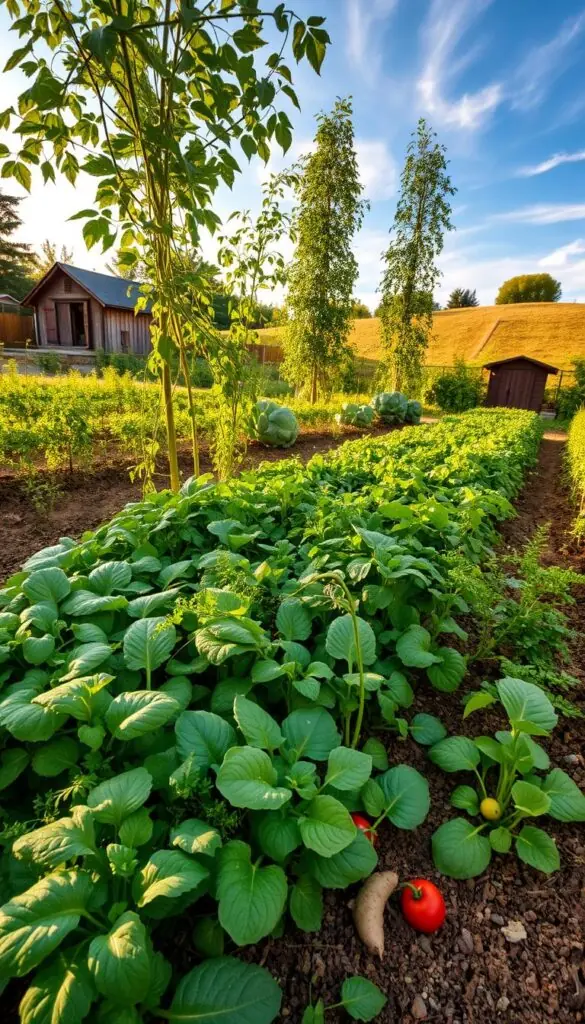
Tip: note frost dates and days to maturity. Small notes help you plan each season with confidence.
Plan your garden in 4D: space, height, and time working together
Lay out your beds so space, height, and time work together like a small neighborhood. This gives each crop room to shine and keeps sunlit rows productive.
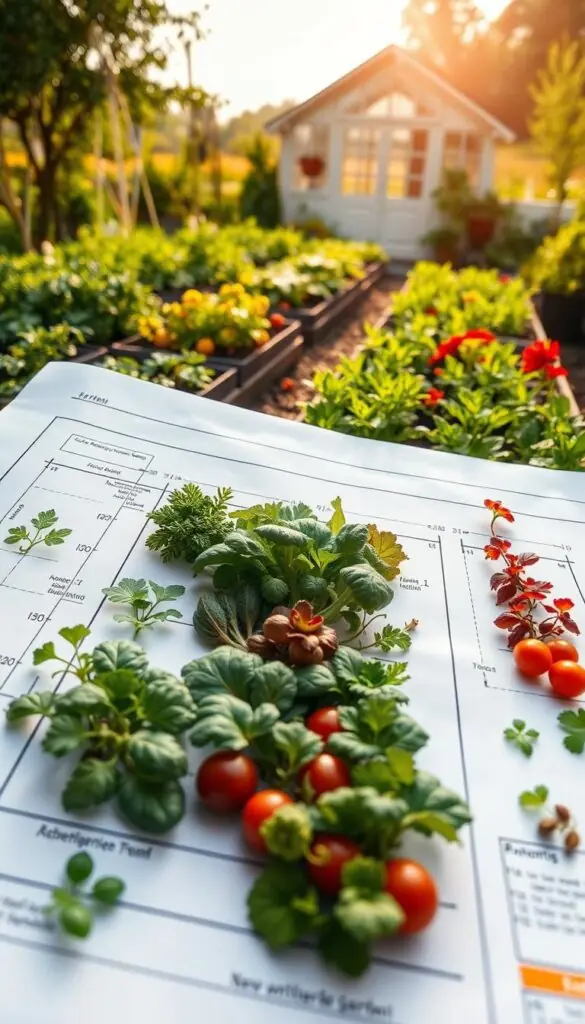
Use crop windows to map the year
Assign each bed a season: Spring (Feb–July), Summer (Apr/May–early Jun–Oct), Fall (Jun–Nov), and Very Late (Sep–overwinter).
Note: Spring and Summer, and Summer and Very Late, overlap. Transplants can buy up to six weeks of overlap.
Work backward from days to harvest
Find your frost date, then count back from the days to maturity. If beans need 55 days, set your sowing week accordingly.
Place taller crops to the north
Sketch beds on graph paper and mark sun paths. Put corn and tomatoes on the north side so they don’t shade smaller greens.
Keep a simple planting chart
Use a notebook or spreadsheet to log sowing dates, days to harvest, and overlaps. Label rows with plant tags so you can compare varieties next year.
Stay flexible — weather shifts happen
Weather can stretch or compress your schedule by weeks. Shift sowing dates rather than forcing them. Aim to plant in calm mornings when soil is cool and easy to work.
| Task | Tool | When | Why it helps |
|---|---|---|---|
| Sketch beds and sun path | Graph paper, measuring tape | Before sowing | Keeps tall crops to the north and protects light for greens |
| Work back from frost date | Notebook, calendar | Planning phase | Sets realistic sowing weeks by days to maturity |
| Use transplants for overlap | Seed trays, porch light | Spring & summer | Buys up to six weeks to fill gaps between windows |
| Label and log rows | Plant tags, pencil | At planting | Refines timing and improves next season's plan |
Best vegetables by season and speed for a smooth succession
Map your season by speed: what matures in weeks and what asks for months, so you stagger sowings with ease.
Short-season cool crops — arugula, baby lettuces, spinach, and crisp radishes finish in about 30–40 days. They handle a light frost and are ideal for early spring and late summer rounds.
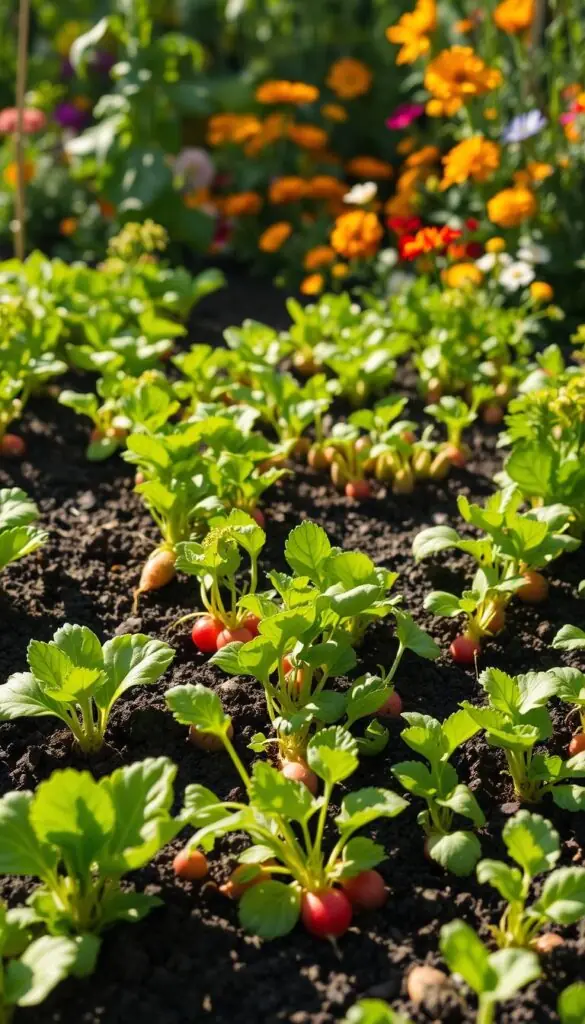
Cool-season intermediate
Peas, carrots, beets, chard, broccoli, and cabbage take roughly 50–80 days. Some are direct-seeded (peas, carrots, beets) while broccoli and cabbage are often transplanted.
Warm-season intermediate
When nights stay mild, move to bush beans, cucumbers, and summer squash. These heat-loving crops need warm soil and are frost-sensitive.
Long-season bearers vs single-harvest crops
Tomatoes and peppers give steady fruit over months. Corn, potatoes, and winter squash finish in one satisfying harvest.
- Blend early, mid, and late varieties of carrots or cabbage to stretch yield.
- Use row cover for chilly snaps and mulch for summer heat.
- Count the days and weeks for each crop so your next sowing slides in on time.
Top picks that shine in succession planting
Pick dependable garden stars that mature at different speeds and keep harvests rolling. These choices are easy to sow, easy to tend, and give you small, frequent returns.
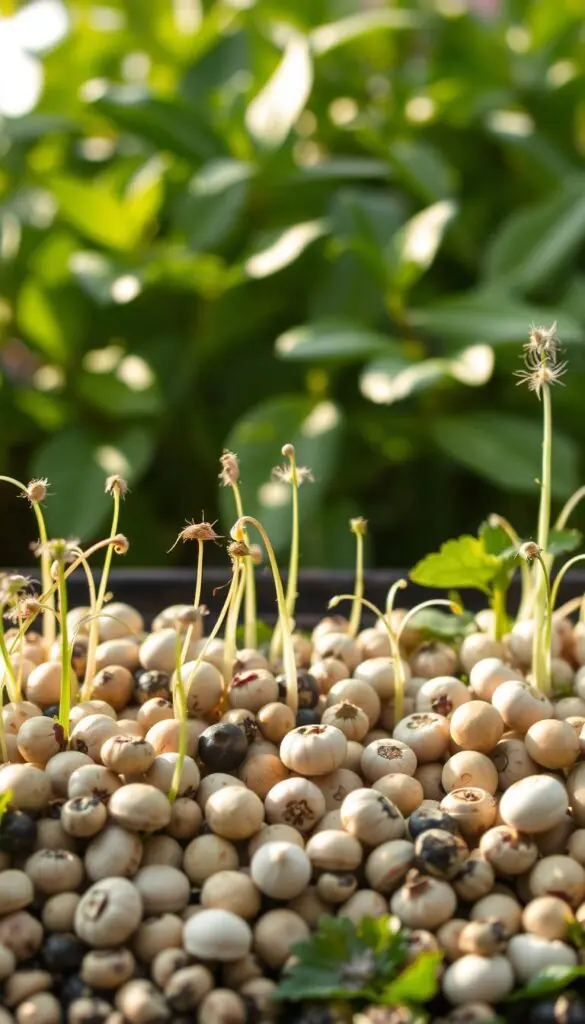
Root crops for steady roots
Sow carrots and beets in short rows every two weeks. Pull a few sweet, crisp roots at a time so you avoid a glut.
Plant a new line of radishes every week for peppery snacks that stay tender and never turn woody.
Fast-bolting annual herbs
Cilantro and basil can bolt as temperatures change. Re-seed cilantro every other week to keep that spicy, bright flavor.
Use small pots or a dedicated herb strip and keep a jar of seeds handy for quick, frequent sowings.
Legumes in waves
Plant bush beans and peas in waves every 2–3 weeks. Expect first pods near day 60, with a second flush about 20 days later.
Those snappy beans and sweet peas make a lovely follow-up after early greens.
Greens and cucumbers
Sow salad greens weekly for a constant bowl of baby leaves. For cukes, set up small hills every three weeks.
Protect cucumber seedlings with row cover until flowers appear so young plants can grow without shock.
Simple tools to keep near the door:
- Hand seeder or small dibber for straight lines
- Plant tags and a jar of extra seeds
- Watering can with a fine rose to settle soil gently
| Crop | Sow cadence | Days to first harvest |
|---|---|---|
| Carrots & beets | Every 2 weeks | 50–70 days |
| Radishes | Every week | 25–35 days |
| Cilantro / basil / dill | Every 2 weeks | 20–40 days (harvest leaves) |
| Bush beans / peas | Every 2–3 weeks | ~60 days to pods |
| Cucumbers (hills) | Every 3 weeks | 50–70 days |
Techniques that minimize overlap and maximize beds
Smart relays and a spare tray of transplants help you make the most of every inch of bed. Start fall crops in pots so you can “buy” 4–6 weeks while spring rows finish. A small tray on a sunny porch saves space and gives you graceful handoffs.
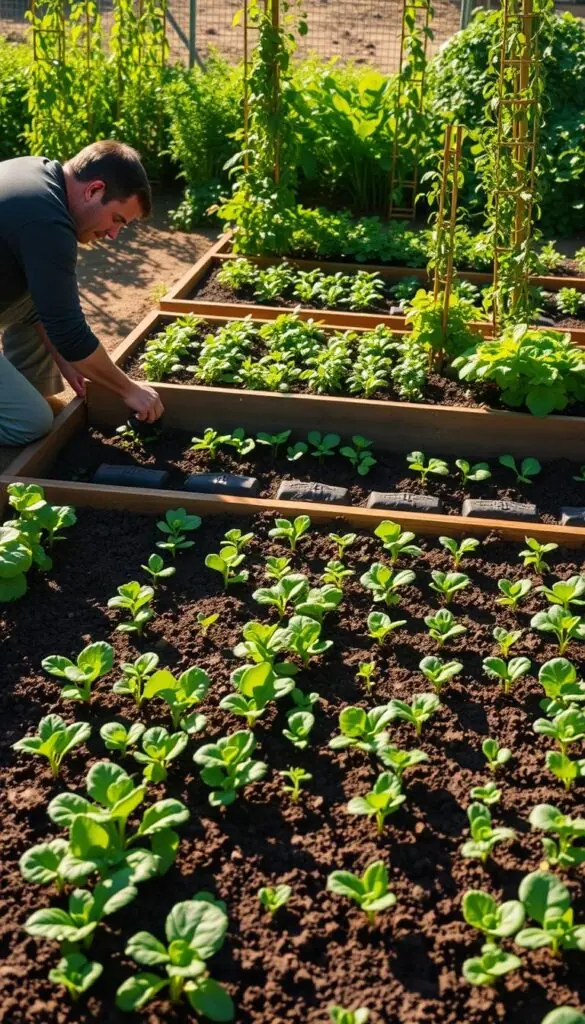
Transplants and tidy relays
Start seedlings in pots to cover a 4–6 week gap. Use peat pots or small flats so you can set them in place without disturbing roots. When a row finishes, slide the pots in and let the new roots knit with the soil. This simple move reduces wasted rows and the extra work of rebuilding beds.
Pair fast with slow
Follow quick baby greens with long-season leeks or parsnips. After pulling roots, sow fast spinach as a filler and side-dress with fish emulsion or blood meal. Swap spring peas to fall cabbage by late July to use time and space well.
Intercrop, undercrop, and overwinter
Underplant mache or spinach beneath fading squash and slip lettuces between tall, slender crops. Cut spent plants at the base rather than pulling to keep soil life calm. Where winters are mild, overwinter carrots, lettuce, or hardy brassicas for early spring crunch.
Season extension and soil warming
Use cloches or row cover to guard tender starts from rough weather and chilly nights. Solarize with clear plastic a few weeks before sowing seeds for heat-loving crops to raise soil temperature. Keep a small bottle of fish emulsion handy to feed quick greens after a relay.
- Tools: pots, cloches, row cover, clear plastic, hand trowel.
- Timing: plan in days and weeks so each swap fits the calendar.
Sample successions for U.S. gardens with practical timing
Plan gentle handoffs in each bed so one crop hands the space to the next with little fuss. Below are simple, real sequences you can use in most U.S. regions. Count back days and weeks from your frost date to set each sowing and transplant with confidence.
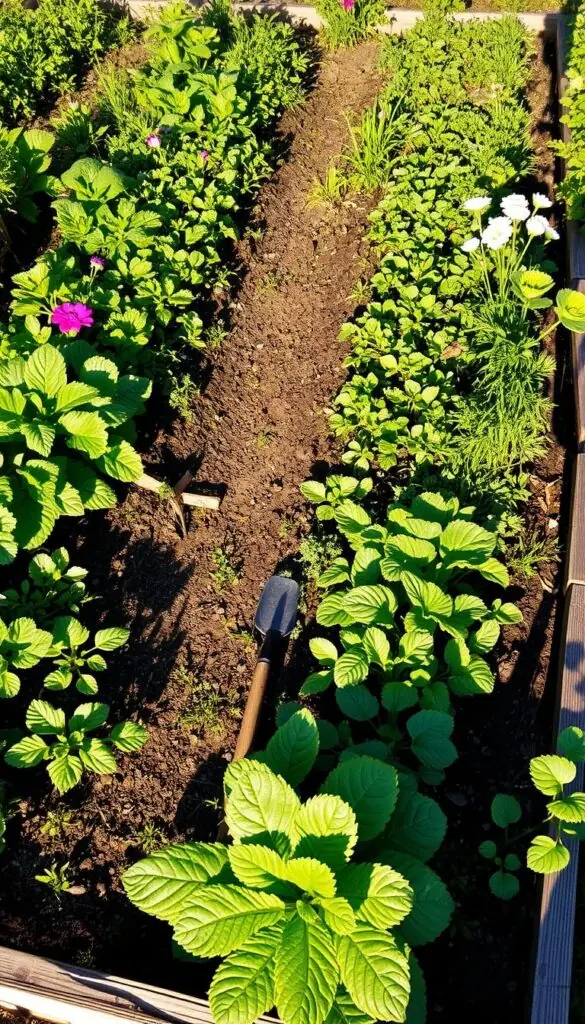
Early spring → summer
Start with radishes in early spring. They finish fast, often in 25–35 days, and clear quickly.
When radishes are pulled, sow bush beans into the same bed for a warm-weather follow-up. Keep rows 12–18 inches apart and water in the morning during hot spells.
Spring → fall
Sow lettuce or spinach as spring salads. After harvesting, sow parsnips or transplant leeks into that bed for a long cool-season crop.
Let peas climb in a side bed and, when done, replant that area with cabbage or other brassicas for a late fall harvest.
Summer → very late
Tomatoes give summer fruit for weeks; as they fade, pull them and tuck garlic cloves into the bed for next year’s harvest.
When squash tires, trim vines and sow mache or spinach beneath remaining shade. Peppers or eggplant beds can be followed by quick radishes for a fast return.
Quick gap-fillers and care
Keep a small seed stash of mesclun and Asian greens for any open spot. These crops mature in weeks and rescue dinner when gaps appear.
Watering tip: in heat, water steadily in the morning and use a light mulch. If afternoon sun burns seedlings, a shade cloth reduces stress without heavy work.
"Count back from your frost date and log each sowing — a little calendar saves a lot of guesswork."
| Sequence | Timing cue | Spacing / note |
|---|---|---|
| Radishes → Bush beans | 25–35 days → sow beans after pull | Rows 12–18" apart |
| Peas → Cabbage | Peas finish, replant for fall | Start brassica transplants earlier in cooler regions |
| Tomatoes → Garlic | Late summer pull → cloves in fall | Plant garlic 4–6 weeks before ground freezes |
Succession planting mistakes to avoid and easy fixes
You can keep harvests steady by spotting common errors and fixing them quickly.
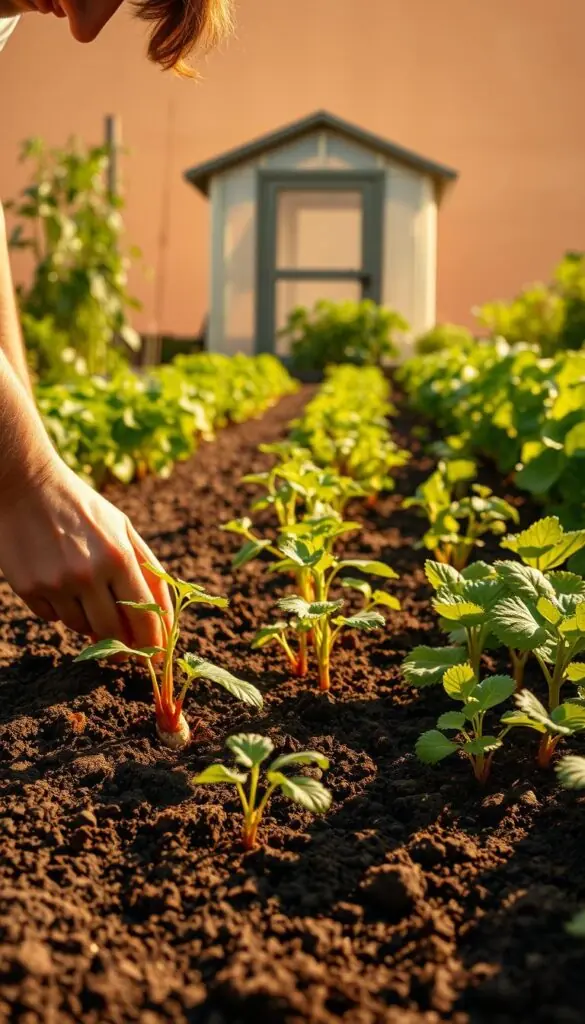
Common slip-ups and calm fixes
Don’t overload one harvest week. Stagger sowings so you aren’t swamped and nothing goes to waste.
Keep tall crops to the north. That simple move prevents shading and gives short ones steady sun.
Neglecting soil and water makes a big difference. Feed beds and water deeply in hot, windy weather to avoid bitterness and bolting.
Simple rotations and feeding
Try this rotation: Legume → Leaf → Fruit → Root. It balances nutrients and cuts pest pressure.
After root crops, side-dress quick greens with a light fish emulsion or blood meal to keep leaves lush.
Practical habits that matter
Protect your garden space by filling gaps quickly — a handful of mesclun seeds rescues dinner.
Keep short notes. Weather shifts speed or slow maturity, and your log helps next year more than perfection ever will.
"Leave wiggle room in your plan; a small pivot keeps the season calm and productive."
Conclusion
Tiny weekly steps lead to a garden that offers gentle, ongoing harvests instead of a single rush.
Start with a few seeds, a small bed, and a short list this week. In a few days you’ll see green, and in a few weeks you’ll taste the difference.
Work with the season—sweet spring greens, warm summer fruit, and colorful fall roots. Mind your frost date and shift sowings by a week when weather nudges you.
Use simple season-extension tools like a cloche or clear plastic to warm soil and lengthen the growing season. Overwintering hardy crops can give you an early spring bounty.
Give space and compost, count days, and enjoy the scents and textures. We’re cheering you on: a handful of seeds and your hands in the soil is all it takes to grow steady harvest after harvest.
FAQ
What vegetables are best for steady, staggered harvests?
Choose a mix of fast, medium, and long-season crops. Fast cool-season options include radishes, arugula, and baby lettuces. Medium crops are carrots, beets, peas, and bush beans. Long-season bearers are tomatoes, peppers, and corn. Blend early, mid, and late varieties so you have continual pickings rather than one big glut.
How do I plan sowing so crops finish before the next ones go in?
Work backward from your average days to harvest and your last frost date. Map crop “windows” for spring, summer, fall, and very late season. Use a simple chart showing sow date, expected harvest window, and when the bed becomes free. That helps you schedule follow-up sowings without overcrowding.
Can I sow the same crop multiple times through the season?
Yes. You can sow waves of the same crop—like salad leaves or bush beans—every 1–3 weeks to keep a steady supply. For crops that bolt or decline in heat, sow earlier in spring and again in late summer for fall harvest where climate allows.
How much space should I leave between successive crops?
Consider the mature size and root depth of both current and following crops. Leave enough room for roots to finish and for you to access the bed. When in doubt, transplant into adjacent beds or use temporary containers to avoid compacting soil where a long-season crop will follow.
What are quick gap-fillers when a bed opens unexpectedly?
Mesclun mixes, Asian greens, fast spinach, and radishes are ideal. They germinate and mature in a few weeks and help protect soil from erosion. You can also sow herbs like cilantro or basil for a short-term harvest before planting the next main crop.
Should I start seedlings indoors to speed things up?
Yes. Transplants buy you 4–6 weeks compared with direct sowing, which is useful when you need to maintain continuous harvests. Start tomatoes, peppers, and brassicas indoors so beds free up sooner for quick follow-ups like lettuces or spinach.
How do I avoid taller crops shading smaller ones?
Place tall crops on the north side of beds or rows so they don’t cast shade on shorter neighbors. Stagger heights when planning and use trellises to grow vining crops vertically. This keeps light available for low-growing, fast-maturing plants.
What soil practices help with quick successions?
Keep soil loose and fertile. Add compost between crops and use light side-dressing with balanced organic feeds or fish emulsion during active growth. Rotate families—legume → leaf → fruit → root—to reduce pests and maintain fertility.
How do I handle weather swings that disrupt my schedule?
Stay flexible. Use row cover, cloches, or cold frames to protect tender seedlings from late frosts or to cool them in a heat wave. Shift sowing dates by a week or two if an unexpected cold snap or heat spell arrives, and keep a planting chart to track changes.
Can I grow winter crops between summer harvests?
In many regions you can overwinter hardy crops like carrots, certain lettuces, and brassicas for an early spring pick. Succession planning that includes very late season sowings or protected beds lets you extend harvests into mild winters or get an early jump the next year.
How often should I sow herbs for continuous harvest?
Many annual herbs bolt quickly, so sow small amounts every 2–4 weeks. Basil, cilantro, and dill benefit from regular sowings so you always have fresh leaves and to avoid a single, overwhelming harvest that goes to seed.
What common mistakes should I avoid when scheduling crops?
Don’t overload a single harvest window or ignore crop height and shade. Avoid neglecting soil and water needs between successions. Also, don’t forget rotation—replanting the same family in the same bed repeatedly invites pests and disease.
How do I use transplants and direct sowing together effectively?
Use transplants to fill long-season slots early and free beds more predictably. Then direct-sow fast crops into the vacated spaces or in nearby beds. This pairing helps you maximize bed use and smooths out harvest timing across the season.