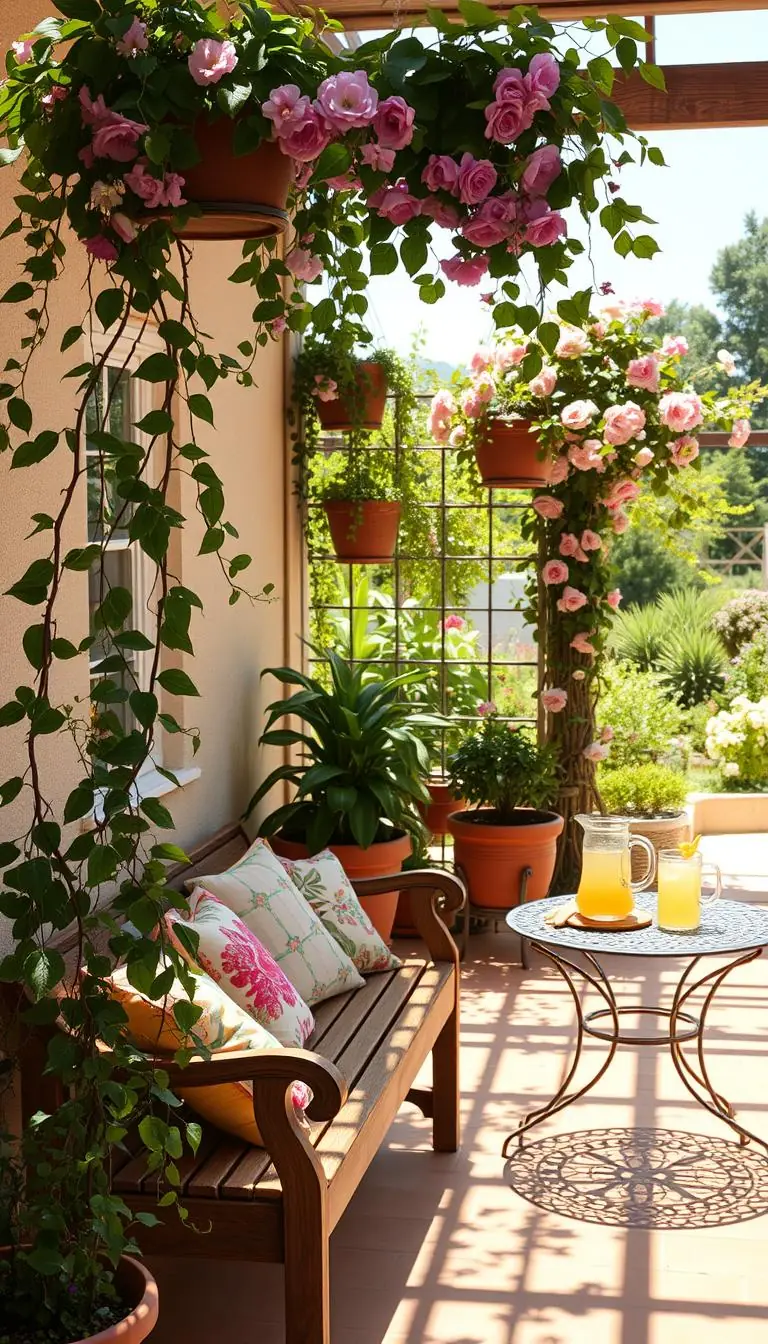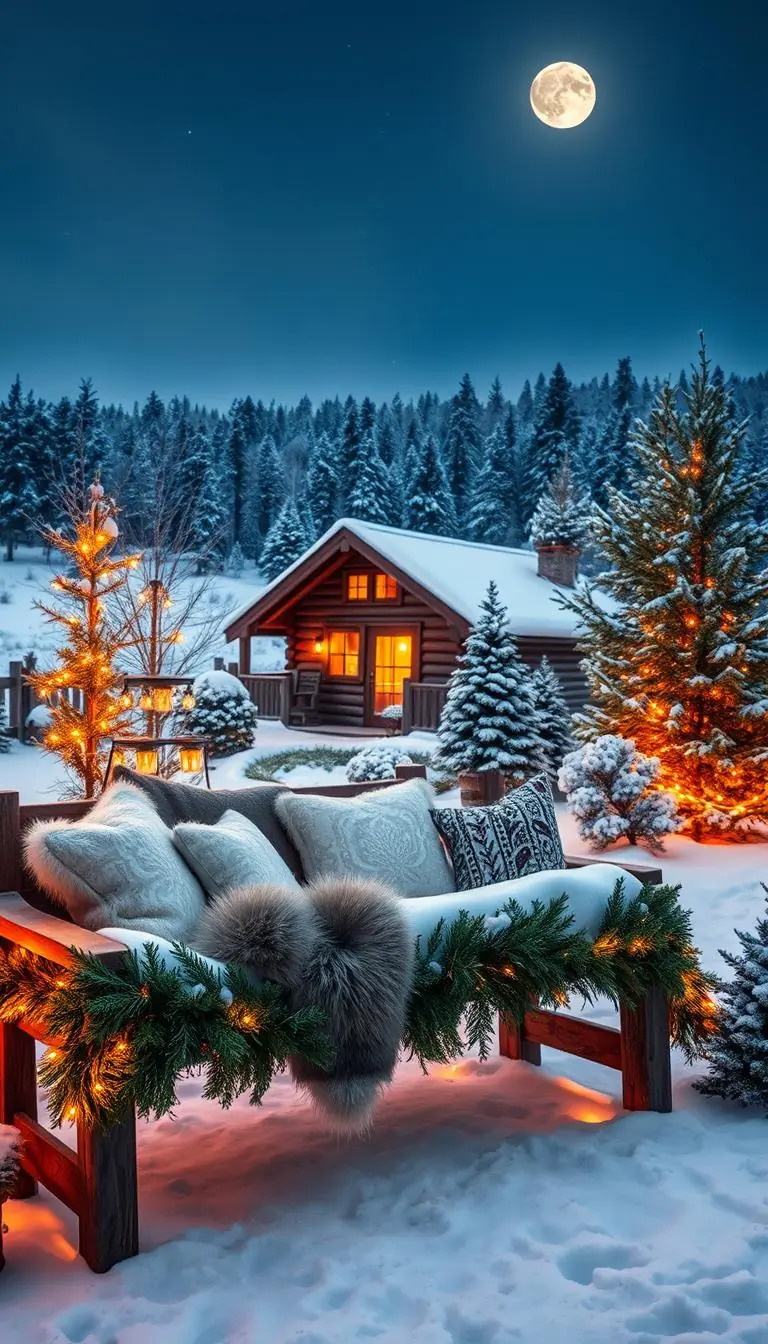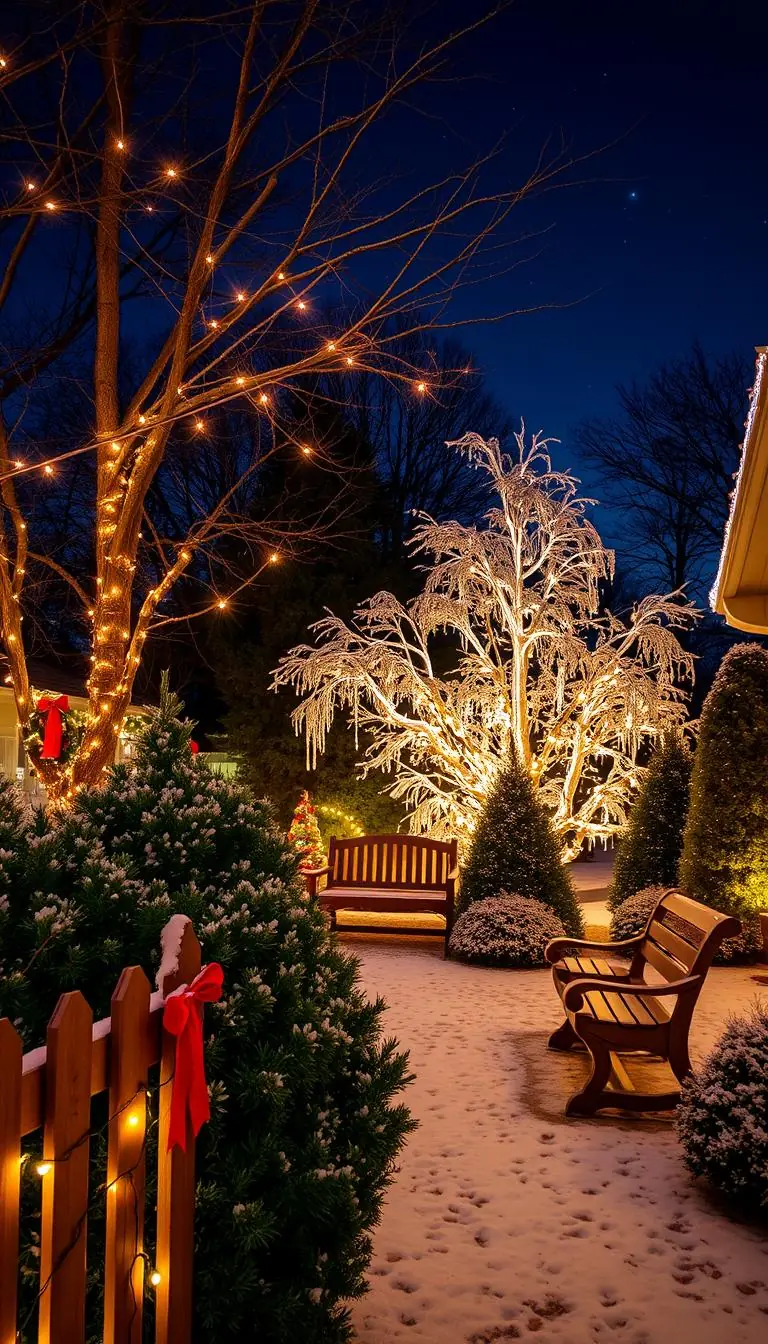
Evening air cools, and a soft amber glow pulls you outside. Have you pictured where a small circle of warmth might sit near your patio or lawn?
You’ll get calm, step-by-step guidance to choose and place a simple fire feature that fits your yard and lifestyle. We keep this practical: quick sizing tips, simple tools like a tape measure and level, and where to set it for safe, easy use.
Expect seasonal notes — install in spring when soil is workable, tidy in fall, and enjoy warmth through winter evenings. Modern fire pits come in many designs: round bowls, square forms, suspended bowls, and table models that double as a gathering surface.
We’ll also cover quick choices: push-button gas for weeknights or wood for slow weekends, and smokeless options if you want less smoke. Avoid common mistakes, like placing a unit too close to siding or skipping a spark screen on breezy nights.
Key Takeaways
- Picture how many seats you want and leave at least 6–7 feet around the rim for comfort and safe paths.
- Build a stable base with paver base or use a fire-resistant mat on decks.
- Choose gas for quick use or wood for a slower ritual; consider smokeless models for cleaner evenings.
- Add drought-tough plantings a few feet back for scent and style without scorch risk.
- Shop late summer or early fall sales for better prices and check lead times for custom sizes.
Warmth, glow, and together time: why a fire feature anchors your outdoor living
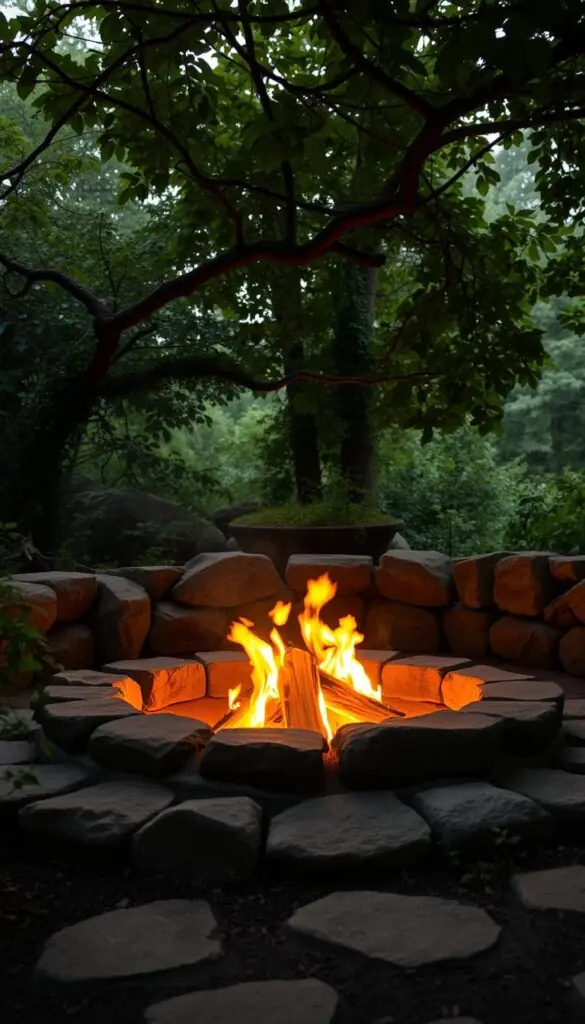
When light and heat gather at the center of your outdoor space, conversation and comfort follow.
A gentle flame reshapes a patio or garden corner into an inviting room. Soft light smooths hard surfaces and makes faces warm and easy to read. A little crackle and the scent of pine feel like a natural soundtrack on cool evenings.
Simple placement cues keep gatherings relaxed and safe. Place chairs about 2–3 feet from the rim for cozy leg warmth, then pull back on windy nights. Ring the seating with heat-tolerant plantings—dwarf fountain grass, lavender, and thyme make a lush border at a safe distance.
Quick, low-effort wins: a basket of blankets, a low table for mugs, and potted citronella or rosemary a few feet downwind to reduce bugs.
| Use | Distance | Comfort tip |
|---|---|---|
| Casual chats | 2–3 ft from rim | Side table for drinks |
| Small groups | 6–7 ft clearance around | Layer rugs and throws |
| Seasonal evenings | Clear path from door | Solar stakes for soft light |
- A gathering anchor: the feature draws people together and makes outdoor living feel like another room.
- Let the garden set the mood—on breezy nights the flame leans, grasses whisper, and the space breathes.
How to choose the right fuel: wood vs. gas for your outdoor space
Choose fuel that matches how you live: quick convenience or slow, scented evenings.
Gas models light with a button and shut off in seconds. They suit weeknights—no kindling, no ash, and an easy, steady gas fire you can adjust. Propane gives flexibility for renters and patios; natural gas ties to a permanent line. Have a licensed pro run lines and store tanks in a ventilated, hidden enclosure.
Wood brings ritual and that classic crackle. Use seasoned hardwood and stack logs on a covered rack 20–30 feet from the house. Wet wood smolders and creates extra smoke—keep it dry under a tarp that still allows airflow.
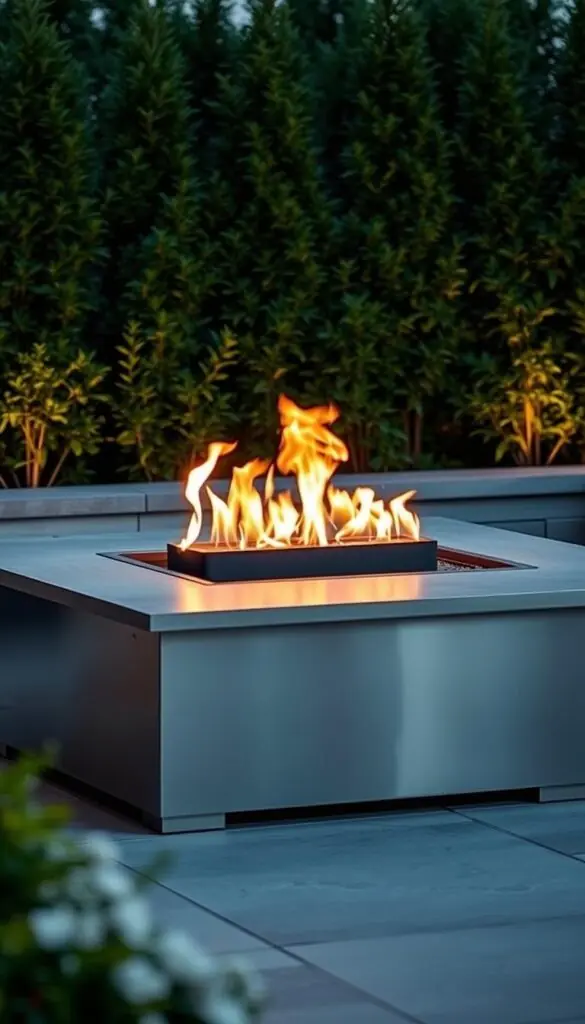
Smokeless designs and airflow
Look for double-wall bowls and secondary combustion. These designs pull air to re-burn smoke, giving a clearer view and fewer smoky jackets. Stainless steel or steel bodies change how heat radiates and how long the unit lasts.
| Feature | Gas | Wood |
|---|---|---|
| Start/Stop | Instant, button control | Requires kindling and tending |
| Storage | Compact propane or fixed line | Rack with tarp; keep logs dry |
| Smoke | Low when vented properly | Higher unless using smokeless design |
| Best for | Quick evenings, low cleanup | Ritual nights, aroma, crackle |
- Quick pick: choose gas for ease, wood for ambiance.
- Never cook over a gas burner or burn paper in gas models—this can harm the burner and void warranties.
- Plan capacity: a 20-lb propane tank covers several nights; upsized tanks help hosts avoid a mid-evening issue.
Shop-worthy styles to consider (bowls, tables, columns, and cauldrons)
Match form and function: a table for games, a bowl for small balconies, or a sculptural steel piece that makes a statement.
Fire pit tables like Prism Hardscapes Tavola II–VIII and Tavola 42 give a chat-height surface that keeps drinks and cards handy on your patio. They offer quick-ship options and steady flames for hosting.
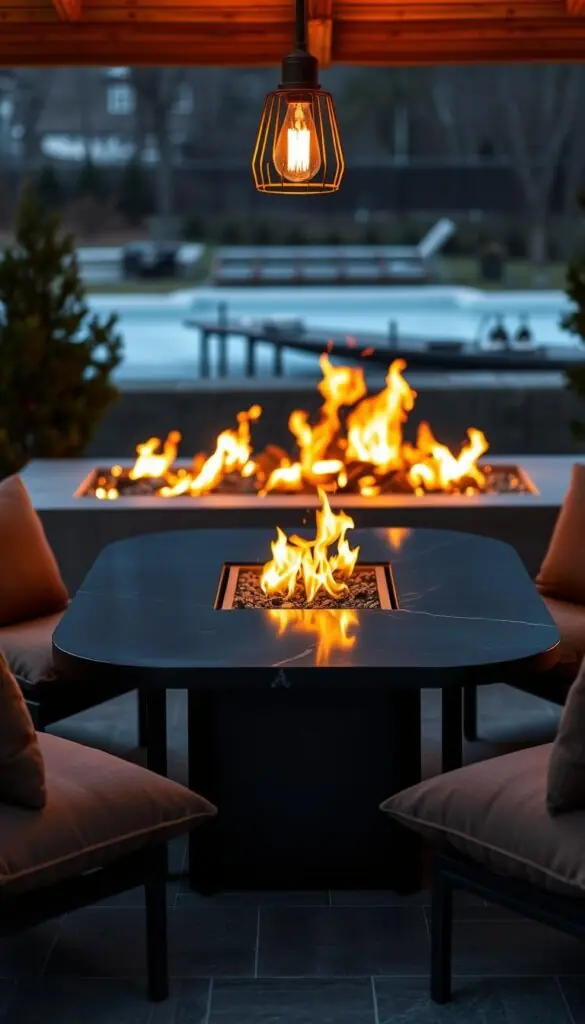
Compact bowls and chat-height tables
Moderno IV/V, Sedona, and Maya bowls tuck into tight corners. Use a level for bowl placement and leave 48 inches of clearance for chairs around tables.
Statement pieces and linear burners
Consider Corten or powder coat steel options like Cabo Square, Fremont, Beverly Steel, and Amina. Linear burners under glass resist wind and highlight reflective media for a clear view.
Portable showstoppers
Cowboy Cauldron’s suspended basin adjusts for seating height, lifts smoke up, and lets feet sit comfortably beneath the steel plate.
"A sculptural piece reads like garden art by day and casts lacework shadows by night."
| Style | Good for | Notable models |
|---|---|---|
| Chat-height table | Hosting, patio chats | Prism Tavola series |
| Compact bowl | Small spaces, balconies | Moderno IV/V, Sedona, Maya |
| Statement steel | Sculptural view, lasting patina | Cabo Square Corten, Fremont, Amina |
| Suspended basin | Portable theater, adjustable height | Cowboy Cauldron |
- Tip: Choose wind guards for linear burners and pick powder coat or stainless steel for coastal durability.
- Shop timing—if a model is on sale or quick-ship, grab it before stock thins.
Backyard fire pit ideas by material, size, and budget
Start by deciding if you want rugged steel, coastal stainless, or clean concrete silhouettes.
Steel and stainless steel picks: thick-gauge steel fire options like Cabo Square Corten or Fremont powder coat give bold looks and hold heat well. Stainless steel stands up to salt air and lasts near the coast. Consider Ohio Flame Lunar and Stellar bowls for forged, long-wearing steel fire pieces.
Concrete and masonry looks: Prism Hardscapes Moderno and Tavola tables and bowls give even warmth and a modern silhouette. Concrete suits chat-height tables and larger outdoor round designs that double as a focal surface.
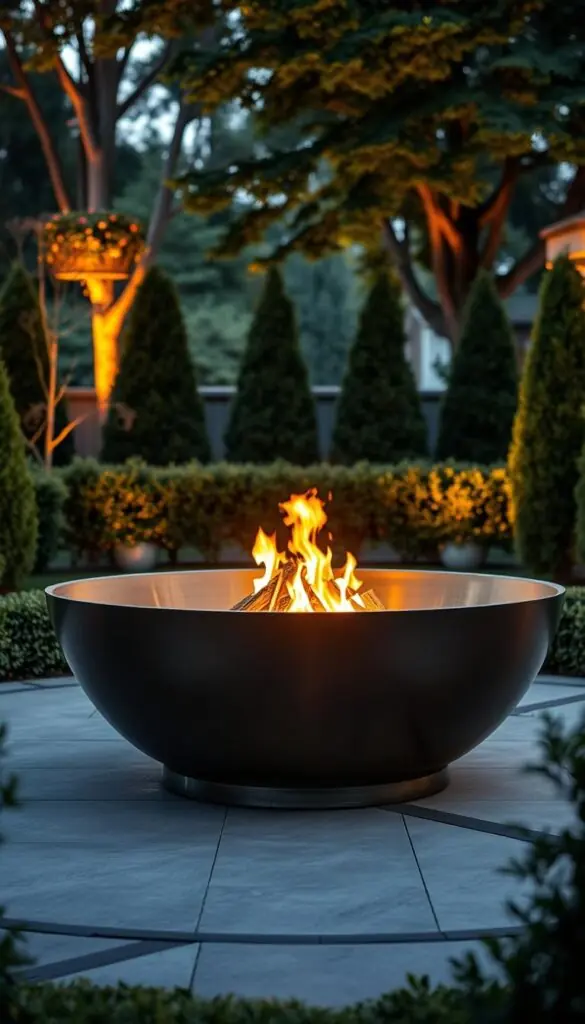
Budget to premium: quick-ship products like Maya and Sedona bowls or The Outdoor Plus Sequoia gas fire pit work when you need a fast install or a late-summer sale find. Custom, brand-forward pieces and pit art—Fire Pit Art Fleur De Lis or Amina powder coat—anchor a room and feel like sculpture.
"Right-size with painter’s tape: outline 30, 36, or 48 inches to test seating and flow before you buy."
| Material | Good for | Example products |
|---|---|---|
| Steel (powder coat, Corten) | Bold profile, durable heat | Cabo Square Corten, Fremont powder coat |
| Stainless steel | Coastal sites, low corrosion | Sequoia gas fire pit, stainless steel bowls |
| Concrete/masonry | Even heat, modern table forms | Prism Moderno, Tavola series |
- Quick tools: tape measure and painter’s tape to mock up sizes and seating arcs for 6–8 ft clearance.
- Balance fuel and budget: propane for flexible installs, natural gas for long-term ease, wood if you already store logs.
- Watch for common issues—wind exposure and maintenance—and opt for wind guards or stack gas-ready kits when needed.
Placement, safety, and comfort: set it right for four-season use
Place your unit with safety and comfort in mind so evenings feel effortless all year. Start by picking a firm, non-combustible base: stone, concrete, or a compacted paver pad for lawn and garden spaces. On wood or composite decks, add a certified fire-resistant mat that extends beyond the rim.
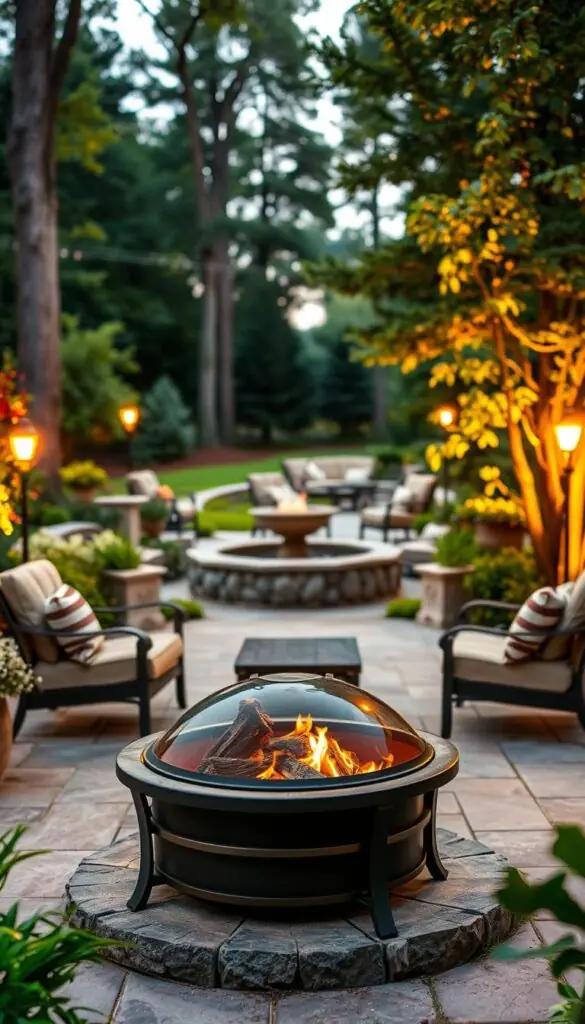
Decks, patios, and garden beds
Protect surfaces: raise the unit on pavers or a mat and keep a buffer from siding, railings, and shrubs. Check the manual for required clearances and add a safety margin.
Under cover or open sky
If you plan a covered patio, confirm ventilation needs and roof height before installing. Gas models are predictable, but every ceiling needs clear vertical and lateral space to avoid issues.
Seating circle and wind tips
Place chairs 24–36 inches from the rim for a gas fire pit and a bit farther for wood models. Angle seats slightly downwind so smoke drifts past guests. A low table off-center keeps knees clear while holding mugs or a pit table for marshmallows.
Seasonal timing and maintenance
Do a spring check: inspect hoses, fittings, and level pavers; prune nearby plants a couple feet back. In fall, empty cooled ash into a metal bin. In winter, use a snug cover to keep sleet and snow out.
"A simple mat, a good clearance, and a seasonal check keep evenings safe and easy."
- Tools to keep handy: tape measure, level, heat-resistant gloves, long tongs, spark screen, and a snug cover.
- Fix common issue spots now: secure gas lines to avoid trip hazards and use a spark screen on wood bowls to protect decks from embers.
- Safety kit: gloves, a bucket of sand or extinguisher, and a flashlight for late-night shutdowns.
Small upgrades with big impact: media, accessories, and cozy add-ons
Small swaps and a few smart accessories can transform how your outdoor area looks and functions at dusk.
Fire media that shapes the flame
For a gas fire pit, media spreads gas across the burner for fuller, more realistic flames. Try amber fire glass for jewel tones, lava rock for texture, or ceramic logs for a classic camp feel.
Measure media to the manufacturer's depth so you don't clog burner ports. Even coverage gives an even flame and reduces an unexpected issue when you light up.
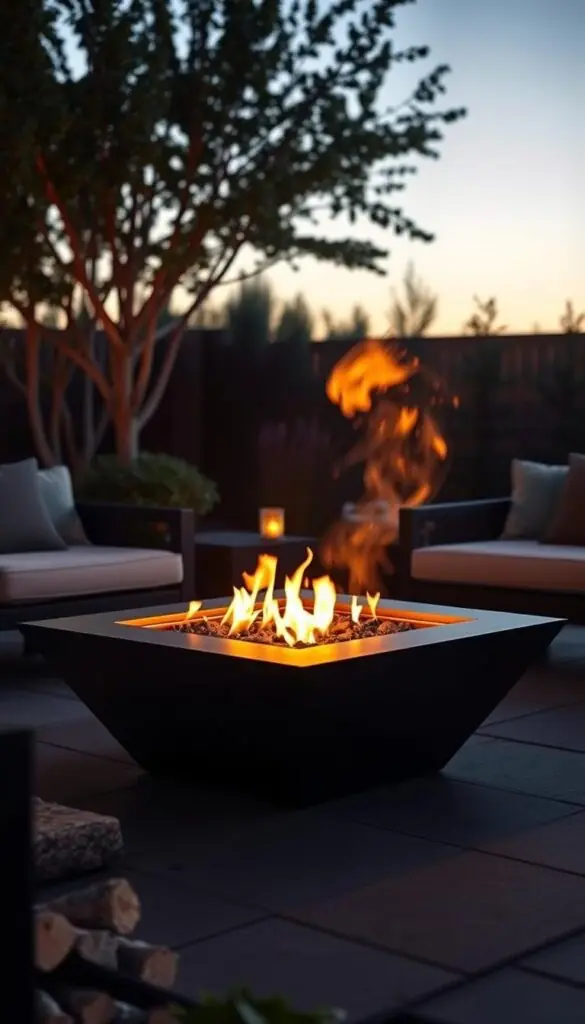
- Slip on a fitted cover to keep rain and leaves out so starts stay quick and clean.
- Add a spark screen to a steel fire pit that burns wood and pair it with long tongs and heat‑resistant gloves.
- For a pit table, a tempered glass wind guard steadies taller flames on breezy nights.
- Use stainless steel media trays near coastlines for corrosion resistance and easy clean‑up.
- Nestle herb pots—thyme or rosemary—just outside the heat zone for scent and garnish.
"Refresh media, tuck tools nearby, and keep a short checklist: media depth right, cover on, valve off, and the area clear before you head in."
Conclusion
Conclusion
Pick one realistic option, measure for comfort, and you’ll be outside more nights this season.
You’ve got welcoming options at your fingertips—choose the shape you love, note clearances, and set a safe, steady base so lighting the first fire pit feels easy.
If you’re shopping soon, watch for a timely sale or a quick‑ship note so your favorite gas fire or bowl arrives before cool weather. Pick comfort-first seating and keep a clear view of the flame for calm evenings.
Keep a simple seasonal rhythm: spring checks, summer shade, fall tidy-ups, and winter mugs by the glow. Add a single piece of fire pit art or pit art bowl if it calls to you—small sculptures can anchor the garden like a friend on the path.
Final nudge: trust your instincts. Your outdoor living space will gather people the moment warmth and light settle in. Covers on, valves off, and embers cooled—then step back and enjoy the view.
FAQ
What are the main fuel options for a cozy outdoor fire feature, and how do they differ?
You can choose between wood, propane, and natural gas. Wood gives a classic, crackling ambiance and scent but needs storage, seasoning, and a safe ash plan. Propane and natural gas offer instant heat, cleaner burn, and easier control — great for tables and stainless steel burners — though they lack the smoky aroma of wood. Consider convenience, local codes, and whether you want a smokeless design or the ritual of tending a wood flame.
How do I pick the right size and material for my patio fire table or bowl?
Match scale to your seating area: small bowls suit intimate patios, while linear burners and table models serve larger groups. Materials matter: stainless steel and powder-coated steel resist weather and heat; corten steel develops a rustic patina; concrete and masonry hold warmth well and feel modern. Think about weight, maintenance, and whether you want a portable or fixed installation.
Are gas fire tables safe on wooden decks and covered patios?
Yes, with precautions. Use a non-combustible base or heat-resistant mat and keep proper clearances from decking, railings, and overhead structures. For covered patios, ensure ventilation to avoid gas buildup and follow manufacturer instructions for venting and combustion air. Installing a carbon monoxide detector nearby adds a layer of safety.
What maintenance do propane and natural gas burners require?
Regular checks keep things working smoothly. Inspect hoses, fittings, and valves for wear. Clean the burner ports and remove debris from fire media like glass or lava rock. Cover the unit when not in use and drain or winterize according to the season. Annual professional service is wise for fixed natural gas hookups.
How do smokeless designs and double-wall construction help performance?
Smokeless and double-wall designs improve airflow and promote more complete combustion. That reduces visible smoke, sends flames higher and cleaner, and can boost heat output. These features suit small spaces and neighbors who prefer less scent and drifting smoke.
What are good fire media options and how do they change the look?
Fire glass gives a modern, reflective sparkle; lava rock offers a rustic, textured base; ceramic logs mimic real wood; and river stones give an organic, subdued look. Media affects flame pattern and heat distribution, so choose media rated for your burner and the aesthetic you want.
Can I convert a wood-burning bowl to gas, or vice versa?
Converting is possible but requires the right burner kit and professional gas hookup for safety and code compliance. Converting a gas unit back to wood is harder because gas tables often include internal components not suited to open wood fuel. Consult a certified technician before making changes.
What seating layout keeps everyone comfortable and safe around a flame feature?
Aim for a circular or U-shaped grouping with 3–4 feet between seats and the edge of the unit for warmth without discomfort. Low tables and side lighting help create a cozy conversation area. Position seating with wind direction in mind to avoid smoke or heat blowing through the group.
How should I store propane tanks and firewood to stay safe and dry?
Store propane upright in a well-ventilated, shaded area away from ignition sources — never indoors. Keep wood off the ground on a rack and covered to stay dry; season wood for at least six months to reduce smoke and improve burning. For both, follow local codes and manufacturer guidance.
What styles are best for small spaces or renters who need portable options?
Compact bowls, tabletop burners, and lightweight steel cauldrons work well for limited areas. Look for propane-fueled, portable models with CSA or UL listings and easy disconnects. The Cowboy Cauldron-style suspended basins and small fire bowls offer charm without a permanent install.
How do I choose between decorative pieces like corten art or minimalist stainless steel?
Think about your yard’s mood. Corten and powder-coat steel offer sculptural, rustic drama and age into a patina. Stainless steel feels sleek and modern, resists corrosion, and pairs well with contemporary patios. Consider long-term exposure, maintenance, and how the piece complements plantings and furniture.
Are there eco-friendlier options for an outdoor flame feature?
Yes. Natural gas and high-efficiency burners produce fewer particulates than unseasoned wood. Smokeless designs and secondary combustion systems reduce emissions. You can also use sustainably harvested firewood and choose EPA-certified appliances where available.
What should I look for when buying on sale or shopping by budget?
Prioritize safety certifications, durable materials, and a reputable warranty. Entry-level units can offer great value, but check burner quality and parts availability. For custom or premium pieces, factor in installation, gas line work, and long-term finish care. Sales are a good time to buy accessories like covers and spark screens.
How do I winterize my gas fire table or steel bowl?
Turn off fuel supply, disconnect propane if used, and clean burner components. Cover the unit with a breathable, weatherproof cover and store loose media like glass indoors if possible. For stainless steel, wipe down and apply a light protectant to prevent spotting during wet seasons.
When should I hire a professional installer versus DIY?
Hire a licensed contractor for natural gas hook-ups, permanent masonry installations, electrical work, or any change that affects building systems. DIY is reasonable for portable propane units, simple assembly, and decorative placement — as long as you follow manufacturer instructions and local codes.