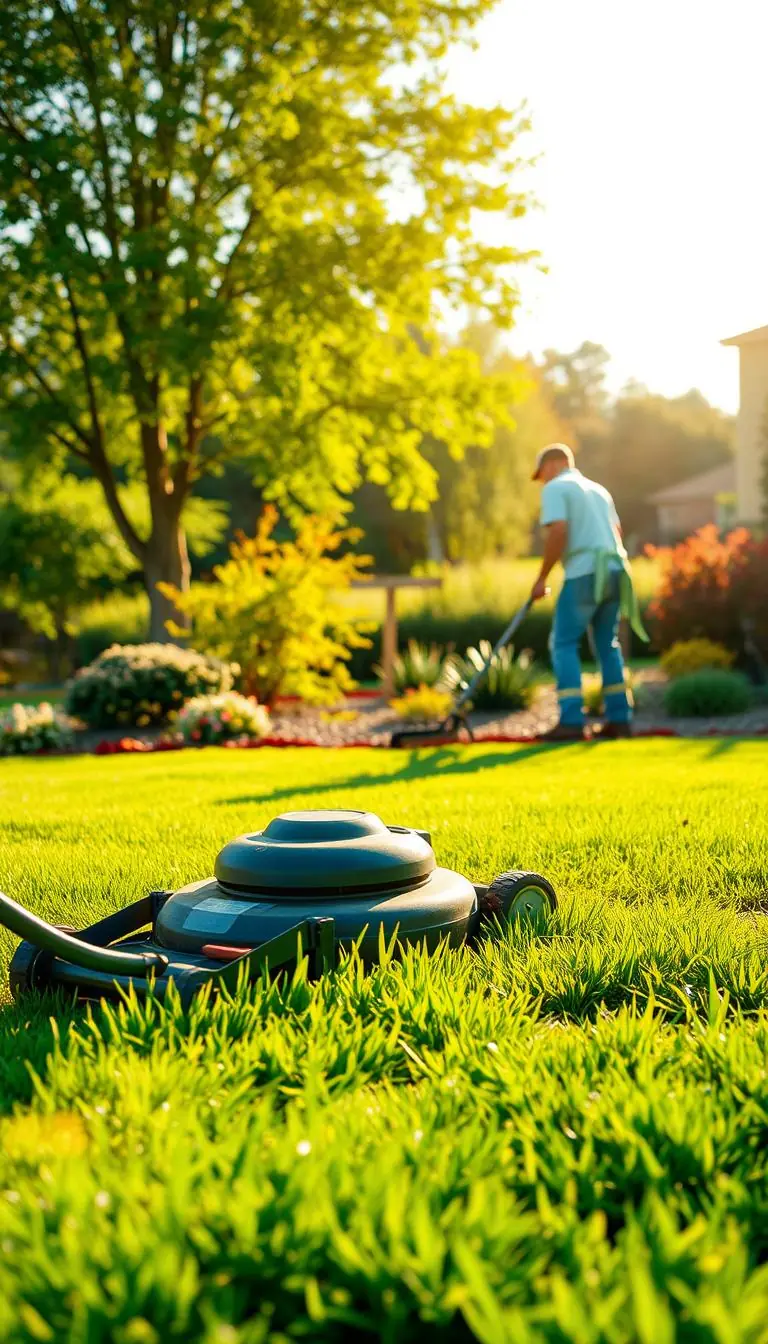
Picture a sunlit yard, the fresh-cut grass scent in the morning and a happy dog padding across a green strip near the kitchen door. You want a beautiful, easy-to-enjoy lawn that still welcomes your pet, and you can have both with a steady, simple routine.
High nitrogen and salts in dog urine act like strong fertilizer and can cause those ringed, extra-green edges or straw-brown spots. Quick watering after a potty break dilutes the mix and stops new harm fast.
We’ll show you how to spot issues, fix small areas with topsoil and seed, and keep your yard inviting without harsh chemicals.
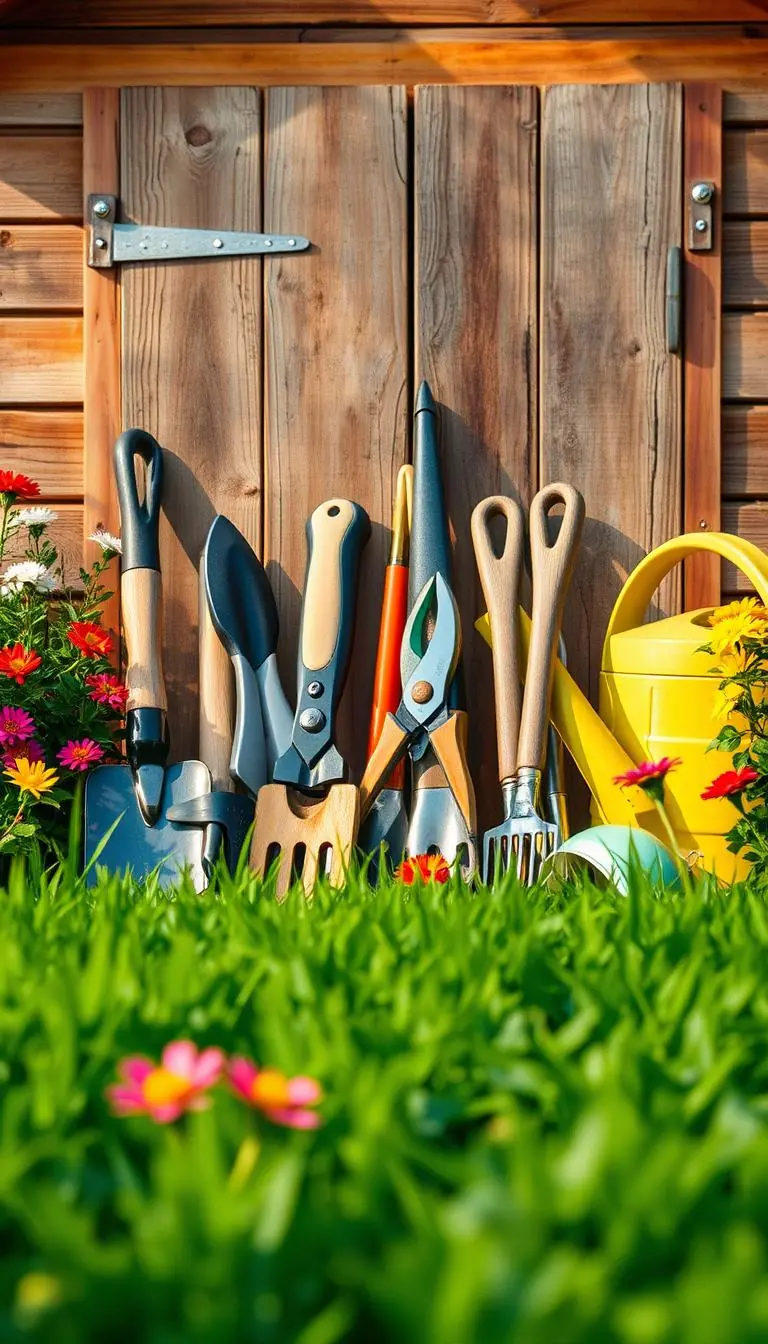
Simple tools—a hose with a shower nozzle, a rake, a hand trowel, and a soil test kit—are all you need. Avoid cocoa hull mulch in pet areas and keep animals off reseeded patches until you’ve mowed three to four times.
Key Takeaways
- Water immediately after a pet uses the yard to dilute urine and protect grass.
- Green rings mean excess nitrogen; brown means dead turf that needs repair.
- Use basic tools and a simple routine to keep a healthy lawn that welcomes dogs.
- Avoid cocoa hull mulch and let new seed rest until it's mowed 3–4 times.
- Set a natural potty zone to protect high-traffic areas and simplify care.
Start here: a calm plan for a lush, pet-friendly yard you’ll both love
Take a quiet lap around your yard in the cool morning dew. Look for worn paths and any discolored spots. Make a note of where your dog tends to go.
Gather simple tools: a hose with a gentle spray, a watering can, a hand rake, a bucket for clippings, and a small bag of topsoil. Keep them near an outdoor tap so they are easy to reach.
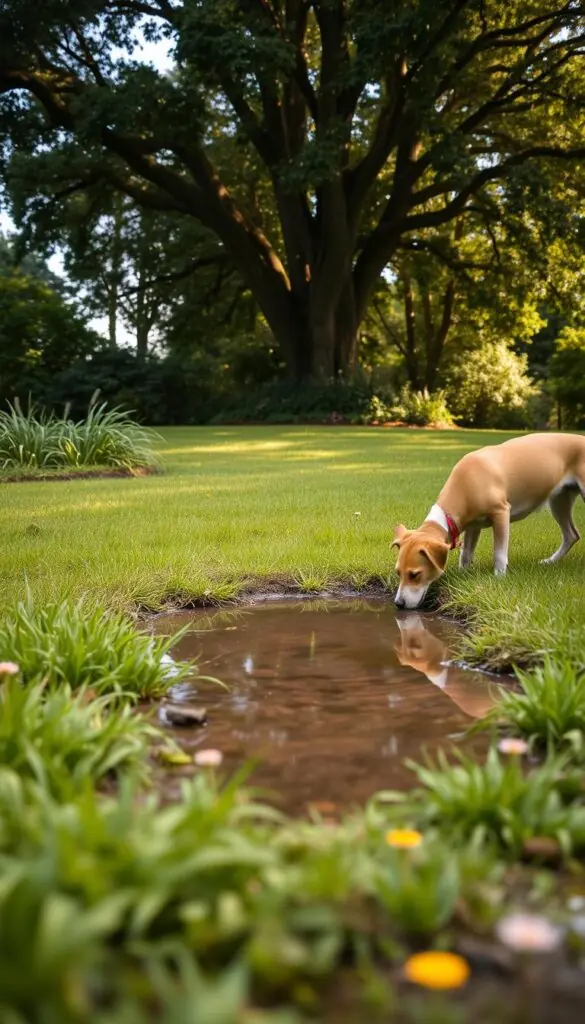
Start one habit today: when your dog urinates, give the exact area a 10–15 second rinse to dilute salts. Minor urine areas often recover with regular growth and light care.
- Pick a convenient place for a future potty zone near a path or gate so you’ll use it every day.
- Do a five-minute evening tidy: remove waste, fluff compacted soil with the hand rake, and check that the soil feels cool and slightly damp.
- Block thin spots with a small folding fence or stakes so you can reseed without foot traffic.
Keep a short log of where and when issues show up. Over two weeks you’ll see fewer new spots and a clearer plan for training and repair. Calm, steady care beats last-minute fixes—little actions add up to a healthier place for everyone.
Why dog urine creates spots on grass: nitrogen, salts, and the difference between green and brown
Concentrated urine alters the soil like a quick, uneven dose of fertilizer and the result shows up in color and texture.
What happens in the soil: A high hit of nitrogen and salts piles into one place. That mix draws moisture and stresses roots. If you don’t dilute it, the center can burn while the edges stay greener.
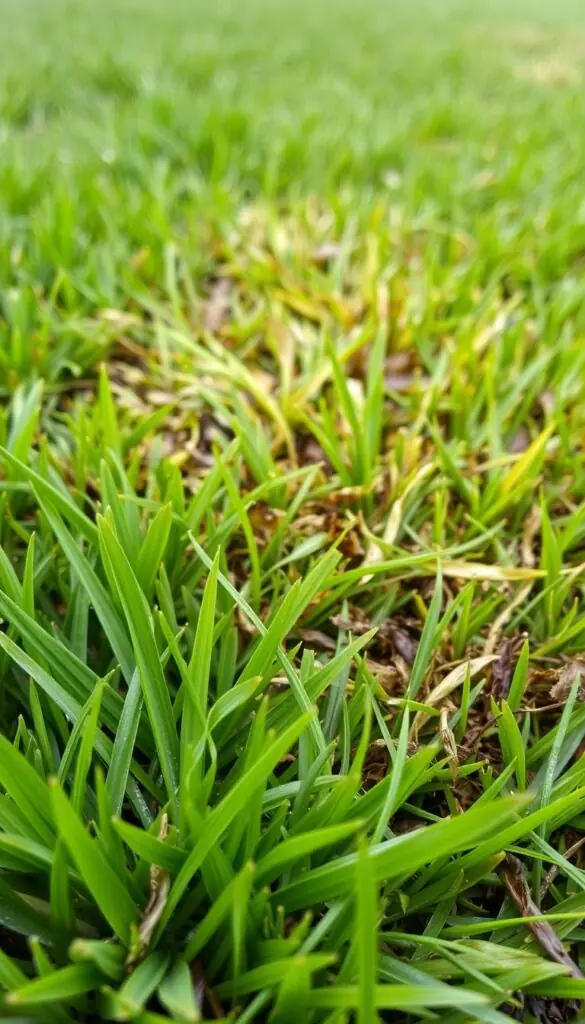
Brown vs. extra-green at a glance
Brown spots mean the grass blades and crowns are dead. They feel straw-like and won’t bounce back without repair.
Extra-green rings tell a different story: the outer edge got a mild nitrogen boost while the center took too much. You’ll see a tan center with a green halo.
Quick visual and scent checks
- Warm afternoon test: touch the patch—dry, brittle turf = brown spots.
- Smell for a faint ammonia scent after sun—this often signals concentrated urine.
- Note pattern: round, single spots from squatting; many tiny spots from marking males.
"I thought my front strip was overfertilized until I learned those green polka-dots came from my neighbor's dog marking—now I water the spot right away."
| Sign | What it means | Simple action |
|---|---|---|
| Green halo, tan center | Outer edge got extra nitrogen; center burned | Rinse immediately; repair center if dead |
| Uniform green patch | Extra nitrogen without burn | Monitor and balance with soil test |
| Dry, straw texture | Grass crowns dead | Remove dead turf, add topsoil, reseed |
How to fix damage fast: water, repair, and recover after pet traffic
Acting within minutes—rather than days—makes most repairs simple and painless. A quick routine protects roots and keeps the rest of your yard healthy.
Right after an incident: dilute and protect
Right away, use a gentle spray from a hose or a watering can to rinse the area for 10–15 seconds. This flushes salts and helps prevent burned turf.
Tools: hose with shower nozzle or a watering can. Feel the topsoil—if it cools and feels damp, you did enough.
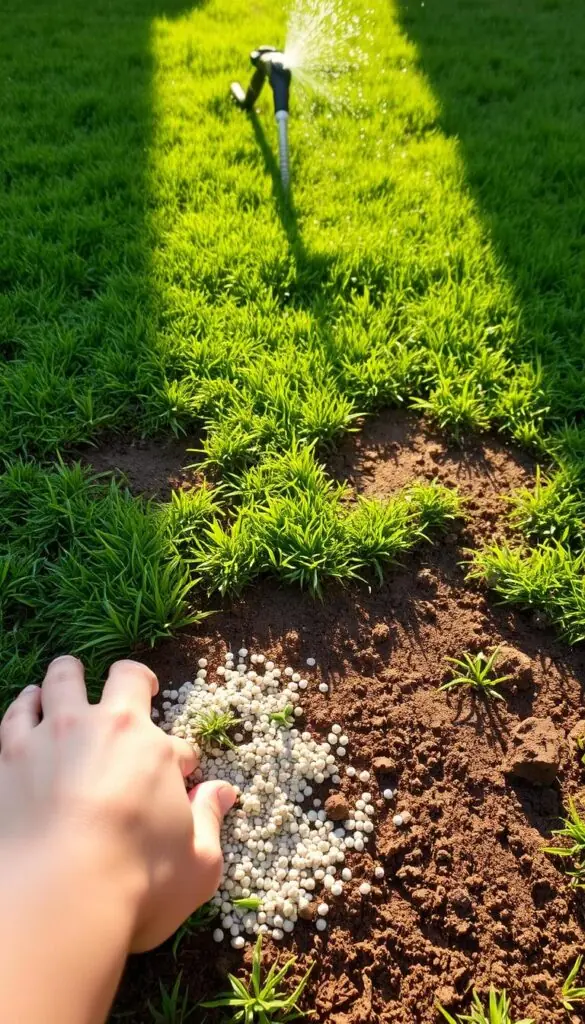
Fix brown spots and small holes
- Rake out dead grass and loosen the top ½ inch of soil until it feels crumbly.
- Fill low holes with quality topsoil, press lightly so the ground is firm but springy.
- Broadcast matching seed or a patch mix, press seed in with your palm or a board, then water until the top inch is evenly dark and moist.
Balance green patches and manage traffic
- Do a quick soil test for extra-green areas, then use a season-appropriate fertilizer application to even color across the lawn.
- Flag new patches and keep dogs off until you’ve mowed the new growth 3–4 times.
- Reroute play with stepping stones or a lightweight fence to rest compacted routes.
Quick mistakes to avoid: over-watering until puddles form, heavy tamping that compacts the ground, or letting animals cross new seed before roots knit.
lawn damage pets prevention: designated potty zones, daily cleanups, and simple training
Creating one predictable place for your dog to go makes daily care and cleanup much easier. A tidy, drained spot cuts scattered spots and saves time for everyone.
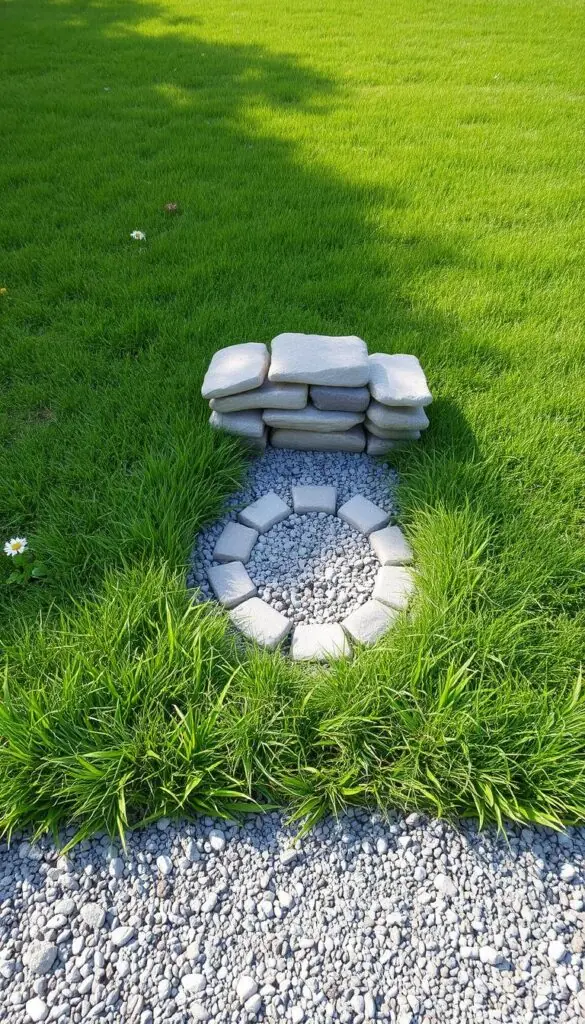
Create a low-maintenance potty area
Choose a corner near a path and lay 2–3 inches of rounded pea gravel or soft natural wood mulch. Both drain well and hose clean quickly.
Avoid cocoa bean hulls — they smell nice but can harm animals. Edge the space with pavers or a short border so the material stays put and looks intentional.
Manage waste and protect soil health
Pick up solid waste daily to keep soil and water cleaner and to cut odors. Keep a small lidded bin and bags by the gate so cleanup takes seconds.
On hot days, give the spot a brief rinse to dilute urine salts and refresh the surface.
Gentle training cues and neat barriers
Walk your pet to the spot for a few days. Use a calm cue like “go potty,” praise warmly, and offer a tiny treat when they use it.
Add a low folding fence to shield seeded areas or guide routes. These barriers are tidy and easy to move as needed.
"A small, consistent habit—one place and a quick rinse—keeps the yard looking cared for and makes life simpler for people and pets."
| Step | Material | Why it helps | Quick tip |
|---|---|---|---|
| Designate spot | Pea gravel or natural wood mulch | Drains well; easy to hose | Choose near a path for habit building |
| Edge area | Pavers or short border | Keeps material contained | Looks intentional and neat |
| Daily cleanup | Small lidded bin & bags | Protects soil, water, and people | Store by gate for convenience |
| Train & protect | Leash, cue, low fence | Encourages use; spares new seed | Praise and a tiny treat work best |
If you try products, follow directions and watch results. Avoid diet supplements unless your vet agrees; they lack reliable evidence and may cause issues.
Build a resilient, healthy lawn: tough turf choices, smart watering, and seasonal timing
Choosing the right grass for your region is the single best step toward a thriving, low-fuss yard. Pick species that recover from play and handle your climate to cut time spent on repair.
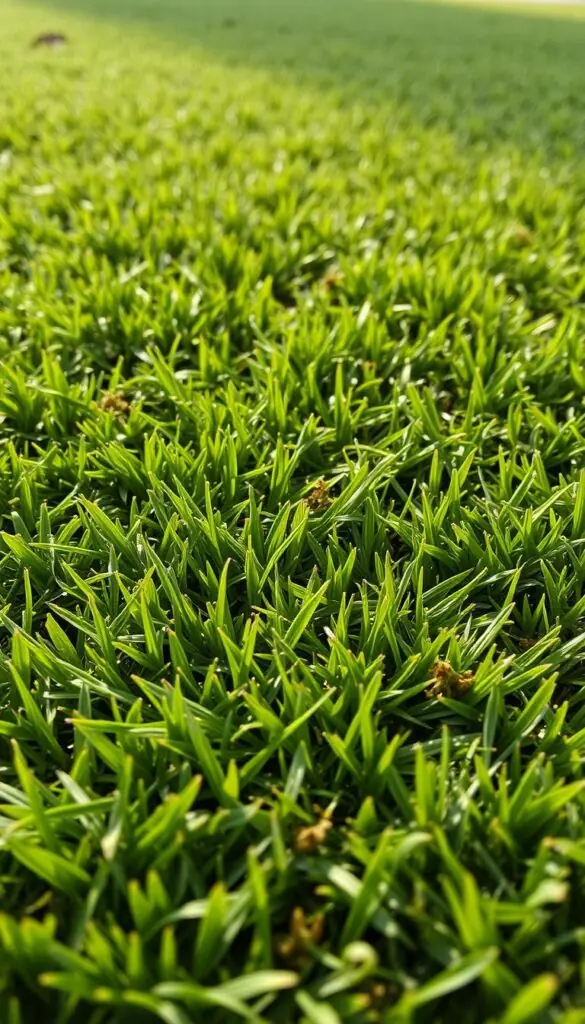
Durable grasses for U.S. regions
- Cool regions: Kentucky bluegrass and tall fescue tolerate traffic and mend thin patches well.
- Warm regions: Bermuda and Zoysia stand up to heat and heavy use with quick recovery.
- Rotate play areas and add stepping stones to protect high-traffic routes and garden edges.
Simple seasonal care calendar
- Cool-season seed early fall or early spring when nights are cool and soil stays moist.
- Warm-season plant or plug in late spring to early summer when soil warms and growth is rapid.
- Aerate compacted areas in spring or fall with a core aerator; overseed right after using a broadcast spreader.
- Follow a soil test for fertilizer application to avoid streaks and reduce brown spots risk.
- Water deeply about 1 inch per week (including rain). Measure with a tuna can and use a sprinkler for even application.
Tools to keep handy: core aerator, broadcast spreader, sprinkler. If your yard needs a big reboot, a pro service for aeration and overseeding can reset problem areas fast and give owners peace of mind.
"A season of steady care and the right turf choice makes a healthy lawn feel effortless."
Conclusion
End the day with a calm check of the yard and a short rinse where your dog went. Small, steady acts protect grass and soil and cut future repairs.
Quick routines work: rinse fresh urine spots, pick up waste daily, and cover or reseed brown areas promptly.
Balance extra-green patches by testing soil and adjusting nutrients. Guide your dog to a tidy potty area and keep new seed off-limits until it roots in.
Try a simple plan: walk, dilute, pick up, quick scan. Once a week, edge paths and check moisture; once a season, aerate or overseed as needed.
On warm evenings, step outside barefoot and enjoy the soft, springy ground. You’ve got this—gentle care brings back a welcoming, green space for you and your companion.
FAQ
What causes brown spots where my dog urinates?
Concentrated nitrogen and salts in urine act like a strong fertilizer in one spot. That overload burns grass blades and can kill the crown if not diluted. Heat and little recent rainfall make the effect worse, leaving straw-colored patches with a faint ammonia smell.
Why do some spots look extra green instead of brown?
A less concentrated dose of urine can act as a fertilizer, producing darker, lush rings or patches. Those green areas mean the turf got a nutrient boost rather than a burn. If you see both rings and brown centers, it’s the same process at different intensities.
What should I do right after my dog pees to protect the grass?
Quickly pour a few cups of water over the spot to dilute salts and nitrogen. The sooner you water, the less harm to roots and crowns. This simple step prevents many brown patches from forming.
How do I repair a brown spot that’s already dead?
Remove dead grass, loosen and level the soil, then reseed or use a patch mix. Keep the area evenly moist until new growth is established. For small areas, a ready-made grass patch or slab works well; for larger ones, overseed and mulch lightly to retain moisture.
How can I prevent future problems without banning my dog from the yard?
Create a designated potty area using gravel or natural wood mulch, train your pet to use it, and rinse or water fresh spots daily. Pick up solid waste promptly and avoid cocoa hulls, which are toxic. These gentle habits protect turf while keeping life simple for you and your companion.
Are there turf types that handle pet traffic better?
Yes. Tall fescue and Kentucky bluegrass do well in cooler climates, while Bermuda and Zoysia are tougher in warm regions. Choose a variety suited to your zone and sun exposure; tougher blends tolerate trampling and recover faster from spotting.
How does digging and heavy foot traffic affect recovery, and what fixes help?
Holes and compaction damage roots and make regrowth harder. Fill holes with topsoil, reseed, and give high-traffic routes a rest—use stepping stones or a mulched path. Regular aeration relieves compaction and speeds recovery.
Should I test my soil if I see recurring green or brown areas?
Yes. A soil test reveals pH and nutrient imbalances that can exaggerate uneven color. Adjustments like balanced fertilizing and lime or sulfur amendments, timed for the season, help even out growth and reduce those striking patches.
How often should I water to keep grass resilient against concentrated urine?
Deep, infrequent watering is best—about an inch once or twice a week—so roots grow deep and recover faster. After a concentrated incident, water immediately at the spot to dilute urine. Avoid daily shallow sprinkling, which weakens root systems.
Are there products that neutralize urine on contact?
Some garden and pet-care products claim to neutralize salts and odors, but the simplest, safest fix is water. In high-use spots, consider soil amendments, regular overseeding, and a durable surface like gravel where practical. Always choose pet-safe options and follow label directions.