
Feel the springy turf underfoot and spot a pale patch that lifts like a carpet. Have you noticed brown or wilted spots and wondered what’s going on beneath the surface?
We’ll help you start with a calm plan that fits into your week. First, learn to read the signs on top and near the grass roots so you act early. Thick, healthy turf resists many problems, while spongy areas often point to white grubs that feed on roots.
You’ll get neighborly, step-by-step guidance that uses simple tools and gentle practices. We explain how adult beetles lay eggs in midsummer, how larvae feed through summer and fall, and why timing your checks matters. Expect short actions—better watering, light soil care, and encouraging helpful birds and plants—that protect grass and reduce the need for harsh products.
Key Takeaways
- Spot early signs like spongy turf and brown patches to protect roots.
- Understand the life cycle of grubs for better timing of checks.
- Use simple, natural steps—water wisely and improve soil—to help grass recover.
- Encourage birds and beneficial insects to lower future problems.
- Small, regular actions build strong turf and cut risk of major damage.
Spot the signs: how to identify grubs and other lawn pests fast
Start by walking your green space at dusk to spot soft, springy patches and night activity. A brief, focused check helps you decide what to do next. Bring gloves, a hand trowel, flashlight, and a phone to record notes or photos.
Real-world clues in summer and fall
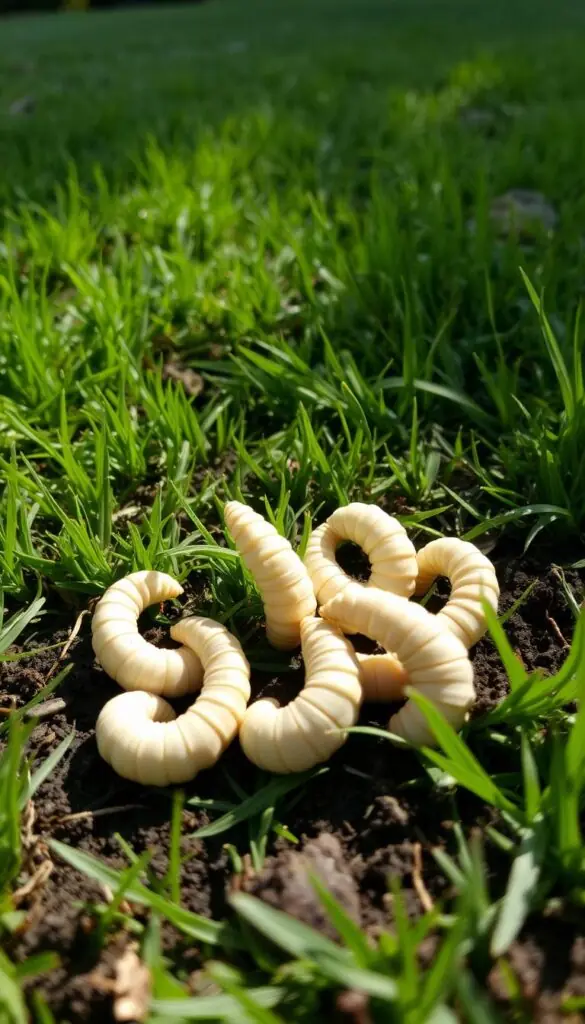
Feel for spongy turf that lifts easily; this often reveals white, C-shaped grubs near the grass roots.
Brown or yellow patches that do not recover after watering may mimic drought but point to chinch bugs or other insects.
Birds, skunks, or raccoons digging in spots often mean grubs or worms are below. At night, low moth flights can signal upcoming eggs and webworms.
Simple at-home checks
- Walk the yard at dusk and note soft spots or loose sod.
- Cut a neat 6-by-6-inch square with a hand spade and lift it gently to inspect the top inch of soil for C-shaped larvae.
- Count grubs in that slice; more than five per square foot can mean action is needed.
- If you see silk-lined tunnels in the soil, suspect sod webworms even if the larvae hide.
- Record areas, take a photo, and mark patterns to separate wear from true insect damage.
| Sign | Likely cause | Quick check |
|---|---|---|
| Spongy turf | White grubs | Lift 6x6" sod, look for C-shaped grub |
| Brown/ yellow patches | Chinch bugs or drought | Water, then inspect for insects if no recovery |
| Birds digging | Grubs or other soil feeders | Check disturbed spots and count larvae |
Know the life cycle so timing works for you, not the pests
Timing matters: small checks in midsummer save big repairs later.
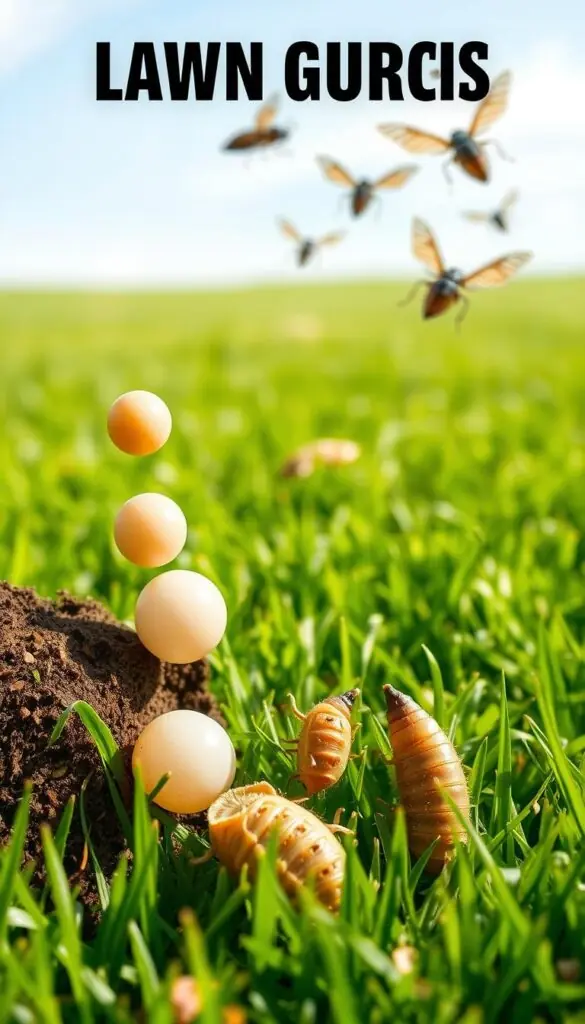
Many scarab beetles mate and lay eggs in midsummer. Eggs often hatch in about two weeks. The young larvae feed near the roots through late summer, when they are most vulnerable.
White grubs and Japanese beetles
Mark midsummer on your calendar. Check the same turf patch two weeks after adult beetles appear. Quick inspections catch feeding larvae before they burrow deep.
Sod webworms, armyworms, and cutworms
These species feed at night and can strip grass fast. Walk with a flashlight to note moth flights. A soap-water flush reveals larvae when they surface.
Chinch bugs
Heat-season sap-suckers mimic drought. If watering doesn’t revive a dry-looking area, inspect closely—chinch bugs have several generations into early fall.
- Plan checks in late summer when most eggs have hatched.
- Adjust mowing and watering to help grass recover after feeding.
- Track adult flights and first chew marks to improve timing each year.
| Insect group | When adults lay eggs | Best time to inspect |
|---|---|---|
| White grubs / Japanese beetles | Midsummer | 2 weeks after adult flights; late summer |
| Sod webworms / Cutworms / Armyworms | Warm months, multiple generations | Evening/night checks during moth flights |
| Chinch bugs | Spring–early fall (multiple generations) | Hot, drought-like patches when watering fails |
Natural control, step by step: a calm plan you can follow today
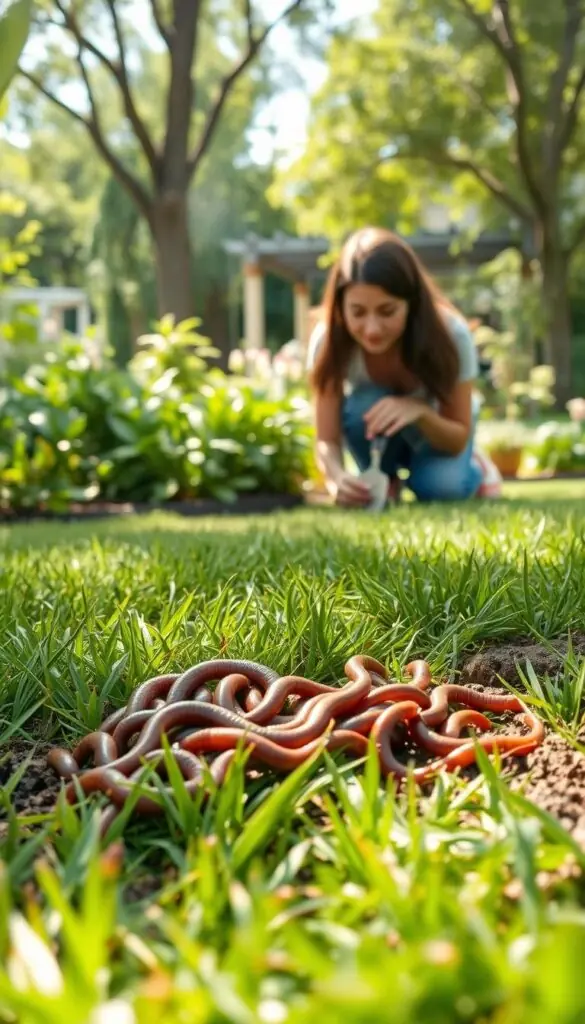
Small, steady care beats quick fixes — begin with smarter watering and sharper blades. These few habits protect roots and help grass recover after feeding. Start with easy changes you can keep.
Water and mow wisely
Raise your mower height in summer so blades shade the soil and keep roots cool. Sharp blades give clean cuts and reduce stress on grass.
Water deeply in the morning once or twice weekly rather than light daily sprays. Deep moisture encourages stronger roots that resist grub feeding.
Beneficial helpers
Invite birds with a shallow bath and native shrubs near the edge; they forage for larvae at sunrise. For white grubs, apply beneficial nematodes on an overcast evening and keep soil damp for several days.
In stubborn areas, consider milky spore as a long-term, natural option to reduce grub numbers over time.
Targeted night patrols
For night-feeding webworms and cutworms, mix a few drops of mild soap in a gallon of water and pour over small test areas at night. Pick up any larvae that surface.
Patch-by-patch recovery
Rake chewed spots lightly, spread a quarter-inch of screened compost you can smell as fresh and earthy, then overseed with a hardy mix for your zone. These steps help thin areas fill in quickly.
- Quick checklist: raise mower height, keep blades sharp, water deeply, apply nematodes on cloudy evenings, soap-flush night feeders, topdress and overseed.
Pest-by-pest guidance you can trust
A quick, close look often tells you which species is at work — and where to act first. Bring a hand trowel, flashlight, and magnifier. Note color, curl, and how the turf responds when lifted.
Grubs (white grubs, Japanese beetle larvae)
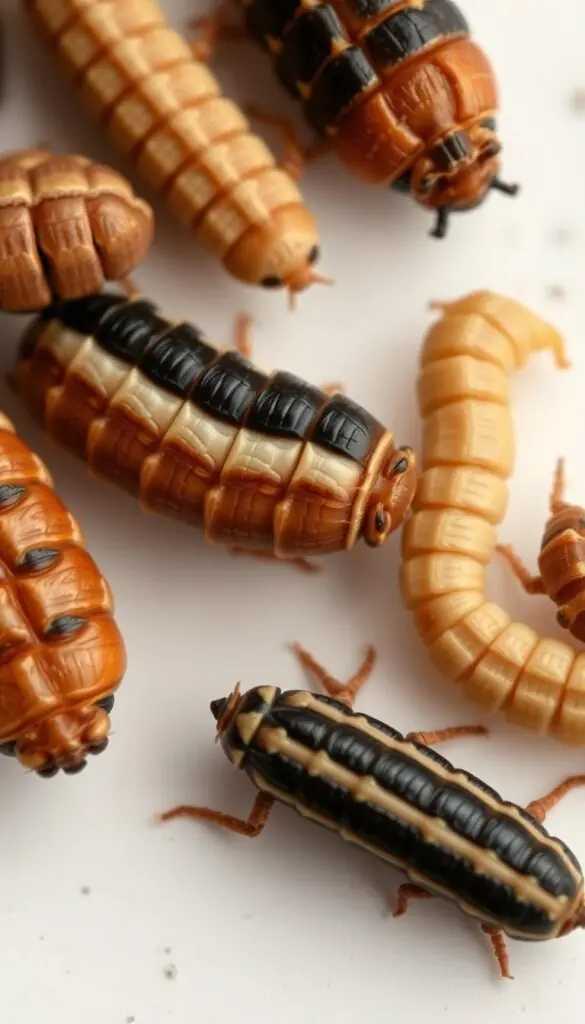
Look: C-shaped, off-white bodies about an inch long with brown heads and tiny legs.
Feel: Turf lifts easily like a small carpet when roots are chewed. Check the top inch of soil for curled larvae.
Chinch bugs
Look: Irregular patches that shift from dusky purple to yellow-brown in hot weather.
Tip: If watering won’t revive the area, part the thatch and search for tiny black-and-white bugs with a magnifier.
Sod webworms
Look: Fine silken tunnels at turf level and rapid thinning of blades and stems.
Tip: At dusk watch for low-flying moth adults. A soap-water flush at night brings larvae to the surface.
Armyworms and cutworms
Armyworms: Circular bare spots and leaves that look skeletonized; best checked in early morning or at night.
Cutworms: Neatly clipped stems at the base; dig gently near small burrows to find hiding caterpillars.
- Measure findings in inches and note color and markings for future checks.
- Catch larvae near the surface and focus on fast recovery: topdress, overseed, and encourage strong roots.
Seasonal calendar for the United States: what to do, and when
Use a seasonal rhythm to catch problems early and protect the roots that feed your grass.

Spring — check edges and repair
Walk the perimeter and sunny edges first. Warm soil here reveals early activity.
Lift a few small 6-by-6-inch squares with a hand trowel and look for a grub or two near the roots.
After mowing, topdress with a quarter inch of compost to feed grass and build root strength.
Summer and late summer — watch moths and egg timing
At dusk, scan for low moth flights; this is a cue that adults will soon lay eggs.
Mark midsummer on your calendar: eggs hatch in about two weeks and larvae feed through late summer. When larvae are near the surface, water the day before applying beneficial nematodes and keep areas moist after treatment.
In hot stretches, part the thatch to scout for chinch bugs and respond if drought-like spots don’t revive with water.
Fall — confirm counts and thicken thin areas
Recheck a few spots for white grubs. If counts are low, focus on overseeding and steady care rather than broad treatment.
Rake lightly, add compost, and overseed with a regional blend so new seedlings knit across worn sod before winter.
- Throughout the year: note counts, sizes in inches long, and where issues cluster. Those notes guide timing for armyworms, webworms, and cutworms next season.
Preventive habits that make lawn pests far less likely
Build good routines now and you’ll see fewer headaches later. Small, steady habits keep your turf dense and make it harder for bugs and hungry larvae to settle in.

Thicken your turf the smart way
Choose a grass blend that matches your region’s sun and rain. A well-suited species fills in naturally and resists light feeding.
Keep mower blades sharp and set height by season. Let grass stay a bit taller in heat so soil stays shaded and roots stay strong.
Topdress thin areas with a quarter inch of compost each spring and early fall, then overseed worn strips along walkways and play zones.
Soil-first habits that protect roots
Test for compaction with a screwdriver in a small patch. If it’s hard to push in, aerate during the growing season to open pathways for air and water.
Improve drainage where water pools. Level low spots and add a few shovels of compost to keep roots healthy and less attractive to grubs or other insect species.
"A healthy soil and sharp blade beat most quick fixes." — a practical neighborly tip
- Overseed thin strips and along sidewalks to reduce bare areas.
- Plant native border plants to welcome birds and beneficial insects that patrol and eat stray larvae.
- Focus on steady care and your yard will usually recover quickly from chinch bugs or a few grubs.
Conclusion
Finish the season with a few steady habits and your yard will thank you come fall.
With a simple routine—observe, time your steps, and support healthy growth—you keep your lawn thriving and ready for family moments in all seasons.
When you spot small trouble in specific areas, respond calmly. Use natural helpers, light touch-ups, and targeted steps rather than heavy measures.
Each year you will read the cues better: a few dusk moths, a patch that won’t perk up after water, or when bugs visit. Those signs help you act before a lawn pest spreads.
Take a slow evening lap, breathe in the scent of fresh-cut grass, and enjoy the quiet. You’ve got a simple, steady plan that works with nature.
FAQ
How can I spot grub damage versus drought or disease?
Look for soft, spongy turf that lifts easily and brown patches that enlarge overnight. Pull back a few square feet of sod and check the soil for C-shaped, whitish grubs feeding on roots. Birds, raccoons, and skunks digging for food at night are also a strong sign of root-feeding larvae rather than simple drought.
When is the best time to treat white grubs naturally?
Treat when grubs are young and close to the soil surface — usually mid-to-late summer after eggs hatch. Beneficial nematodes and milky spore work best on actively feeding larvae. Confirm with a quick grub count (dig a 1-square-foot section, 3–4 inches deep) before treating.
How many grubs per square foot is too many?
If you find about six or more medium-to-large grubs per square foot, you’re likely to see wilting and brown patches. Fewer than that often won’t cause noticeable damage, so retest in a few weeks if numbers are borderline.
What are easy at-home checks for sod webworms and armyworms?
Do a night check with a flashlight or use a soap-water flush (mix 1 tablespoon dish soap in 1 quart water and pour over 1 square foot). Webworms and cutworms will surface within minutes. Also look for silken tunnels and moths fluttering in the twilight.
Can mowing and watering help prevent root-feeding insects?
Yes. Deep, infrequent watering and keeping your blade sharp strengthen roots and encourage deeper growth, making turf less attractive to root feeders. Maintain recommended mowing height for your grass type to reduce stress that invites insects.
What natural enemies help control grub populations?
Birds, skunks, ground beetles, and predatory nematodes eat grubs. You can boost beneficials by adding native habitat, leaving brush piles, and applying commercially available nematodes (Steinernema or Heterorhabditis strains) according to label directions.
How do chinch bug signs differ from grub damage?
Chinch damage often appears as irregular yellowing or purple-to-yellow patches that look like drought stress and is worse in hot, sunny spots. Check for tiny, active adults and nymphs near grass stems and soil rather than grubs beneath the root zone.
What should I do immediately if I find sod webworms at night?
Hand-pick visible larvae and destroy silken tents. Use the soap-water flush to find hiding insects, then remove debris and mow to reduce cover. For heavy outbreaks, consider Bacillus thuringiensis kurstaki (Btk) applied in the evening when larvae are feeding.
Are milky spore and nematodes safe for my garden and pets?
Yes. Milky spore (Paenibacillus popilliae) targets Japanese beetle grubs, and beneficial nematodes are specific to soil-dwelling larvae. Both are safe for people, pets, and plants when used as directed. Follow storage and application instructions for best results.
How do I recover small damaged patches after insect feeding?
Rake out dead material, topdress with a thin layer of compost, loosen compacted soil, and overseed with an appropriate grass blend. Water gently but consistently until new seedlings establish, then switch to deeper, less frequent watering to build resilience.
What seasonal checks should I add to my yard routine?
In spring, inspect edges, repair winter damage, and feed with compost. In summer, watch for moth flights and check for eggs and small larvae. In fall, confirm grub counts and overseed thin areas. These small seasonal steps keep infestations in check.
How do I decide between spot-treating and widespread control?
Use counts and visible damage as your guide. If only a few patches show insects, spot-treat and repair those areas. Large, widespread damage or high grub counts warrant broader measures like blanket nematode applications or professional help.
Can improving soil reduce future outbreaks?
Absolutely. Healthy, well-aerated soil with good drainage and living roots resists many problems. Loosen compacted areas, add organic matter, and avoid overfertilizing with quick-release nitrogen that stresses plants and encourages insect feeding.
What’s the fastest way to tell webworm moths from other night flyers?
Sod webworm moths are small, tan-to-brown and often rest on turf edges at dusk. Their larvae create silken tubes near the soil surface and leave ragged, chewed blades. Observing those silken shelters plus moth activity at twilight is a clear indicator.