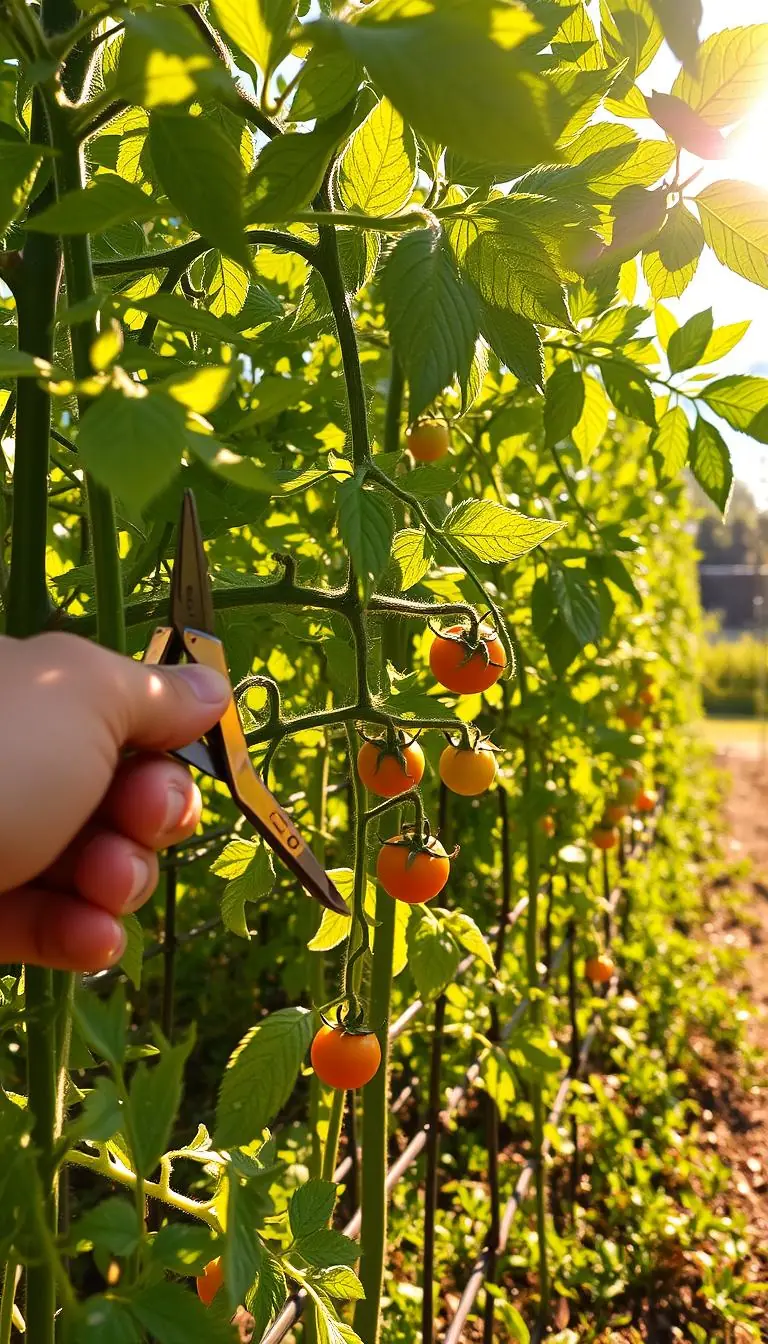
Imagine the scent of tomato leaves after morning sun and the soft crumble of compost under your fingers. Do you want a lovely outdoor space that gives fresh food, invites birds, and cuts waste? This guide offers clear steps, real examples for Zones 4–9, and common mistakes to avoid.
You’ll learn to build soil, water deeply (6–8 inches), and choose resilient plants that save water and energy. We’ll name tools you’ll actually use: a hand trowel, soil knife, pruners, watering can, soaker hose, compost bin, rain barrel, grow bags, and LED path lights.
Expect function and beauty together: low-maintenance beds, layered heights, and a small seating spot for calm. Sustainable practices here replenish soil nutrients, reduce carbon and waste, and support local wildlife and the broader ecosystem.
By the end, you’ll have a simple, step-by-step plan that grows with you season by season and delivers real benefits for your health, your wallet, and the environment.
Key Takeaways
- Create a lush, low-maintenance garden that fits any patio or yard.
- Focus on healthy soil, smart water use, and resilient plants.
- Use practical tools—compost bin, soaker hose, rain barrel, pruners.
- Small home produce reduces carbon and adds fresh flavor.
- Layered planting supports wildlife and strengthens the local ecosystem.
Set your vision: beauty, function, and the real benefits of a sustainable garden
Decide the mood you want: a calm morning coffee spot, a playful family corner, or a humming, wildlife-friendly border that still reads tidy from the street. A clear vision helps shape plant choices and layout.
What changes when you work with nature
Lower carbon and energy use come from less mowing, fewer chemical inputs, and smarter watering. That saves time and supports your health with quieter, outdoor time. Native plants feed local insects and boost biodiversity, which strengthens the broader ecosystem.
Orderly frames: cues of care
Simple signals—crisp edges, a stepping-stone path, a trimmed evergreen, or a pair of chairs—show the space is intentional. These cues invite positive attention while letting flower-rich areas feel natural. Leave some leaves under shrubs to feed soil life; clear excess from crowns in spring.
Quick site snapshot
- Track sun for two days—note full sun, part shade, and warm south-facing spots.
- Mark windy corners and sheltered nooks.
- Dig a 6–8 inch hole to feel sandy grit or sticky clay.
- Watch rain flow—where it pools or runs fast.
Mistakes to avoid: forcing thirsty species into dry spots, mowing too low, or tidying every leaf. Work with conditions and the space will reward you.
Plan the space: right plant, right place with native plants for your zone
Start by placing each plant where it naturally wants to grow—this saves time, water, and fuss. Use USDA Zones 4–9 and your state native plant society lists to choose species that fit climate and local wildlife.
Match plants to conditions
Full sun, sandy soil: echinacea, rudbeckia, nepeta, little bluestem and verbena bloom for bees and need little fuss.
Heavy clay: switchgrass, Joe Pye weed, and New England aster like steady moisture and bring late color.
Dappled shade: foamflower, wild ginger, and woodland phlox add texture and keep the bed cool.
Group and design for easy care
- Group by water and nutrient needs so you can water deeply and less often.
- Spacing: measure 18–24 inches for many perennials; use a measuring tape and landscape flags to mark spots.
- Paths: make them 30–36 inches wide; curve a hose or rope to draw natural lines before digging.
- Layer heights: groundcovers 6–12", mids 18–36", tall 48"+ to guide the eye and create depth.
"Right plant, right place reduces upkeep and helps pollinators thrive."
Build living soil: composting, mulch, and going peat-free
Good soil feels alive: crumbly, dark, and smelling faintly of the forest floor. Start here and your plants will thank you with stronger roots and fuller blooms.
Compost basics — quick start:
- Choose a bin or a 3x3x3-foot pile in light shade and layer two parts browns (leaves, twigs, shredded cardboard) to one part greens (vegetable scraps, coffee grounds, grass clippings).
- Add water until the pile feels like a wrung-out sponge and turn every 1–2 weeks in warm months to speed decomposition; let it rest in winter.
- Keep out meat, bones, dairy, and pet waste to avoid pests and odors; focus on kitchen scraps and yard trimmings to cut household waste.
Peat-free options and why they matter
Peat extraction releases stored carbon. Use homemade compost, coconut coir, rice hulls, or well-aged manure instead. These supply structure and slow-release nutrients without harming peatlands.
Mulch and leaf mold: apply with care
Before you mulch, water the bed. Spread 2–3 inches of leaf mold or wood chips and keep a 2-inch gap around stems and trunks to prevent rot.
"Finished compost smells sweet and alive; wood chips feel springy underfoot."
Benefits are clear: better moisture retention, fewer weeds, and soil life that feeds roots. Top-dress beds each spring with ½–1 inch of sifted compost to refresh nutrients for a thriving garden.
eco gardening water wisdom: conserve, capture, and water correctly
A simple rain barrel and a steady drip line cut waste and help soil hold moisture. Install a 50–100 gallon barrel under a downspout with a leaf screen and a diverter. Add an overflow and a spigot so you can fill a watering can or attach a short hose.
Use slow delivery: place soaker hoses or 0.5 gph drip emitters beneath mulch so water reaches roots, not leaves. Drip and soaker systems beat sprinklers for efficiency and reduce foliar disease.
Water at dawn when air is cool and calm. Aim for a deep soak to 6–8 inches so roots grow downward. Let the surface dry between periods to encourage resilience.
- Soak sandy beds every 4–5 days during dry spells; clay beds every 7–10 days, adjusting for heat and wind.
- Use a moisture meter or the finger test: if 2 inches down is dry, it’s time to water; if it’s cool and damp, wait.
- Hand-water new transplants at the base and mulch to retain moisture and cut resource use.
Avoid these mistakes: frequent light sprays, watering at midday, or wetting foliage — they waste water, stress plants, and raise disease risk. Collect rainwater and consider greywater for ornamentals to lower tap use and lessen your environmental impact.
Natural pest and weed control that protects pollinators and pets
Start with a simple ladder: culture first, then barriers, then biological allies, and botanicals only as a last step. This approach limits harm to birds, pollinators, and family.
Cultural steps—rotate plant families each year, space many veggies 12–18 inches for airflow, and mix flowers, herbs, and annuals so pests can’t zero in on one crop. Healthy soil and steady compost help plants recover from nibbling and outgrow small weed flushes.
Physical controls—use a 0.5 oz floating row cover for seedlings, cardboard or copper collars for cutworms and slugs, yellow sticky cards to monitor insects, and shallow beer traps for slugs. Hand-pick into soapy water when practical.
Biological and botanical options—invite ladybirds and lacewings with alyssum, dill, or yarrow. Release beneficials at dusk. If needed, apply neem oil at dusk and dust food-grade diatomaceous earth only when dry and away from blooms.
| Step | Tool | When to Use | Benefit |
|---|---|---|---|
| Cultural | Rotation, spacing 12–18" | Every season | Reduces pests and weeds naturally |
| Physical | Row covers, collars, beer traps | Seedlings and problem spots | Immediate, chemical-free control |
| Biological | Ladybirds, lacewings, habitat plants | Planting and dusk releases | Long-term pest suppression |
| Botanical | Neem oil, food-grade DE | When monitoring shows pressure | Targeted, pollinator-safe if timed right |
Trees, hedges, and lawn choices to cut carbon and boost wildlife
Shade and shelter from well-placed trees change how your yard feels and how much energy your home uses. Trees reduce CO2, add cooling in summer, and calm winter winds.
Practical placement:
- Plant a deciduous shade tree on the west or southwest side of your home to cool afternoon rooms and admit low winter sun.
- Line the north or northwest property with evergreens to block cold winds and lower heating bills.
- Always check for utility lines and choose right-size species to avoid future heavy pruning.
Dig holes two to three times wider than the root ball and set the tree at its original soil depth. Mulch in a donut ring, 2–3 inches deep, keeping the trunk bare. These steps help roots spread and cut transplant stress.
Choose native hedges over fences to give birds and small mammals shelter, forage, and safe travel corridors. Hedges capture more carbon than a simple fence and clean the air while adding texture to your garden.
For lawns, mow high (3–4 inches), mow less often, and leave clippings to feed soil. Convert a sunny strip to a low-mow meadow or flower-rich border to invite more wildlife and hear the rustle of leaves and the soft song of spring birds.
"Expect a calmer microclimate with softer winds and dappled shade that trims carbon and energy use."
Make more garden: containers, grow bags, and recycled materials
Turn small paved corners into productive beds with simple containers and clever verticals that add color and flavor. Containers let you expand growing area over concrete and keep harvests close to the door.
Container success: choose 12–20 inch pots with real drainage. Use a peat-free mix blended with compost and a little coir for steady moisture. Tuck a shard or broken clay piece over the drainage hole to keep compost from washing out.
Grow bags and vertical ideas
Pick 5–10 gallon grow bags for peppers and herbs; use 10–20 gallon bags for tomatoes or small fruiting shrubs. These bags breathe, fold flat for storage, and cut plastic waste.
Go vertical with a pallet herb rack, trellised cucumbers, or hanging baskets for strawberries. Add stakes or cages at planting so tomatoes and beans have support from day one.
Repurpose and recycle
Use milk jugs as cloches, cardboard to suppress weeds under new beds, and old tubs as sturdy planters. Choose sustainable pots made of wood, cork, bamboo, or recycled plastic to save resources at home.
- Water until water runs out, then empty saucers to avoid root rot.
- Feed every 2–3 weeks with compost tea or diluted comfrey/nettle tea (1:9).
- Place basil by the door and strawberries within arm’s reach for daily joy and easy harvests.
| Item | Size / Use | Tip |
|---|---|---|
| Containers (pots) | 12–20 inch | Peat-free mix + compost + coir; shard over hole; real drainage |
| Grow bags | 5–20 gallons | 5–10 gal for peppers/herbs; 10–20 gal for tomatoes; add cages |
| Repurposed items | Milk jugs, pallets, tubs | Milk jugs as cloches; pallets for herb towers; cardboard for weed suppression |
| Sustainable pots | Wood, cork, bamboo, recycled plastic | Durable, reusable, reduce waste and conserve resources |
Seasonal rhythm: a simple year-round eco-friendly gardening calendar
A simple month-by-month rhythm helps your garden breathe and frees you from constant chores. Think in small periods of work and rest. This keeps maintenance light and steady so you enjoy the space.
Spring and summer
In spring, test soil moisture, spread ½–1 inch of compost, and plant cool-season greens once the soil is workable. Set rain barrels and lay soaker hoses now so water goes to roots all season.
- Early summer: mulch 2–3 inches, water deeply to 6–8 inches, and do weekly walk-throughs to scout pests.
- Late summer: succession sow lettuces and herbs, stake tall plants, and top up mulch where soil shows.
Fall and winter
In fall, plant trees and shrubs while soil is warm. Gather leaves for leaf mold and compost trimmed stems to feed beds next year.
- Tuck small log or brush piles at the back of borders for overwintering wildlife and birds.
- Winter: plan beds, order seeds, prune dormant shrubs, clean and store tools, and keep one birdbath ice-free.
Keep maintenance bite-sized: a few minutes most days beats a long, exhausting weekend. Label new plants and jot quick notes on rainwater, tasks, and ideas so next season feels simpler.
Conclusion
You can start an eco-friendly garden that truly benefits your family and the environment.
Begin with one small choice: one bed, one barrel, or one tree. These steps save carbon, cut waste, and invite wildlife into your yard.
Focus on healthy soil, deep water, and good compost. Group plants by need, use peat-free mixes, and collect rainwater when you can.
Enjoy the senses: warm tomatoes, the hum of bees and pollinators, and cool shade beneath trees. Light maintenance and steady attention bring lasting benefits to your health and home.
Start easy. Celebrate progress. Trust that your care will ripple outward, growing food, habitat, and a softer impact on the environment.
FAQ
How do I begin an eco-friendly garden from scratch?
Start with a clear vision: decide what you want—beauty, food, wildlife habitat, or all three. Take a quick site snapshot of sun, wind, soil texture, and water flow. Sketch the space, note existing trees and structures, then choose plants that match those conditions. Begin small, amend soil with compost, and add mulch to retain moisture and suppress weeds. Focus on native plants and low-maintenance layouts so the garden thrives with less water and effort.
What real benefits come from working with nature in my yard?
Letting nature lead reduces your carbon footprint by cutting lawn mowing and watering needs, lowers energy use through shade and windbreaks, and improves soil health and biodiversity. You’ll attract pollinators and birds, build richer soil that stores more carbon, and create a healthier outdoor space for family and neighborhood wildlife. Over time, a natural approach also saves water and reduces chemical inputs.
How can I keep the garden looking cared-for without constant work?
Use “cues of care”: tidy paths, neat mulch edges, and grouped plantings. Choose long-lived perennials, layer heights, and add a few focal plants or seating areas to guide the eye. Group plants by water needs to simplify irrigation, and use mulch to cut weeds and reduce maintenance. A tidy but natural look makes the space feel intentional and welcoming.
How do I match plants to my site conditions?
Observe sun and shade patterns, note soil type (clay, sand, loam), and check moisture levels. Choose species adapted to those conditions—sun-loving plants in full sun, moisture-tolerant species in low spots. Native-first selections for your USDA zone (4–9) often handle local conditions naturally and support pollinators. Group by similar needs to keep maintenance simple.
What’s a good native-plant palette that supports pollinators?
Select region-appropriate natives—like milkweed and coneflower for many zones, black-eyed Susan and asters in mid-latitudes, and salvia or monarda for pollinator-rich color. Include a mix of spring, summer, and fall bloomers to provide seasonal nectar and host plants for butterflies and bees. Local extension services or native plant societies can give precise lists for your area.
How should I group plants for easier upkeep?
Cluster by water and nutrient needs—xeric plants together, moisture-loving plants in low areas. Place plants with similar sun requirements in the same beds. This creates efficient irrigation zones and reduces over- or under-watering. Also group by height: taller plants at the back or center and lower groundcovers at the front to create layered interest and cut maintenance.
How do I build living soil without peat?
Start with compost—add kitchen greens, yard browns, and occasional soil from your beds. Use leaf mold and wood chips as long-term mulch to improve structure and moisture retention. Avoid peat by using composted bark, coir, or well-rotted yard materials. Feed soil life with organic matter and avoid synthetic fertilizers that harm beneficial organisms.
What’s the easiest compost system to start?
A simple backyard bin or layered pile works well. Alternate browns (dry leaves, straw) and greens (vegetable scraps, grass clippings), keep the pile moist like a wrung-out sponge, and turn it every few weeks to speed decomposition. For smaller spaces, use a tumbling composter or worm bin (vermicompost) to produce rich amendment for beds and containers.
How thick should mulch be to conserve moisture and limit weeds?
Apply 2–3 inches of mulch over bare soil, keeping it a few inches away from plant stems and tree trunks to prevent rot. Organic mulches—wood chips, shredded leaves, or composted bark—help maintain moisture, moderate soil temperature, and slowly add nutrients as they break down.
What are smart ways to conserve and capture water?
Collect rainwater with barrels, divert downspouts into rain gardens or swales, and fix leaks in irrigation. Water deeply and infrequently to encourage deep roots—aim for soaking the top 6–8 inches. Use drip irrigation or soaker hoses to reduce evaporation, and choose drought-tolerant natives for low-water zones.
How do I protect pollinators while managing pests?
Start with cultural controls: rotating crops, proper spacing, and diverse plantings to reduce outbreaks. Use physical barriers like row covers and collars for small pests, and hand-pick when practical. Favor biological allies—ladybugs, lacewings—and use targeted botanical options like neem oil sparingly. Avoid broad-spectrum insecticides that harm bees and beneficial insects.
Which biological and botanical controls are safe around pets?
Beneficial insects and microbial options are safe and effective. For botanical treatments, use food-grade diatomaceous earth for crawling pests and neem oil for soft-bodied insects, applied according to label directions. Keep pets away from treated areas until sprays dry, and choose pet-safe baits and traps rather than toxic pesticides.
How do trees and hedges reduce home energy use?
Strategically planted trees provide summer shade and winter windbreaks, lowering cooling and heating demands. Deciduous trees on the west and south sides block summer sun yet allow winter light. Hedges can reduce wind exposure, cutting energy loss. Over time, trees also store carbon and increase local wildlife habitat.
What are good container gardening tips for small spaces?
Use a well-draining potting mix, choose pots with drainage holes, and match pot size to plant roots. Water more frequently than in beds but check moisture before watering—containers dry faster. Group pots by water needs, use grow bags for roots that like air pruning, and try vertical planters to maximize space on patios or balconies.
How can I repurpose materials for garden projects?
Look for pallets for vertical planters, old tubs and buckets as pots, and reclaimed wood for raised beds. Use broken concrete as base for paths or as drainage in large containers. Reusing materials saves waste and often reduces cost—just ensure any recycled item is safe for plants and free of harmful chemicals.
What should I do each season to keep the garden thriving year-round?
Spring and summer: plant, mulch, and water deeply to 6–8 inches; scout for pests and feed soil with compost. Fall and winter: plant trees and shrubs, leave fallen leaves for habitat or compost them, add mulch to beds, and let parts of the garden rest. A simple seasonal rhythm keeps maintenance manageable and supports wildlife through the year.