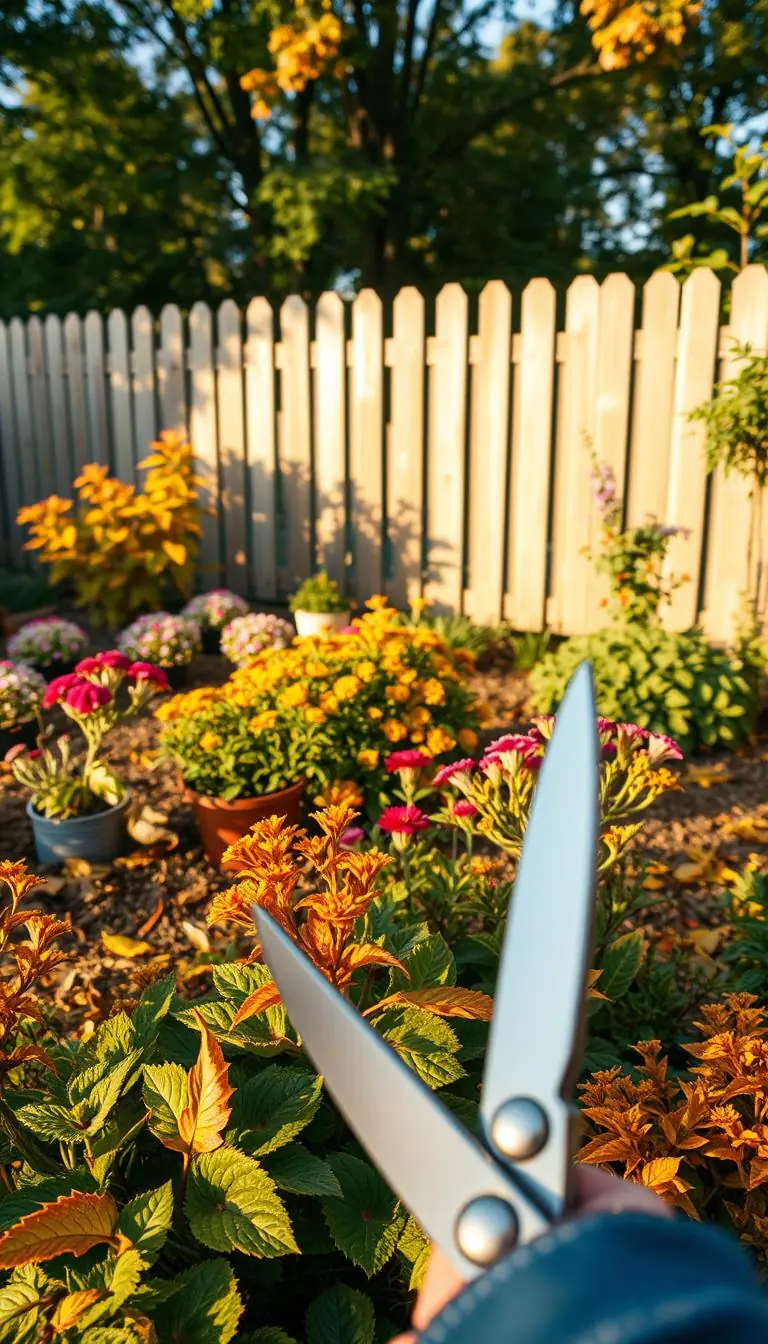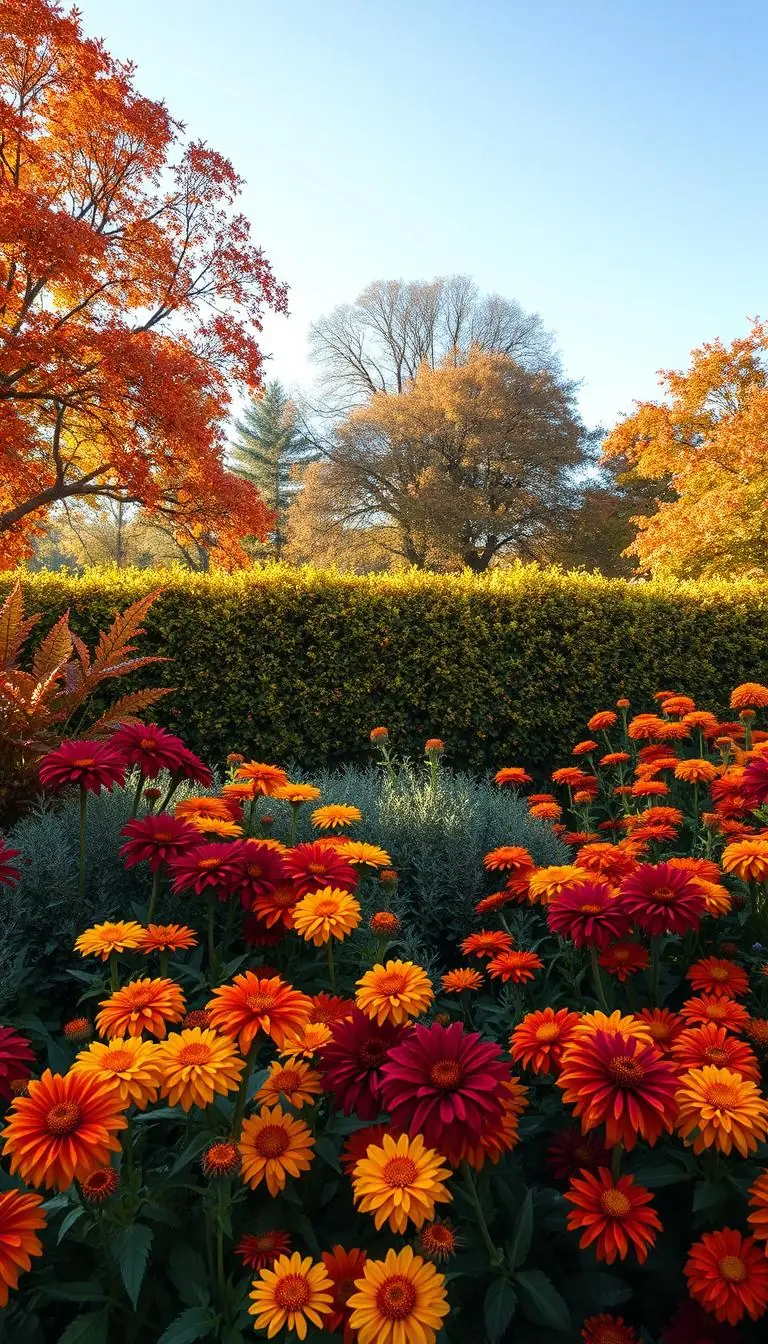
That first chilly morning — the air smells like wood smoke and damp leaves, and your yard feels quieter.
You might ask, "When should I start?" Begin after the first killing frost or once annuals fade. This gentle moment tells you the season is shifting and it's a good time to give your space a calm, caring finish.
Think simple, steady steps. Remove diseased plants and discard them (not in compost). Leave the roots of beans and peas; they enrich the soil. Mow and mulch leaves into the turf, but don't let them cover more than twenty percent of the lawn.
Build no-dig beds by scalping grass, layering newspaper, compost, and chopped leaves. Clean supports and tools with a mild bleach solution, drain hoses, and bring clay pots inside to sterilize. Many hardy vegetables, like kale and Brussels sprouts, tolerate frost and can stay in place.
Key Takeaways
- Start work after the first hard frost or when annuals fade.
- Remove diseased plants and trash them; leave legume roots to feed the soil.
- Mow and mulch leaves into the lawn, keeping coverage under 20%.
- Build no-dig beds with newspaper, compost, and chopped leaves.
- Sanitize tools, drain hoses, and store clay pots to avoid winter damage.
- Keep hardy veggies in the ground; plan for bulbs and early spring blooms.
Start When the Weather Turns: Timing Your Fall Cleanup With Confidence
Watch the first cold snap and the slow wilt of summer blooms; they'll tell you it's time to shift gears.
Begin after the first killing frost or once annuals fade. If your area rarely sees frost, start when summer growth slows and leaves yellow. These small cues help you act with calm, not rush.
Protect plant health: remove and bag diseased plants so pests and pathogens don't overwinter in your vegetable garden. Use row covers or cloches if a surprise frost threatens late ripening crops.
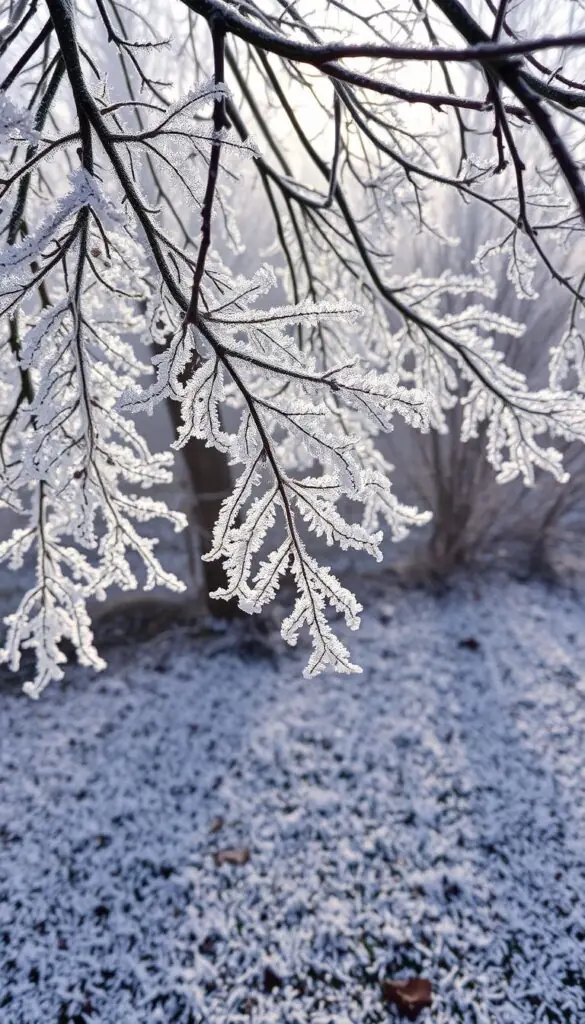
What can safely stay in the ground after frost
Know which crops can ride out cold and which need lifting. Semi-hardy roots like carrots and beets often taste better after a chill. Hardy greens — kale, spinach, and leeks — tolerate deep cold and may even sweeten under snow.
- Check local frost dates to plan harvests and bed clearing.
- Use snow as an insulating blanket for sturdy crops.
- Make calm choices: leave hardy plants, remove the sick, save the rest for spring.
| Category | Examples | Tolerant Temp (°F) | Note |
|---|---|---|---|
| Semi-hardy | Carrot, beet, parsnip, lettuce | 28–32 | Roots survive; tops may die back |
| Hardy | Kale, spinach, leeks, Brussels sprouts | Below 28 | Often improves flavor after frost |
| Protective tips | Row covers, cloches, mulch | Varies | Buys time for late vegetables |
| Planning | Check frost dates, map beds | N/A | Helps spring timing and seed saving |
Vegetable Garden Reset: Clear, Save, and Protect Your Beds
Take a slow lap around the beds. Let calm guide you: sort what stays, what goes, and what needs a gentle hand for winter.
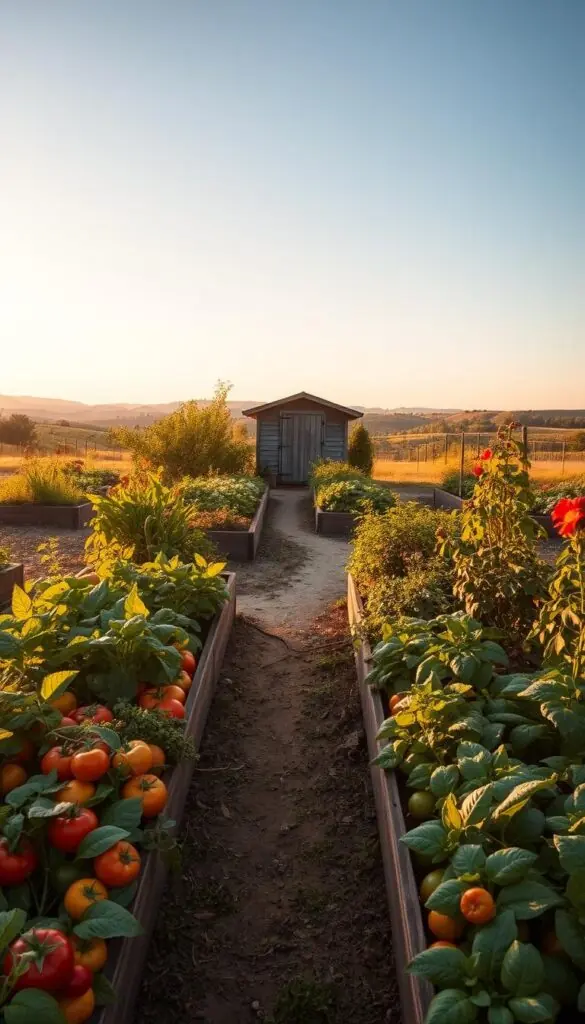
Clear disease, keep the good. Pull and bag any sick plants and trash them — do not add them to the compost. Snip beans and peas at the base rather than pulling; leave the roots to feed the soil through winter.
Save seed and harvest smart. Collect seed only from open-pollinated varieties you trust. Gather last-chance harvests now: pick green tomatoes to ripen indoors and set aside extras for canning, freezing, drying, pickling, or fermenting.
- Walk your vegetable garden with a basket and a calm eye.
- Spread a thick mulch if beds will rest until spring to protect soil and leaves from erosion.
- Sketch a simple crop rotation map now to cut pests and balance nutrients next year.
- Compost only healthy material; keep disease-prone bits out to avoid future problems.
Finish with a light top-dress of compost and a note about what grew where. These small steps set the stage for steady growth when the days lengthen again.
Weeds, Leaves, and Compost: Turn Fall’s Mess Into Spring’s Gold
Turn the season’s fallen leaves and stray weeds into rich soil-building resources.
Weed once, wisely. Pull a final round of broadleaf and volunteer plants so they cannot drop seed into your beds. If soil is hard, water lightly first; roots come up with less effort and less strain on your back.
Leave small leaf piles in quiet corners and under shrubs to shelter overwintering insects and other helpers. Keep tree leaves from matting over turf—avoid covering more than about twenty percent of the lawn.
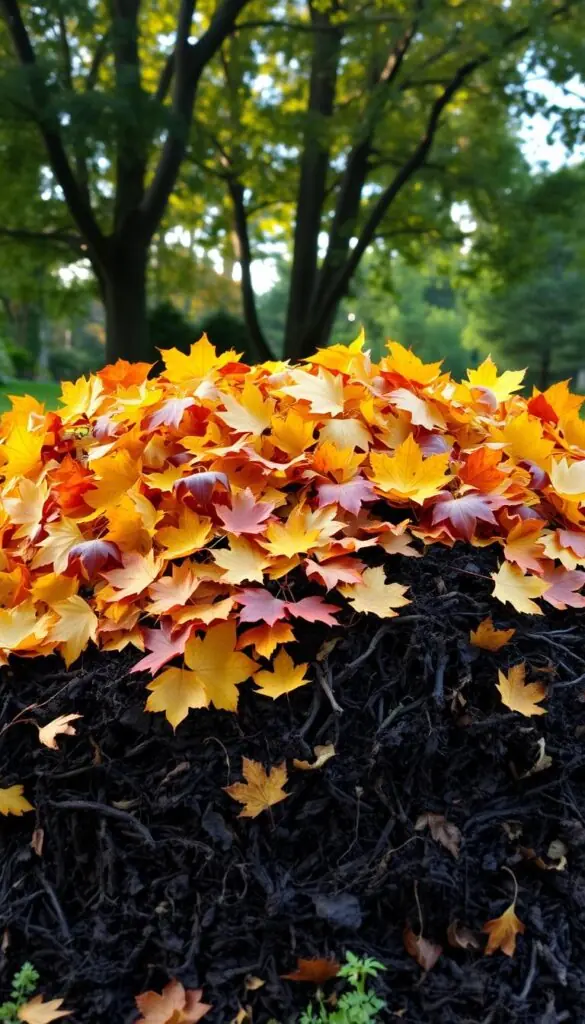
Build and mind your compost pile. Layer browns (dry leaves, paper) with greens (kitchen scraps, garden trimmings). Turn the pile now and then to add air; keep diseased plants and pest-infested material out so problems don’t persist.
- Shred or mow leaves for quick mulch and to help them break down faster.
- Pile extra leaves in a sheltered spot to make leaf mold — moist, crumbly, and great as mulch in spring.
- Save some seed heads and stems for birds and beneficial insects that need winter shelter.
| Use | What to Add | Do Not Add | Benefit |
|---|---|---|---|
| Mulch beds | Shredded leaves, compost | Thick unshredded mats on turf | Insulates soil, reduces erosion |
| Compost pile | Layered browns & greens, small woody bits | Diseased plants, invasive roots | Creates nutrient-rich soil amendment |
| Leaf mold | Whole or shredded leaves, kept moist | Fresh meat or dairy kitchen waste | Produces tender, forest-like mulch |
| Wildlife piles | Loose leaves under shrubs | Anything treated with pesticides | Habitat for insects and overwintering wildlife |
Soil Care and New Garden Beds for a Strong Start Next Year
Healthy soil is the quiet engine that turns winter rest into a lush spring.
Top-dress with compost: Spread 2–3 inches of compost across beds now so winter weather and soil life can transform it into gentle nourishment. This helps nutrients become available by spring and reduces heavy digging later.
Test and amend: Get a soil test from your local county extension or use a home kit to check pH and nutrients. With results in hand, add lime, sulfur, or specific nutrients this season so amendments settle in before planting.
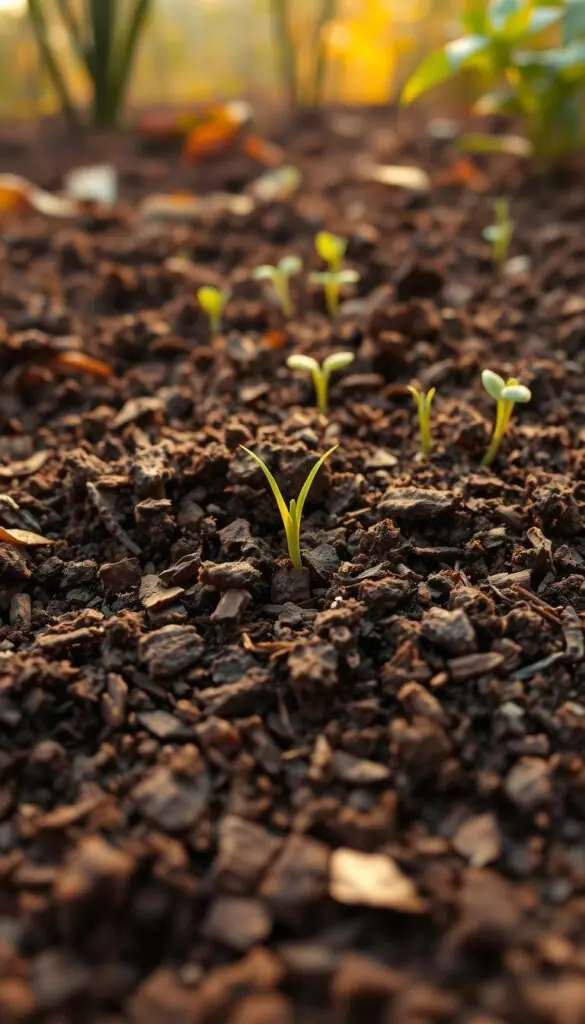
Plant cover crops to protect and enrich beds
Tuck in cover crops like clover, winter rye, Austrian winter peas, or fava beans. Sow about a month before first frost when possible; hardy choices can be sown closer to frost and still help hold soil and feed microbes.
"Living roots through winter keep soil structure strong and invite beneficial life below the surface."
No-dig bed building
Build no-dig beds by scalping grass, laying overlapping newspaper, adding compost, and topping with chopped leaves. By spring, worms and fungi will have turned the layers into light, plant-ready soil.
- Treat your soil like a living pantry: nourish it now and it will return the favor.
- Mulch paused beds to protect against heavy rains and temperature swings.
- Note which beds got compost or cover crops so spring planting is simple and sure.
| Action | Timing | Benefit |
|---|---|---|
| Top-dress compost (2–3") | Now, during cooler weeks | Adds nutrients and improves texture by spring |
| Soil test | As soon as possible | Guides precise amendments and avoids guesswork |
| Cover crops (rye, clover, peas) | About 4 weeks before frost; hardy types later | Protects soil, builds organic matter, feeds microbes |
| No-dig beds | Any time before heavy freeze | Creates low-effort, rich beds for spring planting |
Perennials, Bulbs, and Wildlife-Friendly Choices
Let the changing light guide you: some stems feed birds, others need a tidy cut to stay healthy.
What to leave and what to trim: Leave most perennials standing. Their hollow stems and seed heads help native bees, butterflies, and birds through winter.
Make a few careful cuts where pests hide. Trim peonies, bearded irises, and lilies to about 3–5 inches and remove diseased foliage to protect soil health.
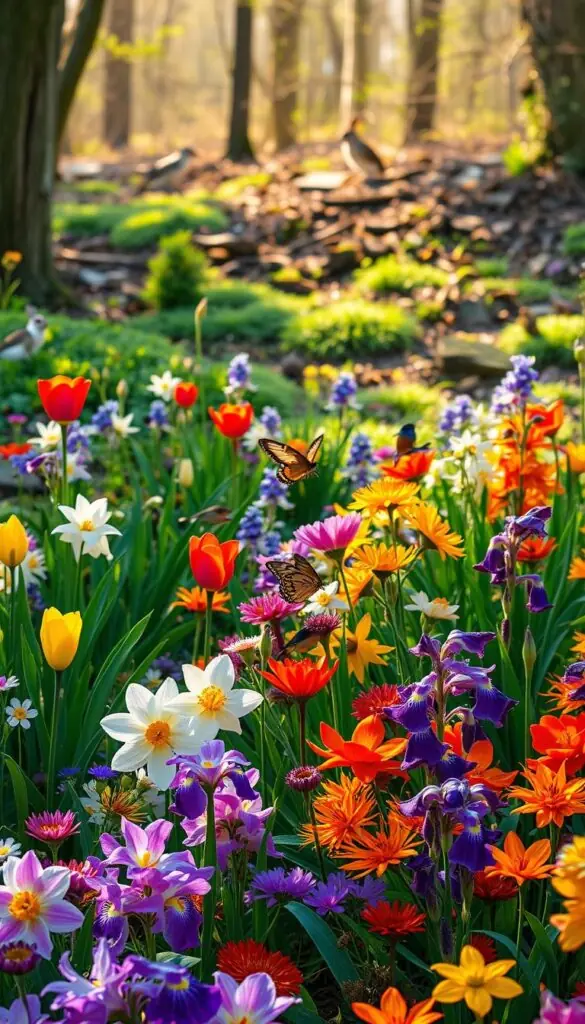
Lift, store, and plant bulbs
Before a hard frost, lift tender bulbs like dahlias and gladiolus. Dry them in a protected spot and store in breathable boxes.
- Plant spring-flowering bulbs—crocus, tulips, daffodils—now for early color. Place larger bulbs ~8 inches deep, small bulbs ~4 inches.
- Choose draining soil and sunny spots so bulbs wake strong in spring.
- Prefer deer-resistant options? Daffodils and alliums are good choices.
"Leaving seed heads lets birds and beneficial insects find food and shelter all winter."
Trees, Shrubs, and Lawn: Gentle Pruning and Winter Protection
A late-season walk beneath your trees and shrubs shows where tiny, gentle cuts will help structure and health.
Move slowly and make light pruning cuts as plants go dormant. Tidy straggly ends and remove crossing branches without encouraging new growth. Leave some seed heads and branchy shelter to feed birds and support small wildlife through winter.
Protect trunks and bases: clear vegetation around fruit trees, then install fine hardware cloth guards to deter mice and voles. Mow a clean ring around trunks so rodents can’t nest close to bark.
Set your mower a bit higher for the final pass. Use the mower to shred leaves and old clippings, then return that shredded material as a light mulch on the lawn. Delay heavy mulch mounds at trunks until late winter so frost can help reduce pests in the topsoil.
Water trees and shrubs well before the ground freezes if your area has been dry. Add small habitat touches: a brush pile, a clean bird bath, and regularly refilled feeders help keep birds and beneficials around.

| Action | Timing | Benefit | Notes |
|---|---|---|---|
| Light pruning | Late fall (dormant) | Better structure, less spring shock | Remove crossing limbs; leave seed heads |
| Trunk guards | Now, before heavy cold | Prevents rodent damage | Use fine hardware cloth; clear base first |
| Final mower pass & mulch | Last cut before freeze | Protects soil, returns organics | Raise blade; shred leaves into lawn |
| Water & wildlife care | Before ground freezes; through winter | Hydrated roots, birds supported | Keep feeders and baths clean and filled |
Tools, Supports, Hoses, and Containers: Clean, Sharpen, Store
A little end-of-season care now saves you time and worry when warmth returns. Take this moment as a calm ritual: wash, sharpen, dry, and store. Your gear will thank you with smoother work in spring.
Wash and sanitize supports. Gather cages, trellises, and stakes on a clear day. Brush away soil, then spray with a diluted bleach mix (about 2:1 water to bleach) to kill lingering spores. Let metal and wood dry before storing under cover.
Clean, sharpen, and oil tools. Wipe blades, sharpen pruners and shovels, and apply a thin coat of oil to prevent rust. Store cutting tools together in a dry area so they stay ready and safe.

Water systems and hoses
Turn off the main water supply, drain hoses fully, and coil them loosely. Have drip lines or underground irrigation blown out if freezes are likely. This small step protects pipes and saves repair time later.
Containers and tender plants
Bring clay and ceramic containers inside; sterilize if needed. Before moving tender container plants indoors, trim tired foliage, rinse leaves, and check for pests.
Refresh potting mix or repot root-bound favorites so they settle in comfortably for the cooler months. Note which supports and pots worked best for vegetable climbers and label them by area for easy planning.
"The quiet ritual of putting tools to bed marks the change of season and gives your garden a sense of calm order."
- Sort and store gear by type so spring feels easy and organized.
- Keep a small kit of sharpeners and oil handy in the shed for midwinter touch-ups.
- Record one or two simple notes about soil or containers so you remember what to change next season.
Conclusion
A few calm evenings of care will repay you with a simpler, brighter spring.
This is a good time to pause and note what worked. You’ve removed diseased foliage, left seed heads for birds and helpful insects, and tucked bulbs into beds for early color.
Keep water systems drained, coil hoses, and store the mower and containers. Your compost pile and soil will rebuild nutrients all winter so growth resumes with less hassle.
Make one small note for next year: a crop rotation idea, a planting change, or one new tool. These tiny choices add up.
Take a breath. You’ve set your vegetable garden and garden beds to rest well. Enjoy the season’s calm, and look forward to spring with ease.
FAQ
When is the best time to begin my fall cleanup?
Watch for the first hard frost and when annuals start to fade. Those signs tell you it's time to remove spent plants, collect leaves, and move into soil-care tasks before winter sets in. Aim to finish major work while soil is still workable and before persistent freezes.
Which plants can safely remain in the ground after frost?
Many perennials and ornamental grasses tolerate frosts and provide winter habitat. Leave sturdy seed heads and stems for birds and insects, but cut back any plants with disease. Tender vegetables and heat-loving annuals should be removed or brought indoors.
How do I handle diseased vegetable plants and legume roots?
Pull out diseased crops and dispose of them—don't compost infected material. Healthy legume roots (peas, beans) can stay and be cut at the soil line; their roots add nitrogen before you turn them under or compost them.
Can I save seeds from my vegetables, and how?
Yes—save seeds from open-pollinated, non-hybrid varieties. Let pods or seed heads dry on the plant, collect them in a dry place, thresh gently, and store seeds in labeled, airtight containers in a cool, dark spot until spring.
What are quick ways to ripen or preserve last-chance harvests?
For ripening, bring tomatoes or peppers indoors on a sunny windowsill or use paper bags with an apple to speed ethylene production. Preserve excess with canning, freezing, drying, or making sauces and pickles before cold weather arrives.
How should I plan crop rotation now for spring planting?
Note where you grew families like brassicas, nightshades, and legumes. Rotate crops so the same family doesn’t follow itself; add compost or cover crops to rebuild nutrients. Mark beds now to simplify spring layout and reduce disease pressure.
Is it worth weeding one last time before winter?
Yes—pulling weeds now prevents thousands of seeds from maturing and reduces early spring competition. Focus on perennial weeds and seed-bearing annuals; a tidy bed will save you time and effort next year.
What should I do with fallen leaves? Should I remove them all?
Leave some leaves in piles for wildlife and beneficial insects, especially under shrubs. Shred or mow the rest to use as mulch or add to the compost pile. Thin layers spread over beds make excellent winter protection and improve soil as they break down.
How do I build a compost pile and what should I avoid adding?
Layer green (vegetable scraps, fresh grass) and brown materials (shredded leaves, straw) and keep the pile moist and aerated. Avoid adding diseased plants, meat, dairy, or weeds with mature seed heads. Turn the pile periodically for heat and even decomposition.
What is leaf mold and how do I make it?
Leaf mold is decomposed leaves that create a crumbly, moisture-retentive amendment. Pile shredded leaves in a wire bin or bag, keep them damp, and wait 6–12 months. Use it as mulch or mix into potting mixes for improved structure and nutrients.
How should I top-dress beds and test soil for next season?
Spread a 1–2 inch layer of well-aged compost over beds to add nutrients and organisms. Take a soil test to check pH and nutrient levels; amend according to results—lime for low pH, sulfur for high pH, and targeted fertilizers if needed.
Which cover crops should I plant to enrich beds over winter?
Quick-growing options include winter rye, clover, and vetch. They protect soil from erosion, suppress weeds, and add organic matter. Plant them early enough to establish roots before hard freezes so they survive and provide benefits in spring.
What is a no-dig bed build and how do I do it now?
No-dig beds use layers—cardboard or newspaper to suppress weeds, topped with compost and chopped leaves—to create rich planting zones without tilling. Lay materials over weed-free ground, add generous compost, and finish with mulch to protect over winter.
What should I cut back on perennials now, and what should I leave for wildlife?
Cut back diseased foliage and tender perennials that will not survive frost. Leave sturdy stems, seed heads, and hollow stalks (like echinacea and sedum) to provide shelter and food for birds and pollinators through winter.
Which bulbs should I lift and store, and which spring-flowering bulbs should I plant now?
Lift tender bulbs like dahlias and canna lilies to store indoors if your zone is cold. Plant spring-flowering bulbs—tulips, daffodils, crocus—now while soil is cool so they establish roots for early color and robust growth.
How do I prune trees and shrubs gently before winter?
Do light pruning to remove dead or crossing branches and to assess structure. Save heavy pruning for late winter or early spring. Minor cuts now encourage good shape and let you leave habitat features that support birds and insects.
Any tips to protect fruit trees from rodents and pests over winter?
Wrap trunks with guards or hardware cloth to keep voles and rabbits from gnawing. Clean fallen fruit and prune low branches to prevent hiding spots. Mulch at the drip line, not against the trunk, to reduce rodent nesting and disease risk.
How should I adjust lawn care and mower height for colder months?
Set your mower slightly higher for the final cuts to leave grass at about 2.5–3 inches. Mulch clippings and shredded leaves into the turf to add nutrients, and avoid heavy traffic on frosty lawns to prevent compaction.
What is the best way to clean, sharpen, and store garden tools?
Wash soil from tools, disinfect pruning blades with rubbing alcohol, sharpen edges, oil moving parts, and store tools in a dry, ventilated shed. Proper care extends tool life and prevents spreading disease next season.
How do I winterize hoses and irrigation systems?
Drain hoses, coil and store them indoors or in a shed. Blow out irrigation lines or follow manufacturer instructions to remove water and prevent freeze damage. Turn off outdoor faucets and insulate exposed valves if needed.
When should I move container plants indoors and how do I refresh potting mix?
Bring tender containers inside before temperatures consistently drop below a plant's tolerance. Repot into fresh, well-draining potting mix and trim leggy growth. Check for pests before transitioning to indoor spaces.