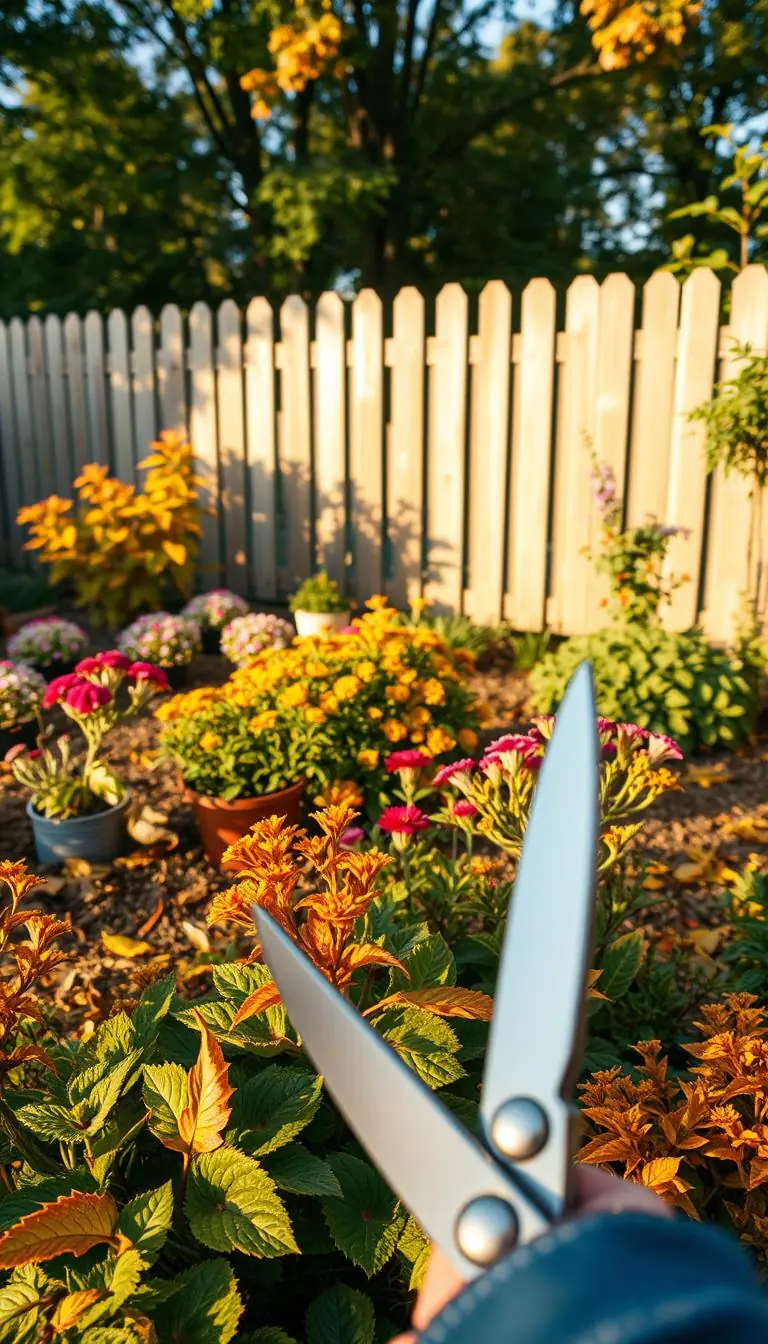
Imagine stepping back into your kitchen to the soft green of healthy leaves, a faint earthy scent greeting you. Do you worry how your houseplants and potted plants will fare while you’re away? You’re not alone.
Before you leave, a deep soak helps roots store enough water to last many days. For indoor pots, move containers to indirect light and try a pebble tray or self-watering planters to slow evaporation.
For larger batches, the bathtub method with towels and about two inches of water can be a simple, reliable way to hydrate many at once. If you’ll be gone 3–4 weeks, a raised reservoir with cotton wicks gives steady moisture. For longer trips, arrange a plant sitter to avoid pests like fungus gnats or aphids.
Outdoors, water deeply to moisten the top 12 inches, refresh mulch to about three inches, and test any irrigation or soaker hose a week early. These calm, practical steps help you leave home confident and return to lush, thriving greenery.
Key Takeaways
- Deep soak before you go so roots have stored moisture.
- Move pots to indirect light and use self-watering or pebble trays.
- Try the bathtub method for many houseplants or a wick reservoir for 3–4 weeks.
- For stays longer than a month, ask a sitter to check for pests.
- Outdoors: water deeply, add mulch, and test irrigation early.
Start calm: plan your time away and your plants’ needs
Take a slow, calm minute to look over each pot and see what it really needs before you leave.
Begin by grouping your plants by similar moisture needs. Look for which plants stay perky for days and which droop sooner. This simple step makes care easier for you or a helper.
Note current sunlight for each plant and move thirstier ones into gentler light. That shift slows water loss and keeps soil cooler while you’re going away.
Think in days and weeks, not minutes: a deep drink might cover a short trip, but longer absences call for a small system like self-watering containers, a timer, or microirrigation. Test any setup a week early so you can tweak it without stress.
- Check soil with your finger to the first knuckle to judge dryness.
- Make a short plan: who gets a deep soak, who moves to indirect light, and who needs a wick or timer.
- If a neighbor helps, leave one clear card with how often to water plants and where tools are kept.
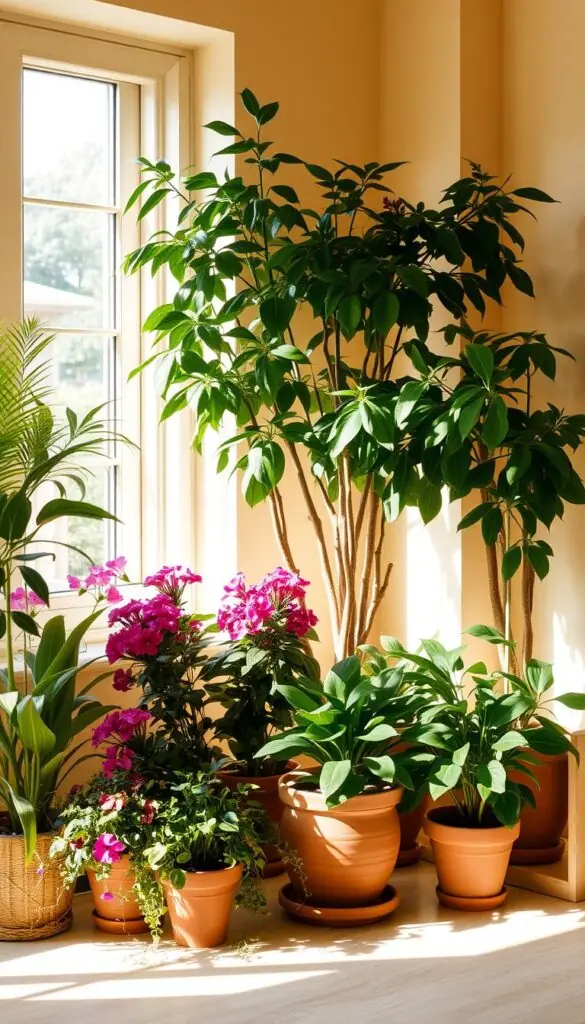
Give yourself a bit of buffer time to test arrangements so you return to lush, thriving greenery — not surprises.
Simple indoor setups before you go
Small changes—like shifting light and adding a reservoir—go a long way for potted plants.
Deep-water day-before
Give each pot a slow, deep drink until water runs from the bottom. That shows the soil and root zone are fully soaked. Let pots drain well so roots don't stay soggy.
Shift to gentle light
Slide houseplants a few feet back from direct sunlight. Cooler, indirect light slows water loss and helps plants relax while you’re out.
Pebble trays and saucers
Set pots on a saucer filled with pebbles and add water just below the stone tops. The air around the plant stays humid and you buy extra days without wetting the soil.
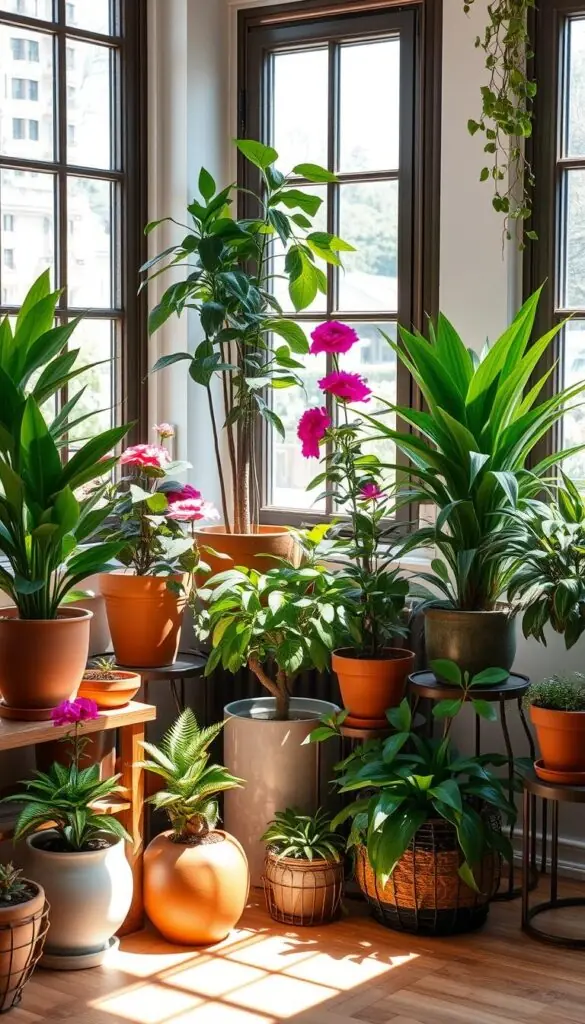
Bathtub “saucer” for big groups
Line the tub with towels, pour about two inches of water, and place pots on the towels. Keep the bathroom light on to keep conditions stable for many pots at once.
Wicking from a reservoir
Elevate a water container above the pots and run cotton cords into each pot's soil. Wicks give steady moisture for three to four weeks when set up and tested a week earlier.
Self-watering containers
Top off the reservoir and check any level indicator. These containers let plants draw water from the bottom when they need it, so moisture stays steadier while you’re away.
"A quick, thoughtful setup today means you return to lush, healthy plants without last-minute stress."
| Method | Best for | Key action |
|---|---|---|
| Deep soak | All pot sizes | Soak until water runs from bottom; drain |
| Pebble saucer | Indoor houseplants | Water below stones; place pot on top |
| Bathtub setup | Many small pots | Towels, ~2 inches water, keep light on |
| Wick/reservoir | 3–4 week gaps | Elevate reservoir; tuck cotton into soil |
Outdoor care that holds moisture while you’re gone
A deliberate soak plus refreshed mulch creates a quiet, lasting reserve of moisture for outdoor plants. These simple steps help roots stay cool and soil hold water for days, so you return to healthy, thriving beds and containers.
Give a deep watering to wet the top 12 inches of soil
The day before you leave, run a slow hose at each plant’s base until the top 12 inches are moist. That’s where most roots drink, so a slow soak reaches the active root zone.
Refresh mulch to protect roots and slow evaporation
Rake and add roughly three inches of mulch as a cool blanket over soil. Mulch keeps the top layer shaded, reduces evaporation, and insulates roots from hot wind.
Set and test irrigation or drip with a timer and rain sensor
If you use an irrigation system, set it to early morning and add a rain sensor so it skips after storms. For simple setups, lay a soaker hose or drip line through grouped containers and connect a faucet timer.
- Test the system a week in advance and tweak run times.
- Group pots in light shade so plants lose less water.
- Make sure a helper knows the shutoff and timer and has a one-page note with run times.
"A final slow soak, fresh mulch, and a tested system buy you a comfortable week of peace."
Vacation watering tips you can trust
Practical, low-stress steps help your pots stay calm while you’re away. Tuck containers into one shady spot so they create a small humid pocket. Grouping saves you time and cuts evaporation.
Use simple irrigation and test it early
Set up a drip or microirrigation system with a reliable faucet timer and run it for short, early-morning cycles. Test the system at least a week before you leave so you can adjust run time and spacing.
Try bottle spikes or watering globes for slow supply
Insert a bottle spike or globe into thirsty pots for a steady trickle. Test one day early to check the release rate and avoid sudden flooding.
Leave clear instructions and a quick routine
Ask a neighbor to pop by every few days. Make sure your one-page note lists which pots need extra checks, where the tools live, and a simple path to follow.
- Group pots in shade to form a shared humid microclimate.
- Pair a timer-driven drip or soaker system with a few bottle spikes for uneven thirst.
- Label thirsty pots and keep the helper’s route simple: one can, one path, one short checklist.
"A few tests, clear notes, and a simple system buy you relaxed, healthy plants when you return."
Container and houseplant tweaks that make a big difference
Tiny tweaks to how you top and bottom your pots add up to big steadiness in soil moisture.
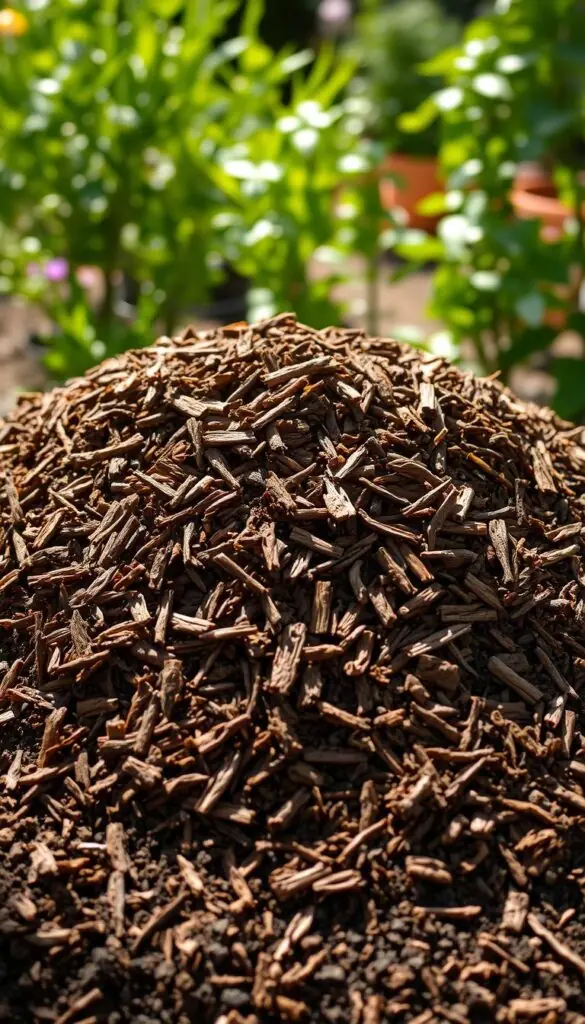
Add a thin layer of mulch on top of potting soil
Sprinkle a light layer of fine bark or compost across the surface of the soil in each container. This simple cover slows evaporation and helps the soil hold steady moisture for longer.
Mulch also keeps the top cooler and reduces rapid drying from bright windows or warm rooms.
Bottom watering and using a saucer without waterlogging roots
Set a pot into a shallow saucer of water for 10–20 minutes so the bottom wicks moisture up into the soil.
Then lift the pot, pour off any excess, and never leave standing water under roots. Make sure saucers stay empty so roots can breathe and avoid rot.
- Wipe dusty leaves so plants use light well.
- Label containers with “check and drain” for helpers.
- Repot root-bound plants before a trip so soil can actually hold water.
- Soften bright windows with a sheer curtain to slow loss.
"Small, careful changes at the top and bottom of a pot buy you extra days of healthy, happy plants."
Special cases: succulents, long trips, and coming home
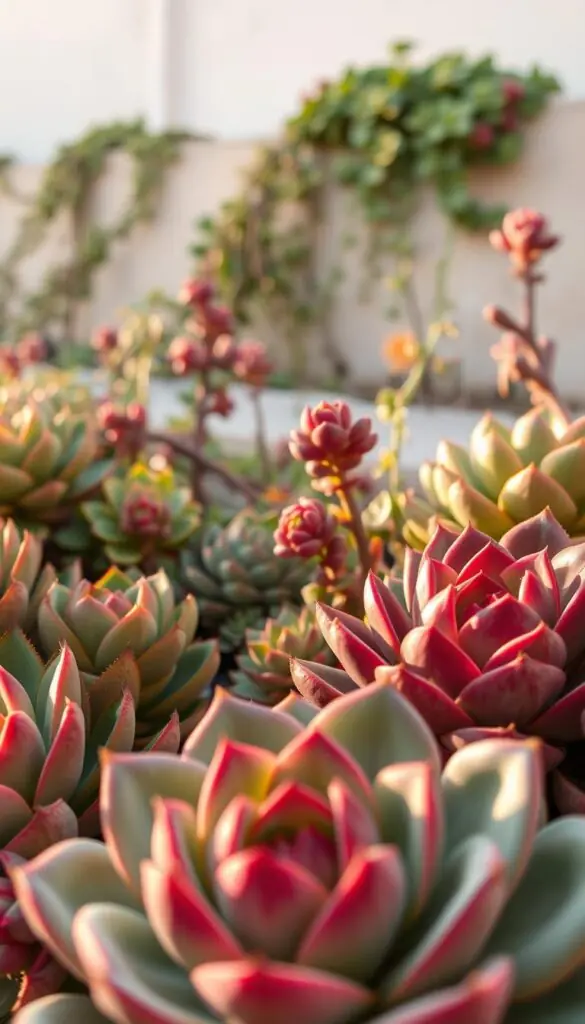
Succulents and long absences call for a different rhythm: less water and small, regular checks. Succulents and cacti prefer dry-loving soil and bright but indirect sunlight while you’re away. Hold off on a last-minute soak; shallow moisture is safer than saturated pots.
If you’ll be gone more than four weeks, arrange weekly visits from a sitter. Ask them to check soil moisture, look under leaves for mites or aphids, and refill any bottle spikes you provide.
- For succulents, limit water to one light drink before departure and keep them in bright, indirect sunlight.
- For trips of several weeks, a simple irrigation or drip system plus a little shade helps outdoor containers stay even.
- Show your sitter how a bottle works as a backup and where the spare bottles and tools live.
Leave a short card showing which plants need light misting, which should be left alone, and how moist soil should feel. When you get home, water slowly, prune lightly, and give houseplants a few days to readjust to stronger light.
"Long trips are about steady, small sips and soft light; a friendly system and a quick weekly check bring you back to healthy plants at home."
Conclusion
With simple prep, your pots can ride out days or weeks without fuss and stay healthy.
Think steady and simple: give a deep soak, move pots to gentler light, and group containers in shade. A pebble tray or bathtub setup covers many indoor plants. Outdoors, add a thin layer of mulch and test a drip or timer with a rain sensor.
For longer trips, set a wick or a bottle spike for thirsty containers and ask a helper to follow one clear note. When you get home, water plants slowly, let them rest in soft light, and enjoy stepping back into a calm, green room.
FAQ
How should I prepare potted plants the day before I leave?
Give pots a deep soak so water reaches the root zone, then let excess drain. Move plants out of direct sun into bright, indirect light and group containers together to create a more humid microclimate. Add a thin layer of mulch to the top of potting mix to slow evaporation.
What indoor setups extend time between waterings?
Use pebble trays or saucers filled with a little water to raise humidity. Try wicking from a reservoir with cotton cords for up to three to four weeks for small and medium pots. Self-watering containers, water-globes, or bottle spikes provide steady moisture with minimal fuss.
How can I care for a large group of plants indoors without a sitter?
Line a bathtub or tray with towels, place pots on the towels, and add about two inches of water so saucers sit above the moisture line. Keep them in a bright room out of direct sun. This creates gentle, consistent humidity and lasts several days to a week depending on pot size and plant needs.
What outdoor prep helps soil hold moisture while I’m away?
Deep-water beds so the top 12 inches are thoroughly wet, then refresh mulch to protect roots and reduce evaporation. Group containers under partial shade if possible. Test or set an irrigation system with a timer and rain sensor before you leave.
Are drip systems or soaker hoses better than hose timers?
Drip and microirrigation deliver water slowly and directly to roots, which reduces waste and keeps moisture even. Soaker hoses work well for beds. Pair them with a reliable timer and a rain sensor to avoid overwatering during unexpected rain.
Will watering globes or bottle spikes save my plants on a short trip?
Yes — for many houseplants and small containers, quality watering globes or inverted bottles with a small hole can provide a slow, steady trickle for several days to a couple of weeks. Test them before you go to confirm flow rate and duration.
How do I set up a wicking system?
Place a larger reservoir (bucket or bin) near the pots. Thread a cotton or nylon cord from the reservoir into the potting mix so one end sits in water and the other reaches the root zone. Capillary action will pull moisture into the soil for several weeks depending on cord thickness and plant demand.
What are the best actions for succulents and cacti before a long trip?
Give succulents a light watering a few days before leaving so soil is mostly dry at departure. Keep them in bright, indirect light and avoid grouping them with high-humidity plants. These species tolerate dryness well and rarely need a sitter for short to moderate absences.
How long can plants safely go without a plant-sitter?
It depends on species, pot size, and conditions. Many houseplants and large containers can manage one to two weeks with deep watering, mulch, or self-watering systems. Smaller pots and thirstier tropicals may need a visit every few days or a reliable irrigation solution for anything longer than a week.
Should I bottom-water or water from the top before I leave?
Deep top-watering so soil is wet through to the roots is best the day before you go. Bottom-watering (placing pots in water to wick up) helps settle soil and hydrate roots without overwatering foliage. Avoid leaving saucers constantly full — that can waterlog roots and cause rot.
Can mulch and soil type change how long plants go between drinks?
Yes. Mulch on container soil slows surface evaporation, and heavier mixes with more organic matter retain moisture longer. Fast-draining mixes and small terracotta pots dry out quickly, so plan accordingly with water reservoirs or more frequent checks.
What should I do when I return home to help plants recover?
Check soil moisture and wait to water again until the top inch or two feels dry for most houseplants. Restore plants to their usual light locations gradually. Inspect for pests or stress, prune any brown or mushy growth, and resume normal feeding and care after a few days of stable conditions.
Is it worth asking a neighbor or hiring a plant sitter?
Absolutely. A trusted neighbor or a plant-sitting service can spot problems, water appropriately, and keep pests in check. Leave clear, simple instructions about amounts, frequency, and location of tools or irrigation controls to make visits fast and effective.
How do I test an irrigation or drip setup before I leave?
Run the system on its schedule for several days and observe wetting patterns, flow rates, and any leaks. Adjust emitters so water reaches the root zone without pooling. Always include a rain sensor or turn off during rain to prevent overwatering.