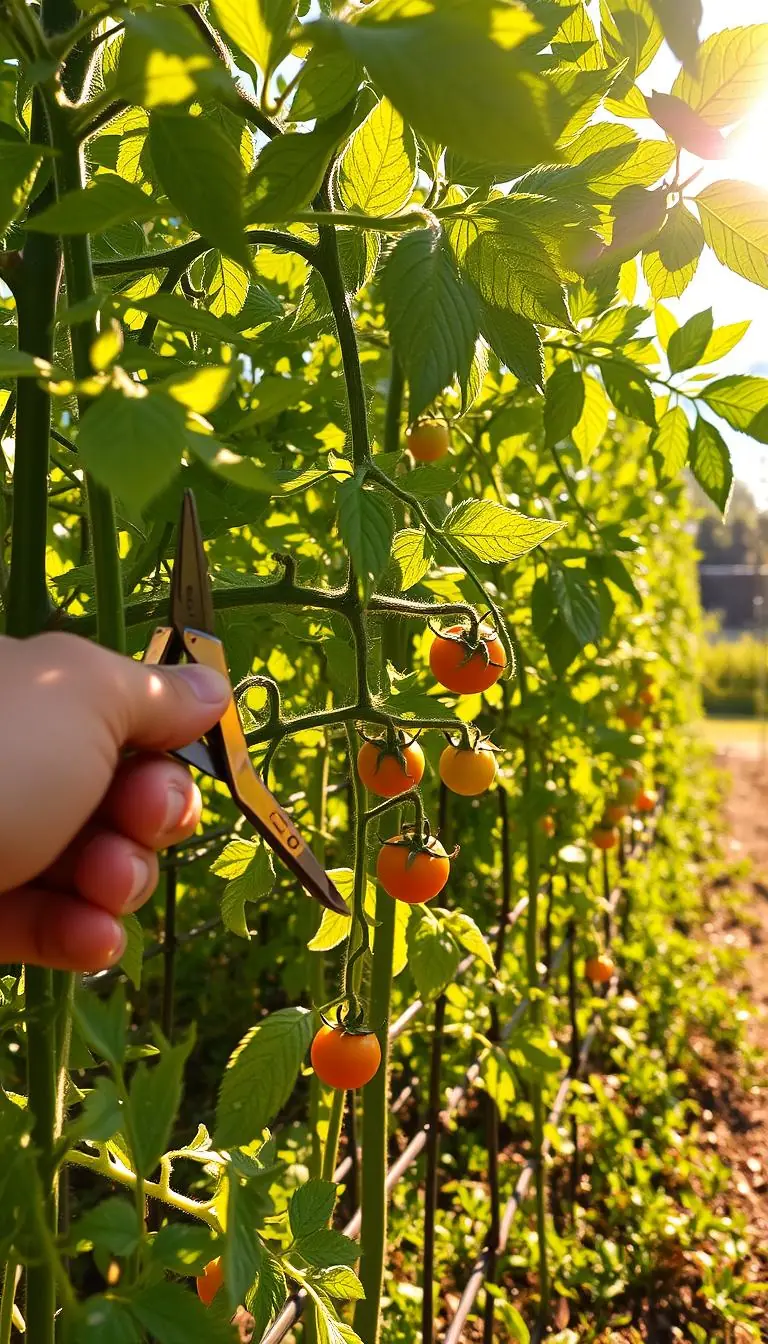
Imagine the warm scent of lavender and the soft hum of summer life outside your kitchen window. Do you notice bare patches or wish for more color that lasts beyond one bright week? This is a gentle place to start.
You’ll get a clear, practical guide that shows step-by-step how to plan, plant, and enjoy a space that draws pollinators and butterflies while staying easy to care for.
We outline site, sun, and soil choices so you place flowers where they shine. You’ll learn simple timing—when to sow seed or set nursery plants—and the basic tools you likely own: a spade, hand fork, and a few pots.
Expect real plant examples by season and USDA zone suggestions, plus small projects from a balcony pot to a 200–400 sq ft yard plan. Follow these steps and you’ll attract bees, see more movement through the year, and enjoy a lush, low-effort landscape that feels like a peaceful retreat.
Key Takeaways
- Plan for sun, shelter, and continuous bloom to support bees pollinators.
- Read your soil fast—choose plants for sandy or clay sites to save time and money.
- Use seeds for big areas and nursery plants for quick results.
- Keep tools simple: spade, hand fork, mulch, and a watering can.
- Aim for bloom from early spring through fall to attract bees and butterflies.
- Avoid pesticides and thirsty spots; small projects make a big impact.
Start with a Plan: Site, Sun, Soil, and Goals
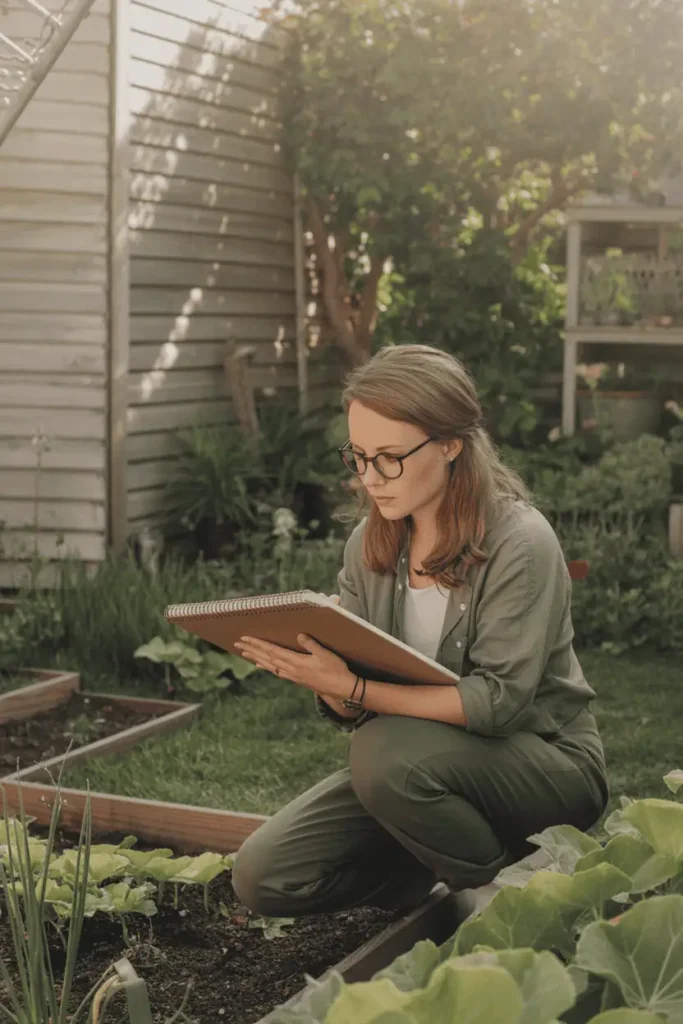
Take a sunny-day walk around your space and note light, wind, and warm spots. Time areas that get 6–8 hours of direct sun. Mark wind tunnels and plan to place wind-sensitive plantings behind fences or hedges for gentle protection.
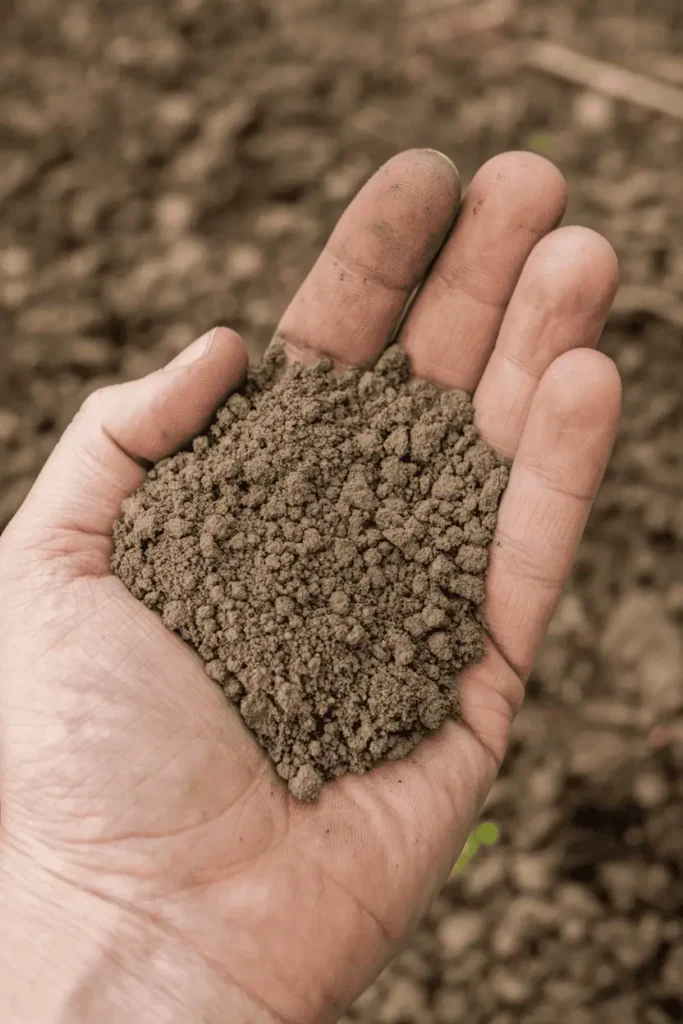
Do a quick 5-minute soil check. Squeeze a damp handful: sandy soil will crumble; clay will smear. Dig a 6-inch hole, fill with water, and see if it drains in 1–2 hours. These simple tests tell you which plants will thrive.
- Match plant type to soil: drought-tolerant species for fast-draining sand; moisture-tolerant ones for heavier clay. Improve soil with compost instead of fighting native conditions.
- Size options: a 3–5 pot balcony cluster, a 4x8 raised bed, or a 200–400 sq ft yard plan—each supports continuous bloom for bees and butterflies.
- Layout tip: sketch beds with a front-to-back height flow (12" edges to 3–5' mid-backs) to keep sight lines open and care simple.
Set clear goals: low watering, maximum color, or edible herbs that double as pollinator magnets. If you need help, group plants by sun and water needs to simplify care the first season.
Decide on options that fit your time and budget: seeds for larger areas and savings, small nursery plants for quick color and faster pollinator activity. Keep a short journal of spots and notes so your plan improves year to year.
Plant Power: Seasonal Nectar and Pollen from Spring through Winter
Start by mapping which plants bloom when — that map becomes your seasonal recipe for nectar and pollen. A range of shrubs, perennials, annuals, and herbs gives you layered height and continuous food across the year.
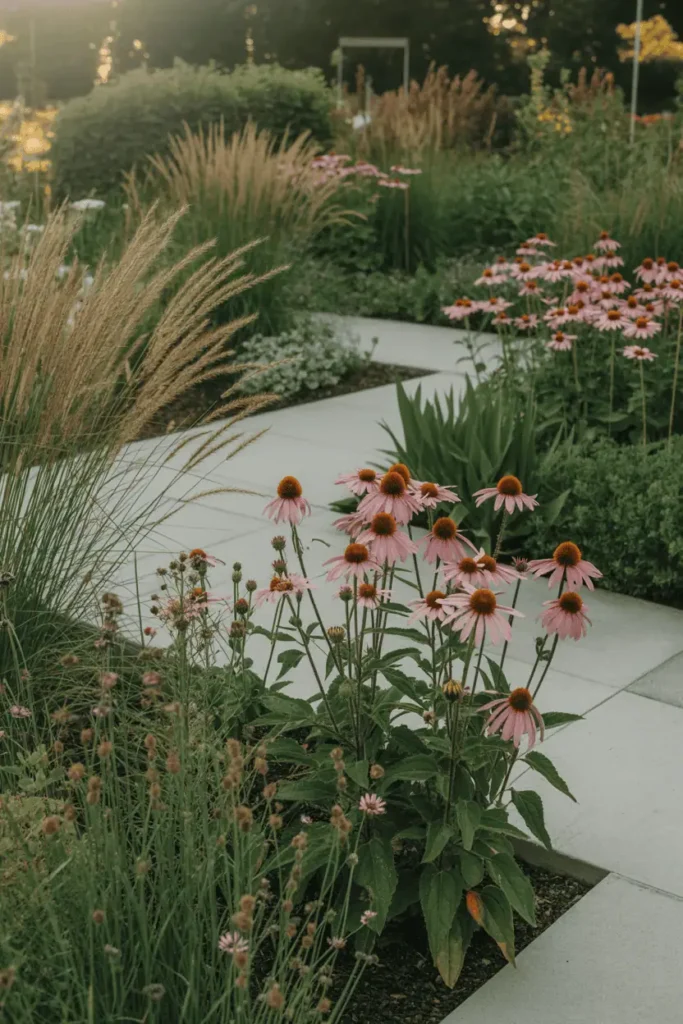
Spring bloomers (March–May)
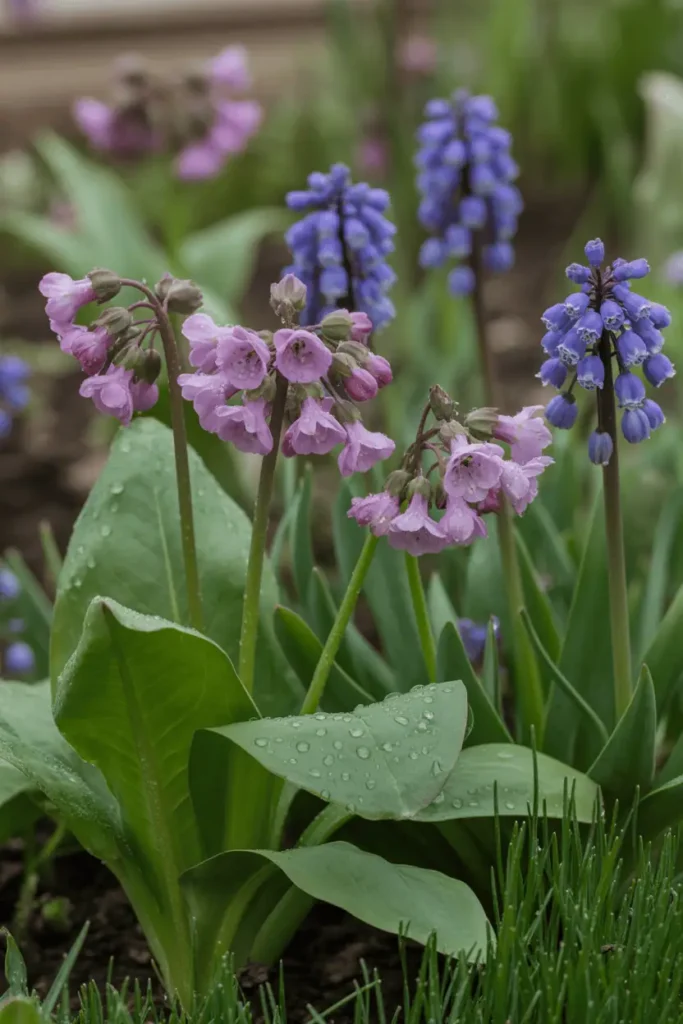
Crabapple and hawthorn open early with frothy clusters that attract pollinators. Pulmonaria offers dappled blue-pink bells, while alliums and grape hyacinth bring scent and color in tight bursts.
Summer staples (June–August)
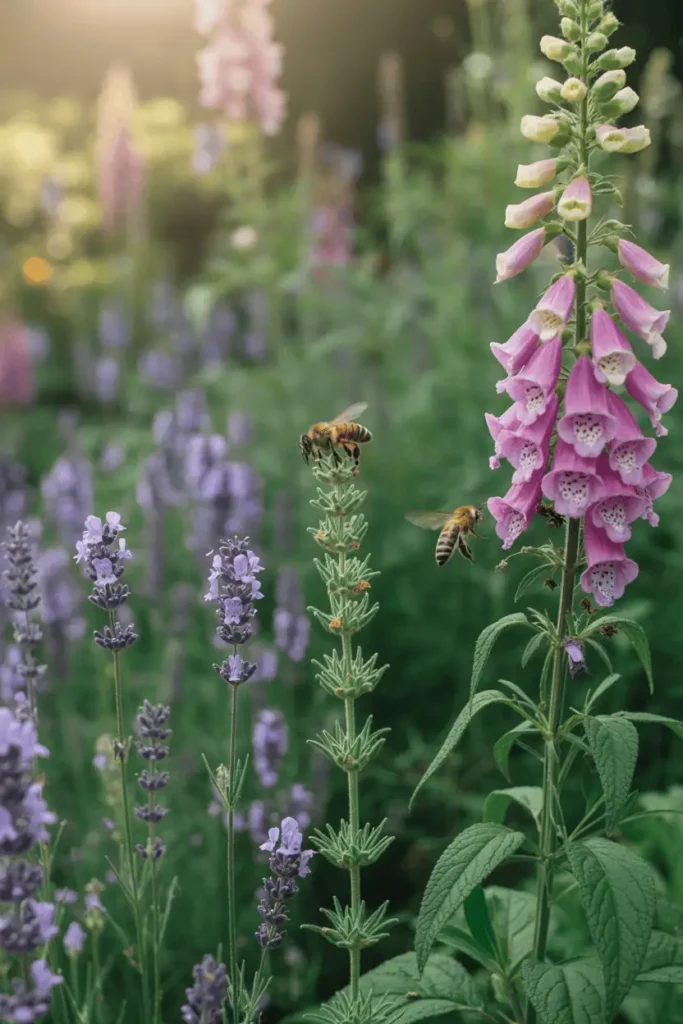
Lavender and agastache lend a sweet, airy scent; foxglove spires add vertical drama. Scabious and echinops provide textured blues, and goldenrod gives a late-summer glow that draws butterflies and insects.
Fall color and forage (September–November)
Sedums and asters hold nectar late into the season. Verbena bonariensis floats above beds like lollipops, and single-form dahlias keep pollinators visiting on warm, honeyed afternoons.
Winter lifelines (December–February)
Mahonia’s spiced-yellow clusters and hellebore cups bloom against bare soil. Snowdrops and crocuses sparkle on mild days, and evergreen ivy can supply late nectar.
Herbs and edibles that pull double duty
Tuck thyme, marjoram, chives, sage, and rosemary near paths for kitchen use and foraging insects. Angelica and fennel rise tall with umbels that feed many species.
- Plant tips: Prefer single flowers over doubles so pollen and nectar are accessible.
- Group drought-tolerant species like lavender on sandy soil; choose asters and sedums for heavier clay.
- Sow seeds in fall or late winter to let stratification mimic nature; adjust for USDA zones and your microclimate.
- Include woolly plants such as lamb’s ears and mullein for nesting fibers and texture.
Mainstays of a Bee Friendly Garden: Native Plants, Diversity, and Bloom Succession
Choose hardy local species and untreated starts to build a landscape that feeds pollinators all season. Native plants are adapted to your soil and climate, so they recover faster after heat, drought, or heavy rain. That means less work for you and steady food for insects.
Go pesticide-free. Avoid plants treated with insecticides or neonicotinoids. These chemicals harm bees and other beneficial insects and reduce the long-term health of your beds.
Mix types for continuous bloom
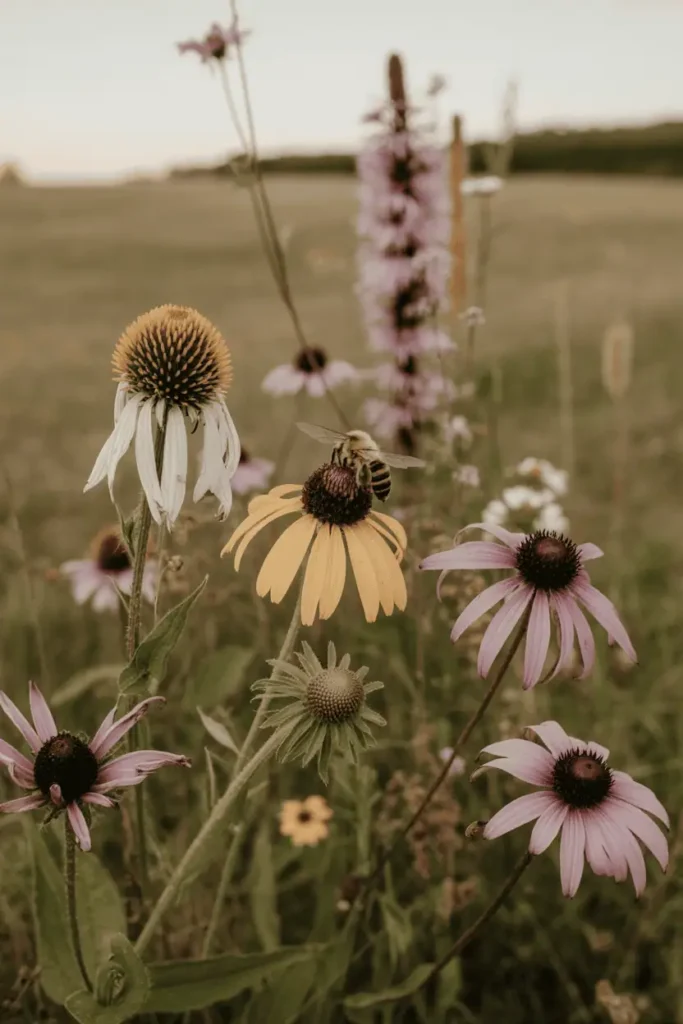
Combine perennials for structure, annuals for quick color, and a few shrubs or small trees to extend flowering into early spring and late fall. Single flowers keep nectar and pollen accessible, so pollinators find meals easily.
- Plant in drifts: three to five of the same species so pollinators spot food from a distance.
- Match choices to your soil—deep-rooted natives reduce watering and hold soil in place.
- Keep a small wildflower patch for diversity and self-seeding surprises each spring.
- Start some seeds to save money and fill gaps while perennials establish.
Common mistake: overstuffing beds. Give plants room to grow for better airflow and easier care. With thoughtful diversity and untreated starts, your space will hum with life from early spring through fall, and offer occasional food on mild winter days.
Step-by-Step: Preparing and Planting Your Pollinator Beds
Start by mapping the space you want to change and gather a small toolkit for an easy conversion. A clear layout saves time and helps plants thrive.
Tools and materials
Gather: a sharp spade, hand fork, sturdy gloves, planters or a 4x8 raised bed, a wheelbarrow of compost, and fine mulch. Add a watering can and a light rake.
Seeds vs. plants — timing and budget
Choose seeds for larger areas; they cost less and suit a big yard. Broadcast seeds in fall or late winter, even over light snow, to let natural stratification work.
Nursery plants give fast color. Plant starts after your last frost date. They attract pollinators sooner and fill gaps while seeds establish.
How to plant: lawn conversion, bed prep, sowing, and spacing
- For lawn removal, slice under sod in strips and lift it out. Loosen soil 8–10 inches deep.
- Work in 2–3 inches of compost to improve soil structure and moisture holding.
- Lay paths 18–24 inches wide so you can water and weed without stepping on beds.
- Space plants generously: herbs 12–18", perennials 18–24", larger clumps 30".
- For seeds, broadcast, rake lightly, and firm the surface with your feet. For starts, dig holes as deep as the root ball and backfill with compost-rich soil.
Top beds with 1–2 inches of mulch, keeping it away from stems. Water new plants at the base early each morning—deep soaks 1–2 times per week, then taper as roots spread.
- Use planters (12–16" wide) for balconies and patios.
- Keep a short shed-wall checklist: weed weekly, water deeply, and note which flowers attract butterflies and bees.
Build Habitat: Bee Hotels, Bumblebee Nests, and ‘Woolly’ Plants
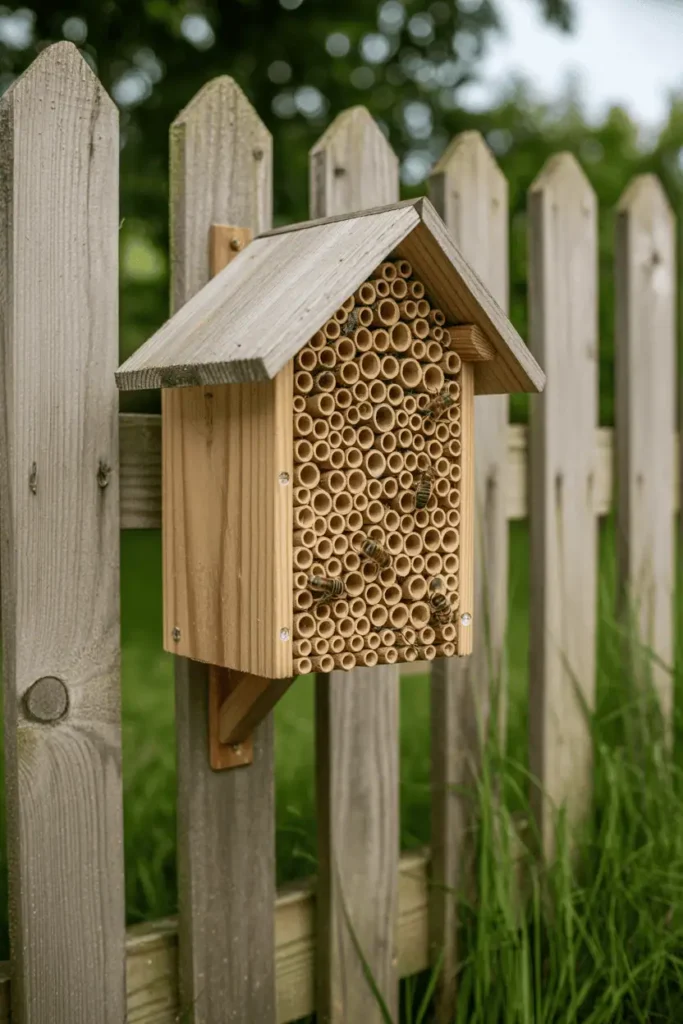
Well-placed nesting sites turn a sunny corner into a thriving pocket of life. Small shelters, simple pots, and soft-leafed plants create safe havens for solitary nesters and queens. Follow these steps for reliable, low-effort results.
Create a sunny hotel for solitary nesters
Mount a hotel on a sturdy fence or wall facing south or southeast, 3–5 feet high. Choose cavities 4–8 inches deep with varied diameters (1/8–3/8 inch).
- Use smooth reed bundles, bamboo, or drilled hardwood blocks.
- Fit a small sloped roof so holes stay dry and warm.
- Replace or clean inserts each year to reduce parasites.
Make a cozy bumblebee pot
Set a terracotta or wooden pot in a quiet corner with a narrow entrance tunnel and dry bedding. Add intact straw or dry moss inside; leave the pot partly shaded and sheltered from heavy rain.
"Queens look for snug, dry spaces in late winter and early spring — a bumblebee pot offers just that."
Plant soft, ‘woolly’ sources
Include lamb’s ears (Stachys) and mullein (Verbascum) near nests. Wool carder bees collect the tiny hairs to line cells. A short drift of wildflowers close by means residents find food without long flights.
Avoid pesticides near these havens. Keep the setup simple, weatherproof, and close to blooms so bees, bumblebees, butterflies, and other insects thrive in your garden.
Water and Gentle Rescue: Safe Drinking Stations and Helping Tired Bees
A nearby shallow tray with stones gives thirsty insects an easy, no-risk place to drink. This simple water source helps pollinators stay hydrated in hot months and on long foraging trips.
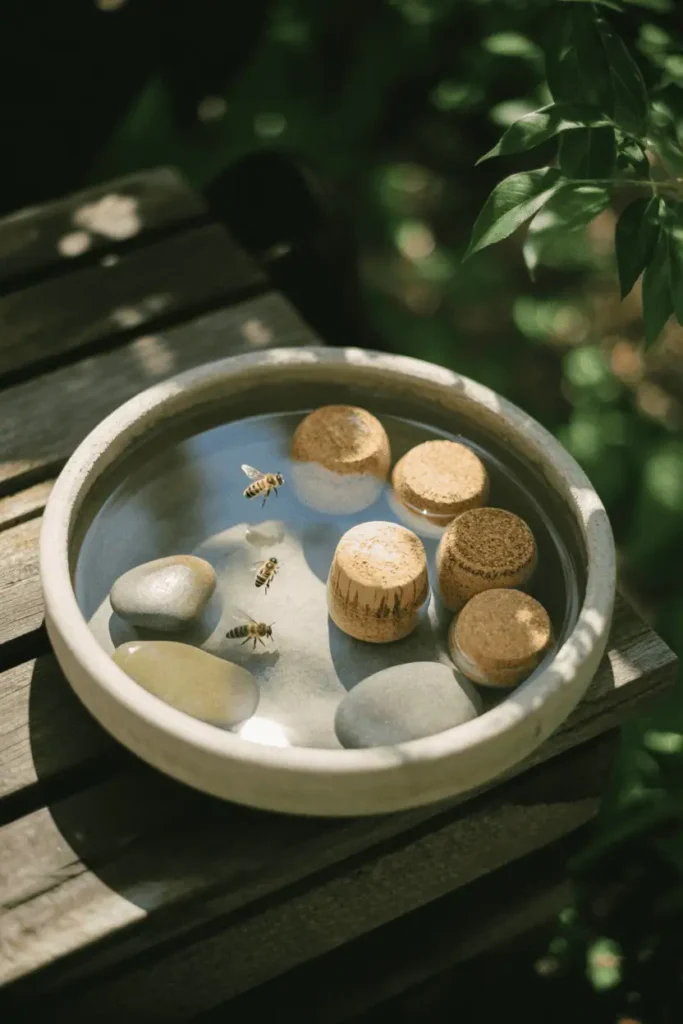
How to set one up:
- Use a shallow saucer or tray (1/2"–1" deep). Fill with rainwater or tap water that has sat out for a day.
- Add smooth pebbles or 3–6 floating wine corks so visitors can land without wetting wings.
- Place the dish in light shade near flowering plants so nectar and pollen are a short flight away.
Refresh the supply every few days. In hot spells check daily for evaporation and algae. In winter warm spells offer water on mild afternoons; empty it before freezing nights.
Quick rescue for an exhausted insect: mix equal parts warm water and granulated sugar. Put a drop in a clean bottle cap near the insect’s head. Let it drink undisturbed until it flies.
| Supply | Purpose | Maintenance |
|---|---|---|
| Shallow saucer (1/2"–1") | Safe drinking landing | Refill every 2–3 days; clean weekly |
| Pebbles or wine corks | Prevent drowning; provide perches | Rinse when dirty; replace corks yearly |
| Rainwater or rested tap water | Natural, chlorine-free supply | Store in covered container; use within a few days |
| Sugar solution (1:1 warm water:sugar) | Revive exhausted insects | Use small amounts; discard leftovers |
Design for Beauty and Ease: Low-Maintenance Layouts That Buzz
Arrange repeats of the same perennials in gentle curves to make beds read abundant while keeping weeding simple. Plant three to five of a favorite species in a drift so flowers read as a single, clear block from a distance.
Pair wildflowers with a tidy edge—brick, corten steel, or a mowed strip—so the space looks intentional and you can tidy in one pass. Keep paths wide and firm for quick, satisfying care.
Group plants by water need. Put drought‑tolerant clusters near paths and save a small pocket for thirstier plants you can soak deeply.
- Use one annual drift each year to refresh color while perennials fill in.
- Mix textures—fine grasses, domed blooms, spiky echinops—for movement and calm.
- Use seeds to fill larger patches economically, then add a few larger anchors for early-season structure.
Choose single flowers in bright, clear colors so butterflies and other insects spot food from afar. Place a small hotel on the sunny side and a shallow water dish nearby; together they form simple havens that attract bees and life you’ll notice each afternoon.
"A clear layout that repeats form and color reduces work and increases delight."
Care, Seasons, and Common Mistakes to Avoid
A steady, gentle routine helps plants settle and keeps pollinators arriving year after year. Small, seasonal tasks prevent big problems and make maintenance feel calm and doable.
Relaxed weeding and mowing
Let early clover and a few dandelions bloom before the first mow. These humble ones supply vital food for bees and other insects in early spring.
Cut paths and edges for tidiness, but leave a few wild pockets and standing stems for nesting and winter seeds.
Seasonal rhythm: simple tasks by season
- Spring: Cut back dead stems, top-dress with compost, overseed bare spots, and let early forage finish before mowing.
- Summer: Water deeply once or twice weekly depending on soil, deadhead annuals, and plug gaps with quick starts.
- Fall: Plant bulbs and cool-season seeds, leave hollow stems for nesting, and enjoy asters and sedums on warm days.
- Winter: Keep seed heads for shelter, tidy lightly during thaws, and resist overcleaning to help insects survive cold spells.
Avoid pesticides and choose untreated starts
Do not use pesticides or neonicotinoids. Buy untreated seeds and plants—this single choice prevents many invisible setbacks for pollinator visitors.
"Choosing untreated seeds and resisting pesticides is the fastest way to protect local insects and butterflies."
If you need help diagnosing weak flowering, check sunlight first, then soil drainage. Move sun-loving plants or add compost to compacted spots.
Water at the base in the morning and mulch lightly to keep moisture steady. Over-watering invites rot and pests; under-watering slows establishment.
Rely on native plants and patient timing—some perennials need a season to settle before they reward you with abundant blooms. Keep a short checklist: observe, water deeply, add compost, and resist the urge to over-tidy.
Conclusion
Let a few thoughtful actions this season turn empty soil into steady food and shelter for pollinators.
Plan simply: match light and soil, then plant a mix of perennials, annuals, and a few wildflowers from seeds or starts. Single flowering plants make nectar and pollen easy to find.
Add water and small habitat: a shallow dish and a sunny hotel supply rest and water during hot summer or mild winter days.
Keep it pesticide-free. If you only have time this weekend, sow or plant a handful. Watch how bees and other insects return, and enjoy steady progress through the year.
FAQ
How do I choose the best spot for a pollinator-friendly planting?
Pick a space with full to partial sun and some shelter from strong wind. Sunny, protected sites warm earlier in the day and help nectar and pollen flow. If you have only a balcony or small yard, containers or raised beds work well — aim for south- or west-facing exposures when possible. Check your microclimate and USDA zone so you select plants that thrive where you live.
How can I improve poor soil for better flowering and more nectar?
Start with a soil test to learn pH and texture. Add compost to sandy soil for moisture retention and to clay for drainage. Work in organic matter lightly; avoid over-tilling. Good soil supports stronger blooms and more pollen. Mulch to retain moisture and feed plants seasonally with slow-release, organic fertilizer if needed.
Which plants offer nectar and pollen across the seasons?
Plan for continuous bloom. In spring, choose crabapple, hawthorn, alliums, and grape hyacinths. Summer staples include lavender, agastache, foxglove, and scabious. For fall, plant sedums, asters, Verbena bonariensis, and dahlias. In winter, provide mahonia, hellebores, snowdrops, and crocuses. Include herbs and edibles like thyme, chives, sage, and rosemary for both flavor and forage.
Should I favor native plants or ornamentals?
Prioritize native perennials and wildflowers because local pollinators evolved with them. Mix in a few noninvasive ornamentals for color variety. Always choose untreated starts and seed sources that guarantee no neonicotinoid contamination. Diversity in species and flower types supports more pollinator species and seasonal needs.
What’s better for a new patch — seeds or plants?
Seeds are budget-friendly and great for wildflower meadows, but they take time. Transplants offer quick bloom and immediate forage. Use seeds for larger areas and plugs for small beds or containers. Match timing to your climate: sow native wildflowers in fall or spring depending on species.
How do I build simple habitat like bee hotels and bumblebee nests?
Place a south-facing bee hotel in full sun, protected from rain, using tubes or drilled wood blocks with varied cavity sizes. For bumblebees, provide a snug “pot” with dry grass or moss in a sheltered, cool spot for queen nesting. Leave some undisturbed ground and tussocks for ground-nesting species.
How can I safely provide water for pollinators?
Offer shallow dishes with stones, wine corks, or pebbles so insects can land. Refill with rainwater or filtered tap water and keep it clean. A small dripping feature or saucer near sunny flowers works especially well for thirsty butterflies, hoverflies, and solitary bees.
What’s the right way to assist a tired or chilled bee?
Gently move a tired insect to a sunny spot. For an exhausted bee, offer a tiny drop of simple sugar solution (1:1 sugar to water) on a bottle cap — do not use honey. Let the insect feed and warm up before releasing. Handle minimally and avoid squeezing.
How do I design a low-maintenance plot that still attracts pollinators?
Group plants by water need, choose long-blooming perennials and drought-tolerant species like lavender and goldenrod, and use mulch to suppress weeds. Keep paths for easy pruning and deadheading. A layered design of trees, shrubs, perennials, and annuals gives structure without constant fuss.
What common mistakes should I avoid when creating pollinator habitat?
Avoid using pesticides, especially neonicotinoids, and don’t remove every dandelion or clover — they’re vital early forage. Don’t tidy away all dead stems in fall; many insects overwinter in hollow stems and seedheads. Also, avoid sterile double flowers that offer little nectar or pollen.