Imagine the warm breath of terra-cotta on your hands and the fresh scent of damp soil after a morning water. Have you noticed a stretched leaf or a pot that dries too fast? That small moment points to a big choice: the container you pick shapes how your garden looks and how healthy your plants stay.
This short, friendly overview helps you weigh beauty and function. You’ll learn how materials and shapes affect moisture, root oxygen, and drainage. We cover simple tools—moisture meters, saucers, pot feet—and tips to make care easier in your home or outdoor room.
We’ll match plant sizes to pot volumes so you avoid overpotting or cramped roots. Expect clear examples: terra-cotta for quick-drying succulents, glazed ceramic for leafy houseplants, and notes about wood, plastic, metal, and concrete. You’ll also see when self-watering options or a rolling caddy can save time and strain.
Key Takeaways
- Material affects soil drying, root oxygen, and plant health.
- Size matters: choose 1–2 inches wider than the nursery pot for most plants.
- Use pot feet, saucers, and a moisture meter to make daily care simple.
- Match style—terra-cotta for succulents, glazed ceramic for foliage—for a unified garden look.
- Plan for weight and portability; some containers can exceed 80 pounds when filled.
Start here: what “choosing right” really means for plant health and your space
A smart pick protects roots, fits your room, and saves you time on care. Think beyond looks: choose items that suit the plant’s light, root depth, and your daily routine. When you imagine sunlit leaves and the feel of an airy mix, decisions become clearer.
Buyer’s mindset: balance beauty, function, and low maintenance. Pick a container with a drainage hole and elevate it on pot feet or a stand so the hole stays clear. Use a lightweight potting mix (not garden soil) that feels springy in your hand and adds slow-release fertilizer at planting.
Quick wins: match the plant, planter, soil, and light at the start. Make sure drainage is non-negotiable. Choose a size that fits the current root ball and allows modest growth—too large holds excess moisture; too small stunts roots.
- Use a moisture meter before watering and consider self-watering options to stabilize moisture.
- Place leafy greens where they get 4–6 hours of sun; roots need 6+; fruiting crops need 8+.
- In summer, move pots back from reflective walls; in winter, bring indoor plants closer to top light or add a grow light on a timer.
These simple steps cut care time and boost plant health: drainage, the right size, airy soil, correct light, and a couple of tools. With that checklist, your garden will feel easier and more rewarding all year.
Planter size and root depth: get the size planter right the first time
Get the right container now so roots can grow without soggy soil holding them back.
Simple sizing rule: pick a planter 1–2 inches wider than the nursery pot. That modest jump gives roots room to spread without leaving excess wet soil that increases water retention and rot.
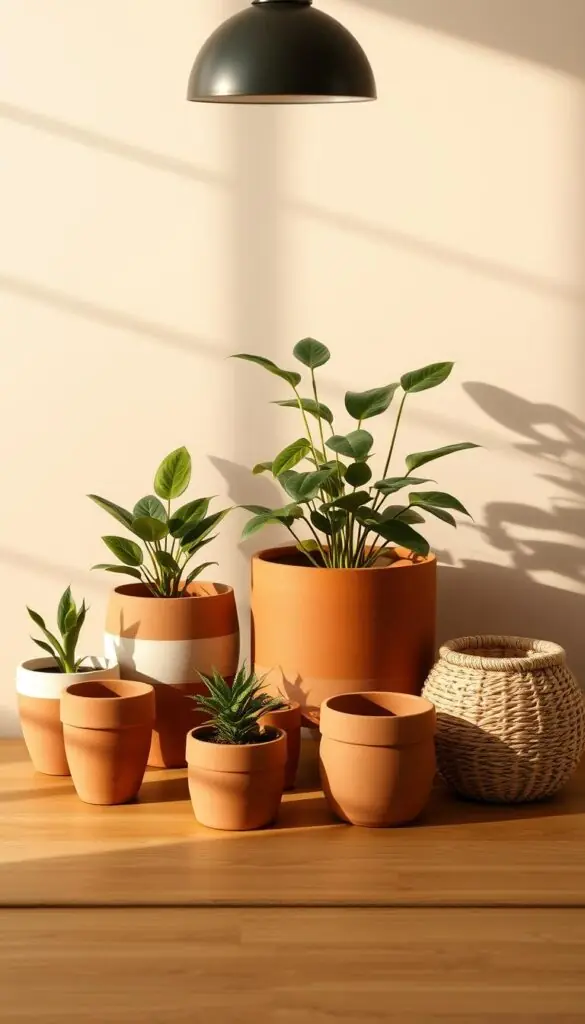
Depth and gallons by crop
Think depth first. Most vegetables want about 12 inches of soil length. Use gallons as a quick guide:
| Crop | Soil Depth (inches) | Gallon Range | Notes |
|---|---|---|---|
| Herbs (basil, thyme) | 6–8 inches | Under 2 gallons | Compact, windowsill space |
| Leafy greens | 8–10 inches | 2–3 gallons | Shallow but steady moisture |
| Fruiting crops | 12 inches | 5+ gallons | Tomatoes, peppers, cucumbers |
Avoiding overpotting and root rot
At repotting check the root ball. If roots circle, tease them loose so they grow outward. Avoid jumping to a very large size; too much soil holds moisture and invites rot.
Practical tips: choose durable plastic or ceramic outdoors, use self-watering pots for steady moisture, and place heavy containers where they fit the garden space before filling.
Materials that matter: plastic, terra-cotta, ceramic, metal, wood, fiberglass, concrete, compostable
Material changes how soil dries, how warm roots stay, and the look of your garden. Below are plain-language pros, cons, and upkeep tips so you can match material to plant needs and site conditions.
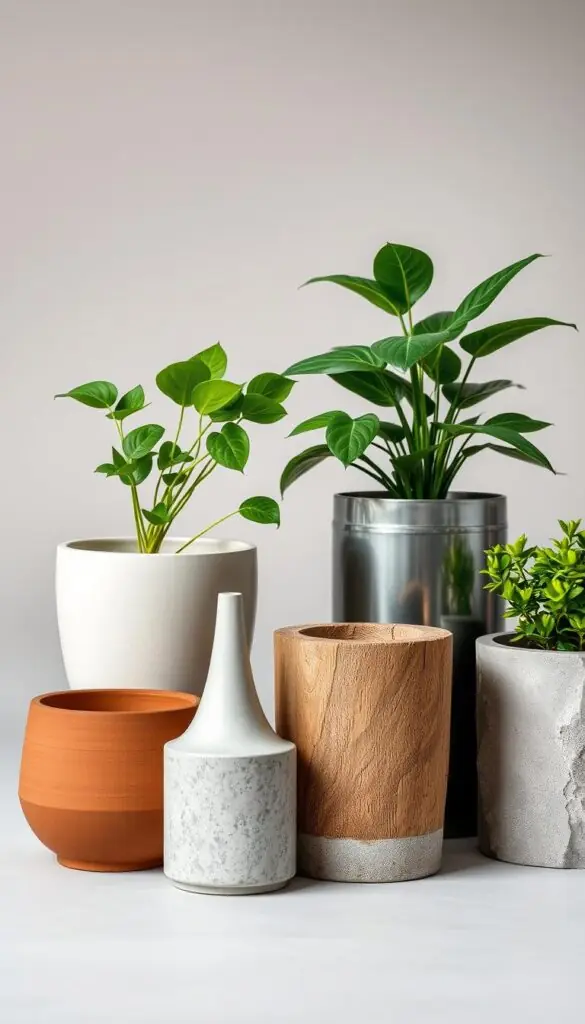
Terra-cotta and high-fire ceramic
Terra-cotta: warm, matte, and porous. It wicks moisture so soil dries faster—perfect for succulents and rosemary. Expect a mineral patina over time. Seal or bring indoors in freezing weather to prevent cracks.
High-fire ceramic: cool, smooth glaze with a dense body. It keeps moisture steadier and suits ferns, Calathea, and Ficus. Use pots with drainage and lift them on feet to keep the bottom breathing.
Plastic, metal, and concrete
Plastic: lightweight, budget-friendly, and retains moisture. Great for moving heavy pots or for seedlings. If you use a decorative outer shell without holes, keep the plant in its nursery pot and empty any pooled water from the saucer.
Metal and concrete: striking in style but watch heat and freeze-thaw. Metal can overheat soil in full sun; use liners and place in shade. Concrete and stone-like finishes are heavy and can crack outdoors in cold climates.
Wood, fiberglass, and compostable options
Wood: natural grain and good root insulation. Seal interiors or add liners to slow rot. It ages beautifully but needs occasional maintenance.
Fiberglass: light and strong for large sizes; finishes may flake with time, so rotate and shelter when possible.
Compostable nursery pots: eco-friendly for seedlings and short-term use. They break down, so transplant before long-term planting.
- Quick tip: match material to plant moisture needs—choose breathable walls for dry-loving species and moisture-retentive types for leafy, thirsty plants.
Shape, drainage, and airflow: protect roots from the bottom up
Start at the bottom: how a pot breathes and drains decides much of a plant’s fate. Good drainage and open airflow at the bottom prevent waterlogging and root rot. Small changes under the pot make big differences for soil health and your garden’s look.
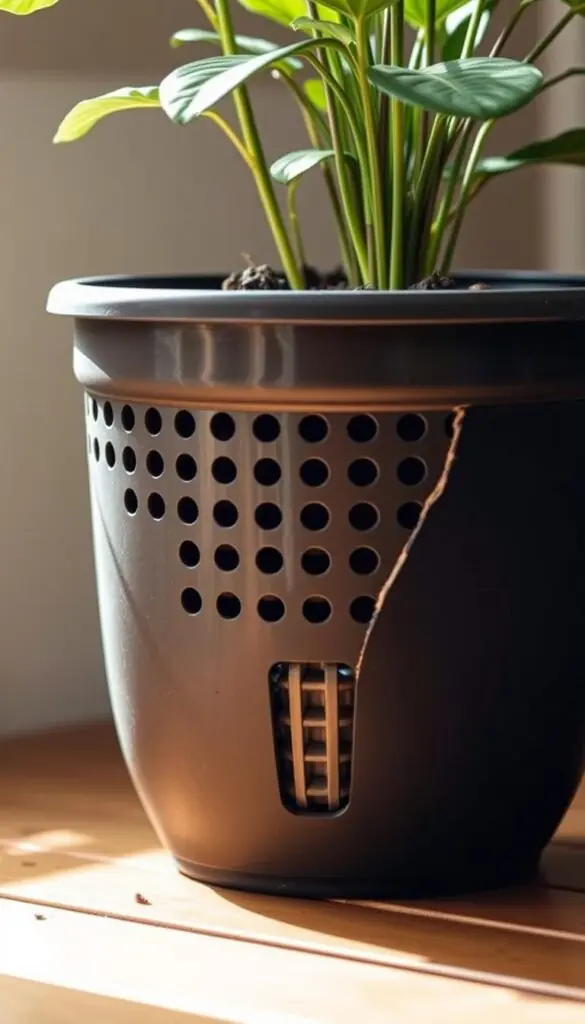
Simple steps to protect roots:
- Make sure every container you plant in has drainage holes. Pair the hole with a saucer and pot feet so the bottom stays ventilated and excess water can leave cleanly.
- Elevate pots on pot feet, small wood blocks, or bricks. Lifting the bottom keeps the hole clear and prevents stains on your garden surfaces.
- Pick straight-sided or gently flared shapes to avoid trapping plants at repot time. Inward-curved rims often seize expanding rhizomes in ZZ and Sansevieria; repot earlier or choose a different shape.
Layering when no holes exist
If you love a decorative, no-hole vessel, treat it as a cachepot: keep the nursery pot with holes inside and empty the saucer after watering. If you must plant straight into a no-hole pot, add 1/2–2 inches of gravel and a thin layer of activated charcoal at the bottom.
That layer makes a small reservoir below the root zone so water stays away from roots. Still, monitor soil moisture and avoid letting standing water touch the lower soil. Use airy potting soil and gently aerate with a chopstick if water skips through dry patches.
Quick signs and fixes
- Watch for sour soil smell, mushy stems, or algae at the bottom—these mean poor drainage.
- If roots struggle, improve airflow under the pot and let the soil dry to safe levels before the next watering.
- Favor practical shape and steady airflow first; a simple, well-ventilated base keeps roots healthy and the garden looking calm and tidy.
Planter guide: choosing right planter for indoor and outdoor conditions
Choose containers that fit your sun, shelter, and how much time you want to spend caring for plants. This helps you match materials and placement to local microclimates so your garden stays healthy without extra work.
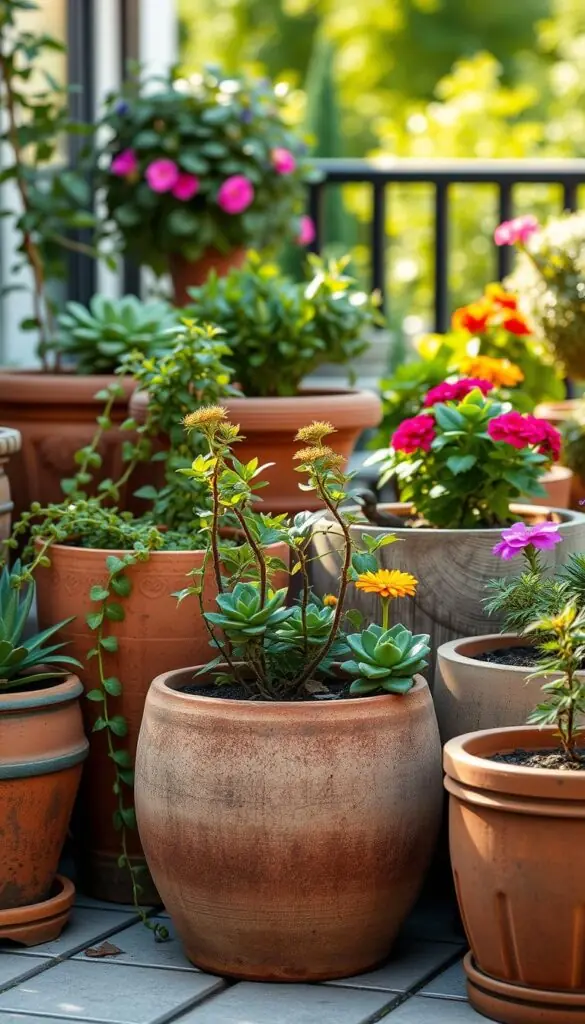
Sun and heat
Give leafy greens 4–6 hours of direct light, root crops 6+ hours, and fruiting plants 8+ hours for best yields.
Watch reflected heat from walls and decks; it can raise soil temperature and stress roots. Move hot-exposed pots into cooler spots in midday if needed.
Climate cues and material choices
Terra-cotta can crack in freezing weather. Bring it inside or under cover before hard freezes to protect plants and pots. Metal absorbs heat fast; in bright sun it can bake roots.
Plastic retains moisture in hot, dry spaces, while wood insulates roots where day-night swings are big. Pick materials that match your local conditions and the plant's moisture needs.
Portability and practical tools
Containers get heavy when filled. Plan mobility from the start: choose lightweight materials or add rolling caddies, straps, or built-in wheels so you can shift items with ease.
Self-watering options help maintain steady moisture in heat and cut daily water time. They reduce stress on roots and free up time for other garden tasks.
"Match the pot to the place — small moves like wheels and shade make a big difference for plant health."
| Situation | Best material | Practical tip |
|---|---|---|
| Sunny, hot patio | Plastic or light-colored ceramic | Use shade cloth midday; add self-watering container |
| Windy balcony | Wood or heavy fiberglass | Tuck near railing; use low profile to reduce tipping |
| Cold winters | Fiberglass, ceramic, or moveable containers | Store terra-cotta inside; lift pots off frozen surfaces |
- Simple choice: match sun hours to crops, pick materials for climate, and plan for movement so your garden feels easy and steady.
Best containers for edible success: boxes, self-watering, grow bags, classic pots
The right setup makes edible gardening easy and joyful. Small decisions — where you place a box or whether you add a reservoir — change how often you water and how generous your harvest is.
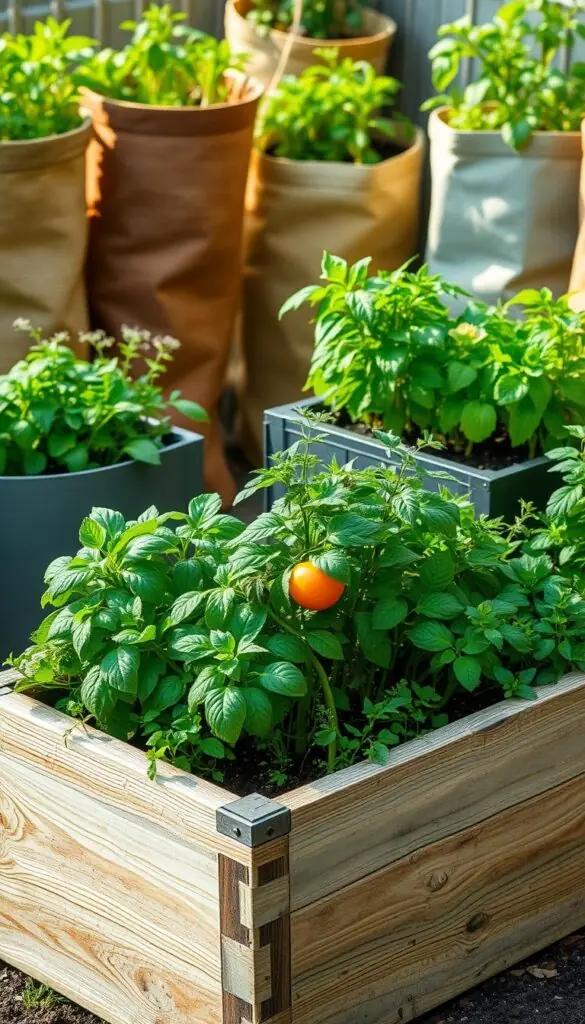
Planter boxes and elevated beds
Build a compact salad garden near the kitchen. Mix lettuces, arugula, and herbs so you can snip fragrant basil and parsley moments after stepping outside.
Use raised wood boxes on a rolling base for easy access and a neat look against stone pavers. Wide boxes let a variety of greens grow together without crowding.
Self-watering options for hot spots
Self-watering planters keep soil steady on sunny balconies. Their built-in reservoir reduces watering mistakes and protects roots in heat waves.
Choose sizes that match the crop. A 5+ gallon container works well for tomatoes or squash. Add a slim trellis and the satisfying heft of ripe fruit is easier to harvest.
Grow bags and classic pots
Grow bags breathe for airy roots, ideal for potatoes, carrots, and bush beans. Their sides reduce soggy soil and boost root health.
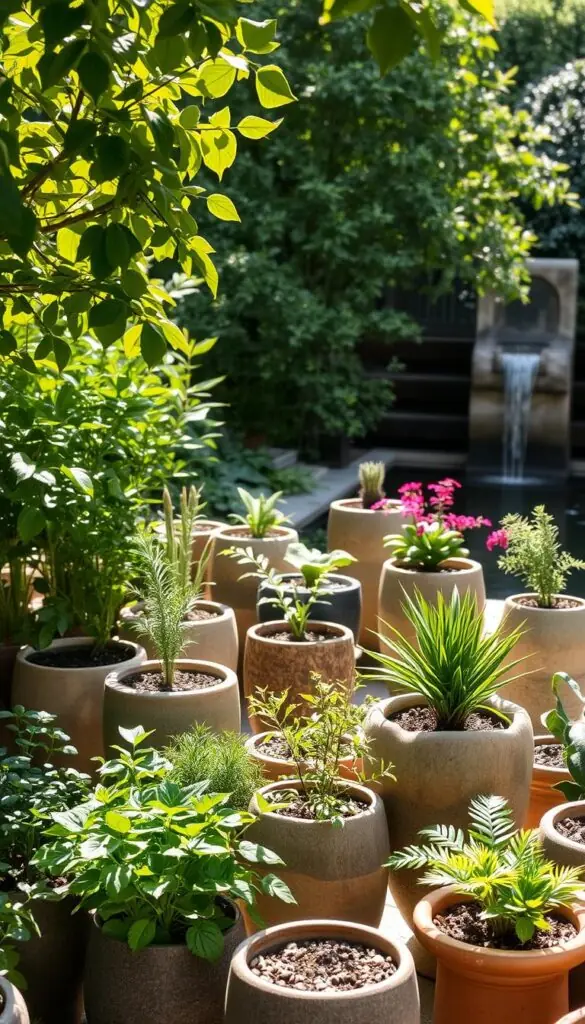
Classic pots in plastic, stone, or glazed finishes suit patio herbs and small fruiting plants. Watch water retention: shallow pots dry fast, so match size to the plant’s needs.
- Pair tomatoes and peppers in large planters with trellises for support.
- Keep salad boxes near the door for daily snips of fresh herbs.
- Use caddies to move heavy boxes and protect sunny floors.
"Small choices — the right planter size, a steady reservoir, a tidy trellis — make the difference between a stressed plant and a thriving harvest."
Step-by-step: select, plant, and maintain for thriving roots and great looks
Start with a simple checklist so each choice helps roots grow and your space look calm. Use this quick flow to choose size, materials, and drainage, then plant and care with confidence.
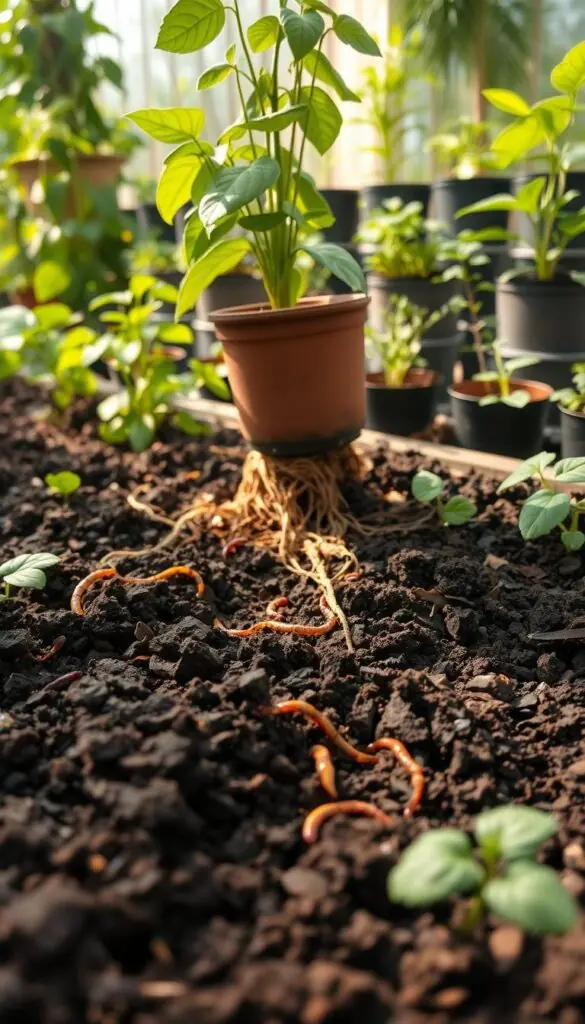
Choose
Match size to the root ball: give 1–2 inches of wiggle room. Pick materials that suit sun and your room. Make sure the container has holes for drainage or use a cachepot with the nursery pot inside.
Plant
Use a lightweight potting soil—never garden soil. Fill halfway, set the plant at the same top depth, and gently loosen circling roots. Backfill and tap to settle without compacting.
Water and feed
Water deeply until water exits the holes at the bottom. In hot weather check the top inch daily; some plants need water once or twice a day. Add slow-release fertilizer at planting and give diluted liquid feed every 2–3 weeks during active growth. A moisture meter and drip trays save time and reduce guesswork.
Seasonal shifts
In summer, move containers a few feet to reduce reflected heat. In winter, slide pots closer to windows or add a low-glare grow light on a timer. Lift pots off cold surfaces to protect roots and bottoms.
Sensory finishing touches
Layer colors and textures—matte terra-cotta next to glossy ceramic. Add herbs for scent near seating and soft lighting that warms without harsh top glare.
Common mistakes to avoid
- Never skip drainage; standing water kills roots.
- Don’t overpot—too much soil holds moisture and invites rot.
- Avoid shallow, frequent sips; soak for deep, even soil moisture.
- Do not use dense garden soil in containers—use potting soil only.
- Prep: pot feet, tray, quality soil, trowel, gloves, slow-release fertilizer, moisture meter.
- Plant: loosen roots, set depth, backfill, water until it drains.
- Maintain: check moisture, feed every 2–3 weeks, adjust placement for seasons.
Conclusion
Small, steady actions—size, soils, and drainage—are what keep plants healthy year after year.
Focus on the basics: pick a planter with 1–2 inches more room than the root ball, ensure good drainage at the bottom, and use a light container potting soil. Match materials to site—ceramic for leafy indoor pots, wood for insulated beds, plastic or stone where weight and weather fit.
Water plants deeply and on a steady rhythm. If summers get hot or your schedule is tight, self-watering styles give a forgiving buffer. With a few simple habits, your garden will be both beautiful and low maintenance.
Take one plant at a time. You’ve got this—your space will grow more lush and calm with each small success.
FAQ
How do I pick the right planter size for my plant?
Choose a container 1–2 inches wider in diameter than the plant’s current nursery pot. That extra room gives roots space to spread without holding excess soil that keeps roots too wet. Match depth to the plant’s root type — shallow for herbs, deeper for tomatoes and carrots — and avoid overpotting, which increases water retention and raises rot risk.
Which materials work best for different plants and conditions?
Match material to plant needs and location. Terra-cotta breathes and dries quickly, great for succulents. High-fire ceramic holds moisture without wicking, ideal for leafy houseplants. Plastic is lightweight and moisture-retentive for patios and balconies. Metal and concrete look striking but can heat or crack outdoors. Wood and fiberglass offer insulation and lower weight. Compostable nursery pots are fine short-term when you plan to transplant soon.
How important is drainage and how do I manage it?
Drainage is crucial. Use pots with drainage holes, pot feet, and a saucer to keep roots aerated. For decorative no-hole containers, place plants in an inner pot with holes or add a layer of gravel and activated charcoal only when you can’t use a lined insert. Always check moisture at the root ball and water slowly to avoid pooling at the bottom.
When should I choose a self-watering container versus a traditional pot?
Self-watering containers suit busy people or hot summers because they deliver steady moisture and reduce mistakes. Choose them for vegetables, herbs, and thirstier houseplants. For succulents or plants that prefer drying between waterings, use traditional pots with good drainage and quicker-drying materials like terra-cotta.
How do I avoid root rot when repotting?
Prevent root rot by not overpotting, using well-draining potting mix, and selecting containers with holes. Gently loosen roots, trim any soft or brown sections, and plant at the same soil depth. Allow the top inch of soil to dry before the next deep water, and use moisture meters if you’re unsure.
What shapes or rims cause problems for certain plants?
Tapered pots and narrow curved rims can trap root-bound plants like ZZs and snake plants during repotting. Choose straight-sided or slightly flared containers for easier removal. For tall, top-heavy specimens, a wider base or a heavier material helps stability.
Which containers are best for edible gardens like herbs, salad greens, and tomatoes?
Use raised boxes and deep containers for salad mixes and shallow-rooted herbs. Tomatoes and peppers do well in larger pots or grow bags with better air pruning. Self-watering containers help maintain steady moisture for fruiting crops, while grow bags are excellent for potatoes and root vegetables thanks to airy root zones.
How does material affect water retention and plant health?
Materials change how fast soil dries. Terra-cotta wicks moisture and dries quickly; ceramic and plastic retain water longer. Wood and fiberglass provide moderate insulation. Pick based on the plant’s thirst level and your watering routine to keep roots healthy and oxygenated.
Can I use metal or concrete pots outdoors year-round?
Be cautious. Metal can heat up and stress roots in full sun, and some metals may corrode. Concrete is durable but can crack in freeze–thaw cycles unless designed for outdoor use. If you use them, add insulation or move containers indoors during extreme cold and choose lighter colors or shading to reduce heat gain.
What potting mix should I use for container plants?
Use a light, well-draining commercial potting mix made for containers — not garden soil. For succulents add extra grit or sand; for vegetables use mixes with good moisture retention and added compost. Amend mixes with perlite or coconut coir to balance drainage and water-holding as needed.
How often should I repot and how do I know it’s time?
Repot every 1–3 years depending on growth. Signs you need a new container include roots circling the surface or coming from drainage holes, soil that dries out very quickly, or slowed growth despite good light and feeding. Move up one size — not drastically larger — to avoid excess moisture.
What are simple seasonal care tips for container plants?
In summer, water deeply in the morning and use mulches or self-watering systems to maintain steady moisture. In winter, reduce frequency, check light, and protect sensitive containers from freezing. Move lightweight containers to sheltered spots during wind or frost and use caddies for easy seasonal relocation.