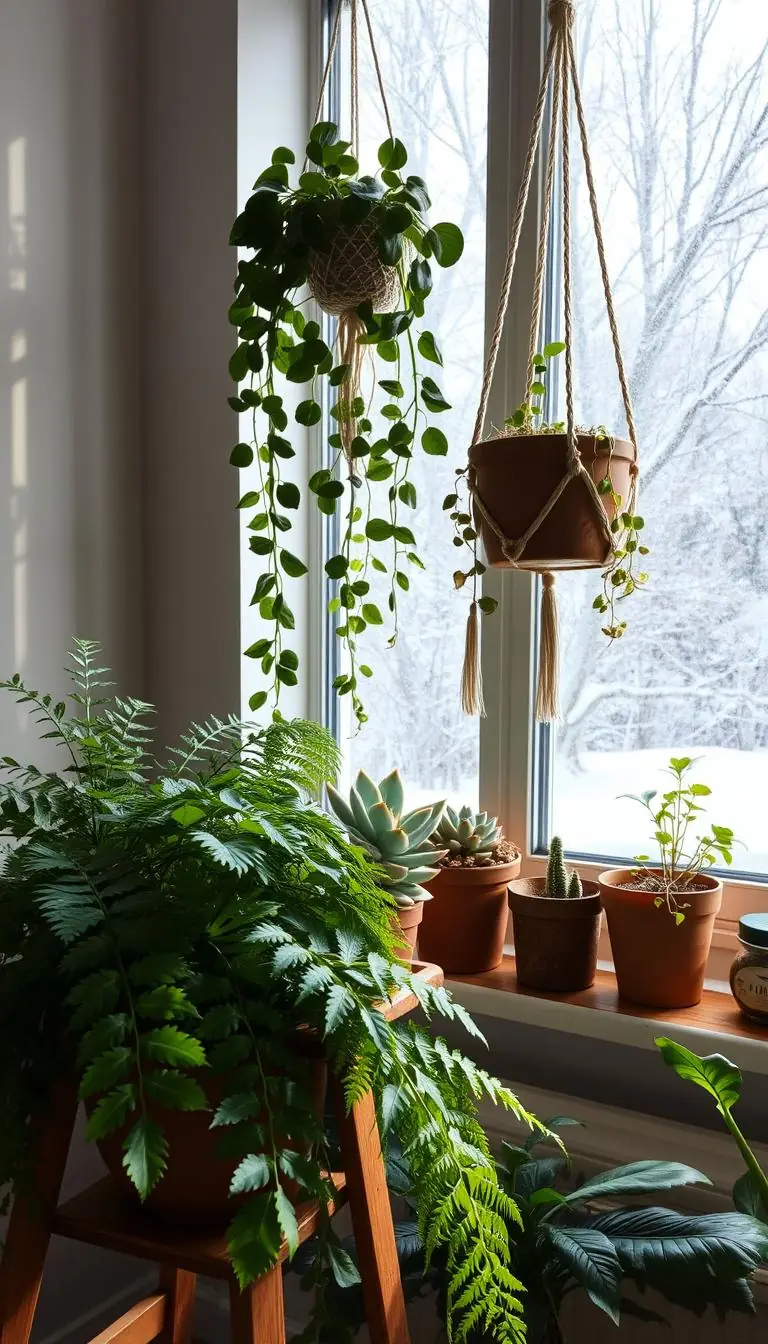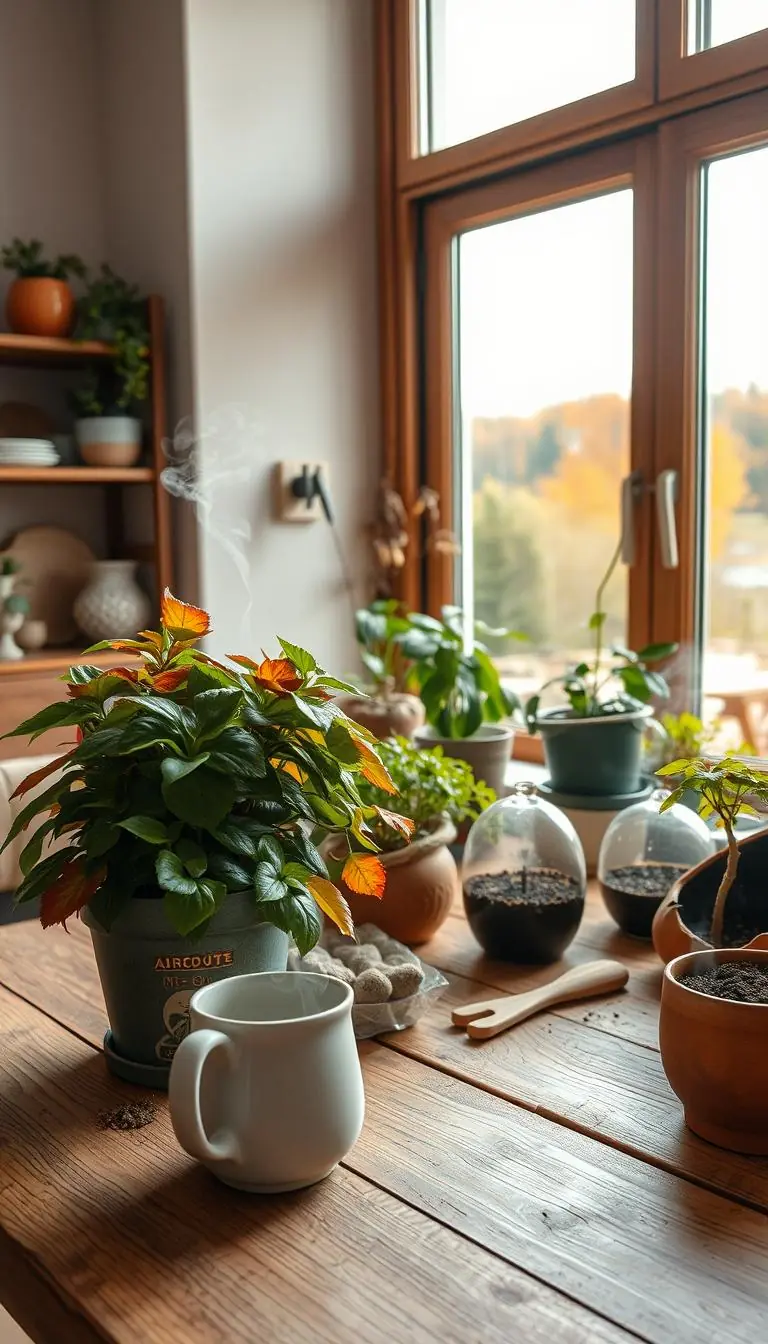
Light pours through clean windows, and a fresh citrus bowl sits on the counter. Have you noticed how a few green leaves can make a room feel brighter and calmer? This guide starts with a gentle reset so your home feels open and welcoming.
Begin top to bottom: clean fans, wash windows inside and out, dust vents and trim, then vacuum beneath furniture. Swap heavy winter textiles for sheers and lighter linens, and let a neutral base carry small bursts of color.
Next, add living greenery like pothos or a peace lily for easy care and humidity balance. We’ll walk month-by-month—February for declutter and swaps, March for layering in pieces—so you can pace yourself and avoid common mistakes.
Key Takeaways
- Start with a top-to-bottom clean to boost natural light.
- Use February to swap textiles and declutter; March to add accents.
- Build on a neutral base and layer small doses of color.
- Choose easy-care plants and reusable tools for low maintenance.
- Set a weekly 10-minute plant tidy and a monthly window wipe.
Start Fresh: A Spring Cleaning Reset That Makes Rooms Feel New
Begin your reset from above — it’s the fastest way to lift light and improve airflow throughout a space.
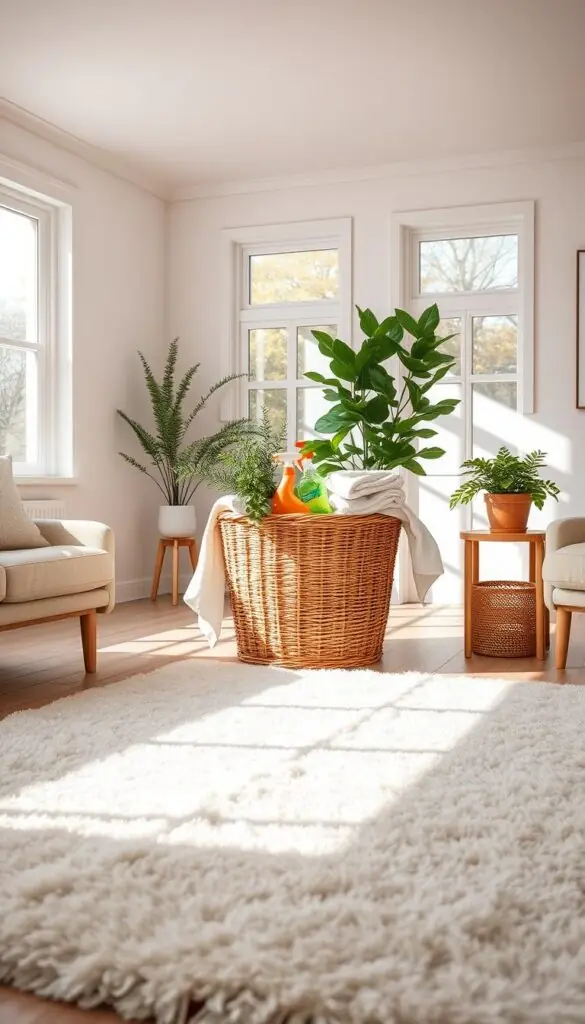
- Ceiling fans, light fixtures, and upper shelves — dust first.
- Wash windows inside and out with a squeegee for streak-free light.
- Swap heavy curtains for sheers; clean screens and frames.
- Launder throws and pillow covers, then dust baseboards.
- Vacuum under furniture and finish with floor mopping.
Tools and timings that work
- Extendable duster, microfiber cloths, squeegee — 10–20 minutes per window.
- HEPA vacuum for pollen and dust — 15–30 minutes per room.
- Scrub brushes for grout and vents — include in a 30–60 minute weekly zone.
Break the work into zones over several days. This fits busy schedules and keeps effort realistic.
Mistakes to avoid: overusing cleaner on glass (streaks), skipping screens (pollen build-up), and placing plants on dirty or drafty sills.
Finish each session by opening windows for 10–15 minutes when weather allows. Clean air and bright surfaces make your home feel new and help plants thrive.
Define Your Spring Color Palette and Look/Feel
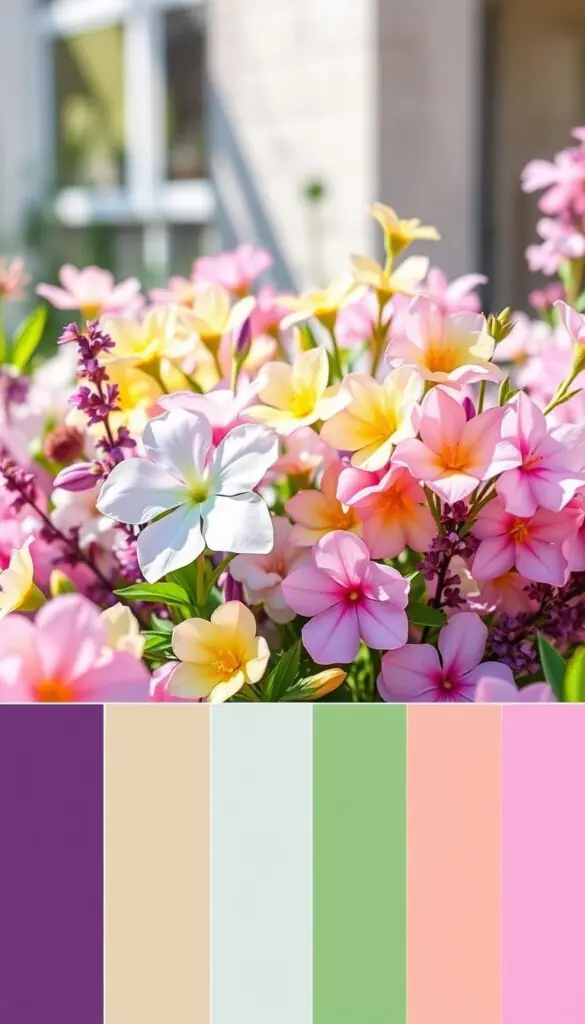
Start with a neutral backdrop, then draft a simple color formula to guide every choice.
Palette formula: one neutral base (linen, oat, ivory, soft gray), two grounded pastels (moss green, tranquil blue, blush, terracotta), and one bold accent. This keeps a sunlit, organic look rather than sugary tones.
Test colors by the window. Tape paint swatches or place a throw on a chair. Check them in morning and late afternoon light to see how the tones shift.
Layering and sensory tips
Layer color with textiles, art, and plants. Use linen throws, matte earthenware, and wicker for texture. Add vintage floral prints or a removable wallpaper panel for a renter-friendly update.
Let plants bridge hues—silvery eucalyptus and deep green ferns make transitions feel natural. Add bold pops in small, movable pieces: one pillow, a ceramic vase, or a framed print.
Common mistakes to avoid
- Avoid too many pastel hues; the result feels scattered.
- Don’t keep heavy winter fabrics with light colors; they clash.
- Spread bold accents around the home to balance the space instead of clustering them in a single spot.
spring indoor decor Essentials: Light, Textiles, and Touches that Lift a Room
A simple textile swap can change the whole mood of your living space in under an hour. Start by letting light in and choosing breathable fabrics that feel fresh against skin.
Window and fabric swaps: Replace heavy drapes with sheer linen panels to brighten your room and soften light for people and plants. Refresh sofas and chairs with washable linen or cotton slipcovers in light neutrals; they breathe better and clean easily.
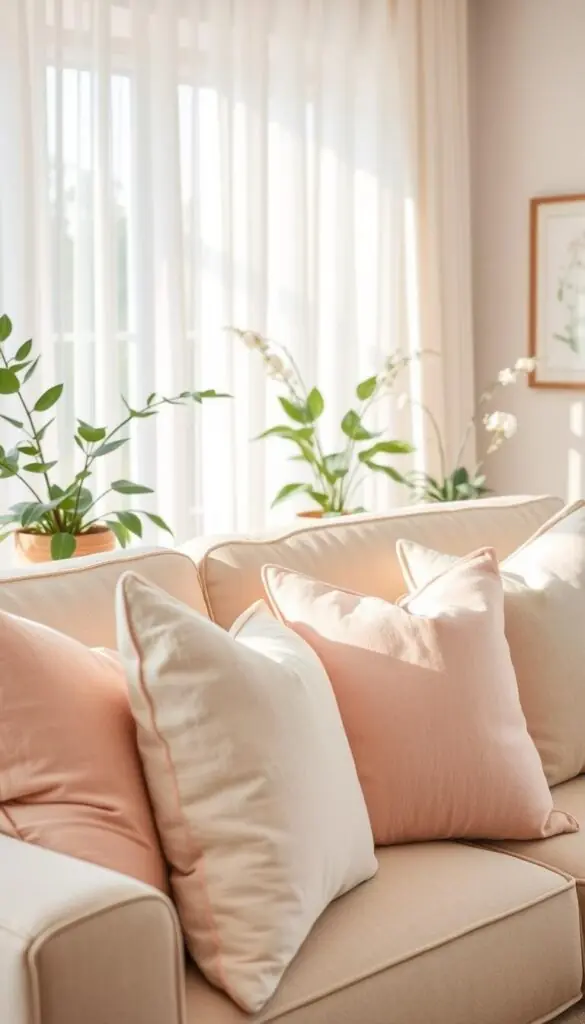
Swap heavy curtains for sheers; layer linen throws and spring pillows
Layer a lightweight throw and a couple of throw pillows—use down-alternative inserts for easy care and crisp shape. Choose one subtle statement pillow to nod to the season without cluttering your look.
Rugs, slipcovers, and chairs: lightweight fabrics that breathe
Swap dense winter rugs for flatweave cotton or sisal to air out floors and reduce dust. Add a rug pad for cushion and safety.
- Refresh accent chairs with washable canvas or cotton slipcovers for a breezy feel.
- Keep pillow math simple: an anchor solid, a small-scale pattern, and a textured neutral that repeats your colors.
- Maintenance tip: launder covers monthly during pollen season and vacuum under rugs to keep fibers fresh.
Mistakes to avoid: keeping blackout drapes closed during daytime, overstuffing a sofa with too many pillows, or pairing heavy velvets with airy sheers. Aim for a balanced, easy spring look that feels lived-in but tidy.
Decorate with Spring Flowers: Fresh vs. Faux Done Right
Fresh or faux flowers both have a place—used thoughtfully they feel natural and lived-in.
Choose tulips, tete-a-tete daffodils, cherry or forsythia branches for instant cheer. Look for tight buds so stems open slowly and last longer in a vase.
Tools you’ll want: sharp pruners, floral clippers, a utility bucket, chicken wire or a floral frog, and waterproof floral tape for a grid in wide vessels.
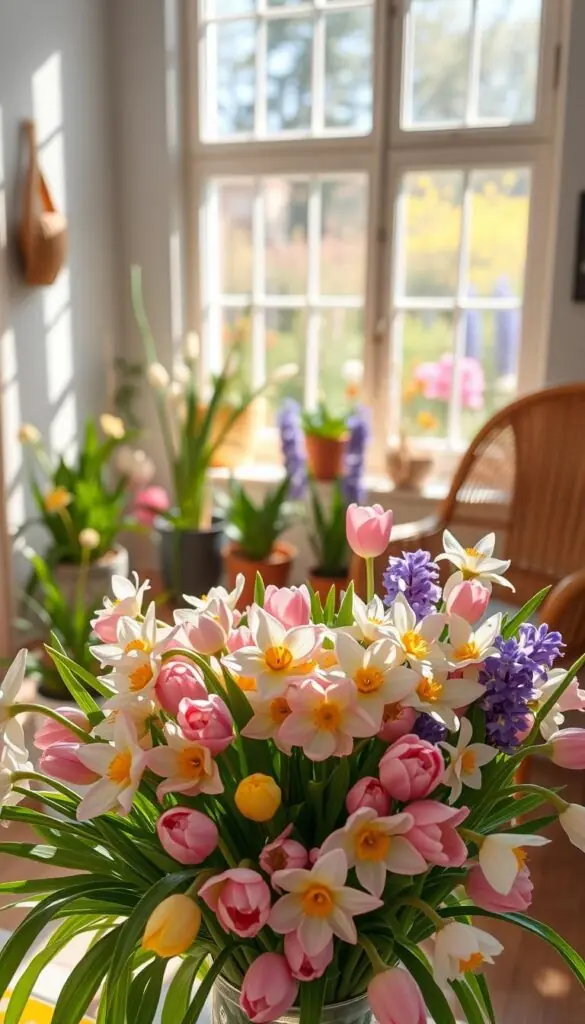
Step-by-step faux styling
- Cut stems to staggered heights (short, medium, tall).
- Bend wired branches to get organic angles; remove leaves that sit below waterline.
- Mix one real element like eucalyptus to add scent and movement.
Budget bulb replanting
Slip grocery bulbs into a pretty ceramic planter. Hide pots or plant directly, then tuck sheet moss over soil for a polished look.
| Arrangement | Vessel size | Stem count | Placement |
|---|---|---|---|
| Tulip cylinder | 6" x 10" clear | 15–25 tulips | Kitchen counter or dining room |
| Cherry in urn | Large urn, 2x branch height | 5–8 branches | Entry or buffet |
| Mossed bulbs | Shallow ceramic bowl | 3–6 bulbs | Windowsill or coffee table |
Mistakes to avoid: don’t mix cut daffodils with other fresh stems right away (their sap shortens life), avoid vessels that are too short for tall branches, and always recut stems before arranging.
Bring Nature In: Organics, Greenery, and Indoor-Friendly Plants
Let a low bowl of moss balls or a tall bundle of pussy willow become a quiet center in your room.
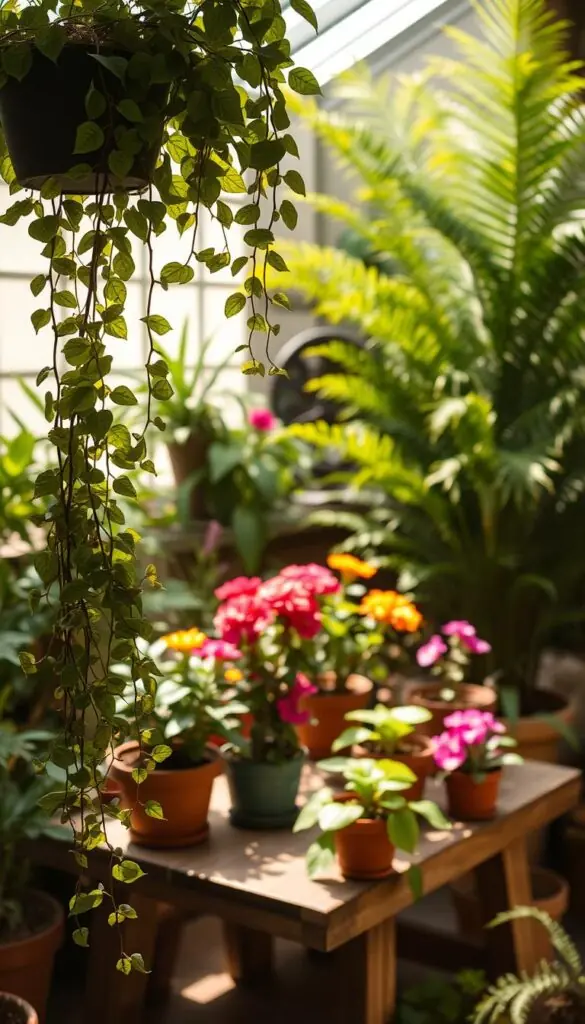
Moss, willow, and herb ideas that add texture
Start with tactile organics. A shallow bowl of moss balls, a pussy willow bundle in a tall vase, or brambly twigs in a pitcher give texture without fuss.
Grow a mini herb garden on a bright sill with basil, mint, and rosemary. Use terracotta pots that drain and a saucer to protect surfaces.
Easy-care houseplants and basic routines
- Pothos: tolerates bright to low light; water when the top inch is dry.
- Peace lily: likes bright, indirect light; wilt is a helpful water cue.
- Fern topiary: keep soil evenly moist and avoid cold drafts.
Tools and touches: a small watering can, pruning snips, plant food, and a soft cloth for dusting. Mix one realistic faux fern into a real grouping for fullness if you want lower upkeep.
| Feature | Plant/Item | Light | Care Tip |
|---|---|---|---|
| Texture | Moss balls, willow | Low to bright | Refresh moss yearly; trim wilting stems |
| Herbs | Basil, mint, rosemary | 6 hours bright light | Use terracotta, water when dry, pinch to promote growth |
| Air & foliage | Pothos, peace lily, fern | Bright to low | Rotate weekly, dust leaves, avoid overwatering |
| Styling | Faux fern, ceramic pots | Any | Line baskets with plastic; use hidden saucers |
Weekly rhythm: rotate plants a quarter turn, check soil with your finger, and wipe leaves. Group in odd numbers and vary heights for a calm, collected look.
Mistakes to avoid: overwatering, placing pots without drainage, and setting sensitive plants by cold windows. Choose vessels first; they make care simple and protect your home.
Branches with Benefits: Forcing Blooms and Styling Tall Arrangements
Forcing woody stems is an easy way to welcome petals and scent into your home before garden blooms arrive.
Zone & timing guide: southern zones (8–10) cut late January–February; mid zones (6–7) in February–March; colder zones (3–5) in March. Expect 1–3 weeks for buds to open depending on chill history and room temperature.

Step-by-step forcing method
- Cut in the morning on a mild day. Choose stems with fat buds from cherry, quince, magnolia, or forsythia.
- Recut stems at an angle, split the bottom 1–2 inches, and place in warm water right away.
- Use floral preservative, keep in bright, indirect light, and change water every 2–3 days.
Tools, vessels, and styling tips
- Tools: clean bypass pruners, clippers, and a 5-gallon bucket for transport.
- Vessels: choose a weighted or wide-mouthed vessel to prevent tipping; plan arrangement heights 1.5–2× the vessel height.
- Style: stagger heights, let branches cross naturally, and add a few leafy stems to soften woody lines.
| Species | Cutting Window | Vessel Type | Expected Time to Bloom |
|---|---|---|---|
| Cherry | Late winter to early spring | Tall weighted cylinder | 7–14 days |
| Quince | Late winter | Wide urn or vase | 10–21 days |
| Magnolia | Late winter to early spring | Sturdy tall vase | 7–21 days |
Mistakes to avoid: cutting too early before buds swell, placing stems in direct heat, or skipping the split at the base that aids water uptake.
Swelling buds, soft petals, and a subtle floral scent make the wait worth it.
After bloom, compost or let branches dry as sculptural twigs. Secure heavy arrangements away from busy walkways and curious pets with museum putty if needed.
Living Room Lift: Coffee Table and Sofa Styling that Feels Like Spring
A single tray and a few chosen pieces refresh the whole living room in minutes.
Start with a base: pick a generous tray to corral items and protect your table. Woven adds texture; a wood tray brings warmth.
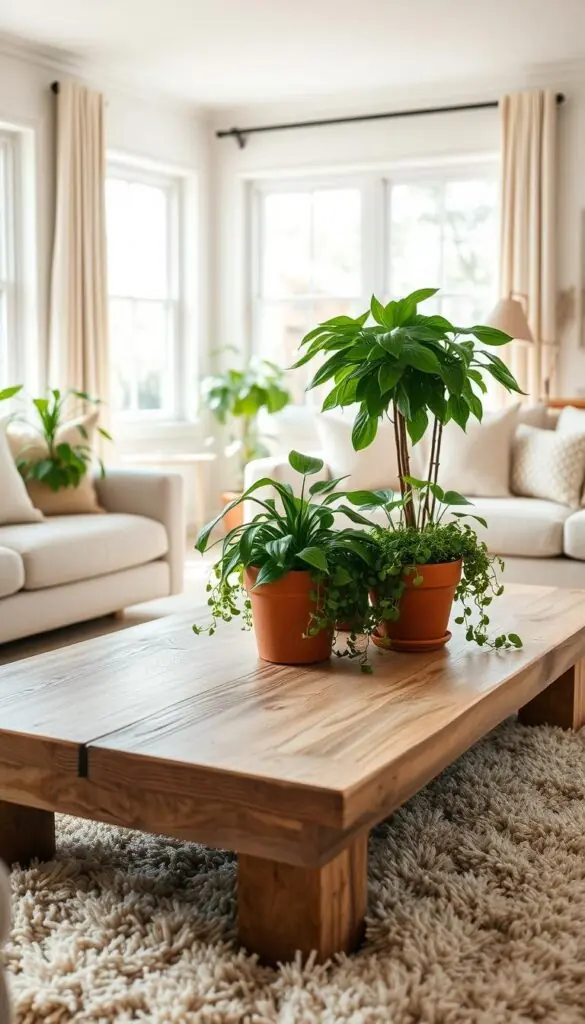
The three-heights vignette formula
- Tall: branches in a vase or a weighted lantern for vertical interest.
- Mid: a bowl of moss, a citrus bowl, or a planter for color and scent.
- Low: a small candle, a petite sculpture, or a stack of two books.
Simple swaps and practical tips
Shop your home first. Stack books to raise a planter. Repurpose a kitchen bowl for moss balls. Use a lidded basket to hide remotes.
Echo one color from the vignette in your pillows to tie the living room together. Choose light, washable covers for easy upkeep.
- Add one fresh stem (tulips or a mini fern) or a realistic faux sprig for movement.
- Include one seasonal object and one scented element—citrus or clean linen—so the room feels layered.
- Keep the tray lift-off if the table doubles as a snack or game surface.
Mistakes to avoid: too many tiny items, unstable tall pieces on a high-traffic table, or blocking sightlines during conversation.
| Element | Example | Why it Works |
|---|---|---|
| Base | Woven tray or wood tray | Contains clutter, adds texture, protects surface |
| Tall | Lantern or vase with branches | Provides height and anchors the vignette |
| Mid | Bowl of citrus or moss | Offers color, scent, and seasonal interest |
| Low | Candle or small sculpture | Finishes the composition and adds a cozy glow |
"A lift-off tray makes quick work of clearing the table for snacks and play."—practical styling tip
Quick weekly upkeep: trim stems, dust the tray, and relight a candle in the evening for instant calm. Small rhythms keep the room looking fresh and inviting.
Mantel and Gallery Walls: Curated Spring Stories without the Clutter
A well-styled mantel tells a clear story with just a few thoughtful pieces. Pick a theme first to guide choices—Vintage Garden, Spring Cottage, Audubon, or pure Greenery—so your selections read as one calm scene.
Step-by-step mantel checklist:
- Choose a focal point: a mirror, large vintage print, or botanical canvas.
- Layer in odd numbers: tall vase with branches, a mid framed piece, and a low stack of books with a brass candleholder.
- Vary heights and repeat a color or texture to tie both sides together.
- Add organic touches—cherry branches, fern fronds, or faux greenery—for motion and softness.
Balance visually without forcing symmetry. Keep small items to a minimum so the mantel feels airy, not crowded.
Gallery and rotation tips
Mix vintage frames, mirrors, and botanicals for a collected look. Align top edges and use even spacing for cohesion.
- Seasonal swap: change art prints and greenery; keep anchors like a mirror or lamp.
- Mistakes to avoid: no clear focal point, too many tiny objects, or heavy items on narrow shelves—secure art with proper anchors.
- One favorite approach: Vintage Audubon prints paired with simple greenery suit a dining room or family room beautifully.
Kitchen and Dining Room: Everyday Spring Centerpieces and Tablescapes
Small, practical accents make the kitchen hum and the dining table feel ready for both quick meals and company.
Function first: keep items away from prep zones. Place a herb trio—basil, mint, rosemary—on a sunny sill. Set a bowl of lemons on the island and fresh towels at the sink for easy swaps.
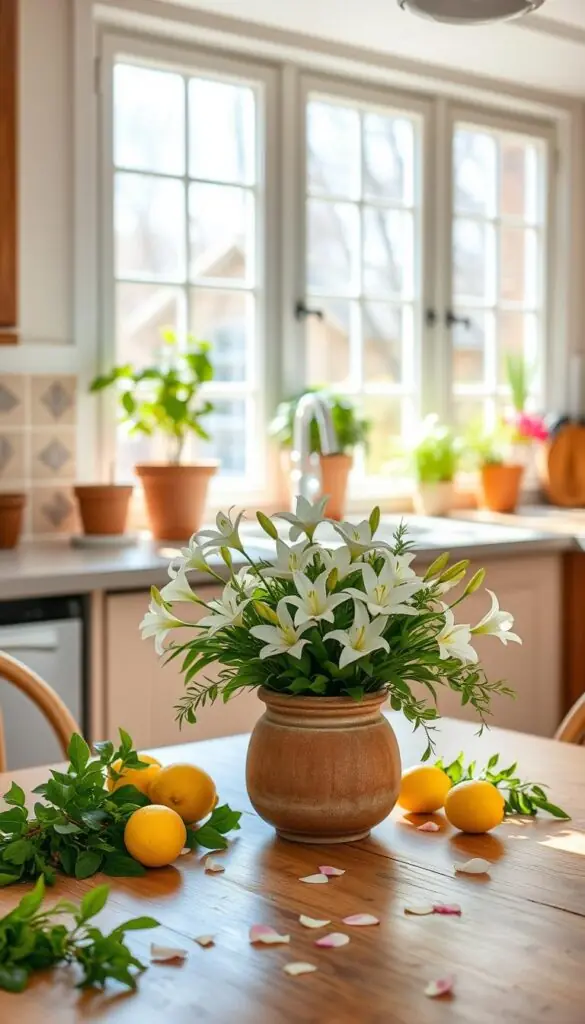
Kitchen safety and flow
Style corners and the island center with easy-to-move pieces so you can clear surfaces fast. Use washable linens and wipeable trays near cooking areas.
Dining table layers and centerpiece steps
- Lay a runner in a neutral tone that echoes your countertops.
- Add woven chargers or a low basket to give texture and anchor place settings.
- Introduce one brass element—candlesticks or a small tray—for warmth.
- Finish with a low centerpiece: a moss-lined basket with a few fresh flowers or a faux mix and a tiny brass accent.
Quick tips: keep centerpieces low so faces stay visible. Swap water every 2–3 days, recut stems diagonally, and place vases away from direct heat.
| Space | Material | Why it works |
|---|---|---|
| Kitchen island | Washable tray + citrus bowl | Portable, food-safe, brightens the work area |
| Dining table | Runner + woven chargers + brass candle | Layered texture, easy cleanup, soft evening glow |
| Small spaces | Three bud vases | Low profile, flexible placement, good for narrow tables |
- Use LED tapers for safe evening light.
- Rotate citrus and herbs weekly to keep both spaces feeling fresh.
- Avoid tall arrangements, scented candles during meals, and fragile pieces where elbows roam.
"A low basket with moss and a small brass accent makes an everyday centerpiece feel considered without fuss."
Front Door and Entry: Wreaths, Baskets, and First-Impression Spring Decor
A welcoming entry sets the tone for your whole home and invites guests in with warmth.
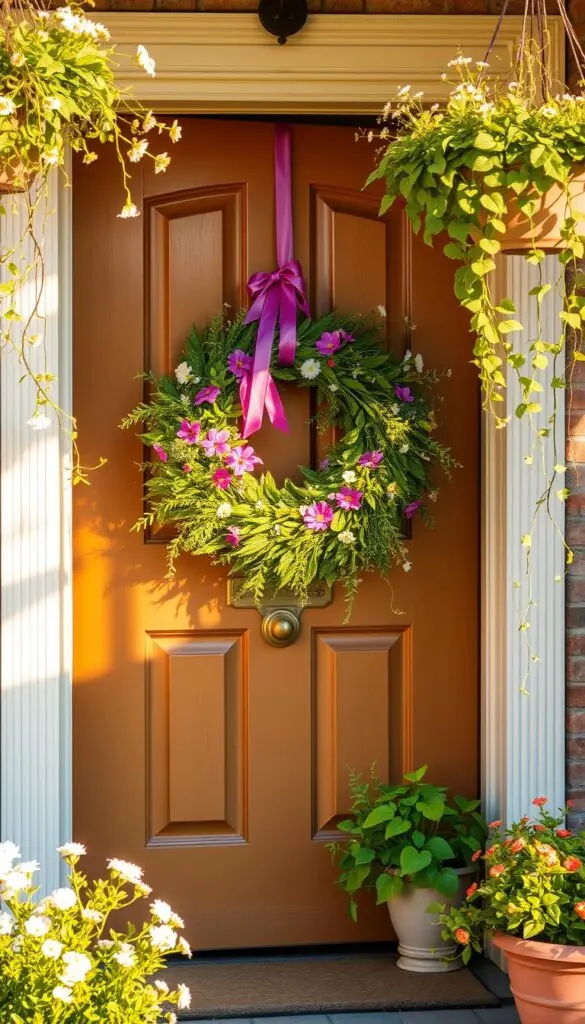
Build a front door basket or wreath — step by step
- Materials: rattan basket or wreath base, floral foam, three faux eucalyptus stems, two bunches of tulips or peonies, soft ribbon, zip ties, and a secure hanger.
- Assemble: anchor foam in the basket, insert eucalyptus first for shape, then tuck tulips/peonies at varied angles to get natural movement.
- Finish: secure with ribbon, trim stems, and test from the sidewalk. Follow the odd-number rule for fullness (3+2 = 5 items looks balanced).
Entry console styling and simple function
Place branches in a vase on the console to echo your door. Keep a small tray for keys and a lidded basket for easy clutter control.
Add one or two outdoor-grade pillows on a bench and layer an outdoor rug under a welcome mat. Frame the entry with UV-protected topiaries or planters for durable color.
- Sensory welcome: a citrus or lilac diffuser greets guests with a subtle, fresh note.
- Tie the front door to an interior element: repeat the ribbon color on a hallway pillow or mantel candle.
- If you refreshed your basket last year, swap the ribbon and a couple of stems to get a new look on a budget.
Mistakes to avoid
- Avoid heavy materials that fade in sun without UV protection.
- Don’t overcrowd the console with tiny items; keep sightlines clear.
- Always use a secure hanger for wreaths or baskets to prevent falls.
| Item | Why it works | Tip |
|---|---|---|
| Rattan basket | Textured, on-trend, lightweight | Secure foam and ribbon |
| Topiaries | Frame the entry, add structure | Choose UV protection for outdoors |
| Console vase | Brings branches inward | Keep a tray for keys |
"A few thoughtful pieces at the threshold make coming home feel like a small celebration."
Vessels that Do the Work: Baskets, Trays, Bowls, and Dough Bowls
Choose vessels that work as helpers—baskets, trays, bowls, and dough bowls make styling quick and tidy.
Start with a low wicker tray at your table center. Add a small vase of flowers, a bowl of speckled eggs, and a sprig of greenery. This basket tray vignette reads intentional and easy to move.
Create a basket tray vignette with flowers, eggs, and greenery
- Place a low wicker tray or woven basket on a waterproof placemat.
- Set a petite vase, a shallow bowl of eggs, and a small herb jar in a triangle.
- Tuck sheet moss or a few brambles to link the pieces visually.
Planting bulbs in bowls and dough bowls — live or faux
Real option: add pebbles for drainage, potting soil, and tulip or daffodil bulbs. Cover with sheet moss, water lightly, and rotate toward light.
Faux option: use floral foam, faux bulbs, moss, and a tiny nest for a no-maintenance centerpiece that still reads organic.
| Vessel | Use | Materials | Placement |
|---|---|---|---|
| Wicker tray | Basket tray vignette | Tray, vase, bowl of eggs, moss | Table, coffee table |
| Shallow bowl | Live bulbs | Pebbles, soil, bulbs, moss | Kitchen counter, table |
| Dough bowl | Long mantel centerpiece | Branches, faux bulbs, foam | Mantel or console |
| Footed bowl | Candle ring | Candle, faux blooms, moss | Dining table |
Mistakes to avoid: planting live bulbs in unlined baskets, overcrowding bowls, or using strong-scent candles near meals.
Maintenance: trim spent blooms, refresh moss, and dust vessels weekly. One favorite styling move is a tiny nest in a petite bowl—sweet, simple, and very home-friendly.
Details that Delight: Rabbits, Eggs, Scents, and Soft Evening Lighting
Small seasonal accents—rabbits, nests, and a few speckled eggs—give rooms a gentle, curated wink without feeling fussy.
Use one or two rabbit figures per room and layer them with a stack of books or a sprig of greenery so they read as styled, not cluttered.
When and how to use bunnies and nests
Elevate tiny nests under a cloche or on a candlestick for quiet polish. Tuck a mini nest into a planter or set one at each place setting for a sweet takeaway.
Scents and glow for evening
Match scent to mood: citrus for fresh mornings, lilac or jasmine for calm evenings. Use diffusers or low-smoke candles in ventilated areas.
- Place a bowl of speckled eggs at the center of the table or on a side mantel.
- Cluster three LED tapers in hurricanes or lanterns at varied heights.
- Add one themed pillow in the living room to echo the motif without overdoing it.
Mistakes to avoid: don’t overload with figurines, mix many scents, or place open flames near branches or fabrics—choose LED for safety.
Pair warm lantern glow, the soft rustle of flowers, and a hint of citrus to wind down the day thoughtfully.
Conclusion
End with a gentle plan you can actually keep—short tasks, clear spots, and one focal piece per room.
You’ve got a simple path: clean top-to-bottom, lighten textiles, and layer in greenery, branches, and blooms so the season can lift every room. Keep function first with trays, washable linens, and lined planters to make beauty easy to live with.
Style small, meaningful moments—a front door basket, a calm mantel story, and a kitchen herb trio that looks good and tastes better. Repeat a grounded palette across pillows and vessels, and let plants bridge your colors for a collected feel.
Rotate a few pieces through the year—swap prints, refresh moss, trim stems—and shop your home before you buy. A few thriving plants and a clean window often change the mood more than a cart of new items.
You’re ready: welcome the season gently and enjoy how these ideas help your home grow simple, serene, and lived-in.
FAQ
How can I quickly refresh my rooms to feel new and airy?
Start with a short top-to-bottom checklist: open windows to boost light and air, swap heavy curtains for sheers, dust and vacuum corners, wipe surfaces, and clear visible clutter. Add a few lightweight textiles—linen throws or breathable pillows—and place a fresh bowl of flowers or a small plant on a table to give the space an instant lift.
What color palette works best for a fresh spring look?
Aim for grounded pastels and airy neutrals—think soft greens, warm creams, and pale blues—then add one bold pop like coral or yellow in a pillow or vase. Keep most surfaces calm so accents feel intentional. This makes rooms feel sunlit and cohesive while still letting your favorite accessories shine.
How many throw pillows should I use on a sofa and how do I arrange them?
Use an odd number—three or five—depending on the sofa size. Mix textures: linen, cotton, and a subtle pattern. Place larger pillows at the back and a smaller, patterned cushion in front for contrast. Rotate seasonally to keep the living area feeling fresh.
Which flowers and branches are best for bringing a seasonal feel indoors?
Go for tulips, daffodils, cherry and forsythia branches, or pussy willow for height and texture. Grocery-store bulbs can be replanted with moss in a bowl for an elevated look. Combine a few stems with greenery to create lush, realistic arrangements.
Are faux flowers a good option, and how do I make them look real?
Faux stems work well if styled carefully. Trim stems to varied heights, nestle them among real-looking greenery, and use a weighted vessel so they sit naturally. Add floral foam or moss to hide mechanics and soften the base—small details make faux pieces look convincing.
What low-maintenance houseplants are ideal for U.S. homes?
Choose easy-care options like pothos, peace lily, and Boston fern. They tolerate variable light and give a lush feel without much fuss. Group plants with similar water needs and use decorative baskets or trays to create a unified display.
How do I force branches to bloom at home and what tools do I need?
Cut branches from cherry, quince, or magnolia when buds are swollen, place them in warm water, and keep them in bright indirect light. Use sharp pruners, a clean bucket, and a weighted vase so tall stems stay upright. Change water every few days to prolong blooms.
What’s an easy formula for styling a coffee table for a seasonal refresh?
Use the three-heights vignette: a low tray or bowl, a medium stack of books, and a taller element like a vase with branches. Add a small plant or a candle for warmth. Swap one item seasonally—fresh flowers, a bowl of citrus, or a woven basket—for instant change.
How can I create a spring centerpiece for everyday dining without clutter?
Layer a simple runner, then place a woven tray or dough bowl in the center. Add a low arrangement of mixed blooms, a few sprigs of greenery, and a couple of brass or ceramic accents. Keep the height low for conversation and choose a focal color to tie the table together.
What entryway touches give a welcoming first impression?
Use a fresh wreath or door basket with eucalyptus, tulips, or forsythia and a ribbon. On the console, place branches in a tall vase, a small basket with seasonal pillows or a welcome mat, and a bowl for keys. These simple layers make the space feel thoughtful and lived-in.
Which vessels work best for seasonal styling—baskets, trays, or dough bowls?
Each has a role: baskets add warmth and texture, trays create organized vignettes on coffee tables, and dough bowls make rustic centerpieces. Use trays to corral small items like books and candles; nest greenery and eggs in a basket for casual charm; plant bulbs in a dough bowl for a lively focal point.
How can I add subtle seasonal details without overdoing holiday motifs?
Choose refined accents: small nests, neutral-toned eggs, and a few rabbit figurines in natural finishes. Layer scents like citrus or lilac with a soft evening glow from LED tapers or lanterns. These touches suggest the season while keeping the look elegant and calm.
What budget-friendly tips refresh a kitchen for the season?
Add potted herbs, a citrus bowl, and swap dish towels for lighter patterns. Place a small herb garden on a sunny windowsill and use a simple runner on the table. These small updates make the space feel lively without a big spend.
How do I style a mantel or gallery wall for a spring theme?
Choose a theme—Vintage Garden or Audubon—and gather a few framed prints, a pair of candlesticks, and a small greenery arrangement. Work with odd numbers and varying heights: one larger art piece anchored by two smaller objects and a low vase to balance the composition.