Imagine a sunny porch scented with sweet, ripe fruit and the springy feel of coco coir under your fingers. Have you ever wanted fresh berries close to your kitchen without a full yard? This guide helps you set up a tidy, productive spot in small spaces.
You’ll get calm, friendly guidance on gear, timing, and care so you feel confident from the start. We show real examples like Albion and Ozark Beauty, suggest a 12–14 inch basket and a well-draining mix of compost, coco coir, and perlite.
Plant after frost risk passes and place your container where plants get sun for much of the day. We keep steps short: choose day-neutral or everbearing types, use four nursery plants per basket, water consistently, and protect fruit from birds.
By the end of this section you’ll know what to buy, when to plant, and how to care for a compact, thriving garden that fits your life and your porch.
Key Takeaways
- Use a 12–14 inch basket and a fluffy, well-draining mix for cleaner fruit and fewer soil issues.
- Pick day-neutral or everbearing types for steady harvests through the season.
- Plant in early spring after frost, set four plants per basket, and avoid burying crowns.
- Water regularly, especially in heat; consider drip irrigation or a daily check with your finger.
- Use hooks, chains, and a sturdy bracket so your setup is safe and tidy.
- Protect fruit with soft netting, repot each spring, and refresh plants every three years.
Why Hanging Baskets Make Strawberries Shine
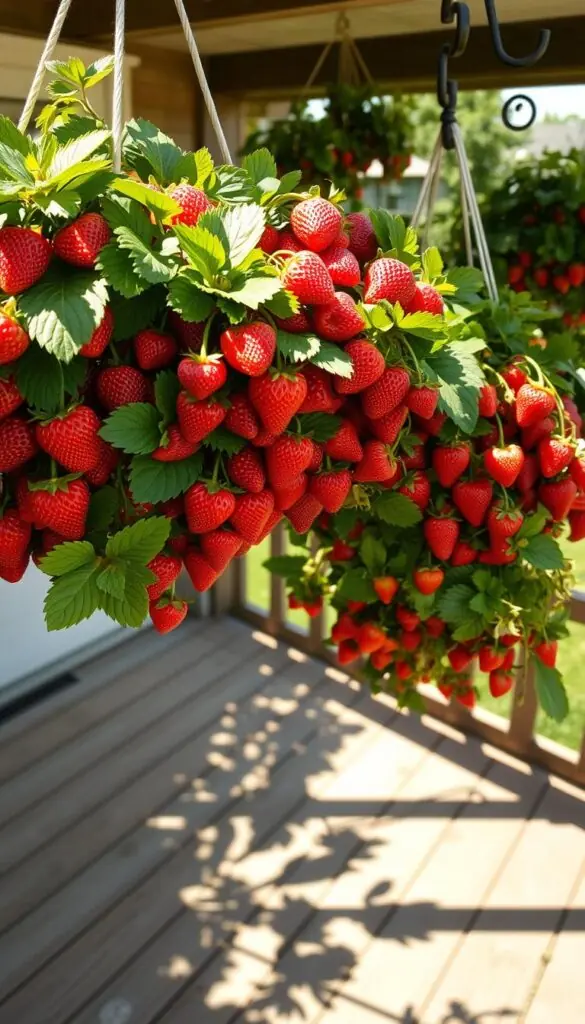
Putting plants up off the ground gives you neater fruit and easier harvests.
Elevated baskets use vertical space so you can tuck more plants into a small garden. Cascading green foliage and bright red fruit create instant curb appeal. Fruit stays cleaner up high, away from splashing soil, so you wash less and enjoy more of each bite.
Lifted containers cut common problems. Off-ground planting reduces contact with soil-borne disease and discourages slugs and snails. Better airflow around leaves helps prevent powdery mildew in humid summer weather.
Practical perks and placement tips
- Picking is easier—no stooping—so family members of all ages can help in the harvest.
- Quick-draining baskets protect roots after heavy rain and reduce root rot risk.
- Move containers during late frost or a heat wave to shield delicate fruit.
- Keep baskets high enough to avoid doorways and low enough to water comfortably.
| Benefit | Why it matters | Quick tip |
|---|---|---|
| Cleaner fruit | Less soil splash means fresher, less muddy berries | Use a liner and top with light mulch |
| Fewer ground pests | Slugs and snails can’t reach plants as easily | Hang at least 3–4 feet off walking paths |
| Better airflow | Reduces mildew and keeps foliage drier | Space baskets so leaves don’t crowd |
| Easy mobility | Move plants from frost or heat for consistent fruiting | Use removable hooks or light-weight chains |
Pick the Right Strawberry Varieties for Containers
Start by matching plant habits to your porch: steady producers, two‑flush types, or tiny fragrant kinds.
Day‑neutral choices give steady fruit production through the growing season. Albion and Seascape are favorites for firm, sweet berries that hold up well when sliced. Tristar and Evie‑2 send waves of fruit; expect a brief pause if temperatures top 90°F, then a return to production as it cools.
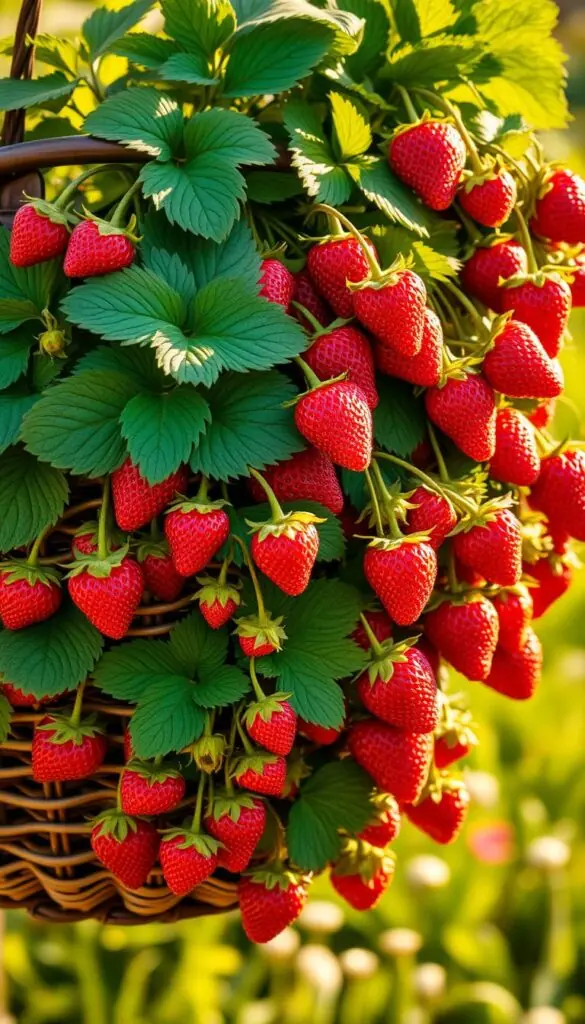
Everbearing picks like Ozark Beauty, Quinalt, and Fort Laramie offer two strong harvest flushes and make fewer runners. They work well in containers because they need less training and fit compact garden spaces.
Alpine charm suits partial shade patios. Mignonette, Rügen (Ruegen), and Yellow Wonder are small, intensely sweet, and richly perfumed—perfect for sniffing and snacking near a sunny seat.
| Type | Best for | Example varieties |
|---|---|---|
| Day‑neutral | Steady season‑long harvest | Albion, Seascape, Tristar, Evie‑2 |
| Everbearing | Two big flushes; fewer runners | Ozark Beauty, Quinalt, Fort Laramie |
| Alpine | Partial shade; fragrant, small fruit | Mignonette, Rügen/Ruegen, Yellow Wonder |
| Avoid for baskets | Runner‑heavy or single big crop | June‑bearing, runner‑heavy garden types |
Look for healthy crowns and compact habits when buying strawberry plants. Mix a couple of varieties across containers to spread risk and keep your garden producing even if one slows mid‑season.
Choose a Hanging Basket That Supports Healthy Roots
Pick a basket that gives roots room to breathe and keeps the soil cool on hot days.
Size and liners: Choose a 12–14 inch wide, 8–10 inch deep hanging basket so roots have space to spread and the mix stays cooler in summer. Flat wire baskets pair nicely with a snug coconut coir liner; it feels springy to the touch and holds moisture without becoming soggy.
Drainage and pots: Look for ample drainage holes. Good drainage lets water flow freely so the mix won’t turn heavy or sour.
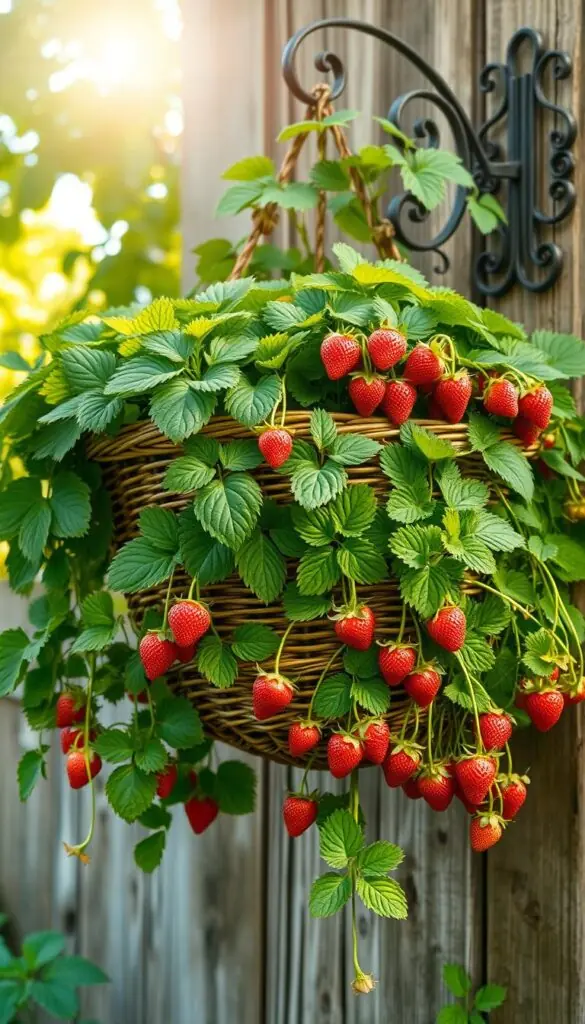
Hardware and safe clearances
- Use heavy-duty ceiling or wall hooks rated for outdoor use and strong chains so a rain‑soaked basket stays supported.
- Hang high enough to walk under comfortably but low enough to water and pick without a step stool; leave door clearance.
- In windy spots, choose a sheltered corner or shorten chains to keep baskets steady.
- Pre-fit drip irrigation clips on the chain if you plan to automate watering later.
- Test-hang with a bag of soil first to check weight and balance before you plant.
| Feature | Why it matters | Quick tip |
|---|---|---|
| 12–14" width, 8–10" depth | Gives roots enough room and keeps soil cooler | Pick baskets listed for outdoor pots |
| Coconut coir liner | Holds moisture gently and drains well | Press liner into wire basket for a snug fit |
| Sturdy hooks & chains | Supports full weight after rain | Use hardware rated slightly above expected load |
| Pre-fit irrigation | Makes watering consistent | Clip drip tubing to the chain |
Build the Ideal Potting Mix for Strong Growth
A light, airy potting mix makes the difference between limp leaves and a basket full of fruit.
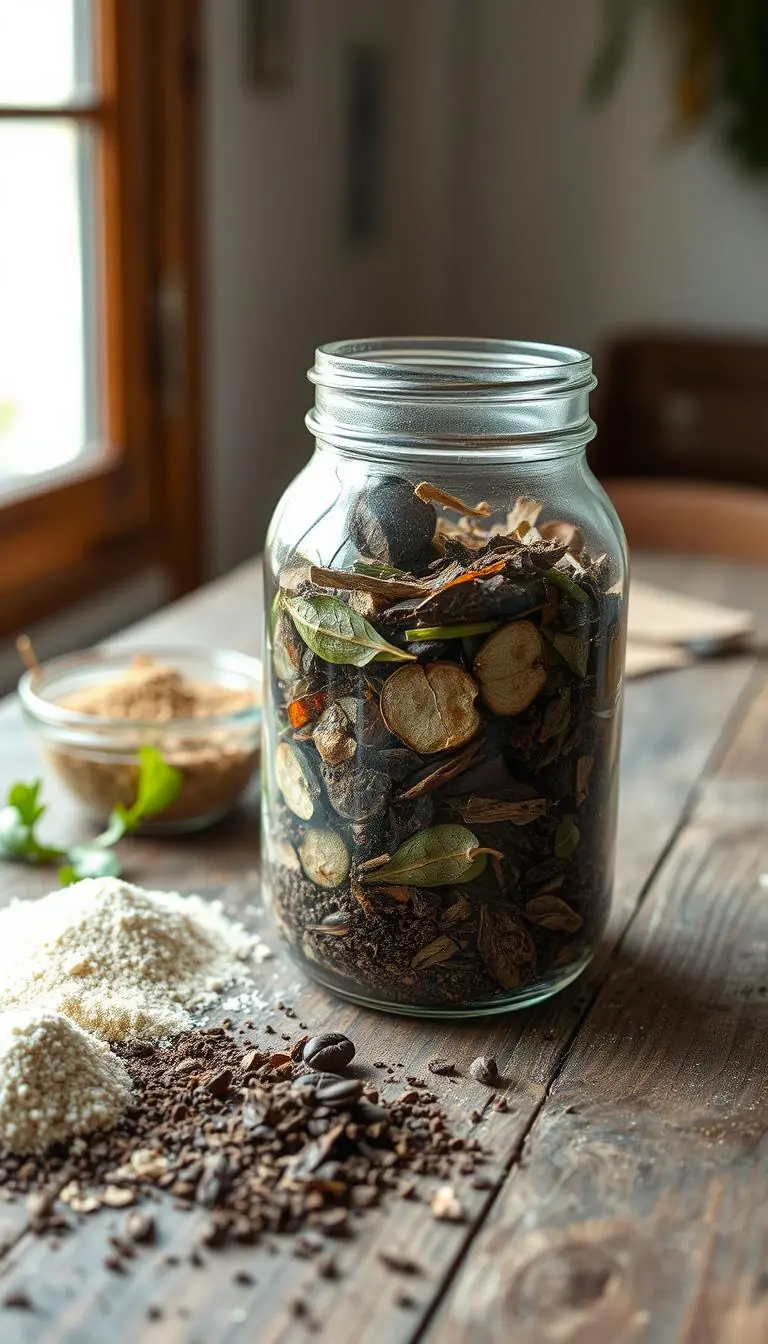
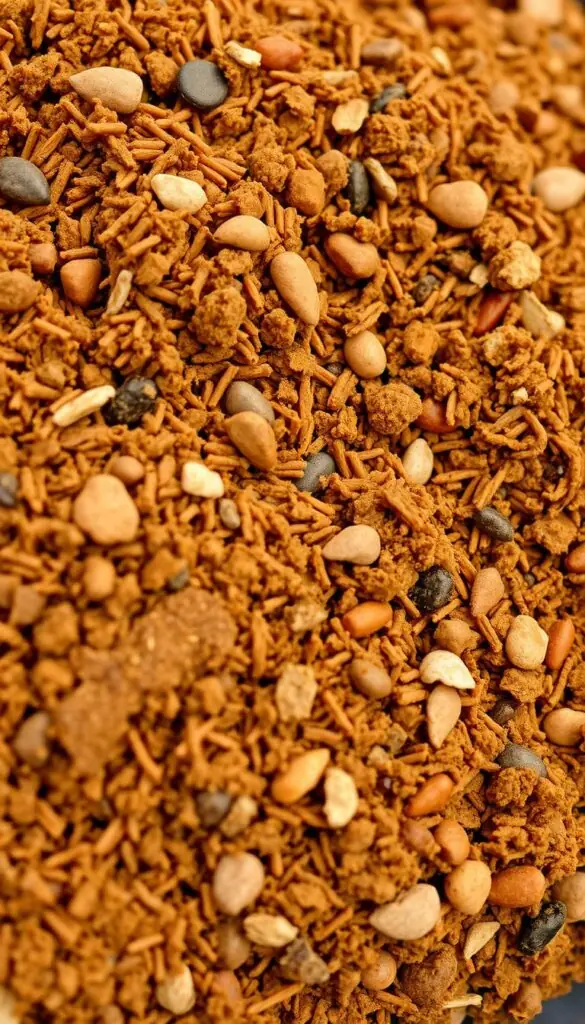
Simple recipe: combine two parts compost, two parts coco coir (or peat alternative), and one part perlite or vermiculite. This blend keeps good drainage and gives roots room to grow.
The coir should feel springy in your hands; that bounce means it will hold just enough water without staying soggy. Perlite adds visible lightness so the soil drains quickly after you water.
Feeding and watering plan
Pre-moisten the mix until it feels like a wrung-out sponge. Blend in a slow-release fertilizer at label rates, or use a balanced liquid (16-16-16 or 20-20-20) every 3–4 weeks for steady nutrients in a small container.
Check drainage by filling an empty basket with mix and pouring water in once. You should see a steady trickle, not a slow drip that signals clogged holes.
- Avoid garden soil — it compacts and can carry pests that harm plants and strawberries.
- For hot patios, add a small handful of water-holding crystals, then monitor moisture so the soil doesn’t stay wet.
- Top off the basket with an inch of fresh mix after settling and keep a bucket of your blend handy for quick refills.
Planting Day: Set Crowns Right and Space for Airflow
Choose a cool, calm morning in early spring to plant so roots settle before warm weather arrives.
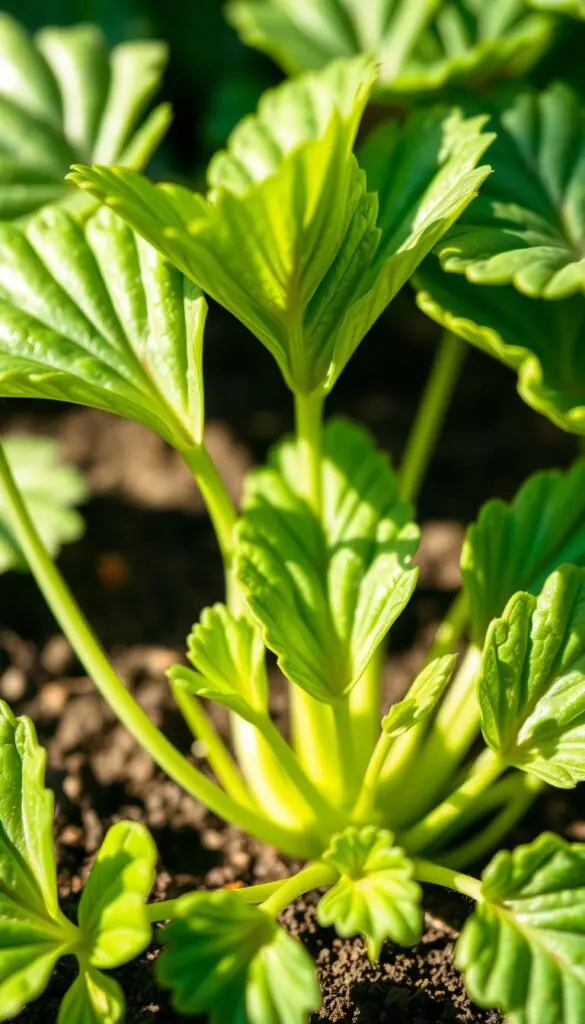
Timing and first steps
Wait until the last hard frost has passed in your area. Early spring is best so new growth can establish without freeze damage.
How to place plants in the pots
Fill a 12–14 inch basket with your prepared mix. Set four nursery-sized strawberry plants in a loose circle so air moves between them.
- Position roots down and keep the crown level with the soil surface—covered roots, exposed crown to avoid rot.
- Space plants so leaves don’t touch; this helps airflow and lowers disease risk.
- Water gently to settle mix around roots, then top up low spots so crowns stay visible.
Positioning and quick care tips
Hang where baskets get about 6–8 hours of full sun daily; alpines can tolerate a bit less.
Tuck containers near spring-blooming flowers to attract bees and boost pollination in your garden.
Aim your watering stream at the base to keep leaves and flowers drier. Snip early runners so plants focus on fruit and root growth. If wind is common, shorten chains so young roots settle without stress, and add a small tag to label each variety.
Hanging Strawberries Care: Sun, Water, and Feeding Through the Season
A simple weekly rhythm keeps your plants producing: steady sun, regular watering, and monthly feeding.
Sun needs: Give baskets at least 6–8 hours of full sun for the sweetest fruit. Alpine types tolerate a bit less afternoon heat, so slide them into gentler light when afternoons scorch.

Watering rhythm and moisture checks
Check moisture daily by feeling the top inch of mix. If it feels dry, water at the soil line so water reaches roots, not wetting the foliage.
In heat or windy weather your plants may need water twice a day—morning and late afternoon—to keep the root zone even and avoid stress.
Feeding and seasonal adjustments
Feed lightly about once a month with a balanced fertilizer while plants actively grow. Ease off feeding during an extreme heat wave and resume when cool weather returns.
Mulch, runners, and simple weekly tasks
Lay a thin ring of straw or shredded coir around the rim to cradle berries and cut soil splash, but keep crowns visible and dry.
Trim runners every week or two so plants funnel energy into plump fruit rather than new baby plants. Rotate baskets a quarter turn weekly so every side ripens evenly during the growing season.
- Give baskets 6–8 hours of full sun for best yields.
- Water at the base; avoid wetting leaves to reduce mildew.
- Group baskets in windy spots to slow drying and conserve moisture.
Common Problems, Pests, and Simple Fixes
A few simple inspections will catch common issues early so plants recover fast.
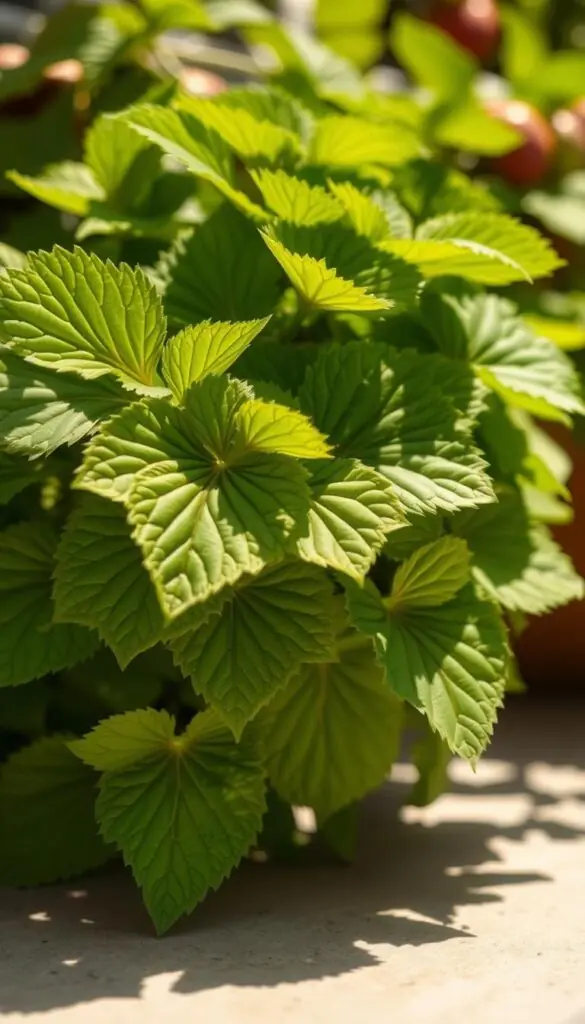
Spot and remove diseased leaves quickly. Check leaves during watering. If you see dark spots, a powdery white film, or a mushy crown, snip the affected tissue with clean snips and discard it in the trash—do not compost.
Keep fruit dry by watering at the base. This helps prevent powdery mildew and soft rot in ripening berries.
Quick, low‑stress fixes you can do in minutes
- Clean cutting tool between cuts with alcohol when dealing with diseased parts.
- Use lightweight garden netting over hanging baskets when berries start to blush to stop birds.
- Space plants so air moves between leaves; a little breeze dries surfaces after rain.
- If mildew appears, remove the worst leaves and boost airflow; many issues ease when weather dries.
- For crown concerns, scrape back soil and ensure crowns sit just above the surface—never buried.
- Move a basket for a short time if squirrels or pets are investigating; a higher hook often helps.
Set a reminder for health checks when you feed. Fresh potting soil each spring and tidy pruning make disease less likely for busy gardeners.
Harvest, Overwintering, and Repotting for Years of Berries
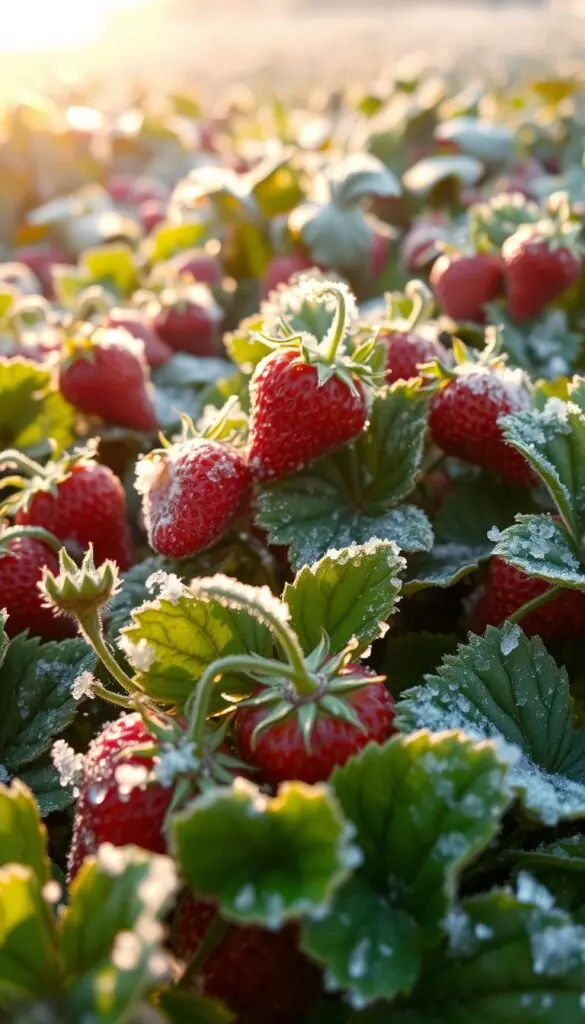
Harvest time feels like a small celebration when you find berries that smell sweet and are fully ruby-red. Pick the fruit when it is fully red and fragrant. Pinch with a short stem and cap intact to keep fruit fresher longer.
Simple picking and storage cues
Pick when color is even and the berry releases with a gentle tug. Keep caps on in the bowl; that little stem adds shelf life and flavor.
Protecting plants from heat, storms, and frost
In a summer heat wave, shift baskets into late-afternoon shade or indoors overnight. If frost threatens, move pots into a garage or under a covered porch until it warms.
After storms, tip each basket slightly to pour off pooled water and check for bruised leaves.
Repotting routine for long-term vigor
Every spring repot with fresh potting mix and new soil to reset nutrients. Trim older growth after the main flush and plan to refresh the planting after about three years for stronger yields.
| Action | When | Quick tip |
|---|---|---|
| Pick | Fully red, fragrant | Pinch with stem and cap |
| Heat protection | During summer heat waves | Move to afternoon shade |
| Frost protection | Cold nights with frost risk | Bring into garage or covered porch |
| Repot | Each spring | Use fresh potting mix; water deeply |
Creative Add-On: A Strawberry Basket Tree for Big Yields
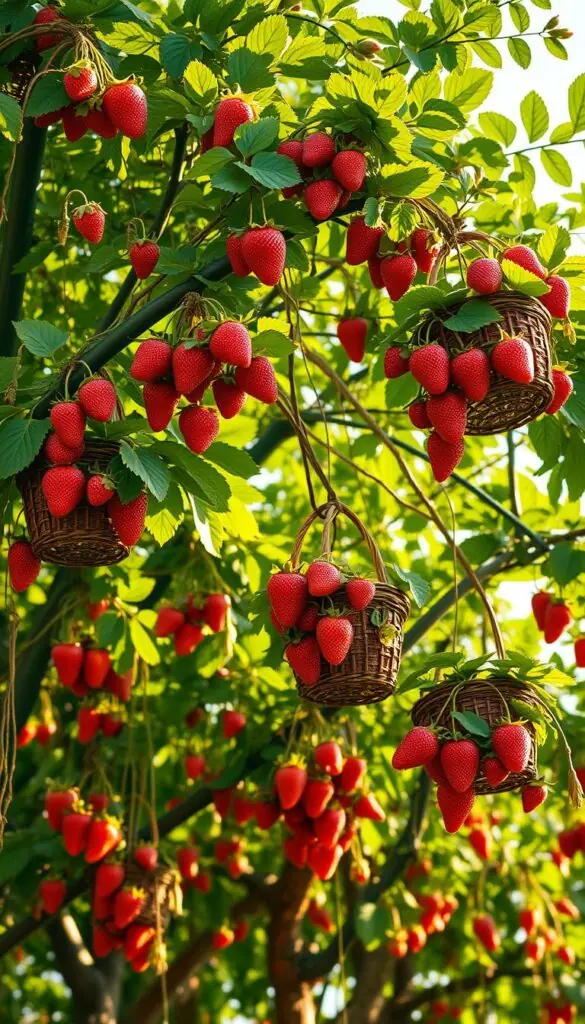
Build a compact garden tree to stack baskets and multiply your harvest in a single sunny spot.
Materials, tools, and layout for up to 40 plants
What you need: one 8‑foot pressure‑treated 6×6 post, ten 16‑inch plant hooks, ten 14‑inch flat wire baskets with coconut liners, 2½‑inch deck screws, a level, and premium potting soil.
Set a post hole 18–24 inches deep. Use a level so the post sits plumb. Pre‑drill and fasten hooks with the deck screws for extra grip.
Quick build steps
- Place the post, tamp soil or set a little dry concrete, and check it is rock‑solid.
- Pre‑drill and attach hooks in a staggered pattern for airflow and easy picking.
- Hang baskets, shorten chains to stagger heights, and plant 3–4 strawberry plants (Loran works well) per basket.
- Test drainage by watering once before final hanging; check that water flows freely from each container.
Drip irrigation for even moisture in summer
Fit a simple drip kit made for containers to keep moisture steady and reduce daily chores. If you hand‑water, aim at the outer soil ring so you keep crowns and foliage drier.
Feed lightly every few weeks with a balanced vegetable/fruit plant food and trim runners to focus energy on fruit.
| Feature | Spec | Plants per basket | Quick tip |
|---|---|---|---|
| Post | 8 ft, 6×6 pressure‑treated | — | Set 18–24" deep; check plumb |
| Hooks & hardware | 10 plant hooks, 2½" deck screws | — | Pre‑drill to prevent splitting |
| Baskets & liners | 10 flat wire 14" baskets, coconut liners | 3–4 | Shorten chains; stagger heights |
| Irrigation | Drip kit for containers | Supports all baskets | Water outer ring to keep foliage dry |
Safety note: tighten hardware midseason and after storms. Place the tree in full sun with room to walk around so maintenance and harvest stay easy and safe.
Conclusion
Finish strong: picture a sunlit basket on your porch, ripe fruit glowing at arm’s reach.
You now have what you need for growing strawberries in a small space. Plant in spring after frost, use a 12–14 inch basket and a well‑draining mix, and pick day‑neutral or everbearing varieties for steady rewards.
Give plants 6–8 hours of full sun, water and feed on a steady rhythm, and protect fruit from birds. Move containers during heat or frost and repot with fresh mix each spring. Refresh older plants after a few years to keep yields strong.
With a roomy basket and simple care, you’ll enjoy fresh berries through the growing season. When you’re ready, add a second basket or a small strawberry basket tree and share a bowl with a neighbor.
FAQ
Can I grow strawberries in a small basket on my balcony?
Yes. Choose a 12–14 inch container that’s 8–10 inches deep with good drainage. Use a light, well-aerating potting mix and plant three to five crowns depending on variety. Place the basket where it gets 6–8 hours of sun or choose alpine types for partial shade.
Which varieties give the best season-long harvest in containers?
Day-neutral types like Albion, Seascape, Tristar, and Evie-2 produce steadily through the season. They keep fruiting in containers without the heavy runner production of June-bearing cultivars, giving you steady harvests and easier management.
How often should I water a basket in summer?
Check moisture daily in heat or wind. Water thoroughly until excess drains, then let the top inch of mix dry slightly. Containers dry faster, so expect more frequent watering than garden beds—often every day during hot spells. Mulch the surface to slow evaporation.
Do I need to fertilize plants in pots, and how often?
Yes. Use a slow‑release fertilizer at planting and supplement monthly with a balanced liquid feed during the growing season. Small mixes lose nutrients faster, so consistent feeding keeps fruit production strong.
How should I plant crowns to avoid rot?
Set crowns so the base is level with the soil surface—neither buried nor exposed. Space plants to allow airflow between leaves. Good drainage, proper crown height, and avoiding waterlogged mix prevent crown and root rot.
Can I leave my containers outside during frost and heat waves?
Move baskets to sheltered spots during late freezes or extreme heat. On frost nights, bring them under cover or wrap pots; during heat waves, provide afternoon shade and extra water. Portable containers make protection easy.
How do I stop birds and critters from stealing fruit?
Use lightweight netting or a simple frame to cover fruit when ripening. Place baskets near walls or under eaves to limit access. Frequent harvesting and trimming overripe berries also reduce wildlife visits.
Should I let runners grow in a basket?
Pinch most runners to focus energy on fruit in small containers. If you want new plants, guide a runner into a small plug of mix or peat in the basket and root it—otherwise remove them regularly to boost yields.
What pests and diseases should I watch for, and how do I handle them?
Look for slugs, aphids, spider mites, and foliar diseases like leaf spot or powdery mildew. Remove diseased leaves promptly, improve airflow, and use organic controls—handpick pests, spray insecticidal soap for aphids, and apply fungicidal treatments only when needed.
When do I repot or refresh my plants for best results?
Repot into fresh mix each spring and renew plants every three years for vigor. Replace spent soil, check crowns and roots, and divide overcrowded specimens to maintain health and steady fruiting.
Can I set up a multi-level basket tree for more production?
Yes—use sturdy materials, proper spacing, and good drainage. A vertical layout can hold many plants; add drip irrigation to keep moisture even and reduce daily watering needs. Secure hooks and balanced weight are key for safety.