Picture stepping outside to warm light and a soft, green carpet underfoot. You notice a few pale patches and wonder if a steady routine could help. This guide speaks to simple steps you can take so your grass looks lush through the season.
Keep a calm, regular rhythm: mow a little higher, water deeply but less often, and watch how the turf responds. A screwdriver test tells you when soil is compacted or dry, and leaving clippings returns nutrients to the soil.
We’ll show practical, neighborly tips—like the one-third mowing rule, targeted pest prevention, and gentle feeding for warm- and cool-season grass—so you can make sure small actions add up. With steady attention, your yard will stay resilient against heat and changing weather, and you’ll feel confident about each step.
Key Takeaways
- Mow a bit higher and sharpen your watering routine to promote deeper roots.
- Water deeply once or twice weekly to reach about 4–6 inches of soil moisture.
- Use the screwdriver test to gauge soil compaction and timing for watering.
- Leave clippings to recycle nutrients and protect soil health.
- Feed warm-season grass lightly in peak heat; for cool-season grass, focus on spring and fall.
Start the Season Smoothly: Set simple habits that keep grass calm through summer heat
Begin the season with a few gentle habits that help your grass stay steady when temperatures rise.

Quick wins this week
Raise your mower one notch so blades cut higher. Taller grass builds deeper roots and stands up better to heat.
Walk the yard and spot small weeds early. Hand-pull young weeds before they spread, or use a targeted post-emergent sparingly on broadleaf patches.
Know your grass type
Warm-season grass does well at 2–3 inches and may take a light summer feeding. Cool-season grass prefers 3–4 inches and should rest until fall.
- Use the screwdriver test: firm resistance = dry, sliding = possibly overwatered.
- Keep mower blades sharp for clean cuts that reduce stress and moisture loss.
- Build a once- or twice-weekly routine early in the season so lawn summer chores feel manageable.
| Grass Type | Recommended Height | Quick Action |
|---|---|---|
| Warm-season | 2–3 inches | Light summer feeding; raise mower |
| Cool-season | 3–4 inches | Hold fertilizer until fall; water deeply |
| All types | N/A | Sharp blades, spot weeds, screwdriver test |
Watch the weather and your yard’s color. Your grass will tell you what it needs if you tune in.
Mowing for resilience: taller blades, sharper cuts, stronger roots
Raise the deck, sharpen the blades, and trust that steady habits yield greener grass.
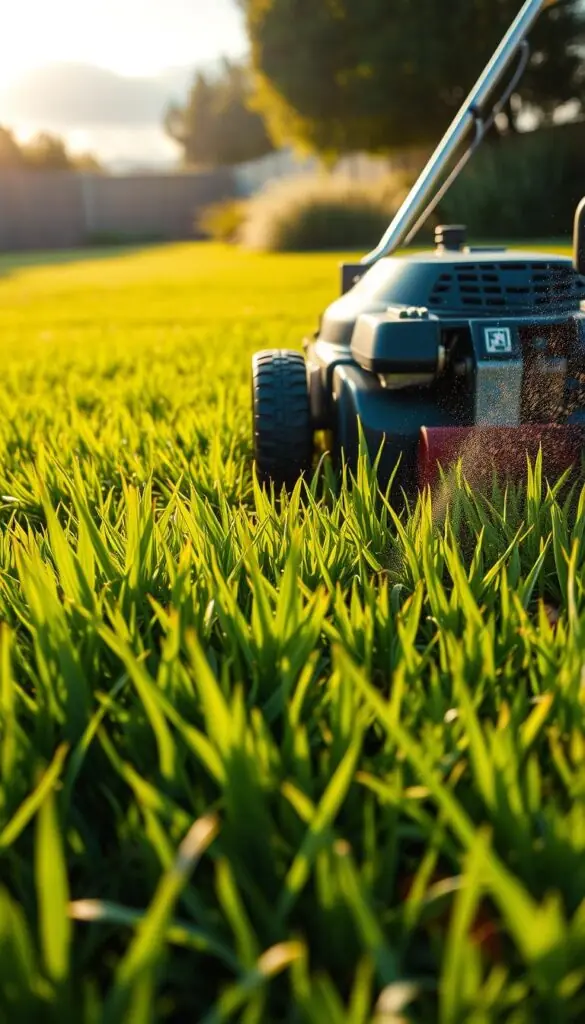
Set the right height. For warm-season grass, keep blades at 2–3 inches. For cool-season grass, aim for 3–4 inches. Taller cuts shade the soil and help roots go deeper.
Follow the one-third rule
Never remove more than one-third of the blade in a single mow. That simple step prevents scalping, reduces stress, and stops quick browning of the turf.
Keep blades sharp
Sharp blades give clean cuts. Dull edges shred grass and invite moisture loss and disease. A well-tuned mower helps grass tips look neat and hold water better.
Grasscycling: leave clippings
Let clippings fall back onto the lawn. They return nutrients and form a light blanket that protects soil and feeds steady growth.
"Small, consistent mowing choices add up to stronger roots and a more resilient yard."
- Mow when grass is dry and in cooler hours for cleaner passes.
- If grass is overgrown, raise the deck and take two light passes rather than one hard cut.
- Watch growth after mowing—healthy grass will bounce back and show even color.
Water deeply, not daily: a calm routine for steady moisture
A calm watering schedule lets roots grow deeper and makes your yard more resilient.
How much and how often: Aim to water thoroughly once or twice a week so moisture reaches about 4–6 inches into the soil. Slow, steady sessions push water down to roots instead of wetting only the surface.
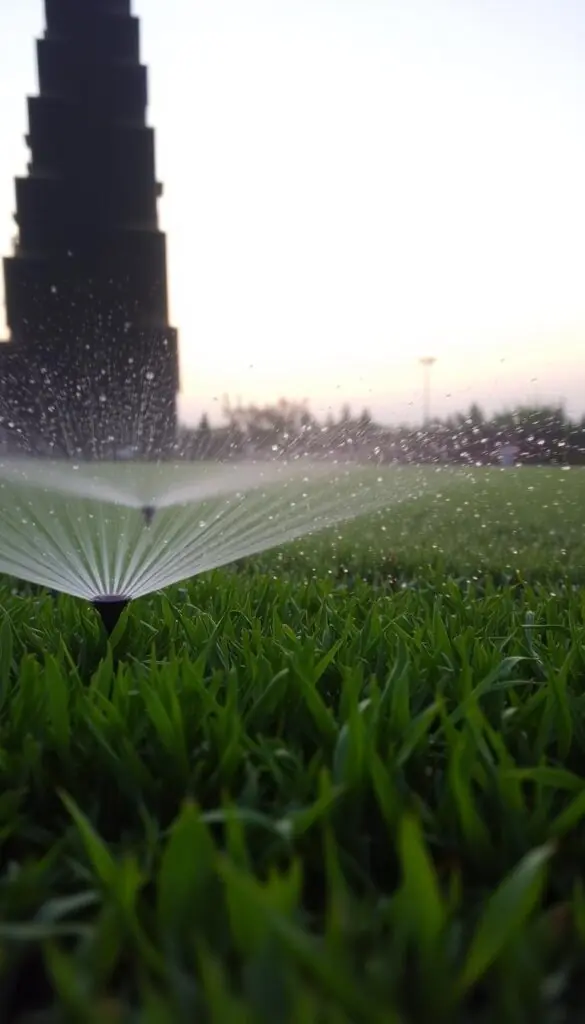
Easy soil test: the screwdriver method
Use a screwdriver to check the ground before you water. If it meets firm resistance, the soil is dry and needs a deeper soak.
If the tool slides in too easily, wait—excess moisture can harm roots and invite disease.
Timing and adjustments
Water early in the morning when air is calm and cool so more reaches roots and less evaporates. Adjust your schedule for local weather and any municipal restrictions.
- Overlap sprinkler patterns for even coverage; check edges and corners.
- If runoff occurs, use short cycles with pauses to let water absorb.
- Watch for moisture stress—lingering footprints or dull color signal it's time to water more deeply.
"Deep soaks, not daily sprays, reward roots and give you back slow, quiet mornings."
Fertilizer in the summer: gentle feeding without the burn
A light, thoughtful feeding plan keeps color steady without forcing tender top growth.
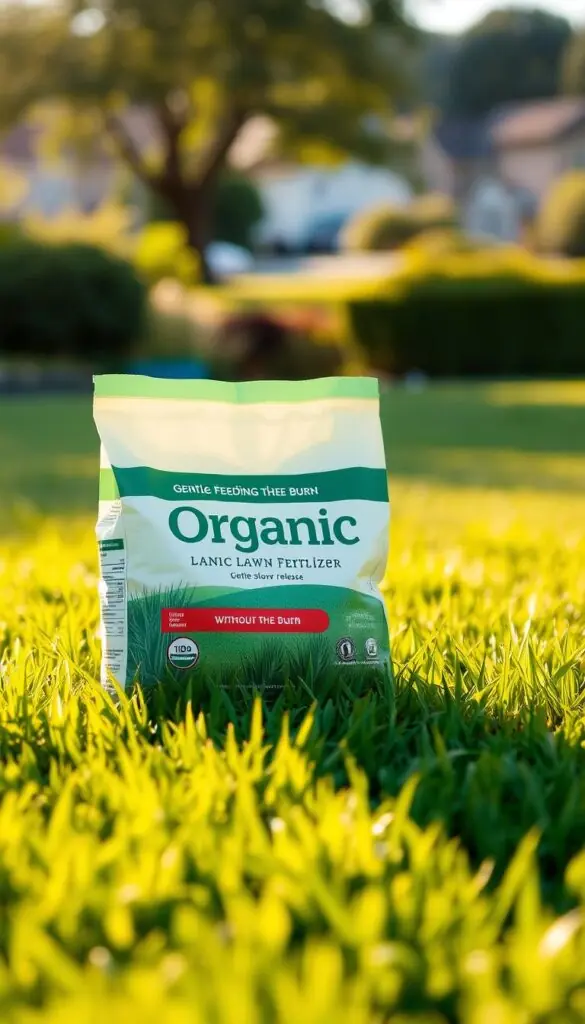
Feed with restraint. For many yards, small, well-timed applications give just enough nutrients to refresh color and resilience. Heavy feeding in high heat can cause burn and add stress to roots.
Warm-season grasses: light summer feedings at the right time
Warm-season grass can benefit from a light feed in early summer or mid-summer in warmer regions. Choose a low-nitrogen fertilizer and follow label rates to avoid forcing lush, heat-sensitive growth.
Cool-season grasses: pause fertilizing until fall for healthier growth
Cool-season grass does best when you wait for cooler months. Hold off until fall so new growth arrives when temperatures drop and recovery is easier.
Choose low-nitrogen products to avoid stress in high temperatures
Think "steady nutrients, not surge." Use balanced, low-nitrogen mixes made for warm months. Water in as directed, but don’t wash the product away with excess irrigation.
"Small, careful feeds support color and root strength without pushing vulnerable top growth."
- Feed gently to support color and steady growth.
- Match product to grass type and region; read the label every time.
- Hold applications during heat waves or extreme temperatures.
| Grass Type | When to Feed | Recommended Product |
|---|---|---|
| Warm-season | Early to mid-summer (light) | Low-nitrogen, balanced mix |
| Cool-season | Skip in hot months; feed fall | Fall blend with higher slow-release N |
| All types | Avoid during heat waves | Balanced, slow-release formulas |
Smart weed control: stop spread without stressing your lawn
Protect your grass by stopping weeds early with light, targeted steps.
Start small and gentle. Walk your lawn slowly and pull tiny weeds after a light watering so roots come free easily. This low-stress habit prevents seeds from setting and saves time later.
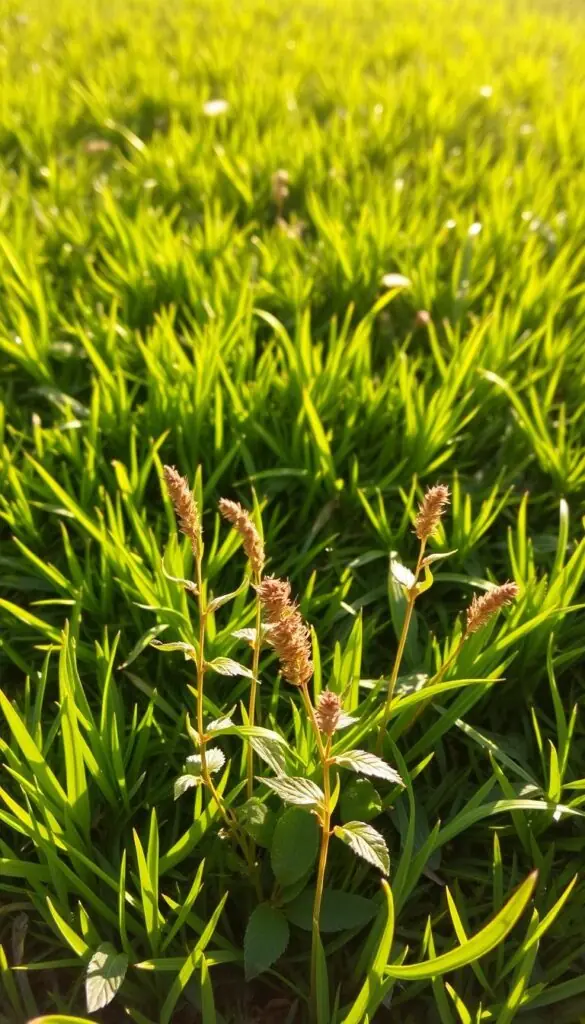
If you must use chemicals, choose narrow options. Use a targeted post-emergent made for broadleaf problems and spot-treat only trouble areas. Blanket sprays can harm grass, especially in hot weather.
- Work in cool parts of the day and avoid treating during heat spikes to reduce turf stress.
- Keep mower height a notch higher to shade soil and cut weed germination.
- Check edges, paths, and thin spots—these patches invite weeds and reward quick attention.
- Read labels and match the product to the weed type so you use less and get better results.
Finish with follow-up. Rinse tools so you don’t move product to beds. When spots stay thin after removal, plan to overseed so desirable grass fills in. With steady, calm effort, weed control becomes a simple, low-stress habit.
"Small, consistent steps keep weeds from spreading and protect your grass's long-term health."
Watch for pests and protect roots before damage spreads
Take a calm weekly walk to catch small issues before they grow into large patches.
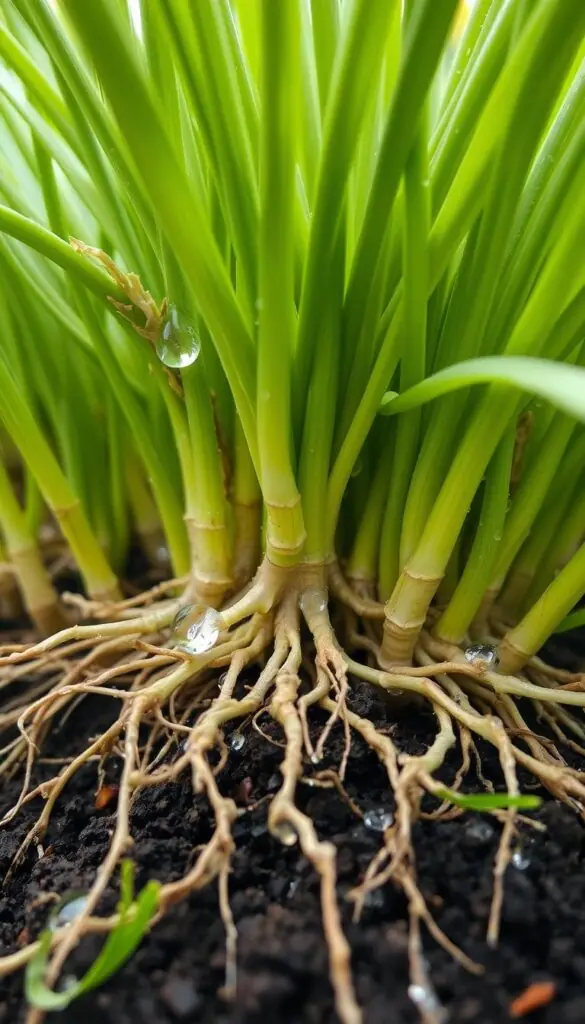
Spot early signs: look for wilting, fresh chew marks on blades, or sudden bare patches. These clues often show up along sunny edges where soil warms fastest.
Simple checks that fit your routine
After a watering, walk the yard and scan for wilted grass or shallow holes. If you see a new bare patch, lift a square of turf to check for grubs near the surface.
Preventative grub control for common beetles
In the warm months, Japanese beetles, June bugs, and European chafers can hatch and feed on roots. A preventative grub control treatment, applied on schedule and watered in, helps protect roots before larvae do serious damage.
- Focus on patterns of damage, not every insect you meet.
- Check in cooler parts of the day so heat won’t hide signs.
- Keep notes or photos week to week to spot subtle shifts.
"Acting early keeps repairs small and helps your grass stay even and soft underfoot."
Late-summer tune-ups: aeration and overseeding to thicken turf
A few gentle steps in late summer can open the ground and let roots breathe.
Core aeration relieves compaction and opens channels for air and water. Aim for early September in many cool-season regions. The tines should pull clean 3/4-inch by 3-inch cores when the soil is nicely moist.
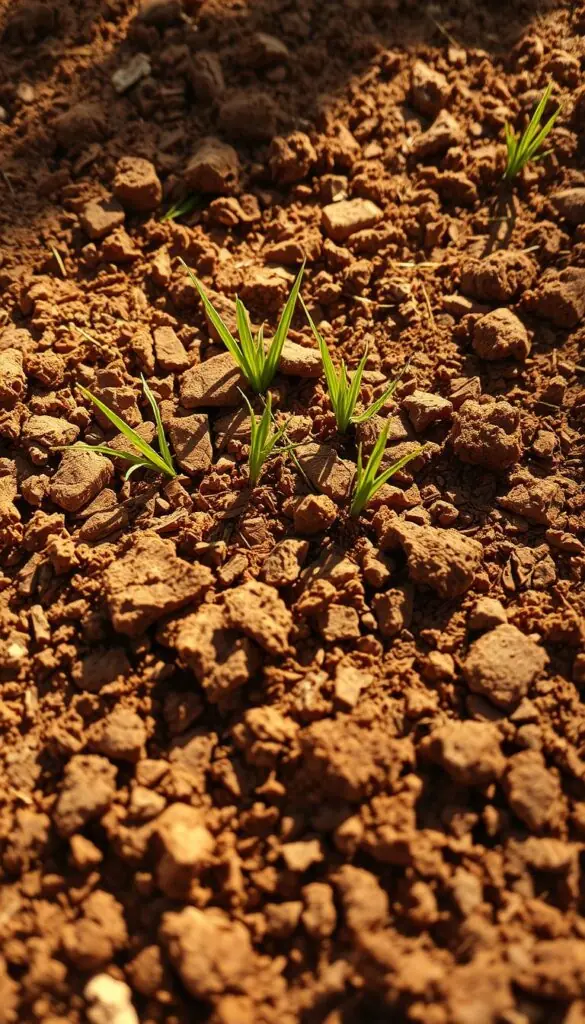
Make several passes to reach about 20–40 holes per square foot. Drag a mat after aeration to break cores and return organic matter to the soil.
Overseeding thin spots: improve density before cooler nights
Spread seed from mid-August to mid-September for cool-season grasses. Use a slit seeder, core aerator, or light raking to ensure good seed-to-soil contact.
- Keep the top 1 inch of soil evenly moist for 2–3 weeks with short, gentle watering sessions.
- After seedlings emerge, gradually lengthen intervals and deepen water so roots settle below the surface.
- Mow a touch higher and avoid heavy foot traffic while new grasses establish.
"These quiet tune-ups thicken turf naturally and set you up for a softer, greener yard next season."
| Task | When | Key Details |
|---|---|---|
| Core aeration | Early September | 3/4" x 3" cores; 20–40 holes/ft²; soil moist, not saturated |
| Overseeding | Mid-Aug to Mid-Sept | Good seed-to-soil contact; keep top 1" moist 2–3 weeks |
| Follow-up | 1–2 weeks | Mow higher; reduce traffic; deepen watering over time |
Conclusion
Keep the routine calm and steady, and you’ll see small wins build into a verdant yard.
Raise your mower a notch, water deeply once or twice a week to reach 4–6 inches, and match fertilizer timing to your grass type. These simple steps protect roots, preserve soil moisture, and reduce stress during hot months.
Spot weeds early, use targeted treatments, and consider preventative grub control. If thin spots persist, late-summer aeration and overseeding give you a natural boost before cooler nights arrive.
Give yourself time. Notice small wins—the even lines after mowing, springy feel underfoot, and steady color. With gentle, regular care and a few smart tips, your summer lawn will stay lush and welcoming.
FAQ
How can I keep my grass green and healthy through the hottest months?
Focus on simple, steady habits: mow at the right height for your grass type, water deeply but infrequently, and avoid heavy feeding during peak heat. Raise your mower blades to reduce stress, check soil moisture before irrigating, and address weeds or pests early to prevent spread.
What quick things can I do this week to help my turf survive heat?
Raise your mower height, sharpen the blade, and do a quick soil moisture check with a screwdriver. Hand-pull obvious weeds now and grasscycle clippings to return nutrients and shade the soil.
How do I know whether I have warm-season or cool-season grass?
Warm-season grasses like Bermuda or Zoysia green up in late spring and thrive in heat. Cool-season types like fescue or Kentucky bluegrass stay greener in cool weather and may slow in hot spells. Look at growth timing and blade texture to identify yours.
What mowing height should I use for resilience?
Set warm-season grasses around 2–3 inches and cool-season grasses 3–4 inches. Taller blades shade roots, reduce evaporation, and build stronger crowns.
What is the one-third mowing rule and why does it matter?
Never remove more than one-third of the blade height at once. Cutting less reduces shock, prevents browning, and helps roots maintain moisture and vigor.
How often should I sharpen my mower blades?
Sharpen blades at least once per mowing season or whenever cuts look ragged. Clean, sharp blades make clean cuts that heal faster and hold moisture better.
Is it okay to leave grass clippings on the surface?
Yes. Grasscycling returns nutrients to the soil, helps retain moisture, and reduces thatch when clippings are short and dry. It’s an easy way to feed your turf and protect soil life.
How much water does the turf actually need each week?
Aim for about 1 to 1.5 inches of water per week for cool-season turf and slightly less for many warm-season types, achieved in one or two deep soakings to reach 4–6 inches into the soil.
What’s a simple test to see if soil needs water?
Push a screwdriver or a long nail into the ground. If it goes in easily to several inches, you have enough moisture. Resistance or dry, crumbly soil means it’s time to water.
When is the best time of day to water to reduce evaporation and disease?
Water early in the morning, before sunrise if possible. That minimizes evaporation and lets foliage dry quickly under the sun, lowering disease risk and giving roots a full day to drink.
Should I fertilize during the hot months?
Use restraint. Warm-season grasses can take light summer feedings timed with active growth; cool-season types usually do better with a pause until fall. Choose low-nitrogen formulas to avoid burning and stress.
How can I control weeds without harming the turf?
Hand-pull small outbreaks and spot-treat broadleaf weeds with targeted post-emergent herbicides when turf is healthy. Avoid blanket herbicide applications during extreme heat or drought, which adds stress.
What early signs indicate pest or insect damage?
Look for wilting patches, chewed blades, spongy turf that pulls up easily, or sudden brown spots. Early detection makes treatment simpler and less disruptive to the rest of the yard.
Should I use preventative grub control for beetles?
If you’ve had grub problems in past years, consider a preventive product timed in late spring to early summer. Choose formulations labeled for your pest and follow directions to protect beneficial insects and roots.
When is the right time to aerate and overseed thin areas?
Late summer into early fall is ideal for many regions. Core aeration relieves compaction and improves water and air penetration, while overseeding helps thicken turf before cooler, wetter weather.
How can I repair bare patches without stressing the rest of the yard?
Rake out dead material, loosen the soil, apply a thin layer of quality topsoil or compost, and overseed with the appropriate grass mix. Keep new seed consistently moist until established but avoid overwatering surrounding turf.