Imagine the soft scent of cut grass and the feel of crumbly soil under your rake. Have you noticed thin, tired patches where you want thicker, greener blades? This short guide feels like a friendly chat over the fence.
We’ll explain what overseeding lawn care does and how a small weekend project can refresh an existing lawn without starting from scratch. You’ll learn clear steps — from clipping low to scattering grass seed — and simple timings that fit into your busy schedule.
Expect practical tips and calm guidance: real tools, quick adjustments for weather, and a gentle plan that helps you watch steady growth. By the end, you’ll have a manageable way to make your yard look fuller and more welcoming.
Key Takeaways
- You’ll get a clear, neighborly plan to refresh thin areas without tearing out the old turf.
- Simple steps make it easy to sow grass seed and care for it over the right time.
- Small tools and short work sessions keep the project doable and satisfying.
- Proper prep helps seed settle into crumbly soil for steady growth.
- This approach improves curb appeal with low stress and lasting results.
Start Here: What Overseeding Is (and Isn’t) and Why It Works
Imagine slipping small new plants into gaps so the whole yard fills in more evenly and resists weeds. That’s the simple idea: you spread fresh seeds into an existing grass area to thicken thin or bare spots without starting over.
It’s not the same as reseeding. Reseeding means tearing up and replanting. Here you blend new sprouts with the old stand. Sometimes you add the same species (interseeding) to boost density. Other times you introduce a compatible type grass for seasonal color or quick green-up.
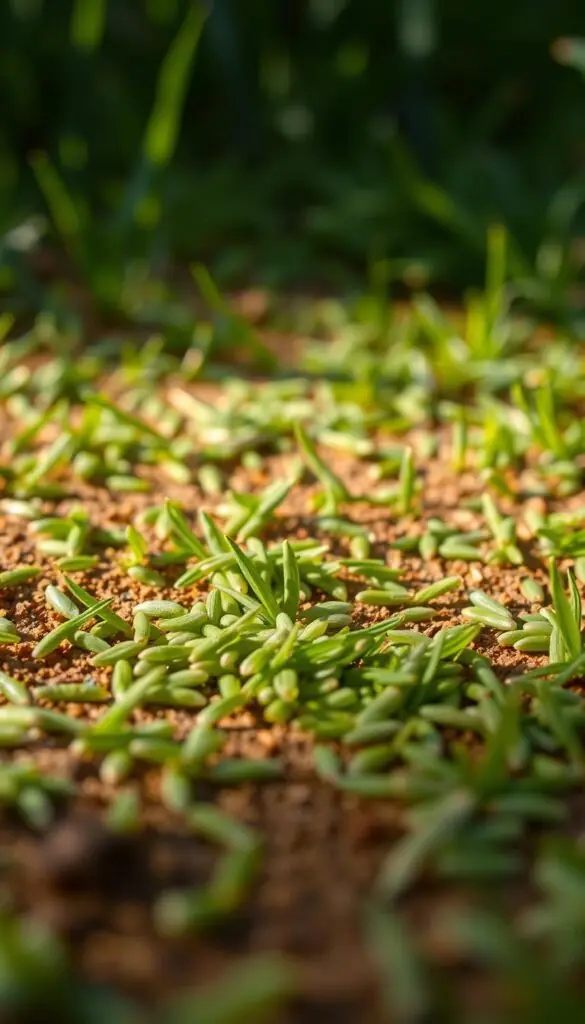
Good preparation improves soil contact and helps young roots take hold. That leads to a denser canopy that shades out weed seeds and reduces future weed pressure.
"Pick a seed mix that matches your sun, soil, and goals — sunlight and use shape the best choice."
- Choose the right grasses for sun or shade.
- Time planting to regional needs so seeds germinate well.
- Focus on contact between seed and soil for steady establishment.
The Best Time to Overseed in the United States
A few calendar clues and a cheap soil thermometer let you choose the perfect window to plant. This is the best time guide for when to add new grass so seedlings get a strong start.

Cool-season grasses
Plant cool-season grass in late summer into early fall when soil reads about 50–65°F. This window gives faster germination and fewer weeds.
In northern areas, aim for mid‑August through mid‑September. Seed at least 45 days before your average first frost so young plants harden off.
Warm-season grasses
Wait until late spring through mid‑summer for warm-season grasses. Target soil between 70–90°F so Bermuda or Zoysia sprouts reliably.
Adding winter color and soil timing
If you want winter green on a warm base, overseed fall with ryegrass when soil cools to 50–65°F. Use a $10 soil thermometer and plan around the forecast.
- Expect early sprouts in about 7–14 days; full fill-in takes weeks.
- Skip heavy rain days and pick a calm stretch so seeds stay put.
Tools and Materials You’ll Want on Hand
Gathering the right tools makes the job quicker and kinder to your yard. Start by collecting basic gear so each step feels calm and clear.
Core essentials
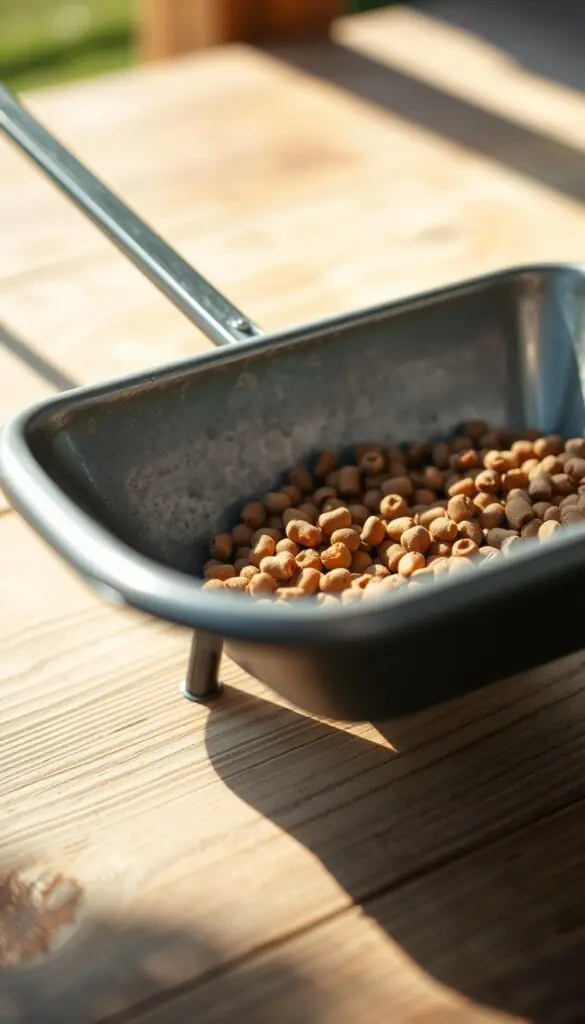
Gather basics before you start: a reliable mower, a sturdy rake that can scratch the surface, quality grass seed, a fertilizer spreader, starter fertilizer, and a bag of enriched topsoil that feels dark and crumbly in your hands.
Helpful rentals for tougher spots
Consider a core aerator to open compacted ground. Aim for about 20–40 holes per square foot so roots find easy paths.
If thatch blocks growth, a dethatcher or vertical mower slices narrow channels about 1/4 to 1/2 inch deep. A slit seeder combines cutting and planting in one pass—handy for bigger areas.
Choosing the right spreader
- Handheld spreaders work well for small patches and tight spots (Scotts Whirl is a common pick).
- For medium and larger lawns, a broadcast model like Scotts EdgeGuard DLX covers fast and even.
- Use a drop spreader along edges to keep product neat and avoid waste.
"Rake away light debris and old clippings so seed meets soil, not barriers."
Finish smart: after spreading, top with a very thin 1/4‑inch layer of enriched soil—just a whisper—so new seed can settle and start strong.
overseeding lawn: A Friendly, Step-by-Step Process
Begin by making the surface ready so every seed can touch soil and find moisture quickly. This short routine keeps each move simple and effective.
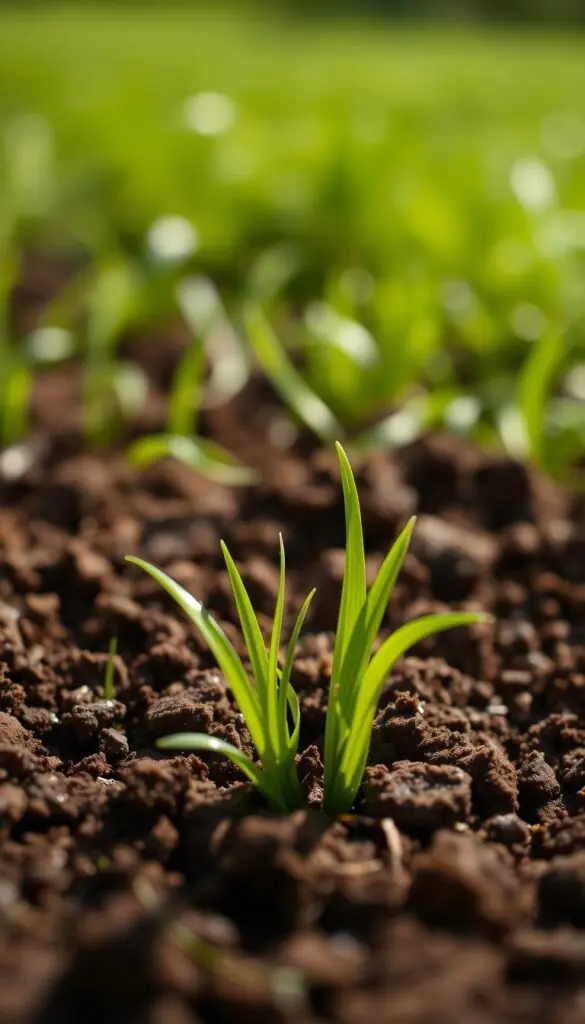
Mow low and clear clippings
Mow lawn on the low side—about 1–2 inches—and bag clippings. You’ll hear the soft thud of the mower bag as you finish, and the yard will look tidy so seed can meet soil.
Dethatch or aerate when needed
If the turf feels spongy, dethatch or core aerate. Vertical blades should reach about 1/4–1/2 inch into the soil so new seedlings find pockets of moisture.
Prep the surface and topdress
Rake to loosen the top layer until it feels slightly scratchy. Add a whisper-thin 1/4‑inch of enriched soil—think of a light dusting, not a blanket.
Choose seed, spread, and feed carefully
- Pick grass seed that fits sun or shade for each area.
- Fill the spreader and follow the label setting; walk steady with slight overlaps.
- Skip weed-and-feed now. Use a starter fertilizer to aid early germination.
Water and watch
Water deeply once to settle the seedbed, then water lightly once or twice daily until seedlings reach mowing height. Feel the soil—darker but not puddled—then relax and enjoy the steady green coming up.
Aftercare That Builds Thick, Resilient Turf
Caring for new turf is mostly about rhythm — small, steady steps that let seedlings grow strong. Follow a simple routine and you’ll see steady, healthy growth that feels springy underfoot.
Watering rhythm
Keep the top layer evenly moist with light, frequent watering. Aim for once a day or more in hot, windy weather so the seedbed never dries out.
Mowing height and timing
When the new grass reaches mowing height, make the first cut a bit lower to trim older blades. Then raise the deck gradually until you reach about 3 inches.
Feeding and traffic
About six weeks after germination apply 1 lb of actual nitrogen per 1,000 sq ft as starter fertilizer. Keep foot traffic to a minimum until shoots are roughly 1–2 inches tall.
| Care Step | Typical Time | What to Do |
|---|---|---|
| Watering | Daily for first 2–3 weeks | Light misting to keep soil moist |
| Mowing | When seedling height reached | First cut low, then raise to 3 inches |
| Feeding | ~6 weeks after germination | Apply 1 lb N / 1,000 sq ft |
| Traffic | Until 1–2 inches tall | Limit play and pet use |
"Watch the color — lively green means balance; pale tips signal adjustment."
Choose the Right Seed for Your Yard’s Light and Region
Pick seed mixes that match your grass type and the light each area gets. Read your yard: full sun, dappled shade, or hot southern spots. That simple step helps seeds thrive instead of merely surviving.
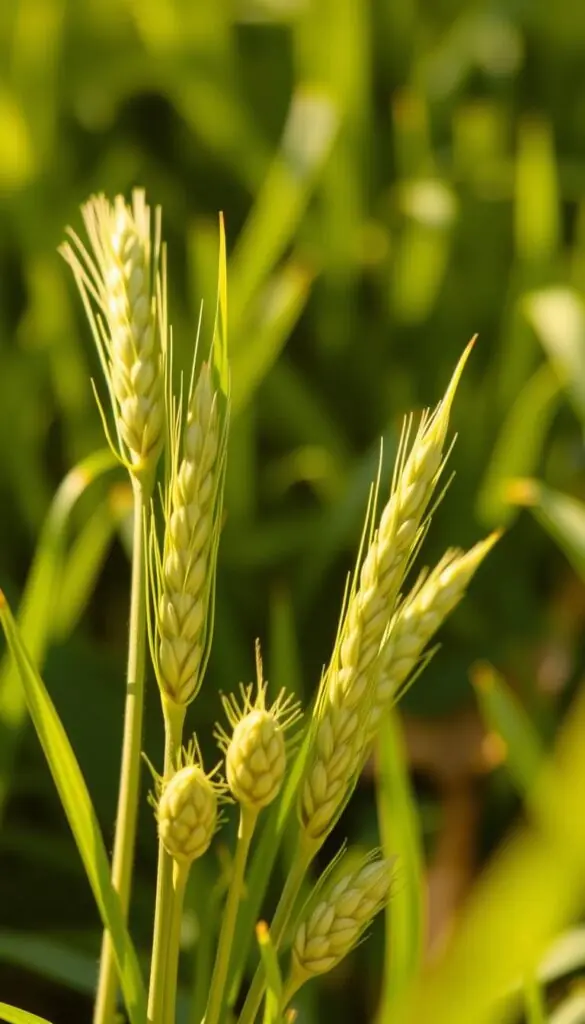
Sunny spots
Kentucky bluegrass blends are a top pick for sunny fronts. They create a dense, classic carpet of grass.
Add a dose of perennial ryegrass for faster green-up in spring. That mix balances quick cover with lasting structure.
Shade and dappled light
Fine-leaf fescue shines under trees and in north-facing beds. Its softer blades and shade tolerance help thin areas fill in.
Combine fescue with a touch of bluegrass and rye if you want a mixed look that holds up through cool seasons. This cool-season grass mix performs well where sunlight is limited.
Warm-season areas
For hot summer yards, choose Bermuda or Zoysia as your main warm-season grass. They love heat and recover from wear.
Many homeowners overseed with rye in fall to keep winter color. Read the bag tag for seed rates and match mixes to your region so every patch matures smoothly.
"Match seed to place and watch each patch grow into its best self."
Quick Tips, Common Mistakes, and Simple Fixes
Before you sow, follow a handful of quick tips to protect seedlings and avoid wasted effort.
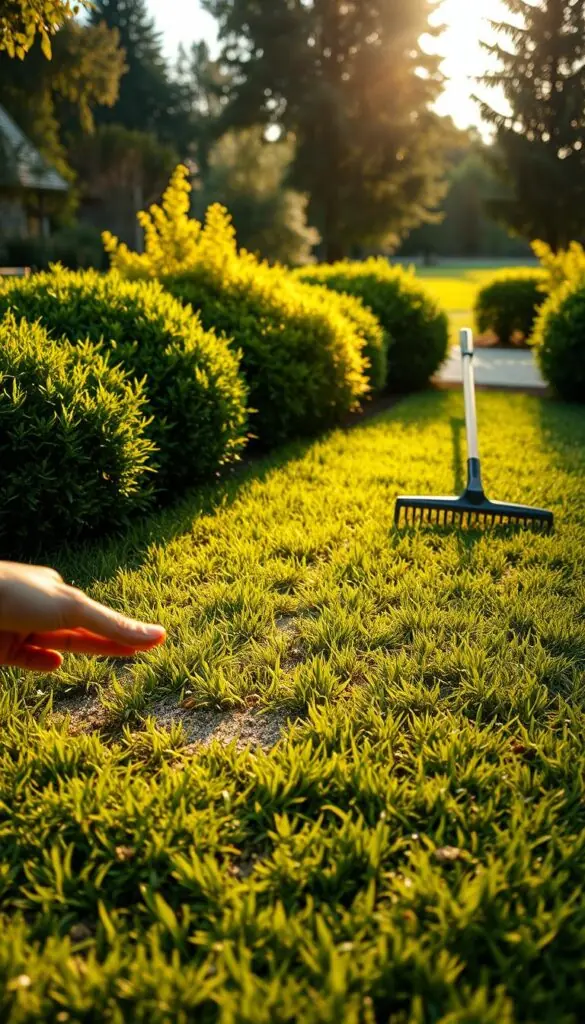
Check the forecast first. Don’t overseed before heavy rain — seeds can wash away into gutters or low spots. Pick a calm stretch of mild days as the best time to work.
Avoid common errors
Resist the urge to over-seed. Too much seed crowds the surface, lowers soil contact, and slows germination.
Never use weed-and-feed products when planting new seed. Herbicides can stop young roots before they start.
Fixes that actually work
- If thatch is thick, dethatch or core aerate so seedlings find real soil contact.
- For small bare spots, lightly re-rake, reseed, and keep the area evenly moist until shoots reach mowing height.
- If the seedbed looks puddled after watering, ease back — steady, light water beats a flood.
"Small corrections now save weeks of waiting later."
Keep notes on what worked this round so your next overseed fall or spring goes even smoother.
Conclusion
With a few steady steps, you can turn thin spots into a fuller, healthier yard that invites barefoot evenings.
Keep it simple: match your grass type, use quality grass seed, and give each area a thin 1/4‑inch layer of enriched soil for good contact.
Use a spreader, starter fertilizer, gentle water, and a tidy mow routine to protect seedlings as they grow. Light traffic and a few quiet days let new grass take hold.
Work in spring, fall, or a mild summer stretch. Repeat what succeeds, fix tiny spots with a pinch of seed, and enjoy the fresh air and soft, green results you created.
FAQ
What exactly is overseeding and why should I do it?
Overseeding is the practice of spreading new grass seed over an existing yard to fill thin spots, crowd out weeds, and improve color and density. It refreshes worn areas, helps different grass types blend, and promotes a healthier, more resilient turf with less bare soil.
When is the best time to overseed in the United States?
For cool-season grasses, late summer to early fall is ideal because soil stays warm for fast germination and weeds are less competitive. For warm-season grasses, late spring through mid-summer works best when soil temps reach about 70–90°F. If you want winter green in warm lawns, overseeding with perennial ryegrass in fall is common.
How do I know my soil temperature and why does it matter?
Use a simple soil thermometer to check the top 2 inches. Cool-season seeds germinate well at about 50–65°F; warm-season seeds prefer 70–90°F. Planting when soil is in the right range gives seeds a faster start and better chance against weeds and heat stress.
What tools and materials do I need to get the best results?
Core tools include a good mower, rake, quality grass seed, spreader, starter fertilizer, and some enriched topsoil. Renting a core aerator, dethatcher, or slit seeder helps for large or compacted yards. Choose a drop or broadcast spreader for even distribution depending on lawn size.
How should I prepare the area before spreading seed?
Mow low and remove clippings to improve seed-to-soil contact. Dethatch or aerate if thatch is thick. Rake away debris and lightly loosen the surface. Add a thin, quarter-inch layer of enriched topsoil if bare spots are deep—don’t smother existing grass.
How much seed should I apply and how do I spread it evenly?
Follow the seed bag’s recommended rate for overseeding; too much seed crowds and reduces contact. Use your spreader at the correct setting and make overlapping passes in a crisscross pattern for even coverage. For bare patches, apply a slightly higher local rate and press seed gently into the soil.
Should I use weed-and-feed or a starter fertilizer?
Avoid weed-and-feed products when planting; herbicides can stunt seedlings. Use a lawn starter fertilizer formulated for new grass and follow label rates. Apply about six weeks after germination with a balanced feed to encourage root growth.
What watering schedule helps seeds germinate without rotting?
Start with a deep soak right after seeding, then keep the topsoil consistently moist with light, frequent waterings several times a day until seedlings appear. As roots develop, reduce frequency and increase depth to encourage deeper rooting. Adjust for weather—more in heat, less in cool periods.
When can I mow the new grass and at what height?
Wait until seedlings reach about 3 inches tall before the first mow. Mow no more than one-third of the blade height at a time. After the first few cuts, raise the mower to about 3 inches to promote thicker, healthier growth.
How long before the new grass can handle foot traffic and pets?
Minimize traffic until grass is at least 1–2 inches tall and well established—usually several weeks. Avoid heavy play until roots are firmly anchored and the turf can spring back when walked on.
Which grass seed is best for sunny or shady yards?
Sunny yards do well with Kentucky bluegrass blends and a touch of perennial ryegrass for quick cover. Shaded areas benefit from fine fescues, which tolerate low light and have finer blades. Choose seed blends labeled for your region and light conditions.
Can I overseed over a thick thatch layer?
Thick thatch blocks seed from reaching soil. Dethatch or core aerate first to remove the dense layer, then overseed so seeds make direct soil contact and germinate more reliably.
What common mistakes should I avoid?
Don’t overseed before heavy rain that can wash seed away. Avoid over-seeding which causes crowding, and never mix seed with herbicide products. Also, skipping soil prep or failing to water consistently are frequent causes of poor germination.
How do I fix small bare spots after initial seeding?
For small areas, lightly rake, add a thin mix of topsoil and seed, and keep the patch evenly moist. Protect with a light straw cover if birds are a problem. Repeat if needed until seedlings establish.