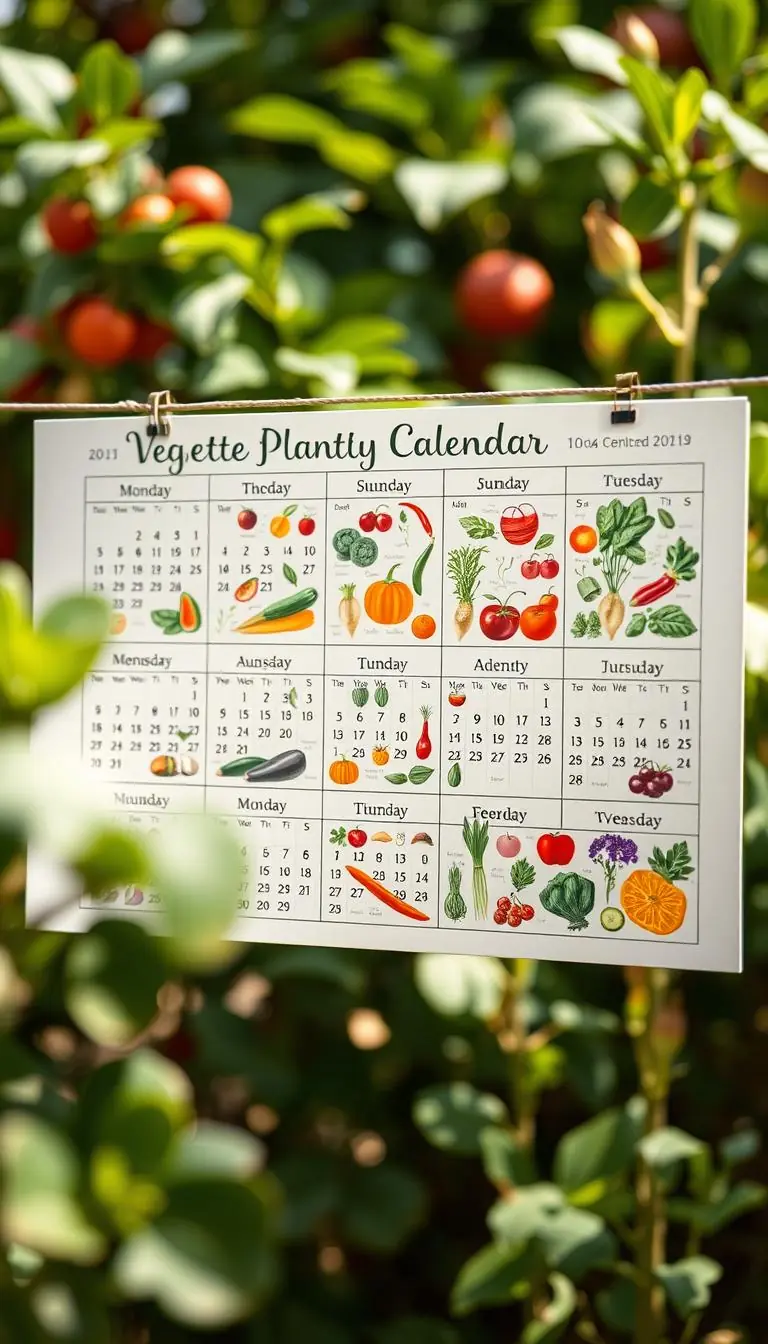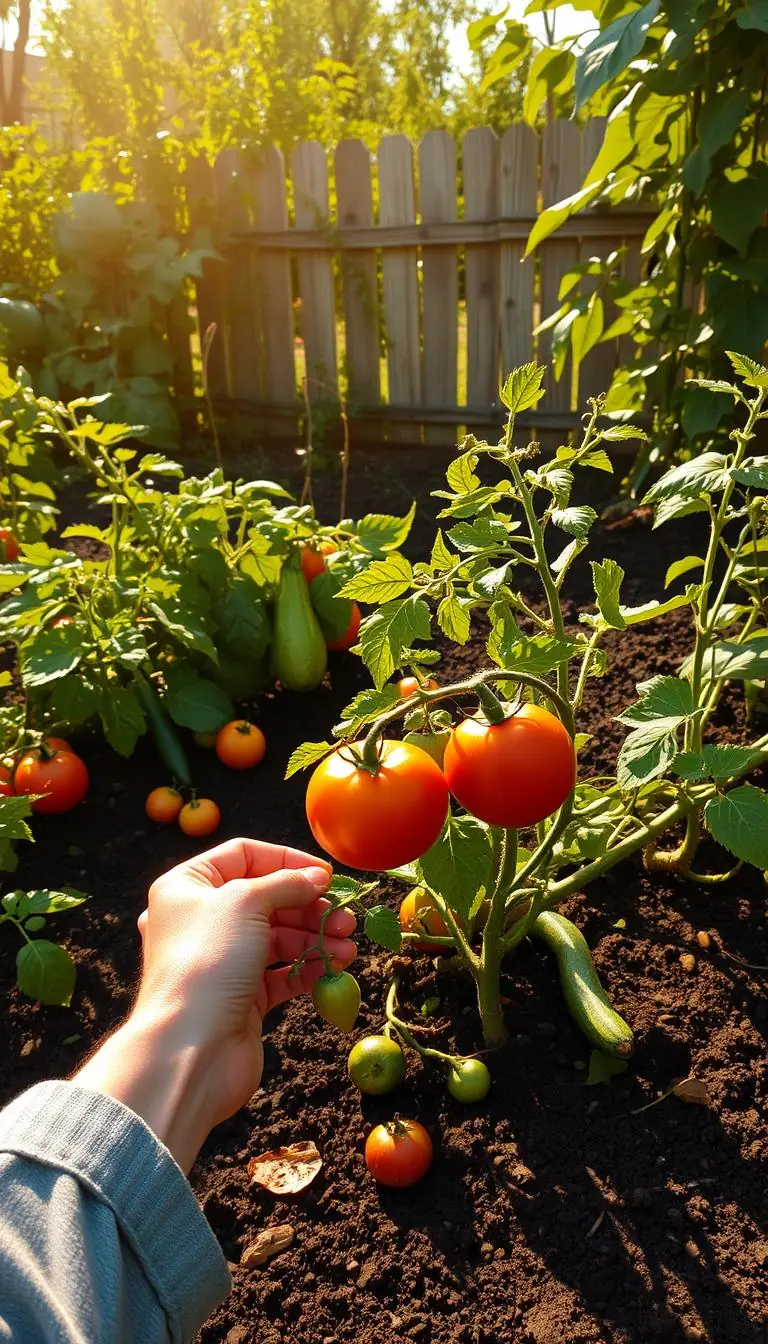
You bend to smell the sun-warmed soil and notice a few crisp greens ready for the kitchen. Have you wondered how to keep that patch looking lush year after year without fuss?
Think of a quiet, neighbor-approved plan that helps your vegetable garden stay productive. In a few easy steps we show a gentle way to move families of plants so soil stays rich and pests stay confused.
This method supports soil health, balances nutrients, and eases pest pressure over the years. We’ll cover simple tools you likely have—pencil and graph paper, a tape measure, plant labels, masking tape, a hose timer and lightweight row cover—to make planning quick and friendly.
Expect seasonal cues: a spring setup when the earth smells fresh, summer successions as foliage fills in, and a fall reset to tuck beds in. Beginners gain confidence with a small map and real examples, like shifting tomatoes away from last year’s spot or giving brassicas a netted home.
Key Takeaways
- You’ll learn a simple, neighborly way to plan crop rotation for small spaces.
- Rotating by plant family protects soil and helps keep pests at bay.
- Sketch a quick bed map and use labels to avoid repeating the same family in one spot.
- Use easy tools: pencil, graph paper, tape measure, masking tape, hose timer, row cover.
- Follow seasonal steps: spring setup, summer successions, and a fall reset.
What crop rotation is and why your small garden needs it
Changing where plant families grow each year is a simple habit that keeps beds healthy and pests off balance.
Simple definition you can use today:
Simple definition you can use today
Crop rotation means not planting the same plant family in the same spot two years in a row and aiming to return only after about three to four years.
In a small backyard that might mean sliding tomatoes one bed over and planting carrots or chard where tomatoes grew last year.
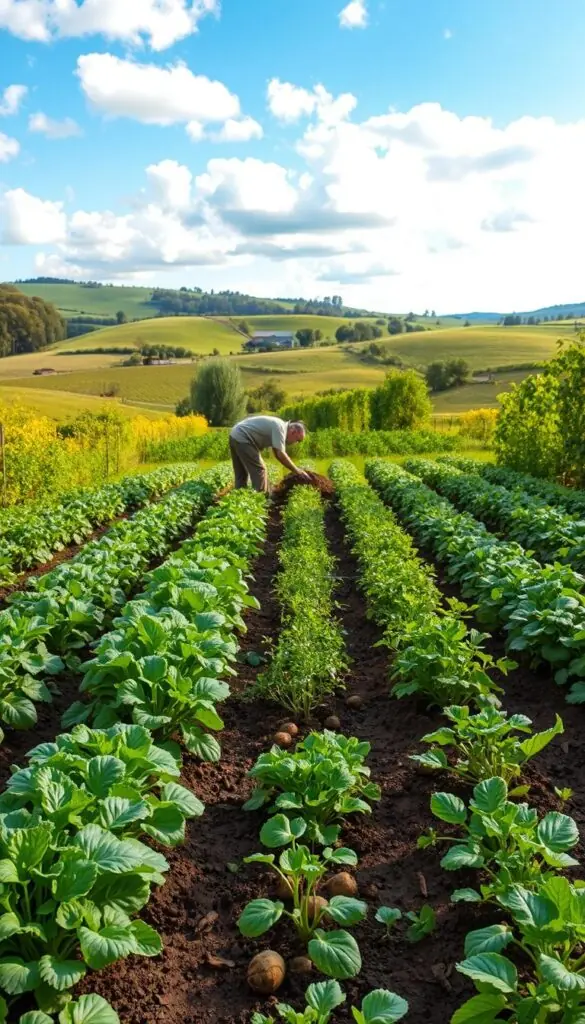
Real benefits you’ll notice: fewer pests, healthier soil, steadier yields
You’ll see fewer pests and fewer soil-borne diseases because many pests wait in the earth for their favorite hosts. Moving a whole family interrupts that cycle.
Deep-rooted plants make channels and lift minerals, while alternating heavy feeders with light feeders and legumes keeps nutrients balanced. The result is dark, crumbly soil and sunlit leaves that feel springy under your fingers.
- Quick example: If tomatoes were in Bed 1 last season, plant peas or beans there next to restore nitrogen, then follow with leafy greens.
- Keep nightshades (tomatoes, peppers, eggplant, potatoes) as a unit and move them together to limit shared problems.
- Keep a tiny sketch each year so you don’t repeat a family by accident.
| Bed | Last Year | This Year Suggestion |
|---|---|---|
| Bed 1 | Tomatoes (nightshades) | Peas/Beans (legumes) |
| Bed 2 | Squash (cucurbits) | Leafy greens / Brassicas |
| Bed 3 | Carrots & beets (roots) | Tomatoes or other heavy feeders |
Bottom line: This habit is small work for big benefits—healthier beds, steadier yields, and fewer headaches with pests and diseases.
Crop rotation essentials for tight spaces
In a tiny yard, thoughtful shifting of plant groups protects soil and keeps pests guessing.
Group by plant family, not by name. Keep nightshades together, brassicas together, and move those family blocks as one across beds over the next 3–4 years. This simple habit cuts disease and helps soil recover between heavy feeders.
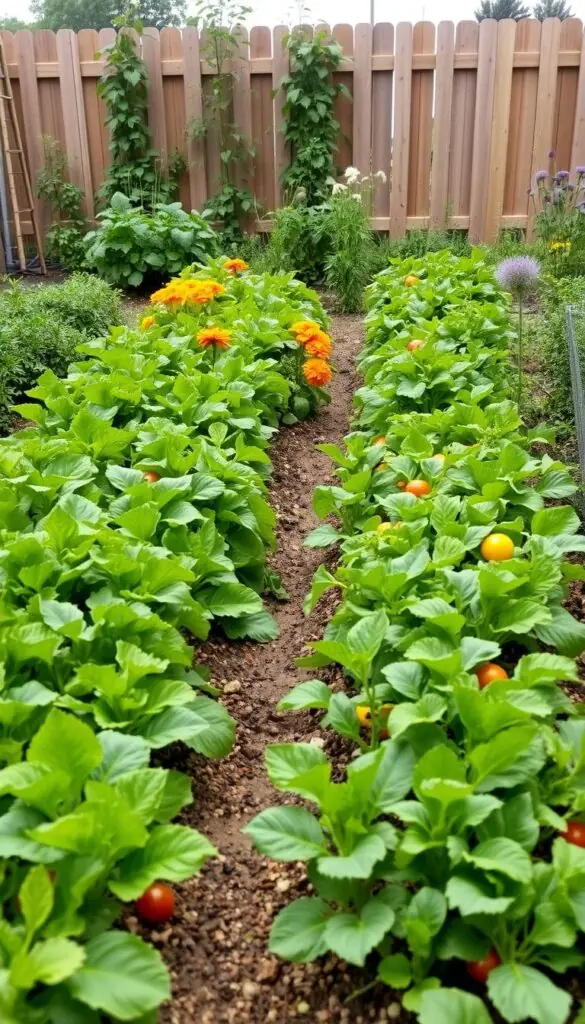
Make space work: raised beds, containers, and pocket plots
Divide your area into modular cedar beds or clear zones so soil stays discrete. Containers (10–15 gallon) are perfect: fresh potting mix for tomatoes and a dolly to wheel pots to a new place next season.
Pocket plots—tiny sunny corners by a fence—let you tuck cucumbers or herbs without disrupting the main bed. Use drip lines and netting over brassicas to protect plants without sprays.
When perennials stay put: asparagus, rhubarb, and mint
Perennials like asparagus and rhubarb are long-term residents; don’t dig them up. Keep mint contained in a pot so it won’t take over and confuse your layout.
If space is tight, swap with a neighbor. You grow legumes this year while they handle squash, then trade next season—an easy way to expand options and keep soil healthy.
- Quick tips: think families first; fix edges; use containers to move disease-prone vegetables; keep weeds down—many harbor pests and disease.
Crop rotation step-by-step in your vegetable garden
Sketch your beds now and save time when spring soil feels cool under your hands. A small map keeps the plan friendly and easy to follow.
Essentials checklist:
- Sketch a garden chart with bed numbers and assign each bed a plant family. Keep the chart in a zip bag by the gate.
- Place heavy feeders in your richest soil this spring, then follow them with light feeders and finally legumes to restore nitrogen.
- Slot legumes (peas or beans) before leaf-hungry greens; in fall clip vines at the soil line so roots remain to feed the soil.
- Add cover plantings to protect bare beds — choose cereal rye or oats after summer crops, or crimson clover before spring plantings.
- Weed weekly; many weeds share families with your vegetables and can host pests and disease between plantings.
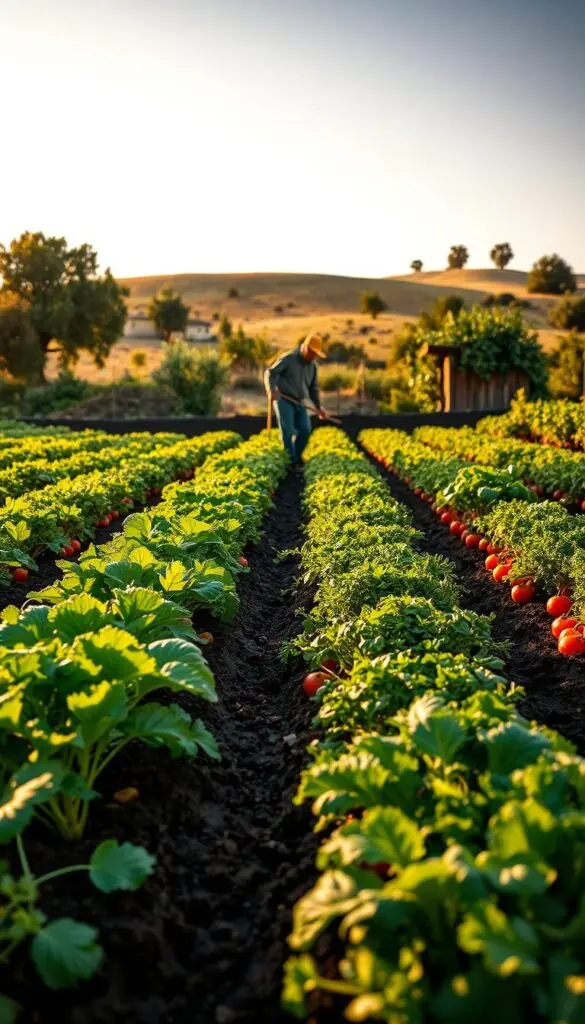
Timing, tools, and quick mistakes
Map in late winter. Plant cool-season beds as the soil warms. Do summer successions and reset beds in fall with mulch or a cover planting.
Use a pencil, tape, and masking-tape labels on stakes so you never forget what goes where. Take five minutes after planting to note dates on your chart.
Common errors to avoid: don’t plant tomatoes after potatoes, don’t mix soil between zones, and don’t skip record-keeping. These small habits protect soil health and break pest cycles over years.
- Note root-depth differences: follow deep-rooted with shallow-rooted crops to keep soil structure lively.
- Listen for the rustle of cover plants in fall — they signal a living blanket that holds nutrients and reduces erosion.
Know your families: tomatoes, greens, roots, and more
Start by learning the big families in your beds so each planting makes sense.
Nightshades
Examples: tomatoes, peppers, eggplant, potatoes.
These are heavy feeders and often share diseases and pests. Keep them together and avoid planting tomatoes where potatoes grew last year.
Brassicas
Examples: cabbage, broccoli, kale, radishes.
They love nitrogen. Plant them after legumes and use netting to block cabbage moths.
Cucurbits
Examples: cucumbers, squash, melons.
Give these rich beds and move them each season to reduce disease carryover.
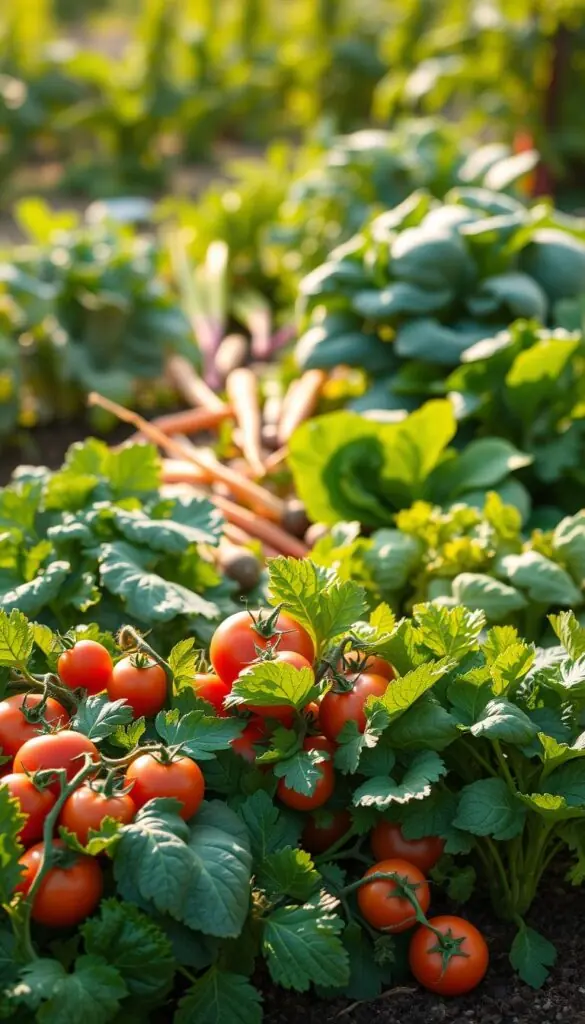
"Follow peas with leafy greens or brassicas, then move to roots like carrots to keep soil in balance."
Legumes, alliums, umbellifers, and others
- Legumes (peas, beans) fix nitrogen—clip vines at the soil line after harvest.
- Alliums (onion, garlic) prefer steady moisture and potassium-rich spots.
- Umbellifers (carrot, parsley, dill) loosen soil with deep roots and add fragrance—watch for glossy green leaves as a health sign.
- Amaranths (beet, chard, spinach) fit well between cool and warm seasons.
| Family | Needs | Quick caution |
|---|---|---|
| Nightshades | Warm sun, rich soil | Don't follow potatoes with tomatoes |
| Brassicas | Nitrogen-rich beds, netting | Susceptible to cabbage moths |
| Legumes | Fix nitrogen, light soil | Leave roots to decompose after harvest |
Season-by-season rotation plans and real examples
Plan each season like a friendly handoff—one family moves on, another takes its place, and the beds breathe easier.
Three-bed rotation for beginners
Simple loop: Bed A — nightshades (tomatoes, peppers); Bed B — brassicas and leafy greens; Bed C — legumes then roots.
Next year slide each family forward one bed. This balance keeps soil fertility steady and breaks pest cycles.
Four-bed rotation with cool- and warm-season crops
Use four beds to separate cool and warm sequences. Example: Bed 1 springs peas to summer greens, Bed 2 springs brassicas to late carrots, Bed 3 onions/garlic to fall spinach, Bed 4 summer cucurbits to fall oats.
Rotate families clockwise each year and keep a small chart in the shed for quick reference.
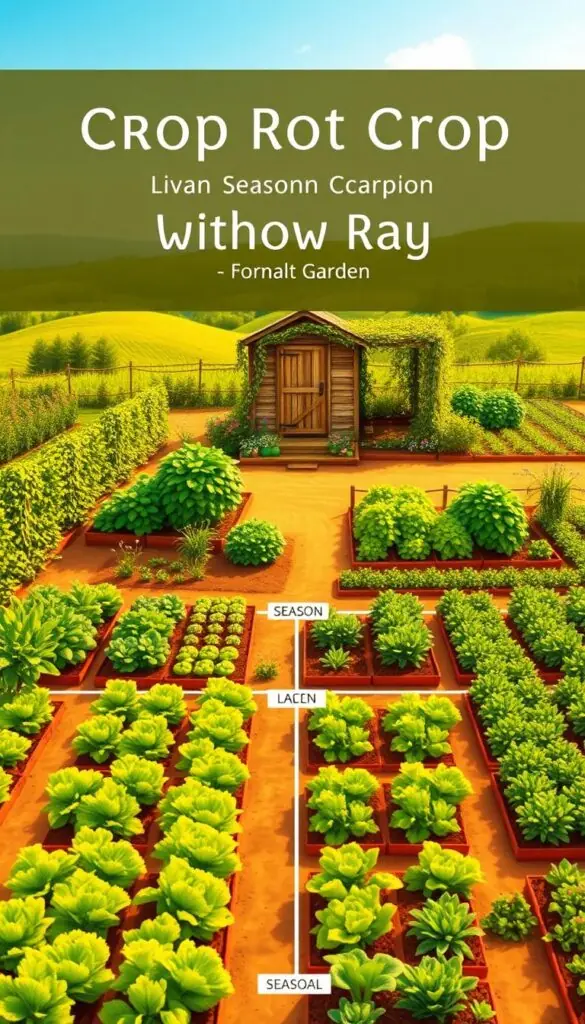
Container workaround for disease-prone tomatoes
Grow tomatoes in 15–20 gallon pots with fresh mix. Move pots annually to avoid carrying soil-borne issues into bed areas.
Use row covers for young brassicas and a simple rotation chart taped inside your shed to track changes.
Timing cues: spring setups, summer successions, fall resets
Zone timing (approx.): Zones 5–6 plant peas late March–April, brassicas April–May, tomatoes after last frost in mid-May–June. Zones 7–8 shift 2–4 weeks earlier.
Sensory cue: when soil feels warm and birdsong is steady, it’s time for warm-season planting; cool nights and crisp air signal fall resets.
"When you plan by season and bed, the garden rewards you with steadier yields and healthier soil."
| Plan | Example sequence | When to plant (Zones 5–8) |
|---|---|---|
| Three-bed | Year 1: Nightshades → Brassicas → Legumes/Roots | Peas Mar–Apr; Tomatoes May–Jun; Fall sow Aug–Sep |
| Four-bed | Bed 1 peas → greens; Bed 2 brassicas → carrots; Bed 3 alliums → spinach; Bed 4 cucurbits → oats | Adjust 2–4 weeks earlier in Zones 7–8 |
| Containers | Tomatoes in 15–20 gal pots; move yearly; fresh mix | Start indoors 4–6 weeks before last frost; set out after frost risk |
- Sketch a small chart with bed numbers and families and update it each year.
- Use cover plants (crimson clover, cereal rye, buckwheat) between seasons to protect soil and add nitrogen.
- Succession idea: pull spring lettuce, then plant bush beans; pull garlic, then slip in kale for fall.
Conclusion
Evening sun warms the beds as you stand with a pencil and a simple map, ready to plan the year ahead. Start small: assign each plant family a home and note it on the sketch. This tiny act makes crop rotation important and easy to keep.
Why it helps: Moving families every few years, leaving legume roots to add nitrogen, and keeping weeds down protects the soil and lowers pests and disease. Perennials can stay put; imperfect shifts still improve soil and break pest cycles over time.
Tuck a quick chart in your shed, trust what your senses tell you when the soil feels springy, and enjoy your vegetable garden. Your beds will grow stronger and more rewarding season after season.
FAQ
What is plant rotation and why does my small garden need it?
Plant rotation means moving different plant families to new spots each season. For a small garden, it breaks pest and disease cycles, balances soil nutrients, and helps plants grow more vigorously. You’ll see fewer slug and blight issues and steadier yields when you avoid planting the same family in the same bed year after year.
How can I explain this simply to get started today?
Think of beds as rooms with different appetites. One year a bed hosts heavy feeders like tomatoes or corn, the next year give it legumes like peas or beans to restore nitrogen, then follow with light feeders such as leafy greens. A simple plan like this keeps soil lively without complicated steps.
What real benefits will I notice in my backyard?
You’ll notice healthier soil texture, fewer recurring pests and diseases, and more reliable harvests. Vegetables like peppers and brassicas often show fewer problems. Plus, alternating families reduces the need for chemical controls and improves long-term fertility.
How do I group plants if I have very little space?
Group by plant family: nightshades (tomatoes, peppers, potatoes), brassicas (broccoli, cabbage, kale), cucurbits (cucumbers, squash, melons), roots (carrots, beets), and legumes (peas, beans). Even in a small plot or containers, keeping families separate helps you plan simple swaps each season.
What are practical ways to make limited space work?
Use raised beds, containers, and pocket plots to create clear planting zones. Containers let you move problem plants or isolate diseased crops. Raised beds improve drainage and give you more control over soil mixes for specific families.
Should perennials be moved too?
Perennials like asparagus, rhubarb, and mint are best left in place. They provide long-term structure and can act as stable anchors in your layout. Keep annual rotation focused around them rather than trying to relocate deep-rooted, established plants.
How do I map my beds and assign each plant family a home?
Draw a simple sketch of your beds and label each with the family planted this year. Next season, shift families so none returns to the same bed for at least two to three years. Keep a garden journal with dates and plantings to track progress easily.
How do I balance heavy feeders, light feeders, and nitrogen-fixers?
Alternate heavy feeders (tomatoes, corn) with legumes (peas, beans) to replenish nitrogen, followed by light feeders (lettuce, spinach). This cycle helps maintain nutrient balance and reduces the need for synthetic fertilizers.
Can I add cover crops and still follow family rules?
Yes. Use cover crops like clover, vetch, or rye in a bed between vegetable plantings. Leguminous covers boost nitrogen, while grasses add organic matter. Just don’t plant a cover from the same family you plan to grow next; keep the family pattern in mind.
How do I prevent weeds from hosting pests between plantings?
Keep beds mulched and pull weeds promptly. Plant quick-growing covers or a green manure to outcompete weeds. Clean plant debris at season’s end to reduce overwintering pest habitat.
Which common families should I memorize first?
Start with nightshades (tomatoes, peppers, potatoes, eggplant), brassicas (broccoli, cabbage, kale, radishes), cucurbits (cucumbers, squash, melons), and legumes (peas, beans). These groups cover most backyard vegetables and make planning straightforward.
What about alliums, umbellifers, and amaranths?
Alliums (onions, garlic), umbellifers (carrots, parsley), and amaranths (amaranth, quinoa) are useful rotation groups. They have different nutrient needs and pest profiles, so moving them around helps balance the garden and break pest cycles.
Can you give a simple three-bed plan for beginners?
Yes: Bed A: heavy feeders (tomatoes, corn), Bed B: legumes (peas, beans), Bed C: light feeders and leafy greens. The next season rotate A→B, B→C, C→A. This keeps families moving and the soil refreshed each year.
How does a four-bed plan work with cool and warm seasons?
Use one bed for cool-season brassicas, one for warm-season nightshades, one for legumes, and one for roots or cucurbits. Rotate families so beds host different-season crops across years, helping manage disease and extend harvests.
What’s a container workaround for disease-prone tomatoes?
Grow tomatoes in fresh potting mix and change containers or sterilize large pots after disease outbreaks. Rotate containers by using them for a different family the next season—leafy greens or herbs—so tomatoes don’t return to the same soil.
What timing cues help with planning across seasons?
In spring, map beds and plant cool-season crops; in summer, follow with warm-season plantings; in fall, sow cover crops or quick greens. Reset beds after harvest and adjust your map so families shift to new homes each year.