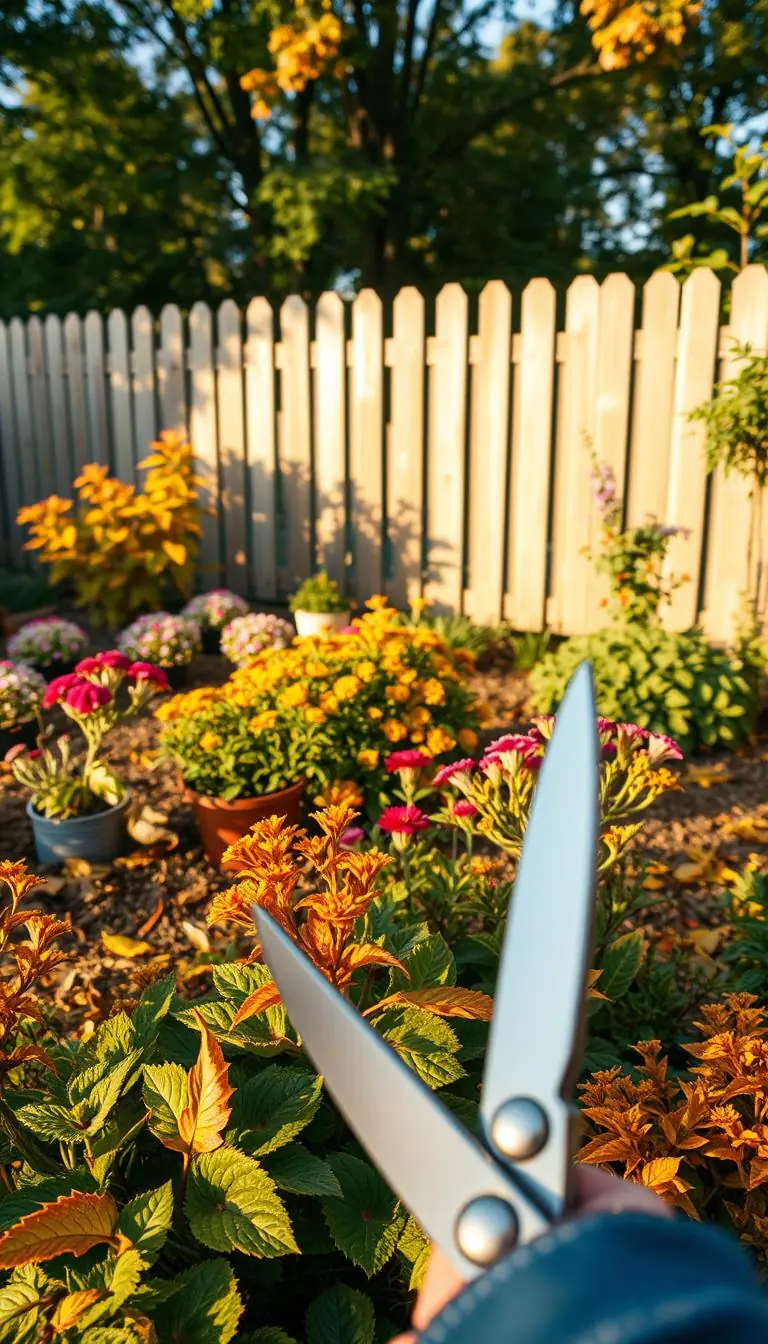
Imagine the quiet hush over beds and the crisp scent of oil on a freshly sanded handle. Have you noticed small chores that, done now, make spring feel effortless? This short guide gives you calm, step-by-step direction so you can plan simple upkeep without stress.
We cover the right way to tune up tools like a wire brush, sharpen pruners, and wipe wooden handles with linseed oil. You’ll learn seed-order timing, a basic crop rotation plan, and easy seed-starting steps for cool-season plants.
By the end, you’ll have a clear list and a calm plan that saves you time now and sets your growing season up for success. Expect practical examples, safe storage tips, and neighborly reminders so nothing slips through the cracks.
Key Takeaways
- Clean and oil tools; sand handles and stash hoses above freezing.
- Order seeds early and test old seeds for germination.
- Plan a 3–4 year crop rotation to protect soil health.
- Protect perennials from frost heave and reuse evergreens as mulch.
- Prune in late winter and brush snow up; don’t remove ice aggressively.
Set the winter scene: calm, simple steps to care for your garden until spring
Imagine stepping outside to a yard paused under soft light, where small, steady care keeps beauty safe until spring.
The air feels crisp and the colors are muted. Take short walks after mild weather to note leaning supports, broken branches, or any visible damage.
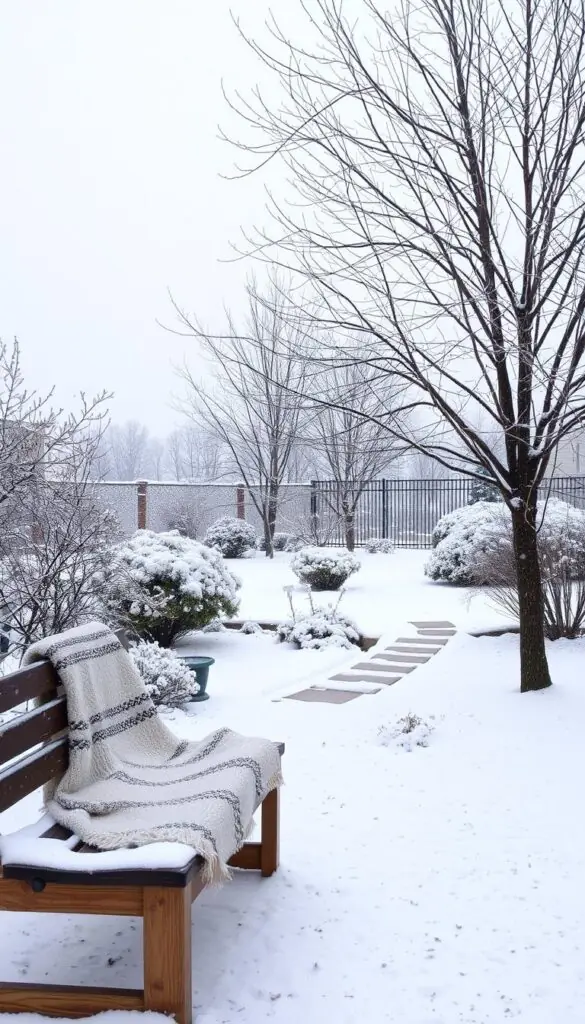
Keep an eye on temperatures during the winter months. Brief thaws can expose crowns and soil; gently tuck plants back in to prevent drying.
- Brush away broken twigs and leaves after windy weather so air circulates and moisture doesn't linger.
- Tidy paths, coil hoses you store indoors, and stage materials for late-season work.
- Work in short bursts—15 minutes at a time keeps you warm and steady.
"Short, calm sessions now help your beds wake healthy and ready when spring arrives."
Bring the season indoors by visiting a conservatory for ideas and to refresh your gardening plans. Keep tools and notes together so your next outing flows smoothly.
| When | Small action | Why it helps |
|---|---|---|
| After mild days | Walk and note fixes | Prevents small damage from growing |
| After wind | Brush beds lightly | Improves air flow and reduces rot |
| Before deep freeze | Add extra mulch | Buffers temperatures and protects roots |
Tune up tools and gear for a smoother spring
A few careful minutes with your tools now saves hours of strain and surprise come spring.

Quick tool tune-up: Start by removing caked soil with a wire brush or putty knife. Rinse metal parts with a strong stream and dry them completely.
Sharpen hoe, shovel, and spade edges with a file until the edge feels crisp. The clean snip of a sharpened blade makes work easier and kinder on your hands.
Sanitize pruners and pots to stop disease before it starts
Wipe blades with WD-40 or an oily rag to prevent rust. Sand splinters from wooden handles, then rub linseed oil on them for a smooth, warm grip you’ll notice at first touch.
- Drain hoses, coil them, and store in a heated area to avoid freeze damage and springtime leaks.
- Triple-rinse sprayers and hang upside down so seals and nozzles dry fully.
- Sanitize pruners, loppers, and saws between uses to stop disease spread; disinfect nursery pots and cell packs now so seed trays are ready.
- Grease wheelbarrow wheels and touch up scuffed paint to block rust; hang long-handled tools on wall hooks for dry storage.
Make sure you set aside a short block of time each week. These small ways of caring for material and gear protect your tools, reduce future damage, and give you confident gardening all year.
Soil, beds, and compost: protect, prepare, and simplify
Golden straw and rustling leaves do more than look nice—they steady temperatures and guard shallow roots.
Add a light mulch of 2–3 inches of shredded leaves or straw to stabilize soil and protect shallow roots. Pine needles work well on exposed areas; they breathe and hold in place when wind picks up.
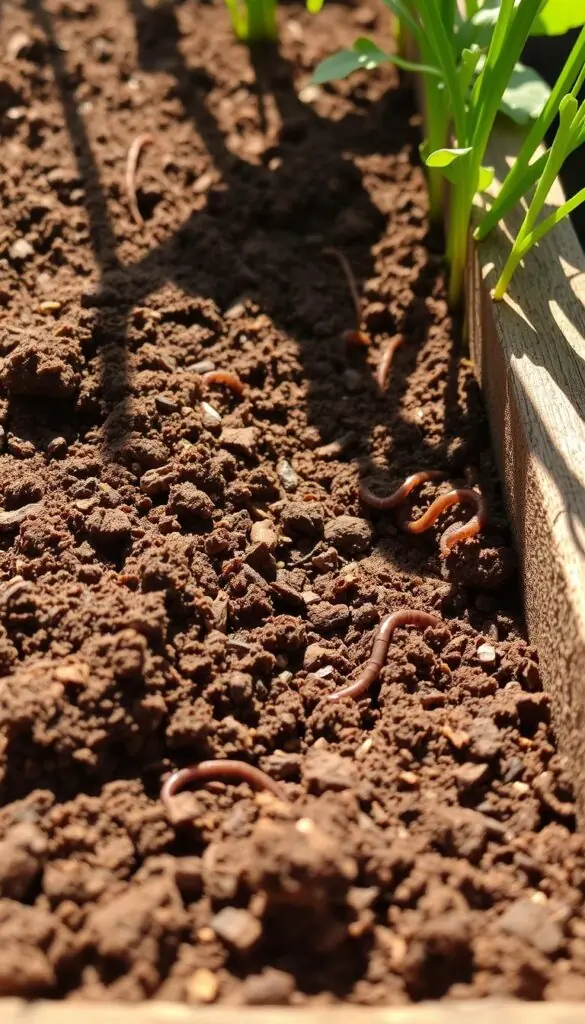
Pull mulch back a few inches from plant crowns so crowns stay dry during any mid-season thaw. This prevents rot and keeps pests from finding cozy hiding spots.
- Spread a thin layer of finished compost over beds; snowmelt and early rains will wash it in and feed steady growth.
- If weeds were a problem, consider winter solarization: clear the bed and cover with thick black plastic for 8–10 weeks to suppress stubborn growth.
- Build clear bed edges now so mulch stays neat and spring cleanup takes less time.
Keep compost clean: never add diseased stems or pest-ridden material. Toss those in the trash so your compost remains a safe, rich material for future use.
After a thaw, check drainage. If water pools, open small channels so beds dry faster and roots get oxygen. A few minutes of care now saves you chores come spring.
🌿 Related Reading
Perennials in cold weather: prevent frost heave and protect tender roots
On warmer days, do a quick lap around your beds to find crowns that have lifted.
Check newly planted or shallow-rooted perennials like coral bells (heuchera) and daylily first. After a thaw, you may spot a crown poking above the soil. Gently press the soil back around the exposed roots so the crown sits level with surrounding soil. This keeps the plant from drying and reduces long-term damage.

Recycling cut Christmas trees for mulch and shelter
Reuse boughs from your cut tree as a soft mulch layer. Evergreen branches trap light snow and buffer sudden temperature swings. Lay them loosely so leaves and crowns can breathe and won’t stay soggy.
- Walk beds after a thaw and tamp lifted crowns back into place.
- Use evergreen boughs as a cushion and a wildlife shelter; hang suet or seed to invite birds.
- Check stored tender bulbs (dahlias, cannas) monthly; remove any rot and keep the rest slightly moist.
- Avoid piling heavy, wet snow on shrubs; brush gently upward if branches bend.
| Issue | Quick fix | Why it helps |
|---|---|---|
| Frost heave | Re-seat crown, tamp soil | Prevents roots from drying and reduces transplant shock |
| Exposed crowns | Loose leaf or bough mulch | Buffers temperature swings and protects shallow roots |
| Stored tender roots | Monthly inspection, remove rot | Stops spread of mold and preserves healthy tubers |
"A small, calm check now saves you time and helps plants wake strong in spring."
Vegetable garden planning and seed strategy for the growing season ahead
A simple map of your beds saves time and helps you rotate crops with confidence.
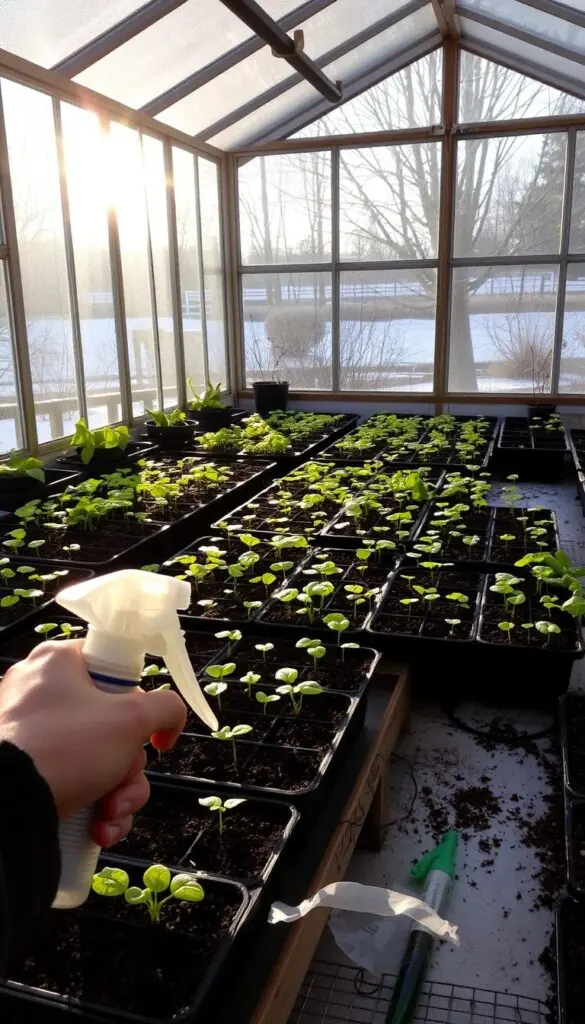
Map beds and rotate plant families for 3–4 years
Sketch each bed on paper. Mark where nightshades, brassicas, and alliums grew last year.
Rotate so those families move to a new bed for 3–4 years. This cuts pests and disease and keeps soil balanced.
Order seeds early and test older stock
Order seeds now for broccoli, kale, and onions—these sell fast. Do a quick germination test with 10 seeds on a damp paper towel to check viability in a few days.
Gather seed-starting supplies and note sow dates
Collect sterile soilless mix, trays or cell packs, labels, and bright lights. Add a heat mat if your space is cool.
- Pencil sow dates by counting back weeks from your last frost (Zones 4–6: brassicas often start 6–8 weeks early).
- Top-dress early beds with a light layer of compost before planting.
- Label trays clearly so seedlings don’t get mixed up.
Common mistakes to avoid: replanting the same family in the same spot, starting seeds too late, or skipping supplemental lights. One thoughtful plan now will extend your growing season and boost yields later.
Start cool-season seedlings and early annuals indoors
Plan your indoor seed-starting calendar by counting weeks back from your last frost date.
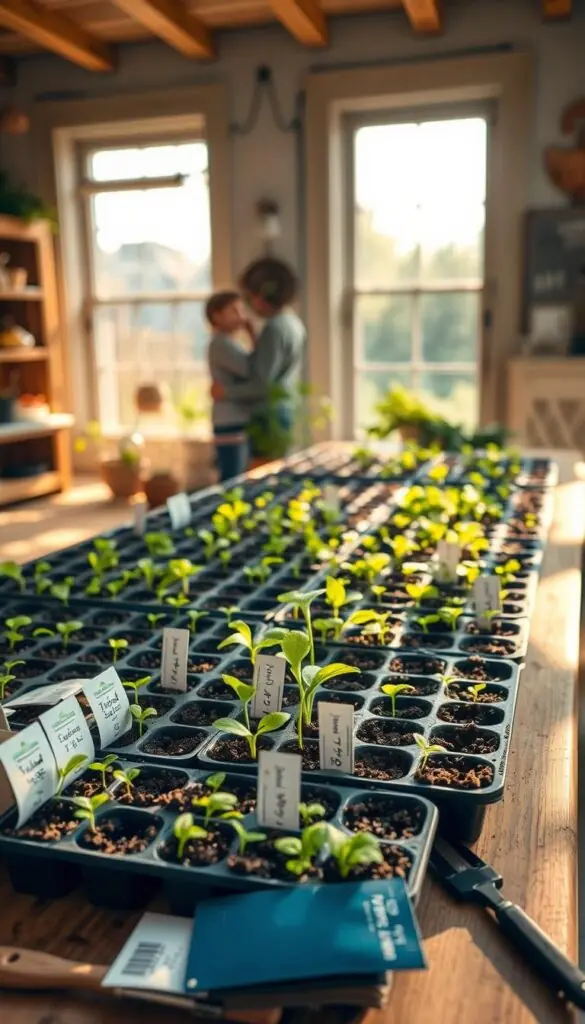
Timing at a glance: Count back from last frost. For many vegetables like broccoli, cabbage, kale, and onions start seeds 6–8 weeks before transplanting. Cool-season annuals (pansy, snapdragon, sweet alyssum) do best when sown 8–10 weeks ahead. Slow starters (geranium, lisianthus, petunia) need 10+ weeks.
Simple steps for steady growth
- Use sterile soilless mix, moistened to a wrung-out sponge; that damp mix helps quick germination.
- Set lights 2–3 inches above sprouts and raise them as stems lengthen; good light prevents legginess.
- Keep day temperatures in the 60s, slightly cooler at night; fresh air circulation lowers damping-off risk.
- Bottom-water trays so the surface stays even; label each tray with variety and sowing date.
- Harden off by easing plants outside a few hours on mild days before spring planting.
Start a small batch each week to spread out work and ensure transplants are ready when soil says it’s time. These short, calm steps give you healthy seedlings and earlier color in your spring garden.
Trees and shrubs: late-winter pruning, snow and ice, and wildlife protection
Late-season pruning sets trees and shrubs up to leaf out with clear structure and fewer surprises.
What to prune in late winter for healthy structure
Choose a mild day and start with the obvious: remove damaged, diseased, or dead wood first. A clean cut just outside the branch collar helps the plant heal.
Next, take out rubbing or crossing limbs to open the canopy. You’ll hear the crisp snap of a dead twig as it comes away—an easy sign you did the right thing.
Snow versus ice: how to handle loads safely
If heavy snow weighs on evergreens, brush upward gently with a broom so branches return to shape. This way you avoid the sudden break that happens when weight builds.
Leave ice alone. Tapping or forcing ice off can cause more damage; let a slight rise in temperatures melt it at its own pace.
Guard against rabbits, deer, and salt damage
Wrap young trunks or set wire cages around small shrubs in exposed areas to stop nibbling. Check protections weekly and adjust as needed.
Avoid piling salt-laden snow near roots—salt harms soil and plants. Redirect shoveled piles to low-importance spots and plan corrective pruning over a few weeks, not all at once.
"A short walk and a few careful cuts now keep your trees balanced and ready for spring."
Gentle indoor and wildlife-friendly winter garden tasks
A few cozy rituals by the window can summon birdsong and early blooms into your home.

Keep your outdoor view lively with small, easy actions that help birds and coax buds to open. These are low-effort ways to stay connected when beds rest.
Feed backyard birds and keep unfrozen water available
Make sure feeders are topped up during the coldest months. Suet, black oil sunflower seed, and mixed seed attract a steady chorus and steady activity.
Offer open water with a heated bird bath or a shallow bowl on a heated base. The gentle steam and clinking water invite birds to drink and bathe when ice forms.
Force flowering branches and consider tapping maples
Clip forsythia, pussy willow, serviceberry, or crabapple with plump buds. Recut stems under warm water and stand them in a tall vase.
In a week or two you’ll notice buds swell and scent the room—bright yellow, soft catkins, and the fresh air of new growth.
- Choose branches with round, plump buds for the best results.
- Save a few evergreen leaves and twigs for simple indoor arrangements.
- Maple tapping can begin late February to early March; only tap trees 10+ inches across and gather gear ahead of time.
"Small, steady care now brings life to your windowsill and helps backyard wildlife through cold snaps."
Keep a short fridge plan: refill seed, refresh water, and rotate which branches you force each week. These quiet chores give comfort and make spring feel closer when light returns.
winter garden tasks checklist to carry you into spring
A quick, clear checklist turns scattered chores into a calm plan you’ll actually follow.
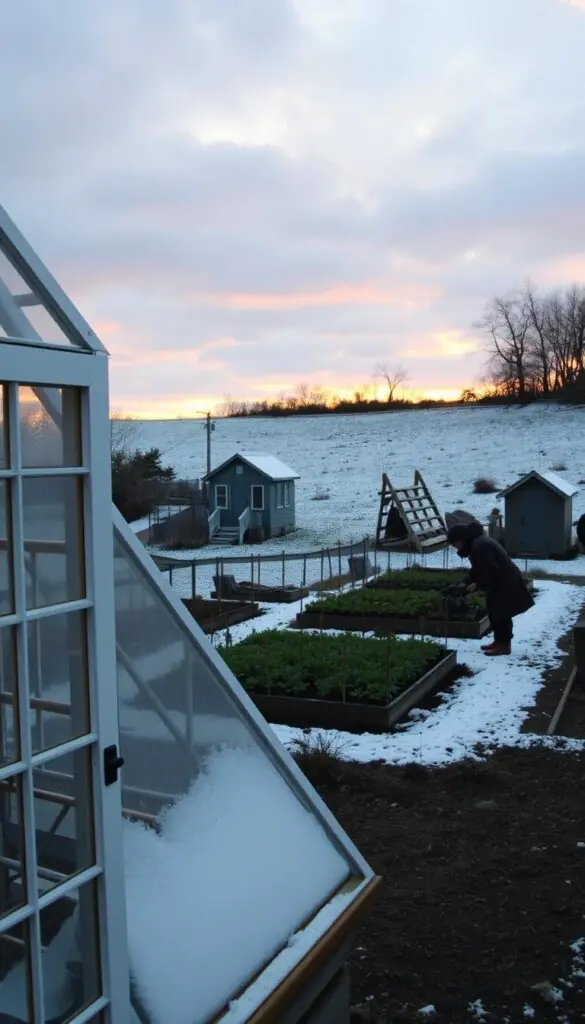
Use this short list as your pocket guide. Work in 15–60 minute bursts and check off items as you go.
- Tools: Clean, sharpen, and oil blades. Sand handles and rub linseed oil. Make sure everything is dry before storage.
- Sanitize: Wipe pruners and wash containers so seedlings start disease-free.
- Hoses & sprayers: Drain hoses, store in warm areas, and triple-rinse sprayers; keep chemicals above 40°F.
- Plan beds: Sketch beds and map a 3–4 year crop rotation to cut pests and protect soil.
- Seeds: Order early, test older seed for germination, and gather lights, trays, labels, and soilless mix.
- Perennials & mulch: Lightly mulch exposed soil, check for frost heave, and tuck crowns back in as needed.
- Reuse: Recycle your Christmas tree: boughs make mulch and shelter; hang suet or seed for birds.
- Trees & shrubs: Prune in late winter, brush snow upward from branches, and leave ice to melt on its own.
- Protect: Guard trunks from rabbits and deer and keep salty snow away from beds and roots.
- Weed control: Consider solarization with black plastic for 8–10 weeks on weedy areas before spring work.
- Compost: Keep diseased material out; discard it so pests don’t carry over into the next year.
"A little care now saves a lot later—use this list each year and your growing season starts stronger."
Quick reminder: Revisit this guide every few weeks through the season. Small, steady steps prevent damage and make spring simple and joyful.
Conclusion
Quiet prep—cleaned tools, tucked crowns, and labeled seed trays—translates to earlier, healthier growth.
A few calm hours now mean cleaner tools, cozier soil, and plans that steer your spring work. Late‑winter pruning, safe handling of snow and ice, and forcing branches bring visible rewards and steady growth.
You’ve protected plants and trees, set crops and vegetables in motion, and kept seeds and notes ready. A light top‑dress of compost and clean compost pile routines keep soil healthy for the growing season.
Keep this guide close, revisit your checklist, and enjoy the soft air and birdsong. When spring arrives, your garden will be ready—and you’ll step outside with confidence and joy.
🌿 Related Reading
FAQ
What should I include on a winter garden care checklist?
Start with simple, high-impact items: mulch beds to protect soil and roots, tidy and sharpen tools, inspect perennials for frost heave, map and rotate vegetable beds for the coming season, and stock seed-starting supplies like trays and soilless mix. Add bird feeders and unfrozen water for wildlife. These steps keep your outdoor space healthy and make spring easier.
When is the best time to tune up tools and gear?
Now is a good time—any clear, dry day in the cold months works. Clean dirt and sap off shovels and pruners, sharpen blades, oil moving parts with a light machine oil like 3-in-1, and store tools somewhere dry to prevent rust. Sanitizing pruners and pots reduces disease carryover into spring.
How should I mulch to protect soil and plants?
Apply a 2–4 inch layer of organic mulch like shredded bark or leaf compost over beds after the ground has cooled. Keep mulch a few inches away from stems and trunks to avoid rot. Mulch stabilizes soil temperature, preserves moisture, and helps prevent frost heave.
What is frost heave and how do I prevent it?
Frost heave happens when freeze-thaw cycles lift small plants and crowns out of the soil. Prevent it by mulching, adding a layer of straw or leaves, and on mild days gently pressing crowns back into the soil. For tender perennials, consider insulating with burlap or a cloche on exposed nights.
Can I reuse my Christmas tree in the yard?
Yes. Recycle cut evergreens by placing the tree as a windbreak, using branches for mulch around shrubs, or chipping it for pathways. Left whole, it provides shelter and perching for birds and beneficial insects until spring.
How do I plan vegetable beds during colder months?
Map your beds and rotate plant families on a 3–4 year cycle to reduce soil-borne diseases and pests. Note family groupings (brassicas, nightshades, legumes) and plan where each will go next season. Order seeds early and test germination of stored packets to avoid surprises.
When should I start cool-season seedlings indoors?
Count backwards from your average last frost date. Many cool-season crops—broccoli, onions, pansies—are started 6–8 weeks before last frost. Use grow lights, a soilless mix, and labeled trays to give seedlings a healthy head start.
What late-winter pruning should I do on trees and shrubs?
Late winter is great for structural pruning while plants are dormant. Remove dead, diseased, or crossing branches and thin crowded canopies to improve air flow. Avoid heavy pruning of spring-flowering shrubs until after they bloom to preserve blossoms.
How do I deal with snow and ice on branches?
Brush off loose snow by sweeping upward with a soft broom to avoid breaking branches. Do not try to chip or pry off ice—let it melt naturally. For heavy snow loads, work gently and remove weight in small increments to minimize damage.
How can I protect plants from wildlife and salt damage?
Use tree guards or hardware cloth to deter rabbits and wrap trunks in breathable tree wrap for deer and rodent protection. For salt damage near walkways, use de-icing products labeled safe for landscapes or keep a buffer of mulch and resilient plants between salted areas and sensitive beds.
What gentle indoor projects support wildlife and brighten winter days?
Feed backyard birds with suet, nyjer seed, and mixed seed blends; keep water from freezing with a heated birdbath or shallow water dish. Force branches of bulbs like forsythia or serviceberry in a vase for early blooms and enjoy the seasonal ritual of tapping sugar maples if you have access.
How do I test old seeds to know if they’ll germinate?
Place 10 seeds on a damp paper towel, fold it, and seal in a plastic bag. Keep it warm and check in 7–14 days. Count how many sprout to calculate germination rate. If under 60–70%, order fresh seed or sow extra to compensate.
When should I start amending soil and the compost pile?
Add compost and organic amendments in late winter to early spring when beds are workable but before heavy planting. Turn your compost now if temperatures allow; layering greens and browns keeps the pile active and ready to enrich beds when planting begins.
What seed-starting supplies should I gather now?
Stock trays, a sterile soilless mix, bright grow lights or LED fixtures, labels, a gentle heat mat for warm-loving crops, and a spray bottle for misting. Having these on hand makes early sowing smooth and increases seedling success.
How can I protect tender roots and pots from freezing?
Group pots together in a sheltered spot, wrap containers with bubble wrap or burlap, and raise them off cold surfaces on pot feet or pallets. For in-ground plants, add a mulch halo around the root zone to insulate against extreme temperature swings.
A calm, simple guide to help you care for your garden through winter and set spring up for easy success.
🌱 Tools & Gear
- Clean soil from shovels, hoes, and trowels with a wire brush.
- Sharpen pruners, loppers, shovels, and hoes; wipe blades with light oil.
- Sand rough wooden handles and rub with linseed oil for a smooth grip.
- Triple-rinse sprayers and store upside down to dry.
- Drain hoses completely and store above freezing.
- Hang long-handled tools to keep them dry and rust-free.
Small moments spent now make your spring chores lighter.
🌿 Beds, Soil & Compost
- Add 2–3 inches of shredded leaves or straw as a protective mulch.
- Pull mulch slightly away from crowns to prevent winter rot.
- Top-dress with a thin layer of compost; winter moisture will carry it into the soil.
- Check beds after a thaw for pooling water; open channels for quick drainage.
- Keep compost clean—discard diseased plant material instead of adding it.
Quiet soil work now keeps plants steady through freeze–thaw cycles.
🌸 Perennials & Tender Plants
- Walk beds after warm spells and gently re-seat any lifted crowns.
- Use evergreen boughs as a soft, breathable winter mulch.
- Check stored dahlias, cannas, and tender bulbs monthly for rot.
- Brush heavy snow upward off shrubs—never knock off ice.
Gentle checks now protect roots and give plants a calm start in spring.
🥕 Vegetable Garden Planning
- Sketch your beds and plan a 3–4 year crop rotation.
- Order seeds early; test older ones with a simple germination check.
- Gather seed-starting supplies: trays, labels, soilless mix, grow lights.
- Count backwards from your last frost to plan sowing dates.
A simple winter plan keeps the growing season relaxed and productive.
🌼 Indoor Seed Starting
- Start cool-season crops 6–8 weeks before last frost.
- Use sterile soilless mix and bottom-water trays for even moisture.
- Keep lights 2–3 inches above seedlings; raise as they grow.
- Improve airflow to reduce damping-off disease.
- Harden off seedlings over 7–10 days before planting outdoors.
Small weekly steps make seed starting simple and steady.
🌳 Trees, Shrubs & Wildlife Care
- Prune dead or crossing branches on a mild late-winter day.
- Leave ice on branches—let it melt naturally.
- Protect young trunks with wraps or wire guards.
- Keep salted snow away from roots and garden beds.
- Feed backyard birds with suet and seed; offer unfrozen water.
- Force branches like forsythia or pussy willow indoors for early color.
A few wildlife-friendly gestures bring life and movement to winter days.
✔️ Quick Winter Reminders
- Work in short bursts—15 to 30 minutes keeps winter tasks comfortable.
- Keep notes in one place so spring planning flows easily.
- Use gentle motions when clearing snow and checking plants.
- Revisit this checklist every few weeks for peace of mind.
Steady, simple care now makes spring feel effortless.