Imagine the soft scent of fresh soil and the glossy feel of a healthy leaf as sunlight warms a corner of your living room. You may be wondering which houseplants will fit your schedule and still look lush after a busy week.
We’ll guide you with a practical list of forgiving species like pothos, snake, and ZZ that handle low light and uneven watering. Expect clear care notes—temperature ranges around 60–85°F, simple watering cues, and when to add an LED light or a pebble tray.
This short intro promises step-by-step routines and sensory cues so you can keep your first plant alive without fuss. We’ll also share styling tips to make greenery feel like part of your home, not a chore.
Key Takeaways
- You’ll get a curated list of forgiving species and clear care specs.
- Learn simple routines to keep a plant alive using touch, weight, or a moisture meter.
- Find placement tips for light, time, and humidity in typical U.S. homes.
- We’ll flag common mistakes—no drainage or overwatering—and easy fixes.
- Tools and seasonal notes help you match care to shorter winter days.
Why Choose Easy-Care Houseplants Right Now
A few low-maintenance green touches can transform a room into a calmer, fresher space without adding work to your week.
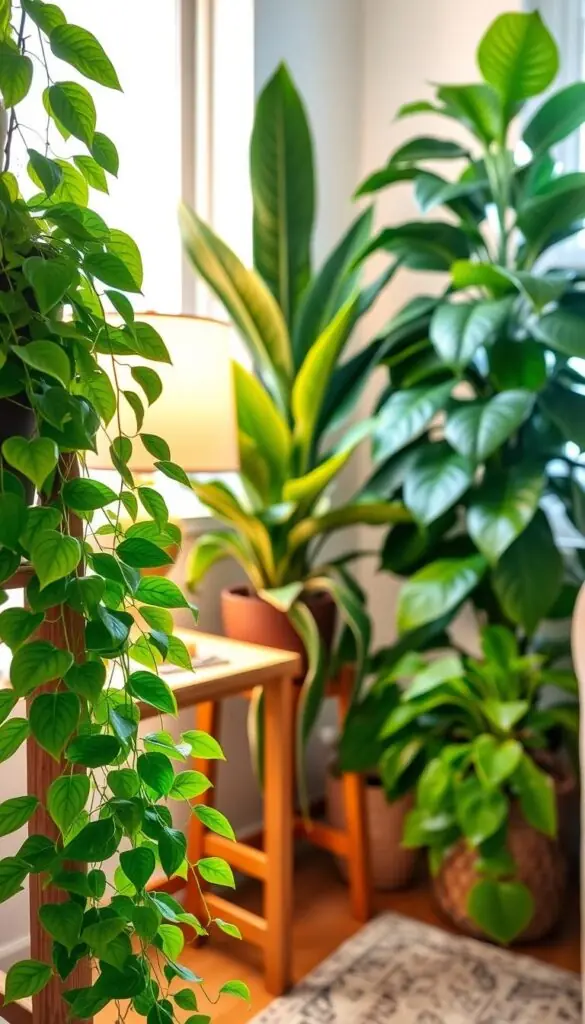
They add beauty and function: glossy swords of a snake plant, architectural fronds of a ZZ, or a feathery parlor palm soften lines and lift mood. These varieties also help gently clean air and suit typical U.S. home temperatures around 68–74°F.
Fit to your life: If you have limited time or mixed light conditions, choose species that forgive missed waterings and low humidity. Cast iron plants shrug off dust and heat. ZZ tolerates dry soil. Snake plant handles low to direct light and prefers dry intervals. Parlor palm thrives in dim corners or small offices.
- Match plants to north, sheer-filtered, or west windows, or use an LED desk bulb.
- Use a pot with drainage and a simple moisture gauge to avoid soggy roots.
- Pick varieties that shed little and need minimal fertilizer for tidy, low-stress care.
| Species | Best light | Key strength |
|---|---|---|
| Cast Iron Plant | Low | Tolerates heat, dust, drought |
| ZZ Plant | Low to bright indirect | Survives dry soil, low humidity |
| Snake Plant | Low to direct | Needs dry intervals, very hardy |
| Parlor Palm | Low | Soft texture, office-friendly |
What Makes an Indoor Plant “Easy” for Beginners
Start by spotting plants that forgive a missed watering and a dark corner — that’s the quickest way to win at plant care.
Beginner criteria
Low light tolerance: Choose species labeled for low light or bright indirect light. If a plant tolerates low light, it will suit more rooms in your home.
Forgiving watering: Favor varieties that prefer the soil to dry partly between waterings rather than stay wet.
Low humidity needs: Pick plants comfortable at typical household humidity so you won’t need a humidifier.
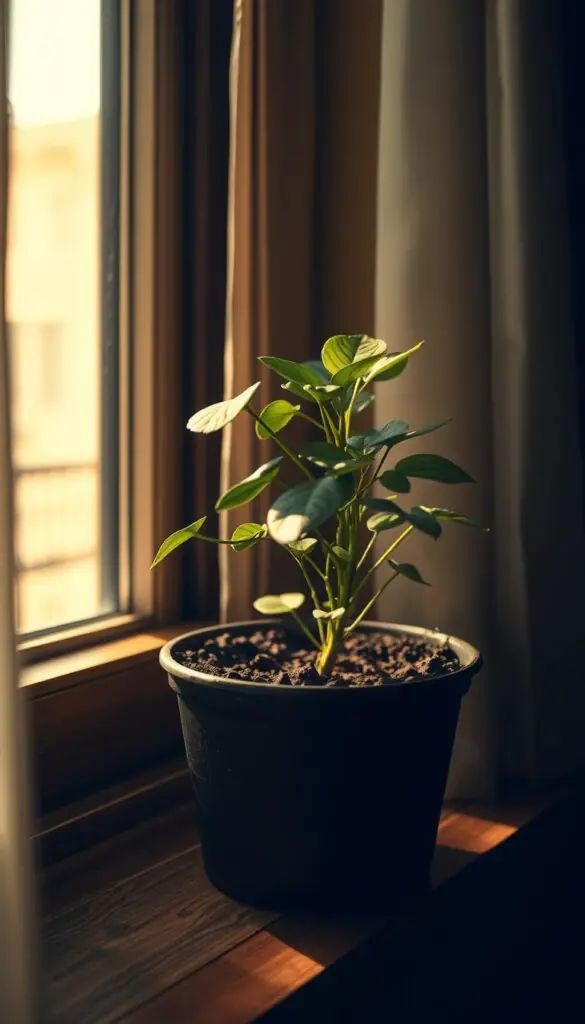
Quick-read care checklist
- Light: low / medium / bright indirect — match the tag to your room.
- Temperature: most winners sit at 60–85°F.
- Watering cadence: dry between waterings vs. consistently moist — choose the former for less fuss.
- Repotting: slow to moderate growers need repotting less often.
- Tools: moisture meter or your finger (top 1–2 inches), and a small LED grow bulb for dim corners.
| Spec | What to look for | Beginner examples |
|---|---|---|
| Light | Low or bright indirect | Pothos, Spider Plant |
| Watering | Soil allowed to dry partly | ZZ Plant, Snake Plant |
| Temperature & Humidity | 60–85°F, low to average humidity | Parlor Palm, Cast Iron |
Low-Light Heroes for Apartments and Offices
Choose plants that hold water in their leaves and stems so they thrive in dim corners and on work desks. These four species cope with limited sun and forgiving schedules. They suit small rooms and shared offices at typical home temperatures (60–85°F).
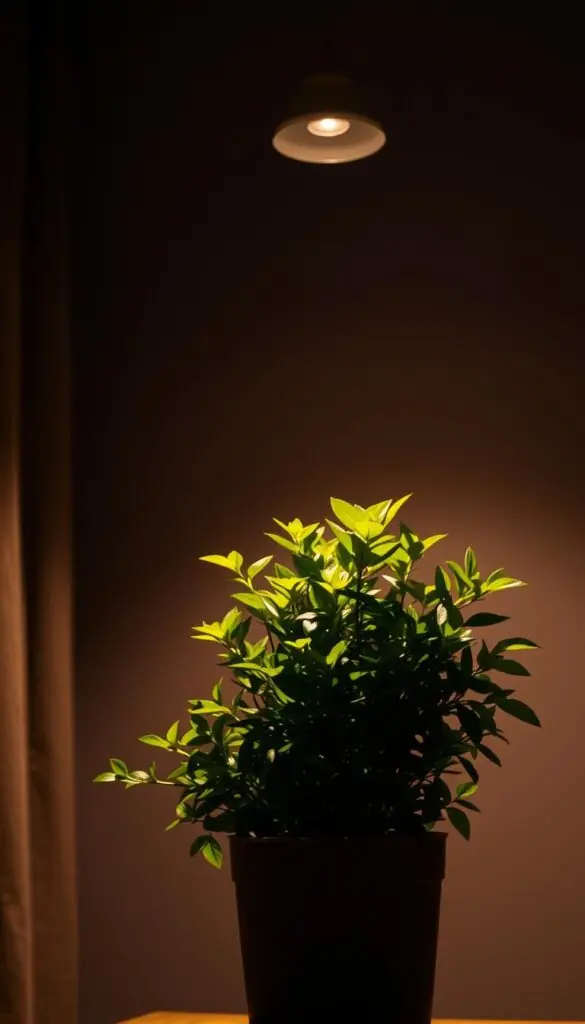
Snake Plant (Dracaena trifasciata)
Placement: Low corners or near a sheer-filtered window. Use a slightly snug pot with drainage.
Watering: Water only when the top 2 inches of soil feel dry—those firm, upright leaves store moisture. In winter, extend gaps between waterings.
ZZ Plant (Zamioculcas zamiifolia)
Placement: Great on a desk with little or no window light. A small LED grow bulb 8–10 inches above foliage works well for 10–12 hours when needed.
Watering: Let soil dry deeply. Thick stems and rhizomes hold water, so test dryness before you water again.
Cast Iron Plant (Aspidistra elatior)
Placement: Tuck it into dim hallways or an office corner. Use a pot with drainage and avoid frequent repotting.
Care cue: Dust broad leaves monthly with a soft cloth so they can capture the most light.
Parlor Palm (Chamaedorea elegans)
Placement: Adds a soft tropical texture to a low light room. Choose a well-draining pot and keep soil lightly moist but never soggy.
Routine: Test soil with your finger or a moisture meter. If the top inch is dry, it’s time to water.
"Keep pots slightly snug—too much soil holds moisture and raises root-rot risk in dim spaces."
- Match pot size to the root ball; avoid oversized containers.
- Check soil by touch for crispness or firmness in leaves and stems.
- Adjust waterings by season and use a small LED for very low light rooms.
| Species | Best placement | Water cue |
|---|---|---|
| Snake Plant | Low corners / filtered window | Top 2" dry |
| ZZ Plant | Desk with no window / LED support | Soil dry deeply |
| Cast Iron Plant | Dim hallway | Water sparingly |
| Parlor Palm | Low light room | Soil lightly moist |
Trailing Vines That Thrive with Indirect Light
Trailing vines bring motion and texture to shelves and windowsills, and they reward simple care with steady growth.
Pothos (Epipremnum aureum)
Pothos care and propagation
Place pothos in bright, indirect light or low light and avoid harsh sunlight that scorches glossy heart leaves.
To prune and propagate: snip 4–6 inch stems with 2–4 leaves. Cut just above a leaf node to encourage a fuller habit. Remove the lowest leaf and place the node in a small jar of water.
Roots appear in 1–3 weeks. Once roots reach 1–2 inches, pot into a well-draining soil mix and keep lightly moist for two weeks to help new growth.
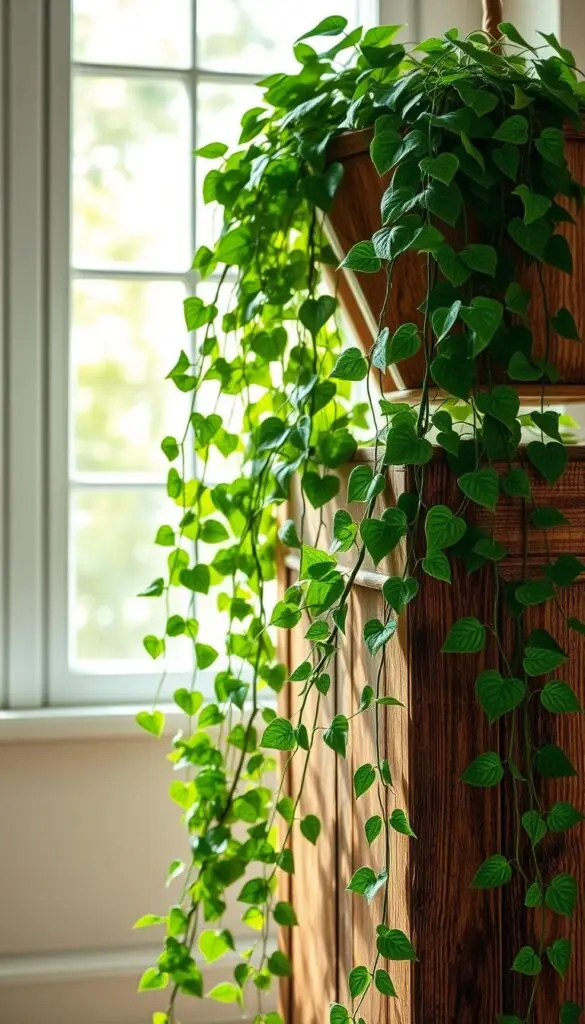
Heartleaf Philodendron, Spider Plant, and Tradescantia
Philodendron likes low to indirect light and prefers soil kept evenly moist. Train vines along shelves or let them cascade over a bookcase.
Spider Plant favors bright, indirect light and average moisture. Clip plantlets with tiny roots and pot them into fresh soil; water lightly.
Tradescantia offers purple and pink, stripey foliage. Pinch tips to keep it compact and bushy.
"Trim just above a node and root stems in water—it's a fast, satisfying way to multiply your greenery."
- Snip 4–6" stems with scissors; 2–4 leaves per cutting.
- Place nodes in jars on a sunny sill (avoid harsh midday sun).
- Pot when roots are 1–2" long; use a well-draining mix and keep the top inch of soil dry between waterings.
| Species | Best spot | Propagation cue |
|---|---|---|
| Pothos | Bright, indirect or low light | 4–6" stem, roots in 1–3 weeks |
| Heartleaf Philodendron | Low to indirect light | Trim above node; root stems in water |
| Spider Plant | Bright, indirect light | Pot plantlet with tiny roots |
| Tradescantia | Bright, indirect to varied light | Pinch tips; root stem cuttings |
Architectural Statement Plants for Modern Spaces
A single sculptural tree can anchor a room and make a modern space feel composed and intentional.
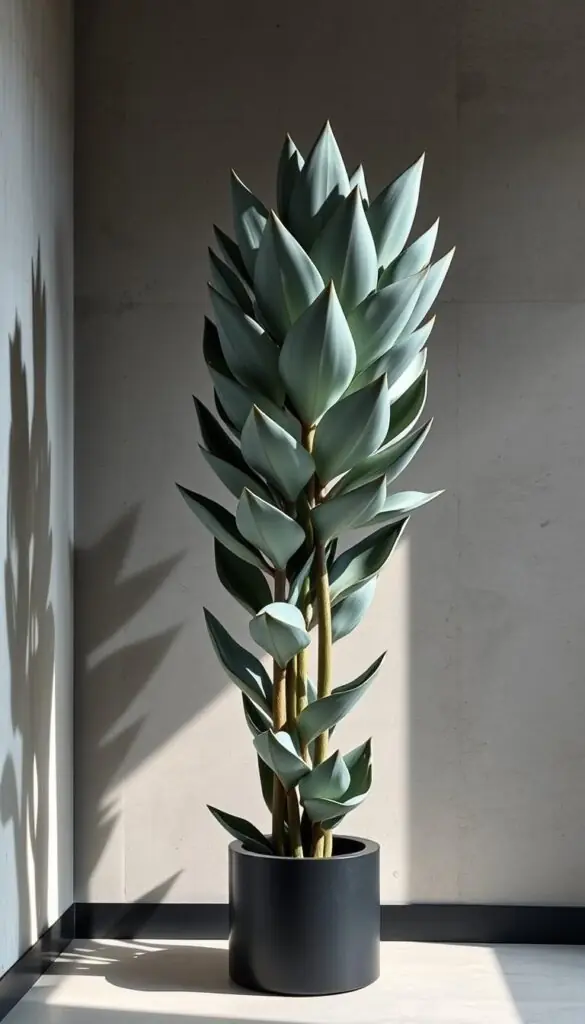
Rubber Plant (Ficus elastica)
Placement & look: Medium to high light, away from drafts and heat vents for a polished, burgundy or variegated leaf display.
Pot & watering: Use a pot sized to the root ball; keep soil evenly moist in spring and summer, and let the top inch dry in winter.
Dragon Tree (Dracaena marginata)
Placement & space: Moderate to indirect light; its slim canes add vertical lines without crowding a corner.
Care tips: Rotate quarterly for even growth. Support taller canes with a discreet stake as they gain height over the years.
Ponytail Palm (Beaucarnea recurvata)
Placement & pot: Tolerant of lower light and low humidity; choose a container only 1–2 inches wider than the bulbous base to avoid soggy soil.
Watering & habit: Longer dry spells suit this water-storing base. Rotate and check new growth to keep a balanced habit.
"Choose one statement specimen per small room so the form, not clutter, leads the design."
- Clean leaves monthly with a damp soft cloth to keep that glossy look.
- Use a rolling plant stand for heavy pots to simplify repositioning and cleaning.
- Style in matte white, charcoal, or terracotta to let form and growth shine.
| Species | Best light | Pot advice | Key care cue |
|---|---|---|---|
| Rubber Plant | Medium–high | Match root ball; drain well | Even moisture; avoid drafts |
| Dragon Tree | Moderate–indirect | Stable, tall pot | Stake if leaning; rotate |
| Ponytail Palm | Low–moderate | 1–2" wider than base | Allow long dry periods |
Color-Pop Foliage for Bright Indirect Light
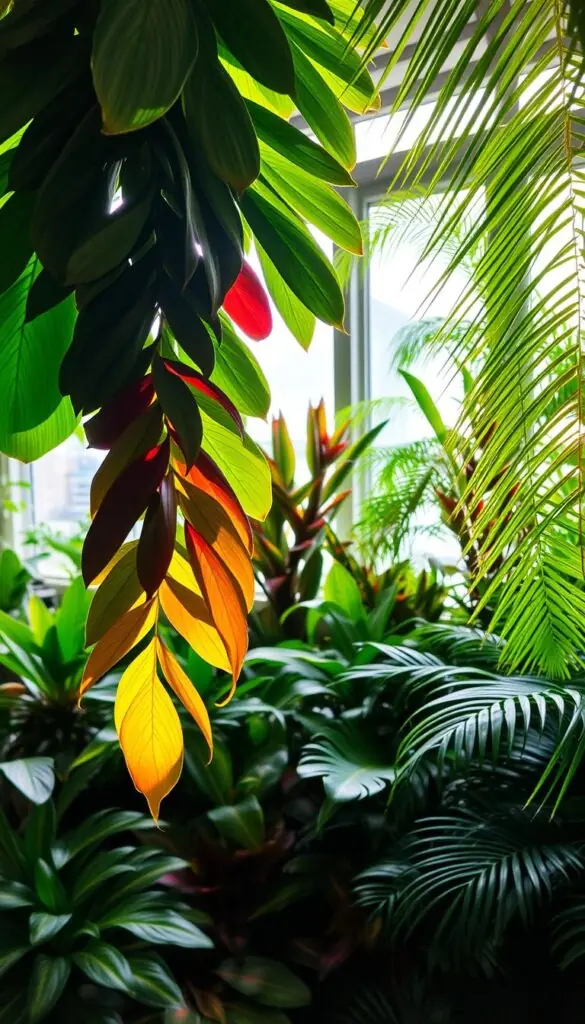
Bright, patterned foliage can lift a shelf or corner with painterly color and lively texture.
These varieties reward steady, filtered light and steady attention to humidity and soil. Place them about 2–3 feet from a bright window behind a sheer curtain.
Chinese Evergreen (Aglaonema): silver splashes, soft pinks, and deep green patterns fit compact pots. Use a snug container with well-draining soil and water moderately when the top inch feels dry.
Peperomia: textured, petite leaves prefer soil that dries between waterings. Too much water causes rot—this is the most common mistake to watch for.
Rex Begonia: dramatic, patterned leaves glow in bright indirect light. Keep soil evenly moist, avoid cold drafts, and do not mist leaves to prevent spotting.
Boost humidity gently with a pebble tray or by grouping your trio. Clean intricate leaves with a small soft brush or cloth to reveal luminous patterns.
| Species | Pot size | Light | Water cue |
|---|---|---|---|
| Aglaonema | 4–8" snug pot | Medium–bright indirect | Top 1" dry; moderate water |
| Peperomia | 3–6" compact pot | Medium–high indirect | Soil dry between waterings |
| Rex Begonia | 4–6" shallow to mid pot | Bright indirect | Keep soil evenly moist; avoid wet surface |
Best Bathroom Plants for Natural Humidity
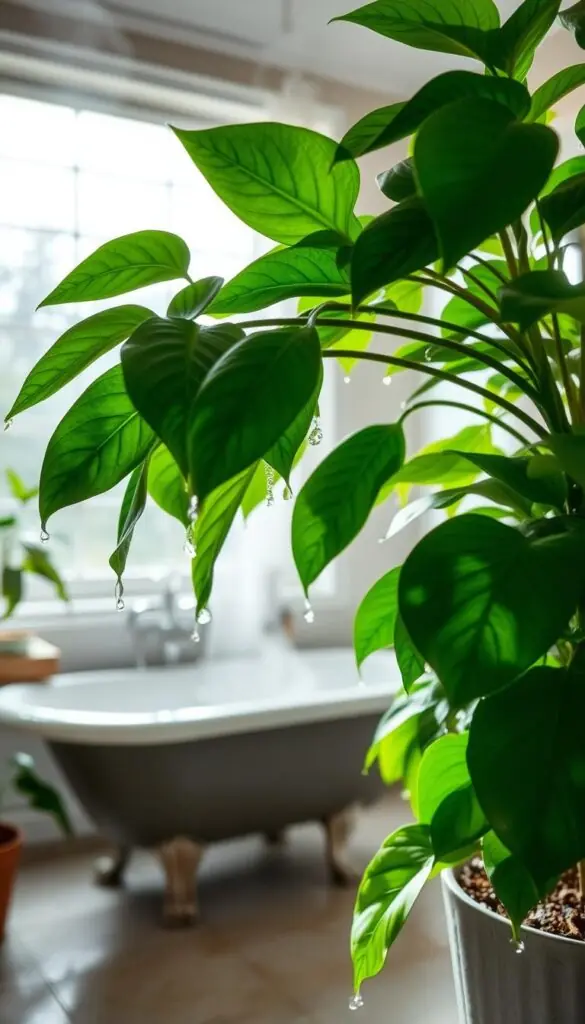
Warm steam and steady humidity make bathrooms a secret green oasis for a few select species. You can use that natural moisture to help foliage look glossy and healthy with little extra work.
Monstera deliciosa — place 3–6 feet from the shower so it enjoys warm air without hot splashes. Add a moss pole for dramatic split leaves and train new growth upward. Keep temperatures near 60–85°F and let the top inch dry between waterings.
Prayer Plant (Calathea/Maranta) — give bright, indirect light from a frosted window and high humidity. Morning sun filtered through glass works well. Wipe leaves gently to remove mineral spots and keep patterns vivid.
Nerve Plant (Fittonia) — thrives in a closed terrarium on a shelf. Use moist, well-draining soil and keep the pot sealed for steady humidity. Avoid direct sunlight; the vivid veining shows best in soft light.
- Use pebble trays so pot bases sit above water and create a humidity cushion.
- Ventilate after long showers to protect walls while keeping your plants comfortable.
- Choose stable, waterproof stands to prevent tipping on tile floors.
| Species | Placement | Care cue |
|---|---|---|
| Monstera deliciosa | 3–6 ft from shower | Moss pole; top 1" dry |
| Prayer Plant | Frosted window, bright indirect | High humidity; wipe leaves |
| Fittonia (Nerve Plant) | Closed terrarium or shelf | Moist, well-draining soil |
"Warm steam brings out glossy texture—just keep soil steady and avoid direct sun."
Essential Light Guide: Low Light, Indirect Light, and When to Supplement
Light shapes how your green corner grows — getting it right is the single biggest boost you can give a plant.
Reading your room: north, sheer-filtered south/west, and LEDs
Start by mapping window direction. North windows give low light and suit tough varieties like Snake Plant, ZZ Plant, and Cast Iron Plant. Place them 3–6 feet from the sill for a calm, forgiving spot.
South or west windows deliver strong rays. Use a sheer curtain to create indirect sunlight. Aim to keep most foliage 2–5 feet back for bright, indirect exposure without scorch.
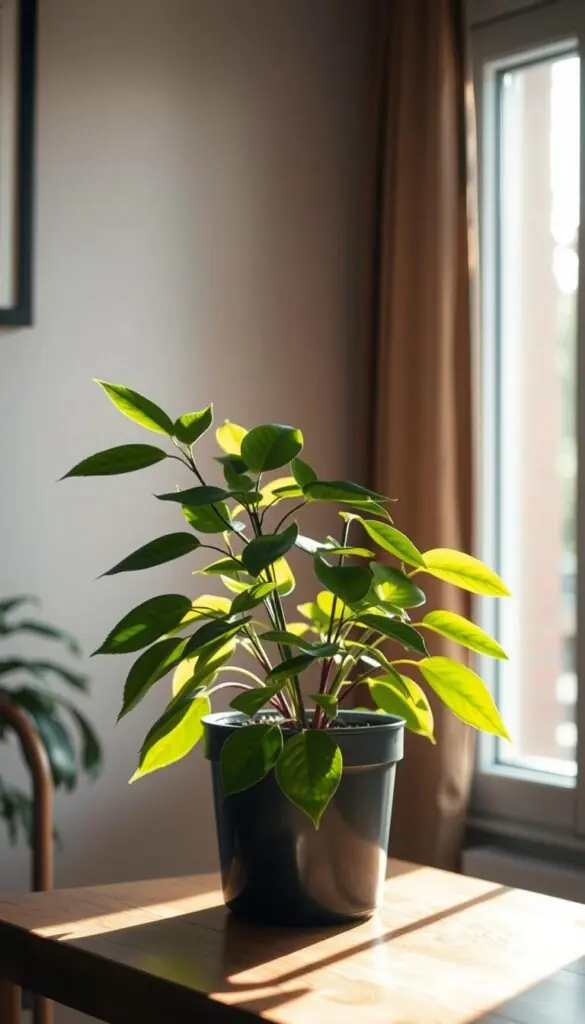
Check light with your shadow: a soft, fuzzy shadow means indirect light; a sharp shadow means direct sun. Most of these species are happy at 60–85°F and prefer diffuse glow over harsh beams.
When and how to add an LED
Use a full-spectrum LED grow light 8–12 inches above tops. Set a timer for 10–12 hours daily; increase in winter. For windowless rooms, pair the lamp with light walls or a mirror to bounce illumination.
- Rotate pots quarterly for even growth.
- If leaves pale or stretch, move closer to brighter exposure.
- Clean windows and leaves—dust cuts available light.
"Snap monthly photos to track posture and tweak placement."
Watering Made Simple: How to Avoid Overwatering
A reliable watering habit is the quickest way to prevent soggy soil and stressed plants. Start with two simple checks before you reach for the watering can.
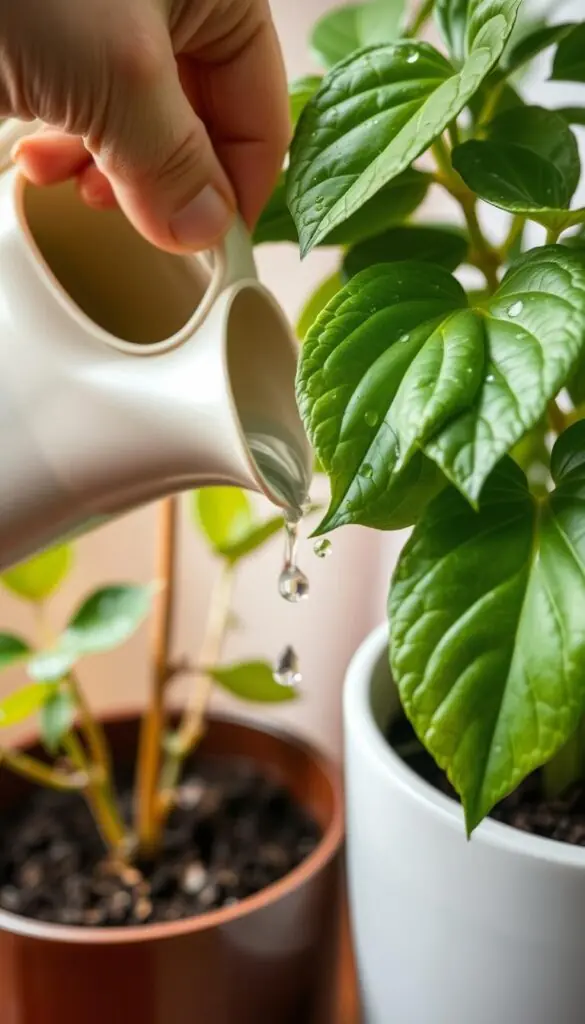
- Check soil: Insert your finger 1–2 inches. If it’s dry, water. If it feels cool and moist, wait a few days and recheck.
- Weight test: Lift the pot—very light pots usually need water. This quick move is reliable for beginners and busy schedules.
When you water: soak until water runs from the drainage hole. Empty the saucer after 10–15 minutes so roots aren’t sitting in water.
- Practice dry waterings: many tolerant species prefer the top inch or two to dry first (Snake Plant, ZZ).
- Use a moisture meter if unsure; aim for a mid-range reading before watering drought-tolerant varieties.
- Bottom watering can help: set the pot in a tray for 15–20 minutes, then drain well.
Adjust by months: in winter most house plant use less water as light drops. Bright rooms and warm heat dry soil faster; low light holds moisture longer—always test first.
"Yellow leaves, mushy stems, or a sour smell usually mean overwatering—stop watering, improve airflow, and let the soil dry."
| Cue | Action | Example |
|---|---|---|
| Finger test | Water if dry | Spider Plant, Pothos |
| Weight | Lift to feel need | Good for beginners |
| Seasonal | Lengthen intervals in cold months | Peace Lily revives after a drink |
Keep a simple log for a month. Patterns will emerge and make watering calm and confident.
Potting Mix, Planters, and Drainage for Easy Care
A thoughtful mix and a well-draining container keep roots happy and reduce fuss.
Simple soil recipe: mix 2 parts all-purpose potting mix + 1 part perlite. This breathable blend drains fast yet holds enough moisture for most foliage.
Choose the right pot: always pick containers with drainage holes. Nest a lightweight nursery pot inside a stylish cachepot to protect surfaces and simplify watering.
- Terracotta speeds drying; glazed ceramic retains moisture—match the material to the plant's water needs and your home environment.
- Cover drainage holes with a mesh screen to keep soil from washing out while letting water escape.
- Avoid over-potting: select a pot 1–2 inches wider than the root ball so soil doesn't stay soggy (Ponytail Palm prefers this).
- Repot when roots circle or appear at holes; most will be fine every 1–2 years as plants grow.
- Lift the root ball yearly—white or tan firm roots are healthy; trim any black, mushy roots with clean snips.
- For moisture-lovers add some coco coir; for drought-tolerant types add extra perlite or pumice.
"After potting, water thoroughly, then wait until the top inch of soil dries before watering again to encourage strong roots."
| Item | Why it matters | Quick action |
|---|---|---|
| Soil mix | Balances drainage and moisture | 2:1 potting mix to perlite |
| Pot type | Affects drying rate | Terracotta for drier, ceramic for retention |
| Tools | Cleaner, safer repotting | Trowel, mesh screens, nursery pot + cachepot |
Quick Start Setups by Room
Designing small plant groupings by function helps a space look finished and stay healthy.
Living room layout
Choose one statement tree—Parlor Palm or Rubber Plant—and place it 3–6 feet from a bright window to enjoy indirect light.
Add a trailing vine like Pothos or Spider Plant on a shelf 2–4 feet from the same light source. This balance supports steady growth and a layered look.
Evening glow: use a 2700–3000K warm LED lamp and set a timer for 8–10 hours in dim months to keep posture and color consistent.
Kitchen and bathroom setups
On counters, choose compact planters with Fittonia or Peperomia and keep them 1–2 feet from bright windows to avoid scorch.
In steamy nooks, Monstera or Prayer Plant thrives. Add a pebble tray to stabilize humidity and echo the pot color for a calm, cohesive home display.
"Anchor one large pot and repeat that hue in smaller planters to make the space feel intentional."
- Corral pots on trays for tidy counters and easy watering.
- Rotate statement plants quarterly; snip vines to keep a neat line.
- Use a slim plant stand when floor space is tight and tuck a small mister or watering can nearby for weekly care.
| Area | Key pairing | Distance from light | Bulb / tip |
|---|---|---|---|
| Living room | Rubber Plant + Pothos | 3–6 ft / vine 2–4 ft | 2700–3000K lamp; timer |
| Kitchen | Fittonia or Peperomia | 1–2 ft from window | Compact planters; matte neutrals |
| Bathroom | Monstera or Prayer Plant | 3–6 ft from shower area | Pebble tray for humidity |
Seasonal Care in the United States: Light, Heat, and Humidity
The year’s changing rhythm affects sunlight, air movement, and how often your pots need a drink.
Winter (shorter months): lower light means reduce water. Check soil before you water and wait longer between drinks. Add a small LED for low light rooms and use a timer to keep hours steady.
Spring: increase light gradually and start light feeding monthly. New growth appears faster as days lengthen. You can also begin moving some houseplants outdoors into bright shade for the warmer months.
Summer: watch indoor heat and AC drafts. Good airflow helps, but avoid direct blasts of cold or hot air. If you move plants outdoors, acclimate them 7–10 days in bright shade to prevent sunburn.
Early fall: taper fertilizer and prune lightly. Bring items back inside before nights dip below safe ranges. Keep indoor temps roughly 65–75°F so your green corner stays stable and draft-free.
"Slow growth is a signal — cut back on water and food, and check for pests before you bring plants back inside."
| Season | Key action | Temp |
|---|---|---|
| Winter | Reduce watering; add LED | 60–70°F |
| Spring | Resume light feeding; increase light | 65–75°F |
| Summer | Acclimate outdoors in shade; monitor AC | 70–85°F |
Common Beginner Mistakes to Avoid
Many beginners lose a healthy green to small, fixable mistakes—here’s how to stop that from happening.
Quick checklist with fixes:
- Overwatering: The fastest way to fail. Check the soil 1–2 inches down before you water. If it’s cool and moist, wait.
- No drainage: Never use a pot without holes. Nest a nursery pot inside a decorative cover to preserve style and function.
- Wrong light: Scorched or leggy leaves mean a mismatch. Move to bright, indirect light or add a small LED grow bulb.
- Pot too big: Too much soil holds water. Increase pot size by only 1–2 inches at a time.
Other common slips and fixes:
- Frequent repotting stresses roots—Cast Iron Plant dislikes this; wait until it’s root-bound.
- Heavy fertilizer causes salt buildup—dilute feed monthly in spring and skip in winter.
- Dusty leaves cut light—wipe foliage monthly so your plant can photosynthesize and keep alive.
- Avoid cold or hot drafts near vents and doors for steady growth and reliable care.
"A snake is nearly indestructible—except when overwatered; small changes make a big difference."
| Mistake | Sign | Quick fix |
|---|---|---|
| Overwatering | Yellow, soft leaves | Stop watering; let soil dry; improve drainage |
| No drainage | Soggy base, root rot | Switch to a draining pot or use a nursery pot inside a cover |
| Wrong light | Stretched or scorched leaves | Relocate to indirect light or add LED |
| Too big pot | Slow growth, wet soil | Repot to only 1–2" larger or trim roots |
| Excess fertilizer | Leaf burn, salt rings | Flush soil, reduce feed frequency |
Easy Propagation Wins to Multiply Your Houseplants
You can multiply lush green stems from a single parent with a few clean cuts and a jar of water. This is a low-cost way to make more greenery for your home and to share with friends.
Stem cuttings for pothos, philodendron, and tradescantia
Tools: clean snips, clear jars, fresh potting mix, and labels. Pick healthy growth and work in the morning when leaves are firm.
- Cut 4–6 inch stems just below a node — that little bump where a leaf and aerial roots emerge. One cut per stem keeps the parent plant tidy.
- Strip the lower leaf so the node is exposed. Place stems in water with nodes submerged; keep leaves dry above the water line.
- Refresh the water every 3–4 days. You’ll often see roots in 1–3 weeks; wait until they reach 1–2 inches before potting.
- To root directly in soil, dip the node in rooting hormone (optional). Insert about 1 inch deep into fresh, well-draining mix and keep evenly moist.
- When potting, use a snug pot and gently firm soil around roots. Bundle 3–5 cuttings together for instant fullness.
Placement: bright, indirect light helps young growth establish. Avoid direct sun until new roots anchor.
"Label jars with the plant name and cut date—simple tracking helps you know when to pot or share a start."
- After 4–6 weeks begin light feeding to help new leaves expand.
- Keep a small caddy with snips, jars, labels, and mix to make propagation quick and joyful.
| Species | Root timing | Best method |
|---|---|---|
| Pothos | 1–3 weeks | Water then pot at 1–2" roots |
| Heartleaf Philodendron | 2–4 weeks | Water or soil; trims encourage new branches |
| Tradescantia | 1–3 weeks | Root in water or soil; tolerates varied light |
Beauty Meets Function: Styling Tips That Simplify Care
Design choices can protect surfaces and highlight foliage while keeping chores small.
Think in vignettes: one tall statement like a Rubber Plant or Dragon Tree, one medium, and one trailing vine such as pothos or spider plant. This balanced grouping makes a room look intentional and reduces fuss.
Protect and simplify: tuck a nursery pot inside a cachepot and use a drip tray to keep water off wood or fabric. Elevate heavier pots on stands for airflow and easier vacuuming.
"Place soft, textured leaves near a reading chair for a calming touch; glossy leaves near a window catch light and brighten the space."
- Repeat planter color or texture to tie the space together.
- Keep a microfiber cloth for weekly leaf wipes—clean leaves photosynthesize better.
- Group items by water needs so one routine fits a whole shelf.
| Item | Benefit | Care tip |
|---|---|---|
| Cachepot + tray | Protects surfaces | Use a draining nursery pot inside |
| Plant stand | Airflow + cleaning ease | Choose liftable pots or rolling stands |
| Narrow ledge | Frames a window view | Perfect for trailing vines |
easy indoor plants: A Curated Starter List You Can Keep Alive
A small, focused selection of reliable varieties gets you growing without guesswork. Below is a practical list that points to light needs and a simple water cue so you can keep alive a cheerful corner.
Low light shortlist
- Snake plant — low to direct light; water only when the top 2" is dry.
- ZZ plant — thrives in low light; tolerates long dry spells.
- Cast Iron Plant — handles dim corners and occasional dust; water sparingly.
- Parlor Palm — soft texture for low light rooms; keep soil lightly moist, not soggy.
Bright indirect shortlist
- Pothos — bright, indirect light; roots fast from cuttings and tolerates varied water timing.
- Heartleaf Philodendron — low to indirect light; let top inch dry between waterings.
- Spider Plant — bright, indirect light; trims easily and produces baby plantlets for sharing.
- Chinese Evergreen — patterned, compact varieties; prefers bright indirect and moderate moisture.
Quick specs: Most thrive at 60–85°F. Avoid harsh direct sun. Use pots with drainage and a light, airy mix.
"Mix one upright with one trailing variety for an instant, finished look on a console or shelf."
| Type | Light | Water cue |
|---|---|---|
| Snake / ZZ / Cast Iron | Low to filtered | Top 1–2" dry |
| Pothos / Philodendron / Spider / Chinese Evergreen | Bright indirect | Top 1" dry; adjust in winter |
Tools & shopping checklist: nursery pots + cachepots, all-purpose potting mix, perlite, pebble tray, moisture meter, pruning snips, and a full-spectrum LED bulb with timer for darker rooms.
Start small: one or two houseplants per room keeps routines simple. Place near a sheer-covered window, rotate quarterly, and you’ll build confidence as your green corner grows with you.
Conclusion
Take one measured step today: pick a spot, choose one or two easy indoor plants, and set a simple weekly check.
These forgiving choices thrive for years with just drainage, bright indirect light, and testing soil before you water. A single routine builds confidence fast.
If you’ve felt all thumb and no green thumb so far, start small. Move a struggling specimen or try another; others often suit that corner better.
Keep tools simple: a pot with holes, airy soil, and a soft cloth for leaf care. With steady cues you’ll read your plant and the habit will feel natural.
Celebrate the calm: new leaves, quiet texture, and a gentler daily rhythm. Choose one today and enjoy the gentle company of houseplants as they grow with you.
FAQ
What are the best houseplants for beginners who want low-maintenance greenery?
Look for species that tolerate low light, infrequent watering, and average home humidity. Reliable choices include snake plant (Dracaena trifasciata), ZZ plant (Zamioculcas zamiifolia), pothos (Epipremnum aureum), and cast iron plant (Aspidistra elatior). These varieties resist common issues and recover well from occasional neglect.
How do I know if a plant needs more light or less light?
Check leaf color and growth. Pale or stretched leaves mean it needs more light; scorched, brown edges signal too much direct sun. Observe your room—north-facing windows give low light, east/west give morning/afternoon brightness, and south provides the most. When in doubt, move a plant a few feet toward a brighter window and watch for improvement over two weeks.
How often should I water common houseplants without overwatering?
Watering cadence depends on species, pot size, and season. A good rule: let the top 1–2 inches of soil dry between waterings for most tropical species like pothos and philodendron. Succulent-like ponytail palm and snake plant prefer deeper, less frequent soakings. Use your thumb to test soil or a moisture meter for accuracy.
What potting mix and drainage should I use to keep plants healthy?
Use a well-draining mix matched to the plant. Aroid varieties (Monstera, philodendron) like a chunky mix with bark and perlite. Succulents and ponytail palm need grittier, fast-draining mixes. Always choose a pot with drainage holes and add a saucer to protect surfaces.
Can I keep plants in bathrooms and kitchens with lower light but higher humidity?
Yes—bathrooms and kitchens are ideal for humidity-loving species like Monstera deliciosa, prayer plant (Calathea/Maranta), and nerve plant (Fittonia). Make sure they still receive at least low to medium indirect light; a shower window or nearby skylight helps. Rotate pots occasionally so all sides get light.
How do I propagate pothos, philodendron, or tradescantia successfully?
Take a healthy stem cutting with 3–4 leaves and a node (where roots form). Place cuttings in water or directly into moist potting mix. Change water weekly if rooting in jars, and transplant to soil when roots are 1–2 inches long. Keep cuttings in bright, indirect light and consistent warmth.
Which plants tolerate low light and fit small apartments or offices?
Choose plants that thrive in dim rooms: snake plant, ZZ plant, cast iron plant, and parlor palm. They handle fewer hours of bright light and make great space-savers. Pair with LED grow lights if natural light is very limited.
What are signs of overwatering and how do I fix it?
Yellowing leaves, mushy stems, and a sour smell from the pot indicate overwatering. Stop watering, remove the plant from its pot, trim rotten roots, let the soil dry, and repot into fresh, well-draining mix. For severe cases, propagate healthy cuttings and save the plant that way.
How should I adapt care across seasons in the United States?
In winter, plants grow slower—water less often, watch indoor heating for dry air, and move frost-sensitive specimens away from cold windows. In summer, increase watering slightly and rotate plants to balance light exposure. Keep humidity higher for tropical species with a pebble tray or room humidifier.
Are there styling tips that also simplify plant care?
Yes. Group plants with similar light and humidity needs together to streamline watering and placement. Use shelves for trailing vines like pothos and heartleaf philodendron, and choose statement trees like rubber plant or dragon tree for bright corners. Multipurpose planters with drip trays make maintenance neater.
Do LED grow lights help, and when should I use them?
LED grow lights are very helpful if natural light is weak or rooms face north. Use full-spectrum LEDs on a 10–14 hour daily schedule for most foliage plants. Position lights about 12–24 inches above the canopy; adjust distance for intensity and check leaves for signs of light stress.
How can beginners avoid the most common mistakes?
Avoid overwatering, crowding pots without drainage, and placing shade-tolerant species in direct sun. Learn each plant’s preferred light level and watering rhythm, and resist repotting into oversized containers. Regularly dust leaves and check for pests like spider mites or scale.
What quick starter setup works well for a living room?
Choose one statement tree such as rubber plant or dragon tree, add a trailing vine like pothos on a shelf, and place a spider plant near indirect light. Use matching pots and keep similar watering schedules to make care simple and attractive.
Where can I find reliable potting mixes and plant care tools?
Look for brands like Miracle-Gro, Espoma, and FoxFarm for ready mixes. Buy a moisture meter, pruning shears, and a watering can with a narrow spout for accuracy. Local nurseries often sell region-specific mixes and expert advice tailored to your home environment.