You step outside at dawn and feel cool, springy grass beneath your feet. That small, peaceful moment often hides a big question: are you giving your yard the right amount of care? We’ll make this simple and calm.
Most turfgrasses need about 1–2 inches of water per week during active growth. Early morning, between 5–10 a.m., is the best time so droplets sink into the soil before heat rises. Nighttime leaves blades wet and invites disease.
We’ll show you an easy rhythm: a weekly target, quick tools like a tuna can or rain gauge, and clear signs to watch—dull blue-green color, footprints that stay, or soggy spots. Small changes, like deep, infrequent soaking, build stronger roots and keep your grass more resilient.
Think of this as friendly, step-by-step care that helps you keep your yard looking lush without guesswork.
Key Takeaways
- Aim for 1–2 inches of water per week during active growth.
- Water in the early morning so moisture reaches the soil before heat.
- Deep, infrequent soaking builds strong roots; shallow, frequent sessions do not.
- Use simple tools—tuna can or rain gauge—to measure the actual amount applied.
- Watch for signs: blue-green blades, lingering footprints, or soggy soil.
- Adjust timing for rainy springs and hot spells to keep things balanced.
Watering Basics: Amount, Frequency, and What “Deeply” Really Means
A few numbers and a tuna can give you reliable, repeatable results. Start with a goal: deliver about 1–2 inches per week during active growth. That target keeps grass healthy and roots steady through heat and dry spells.
How much per week
Most yards do well at 1–2 inches per week. One filled tuna can equals roughly 1 inch in mild conditions. In summer, aim for the higher end and check cups more often.
Deep and infrequent vs. shallow and frequent
Deep, less frequent runs encourage roots to reach down for moisture. Short daily spritzes leave roots near the surface and make the grass fragile in drought.
Simple measuring tricks
Place tuna cans or a rain gauge across each zone. Run sprinklers and note minutes until cans show 0.5 inch. This catch-cup test reveals output and evenness.
Minutes per zone and adjustments
Many systems need about 45–60 minutes per zone for 0.5 inch. Run two cycles to reach ~1 inch, then verify with cups. Check soil with a screwdriver — it should slip in smoothly about 6 inches and feel cool and moist.
Quick checklist:
- Target 1–2 inches per week.
- Use tuna cans or a rain gauge for actual measurements.
- Prefer longer cycles, once or twice weekly, especially in summer.
- Log minutes per zone and note sunny versus shady areas.
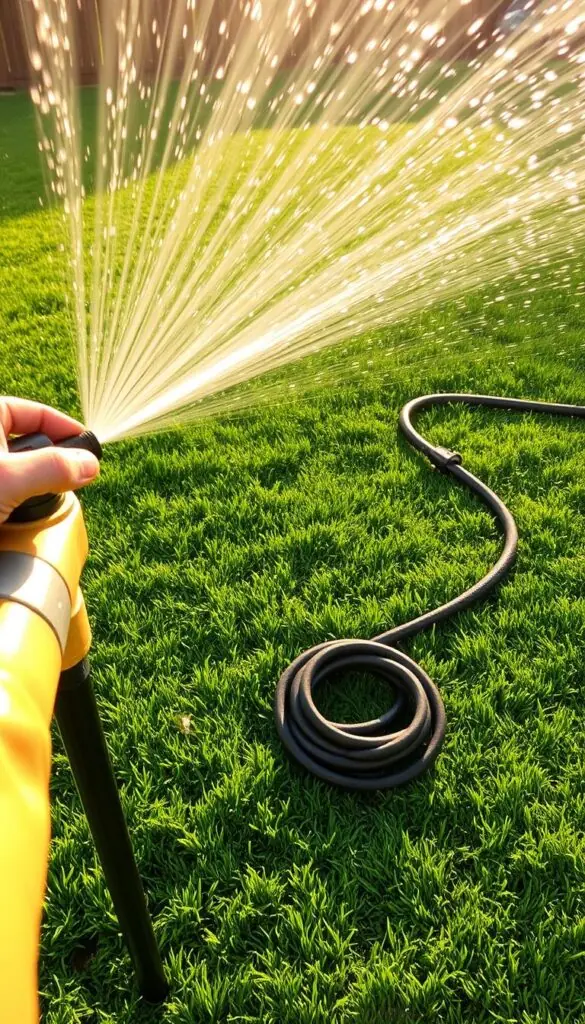
Best Time of Day to Water for a Lush, Healthy Lawn
Early hours offer the best chance for an efficient, quiet soak that reaches roots without waste. Aim for a start window between 5–10 a.m.. The air is calm, light is soft, and droplets have hours to sink in before the sun warms the soil.
The benefits are simple: less evaporation, fewer windy drifts, and cooler soil that keeps roots comfortable. Midday runs can lose up to half the applied spray to heat and wind. Night cycles leave blades wet for hours and raise the risk of fungal or bacterial problems.
When to avoid the sprinkler
Skip late-night runs; wet grass that stays damp invites disease.
Also avoid bright noon hours when heat steals much of what you apply.
"Set your controller so watering finishes in the coolest part of the morning; the lawn will absorb more, and you’ll see stronger growth."
- Set controllers for 5–10 a.m. for calm air and cool soil.
- Avoid nighttime cycles that extend leaf wetness after rain or cool evenings.
- Delay runs on windy days until the breeze eases so water lands on grass, not on sidewalks.
- If fungi are active, a short late-morning rinse can help dry blades—but bag infected clippings.
| Best Window | Why it Works | Avoid |
|---|---|---|
| 5–10 a.m. | Calm air, low evaporation, soil absorbs moisture | Late night and midday runs |
| Late morning (special cases) | Can shorten dew period during fungal outbreaks | Do not leave clippings from infected areas |
| Midday | Usually poor — high evaporation and drift | Wasted water and uneven coverage |
how to water lawn by Grass Type and Soil Type
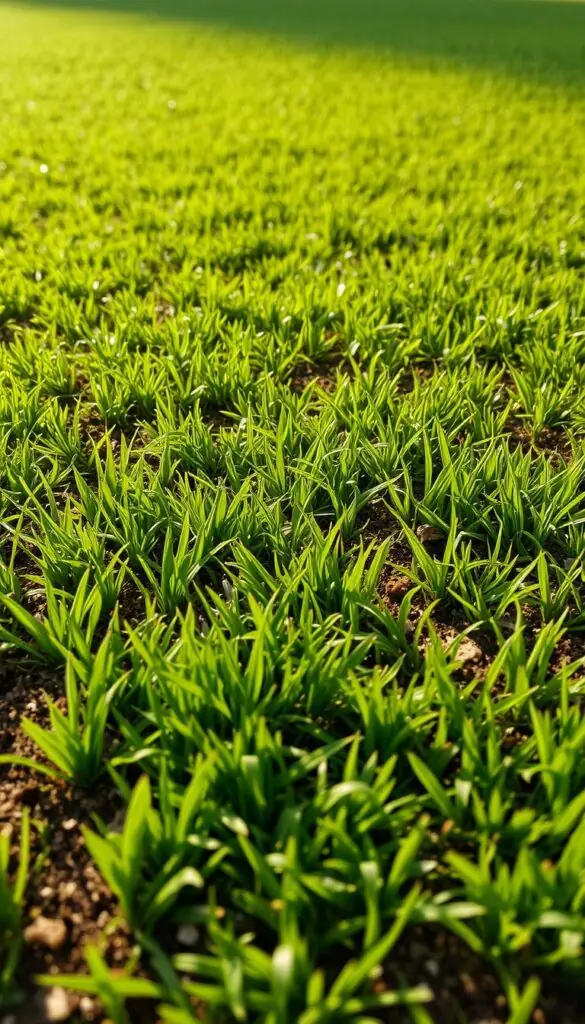
Different grass and soil pairs ask for small, specific adjustments. Match your schedule to the grass type and the ground beneath it. Small changes keep roots healthy and save water.
Cool-season vs. warm-season grasses
Cool-season stands like kentucky bluegrass, perennial rye, and fine fescue show stress faster in summer. Their roots sit near the top, so watch for blue-green blades and folding leaves. Add modest extra sessions rather than long, desperate soaks.
Warm-season grass usually handles heat by deep rest. Aim for about 1–2 inches per week during active months and tune for local conditions.
Sandy, loam, and clay soils
Sandy soil drains quickly. Use shorter, more frequent cycles so water reaches the root zone without passing through.
Clay holds much longer but can run off. Use cycle-and-soak: run a short period, wait for absorption, then repeat.
Loam is forgiving. Check with a screwdriver — you want about 6 inches of moist soil, cool but not soggy.
Quick field checks and neighborly tips
- Use the screwdriver test: it should slide in easily to ~6 inches when moist.
- If footprints linger or blades fold in evening, add a slightly longer morning session next cycle.
- Place cups in sandy and clay spots to compare coverage and adjust times.
- Keep kentucky bluegrass dense by pairing steady irrigation with aeration so roots can grow deeper.
| Grass / Soil | Typical adjustment | Practical tip |
|---|---|---|
| Kentucky bluegrass (cool) | Slightly more frequent in heat; watch color | Split weekly inches into two deep runs in summer |
| Fine fescue / Rye (cool) | Monitor for folding leaves; small uplifts only | Add shorter mid-morning check runs during stress |
| Warm-season mixes | Stable at ~1–2 inches per week | Reduce frequency in cool spells; keep roots rested |
| Sandy soil | More frequent, shorter cycles | Use cups across dry spots to set times |
| Clay soil | Cycle-and-soak to avoid runoff | Run 3–4 short passes rather than one long soak |
Smart Irrigation Tools and Techniques that Save Water and Time
Match simple gear with sensible programming and your system works for you. Small upgrades cut waste and protect pipes and plants.
Start with a smart controller. Many connect to local forecasts and skip cycles before rain. That saves water and prevents needless runs during storms.
Choose pressure-regulating spray heads. PRS heads keep steady droplets and reduce misting and drift. They improve coverage from your sprinklers and lower wear on nozzles.
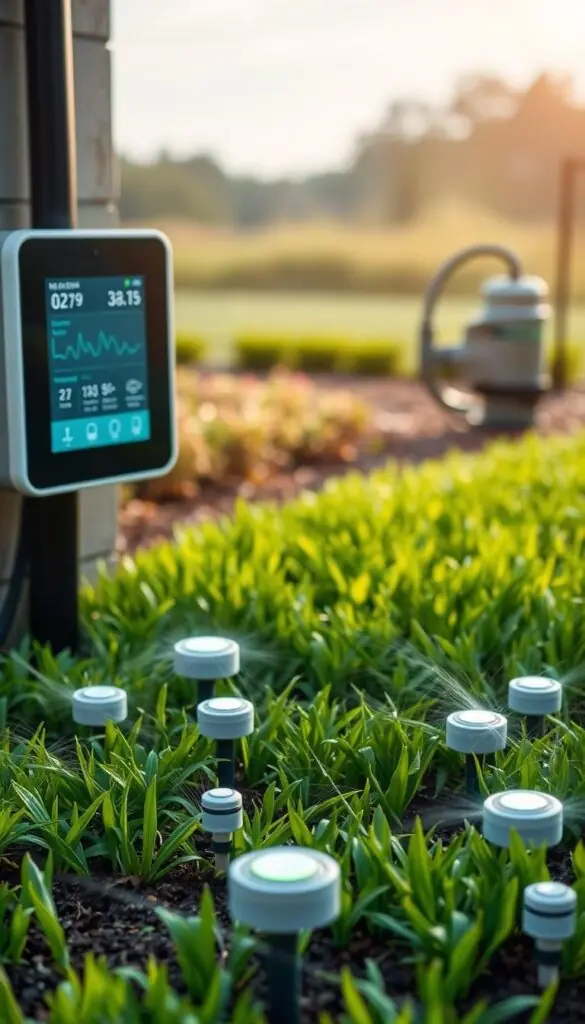
Use cycle-and-soak on slopes or clay soils. For example, split a 12-minute run into three passes of 4 minutes with 30–60 minute rests. This stops runoff and helps the surface absorb the amount water needed for deep roots.
"Add rain and freeze sensors; they pause runs during storms and near-freezing hours and prevent system damage."
- Hose timers plus a sturdy oscillating sprinkler work well in small yards.
- Walk a test run: watch spray, listen for hissing, and mark dry strips.
- Keep spare nozzles and filters for quick fixes.
| Tool | Benefit | When to Use |
|---|---|---|
| Smart controller | Skips cycles before rain; adjusts by forecast | All systems, best in regions with variable rain |
| PRS spray heads | Even coverage; less mist and drift | High-pressure zones, many municipal codes |
| Rain / freeze sensors | Prevents waste and frost damage | During stormy periods and near-freezing nights |
| Hose timer + sprinkler | Simple, affordable control for small areas | Small yards, seasonal setups, or testing runs |
Troubleshooting and Quick Tips to Avoid Common Watering Mistakes
Small, regular checks catch most problems before your grass shows stress. A short walk each week saves time and prevents damage. Look, feel, and run a few simple tests.
Spotting overwatering versus underwatering
If the surface feels spongy and prints hold water, you may be overdoing it. Let soil moisture drop before the next scheduled run.
Dull blue-green patches, folded blades, and prints that don’t spring back mean the turf needs more attention. Add a modest extra minute to the next early-morning watering cycle.
System checkups and quick fixes
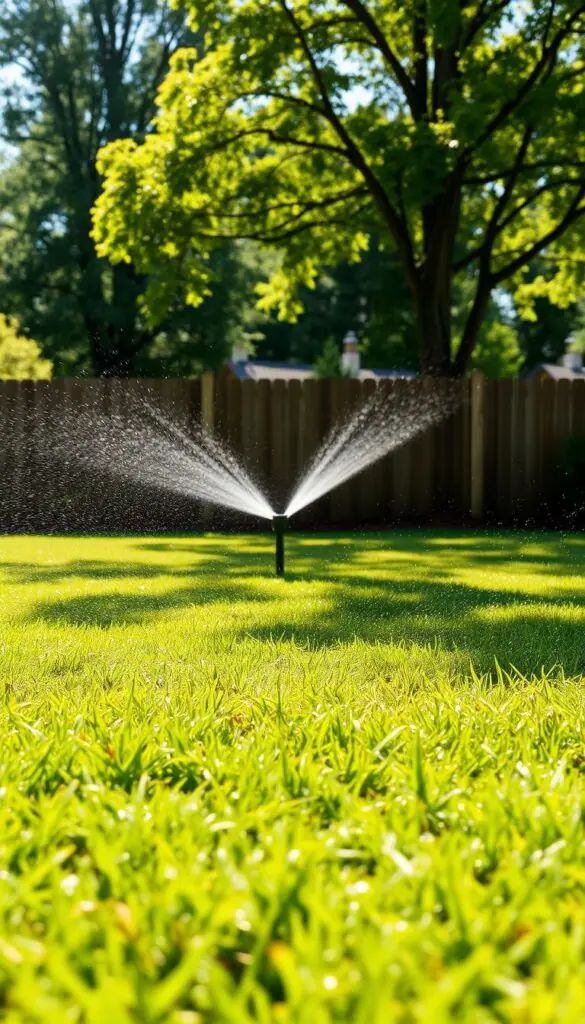
Check sprinklers monthly. Unclog nozzles, realign heads, and tighten leaking fittings. Strange stripes or polka dots mean uneven coverage—run a cup test and rebalance zones.
- Bag clippings when you see active fungus and clean the mower deck after use.
- Lift a small soil plug: creamy-white roots mean healthy growth; short, browned tips need deeper, less frequent runs.
- Spot trickling along edges? Try cycle-and-soak so the surface absorbs more and runoff stops.
"Small tweaks often fix what looks like a big problem—start with a walk and a handful of checks."
Keep a seasonal checklist: test heads in spring, clean filters mid-summer, and cut runtimes when rain returns. These simple practices help you keep lawn watering efficient and the grass thriving.
Conclusion
A simple routine brings reliable results and less guesswork all season.
Aim for about 1–2 inches per week, applied in the early morning and tuned for heat, soil type, and rainfall. Favor deep, infrequent cycles; they let roots go deeper and lower disease risk.
Use small helpers — a tuna can, cups, a smart irrigation controller, or a screwdriver check — so soil moisture guides each run. Note kentucky bluegrass or fescue patches and adjust runs during summer or rainy stretches.
Keep it simple: water deeply and steady habits will give you a sunlit, relaxing lawn all year. Enjoy the space; the routine will repay you with color and calm.
FAQ
What is the right amount of water per week for a healthy yard?
Aim for about one inch per week in cool seasons and up to two inches in hot summer heat for warm-season grass. That total includes rainfall. Deliver water deeply in one or two sessions rather than many short sprays so roots grow downward and the surface stays less soggy.
Deep and infrequent versus shallow and frequent — which is better?
Deep, less frequent intervals win for root development and drought resilience. Shallow, frequent wetting keeps roots near the surface and invites pests, disease, and stress during heat. Give long soaks spaced several days apart based on soil type and weather.
How can I measure the amount applied without fancy tools?
Put out tuna cans or shallow cups in sprinkler zones, run each zone for a set time, then measure the water depth. A rain gauge or simple catch-cup test helps you adjust minutes per zone until you reach the target inchages per week.
How many minutes should each sprinkler zone run?
Typical run times vary by nozzle and pressure, often 20–45 minutes per zone to deposit a half-inch or so. Use catch cans to check, then schedule two cycles per week or split sessions (cycle-and-soak) to avoid runoff on slopes or clay soil.
When is the best time of day for watering?
Early morning is ideal — before sunrise or up to mid-morning — when temperatures are cool and winds low. This reduces evaporation and helps grass dry quickly after dew, lowering disease risk. Avoid mid-day wasteful evaporation and late-night lingering wetness.
Are there exceptions to morning watering?
If overnight temps will stay above 60°F and disease pressure is low, early evening sessions can work briefly, but they raise the chance of prolonged leaf wetness. In heat waves, short evening supplemental watering may protect grass temporarily.
How should watering change by grass type like Kentucky bluegrass or fescue?
Cool-season types such as Kentucky bluegrass and tall fescue need most water in spring and fall and moderate amounts in summer. Warm-season grasses need more in high heat and less in cooler months. Match timing and total weekly depths to the species’ active growth periods.
How do soil types affect soak times and cycle length?
Sandy soil soaks quickly and drains fast — water more often but in moderate amounts. Loam holds moisture well and is forgiving. Clay absorbs slowly and sheds water; use shorter, repeated cycles to allow infiltration and prevent runoff.
What quick checks tell me if roots are getting enough moisture?
Use a screwdriver or soil probe — if it slides in easily after watering, moisture is reaching roots. Look for blue-green, turgid blades rather than wilted, dull grass. Footprint tests also help: clear footprints that spring back indicate good hydration.
What smart irrigation tools save water and keep even coverage?
Smart controllers that use local weather, pressure-regulating spray heads, rain/freeze sensors, and drip or rotor heads for large areas all help. These reduce waste, avoid misting, and adjust schedules automatically when storms arrive.
How does cycle-and-soak programming help on slopes and clay soils?
It breaks a long run into several short cycles with soak periods between. This prevents surface runoff and gives water time to move down through dense or compacted layers, improving uniform absorption.
Can simple hand-watering and hose timers still work well?
Yes. A hose-end timer plus a wand or soaker hose gives precise control for small yards, new seed, or spot treatments. Hand-watering lets you respond to dry patches and avoid overwatering problem zones.
How can I spot overwatering versus underwatering?
Overwatered spots feel spongy, show pooling, and can have thatch or fungal growth. Underwatered areas brown, crisp at tips, and hold footprints. Check soil moisture an inch or two below the surface to confirm.
What common system problems cause uneven coverage?
Clogged nozzles, low water pressure, broken or misaligned heads, and leaks cause dry patches. Run each zone and watch coverage; replace worn parts, clean screens, and adjust pressures for uniform spray patterns.
How often should I adjust my schedule through the year?
Change settings seasonally: more frequent and deeper in peak growth and heat, less in cool months and rainy periods. Smart controllers or monthly manual checks make this easy and conserve water while keeping turf healthy.