Picture a windowsill with bright, crisp leaves and the faint, earthy scent after a gentle watering. Have you noticed how a small pot of greens can lift a gray afternoon?
You’ll get calm, step-by-step guidance to bring a little green into your home during the shortest days. We keep it simple: small containers, cool-loving greens, gentle light, and easy tools like LED grow lights, trays, and timers.
We show when to sow, how to water, and how to harvest so you taste sweet, tender leaves through the season. Expect practical tips on varieties that do well indoors — like hearty spinach, curled kale, mizuna, and quick radishes — and which trays and mixes help roots breathe.
You'll learn small habits—thinning, bottom watering, and light brushing—that prevent common mistakes and build confidence. By the end, you’ll have a quiet indoor garden that hums along for months and fills your kitchen with fresh, homegrown vegetables.
Key Takeaways
- Set up small containers and LED lights to mimic gentle sun.
- Choose cool-loving varieties like spinach and curly kale.
- Use trays, airy mixes, and bottom watering to avoid soggy roots.
- Some crops give bites in 25–35 days; others reward slow, cool growth.
- Simple habits—thinning and airflow—prevent leggy, weak plants.
- Enjoy fresh leaves and sensory cues: crisp snap, bright aroma.
Set up your indoor garden for the winter months
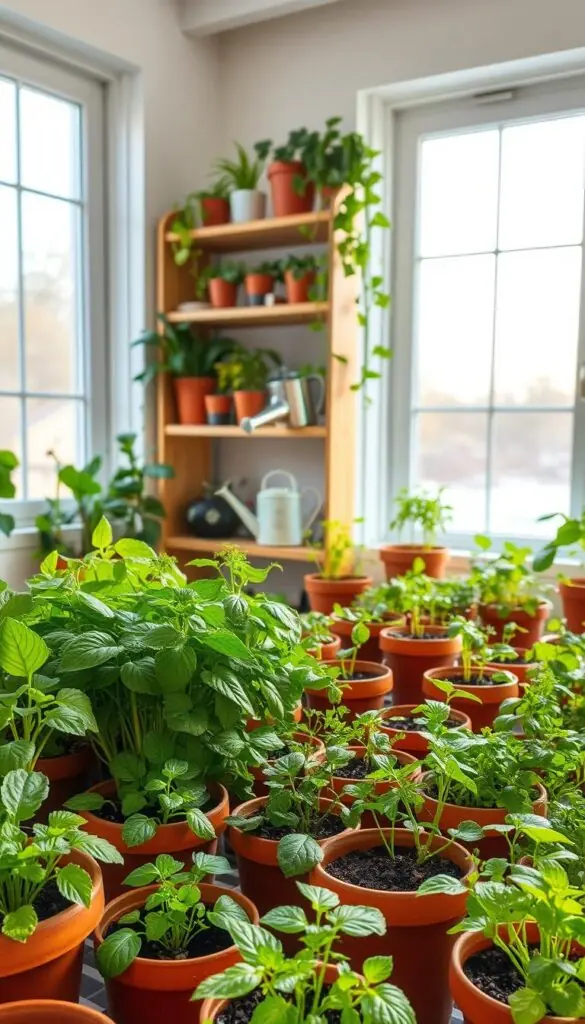
Turn a bright windowsill into a calm, productive garden with a few easy tools. A compact setup makes daily care simple and joyful. Follow small, repeatable routines that make you smile when you water.
Light, warmth, and airflow: creating gentle “winter sun” inside
Place LED grow lights on an adjustable rack so they sit about a hand’s width (4–8 inches) above leaves. Set a digital timer for 12–14 hours to give steady light each day.
Aim for cool room temperatures—around the low 60s by day and a touch cooler at night. These conditions help spinach and kale sweeten and stay compact.
Use a small clip-on fan on a low setting to keep air moving. Good airflow dries leaves after watering and keeps plants sturdy.
Tools and materials that make it easy (LEDs, trays, timers, row cover)
"A tiny routine with the right tools gives big, tasty returns."
- Boot trays and nested drainage trays to catch drips and protect floors.
- A soil thermometer to learn your media temperatures for even germination.
- Lightweight row cover for extra protection if a window is drafty.
- Start with LEDs, a timer, a small fan, a measuring cup, and a spray bottle.
| Item | Purpose | Quick tip |
|---|---|---|
| LED grow light | Provide steady, gentle light | Keep 4–8 in. above canopy |
| Digital timer | Automate 12–14 hr light cycles | Consistent schedule = predictable growth |
| Boot trays & nested pans | Catch runoff and protect floors | Use no-hole tray under drainage tray |
| Light row cover | Buffer drafts and add protection | Keep handy for sudden chills |
Group plants by height so lights sit at the right distance. Put baby greens up high and taller kale and scallions below. Small, steady habits make gardening inside feel easy and rewarding.
Spinach: sweet, compact greens that love cool conditions
Spinach brings bright, glossy leaves and a sweet snap to small indoor gardens when you tend it gently.
Best varieties and timing for a winter harvest
Choose proven varieties that stay flavorful in short days: ‘Auroch’, ‘Sunangel’, ‘Hammerhead’, ‘Kolibri’, and ‘Space’. Sow seeds 35–50 days before the Persephone period for a reliable winter harvest.
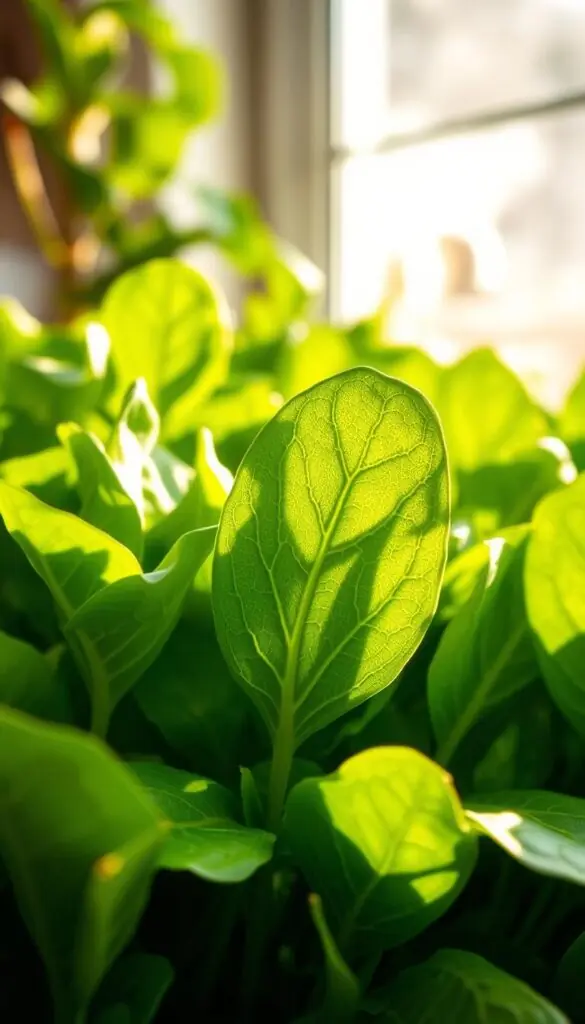
Sowing, spacing, and baby-leaf vs. full-leaf strategies
If your home feels warm, pre-moisten the potting mix with cold water to cool the soil before planting one seed about ½ inch deep.
For baby-leaf salads, broadcast seeds thick and thin early. For full leaves, plant 3–4 inches apart so each plant forms wide, crinkled blades.
- Keep lights close to prevent stretching; short stems and dark leaves mean conditions are right.
- Water at the base in the morning; leaves should feel cool and crisp by afternoon.
- Thin early and harvest with clean scissors—snip baby leaves at 3–4 inches or pick outer leaves for a steady yield.
- Resow a second tray 2–3 weeks later for continuous growth into early spring.
| Variety | Days to harvest | Strength |
|---|---|---|
| Auroch | 30–45 | Downy mildew tolerance |
| Sunangel | 35–50 | Sweet flavor in cool rooms |
| Hammerhead | 40–55 | Large, crinkled leaves |
Kale: curly, tender leaves with winter-sweet flavor
Curly and lacinato kale each offer a different pace and texture for indoor growing. Curled types push out frilly edges and a tender bite more quickly. Lacinato gives silky, dark ribbons but takes longer and can show tipburn if stressed.
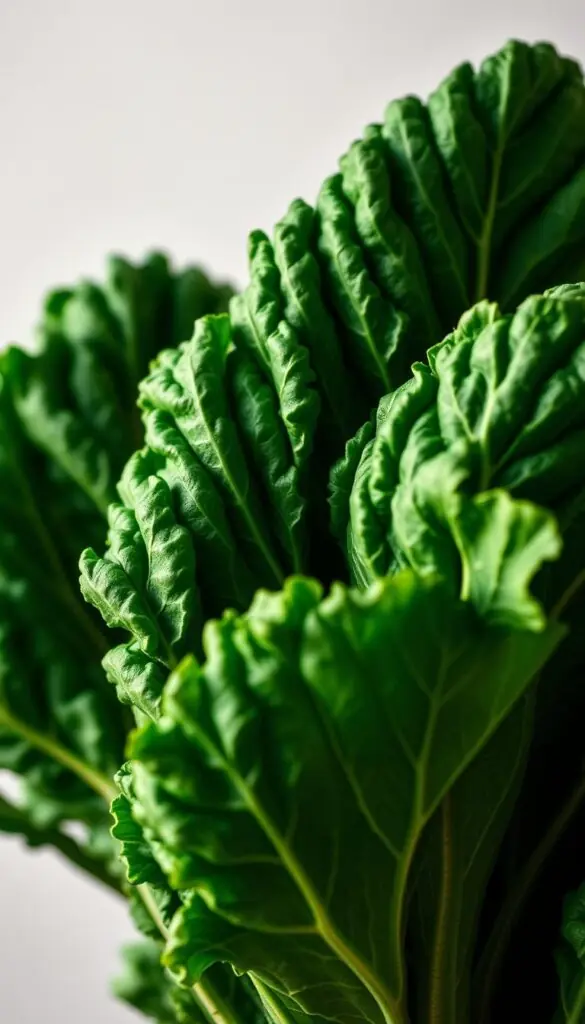
Curled vs. lacinato indoors: growth speed and cold tolerance
Choose curly or Russian types for speed and hardiness in cool rooms. Green curlies and Russian types are the fastest; red curlies are slightly slower. Save lacinato for sunny spots or later in the season.
Harvest from the bottom up for steady bunches
Harvest lower leaves first and leave the crown intact. The plant will keep producing new fronds, so you get steady bunches over many weeks.
"Clip bottom leaves and let the center refill for an easy, lasting supply."
- Start seeds in cell trays; transplant 4–6 inches apart in 6–8 inch pots.
- Keep a small fan on low and lights close to avoid tipburn and leggy stems.
- Drape a light row cover overnight for extra protection if trays sit by a chilly window.
- Water when the top inch dries; avoid overwatering in cool rooms.
| Type | Speed | Cold tolerance | Indoor tip |
|---|---|---|---|
| Curly / Russian | Fast | High | Great for early harvests |
| Red curly | Medium | High | Adds color to salads |
| Lacinato | Slow | Lower | Keep away from drafty windows |
Brassica greens indoors: arugula, mizuna, tatsoi, and komatsuna
Grow a mini salad bar by sowing a few trays of fast, cut-and-come-again brassicas. These brassica greens are perfect for small spaces and give quick, flavorful returns at home.
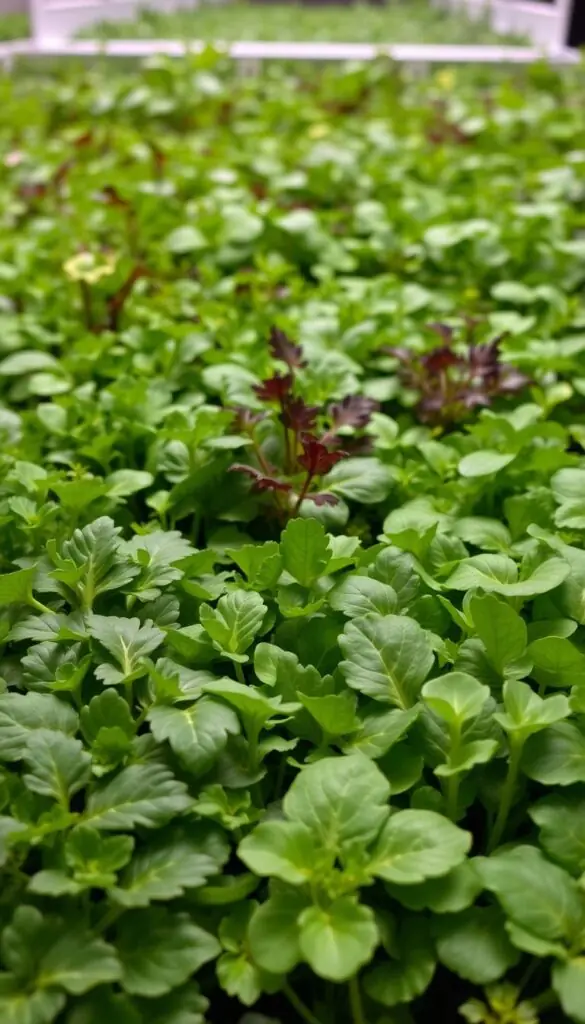
Cut-and-come-again greens for a steady salad bar
Use shallow trays and a light, airy mix. Moisten the media, scatter seeds, and press them lightly. Aim for a carpet where you still see slivers of soil after watering.
Arugula should smell peppery when you brush its leaves. Tatsoi forms glossy, spoon-shaped rosettes with a buttery note. Mizuna and komatsuna regrow fast after weekly snips.
Simple tips:
- Cut 1–2 inches above the crown so plants regrow for another harvest in 10–14 days.
- Keep trays cool and bright; give a low fan for airflow to prevent damp leaves and tip browning.
- Feed lightly with a balanced organic liquid every 2–3 weeks to keep leaves tender.
- Try broccoli raab or choi sum with brighter light and fewer drafts; their stems can be frost-sensitive.
| Green | Baby-leaf days | Regrowth | Flavor |
|---|---|---|---|
| Arugula | 14–20 | 10–14 days | Peppery |
| Mizuna | 18–25 | 10–14 days | Mild, tangy |
| Tatsoi | 20–30 | 12–16 days | Buttery, mild |
| Komatsuna | 16–22 | 10–14 days | Sweet, versatile |
Claytonia and mâche: delicate textures for fall-winter harvest
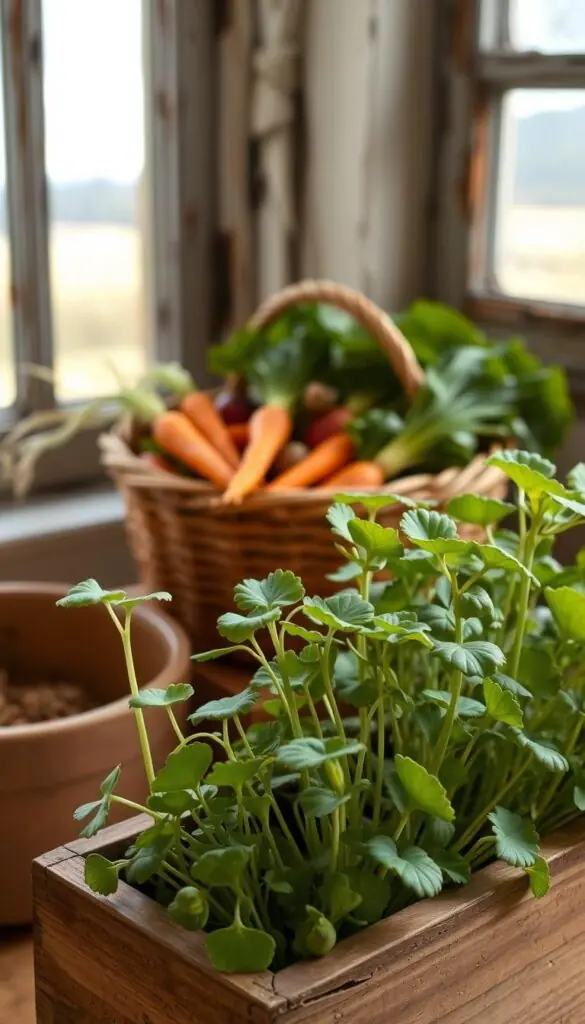
Claytonia and mâche are perfect if you want soft, mild greens that handle cool light without extra heat. Sow seeds shallowly in a cool, well-draining soil and keep media evenly moist but not saturated.
Optimal seeding temperatures are 70°F or lower. Plant from August through October for a steady fall winter harvest indoors or in a protected spot.
Growth slows through the darkest weeks, then picks up as daylength increases. Be patient: mâche forms small, buttery rosettes and can be ready by January in cold regions, while claytonia often fills out later and sends tiny white flowers.
Care tips:
- Sow very shallow and press seeds gently into cool soil.
- Keep lights close and rooms cool so leaves stay compact.
- Water lightly and regularly; avoid waterlogged pots.
- Start a second tray two weeks after the first to stagger harvests.
Chicories and radicchio: color, crunch, and cold-friendly growth
Bring a splash of red and crisp texture to your indoor garden with chicories that do well in cool, low-light rooms. These plants offer dramatic color and a satisfying crunch you can harvest leaf-by-leaf.
Open-heading types that finish well in low light
Choose open-heading radicchio like Bel Fiore and Fiero. They make vivid patterns and hold color better when light is limited. Sow small flats and stagger plantings two weeks apart for steady harvests.
Keep lights bright and close to help red tones develop. Filtered light can mute the color, so avoid shading from taller broccoli or other taller vegetables in your garden.
Transplant into deeper containers so loose heads can fill out. Harvest outer leaves first to stretch the harvest and let the center keep growing.
Expect a sweeter, less bitter bite after chilly nights; cooler conditions boost sugars and improve flavor. Young plants tolerate cold well and can overwinter under a single light row cover, then regrow rapidly by late February.
| Feature | Recommendation | Why it matters |
|---|---|---|
| Varieties | Bel Fiore, Fiero | Fast, open-heading, good color in low light |
| Light | Bright, close LEDs | Maintains red tones and patterning |
| Harvest | Leaf-by-leaf (outer first) | Extends yield and keeps heads forming |
| Care | Steady airflow, moderate feeding | Prevents soft leaves and dull color |
Cilantro: tender leaves through deep winter, robust in late winter
Cilantro is one tray that perfumes a room and keeps giving if you sow and protect it well.
Gently crack or lightly crush the seeds between your fingers before planting. That small step speeds even germination in cool media and helps young plants emerge together.
Sow thickly for baby-leaf snips, then thin so trays breathe. Thin rows quickly dry after waterings and resist mildew, so leaves stay fresh and bright.
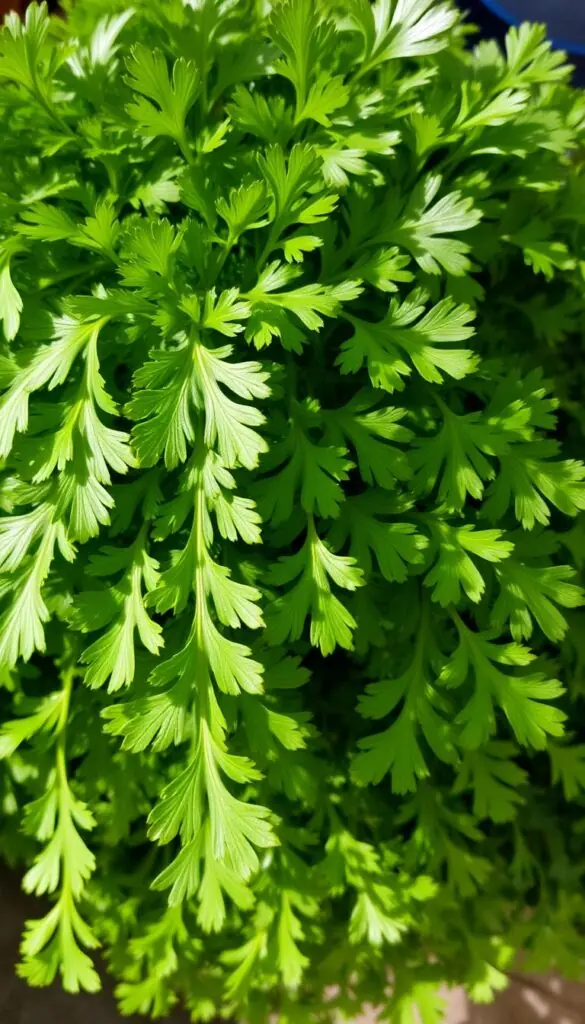
Start seeds mid September to early October in a sheltered spot. Growth will slow in deep winter, then pick up noticeably as late winter light strengthens.
- Drape a heavy-weight row cover on nights that dip near freezing; remove it each morning for sun and airflow.
- Brush your hand across the tray — a citrusy scent means leaves are tender and ready.
- Harvest with scissors at 3–5 inches, leaving the crown so the plant can push new growth every 7–10 days as days lengthen.
These small gardening habits and timing across the cool months give steady, flavorful returns and simple, repeatable care tips.
Lettuce indoors: baby leaf, mini heads, and color-rich mixes
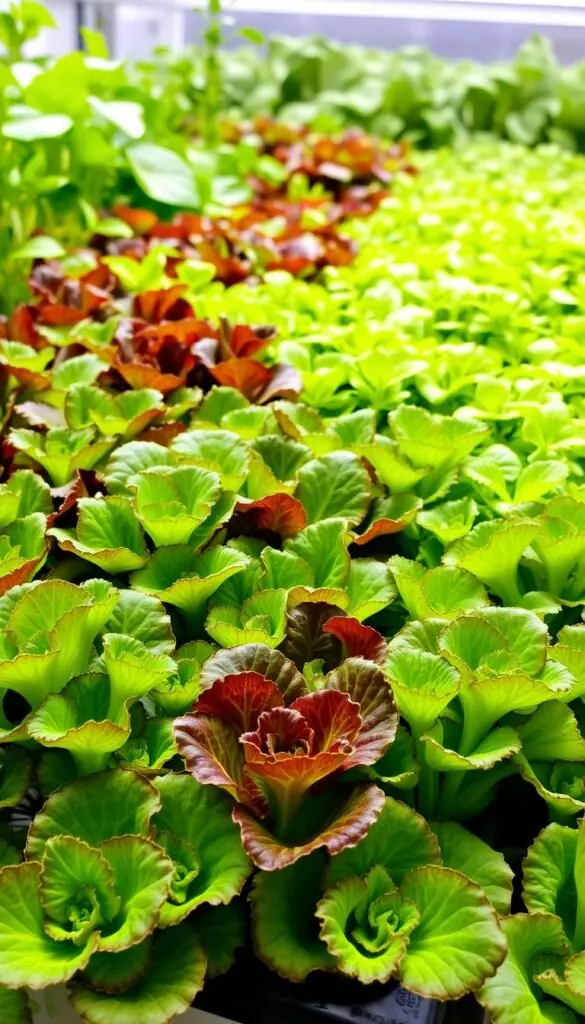
Lettuce is one of the easiest vegetables to grow inside when you match variety and spacing to your light and warmth. Baby-leaf trays give the most reliable returns, since young leaves bounce back after chilly nights and resist frost damage better than full heads.
Baby-leaf tray method: sow evenly, press seeds into moist mix, and thin to a carpet that still shows soil. Harvest at 3–4 inches with scissors for tender leaves that regrow quickly.
Varieties that hold color and resist disease
Choose mixes made for low light and disease resistance. Try Five Star Greenhouse Lettuce Mix, Salanova Red Butter, and Salanova Red Oakleaf for lasting red tones and downy mildew resistance.
Protecting texture and avoiding freeze-damage indoors
For mini heads, transplant 6–8 inches apart and keep LEDs close so heads stay compact. Open-heading types tolerate cool snaps better than tight, crunchy heads.
"Crisp ribs and tender leaves tell you the tray had the right light and moisture."
| Method | Spacing | Tip |
|---|---|---|
| Baby-leaf tray | Broadcast, thin to carpet | Harvest at 3–4 in for fastest regrowth |
| Mini heads | 6–8 in apart | Keep lights close; choose open types |
| Protection | Row cover (1–3 layers) | Use on drafty nights; remove each morning |
Keep media evenly moist, not soggy. Soggy trays dull texture and invite rot in cool rooms. If varieties grow at different speeds, harvest each patch at peak and blend for a perfect bowl.
Radishes: quick color and crunch in cool conditions
A tray of radishes can change a dull windowsill into a lively, edible display in weeks. These small roots grow fast and add bright color plus a mild, peppery snap to salads.
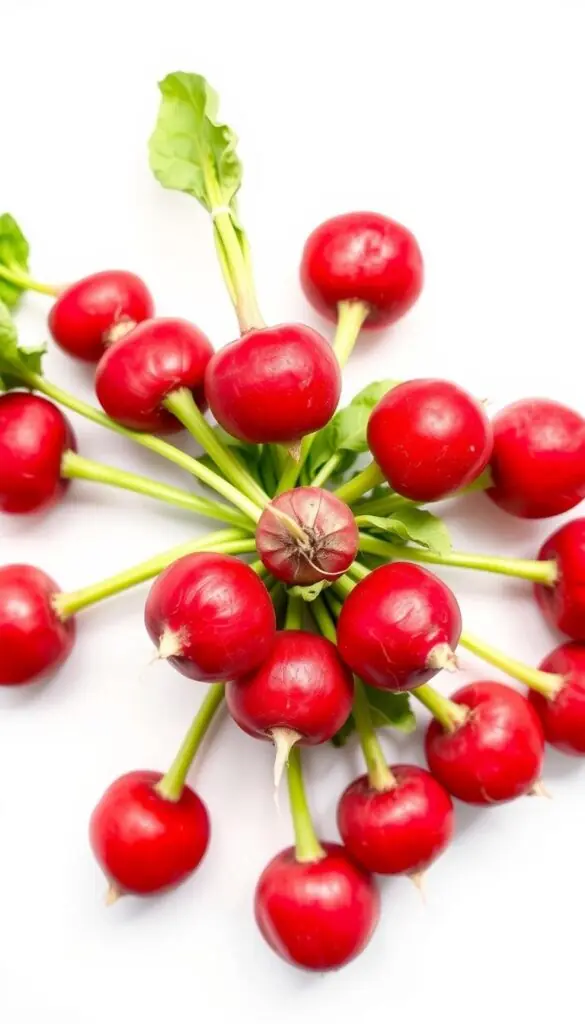
Use a shallow, wide container about 6–8 inches deep and sow in tidy rows. Thin seedlings to a true 2 inches so bulbs size up evenly and avoid misshapen roots.
Keep the top inch of media slightly moist. Steady moisture yields crisp texture and prevents pithy, woody centers. Avoid big swings in temperatures; radishes dislike sudden changes and can crack or go pithy.
- Choose quick varieties—small rounds and French breakfast types like Nelson for faster harvests.
- Harvest as soon as bulbs color up and feel firm under the soil; don’t wait too long or texture suffers.
- Skip daikon indoors—those long types take more space and time and are better for outdoor storage plantings.
"A firm bulb and a bright snap tell you they're ready to pick."
| Tip | Why it matters | When |
|---|---|---|
| Thin to 2 inches | Even sizing and healthier roots | At first true leaves |
| Steady moisture | Crisp texture, no pithiness | Top inch kept slightly damp |
| Even temperatures | Prevents sponginess from repeated frost | Maintain cool, steady room temps |
Turnips for the table: ‘Hakurei’ and other small, sweet roots
Planting a few trays of turnips gives you quick, tender roots and tasty greens for sautés. These vegetables do well as a fall direct-seed and reward steady care with a crisp bite and sweet juice.
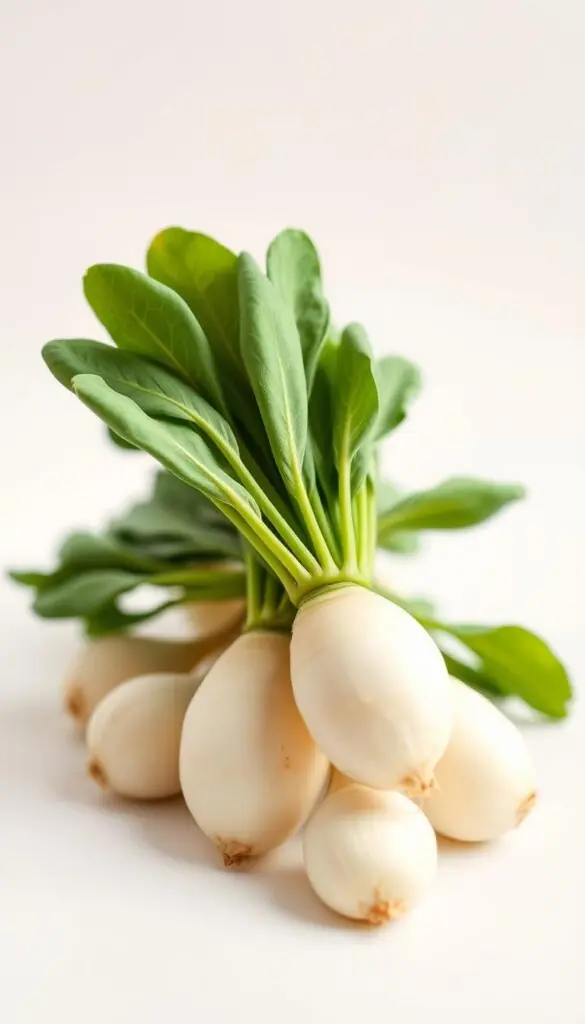
Sow seeds about ¼ inch deep in a loose mix. Thin seedlings to 2–3 inches for golf-ball sized bulbs. That spacing helps bulbs form evenly and keeps texture silky.
Try ‘Hakurei’ for candy-sweet roots. Add Scarlet Queen Red Stems for color and tender tops, or Purple Top White Globe for classic flavor. Direct-seed in fall; they’ll do best in cool, short days.
- Thin to 2–3 inches so bulbs finish small and sweet.
- Water evenly—uneven moisture makes roots spicy or spongy.
- Snip greens young for a quick sauté; they’re mild and delicious.
- Keep succession trays so you can harvest at peak.
Watch for bolting as days lengthen. Turnips won’t hold into spring in tunnels and will push to flower by March. Protect young roots from hard frost and harvest promptly for the best flavor in your home garden.
Carrots: petite, sugary roots for late winter snacking
Deep pots and fine soil make petite carrots one of the most rewarding indoor roots to grow. Use a tall container so roots slide straight down. Remove any chunky bark or pebbles that can fork the root.
Sow seeds thickly in loose, fine media. Keep the surface moist with a daily mist until seedlings appear; carrot seeds sprout slowly in cool conditions.
Thin to a finger’s width once plants have true leaves. Tighter spacing gives slim, snackable sticks. As foliage feathers out, water deeply and less often so the root fills evenly and sugars build.
For a late harvest, direct-seed in early August for a Thanksgiving-to-Christmas timeline. Varieties like Napoli, Yaya, Aranka, and Mokum color up early and taste sweet in cool months.
- Choose deep pots, loose mix, and steady surface moisture for germination.
- Thin early to keep roots straight and slender.
- Harvest when shoulders color and tops feel sturdy; a bright orange snap is your cue.
| Variety | Days to nibble | Best use |
|---|---|---|
| Napoli | 60–75 | Sweet snacking, early color |
| Yaya | 55–70 | Thin, crisp roots for salads |
| Aranka / Mokum | 65–80 | Robust flavor, stores into spring |
Scallions and bunching onions: slim, fragrant alliums
A few clumps of scallions brighten a windowsill with fresh, fragrant shoots you can snip daily. They are tidy, low‑stress vegetables for small spaces and give quick rewards when you sow and tend them.
Multi-sowing works best: plant 6–8 seeds per cell so each plug becomes a small clump. Transplant those clumps into a shallow trough and you’ll harvest neat bunches without fuss.
Direct-seed in August for a winter harvest. Try Evergreen Hardy White for late‑winter use; harvest before days lengthen to avoid bolting. For plants you want to hold into spring, pick Deep Purple or Guardsman.
- Keep lights close so leaves stand upright and white shanks form straight.
- Trim floppy tips; a fresh onion scent when cut means it’s ready and will regrow thicker.
- For overwintered bulbing onions: sow late August–early September, transplant late Sept–early Oct, and aim for 4–5 leaves before hard freeze.
| Variety | Best for | Timing |
|---|---|---|
| Evergreen Hardy White | Late‑winter harvest | Sow Aug; harvest before long days |
| Deep Purple / Guardsman | Hold toward spring | Overwinter friendly |
Leeks in containers: slow, steady, and beautifully mild
Leeks repay slow hands: plant them early in deep pots and watch each pale shank thicken with gentle hilling.
Start seedlings in tall containers so roots have room and you can add media around the stems as they grow. This hilling method blanches the base and sweetens the white shank.
Choose a hardy variety like Oslo if you expect cold weather. Many leeks handle cool room temps, but extra protection helps survival through deep winter.
Keep the soil evenly moist and rich in compost. Leeks love steady nutrition in cool, bright spots. Blue‑green leaves mean they are thriving.
Leeks are slow, so plan ahead and accept the pace. If you want sooner bites, harvest baby leeks—tender, mild, and perfect for sautés.
"When sliced, leeks release a mild, sweet aroma that lifts soups and simple sautés."
- Deep containers and frequent hilling make fuller, blanched shanks.
- Pick 'Oslo' for hardiness; start early for a spring harvest.
- Harvest by twisting gently; wash grit from the layered stems before cooking.
| Step | Why | Timing |
|---|---|---|
| Start in deep pots | Room for roots and hilling | Early fall for winter hold |
| Hill soil up stems | Blanches and sweetens shank | As stems reach 4–6 inches |
| Keep media moist | Steady growth and flavor | Maintain even moisture weekly |
Main winter crops to start seeds for right now
Start small with a weekly plan so your indoor trays give steady greens, roots, and onions through the cold season. This checklist follows a simple rhythm you can repeat year after year.
Week-by-week timing (fall to early spring)
- Week 1–2: Sow spinach, arugula, mizuna, and tatsoi for fast baby greens. Keep media cool and lights close.
- Week 3–4: Start radishes and Hakurei turnips in wide pots. Plant a second salad tray to stagger cuts.
- Week 5–6: Transplant kale into deeper containers. Add mâche or claytonia for softer winter salads.
- Week 7–8: Sow cilantro for late-winter snips. Begin scallions in multi-sown clumps for spring-like bunches indoors.
- Week 9–10: Try a small flat of open-heading radicchio; keep light bright for better red tones.
Roots take longer, so start carrots early in a deep pot so they sweeten as spring light grows. Adjust each step a week earlier or later depending on your home light and latitude.
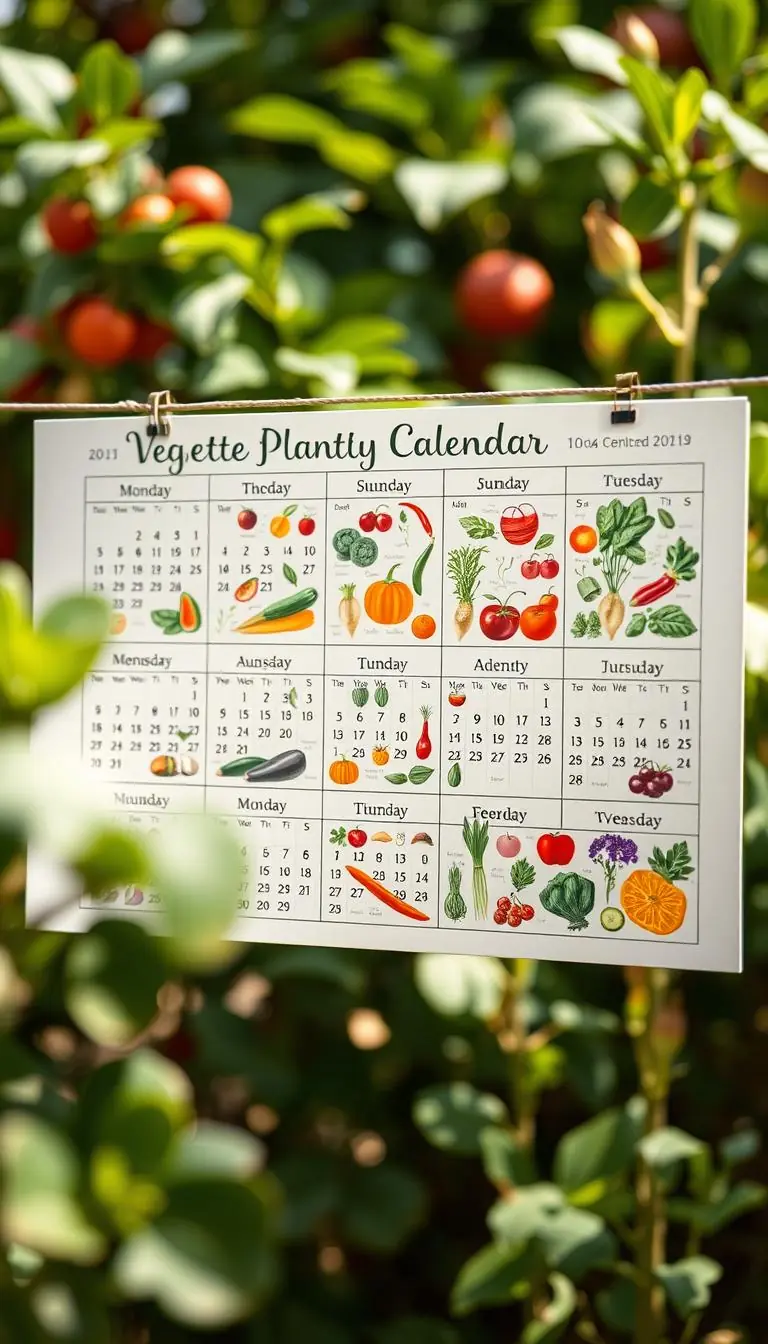
Quick checklist: sow small batches often, plant seeds in cool, bright spots, and keep trays staggered to avoid feast-or-famine. With a simple calendar you’ll watch your vegetables grow and enjoy fresh harvests all season.
Care, harvest, and protection tips for indoor winter gardening
Simple care steps—timed waterings, light checks, and quick trims—make a big difference for indoor greens. These short habits protect flavor and keep plants compact.
Watering, thinning, and gentle cover use indoors
Water in the morning, and when you can, bottom-water. Roots dive deeper and leaves stay dry and crisp.
Thin crowded trays with scissors. Snip extras so air moves between stems and trays won’t trap moisture.
Brush foliage with your hand once a day. That tiny breeze strengthens stems and reduces damp spots.
Drape a light row cover on cold nights near drafty windows and remove it by day for light and airflow. Use one to three layers for lettuce in near‑frost conditions; cilantro and kale can handle a single light layer below freezing.
Common mistakes to avoid for better results
- Too-warm rooms — plants stretch and lose flavor.
- Overwatering — soggy media invites rot and weak growth.
- Lights too far — raise LEDs to 4–8 inches for compact habit.
- Heavy feeding in low light — dilute feed every 2–3 weeks only.
"A short, steady routine at the same time each day gives the best results."
| Routine | Why | When |
|---|---|---|
| Bottom-watering | Dries leaves, stronger roots | Morning, weekly or as top inch dries |
| Thinning by snip | Improves airflow and texture | At first true leaves |
| Light cover | Extra protection from frost and drafts | Cold nights; remove each morning |
| Daily check | Consistent time = reliable results | Same time each day |
Conclusion
Picture the quiet joy of snipping a small handful of bright greens while the world outside is still.
Start with one tray—try sweet spinach ‘Auroch’, peppery arugula, or quick radishes. Add another tray each week and enjoy the simple rhythm.
Cool rooms, steady light, and a gentle fan do most of the work. A light row cover and careful thinning keep color and flavor close through the cold season.
Baby-leaf methods reduce damage and speed results. Small steps yield rich vegetables and reliable fall winter harvests that carry you toward spring.
Gardening is a quiet companion through the year. Try one tray, then another, and celebrate how these small crops brighten daily meals.
FAQ
What vegetables can you reliably grow indoors during the colder months?
You can grow many cool-season vegetables indoors with good light and care. Best choices include spinach, kale (curly and lacinato), arugula, mizuna, tatsoi, komatsuna, mâche, claytonia, chicories like radicchio, cilantro, lettuce (baby leaf and mini heads), radishes, small carrots, Hakurei turnips, scallions, bunching onions, and leeks. These varieties tolerate lower light and cooler temperatures and give steady harvests when sown in succession.
How do I set up an indoor garden that mimics gentle winter sun?
Place containers where they get the brightest south- or west-facing light and add full-spectrum LED grow lights to extend daylight to 12–14 hours. Keep air moving with a small fan to prevent damp leaves and fungal issues. Maintain daytime temps around 60–68°F and slightly cooler nights. Use reflective surfaces or a light-colored wall to boost available light without overheating plants.
What tools and materials make indoor winter gardening easier?
Useful items include energy-efficient LED grow lights, seed trays and deep containers, a quality seed-starting mix, timers for consistent light cycles, small circulation fans, humidity trays, and lightweight row cover or frost cloth for extra protection near windows. Labels and a simple pH meter help with organization and soil checks.
Which spinach varieties are best for indoor or late-season harvests?
Choose bolt-resistant, slow-bolting varieties like ‘Bloomsdale Long Standing’, ‘Giant Winter’, or ‘Perpetual’ for continuous harvests. For baby leaf, sow more densely and cut often; for full-leaf heads, space plants farther apart and stagger sowings every 2–3 weeks to maintain a steady supply.
How should I sow and space greens indoors for best results?
For baby-leaf mixes, sow seeds thinly across trays and expect to harvest at 3–4 weeks. For full leaves, thin seedlings to the recommended spacing on the packet (often 6–12 inches for larger greens). Use succession sowing every 10–21 days to avoid a single large crop and to keep fresh greens coming through the season.
Which kale type grows faster and handles cool indoor conditions better?
Curly kale tends to grow faster and more compactly, making it ideal for containers and quick harvests. Lacinato (dinosaur) kale is slightly slower but offers tender, sweeter leaves after cool exposure. Both perform well indoors with steady light and regular harvests from the bottom up.
How do I harvest kale so it keeps producing?
Harvest outer, lower leaves first and leave the central growing point intact. This encourages new shoots and a continuous supply. Pick leaves when they’re 4–8 inches long for best texture and flavor, and avoid stripping plants bare to preserve vigor.
Are cut-and-come-again brassica greens a good choice for indoor salads?
Yes. Arugula, mizuna, tatsoi, and komatsuna thrive as cut-and-come-again greens. Sow densely, cut leaves about an inch above the crown, and allow regrowth. They provide fast, peppery salads and tolerate repeated harvests when kept well-watered and supplied with light.
What are claytonia and mâche, and how do they perform in low light?
Claytonia (miner’s lettuce) and mâche (corn salad) are tender, mild greens with delicate textures that handle cool, lower-light conditions. Sow in shallow trays, keep soil evenly moist, and harvest leaves as baby greens. They’re great for adding tender, wintry flavors to salads.
Which chicories and radicchio varieties finish well indoors with limited light?
Open-heading chicories and smaller radicchio types finish better in low light because they don’t require tight heading. Look for varieties labeled “open” or “loose-leaf” and harvest before light becomes too weak to support head formation. They add color and crunch to winter plates.
Can cilantro survive deep winter indoors?
Cilantro can do well indoors if given bright light and cool nights—around 55–65°F helps delay bolting. Sow every few weeks for steady supply because cilantro tends to bolt as days lengthen or temps rise. Harvest outer stems regularly to encourage continued growth.
What lettuce types keep color and resist downy mildew in indoor settings?
Choose mildew-resistant mixes and varieties like ‘Buttercrunch’, ‘Oakleaf’, and red-leaf blends bred for disease resistance. Grow in clean trays with good airflow, avoid overhead watering, and keep humidity moderate. Baby-leaf production also reduces disease risk since you harvest before problems typically start.
How do I protect indoor lettuce from cold damage near windows at night?
Move containers a few inches away from cold glass, use a thermal insulating mat under pots, and add a light row cover or frost cloth overnight when temperatures dip. Keeping plants a bit elevated from a drafty sill and maintaining steady moisture helps prevent freeze stress and wilted leaves.
Are radishes a quick win for indoor growers?
Yes. Radishes mature quickly—often in 3–5 weeks—and add bright color and crunch to winter meals. Sow in shallow trays with loose, sandy soil and keep evenly moist. Harvest promptly when roots reach edible size to avoid pithy texture.
What makes Hakurei turnips a good indoor root choice?
Hakurei turnips are small, sweet, and fast-maturing, making them well-suited for containers and indoor conditions. They tolerate cooler temps and lightly shaded locations. Harvest young for the best flavor and texture.
Can you grow carrots indoors, and which types work best?
You can grow petite carrots indoors—short, thin types like ‘Paris Market’, ‘Thumbelina’, or ‘Little Finger’ perform best. Use deep, loose containers and a fine-textured potting mix. Keep soil consistently moist and thin seedlings early to avoid stunted roots.
How do scallions and bunching onions fit into an indoor garden?
Scallions and bunching onions are space-efficient and tolerant of lower light. Start from seed or sets in narrow containers or troughs. Harvest outer stalks and allow inner growth to continue. They add fresh, oniony flavor to winter dishes with little fuss.
Are leeks practical to grow in containers indoors?
Yes, leeks grow well in deep containers and reward patience with mild, sweet flavor. Start seeds early and blanch stems by gradually hilling soil or moving them into taller pots as they grow. They take longer than greens but store well once harvested.
Which seeds should I start now for the best late-season harvests?
Prioritize fast-maturing greens and roots: spinach varieties suited to cool seasons, baby lettuces, kale, brassicas for cut-and-come-again harvests, radishes, Hakurei turnips, and petite carrots. Stagger sowings week-by-week from fall through early spring to keep steady production.
What are the key care and protection tips for indoor cold-season growing?
Water evenly—don’t let trays dry out or sit in soggy water. Thin seedlings early to reduce competition. Use light row cover or frost cloth by windows on very cold nights. Feed lightly with a balanced liquid fertilizer when plants show steady growth. Keep airflow steady to prevent mildew and watch for pests like aphids.
What common mistakes should I avoid for better indoor results?
Avoid overcrowding, inconsistent light schedules, overwatering, and relying solely on natural window light. Don’t wait to thin seedlings or to rotate trays for even light. Finally, avoid heavy feeding on small seedlings—gentle, steady nutrition is best for lasting vigor.