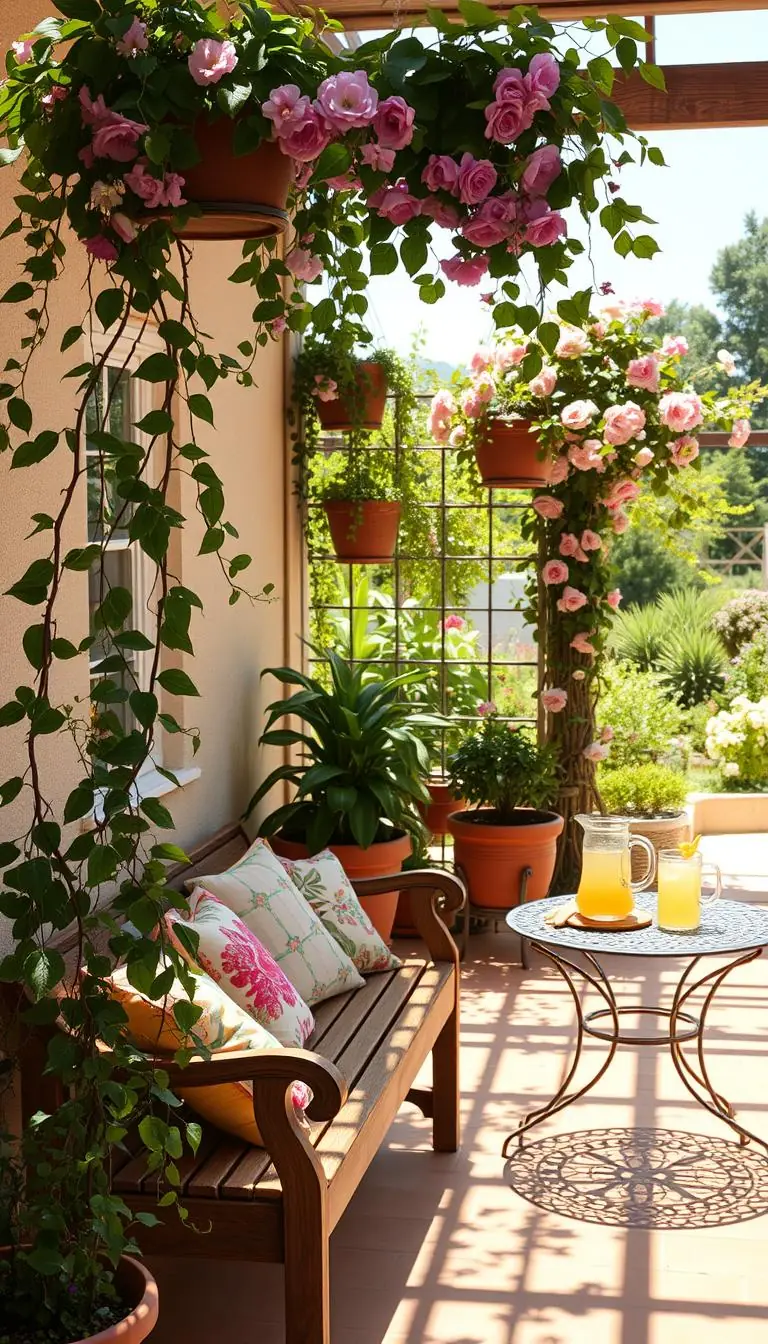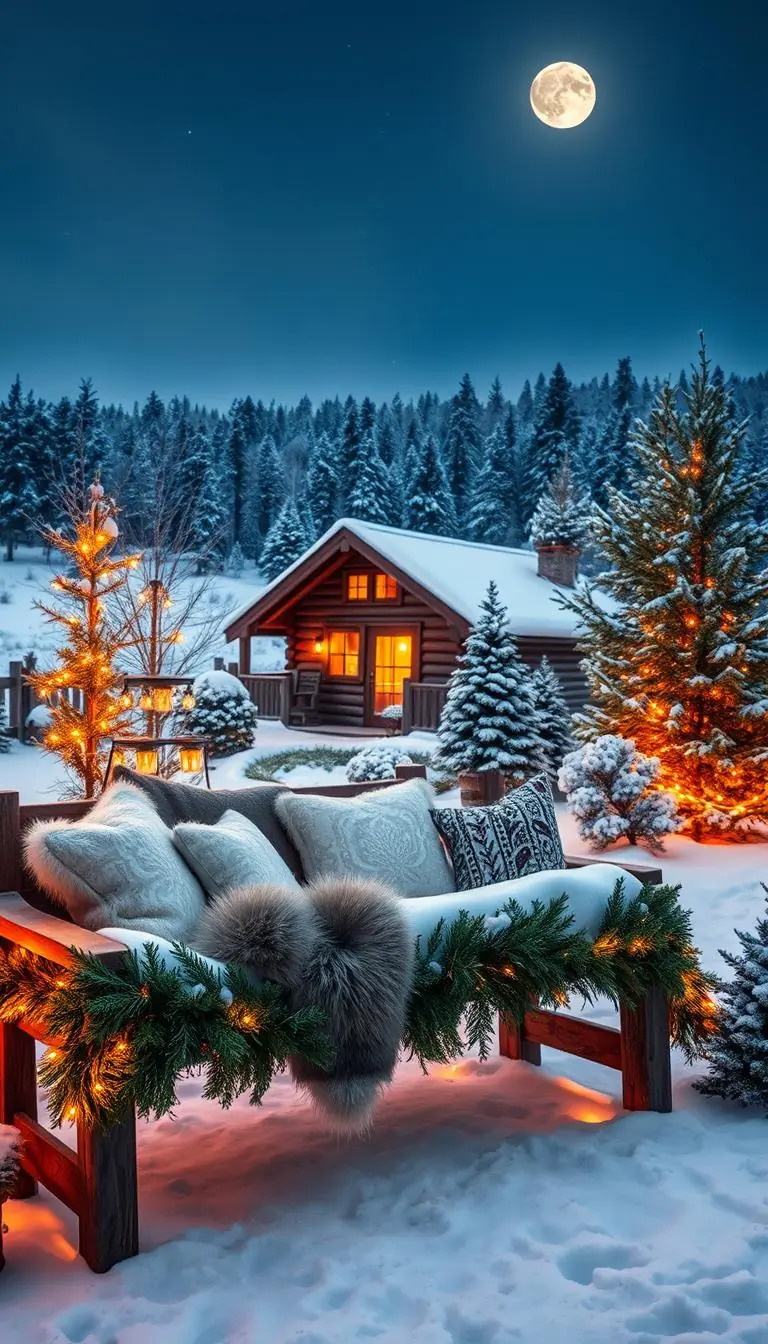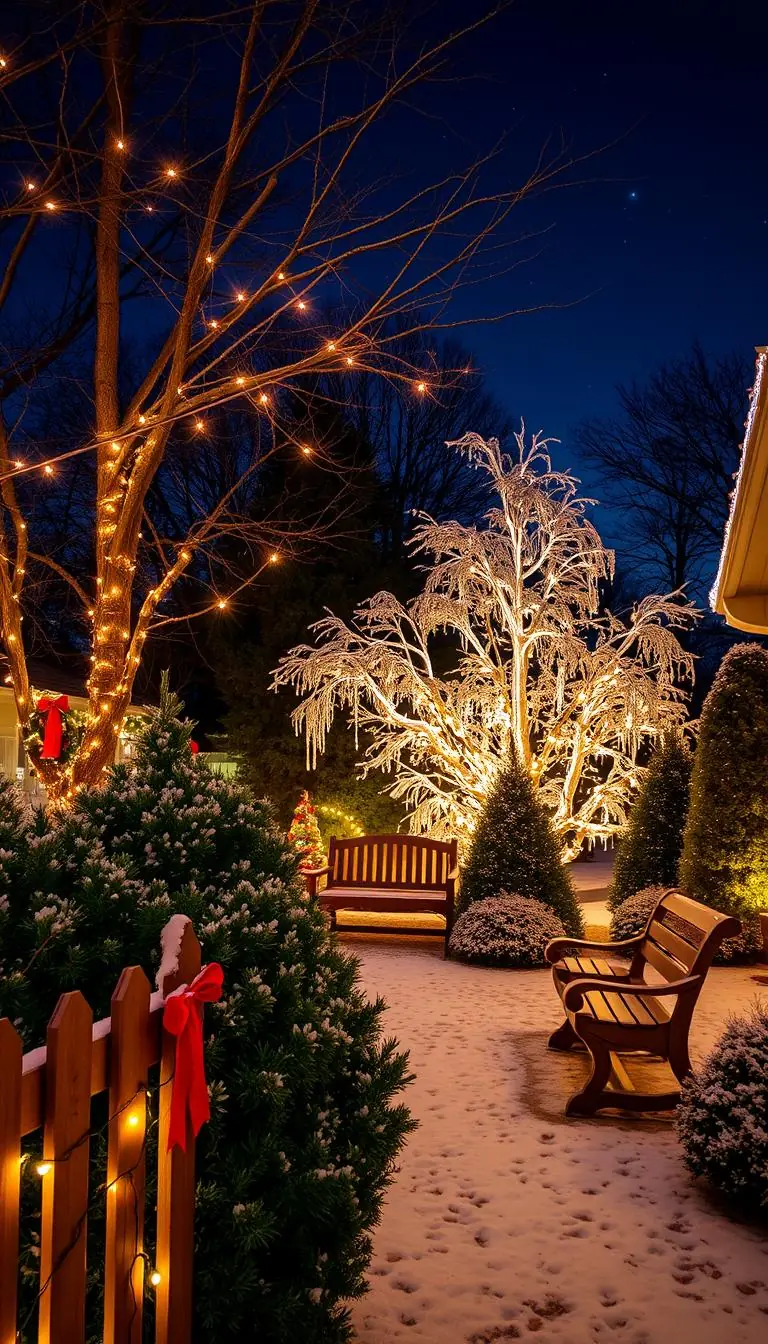
Sun warms the flagstone and you inhale a soft thyme scent—sounds like an evening you want more often, right? Do you ever stand at the kitchen door and wish your outdoor space felt as calm and useful as the room inside?
We’ll help you start with one small plan you can finish this year. Think clear steps, short weekend wins, and gentle upgrades that make your yard look cared for now and more beautiful later.
Begin with the quiet work: soil, grading for drainage, and irrigation zones so plants thrive through hot spells. Add pea gravel with steel edging for tidy paths and use variegated bluestone or a thyme edge to soften walkways.
We’ll point out simple tools, timing by season, and when a split rail fence keeps kids visible without closing the space. Expect cozy lighting, comfy seating, and clear steps that feel like friendly advice from a neighbor.
Key Takeaways
- Start with infrastructure: grading, soil, and irrigation set the stage.
- Pick one weekend win—lighting, seating, or a planting zone—to lift your look quickly.
- Use materials like bluestone and pea gravel for low-maintenance charm.
- Choose a split rail fence for safety and openness when kids play.
- Plan sprinkler overlap and furniture clearances before buying.
Start with a simple plan: measure, sketch, and set priorities
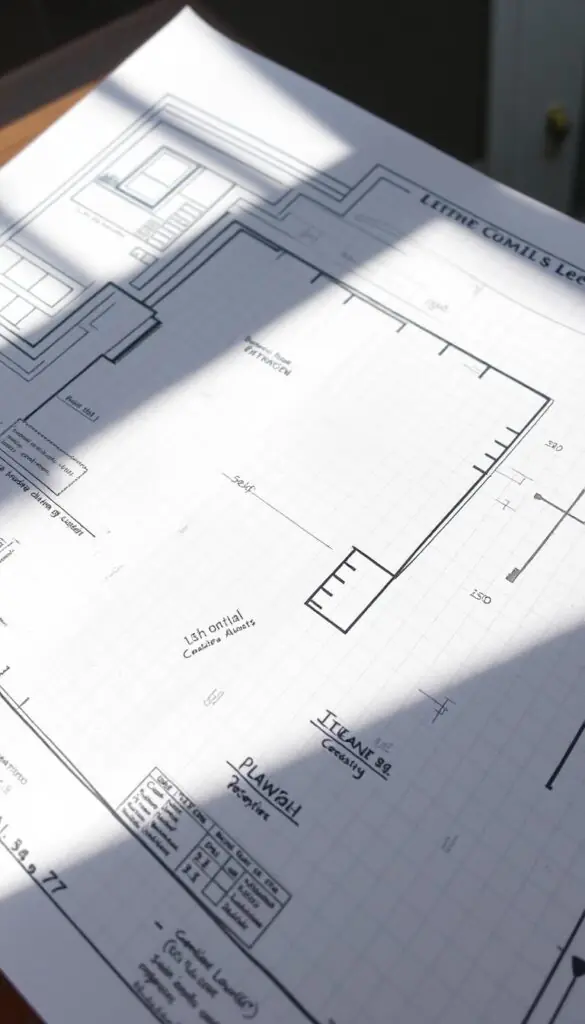
A clear sketch and a tape measure turn ideas into doable plans. Use graph paper at one box = 1 sq ft and draw your main features to scale. Mark buildings, big trees, and any existing concrete. This small step saves you time and money later.
Tools and materials
Gather a tape measure, graph paper, stakes, and a length of string. Add a simple materials list: posts, gravel, fast-setting concrete, PVC primer and cement.
How to map your yard
Sketch sun and shade, slopes, and wind. Note south-facing hot spots for shade and breezy corners for seating. Draw sprinkler heads with 10–15 ft throw and head-to-head overlap.
Weekend vs. months-long projects
Circle quick wins like string lights or a small bed refresh. Box bigger work — a new fence, patio, or full irrigation run — and budget phases.
- Tip: Use stakes and string to test shapes before you dig.
- Safety note: Plan electrical runs as direct-burial with warning tape and an AFCI breaker; use conduit where needed.
Backyard makeover ideas you can do in one weekend
Spend a couple of hours and come away with a warm-lit spot where friends want to linger.
Start by hanging a single run of string lights so the seating area glows. Drape the line in a gentle catenary curve, space bulbs evenly, and choose warm white (2700–3000K) so faces and plants look soft in the evening.
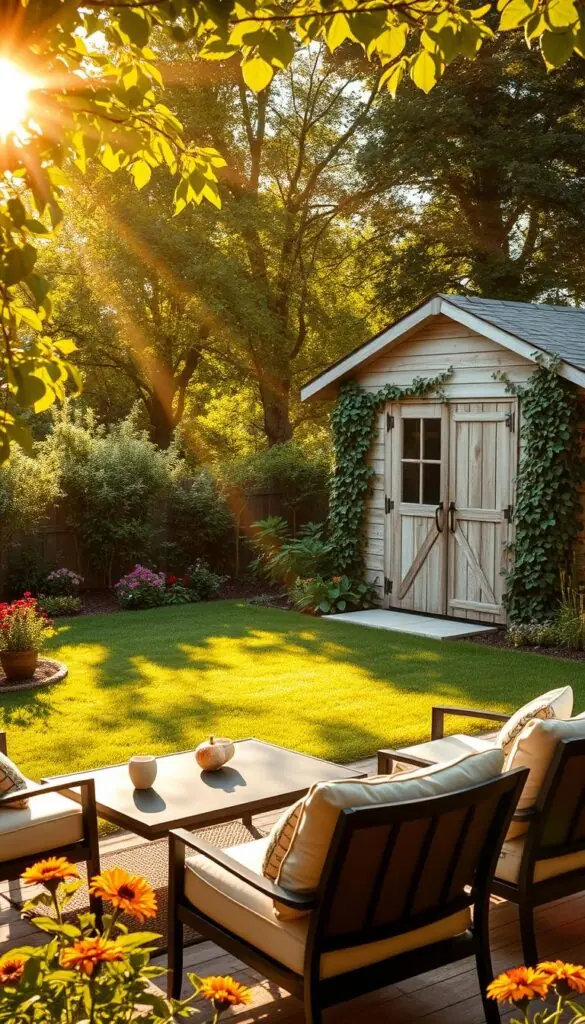
Quick swap: outdoor furniture and textiles
Pick lightweight, durable pieces with washable covers. Add textured pillows and a quick-dry rug to define the area and welcome bare feet.
Create a cozy party corner
Arrange an Adirondack circle around a portable, smokeless-style fire pit so conversation flows and the view stays clear. Tuck a side table for drinks and a basket of folded blankets by the door.
- Drape lights overhead for even glow and a relaxed feel.
- Choose washable covers and toss in textured pillows for easy comfort.
- Anchor the space with an outdoor rug and a small side table.
- Clip potted herbs nearby—rosemary or mint scent the air when brushed.
End the weekend with a sweep and a few lanterns. Small moves like these make the back area feel ready for evenings with friends.
Create a welcoming glow: string lights, posts, and safe installs
Good lighting turns a simple patio into a room you want to use after dark.
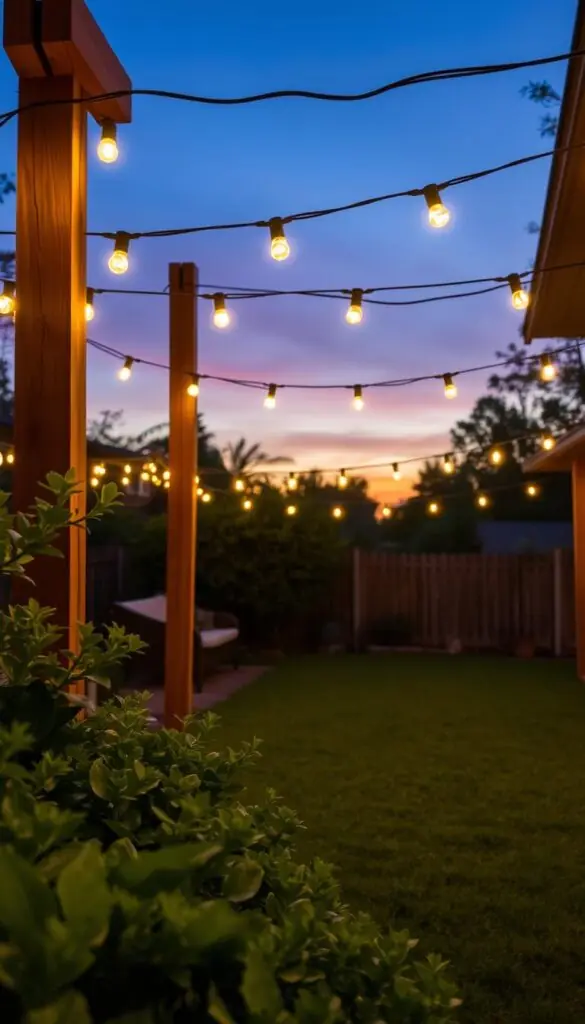
Two easy layouts work well: run a tidy perimeter from a fence to a post for edge lighting, or span from a pergola to the house for broad, even coverage above seating.
Simple mounts and solid posts
Set posts in compacted gravel and finish with a collar of fast-setting concrete so they stay true through wind and seasons.
Use stainless eye bolts, cable, and turnbuckles to tension long runs; leave a gentle sag so the line reads relaxed at night.
Color, spacing, and safe power
Choose warm white (2700–3000K) for cozy dinners; bright white can feel clinical and wash out plant color.
Space bulbs 2–3 ft apart so the patio reads as one calm room.
Power with outdoor-rated cords, GFCI outlets, and weatherproof covers. For buried runs, use direct-burial cable, warning tape, and protected housings.
- Short spans or midpoint posts on windy sites prevent whipping.
- If you can’t dig, use a weighted planter post filled with gravel as a temporary anchor.
- Put the line on a dusk-to-timer and keep doorways and walkways clear.
Build a better boundary: fence designs that add privacy and polish
Good fence work begins with clear lines and steady posts. Lay out your line with stakes and a tight string, keeping posts no more than 8 feet apart so the run stays straight and stable.
Dig holes with an auger or post-hole digger. Make them wide enough for a rock-solid base and bury about one-third of each post for strength. Drop 2 inches of gravel into the bottom to shed water.
Set posts with fast-setting concrete, brace each one plumb with a level, and let it cure. Expect a few weeks of settling before you hang anything heavy.
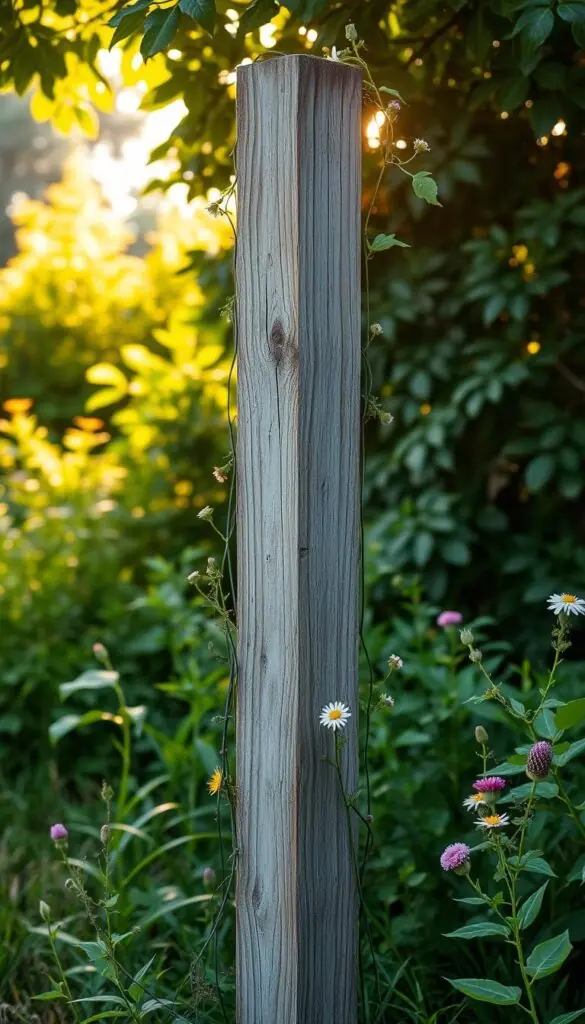
Framing and finishing
- Install three stringers per 8‑ft section (top, middle, bottom) so boards land on solid support.
- For play areas, choose split rail to preserve sightlines while defining space.
- Where wood meets concrete, use concrete-rated brackets and epoxy so the wood stays off wet surfaces.
- Use a nailer or screws for pickets; consider a staggered two-layer layout for privacy and shadow lines.
- Finish with a stain or clear sealer applied by sprayer then back‑brush for even coverage.
Tools to have: auger or post‑hole digger, level, nailer or screwdriver, and a stain sprayer. Take it steady—good layout and proper concrete setting make the fence last.
Weekend fire pit upgrades that bring friends together
A small fire area can become the evening anchor where friends gather and stories unfold.
Choose between wood-burning charm and a smokeless-style pit. Wood gives crackle and classic scent, but it throws sparks and can be banned during dry seasons. Smokeless models burn cleaner and fit areas with restrictions.
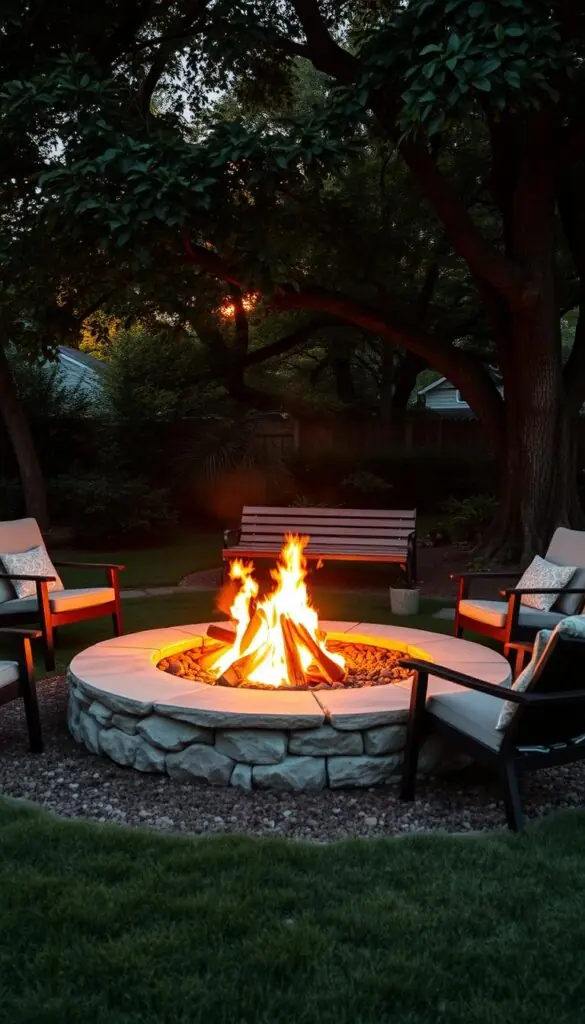
Wood-burning vs. smokeless: pros, cons, and safety in dry seasons
Wood-burning: rich sound and aroma, but more ash, ember risk, and often restricted in droughts.
Smokeless-style: cleaner flame, fewer sparks, and better for tight yards or places with seasonal burn rules.
"If winds pick up or local bans are in effect, skip the flame and use lanterns instead."
Pea gravel pads, paver rings, and seating layouts that feel inviting
Level a pea gravel pad and edge with steel so the crunch underfoot stays tidy. Ring the pit with pavers or a metal collar so the area reads intentional by day.
- Space chairs about two feet apart; leave a wider host spot for tending the fire.
- Keep a water bucket or extinguisher handy and store wood off the ground.
- Set any string light on a single outside post so lines never hover above the flame.
| Feature | Wood-Burning | Smokeless |
|---|---|---|
| Smoke & scent | High, nostalgic | Low, minimal |
| Ember risk | Higher; needs clear zone | Lower; better for restrictions |
| Best use | Open, rural yards | Small lots, drought-prone areas |
Quick note: check local burn rules and watch wind. When the night is calm, sit back, feel the warmth, and watch the stars—simple moments become lasting evenings.
Shade and structure: pergolas, breezy curtains, and patio comfort
A well-sited pergola gives dappled shade and a soft backdrop for evening lights. It can change a sunny patio into a quiet place to read or dine.
Start by mapping the sun path and noting the prevailing breeze at the time you use the space most. Place your structure where late afternoon sun bites hardest so shade falls on the seating area.
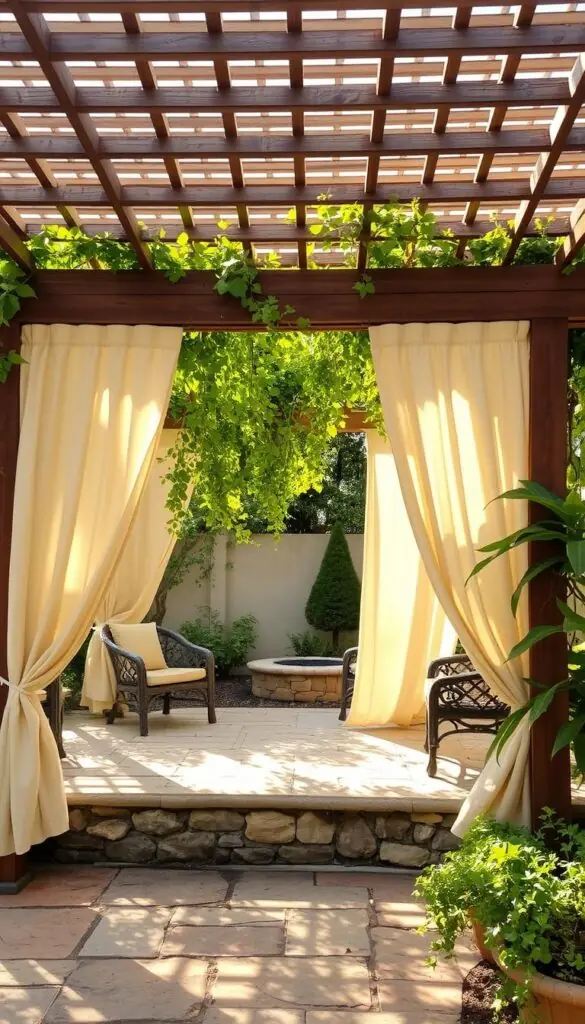
Pergola placement and footing basics
Set posts on compacted gravel and use fast-setting concrete for a stable base. Add a gravel collar to shed water and keep wood clear of damp soil.
Use a string line and a post level to keep posts plumb. A tidy layout now saves you repairs later.
Curtains, hardware, and comfort
Hang weather-resistant curtains in soft white or sand tones. Fabrics like Sunbrella filter glare, flutter in the breeze, and still feel open.
- Face openings toward the breeze to keep air moving under the beams.
- Choose marine-grade hardware and outdoor-rated rods so curtains slide easily and last.
- Add a center beam anchor for string lights so the patio reads as an outdoor room at dinner time.
- Keep one side open for the view; add a slatted fence panel only where privacy is needed.
Plant a climbing herb at a post base—rosemary or star jasmine adds scent and softens the posts. Sweep fabric with a soft brush once a season to keep it fresh.
Stock tank pool or compact plunge: cool off without the big price tag
A simple steel tank becomes a refreshing plunge when you place it on a solid, level base and plan the gear first.
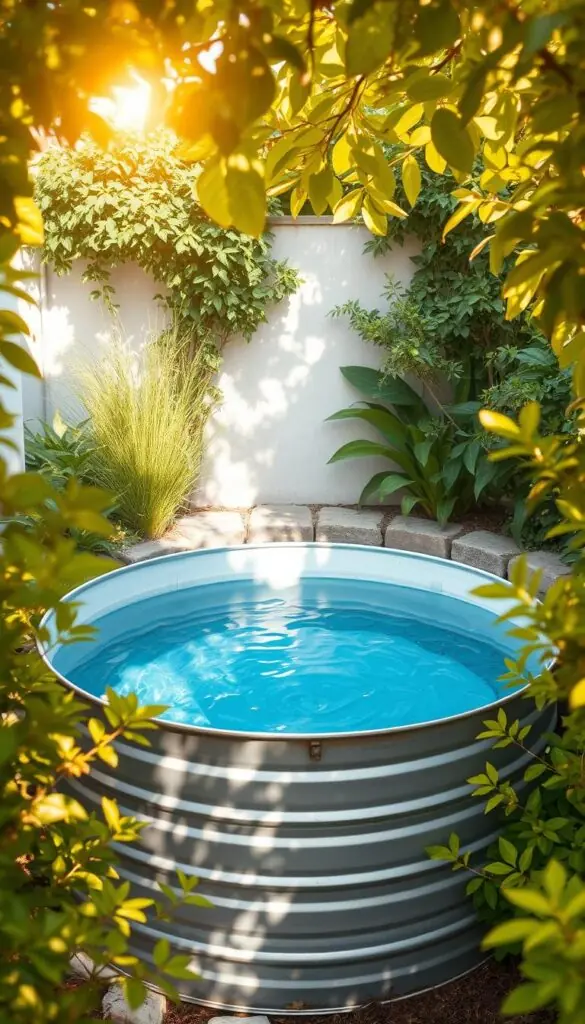
Site prep: level base, pea gravel or concrete pad, and drainage slope
Pick a sunny spot with at least a foot of clearance all around so you can walk, skim, and service the pump easily.
Compact a base of pea gravel with steel edging or pour a small concrete pad so the tank sits stable. Make a slight slope away from the house to shed overflow and keep water moving.
Pump, filter, and safe electrical: what to plan before you fill
Dry-fit the pump and filter before adding water. Keep equipment shaded and set on a raised paver so splashes don’t pool under the unit.
Plan power with outdoor-rated wiring, GFCI protection, and buried cable where required. If you bury cable, run warning tape a few inches above the cable and follow local codes.
Decking ideas: bluestone stepping paths and simple seating that looks great
Variegated bluestone stepping paths keep feet clean and cool. The smooth stone and summer sounds of frequent splashes make the space feel calm and lively.
- Tank placement: allow service room so the pump is reachable without squeezing.
- Care: skim daily and shock sparingly to keep the water bright.
- Finish: add two low chairs, a side table, and a single slatted screen if you want some privacy.
Quick tip: top the rim with a simple wood cap to soften the edge and give a steady handhold getting in and out.
Smarter infrastructure: irrigation, grading, and trenching that pay off
Good infrastructure saves hours of fuss and keeps your yard working through wet months.
Plan sprinkler layouts for head-to-head coverage so the turf gets even water. Use 10–15 foot throw patterns and map zones by sun and slope. Set 4-inch pop-up heads so they clear grass blades and flush lines before you thread on heads with teflon tape to avoid grit and leaks.
Size irrigation simply: 1" mains with 3/4" branches. Glue joints with PVC primer and cement so fittings don’t weep over time. Mark valve boxes and controller spots on your plan for easy seasonal work.
Trenching, depth, and warning tape
Dig electrical trenches about 18 inches deep; keep irrigation mains near 12 inches and branches around 6 inches. Lay warning tape a few inches above every buried run so future digs don’t find your lines. Use direct-burial underground feeder wire and step up to Schedule 40 or 80 conduit where lines rise or need extra protection.
Grading and soil prep
Grade the whole site before any concrete, stone, or paths go in. A gentle slope moves water away from the house and keeps patios from puddling for months. Where a fence crosses a swale, raise the bottom rail or choose a wire section so water and leaves pass rather than dam.
- Tools: trencher or mattock for trenching; clean as you go so backfill compacts evenly.
- Quick check: after the first long month of settling rains, walk the site and top off low spots.
- Tip: allow one foot of service room around controllers and pump pads for safe access.
Garden boxes, edible borders, and plant palettes by season
A few well-placed garden boxes can turn a patch of grass into a steady source of herbs and greens. Place them where you linger so you notice tender leaves and the soft, earthy smell when you top up soil.
Spring into summer: sow lettuces and spinach early, then tuck basil and peppers in as the nights warm. Plant white daffodils beneath cherries for a bright spring show and scent.
Late summer to fall: set out starts of broccoli and Brussels sprouts; even late boxes can yield a cool-weather harvest across a few months.
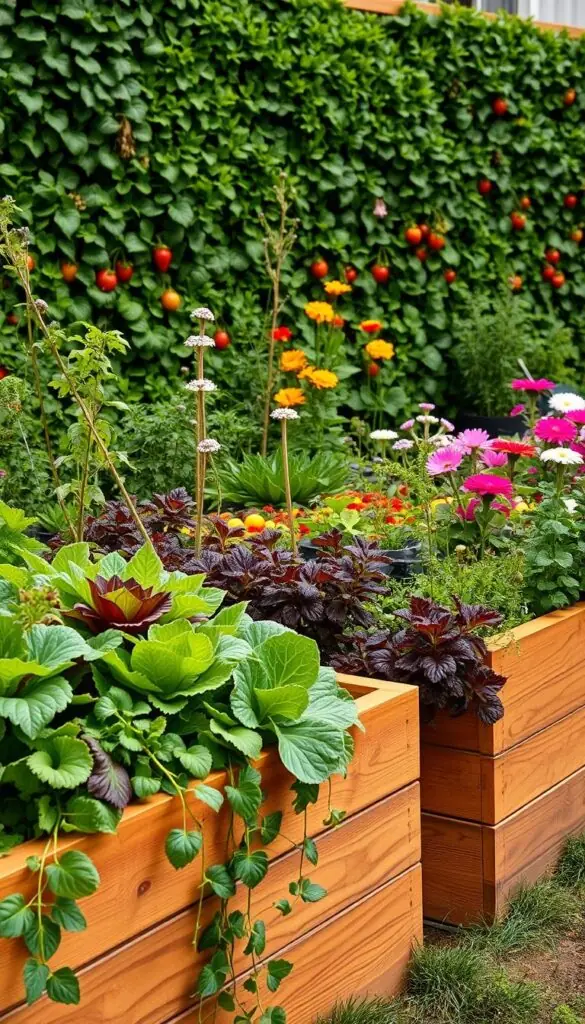
Soil, drip, and mulch that keep roots happy
Fill boxes with a rich organic mix and a top layer of compost. The earthy, sweet smell tells you microbes are at work.
Run a simple drip line on a timer. Gentle, regular sips keep roots steady and save you time during busy weeks.
"Harvest little and often; the best way to keep beds productive is to keep them in motion with simple, joyful work."
- Edge boxes with thyme and chives for a soft, edible border and a herb scent when brushed.
- Mulch with shredded leaves or fine bark to hold moisture and feed soil life through the year.
- If you lack months this season, plant healthy starts for a quick head start.
| Season | Quick Picks | Care Notes |
|---|---|---|
| Spring | Lettuce, spinach, daffodils | Cool soil, light mulch, early sowing |
| Summer | Basil, peppers, tomatoes | Drip irrigation, steady water, side-dress compost |
| Fall | Broccoli, Brussels sprouts, kale | Transplant in late summer, protect from early frost |
Keep a small notebook of planting dates and notes. It’s an easy way to learn what works in your yard and improves results next year.
Make it a destination: outdoor movie nights, sports courts, and pathways
Turn an ordinary evening into a small neighborhood cinema with a simple projector and a spread of blankets.
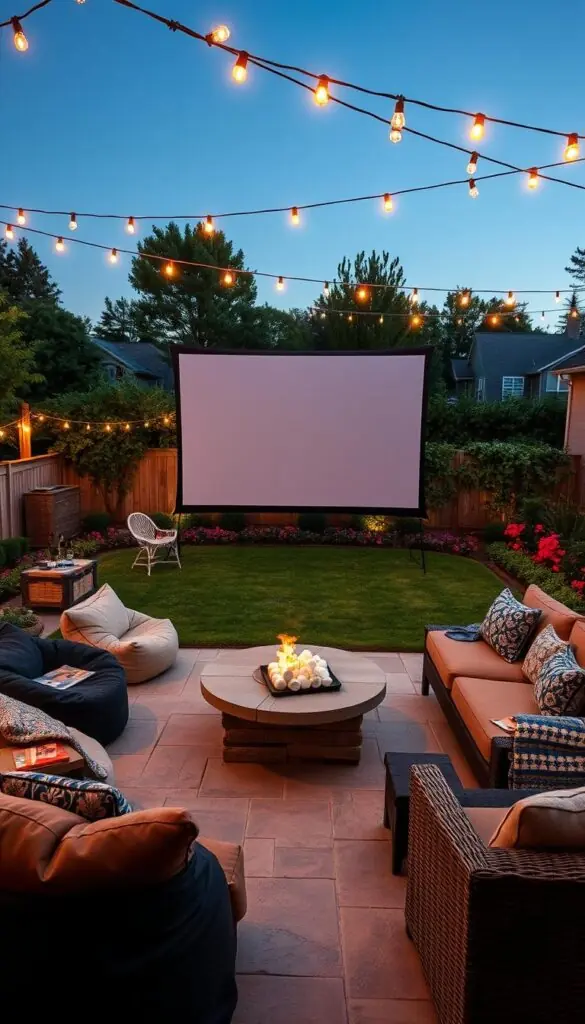
Projector and screen basics, plus cozy blankets for cool nights
Aim a compact projector at a freestanding screen or a taut white sheet. Place seating on your patio or a low gravel pad so sightlines stay clear.
Run cords along edges and tape them down to keep feet safe. Tie a string two anchor lines on either side to guide traffic and mark edges in the dark.
Invite a few friends, toss out blankets, and let the cool night air and thyme scent between stones set the mood.
Resurfacing a play area or sports court and adding safe lighting
If a court is worn, plan a few weeks for repair or a partial repour. Fresh concrete restores bounce and brightens that back corner.
Add low, shielded fixtures at corners so play stays safe without harsh glare. Keep brightness soft so evening still feels like a shared, quiet party place.
Variegated bluestone and creeping thyme to soften the walkways
Lay variegated bluestone stepping paths to the pool or seating; the stone feels smooth underfoot and reads natural with age.
Tuck creeping thyme in the joints; each step releases a warm herb scent and the path looks softer, not stark. Use split rail fence sections to zone courts or gardens so you can keep sightlines and tidy play areas.
"Create a second gathering spot — a bench under a tree — so friends can drift between activities and linger longer."
- Keep a tote by the door with blankets and bug spray for quick nights outside.
- Add two strings of lights to frame the path and guide guests without bright floods.
- Use split rail fence pieces to define space without blocking views.
Conclusion
Start with one clear choice—where you sit—and let other changes grow from that spot.
Keep plans simple, and follow the sensible sequence: grading and irrigation first, then concrete and stone, then plants and furniture. This order saves time and makes bigger work fit easily into a calendar of weekends and months.
Think pergola, soft curtains, and string lights above a small seating area. Add a smokeless fire pit, a split rail where visibility matters, or a stock tank pool for quick cooling. Little wins add up so your home feels even better each time you step outside.
Take the next friendly step today — you’ll want to come back tonight and every night after.
FAQ
How do I start planning a backyard makeover if I only have a weekend?
Measure your space, sketch a simple zone map on graph paper, and set three priorities — seating, lighting, and a focal feature like a fire pit or stock tank pool. Choose projects that use easy tools (tape measure, string, stakes) and materials you can get locally so you can finish in one weekend.
What’s the easiest way to hang string lights for even coverage?
Run string two ways: fence-to-post and pergola-to-house work well together. Use sturdy posts or existing anchors, keep lines taut with turnbuckles, and choose warm white bulbs for a cozy glow. Make sure you use outdoor-rated cables and follow local electrical rules if you need outlets.
Can I add a fire pit without major construction or permits?
Yes — a portable fire pit or a simple paver ring on a pea gravel pad is a quick, low-impact option. Check local fire codes and maintain clearances from fences, trees, and structures. Use a spark screen and keep water or an extinguisher nearby for safety.
What should I consider when siting a pergola or shade structure?
Place the pergola where it blocks the strongest afternoon sun but still lets morning light in. Account for prevailing winds and plan solid post footing — concrete or brackets — to prevent movement. Leave space for curtains or lighting and consider nearby landscaping so the structure feels integrated.
Is a stock tank pool a good low-cost option, and what prep is needed?
A stock tank pool is an affordable, compact plunge that cools you down without a big build. Prepare a level base (compacted pea gravel or concrete pad), plan for drainage, and install a small pump and filter with safe, GFCI-protected electrical. Add a simple deck or bluestone stepping path for easy access.
How do I choose between wood-burning and smokeless fire pits?
Wood-burning pits give a classic crackle and smell but can create smoke and require a reliable fuel source. Smokeless or gas models burn cleaner and are better for neighborhoods with burn restrictions. Consider safety in dry seasons and the vibe you want when entertaining.
What fence styles add privacy without feeling heavy?
Mix styles: a redwood post and picket section offers charm, while a split rail keeps sightlines open for kids and pets. Use spacing, stain, and a few taller panels where you need privacy. Concrete post brackets and fast-setting concrete speed installation and ensure stability.
How can I make outdoor seating feel cozy and durable?
Swap in weather-resistant outdoor furniture and washable textiles for an instant lift. Choose materials like teak, powder-coated metal, or all-weather wicker. Add cushions with removable covers and arrange seats in a conversational circle around your fire pit or focal point.
What irrigation and grading basics should I handle early in a remodel?
Plan sprinkler head overlap and separate zones for lawn and beds. Keep pop-up heads at the correct height and lay trenches deep enough for electrical and water lines with warning tape above. Grade the site to move water away from foundations and protect new hardscapes from pooling.
Which plant choices work best for low-maintenance edible borders?
Choose zone-friendly crops like spring greens, herbs, cherry tomatoes, and fall broccoli. Use raised garden boxes with organic soil and drip irrigation to cut watering time. Mulch well to keep roots happy and reduce weeds.
How do I safely run electricity for pumps, lights, and outlets outdoors?
Use GFCI-protected circuits and outdoor-rated wiring in conduit where required. Keep electrical lines in trenches at the recommended depth and mark them with warning tape. If you’re unsure, hire a licensed electrician to make sure everything meets code.
What quick touches make an outdoor space feel like a destination for gatherings?
Add string lights, an Adirondack chair circle, cozy blankets for movie nights, and a simple projector screen. Small comforts — layered seating, side tables, and spot lighting along paths — invite guests to linger and make the space feel intentional.