
Imagine the scent of fresh cut grass and morning dew on your shoes. Have you ever paused with a cup of coffee and wished your yard felt softer underfoot? Many homeowners do.
We’ll walk you through simple, neighborly fixes that rebuild confidence without fuss. Use basic tools you already own — your mower, a rain gauge or even a tuna can, a spreader, and a hose or sprinkler.
Start with timing and basics: water deeply and less often so roots grow down, not just at the surface. Mow no more than one‑third of the blade, and sharpen blades to prevent tearing.
Do a quick soil test to check pH (ideal 6.0–6.5) before you feed. Remember seasonal cues: cool‑season grass needs feeding in spring and fall, while warm‑season types do best in late spring and summer.
Key Takeaways
- Water deeply and infrequently to encourage deep roots.
- Mow high and remove no more than one‑third of blade height.
- Use a soil test to guide fertilizer and pH choices.
- Start with easy tools: mower, rain gauge, spreader, hose.
- Time feeding by season and set realistic expectations for new grass.
Spotting lawn care mistakes before they spread
Your grass talks—and a slow morning lap with coffee is the easiest way to listen. Walk the yard in soft light and scan for color shifts, thin patches, and odd patterns.
Look for quick, telltale signs:
- Uniform deep green usually means good lawn health; pale or patchy areas hint at adjustments.
- Frayed or brown blade tips a day after mowing often point to dull blades stressing the grass.
- Hard, compact soil—test with your hand or a screwdriver—signals it’s time to aerate.
Check how water behaves after rain or sprinkling. Puddles show poor drainage. Water that soaks away instantly may need more organic matter to hold moisture.
Note shaded, mossy spots and high-traffic paths. Moss can mean low pH or soggy edges. Thin walkways may need stepping stones or a tougher seed blend.

Catch weeds and pests early—pull or treat them before they flower and seed.
Keep a simple seasonal checklist on the fridge and snap monthly photos. A quick habit like this saves time and keeps your yard looking its best across every season.
Mowing made simple: height, blades, and clippings for healthier turf
A steady mowing routine keeps your grass dense and less prone to stress.
Set the cutting height to match your grass type. Most cool‑season grass looks best around 3–4 inches. Warm‑season types like Bermuda or zoysia do better at 1–2 inches. Never remove more than one‑third of the blade in a single pass; doing so causes scalping and shallow roots.
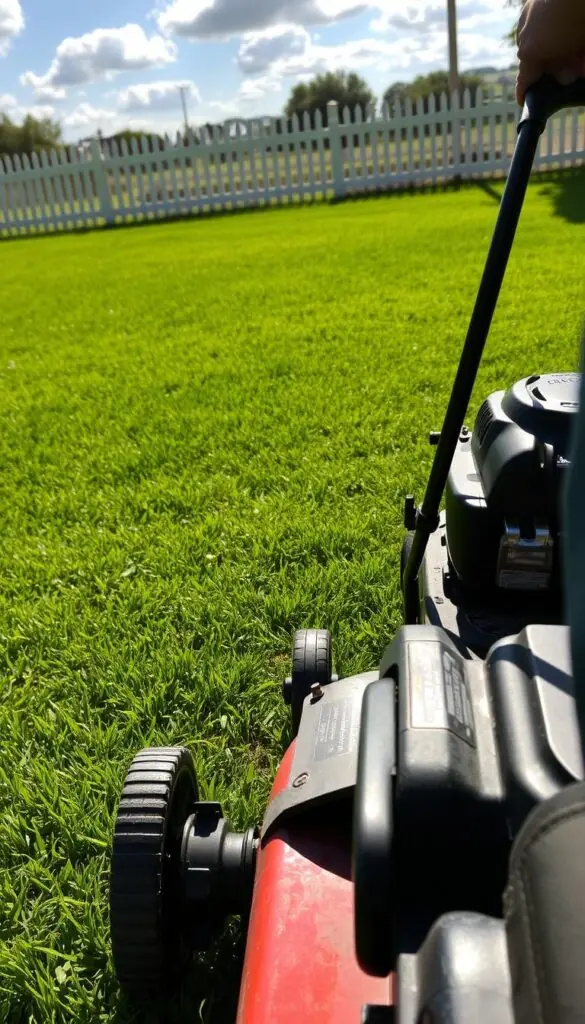
Blade sharpness and the one‑third rule
Listen for the smooth hum of the mower. A sharp blade slices cleanly so tips stay crisp and green. Dull blades tear tissue and raise disease risk. Sharpen blades at least twice a season, or more if you mow often.
Clippings, timing, and simple habits
- Leave fine clippings to mulch back nitrogen—think of them as soft confetti that feeds the soil.
- If grass grew long after rain, raise the height and reduce it over two or three mowings.
- Keep the mower deck clean and tire pressure even for a consistent cut.
- Edge gently along beds to stay tidy without damaging turf near borders.
The fresh, green scent after a straight, even pass is the best sign you did it right.
Water the right way: deep, infrequent, and early
A few mindful waterings a week beat daily sprinkles every time. Give your grass long, slow drinks so roots reach down into cool, stable soil. This builds resilience through heat and drought and saves you time overall.
Target roughly one inch per week. Set out a tuna can or a rain gauge and stop when it’s full. Two or three deep sessions work best so moisture reaches several inches below the surface.
Water at dawn when the air is calm and cool. Quiet sprinklers in early light soak in and the blades dry after sunrise, which lowers disease risk.
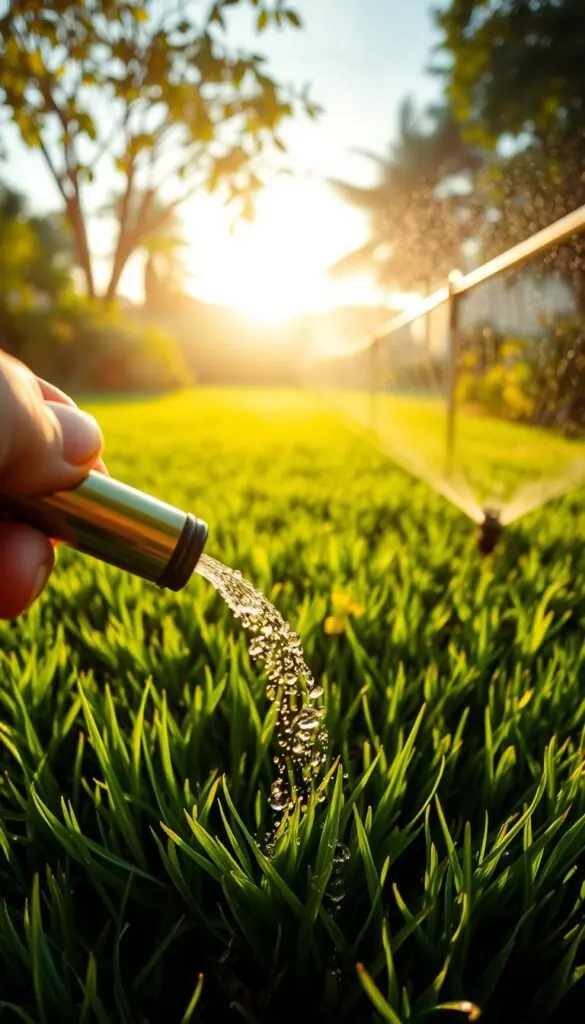
- Aim for one inch per week—measure with a tuna can.
- Split that total into two deep soaks rather than many short ones.
- In hot summer stretches, add depth not frequency so grass handles stress.
- Watch the forecast and local rules; a full day of rain means you can pause your system.
- If water runs off, use short cycles to let soil absorb it slowly.
"A calm morning soak helps grass thrive and keeps your yard beautiful with less fuss."
Feeding your lawn by season and region
A simple seasonal rhythm makes feeding less guesswork and more confidence.
Match feed to grass type and timing. For cool-season grasses like fescue or Kentucky bluegrass, plan major fertilizer passes in spring and fall to build deep roots. A light late‑fall application helps jump‑start color next spring.
For warm-season grasses such as Bermuda or zoysia, feed in late spring and through summer when growth is active. Skip fertilizer during winter dormancy to avoid stressing the turf.
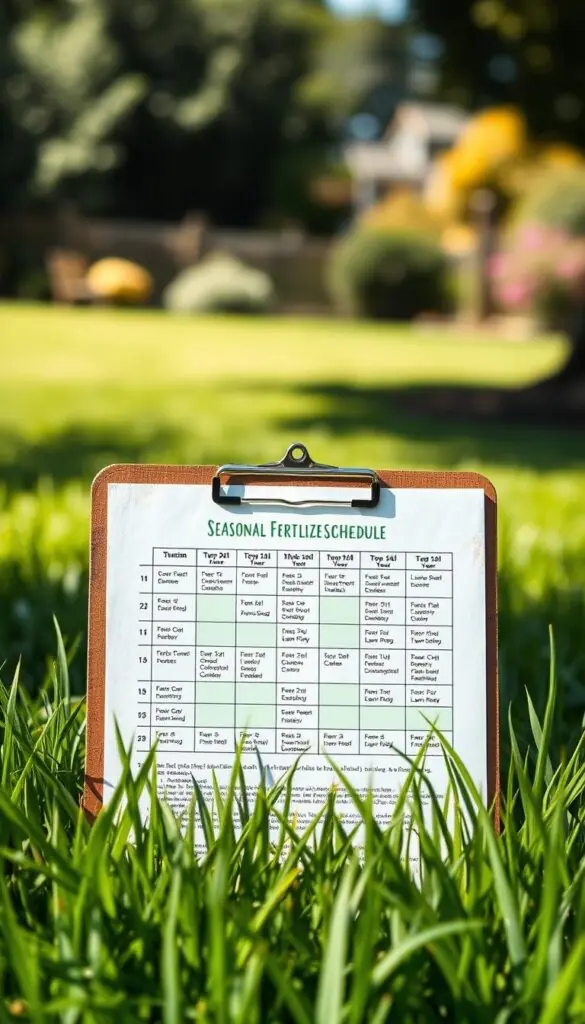
| Grass Type | Best Season | Common Goal | Quick Tip |
|---|---|---|---|
| Cool‑season grasses | Spring, Fall | Deep roots, winter prep | Use a spreader and follow label |
| Warm‑season grasses | Late Spring, Summer | Active growth, heat tolerance | Avoid feeding while dormant |
| All types | As soil indicates | Balanced nutrients | Soil test guides N‑P‑K and lime |
- Use a broadcast or handheld spreader sized to your yard for even application.
- Follow product labels and your soil test rather than guessing rates.
- Water in granular fertilizer if the label calls for it and keep granules off hard surfaces.
"A few steady, correct passes each season beat random feeding every time."
Weeds under control: timing, products, and prevention
A quick, seasonal cue from blooming shrubs helps you time weed control the right way. When forsythia petals fall, spread a pre‑emergent with a calibrated spreader and water it in to block crabgrass germination.

Treat active broadleaf weeds on heavy, dewy mornings. Granular weed‑and‑feed products stick best when leaves are wet. A pump sprayer on a mild, sunny day gives better uptake for spot sprays.
Spot‑treating small patches early stops big bare areas later. If you pull or spray, brush in a little compost and seed to fill thin spots fast.
- Keep products off beds and rinse sidewalks so treatments protect the intended turf area.
- Don’t use pre‑emergent if you plan to seed; it prevents all seedlings.
- Calibrate your spreader yearly and read labels for best spring or fall temperature ranges.
- Mow at the right height—thick grass shades the soil and helps natural weed suppression.
"Treat early, time by plants, and pick the right product for the job."
Soil first: test pH, fix imbalances, and choose the right fertilizer
Before you feed or seed, let the soil tell you what it needs. A quick test clears guesswork and helps you plan the right work at the right time.
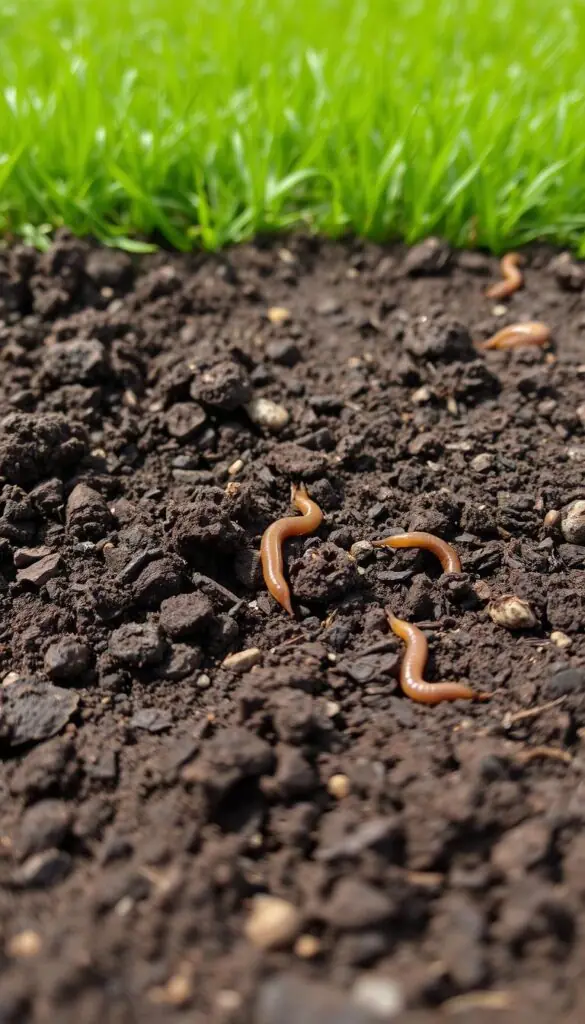
Send a test and aim for the sweet spot
Start by scooping samples from several spots, mix them, and send the blend to your local extension. Many county extension services offer affordable mail‑in kits and clear recommendations.
Most turf prefers a pH of 6.0–6.5. That range helps grass take up nutrients and improves overall health.
Amend by results, not guesswork
If the report shows low pH, add lime; if it’s high, use elemental sulfur. Follow the lab’s rates so you don’t overdo it.
Pick your fertilizer by the N‑P‑K numbers the test suggests, and choose the product type that matches your goals. Top‑dress with compost if organic matter is low.
Make sure you retest every couple of years; small, steady fixes beat big, risky changes.
- Keep pets off newly treated areas until products are watered in.
- Note timing and rates so you repeat what works next season.
Breathe life into compacted soil: aerate and overseed wisely
Think of aeration as a deep breath for your yard — it helps water, air, and nutrients reach roots that have been trapped near the surface.

Aerate when the soil is slightly damp and grass is actively growing. For cool-season types, pick a mild spring or fall day. For warm-season turf, aim for summer when the stand is well watered.
Water the day before if the ground is dry so tines sink in cleanly. Run one to two passes over compacted play areas or paths to let roots reach deeper moisture.
Quick, practical steps
- Rake in a light layer of compost and overseed right after aerating to speed new growth.
- Keep the surface evenly moist for a couple of weeks so seedlings sprout and knit into the existing lawn.
- Avoid heavy foot traffic for a short time and flag irrigation heads or shallow utilities before you rent a core aerator.
- Pair aeration with your regular maintenance schedule and repeat annually for small yards or every other year where soil stays looser.
The satisfying feel of clean plugs underfoot is the best sign that roots now have room to grow.
Seed smart: mix varieties and set real expectations for new lawns
Mixing compatible grasses gives your new turf a better chance against heat, shade, and pests. A diverse seed blend helps the yard handle sun‑baked corners, shady fence lines, and well‑worn paths without one weak spot taking over.
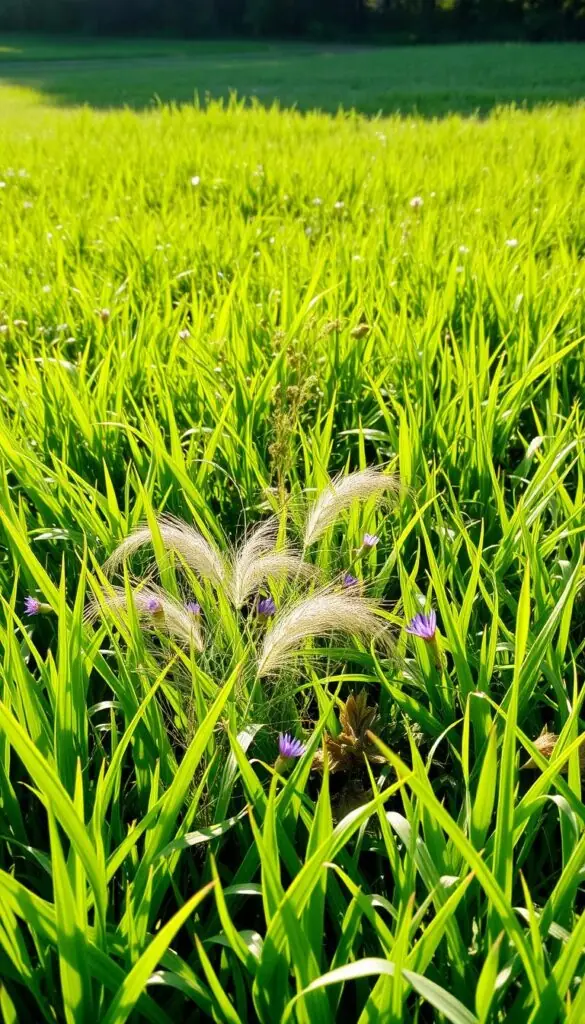
Blend cultivars for shade, drought, and disease resilience
Choose blends labeled for your yard’s sun and traffic patterns. Combining cultivars spreads risk: some thrive in shade, others stand up to heat or foot traffic. That diversity means fewer surprises for homeowners.
Time seeding by grass type and skip pre‑emergents
Seed in the season suited to your grass type—fall for cool‑season varieties, late spring for warm‑season. Germination usually shows in 7–14 days, with steady growth over the following weeks.
- Keep seedbeds lightly moist with fine morning and evening sprays.
- Hold off on pre‑emergent products until seedlings are well established to allow proper growth and then resume weeds control later.
- Rake seed so it kisses the soil, protect new areas from foot traffic, and mow lightly once blades reach height.
Enjoy the tender, bright green of new shoots underfoot — it’s the best sign that patience and the right mix are paying off.
Your simple four-season lawn calendar
Set a gentle yearly rhythm so each season brings simple, timed tasks instead of last‑minute fixes. This short plan tells you what to do—and what to skip—so small work keeps your yard healthy all year.

Spring, summer, fall, winter: what to do—and what to skip this year
Spring: Test soil, tidy edges, spot‑aerate compacted zones, and overseed thin patches. Apply pre‑emergent at the right time and feed cool‑season lawns as they wake. Set your mowing schedule now so morning runs are easier later.
Summer: Mow high and steady and water deeply in the cool early hours. Sharpen blades mid‑season and raise height a notch during hot spells to protect roots. Watch for stress and pests so you can act before heat waves arrive.
Fall: Feed cool‑season grass and treat broadleaf weeds when weather is mild. Remove leaves so turf can breathe. Overseed and aerate if needed—this is prime time to thicken thin areas.
Winter: Minimize foot traffic on frozen or snowy areas and store equipment clean with blades sharp for next year. Keep mowing as long as grass grows; shorter stops can help reduce snow mold in snowy regions.
- All year: Take a few minutes each time you step outside to note color, texture, and moisture—small observations save much time later.
- Schedule tasks in your calendar with reminders so you do them at the right times without scrambling.
Repeat the basics each season—simple, steady maintenance beats complicated fixes done too late.
Conclusion
Take a quiet moment at dusk and enjoy how simple habits turn this space into a calm, green retreat.
You’ve got this: steady basics like proper mowing height, sharp blades, and deep, infrequent watering protect roots and boost grass health.
Trust season‑appropriate feeding and a quick soil test to guide fertilizer and pH choices. Catch weeds early and overseed after aeration to fill thin spots fast.
If you miss a week, don’t worry—steady maintenance brings turf back. Many homeowners find the biggest gains by sharpening mid‑summer, spacing out watering, and checking soil a bit each year.
Step outside, feel the dew, and enjoy the quiet click of your sprinkler or the clean line after careful mowing. That pleasure is as important as any task.
FAQ
What are the most common mistakes homeowners make when mowing?
Cut too short, mow with dull blades, and remove more than one-third of blade height at once. For cool-season grasses aim for about 3–4 inches; warm-season types can be a bit shorter. Keep blades sharp and leave fine clippings to return nitrogen to the soil.
How can I spot problems before they spread across my yard?
Walk the property weekly and look for thinning patches, discolored grass, bare soil, mushrooms, or many weeds. Early signs often include uneven growth, insect damage, or soggy spots—catching these early limits disease and pest spread.
How much and when should I water to avoid drought stress and disease?
Aim for about one inch of water per week, delivered in one or two deep sessions. Water at dawn to cut evaporation and lower disease risk. Adjust for heatwaves, local restrictions, or drought by increasing depth and reducing frequency.
How do I know whether to feed in spring, summer, or fall?
Match timing to your grass type. Cool-season grasses benefit most from spring and fall fertilizing for stronger roots. Warm-season varieties respond best to late-spring and summer feedings. Always base product choice on soil test results.
When should I apply pre-emergent herbicide to block crabgrass?
Apply pre-emergent in early spring—often when forsythia blooms drop or when soil temps reach about 55°F for several days. This prevents crabgrass seed from germinating but don’t use it where you plan to seed until seedlings are established.
What’s the best way to treat active broadleaf weeds?
Spot-treat on mild, dewy mornings for better spray adhesion and uptake. Use targeted products labeled for the weed type, and treat small patches early to avoid bare areas and costly reseeding later.
How do I test and adjust my soil pH? What target should I aim for?
Send a sample to your county extension or use a home kit. Most turfgrasses prefer about pH 6.0–6.5. Use lime to raise pH or sulfur to lower it, and choose fertilizers based on the soil test’s N‑P‑K recommendations rather than guessing.
When should I aerate and overseed to help compacted soil and thin turf?
Aerate when soil is moist and the grass is actively growing—spring or fall for cool-season grasses, late spring for warm-season types. Follow with overseeding using a mix of cultivars suited to shade, drought, or disease resistance.
How do I pick the right seed mix and set realistic expectations for a new area?
Blend cultivars to match sun, moisture, and foot traffic conditions. Time seeding by grass type—fall for cool-season, late spring for warm-season—and don’t expect instant results; seedlings take weeks to establish and need protection from weeds and heavy use.
What should I do each season to keep turf healthy year-round?
Follow a simple four-season calendar: spring—clean, test soil, and start mowing; summer—water deeply, mow at proper height, watch for pests; fall—fertilize cool-season varieties and overseed; winter—limit traffic and service equipment. Skip actions that don’t suit your grass type or regional conditions.