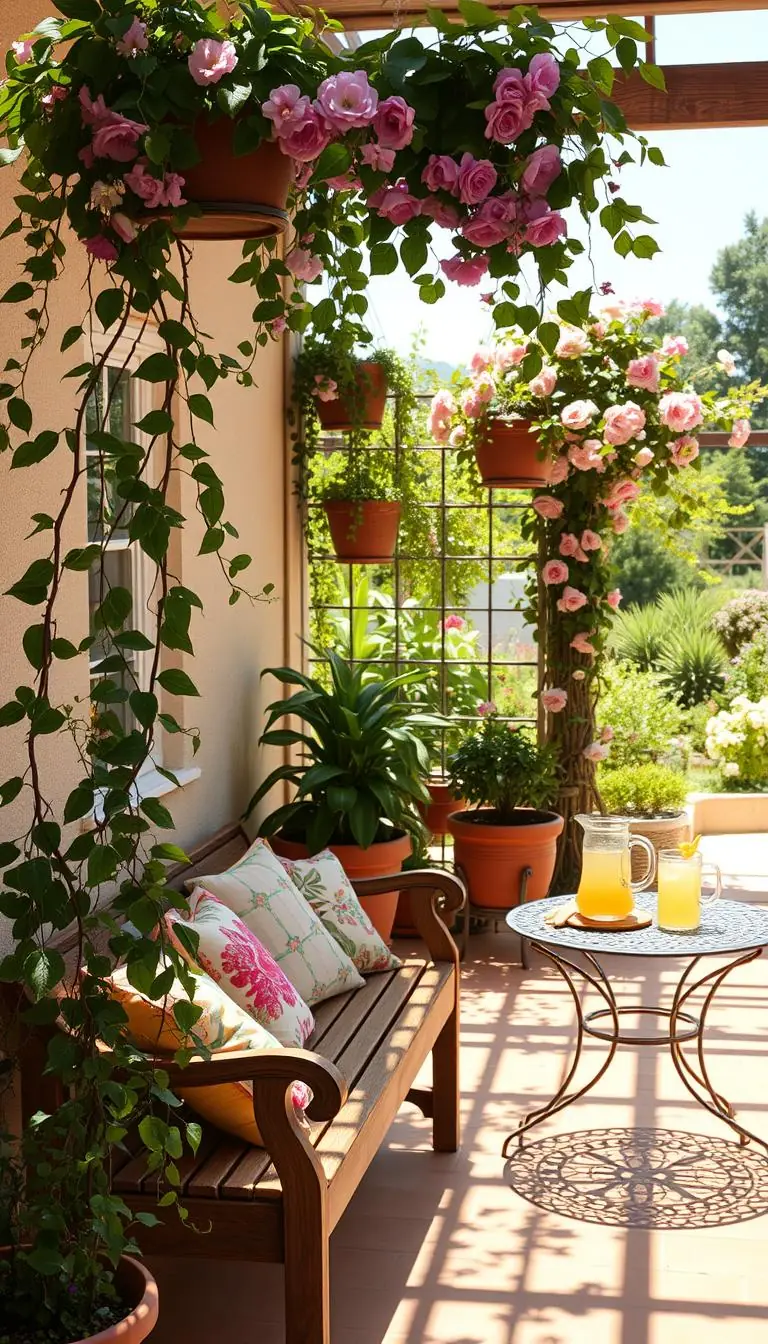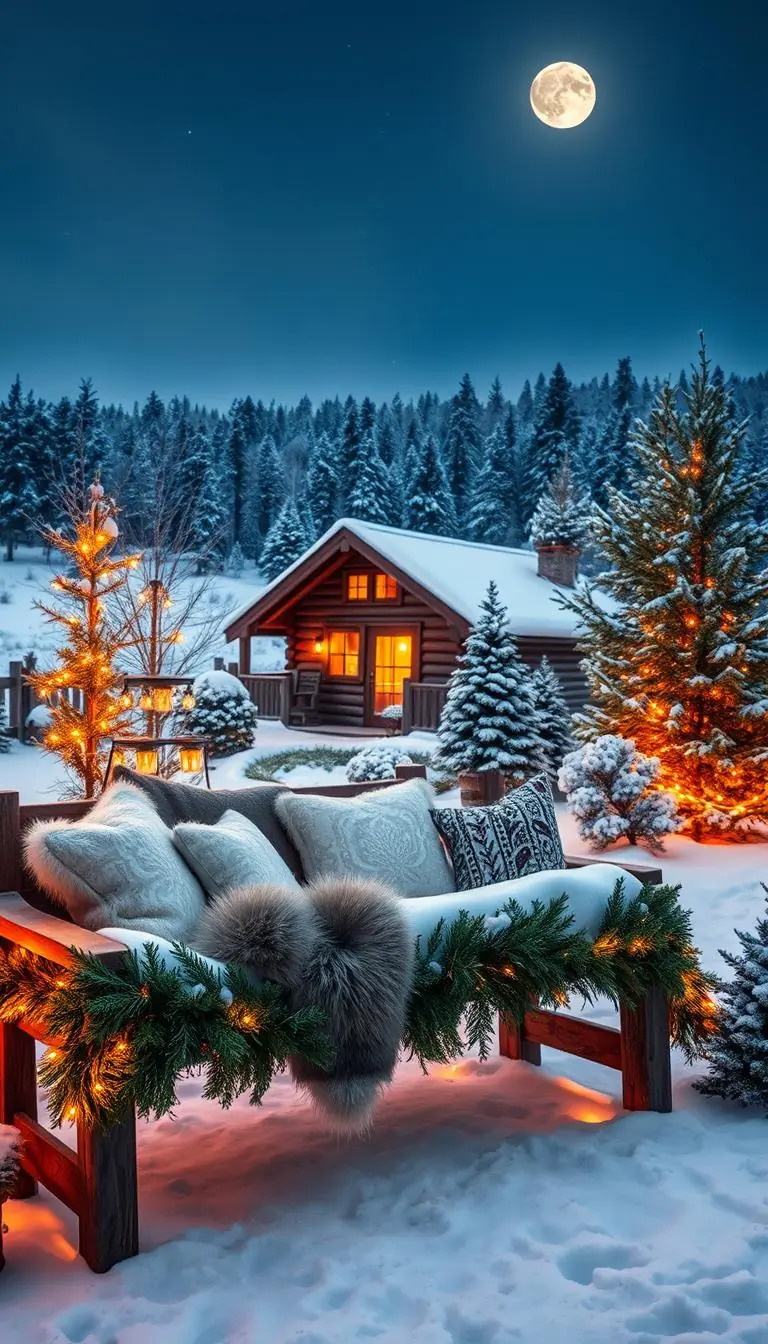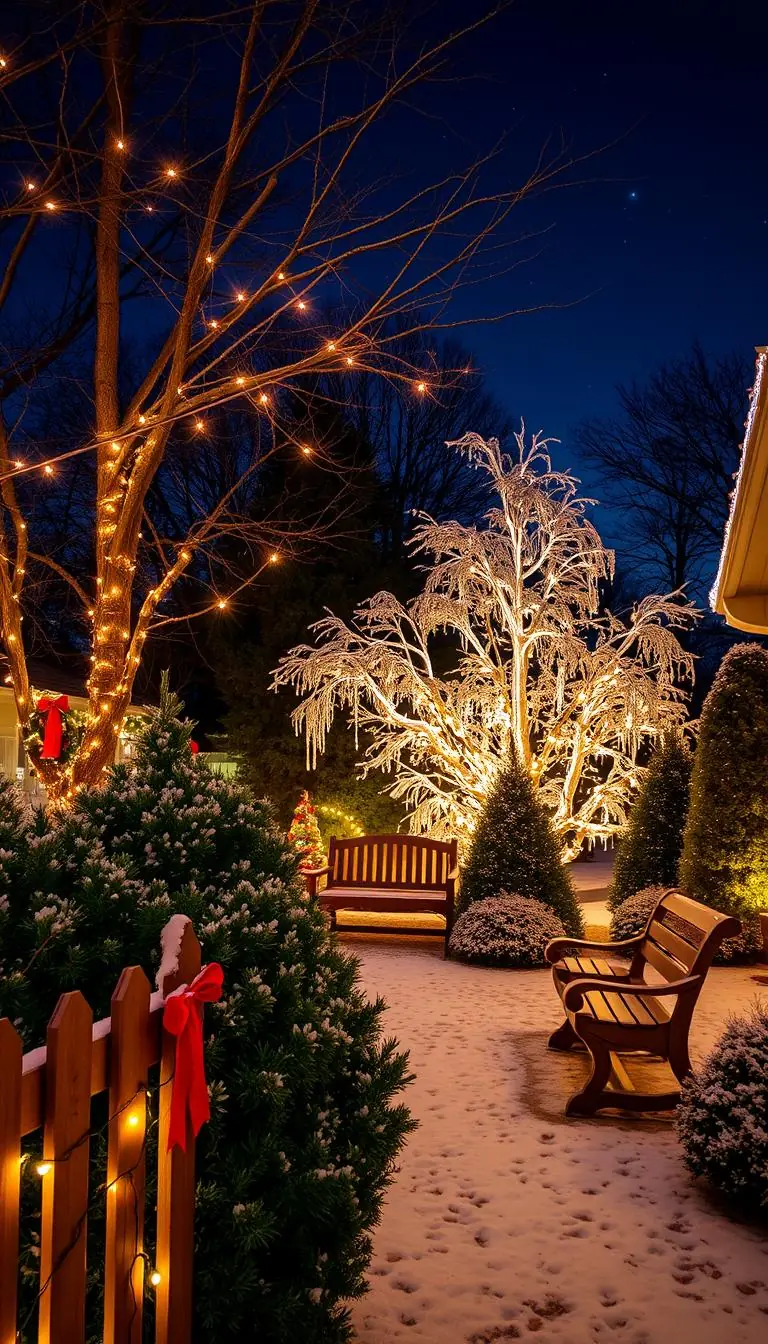
Imagine the scent of basil by your patio and the soft rustle of leaves as evening settles. You wonder where to start and what will fit your home and schedule. Backyard landscaping can feel simple with a friendly plan and a few tools.
First, measure your space with a tape measure and sketch a quick map. Note slope and sun so your plants thrive without extra maintenance.
Think in small steps: one cozy seating nook, one tidy garden bed, one focal feature. Use a soil test kit, hose, pruners, and a wheelbarrow to keep tasks doable.
Divide the landscape into rooms linked by paths and screens. Choose durable materials and hardy plants like coneflower, black-eyed Susan, and panicle hydrangea for low fuss color.
Follow seasonal timing—spring and fall for planting, summer for watering, winter for protection—and add simple lighting for safety and ambiance.
Key Takeaways
- Start with a simple plan and a sketch to save time and effort.
- Measure sun and slope so plants thrive with less maintenance.
- Focus on one seating area, one garden bed, and one small feature.
- Use basic tools: tape measure, soil test kit, hose, pruners, wheelbarrow.
- Stage work by season to spread cost and build confidence.
Start with a Simple Plan: Read Your Yard Like a Pro
Walk your space at sunrise, noon, and late afternoon to learn how light and shade move. Then sketch a basic map with a tape measure and graph paper. Keep notes on slope, drains, and existing trees so paths and patios stay stable.
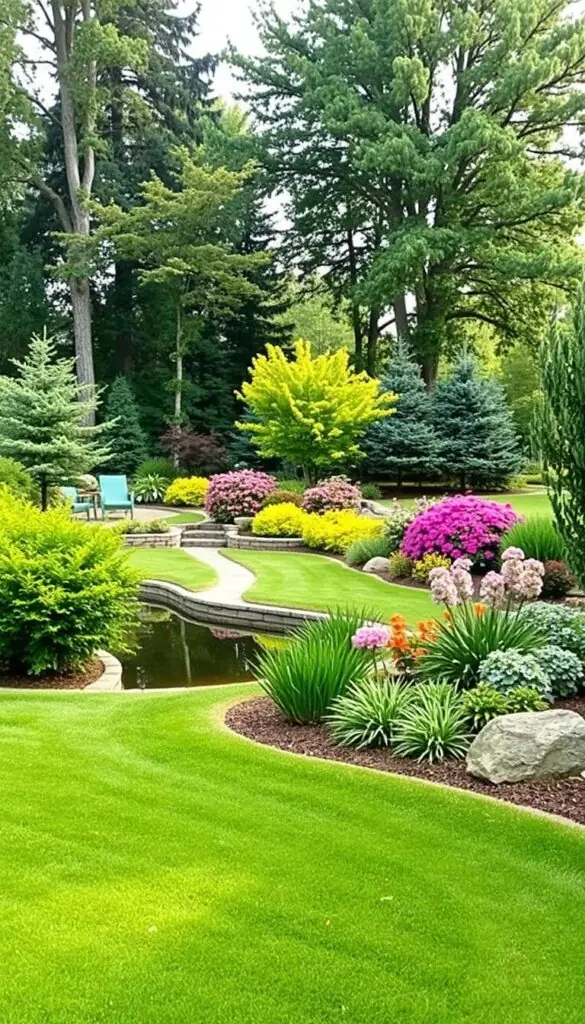
Measure, map sun and shade, and note slope and drainage
Measure key distances and mark sunny spots for herbs and warm seating. Note cool, dappled shade for ferns and quiet corners. This simple study guides plant choices and seating placement near the house.
Soil test and quick fixes: compost, mulch, and better bed prep
Do a soil test in early spring or fall. Add compost to improve fertility and drainage before planting. Remove weeds, loosen compacted ground with a digging fork, and lay 2–3 inches of mulch to keep roots cool.
Create “garden rooms” for dining, play, and quiet corners
Sketch rooms: dining by the kitchen door, a play strip to one side, and a reading nook at the far end. Connect areas with stepping stones or a gravel path. Right-size features for your lot size and group plants by water and sun needs to cut maintenance and save time.
Backyard Landscaping Basics: Low-Maintenance Wins for Real Life
Map light and soil once—then choose plants that fit, not the other way around. Pick sunny, dappled, and cool pockets and mark them on a simple sketch. This small step saves time and future maintenance.
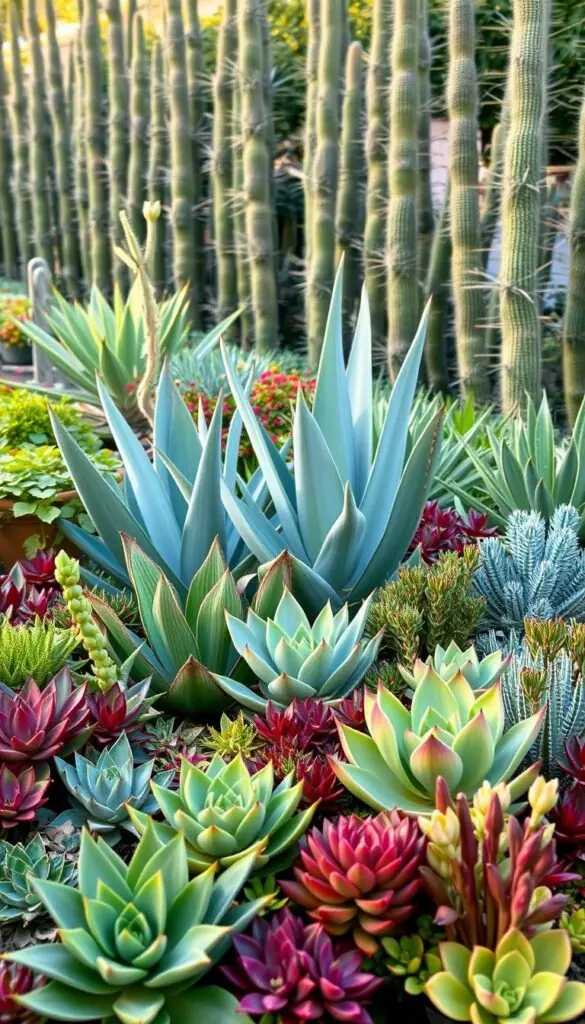
Right plant, right place: sun, shade, and USDA zones
Match each plant to its light and your USDA zone. Try switchgrass (Zones 4–9), coneflower (3–9), catmint (4–9), and inkberry holly (5–9). These choices give long-lasting color with little fuss.
Layering for year-round interest and privacy
Layer a small tree, evergreen shrubs, swaths of perennials, and a neat groundcover edge. This mix keeps the landscape looking full for years and helps with privacy and winter structure.
- Group similar water needs and add a hose timer for set-and-forget irrigation.
- Prune lightly in late winter, deadhead mid-summer, and refresh mulch each spring.
- Enjoy the scent of lavender by a path and the rustle of ornamental grass at dusk.
Tools to keep handy: pruners and a hose timer make routine tasks quick. Plan small bursts of time—20 minutes on weekends—and your garden will reward you with less work and more pleasure.
Build Cozy Seating Areas that Flow from the House
Design a snug area just steps from the kitchen to make outdoor meals and evenings simple. Place seating so the door feels like a natural exit, not an effort.
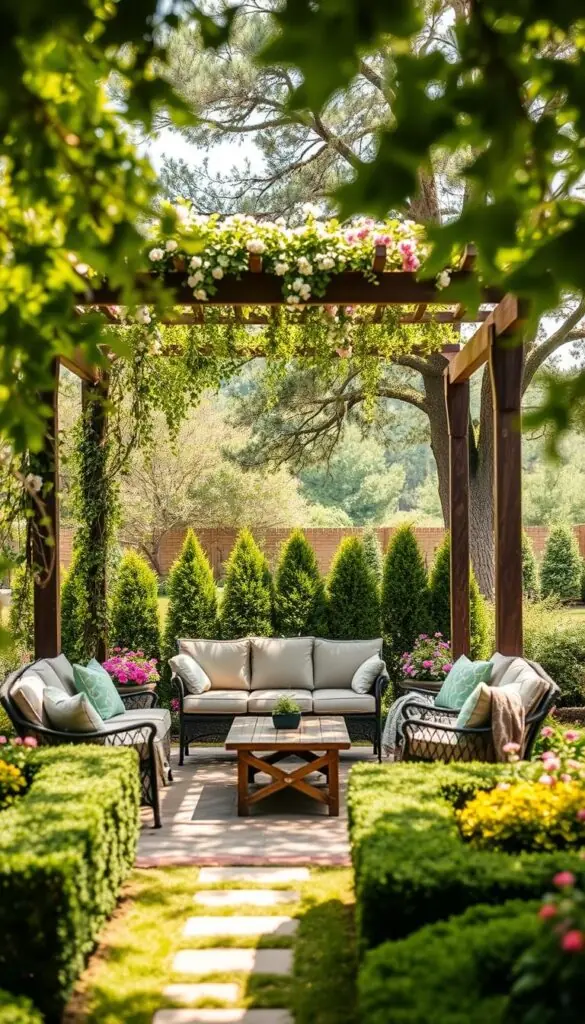
Choose furniture to match your space
Pick a compact folding bistro set for a small patio or a modular outdoor sectional for a larger deck. Leave at least 36 inches for paths so chairs pull out easily.
Make the place feel like home
Use washable, UV-resistant cushions and a weatherproof rug to soften the look. Add a small side table and a lidded storage bench for cushions and quick cleanup.
| Area Size | Recommended Furniture | Tip |
|---|---|---|
| Under 6'x6' | Folding bistro set | Keep circular movement clear |
| 6'x10' to 10'x12' | 4-person dining or loveseat | Define with a rug |
| 12'x12'+ | Modular sectional + table | Use planters to frame corners |
- Side table, storage bench, umbrella base.
- Warm lighting: lanterns, dimmable sconce, and path lights for safety.
- Tuck a planter of rosemary or mint near the seating for scent and easy snips.
Plant Easy, Color-Rich Beds and Borders
Create one or two simple beds filled with reliable, colorful plants to make a quick, big impact. Start by picking the right light for each bed and amending soil with compost. Plant in groups of three or five so the area reads full from the path.
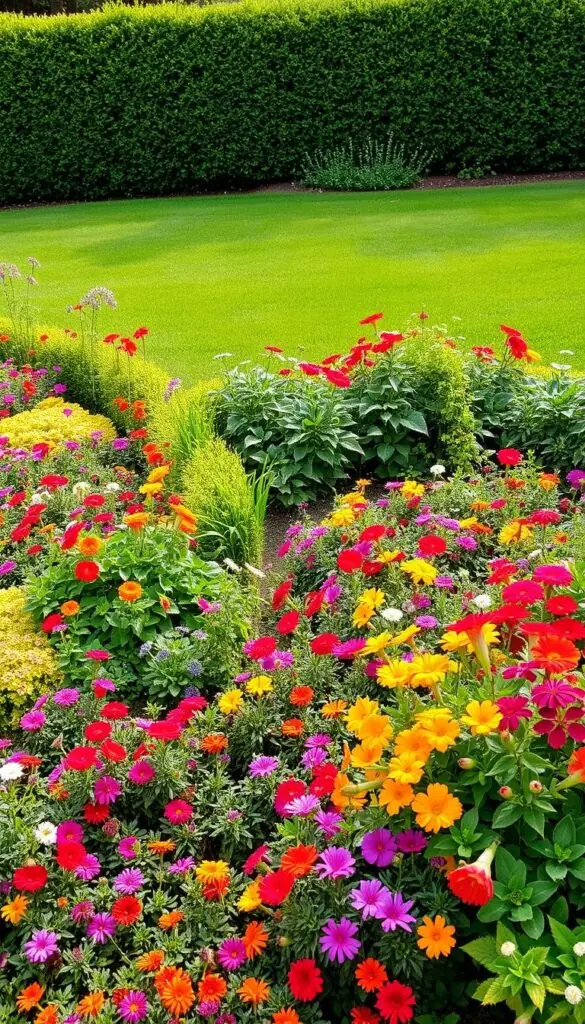
Starter palette by light
Sunny: coneflower, salvia, blanket flower, dwarf butterfly bush. These hold color through summer and draw bees.
Part shade: astilbe, heuchera, oakleaf hydrangea for texture and late-season interest.
Shade: hosta, Japanese forest grass, hellebore for lush foliage when light is limited.
Native picks and practical systems
Lean on natives like bee balm, purple coneflower, and milkweed to invite pollinators and cut maintenance. Install a drip kit with a timer to deliver slow, deep water to roots. Edge beds cleanly, then add 2 inches of mulch; the soft, warm mulch scent signals moisture is held in and weeds are down.
Quick planting and care tips
- Dig holes twice as wide as the root ball and backfill with native soil plus compost.
- Layer heights: shrubs at back, perennials mid-row, neat edging plants front.
- Add one container at a path end to echo bed color and act as a focal point.
Add One Great Tree for Shade, Structure, and Birds
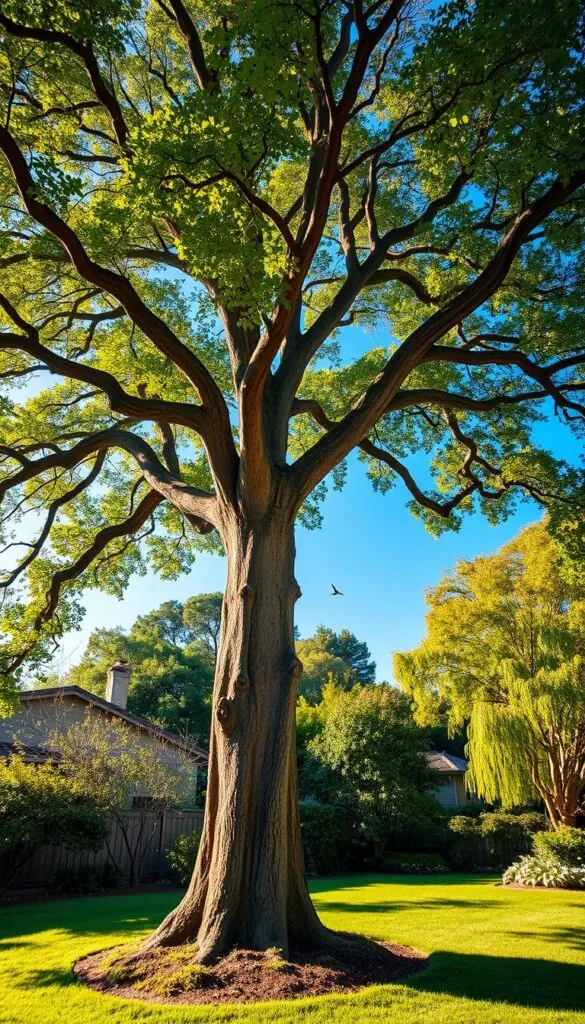
One well-placed tree can anchor your design and create cool, dappled light for years.
Choose a single specimen to give your backyard shade, privacy, and morning birdsong. Trees add instant structure and help define paths and seating areas.
Fast-growing picks: river birch and red maple give quicker shade. Long-lived choices like white oak and American beech reward you for generations. For smaller yards, consider serviceberry or Persian ironwood.
Plant at least 15–20 feet from the house and keep trees clear of power lines. Best times for planting are fall or early spring when soil is cool and workable. Water deeply, mulch a wide ring, and stake only if needed; remove supports after one season.
Position the canopy to cast afternoon shade over seating so you get dappled light and cooler evenings. Add understory plants such as coral bells or woodland phlox for easy color and layered habitat.
| Type | Quick Picks | Mature Size | Best Use |
|---|---|---|---|
| Fast-growing | River birch, Red maple | 40–60 ft | Early shade and quick structure |
| Long-lived | White oak, American beech | 60–80+ ft | Generational canopy and habitat |
| Small-yard | Serviceberry, Persian ironwood | 15–25 ft | Compact shade and spring blooms |
Create Privacy with Green Screens and Clever Structures
Frame good views and hide the rest with a mix of plants and simple structures. Small urban lots often need smart screening to feel private without closing off light. Use living layers and built pieces so rooms remain connected and airy.

Mixed hedges, trellises, and pergolas
Plant a mixed hedge of shrubs and small trees—inkberry, viburnum, and ninebark add texture and year-round interest. Leave 2–3 feet behind the row for pruning and access.
Where space is tight, add a trellis or lattice and train clematis or jasmine to soften a wall or fence. A pergola with a shade cloth defines dining areas and keeps things cool in summer.
Designing views: block eyesores, frame favorites
- Pick the view you want to keep and place screens where they work hardest.
- Combine a tasteful fence or low garden wall with living screens for balance.
- Set seating just inside your new screen to enjoy rustling leaves and dappled shade.
Choose durable, right-sized plants for your climate. Plant evergreens in early spring or fall so roots establish before heat or cold. Repeat one hedge plant elsewhere so the whole landscape feels joined.
Light the Evenings: Safe, Warm Landscape Lighting Ideas
A few well-placed lights can turn your evening routine into a calm, usable space. Soft pools of light help you move safely and make the patio feel like an extension of the house. Focus first on safe walking lines, then add mood pieces.
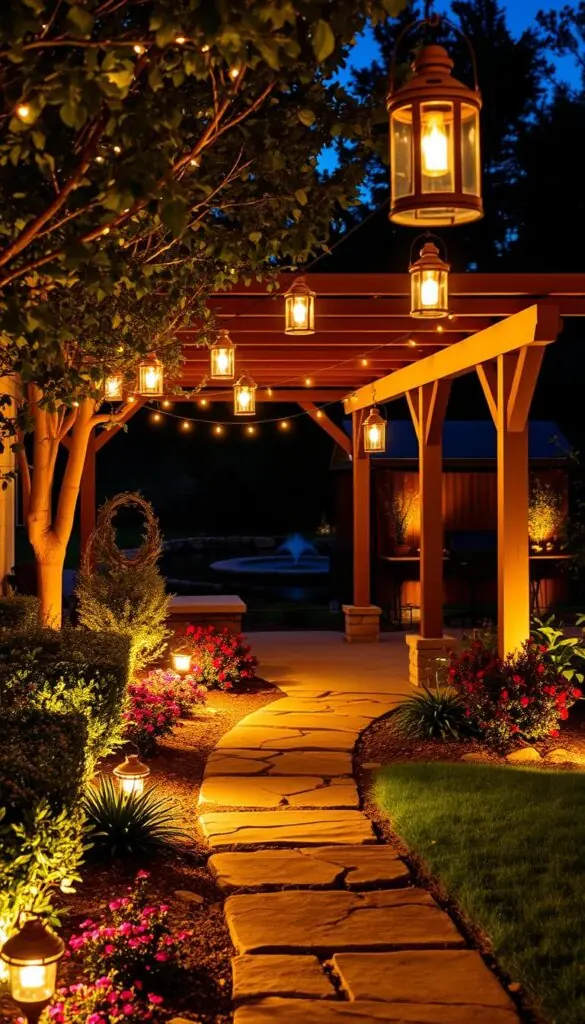
Path, step, and deck lighting for safety
Place low solar path lights close to edges so walkways glow without glare. Set step and deck lights to wash treads, not eyes, and link them to a dusk-to-dawn timer for hands-off convenience.
Keep surfaces level and clear of moss and pooling water so lights can do their job and feet stay sure in wet weather. Check fixtures after winter and clean lenses in spring.
Uplights, lanterns, and string lights for mood
Aim a couple of uplights into a favorite tree or structure to reveal branching and leaf texture. Use warm 2700K bulbs so the deck and patio feel cozy, not harsh.
Place a lantern on the table and hang soft string lights under a pergola to create relaxed evenings. Choose simple low-voltage kits or quality solar fixtures you can install in an afternoon.
- Quick tip: Control glare with shields and aim lights downward.
- Use timers to extend time outdoors safely without fuss.
- Light a few plants gently to add depth without making everything bright.
Invite Life and Play: Water, Fire, Edibles, and Family Fun
Introduce simple features that invite sound, scent, and play so your garden feels alive from morning to night.
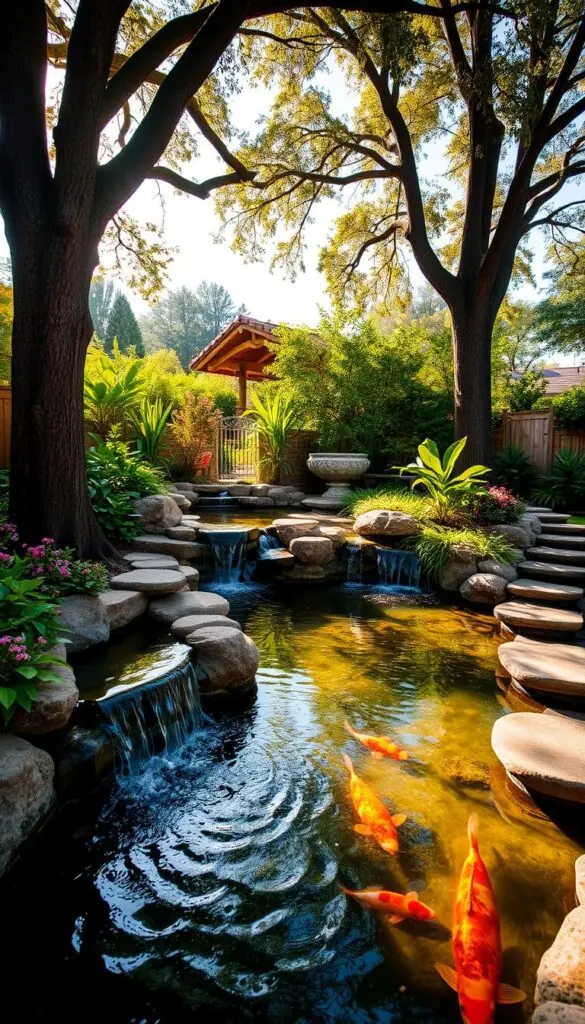
Set a small plug-in fountain or birdbath within earshot of the patio so the gentle water draws birds and calms the space. Tuck a birdbath by a window for easy viewing while you wash dishes.
Choose a portable fire pit with a sturdy base and spark screen. Place it on a nonflammable surface at least 10 feet from the house and nearby plants for safe gatherings and crackling evenings.
Install two 4x8 raised beds and keep herb pots by the back door. That way basil and thyme are a step away for quick summer meals and bright scent as you move between areas.
- Play ideas: cornhole lane, mini bocce strip, or a compact putting green for family fun.
- Add low-voltage lights and court lighting for safe evening games.
- Keep a spigot or hose reel midway between the patio and beds to make watering quick.
| Feature | Compact Option | Placement Tip |
|---|---|---|
| Water | Plug-in fountain or small birdbath | Near patio, audible from seating |
| Fire | Portable fire pit with spark screen | 10 ft clear from house and plants |
| Edibles | Two 4x8 raised beds + herb pots | By back door for easy harvests |
Smart Add-Ons: Sheds, Vertical Gardening, and Finishing Touches
Smart add-ons turn spare corners into useful, beautiful places without a big renovation. Start small and choose pieces that match your home so the whole space feels joined.
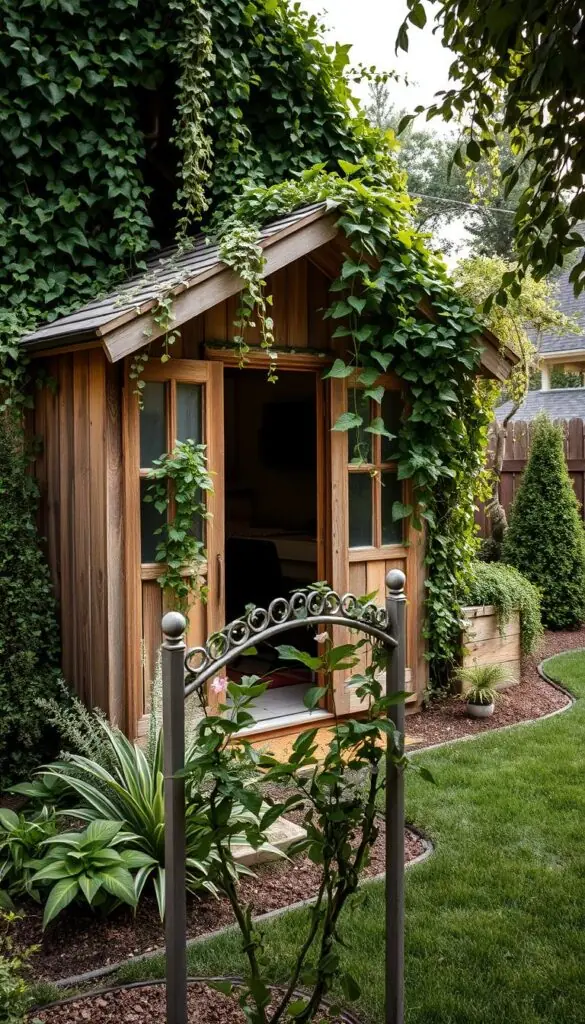
Storage and small studios that match your home’s style
Pick a shed that echoes your house siding and trim so it feels like part of the property. Add a potting bench, pegboard, and a comfy hook for tools.
This saves time and makes weekday tasks easier. Consider a tiny studio for hobbies if you need a quiet retreat.
Vertical solutions for tight spots
Use trellises for vines, window boxes for color, and slim containers along railings. These choices let you grow more plants without crowding paths.
Durable materials and staged updates
Choose composite decking, powder-coated frames, and permeable pavers for low maintenance and long life. Stage projects across seasons—shed one spring, trellis that fall—so budget and energy stay manageable.
- Group pots within one hose reach and add inline drip for easy watering.
- Place one artful container or statue at the path end to finish the view.
- Review your options and pick one or two ideas to integrate now.
Conclusion
Finish with an easy habit: do one small task this week and watch the space change.
Backyard landscaping is a few clear choices — read your site, sketch simple garden rooms, and place seating near the kitchen so the yard flows from house to patio.
Focus on soil, layered beds, well-placed trees, and vertical plantings. Add gentle lighting and a bit of water to invite birds and evening calm. Stage projects over time so each season ends with a visible win.
Take one small step today: measure an area, buy mulch, or plant a pot of herbs by the back door. Picture a sunlit corner and the smell of flowers at your first cup of coffee — you’re ready to enjoy what you build.
FAQ
How do I begin planning a simple, low-maintenance yard?
Start by measuring your space and mapping sun and shade through the day. Note slope, drainage, and any high-traffic areas. Do a quick soil test and add compost or mulch where needed. Sketch basic "garden rooms" — a dining spot, a play area, and a quiet corner — to guide placement of paths, seating, and planting beds.
What are the easiest plant types for a beginner to use?
Choose reliable perennials, hardy shrubs, and native plants suited to your USDA zone and light conditions. Layer trees, shrubs, perennials, and groundcovers so each layer fills a role: structure, seasonal color, and low groundcover to suppress weeds. This approach reduces watering and upkeep.
How do I pick the right tree for shade and wildlife?
Decide whether you want fast shade or a long-lived specimen. Fast-growing trees like silver maple give quick cover but may need more pruning; slower growers such as oaks offer longevity and habitat for birds. Plant with good root space and away from foundations and utilities, and choose native species when possible to support birds and pollinators.
What are simple lighting ideas to extend evening use?
Use path and step lights for safety, soft uplighting to highlight a focal tree or wall, and string lights or lanterns over seating to create warmth. Choose LED fixtures on timers or motion sensors for energy efficiency and low maintenance.
How can I create privacy without building a solid fence?
Combine mixed hedges, tall shrubs, trellises with climbing vines, or a pergola with screening panels. These options soften sightlines, add texture and seasonal interest, and can be layered to block unwanted views while framing the parts you want to see.
What seating choices work best for small spaces?
Scale furniture to the area: a bistro set or compact sectional can be cozy and functional. Place seating near a kitchen or backdoor for easy flow, and add an outdoor rug, cushions, and a small side table to make the spot feel intentional and comfortable.
How do I design beds that stay colorful with little upkeep?
Build a starter palette by grouping perennials and shrubs by light level. Include repeat-blooming perennials and a few long-flowering shrubs. Use mulch, clean edging, and a drip irrigation line to reduce weeds and water needs, and pick native flowering plants to support pollinators.
Can I add water or fire features safely in a small area?
Yes. Choose small-scale options like a compact fountain or birdbath for sound and wildlife. Use portable fire pits with clear safety spacing from structures and flammable plants. Keep local codes in mind and always provide a fire extinguisher or water source nearby.
What are smart storage and vertical gardening options for tight yards?
A small shed or storage bench keeps tools tidy; match materials and color to your home for a cohesive look. Use trellises, window boxes, and vertical planters to grow herbs and flowers without using ground space. These add function and charm without crowding the yard.
How do I plan irrigation and mulch to save time and water?
Install drip lines or soaker hoses on timers to deliver water efficiently to root zones. Apply 2–3 inches of organic mulch to beds to retain moisture, suppress weeds, and improve soil over time. Group plants with similar water needs together to avoid overwatering.
How can I make the space kid- and pet-friendly without losing style?
Designate a durable play zone with drought-tolerant turf, pavers, or pea gravel. Include soft planting edges with non-toxic perennials and low hedges to define areas. Keep tools and chemicals in locked storage and choose rounded, sturdy furniture to prevent spills and bumps.
When should I hire a professional vs. DIY work?
Tackle simple planting, mulching, and small hardscape projects yourself. Hire a pro for major grading, drainage fixes, large tree planting, or built structures that require permits. A landscape designer can help turn your ideas into a cohesive plan that fits your budget and lifestyle.