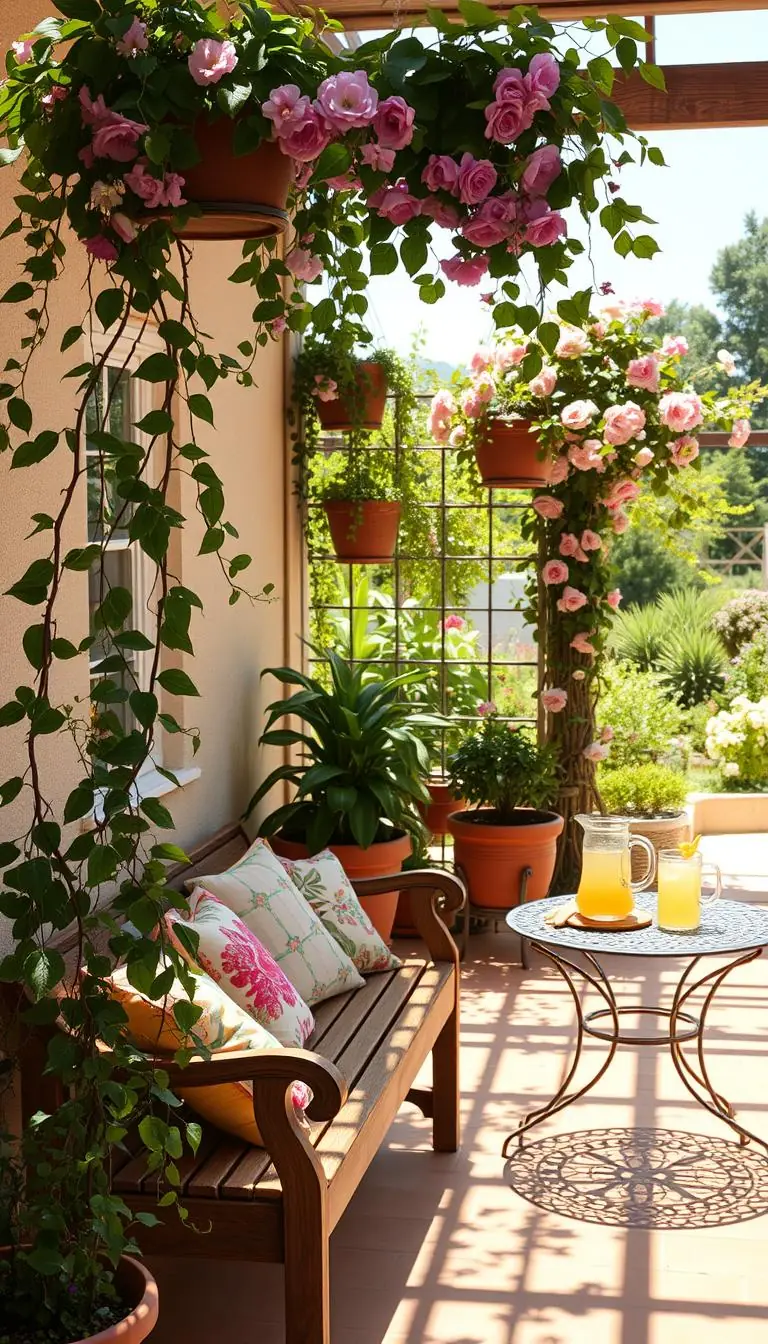
Imagine a warm morning with sunlit fabrics and the faint scent of oiled teak as you sip coffee by the window. Do you picture a cozy nook for quiet reading or a lively set for weekend dinners?
We’ll give you calm, step-by-step guidance you can trust. Start small: think about how you use the space, your climate, and a realistic price range before you shop.
Durable materials like Teak, Aluminum, and synthetic wicker stand up to sun and rain while keeping a warm, lived-in look. Simple care—mild soap, a soft brush, and occasional oil for wood—keeps pieces looking fresh.
Measure walkways and door clearances, imagine the view at dusk, and shortlist three options per need: dining, lounging, or shade. This keeps the selection manageable and helps you choose a cohesive set that suits daily life.
By the end, you’ll feel confident, relaxed, and ready to enjoy your outdoor living with less fuss and more beauty.
Key Takeaways
- Picture how you’ll use the space before you shop.
- Choose durable materials for your climate and low maintenance care.
- Measure first and shortlist three options per need.
- Set a realistic price and build a primary set you’ll use daily.
- Mix cohesive seating with playful accents for personal style.
Start here: shape your outdoor space with comfort, beauty, and confidence
Begin with a small sketch. Mark door swings, grill zones, and the path you’ll carry a tray along. This keeps seating out of the way and the flow natural.
Test comfort before you buy. Sit in a chair to check depth and back angle. Choose cushions with quick-dry cores and UV-safe covers for your season so they stay supportive and bright.
For a compact balcony, tuck seating to the edges and leave the center open. Folding sets make a small living space feel airy when you need room.
- Plan one main conversation area and a smaller perch for quiet reading.
- Group pieces by purpose: coffee nook, dining, or a fire-bowl view.
- Compare two to three sets and price points; value comfort and upkeep as much as looks.
Quick tip: Pick heavier frames for windy corners and add umbrellas or a fire pit to extend months outside. For fast setup, look for white-glove delivery and installation.
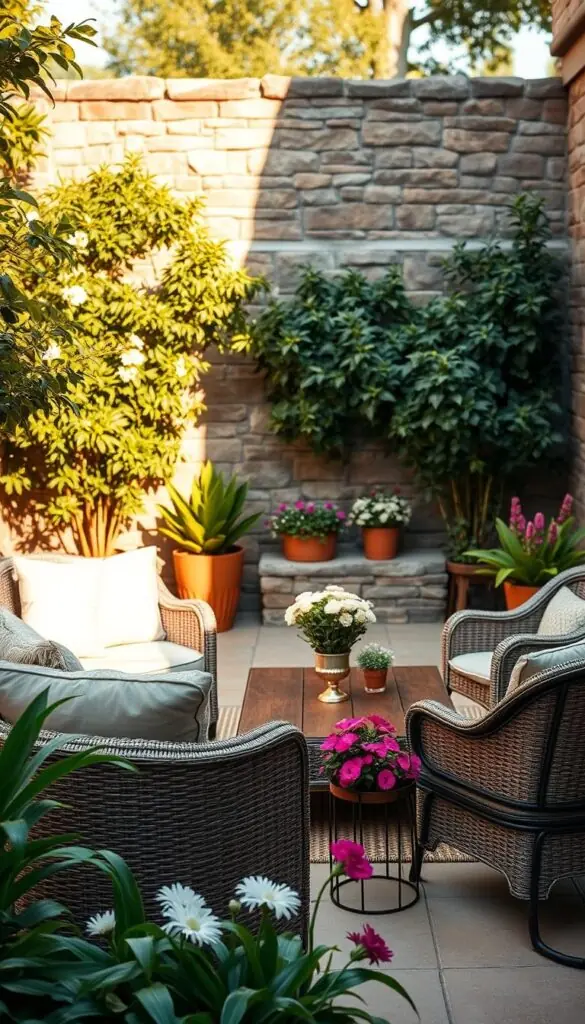
| Step | What to Check | Why it Matters |
|---|---|---|
| Sketch footprint | Door swings, walkways | Keeps traffic clear and functional |
| Sit-test seating | Seat depth, back angle | Ensures lasting comfort |
| Choose cushions | UV-safe, quick-dry | Durability through the season |
| Compare price | Two to three options | Balance cost with care time |
Weather-ready materials that last (and how they feel in everyday use)
Select durable materials that make daily life outside easy and pleasant. The right choice blends how a piece looks with how it wears.
Teak and other wood feel warm to the touch and age gracefully. Teak’s natural oils resist decay; oil lightly each spring to deepen the grain and keep a soft, golden glow. Use a bucket, mild soap, and a soft brush for routine cleaning. Don’t pressure wash wood.
Aluminum and coated steel offer sleek lines and rust resistance. Aluminum is light for easy moves, while steel adds heft in windy spots. Both clean with mild detergent and a quick rinse.
Synthetic wicker and resin mimic rattan charm without the upkeep. These woven options resist mold and weather. They pair well with neutral cushions and need only gentle soap and water.
Plastics and mixed materials bring color and low price. They’re easy to wipe down and are a good choice if you want low maintenance.
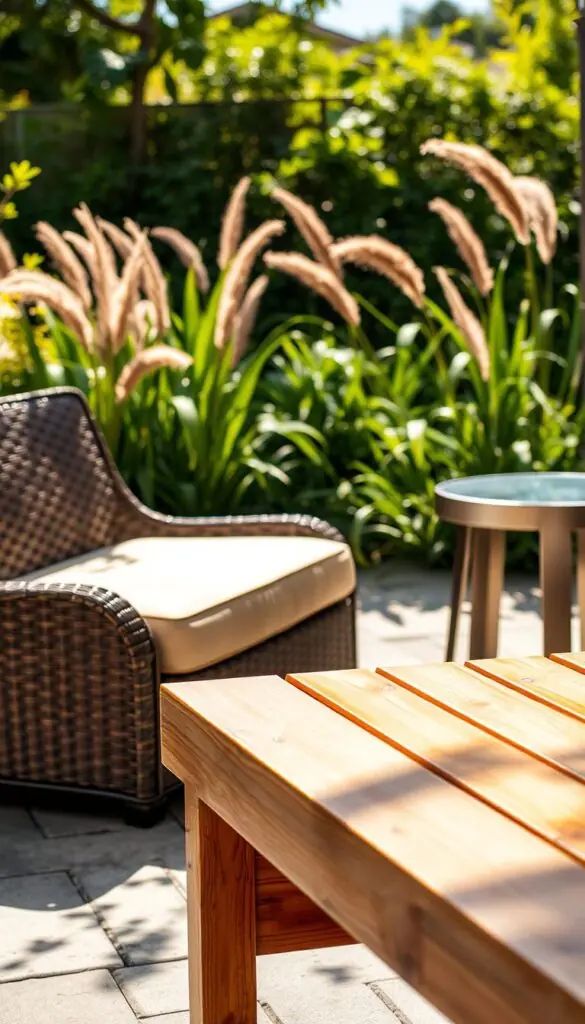
Quick care routine and weather tips
- Weekend clean: small bucket of warm water, mild detergent, soft brush, then rinse.
- Protect cushions with breathable covers and store pads in a deck box during storms.
- Use heavier frames or add discreet weights in windy areas; rotate seating seasonally to reduce UV fade.
- Add felt or rubber foot pads to protect decks and reduce noise.
| Material | Feel & Look | Care | Best For |
|---|---|---|---|
| Teak / wood | Warm grain, classic | Soft brush, mild soap; oil in spring; avoid pressure washers | Timeless seating, tables |
| Aluminum / steel | Modern, sleek | Mild detergent, rinse; check coatings | Light moves (aluminum), windy spots (steel) |
| Synthetic wicker / resin | Woven rattan look | Soap and water; mold-resistant | Low-upkeep lounges, woven sets |
| Plastics / mixed | Colorful, casual | Wipe with sponge and soap | Budget-friendly seating and accent pieces |
Best patio furniture picks for your space
Choose items that make mornings sweeter and evenings longer. Start by matching scale to function: do you want a quiet nook or a group-ready dining area?

Small balcony and porch ideas
For tiny balconies, pick a slim bistro set with folding chairs and a compact table so you can tuck things away. Picture steam curling from your mug on a small round table as the city wakes.
Outdoor dining sets
Choose a round table to encourage conversation for four. For larger gatherings, a long rectangular dining set fits more guests and plates.
Lounge and conversation sets
Look for a low-profile sofa with quick-dry cushions. Add a corner module to build a sectional when friends drop by.
Relaxing extras and poolside picks
Try an adjustable chaise and a small side table for sunscreen and iced tea. Adirondack or glider chairs create a relaxed porch perch for reading.
Season extenders
Fire pits, umbrellas, gazebos, and canopies let you use the space in chill or sun. These pieces turn an outdoor spot into a cozy, event-ready nook.
"Choose frames—aluminum for light moves, steel for stability—then match sets to your layout."
- Wicker and rattan textures add warmth; pair with stone-colored cushions.
- Check product details: fade-resistant fabrics, rust-proof hardware, and secure tie-downs.
- For tight spots, stackable chairs and nesting tables save space and price.
Measure, match, and make it easy: your buying checklist
Start by mapping your area — a few marks on the ground change everything. Use a tape measure to record widths and clearances. Then outline the planned set with painter’s tape so you can see how a table and seats will fit.

Fit and flow
Measure door swings, grill space, and walkways. Leave 24–30 inches behind chairs for pull-back so people move easily.
For a balcony or porch, pick a smaller table so sight lines and the view stay open.
Comfort and durability
Match materials to your climate. Choose quick-dry cushions for humid summers and UV-safe fabrics for bright exposure.
Check frames for weight if you face steady wind, and confirm removable, washable covers for easy care.
Budget and bundles
Curated sets simplify the selection and often include matching pieces and a unified look. Mixing pieces lets you personalize and control the price.
Before storm season, buy breathable covers and a deck box. Oil wood in spring and check hardware yearly.
"Measure once, imagine twice — small prep prevents big mistakes."
| Use | Suggested size | Why it works | Quick check |
|---|---|---|---|
| Bistro | 2–3 people | Fits tight balconies, keeps view clear | Outline with painter’s tape |
| Round | 48–54 in | Encourages conversation for four | Allow chair pull-back 24–30 in |
| Rectangular | Long table for groups | Hosts big dinners and more plates | Confirm umbrella hole and levelers |
Pro moves that save time, money, and stress
Smart delivery choices and a simple setup routine make the whole process smooth. Book white‑glove delivery when you want a ready-to-enjoy space by the weekend. Pros will place your outdoor patio furniture exactly where you want it and remove packaging.

Choose delivery and setup services for faster, fuss-free results
Schedule delivery a few days before an event so you can test layout, lighting, and the flow for guests. Ask the retailer about installation and placement for every set in your order.
If you DIY, assemble on a flat surface with hex keys, a rubber mallet, and a soft blanket to protect finishes. Keep a small toolkit handy and tighten bolts again after the first week.
Avoid common mistakes
Don’t buy a too-small table—confirm tabletop size and leg clearance so serving and conversation feel easy.
In windy backyard spots choose heavier frames or add discreet weights. Position seating near a fence or planters to buffer gusts and extend the season with a fire pit or canopy.
- Compare two to three options at the same price to find sturdier fasteners and better UV protection.
- Add breathable covers and store cushions before stormy weather to prevent mildew.
- Pick a modular set for flexible layouts — move a corner module to change from mingling to movie night.
"A small prep plan saves money and keeps your outdoor space calm and inviting."
Conclusion
A few simple choices can turn your backyard into a calm, everyday retreat. Pick one helpful task today: wipe surfaces with mild soap, note measurements for a new table, or tuck a small planter near seating.
Choose durable materials—teak, aluminum, synthetic wicker or rattan—for pieces that last. Picture a round table that invites easy conversation, or a long rectangular table for dinners that run late.
Balance price and comfort by starting with one weather-ready sofa or a compact bistro set for the porch or balcony. Add accents later to refine your style.
With small, steady habits you’ll protect your sets and enjoy more summer evenings and shoulder-season outdoor dining.
FAQ
How do I choose the right outdoor furniture for my space?
Start by measuring your area and noting traffic paths and door clearances. Pick a layout that matches how you’ll use the space—dining for meals, lounge for conversation, or a small bistro for coffee. Consider materials that suit your climate and daily life: hardwoods like teak for a warm, natural look; aluminum for lightweight, rust-resistant frames; and synthetic wicker for the woven style without heavy upkeep. Match cushion fabrics to sun and moisture exposure and choose scale and seating depth that feel comfortable for you.
What shape table is best for outdoor dining?
Round tables encourage conversation and fit well in compact areas, while rectangular tables work great for larger gatherings and against a wall or railing. Square and oval options suit medium spaces. Whatever shape you pick, allow at least 24 inches of table width per person and leave room for chair pull-back so guests can move easily.
Which materials are most weather-ready and feel good in everyday use?
Teak and quality hardwoods offer a warm grain and age gracefully with simple oiling. Aluminum gives modern lines and resists rust while staying light to move. Synthetic wicker and resin mimic rattan’s texture but shed moisture and clean easily. Mixed plastics bring color and easy care at lower price points. Choose fabrics labeled UV- and mildew-resistant for cushions so they stay bright and comfy season after season.
How do I care for outdoor seating and cushions without much fuss?
Keep care simple: brush off debris, wash frames with mild soap and water, and spot-clean fabrics promptly. Use a soft brush and avoid pressure washers that can damage finishes. Let cushions air-dry fully before storing. Covers help between uses, and compact storage or a shed in winter extends life for delicate pieces.
What should I pick for a small balcony or narrow porch?
Go for compact bistro sets, folding chairs, or slim console tables. Look for multi-use pieces like benches with storage or nesting tables that tuck away. Choose lighter tones and slim-profile frames to keep the space feeling open, and anchor the area with a small outdoor rug and a couple of potted plants for a cozy vibe.
Which lounge pieces dry quickly and are easy to maintain?
Sectionals with quick-dry foam and water-repellent covers are ideal. Synthetic wicker paired with weather-resistant fabrics drains well and wipes clean. Aluminum frames with removable cushion covers make maintenance straightforward—zip off covers for washing and choose foam that repels moisture for faster drying.
What extras help extend the season outdoors?
A good umbrella or canopy provides shade during sunny days. Fire pits and propane heaters add warmth for cool evenings. Wind screens and weatherproof throws create cozy corners. These extras let you use outdoor living areas from spring into fall and make them feel inviting even on chillier nights.
How do I measure for fit and flow before buying?
Measure the full width and depth of your space, doorways, and the path furniture must pass through. Allow at least 36 inches for walkways and 24–30 inches behind dining chairs for pull-back. Sketch a simple floor plan and mark where legs, arms, and tables will sit so you avoid pieces that crowd the area.
Should I buy a full set or mix and match pieces?
Sets simplify styling and usually include coordinating cushions and tables, which can save time and sometimes money. Mix-and-match gives more flexibility—blend materials and colors to suit varied uses. Consider your long-term needs: a curated set helps make an instant room, while a mix supports gradual upgrades and personalization.
What delivery and setup options should I consider?
Choose delivery with inside placement when possible, and ask about assembly services if items are heavy or complex. White-glove delivery can save time and protect floors and walls during setup. Confirm delivery windows, return policies, and any additional fees so there are no surprises on arrival.
What common mistakes should I avoid when buying outdoor pieces?
Don’t buy pieces that are too small for the space or too light for windy conditions. Avoid low-quality cushions that flatten quickly and fabrics that fade fast in sun. Skipping measurements, ignoring delivery constraints, and neglecting care recommendations can cost time and money—plan ahead to avoid these traps.