Imagine warm morning light on sunlit blades and the fresh, clean scent just after a quick trim. Do you ever stand at the back door wondering when to cut and by how much? You’re not alone.
We’ll give calm, neighborly guidance so you can set a reliable routine and keep your grass thriving through weather changes. Use simple tools like a blade sharpener, rake, or a tire-mark gauge to make this easy.
Follow the basic rule of thirds: don’t remove more than a third of the blade at once. A slightly shorter first spring pass helps green-up, higher midsummer settings protect roots, and a tidy last cut before frost keeps crowns safe.
This short guide matches your grass type to clear cutting ranges, gives trigger heights, and shares quick mistakes to avoid so your yard looks lush and feels springy underfoot.
Key Takeaways
- Set a seasonal proper height and follow the simple rule of thirds for steady turf health.
- Match grass type to cutting height for a resilient, healthy lawn.
- Mow based on trigger heights and weather cues, not a strict calendar.
- Keep blades sharp, alternate directions, and use small tools like a tire mark for consistency.
- Avoid low cuts in extreme heat; raise settings in midsummer for stress tolerance.
Start here: simple mowing heights for a healthy, vibrant lawn
Begin with basics you can trust: set a season-long cutting mark, keep blades keen, and mow during cooler times so grass recovers fast.
Quick wins: follow the 1/3 rule—never remove more than one-third of the blade at once. If grass reaches about 6 inches, trim to roughly 4 inches. For overgrown areas, step down over a few sessions to protect growth.

- Set your mower height once for the season; nudge it up one notch in mid-summer to reduce stress.
- Sharpen blades at season start and mid-summer; a sharp blade leaves clean tips and lowers disease risk.
- Mow in the morning or early evening and use trigger heights—mow lawn when it truly needs it, not just by calendar.
- Alternate directions and leave short clippings to feed soil like tiny mulch.
| Tip | Quick Action | Why it helps |
|---|---|---|
| 1/3 rule | Cut in stages if tall | Prevents shock and supports steady growth |
| Sharp blade | Sharpen twice a year | Cleaner cuts, less disease, better water use |
| Timing | Morning or evening | Reduces heat stress, cleaner clippings |
| Clippings | Leave short clippings | Return nutrients and reduce waste |
Set your lawn mower height by season
Use the seasons as a simple guide — each one calls for a small, sensible change in your cutting routine.
Spring: a slightly shorter first cut to wake the lawn
In spring, make a light first pass about a half-inch lower than your normal setting to clear winter debris and dead blades.
Listen for the crisp snip of fresh growth and mow cool-season grasses when they reach roughly 6 inches. For warm-season types, wait until new growth feels flexible.
Summer: mow higher to shade soil and protect roots
Raise the deck one notch during summer so taller grass shades soil and holds moisture against heat.
Avoid midday mowing when temperatures peak; choose morning or evening to reduce stress on the grass and keep soil cooler to the side of the roots.
Fall: hold steady, then lower before first frost
Through fall, maintain your steady setting and mulch fallen leaves into fine pieces for nutrients.
Make a final pass at about two inches just before the first frost to cut down on disease and protect crowns into winter.
Winter: minimal mowing, focus on late-fall prep
Once winter arrives, grasses are mostly dormant and mowing is rarely needed. Minimize foot traffic on frozen turf.
Use this quiet time to service the equipment, sharpen blades, and tidy beds so the yard is ready when the year turns back to spring.
Match grass type to the right cutting height
Read your yard’s texture and set a cutting range that helps roots grow deep and strong.
Identify your grass by region and feel: cool, fine blades in the North; coarse, sun-loving textures in the South.
Cool-season grasses
Set about 3–4 inches. Tall fescue, Kentucky bluegrass, and perennial ryegrass look plush at this range. Mow when they reach roughly 6 inches to follow the 1/3 rule.
Warm-season grasses
Keep around 2–2.5 inches. Bermuda, St. Augustine, centipede, and zoysia recover fast at this trim. Mow when the stand reaches about 4 inches for steady color and growth.
When to mow
Use trigger heights rather than a strict calendar. In hot spells, choose the higher end of each range to shade soil and support the root system.
| Grass group | Common types | Target cutting |
|---|---|---|
| Cool-season | Fescue, bluegrass, ryegrass | 3–4 inches; mow at ~6 inches |
| Warm-season | Bermuda, St. Augustine, zoysia | 2–2.5 inches; mow at ~4 inches |
| All turf | Any type grass | Leave clippings to return nutrients |
Dial in your mower: height settings, blades, and simple tools
A few simple tools and a steady eye let you set an even cutting line in minutes.
Start with a level spot. Park on a flat driveway, measure from the pavement to the blade housing, and set your target mower height before the season’s first cut.
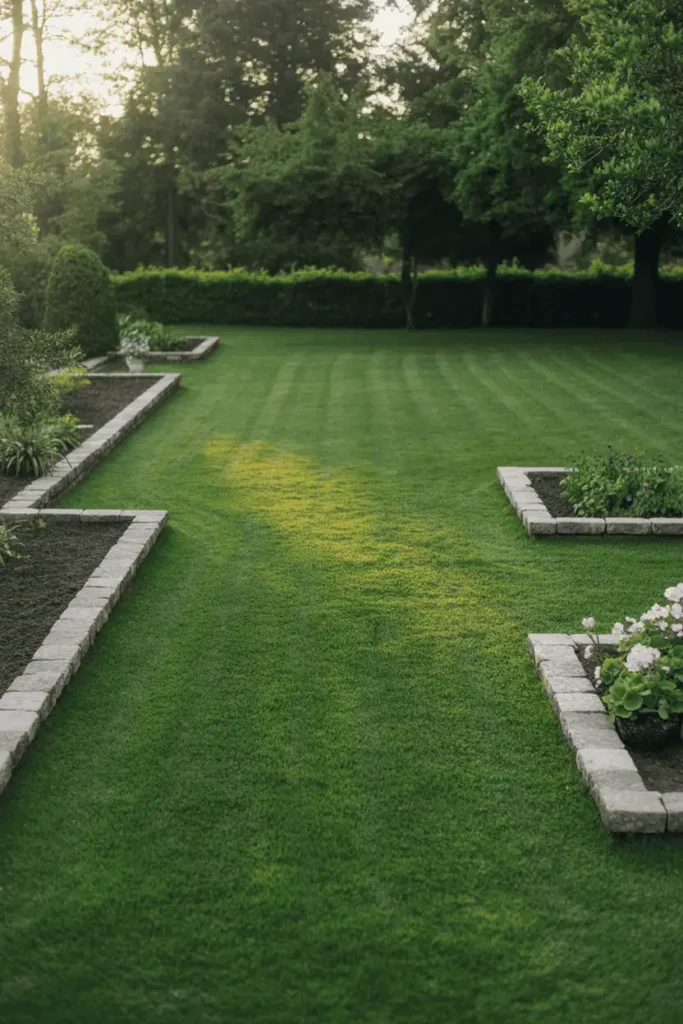
How to set cutting height accurately
Use the tire-mark trick: draw a line at 3 2/3 inches on one tire so you can glance down while moving and keep the height inches steady.
Different models set deck slots in various ways. Consult the manual, then mark your preferred notch with a paint pen so you find it in seconds next time.
Sharp vs. dull blades: cleaner cuts, fewer diseases
Test the blade by trimming a handful of tall grass. A clean slice means it’s sharp; a ragged tear means you need sharpening.
Sharpen with a file or take it to a shop in spring and midsummer. You’ll notice a smoother hum, a clean snip, and less browning on the grass.
- If clumping or tearing appears, slow your pace and raise the deck one notch for a second light pass.
- Keep a simple kit—gloves, deck scraper, wrench, and a small level—so quick tweaks don’t eat your weekend.
- When unsure, ask a local expert to balance blades and check your lawn mower for safe, even cutting.
Helpful tools that make mower height easy to get right
A few simple helpers for cleaner cuts, fewer mistakes, and a steadier routine.
Blade sharpener (manual or drill-mounted)
Keeps cuts clean so grass tips heal faster and stay greener, with less tearing and browning.
Grass height gauge (or a simple ruler)
Makes it easy to mow by trigger height instead of the calendar, so you follow the 1/3 rule naturally.
Small level or deck-leveling gauge
Helps prevent scalping by keeping your mower deck even side-to-side for a smooth, consistent cut.
Tire pressure gauge
Uneven tires change cutting height without you noticing. A quick check keeps your setting true.
Mulching blade (if your mower supports it)
Chops clippings finer so they break down quickly, returning nutrients and reducing bagging.
Simple maintenance kit
Gloves, wrench, deck scraper, and a brush make quick tweaks easy—so upkeep doesn’t steal your weekend.
Beat heat and weeds: summer mowing height, patterns, and clippings
In the heat of summer, simple shifts in when and how you trim protect growth and keep soil shaded.
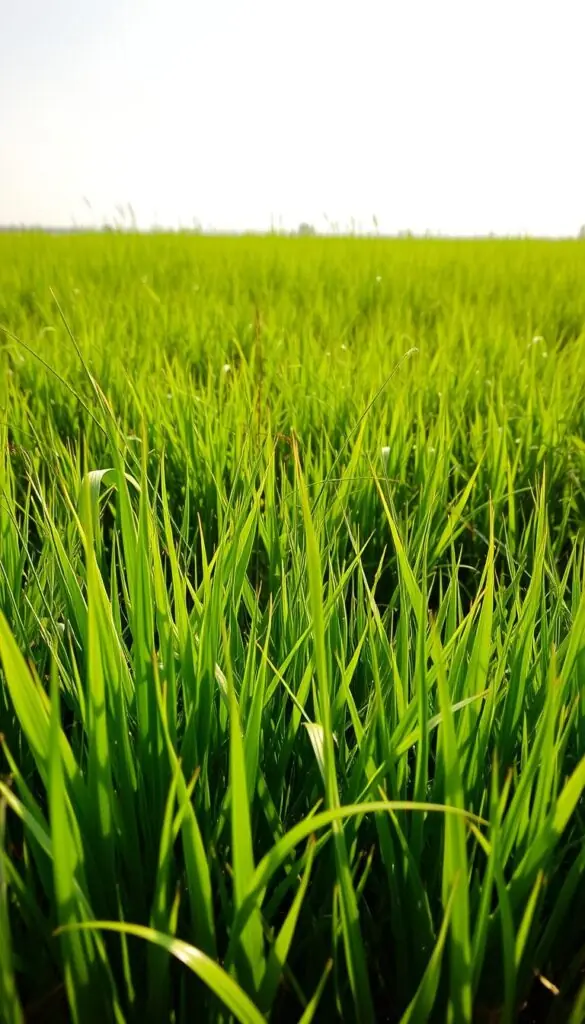
Raise the deck during hot spells or drought. Let grass sit a touch taller so blades shade the soil and cool roots. One notch higher in peak summer keeps moisture in and helps reduce weed pressure.
Avoid midday cuts. Early morning or late afternoon passes cut grass cleanly without stressing the stand. If rain or a storm just passed, wait until the turf feels dry underfoot before you cut again.
- In peak summer, raise the deck one notch so taller grass shields the soil surface and keeps roots cooler.
- Skip midday mowing; choose a quiet, breezy morning for best recovery after a cut.
- If drought lingers, lengthen intervals and remove less than a third—favor gentle trims to preserve growth.
- Leave fine clippings to feed the soil; they break down fast and cut fertilizer needs.
- Alternate patterns—diagonal one week, straight the next—to avoid ruts where weeds take hold.
Edge lightly rather than scalping borders in extreme heat. A modest front-wheel lift can reduce scalping on uneven ground and keep the side of beds shaded and healthy.
"Cool morning passes, taller blades, and steady patterns are the quiet ways you beat the worst of summer."
Avoid common mistakes and fix trouble spots fast
When a short cut or bare spot shows up, gentle steps speed recovery without stressing roots. Quick action helps turf regain vigor and keeps weeds from moving in.
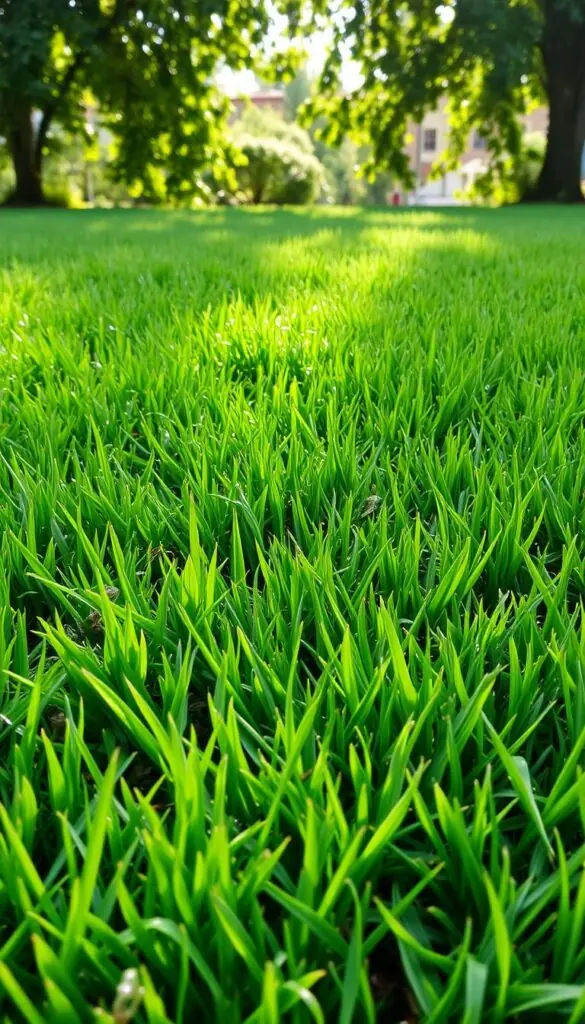
Scalping and grass short problems: recover without stressing roots
If you cut too low by accident, lift the deck right away and water lightly in the morning. That gives the root system a chance to stay hydrated while leaves regrow.
Pause feeding for a week so the plant can focus on leaf recovery instead of pushing new growth. Keep blades sharp and change mowing direction to avoid repeated wear on the same spots.
Bare patches: repair timing for cool- and warm-season grasses
For cool-season grasses, overseed thin areas in late summer into fall when nights cool and soil holds moisture. For warm-season grasses, plug or sprig patches in late spring to early summer so warm soil and long days help new shoots take hold.
- If your grass short accident happened, raise the setting and mow lawn at a higher level until texture evens out.
- Top-dress bare spots with a thin layer of compost to improve soil contact and keep seed moist without smothering the plant.
- Watch wheel ruts and change patterns; alternating passes helps the turf outcompete weeds over time.
- Set a yearly reminder to check deck level front-to-back and side-to-side so scalping doesn’t repeat.
"A calm, timely response protects roots and helps grass recover faster than panic fixes."
Conclusion
Small seasonal tweaks make a big difference—set them once and enjoy steady, healthy growth all year.
Use the rule of thirds, sharp blades, and trigger heights (about 6" for cool types and 4" for warm types) to guide your routine. Keep cool-season grass around 3–4" and warm-season grass near 2–2.5".
Set your lawn mower height for spring, raise it in summer, hold steady through fall, and ease off in winter. Leave fine clippings, alternate patterns, and mow on cool mornings.
Keep this simple plan and your yard will reflect each season—fresh in spring, resilient in summer, tidy in fall, and resting in winter. Step outside after a cut and breathe in that clean, sunlit scent; enjoy the pride of a healthy lawn.
FAQ
What is the best cutting height for cool-season grasses like fescue, Kentucky bluegrass, and rye?
For cool-season types, aim for about 3 to 4 inches. This keeps turf dense, shades soil, and supports a strong root system. Mow often enough so you never remove more than one-third of the blade at once.
How short should warm-season grasses be cut, such as Bermuda, St. Augustine, zoysia, and centipede?
Most warm-season varieties do well at roughly 2 to 2.5 inches. That height encourages healthy growth while avoiding scalping. In spring and cooler shoulder seasons, raise the deck slightly to protect new shoots.
What is the 1/3 rule and why does it matter?
The 1/3 rule means you never cut more than one-third of the blade in a single mow. Following it reduces stress, helps roots stay healthy, and lowers disease risk. Mow more often if grass grows quickly in spring.
How should I adjust cutting levels through the seasons?
In spring, a slightly shorter first cut removes old growth and wakes the turf. In summer, raise the deck to shade soil and conserve moisture. In fall keep a steady height, then lower slightly before the first hard frost. During winter, mow only as needed and focus on late-fall prep.
How can I set the cutting deck at the right level if my model lacks clear markings?
Use the tire-mark trick: make a shallow wheel mark in the soil, measure blade height from that mark, and adjust the deck until the blade sits at the desired measurement. A tape measure and a ruler against the blade from a safe, powered-off position also work well.
Why do sharp blades matter and how often should I sharpen them?
Sharp blades make clean cuts that heal quickly, reduce disease entry, and leave clippings that break down faster. Sharpen or balance blades at least once a season, more often if you hit debris or mow frequently.
Should I leave grass clippings on the surface or bag them?
Leave clippings when possible. They return nitrogen and organic matter to the soil, acting like a light, natural fertilizer. Only bag heavy clippings after a long growth surge or if you have a thatch problem.
How should I change my mowing when it's hot or during drought?
Raise the deck by about an inch during heat waves or drought to shade roots and slow evaporation. Mow in the cooler morning or late afternoon and avoid midday stress. Water deeply and infrequently when needed.
What causes scalping and how do I fix a “grass short” patch without harming roots?
Scalping happens when the deck is set too low or uneven ground meets a low setting. To recover, raise the deck immediately, reduce mowing frequency, and overseed or sod bare spots in the proper season for your grass type. Light watering and a gentle starter feed help new growth establish.
When is the best time to repair bare patches for cool- and warm-season grasses?
Repair cool-season patches in early fall or early spring for best germination. For warm-season types, late spring through early summer is ideal when soil temperatures support quick establishment.
How do mowing patterns and direction affect turf health?
Alternating mowing direction each visit prevents soil compaction, encourages upright growth, and avoids ruts. Vary patterns between passes to keep the stand even and resilient against wear and weeds.
How high should I raise the deck to help suppress weeds and protect roots?
Raising the deck by about one inch above your usual setting during weed-prone periods helps shade weed seedlings and encourages grass to outcompete them. Taller blades also cool the soil and protect root systems during stress.
How do I know when it's time to mow in different U.S. climate zones?
Watch the grass, not the calendar. Mow when it reaches your target trigger height — typically the upper limit of its preferred range. In cool regions expect spring and fall growth surges; in warm zones growth peaks in late spring through summer.
Can frequent short mowing reduce weed pressure and improve turf density?
Frequent, moderate mowing following the 1/3 rule helps turf stay dense and shades out weed seedlings. Avoid overly short cuts that stress grass and invite more weeds over time.
What simple tools help me maintain consistent cutting settings and avoid mistakes?
A tape measure, a level or straight board to check deck evenness, a blade sharpening service or grinder, and a soil probe or screwdriver to test compaction are all useful. Regularly check tire pressures and wheel adjustments to keep the deck level.