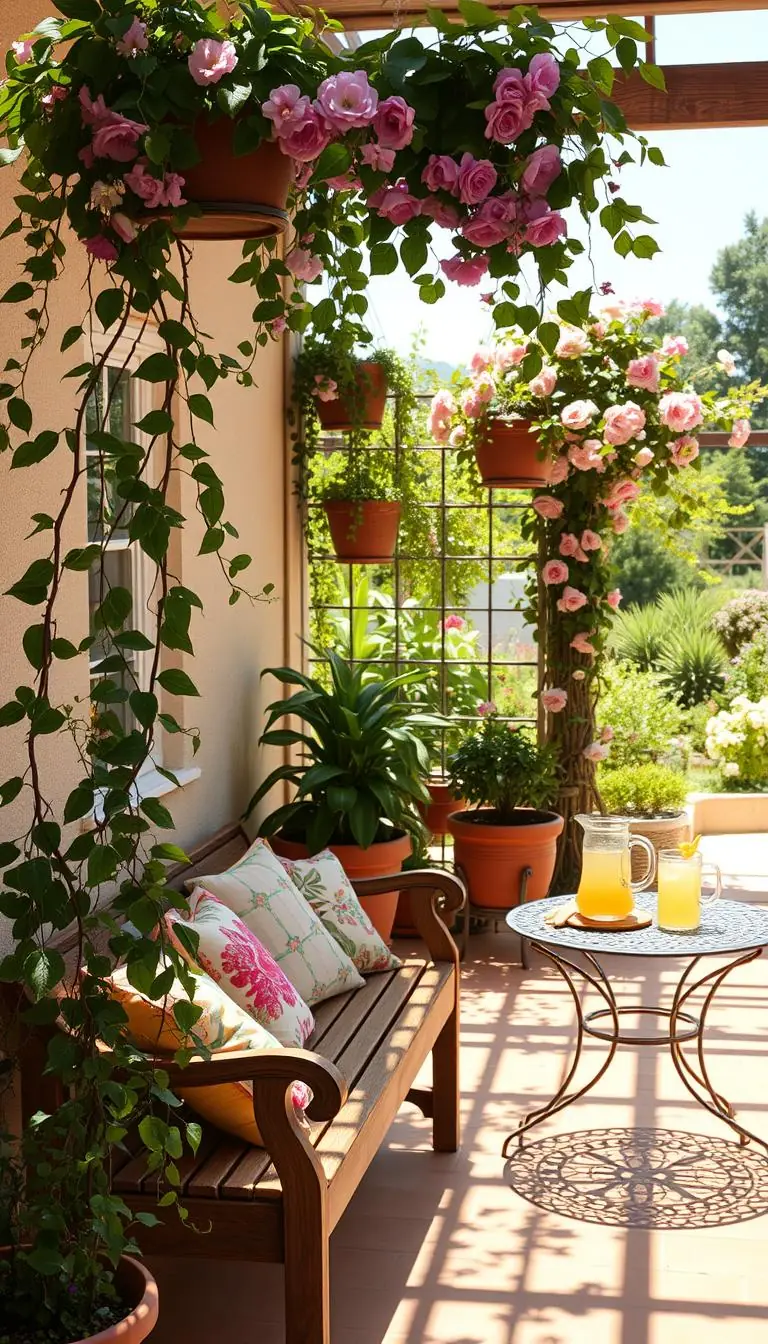
Imagine the cool splash of water, sunlight scattering on ripples, and a soft murmur that makes a busy street seem far away. Have you pictured that peaceful spot just outside your kitchen window? You can create it in small steps that feel simple and manageable.
You’ll learn how a garden fountain brings calm through gentle sound and cool air. We help you match size, style, and materials to your space so the piece fits your patio, bed, or larger landscape without overwhelming it.
Expect clear, friendly guidance: short choices, easy installation tips, and seasonal timing for U.S. regions. We’ll point out durable options like cast stone and concrete, and practical fixes to avoid splash, hide cords, and size the pump right.
Key Takeaways
- You’ll hear why running water soothes and masks noise.
- Pick sizes and styles that suit your garden or patio view.
- Simple installation steps keep surprises away.
- Durable materials age well and add timeless charm.
- Placement ideas help frame daily sightlines from home.
How to Choose the Best garden fountain for Your Space
Start by naming what you want from the water feature—calm background sound, a bold focal point, or steady noise control.
Begin with purpose. If you want quiet masking, pick a design with a soft, steady flow. For curb appeal, choose a taller centerpiece that draws the eye.
Match type to goal
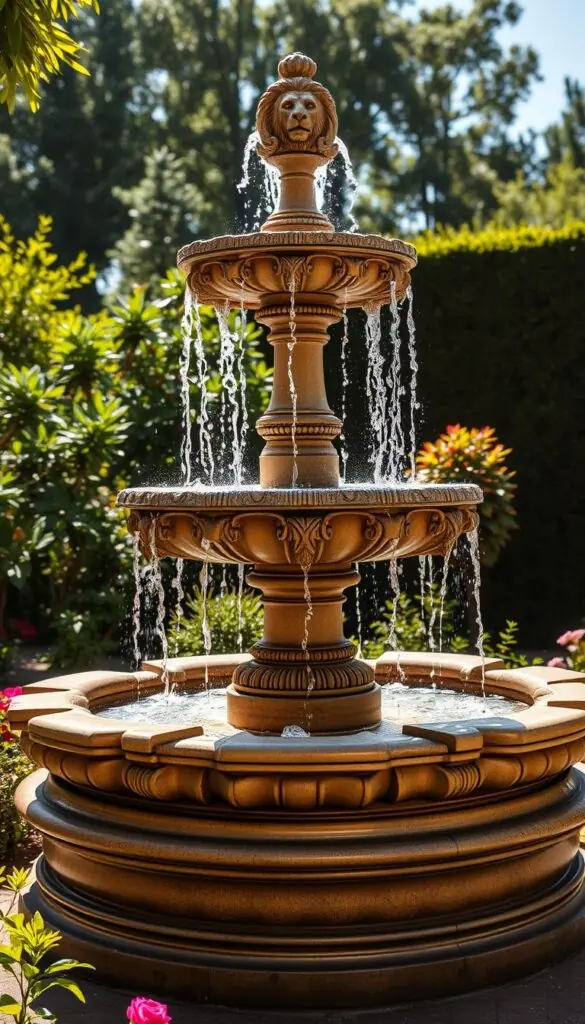
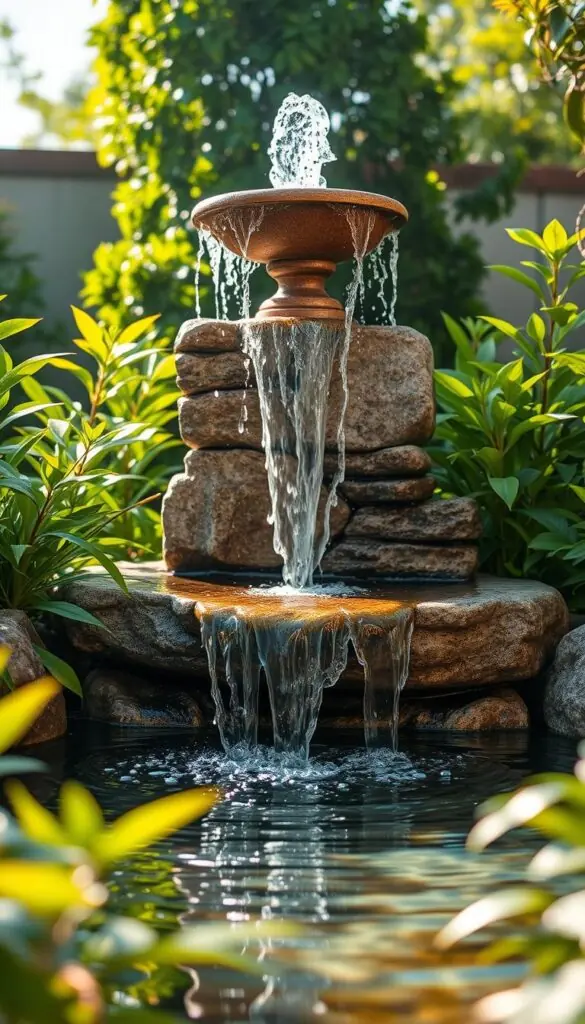
Pick a bubbling bowl for a close, bird-friendly trickle. Choose a raining style for a sleek, modern sheet of water. A pouring or cascading tiered piece gives layered motion and a livelier sound.
Size, materials, and style
For small patios, a compact bowl fits a cozy nook. Larger walks or courtyards need a freestanding model sized to nearby plants and furniture.
Cast stone and concrete offer durability and a timeless look. Natural stone pairs well with brick or stucco; modern cast stone pieces read clean and elegant.
Placement, power, and budget
Tuck a small bowl into plantings, or center a taller piece where you’ll see it daily. Most models use a recirculating pump—plan a GFCI outlet and hide the cord under edging.
Ask about lead times and curbside delivery for heavy pieces. Browsing curated collections can save time and help you compare size, finish, and sound.
| Type | Sound | Best for | Material tip |
|---|---|---|---|
| Bubbling | Soft, close-up trickle | Small patio, bird interest | Cast stone or concrete |
| Raining | Sleek, modern sheet | Court or modern patio | Cast stone or metal frame |
| Cascading/Pouring | Layered, lively | Formal yards or drives | Durable stone or cast stone |
Installing Your Fountain: Simple Steps for a Smooth Setup
Start your install by choosing a level, well-drained spot where the first trickle will feel intentional and calm.
Site prep: Mark the spot, remove sod 2–3 inches, and add 2–3 inches of compacted 3/4" gravel. For heavier bowls or basins, set concrete pavers on the gravel so the piece sits stable and true.
Smart setup and first fill
Place the submersible pump in the reservoir and attach tubing snugly. Route the cord along the least visible edge and plug into a GFCI outlet.
Fill to the marked line, start the pump, then adjust the flow to reduce oversplash. Add smooth river stones in bowls to soften the sheet of water and tune the sound.
Seasonal timing, tools, and shipping
In Zones 4–6, install in spring after soils dry and frost ends. In Zones 8–10, aim for fall or early spring when heat is milder and cast stone finishes cure better.
Have basic tools ready: shovel, hand tamper, 24" level, rubber mallet, wheelbarrow, pavers, gravel, hose, exterior extension, and silicone sealant. Large pieces often arrive via curbside shipping—book a dolly and a helper.
Quick mistakes to avoid
- Never set directly on bare soil; this leads to settling and uneven water lines.
- Always use a GFCI and coil extra cord away from sharp stone.
- Don’t overfill or use harsh cleaners on stone finishes; re-check level after the first week.
Care, Upkeep, and Enhancements for Lasting Ambiance
Keep maintenance simple with a short routine that protects finishes and preserves the soft sound you love.
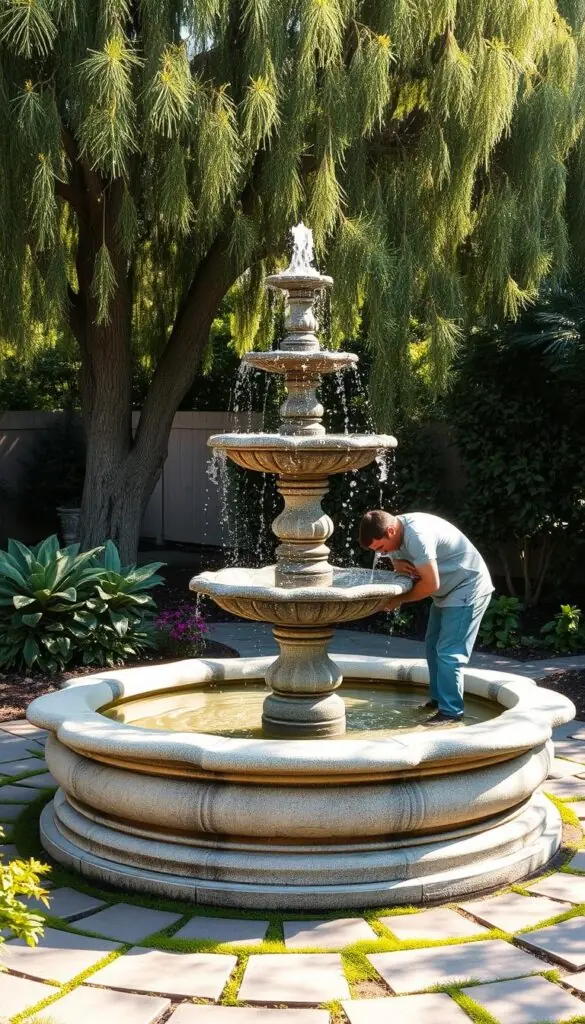
Weekly and monthly habits: Top off the water weekly in hot weather and empty and refresh monthly during summer. Use a fountain-safe algaecide sparingly and skim leaves before they sink.
Wipe surfaces gently with a soft brush and mild dish soap to lift mineral haze. For cast stone or natural stone bowls, rinse well and avoid acids that can etch the finish.
Seasonal care and simple upgrades
In cold zones, drain completely, remove the pump and store it indoors in a bucket of clean water. Cover the basin with a breathable cover and keep heavy snow cleared to prevent freeze-thaw damage.
In mild climates, run on low flow during cool months and clean quarterly. Check the pump intake if the tone sharpens or gurgles—air or debris often causes that change in sound.
- Refresh the look with river stones and warm-white LED uplights for night ambiance.
- Keep a small caddy with algaecide, a nylon brush, microfiber cloths, a skimmer net, silicone sealant, and spare clamps.
- Lean on curated collections for matching replacement pumps and lights to simplify repairs.
Conclusion
Imagine a shady nook, gentle water sound, and a chair that invites you to stay awhile.
You now know a clear way to pick a garden fountain that fits your style, from small tabletop bowls to larger pieces that anchor a courtyard. The Garden Gates and The Blissful Place both offer curated cast stone and concrete collections across sizes and finishes.
Picture your patio or landscape with dappled light, the soft steady sound that helps you unwind, and a nearby seat. Outdoor Fountain Pros supports buyers end-to-end with free shipping (no sales tax except Utah), color samples, and troubleshooting help.
When you’re ready, browse curated collections, plan delivery and moving help, and enjoy the simple pleasure of the first ripple. Trust your taste—choose what makes you smile and relax each day.
FAQ
What are the easiest ways to add a water feature to your backyard?
Start small with a self-contained bowl or tabletop unit that only needs a plug and a level surface. These offer quick ambiance without major digging or plumbing. If you want more presence, consider a preformed pond kit or a cast stone fountain placed on pavers. Each option gives the soothing sound of moving water while keeping installation simple and affordable.
How do I choose the best fountain for my space and goals?
Begin by defining purpose: do you want a soft soundscape, a visual focal point, or to mask street noise? Match the style to that goal—bubbling bowls for gentle sound, pouring tiers for drama, or cascading features for continuous movement. Check scale against the area: small patio pieces suit tight spots, while larger installations need room to breathe. Choose durable materials like cast stone or concrete for longevity and easy upkeep.
What size fountain will work on a small patio?
Measure available floor space and allow walking clearance around the piece. A compact bowl or pedestal unit usually fits well on a cozy patio without overwhelming seating. Pick a low-profile design if wind or splashing is a concern. Also verify weight limits for decks if you’re placing the piece above grade.
What materials last best outdoors and require low maintenance?
Cast stone and concrete are top picks for durability and timeless look. They withstand freeze-thaw cycles better than many resins and age gracefully. Sealed natural stone can also work but may need periodic resealing. Avoid lightweight plastics if you want a long-term investment and less frequent replacement.
Where should I place a fountain for the best effect?
Place it where it can be seen and heard from primary outdoor living areas—patio corners, near seating groups, or along sightlines from inside the house. Avoid placing it directly under large trees that shed leaves. Consider power access and safe routing for cords and tubing when choosing the location.
What do I need for power and water access during installation?
Plan for a GFCI-protected outdoor outlet within reach of the pump. Use outdoor-rated extension cords only when necessary and bury tubing safely under pavers or mulch to avoid tripping. If you’re installing a larger basin, think about adding a disguised access panel for pump maintenance.
How much should I expect to budget for a typical backyard feature?
Prices vary by size, material, and shipping needs. Small, self-contained units are the most budget-friendly. Cast stone and custom pieces cost more but last longer. Factor in delivery (curbside or white-glove), pump quality, and any site prep like leveling or a paver base when estimating total cost.
Can I install a fountain myself or should I hire a pro?
Many compact, self-contained models are DIY-friendly—level the base, connect the pump, and fill with water. Larger fountains or those requiring electrical hardwiring, masonry bases, or complex plumbing benefit from a pro to ensure safety and longevity. If in doubt, consult a licensed electrician or landscaper.
What are the simple steps for a smooth fountain setup?
Prepare a level, stable base (gravel, pavers, or a concrete pad), position the reservoir, install the pump and tubing, test flow and splash control, then fill and fine-tune the water level. Keep tools and a basic checklist on hand: level, tape measure, screwdriver, and sealant if needed.
When is the best time of year to install a fountain in different U.S. regions?
Aim for spring or early fall when temperatures are mild and soil work is easier. In northern zones, avoid installation right before freeze-up unless you plan to winterize promptly. In hot, arid areas, spring or fall helps plants establish around the feature with less heat stress.
What routine care keeps a unit looking and sounding its best?
Empty and clean the bowl or basin periodically to remove algae and debris. Top up water to maintain pump immersion and prevent running dry. Use a small filter on the pump if leaves are common, and consider a winter cover or draining schedule in freezing climates. Good water quality and light cleaning preserve pump life and appearance.
What common mistakes should I avoid when installing a fountain?
Don’t place the piece under heavy leaf drop, neglect proper leveling, or set it where splash will damage nearby surfaces. Avoid undersizing the pump or using unprotected outdoor outlets. Finally, don’t skip planning for delivery access—large pieces may require special handling or curbside drop-off.
How do shipping and delivery typically work for large stone pieces?
Many suppliers offer curbside delivery with liftgate service; some provide white-glove setup for an extra fee. Confirm lead times, packaging, and whether the carrier will place the item beyond the curb. For heavy cast stone units, professional delivery prevents damage and ensures safe placement.
Where can I browse collections to simplify decision-making?
Look for curated collections from reputable outdoor living and landscape brands, local garden centers, and specialty retailers. Collections group styles, sizes, and materials so you can compare options side by side. Visiting a showroom or display area helps you hear the sound and see scale in person.