You step outside and feel a springy pad underfoot, or you notice rain pooling on top of the soil. Those small moments tell you what your yard needs. This guide helps you choose between two common approaches so you can act with calm confidence.
Aeration uses hollow tines or spikes to open the ground so air, water, and nutrients reach roots. Core aeration removes plugs that break up compacted soil and add organic matter as they decompose.
Dethatching removes the dense layer of old stems and roots when thatch tops about half an inch. It can stress grass, so timing and follow-up care matter.
You’ll learn simple signs—spongy feel points to thatch; hard, compacted soil and pooling water point to compaction—and the best seasons to act for cool- and warm-season turf.
Key Takeaways
- Use core aeration for compacted soil; it helps air, water, and nutrients reach roots.
- Consider dethatching when the thatch layer exceeds 1/2 inch, but plan gentle aftercare.
- Spring and fall are prime times, with timing varying by grass type.
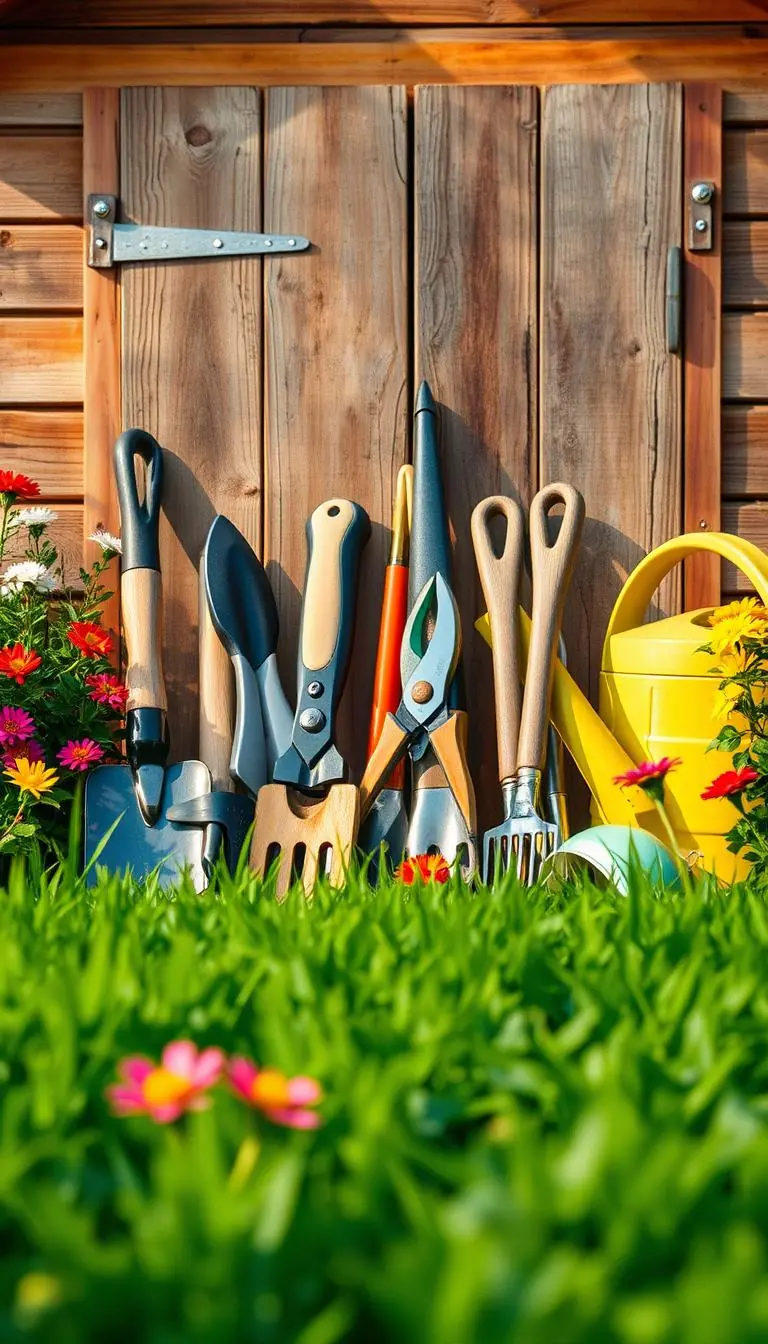
- Tools range from a thatch rake to a rented core aerator—choose based on scale.
- Proper follow-up watering and fertilization speed recovery and boost health.
What each process actually does to your lawn, soil, and roots
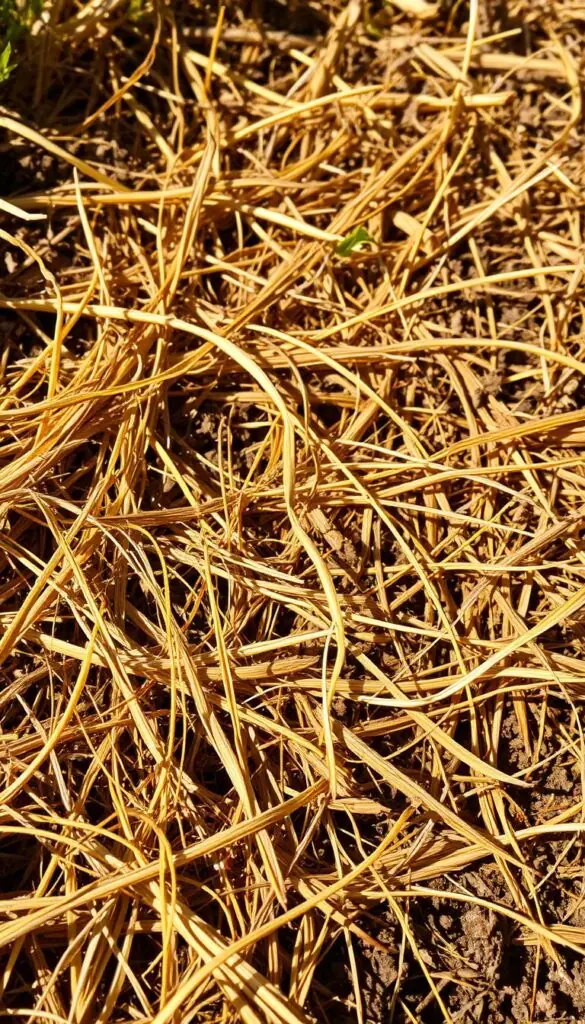
Pull up a small wedge of turf and you can see the difference at a glance. A brown mat sitting above the soil is thatch. Dark, compact earth with few pores points to soil compaction.
Aeration: relieving compaction with cores that open the root zone
Core aeration pulls 1/2-inch-wide plugs about 2–3 inches deep. Those plugs leave small holes that let in air, water, and nutrients so roots can breathe and grow deeper.
Dethatching: lifting dead grass and debris from the surface
Using tines or rotating blades, dethatching lifts the dense thatch layer that sits between blades and soil. Removing this layer helps sunlight and moisture reach the live crowns.
Quick feel-and-see check
If the yard feels spongy underfoot, a thick thatch layer is likely. If rain pools and a screwdriver won’t penetrate, choose core aeration to relieve compacted soil.
| Issue | What to look for | Result of the process |
|---|---|---|
| Thatch buildup | Brown mat > 1/2 inch between blades and soil | Surface cleared; light returns to crowns |
| Soil compaction | Hard feel, poor drainage, shallow roots | Holes from cores improve water and gas flow to roots |
| Recovery care | Water and light feeding after work | Faster green-up and stronger grass growth |
- Tip: Use a manual core aerator for tight spots or a power rake where debris is heavy.
- Follow either method with steady watering and light care to help the grass recover.
aerate vs dethatch lawn: key differences, benefits, and trade-offs
Know first whether the problem sits on the surface or down in the root zone. The main difference is simple: one method clears the thatch layer above the soil; the other opens the ground so air, water, and nutrients reach roots.
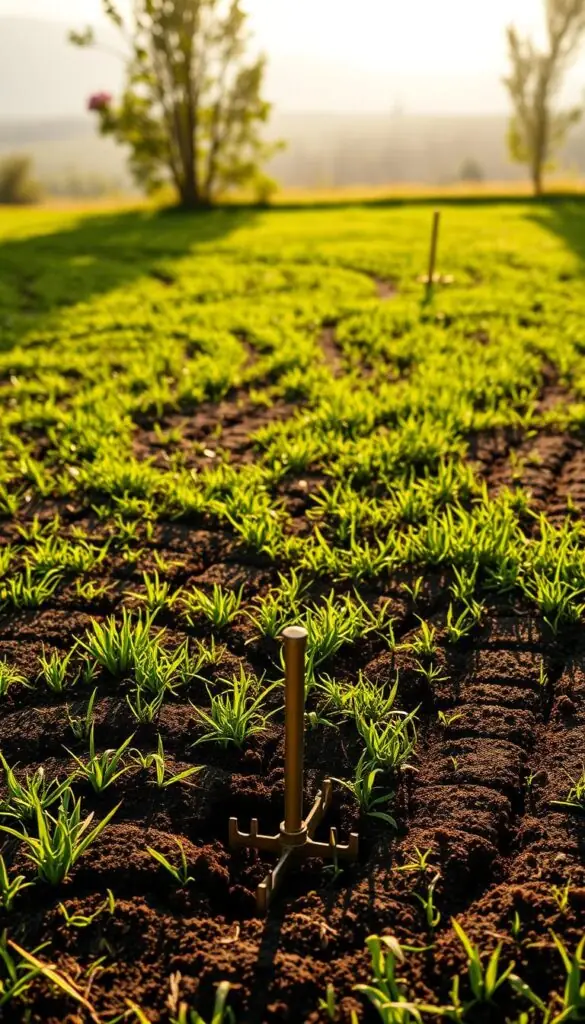
Benefits and trade-offs: Removing thatch with blades or tines gives quick surface relief and helps light reach crowns. It can stress turf, so plan watering and light feeding after the work.
Aeration with hollow tines pulls plugs and makes small holes that ease compaction. This process is gentler overall and improves soil structure as plugs decompose and feed the surface.
- If thatch tops about 1/2 inch, dethatching tackles the problem directly.
- If puddles or slow growth persist, compaction is the likely problem and aeration helps most.
- For both issues, timing in the right season and gentle care afterward speeds recovery.
Practical tip: If both thatch and compacted soil are present, clear the surface first, then use an aerator to relieve compaction in the same recovery window.
How to tell what your lawn needs right now
A few simple tests tell you whether the problem sits on the surface or deeper in the soil. Use calm, quick checks to decide whether to remove the mat of thatch or open compacted soil so roots can grow.
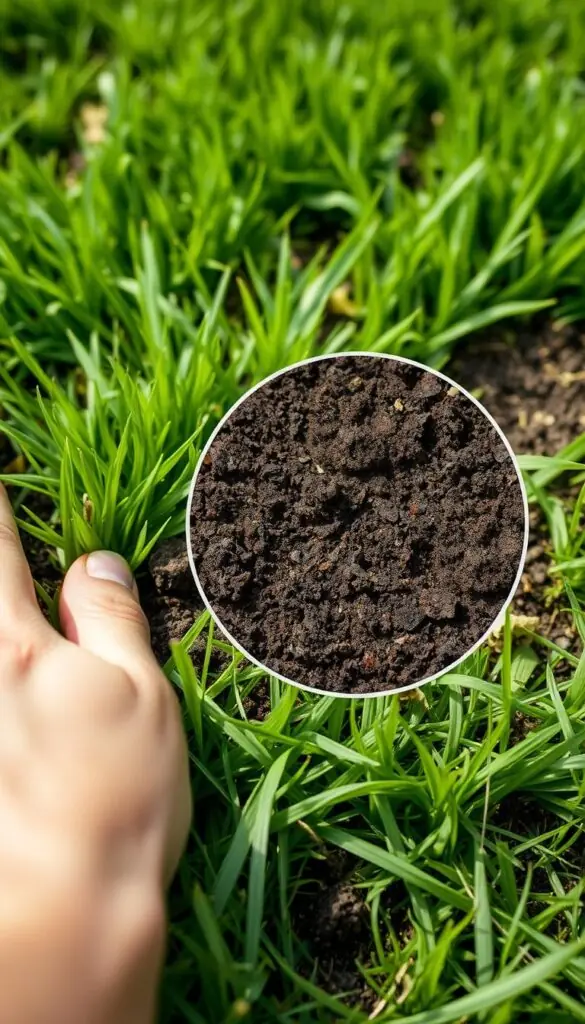
Signs you need dethatching
Spongy underfoot and springy impressions after light rain are classic cues. Thinning color, more weeds, and patches of fungus also point to a thick thatch layer. If you slice a 3-inch wedge and find more than 1/2 inch of brown material between grass blades and soil, plan for dethatching.
Signs you need aeration
Look for poor drainage, slow growth, and yellowing patches. If a screwdriver resists when you push it 3 inches into moist soil, your ground is likely compacted. Check roots: white roots only 1–2 inches deep show the root zone is restricted and needs opening so air, water, and nutrients can reach roots.
Simple at-home tests
- Walk the yard after a rain: spongy surface = thatch problem; puddling = compaction.
- Cut a 3-inch slice with a trowel; measure the brown layer between green blades and soil.
- Measure root depth in the same sample; shallow roots suggest compacted soil and poor growth.
- If both surface thatch and hard soil appear, remove the layer thatch first, then follow with aeration to relieve compaction.
Homeowners can run these checks in ten minutes with a trowel, ruler, and screwdriver. Clear answers save time and help your grass recover faster with the right treatment.
Best time and simple steps for each method in U.S. seasons
Timing this work by your region and grass keeps stress low and green-up fast. Plan tasks for the active growing season so the soil and roots recover with steady warmth or cool rains.
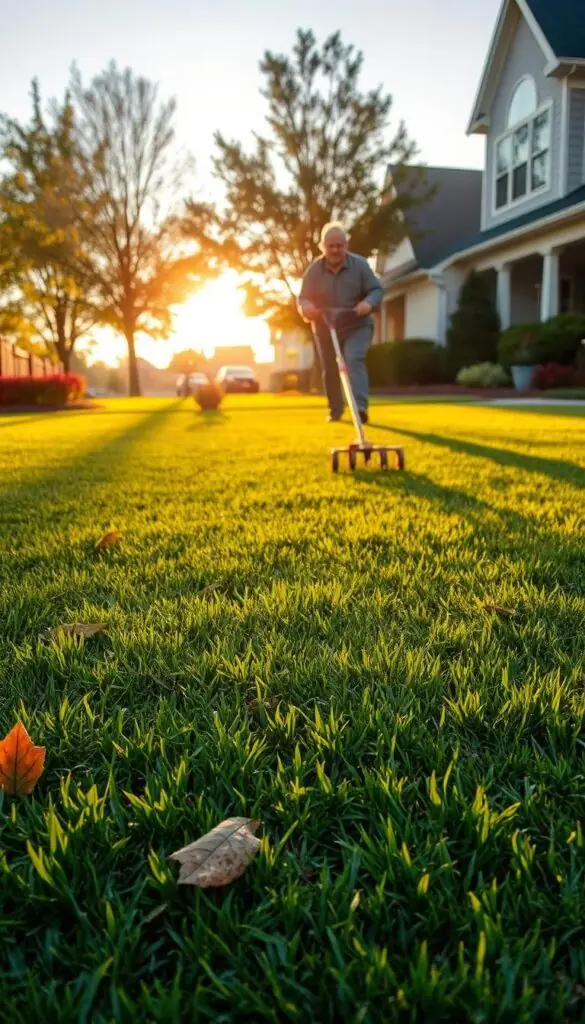
When to remove thatch
For cool-season grass (Kentucky bluegrass, fescue), clear thatch in early spring or late summer to early fall. The crisp fall air helps recovery before winter dormancy.
For warm-season turf (bermudagrass, zoysia), do this in late spring to early summer when sun-warmed soil boosts new growth. Avoid peak summer heat to prevent stress.
When to perform aeration
Cool-season yards respond best to aeration in fall, when fewer weed seeds sprout and growth is active. You can also aerate in spring if needed.
Warm-season zones gain most from late spring to early summer aeration so roots expand during the main growing season.
How to do each method
- Dethatching: Start with a thatch rake for small areas, an electric dethatcher for medium yards, or a power rake for heavy debris. Make two to three gentle passes and rake up leftover dead grass.
- Aeration: Use a manual core tool for spots, a push-behind for most yards, or a tow-behind for large acreage. Overlap north–south then east–west, leaving plugs on the surface.
Aftercare: Leave plugs to break down and return nutrients to the soil. Water lightly every 2–3 days for 2–3 weeks, and overseed cool-season areas after core work. Avoid dethatching during drought and don’t set blades too deep.
Conclusion
With a few easy checks, you can choose the right process and watch your green space come back stronger.
If the thatch layer tops 1/2 inch, remove it gently during the active season. If compacted soil limits roots, use core aeration—1/2-inch cores about 2–3 inches deep—to open the root zone.
When both issues appear, clear the surface first, then follow with aeration in the same growing window. Leave cores to break down, water regularly, and overseed as needed to speed recovery.
These small steps protect soil health and boost growth. As evening light warms the yard and the soil gives off that fresh, rain-scented aroma, enjoy the simple rewards of attentive care.
FAQ
What’s the main difference between aerating and dethatching?
Aeration uses core holes to relieve compacted soil and open the root zone so roots get air, water, and nutrients. Dethatching removes the dense layer of dead grass and debris that sits on the soil surface and blocks light and moisture. One works on the soil; the other removes surface buildup.
How do each process affect soil, roots, and turf health?
Core holes break up compacted soil, improving water infiltration and root growth. Removing thatch clears a barrier so new shoots and blades can access light and nutrients. Both help turf thrive, but they target different problems — compaction vs. surface debris.
How can I quickly check whether I have a thatch problem or compacted soil?
Press your hand into the surface. Spongy, springy feel and a brown layer above the soil usually means excessive thatch. Rock-hard, water-pooling spots and shallow roots indicate compacted soil. You can also tug up a small patch to inspect root depth and thatch thickness.
What are signs my grass needs dethatching?
Look for a spongy feel when you walk, thinning or dull color, more weeds and fungal patches, and slow response to watering and fertilizing. If the thatch layer is thicker than about 1⁄2 inch, removal usually helps.
What are signs I should aerate instead?
Aeration is needed when you see poor drainage, puddles after rain, yellowing or slow growth, compacted-feeling areas, or roots that are short and shallow. A simple screwdriver test — hard to push in — is another clear indicator.
Can I do both at the same time, and which should come first?
You can do both, but it’s usually best to dethatch first if thatch is the obvious problem, then aerate if soil compaction remains. If compaction is the main issue, aerate first. Avoid heavy overlapping treatments in the same week; give the turf time to recover.
When is the best time to dethatch and when to aerate in U.S. seasons?
For cool-season grasses, dethatch in early spring or fall and aerate in fall. For warm-season grasses, dethatch in late spring to early summer and aerate in late spring to early summer. Match the treatment to your grass’s active growth period for fastest recovery.
What tools and steps should I use to dethatch?
Use a spring-tined thatch rake for small areas, an electric dethatcher for medium yards, or a power rake for heavy thatch. Make gentle passes across the turf, collect debris, and water lightly after. Don’t overdo it — remove only the thick, problematic material.
What tools and steps should I use to aerate?
Choose a manual plug aerator for small areas, a heavy-duty push model for mid-size yards, or a tow-behind/core aerator for larger spaces. Make crisscross passes to cover the area, leave the plugs to break down naturally, and water afterward to help roots recover.
How long does recovery take after each treatment, and when can I mow or water?
Recovery is usually quick: new growth often appears in 2–4 weeks during the active season. You can water right after both processes. Wait at least a few days to mow if you’ve removed lots of surface debris; for aeration, you can resume normal mowing the next mowing cycle but avoid scalping.
Will these treatments help with weeds, fungus, or poor drainage?
Yes. Dethatching reduces the moist, shaded layer where fungus thrives and helps herbicides contact the soil. Aeration improves drainage and oxygen flow, reducing waterlogged conditions that invite disease and shallow-rooted weeds.
How often should I perform dethatching or aeration?
Most homeowners benefit from aerating once a year or every other year, depending on traffic and soil type. Dethatching is needed less often — only when thatch exceeds about 1⁄2 inch or causes visible problems. Adjust frequency based on inspection and grass response.
Can I rent equipment or should I hire a pro?
For small yards, renting a dethatcher or core aerator and doing it yourself is cost-effective. Larger yards or heavily compacted soils may be worth professional service — they bring heavy equipment and know how to match timing and depth to your turf type.
Any tips to avoid damaging my grass during these processes?
Don’t dethatch or aerate when the grass is dormant or stressed by heat or drought. Use the right depth and frequency, avoid repeated passes that scalp, and water afterward. Light fertilizing after treatment helps recovery and supports new root growth.