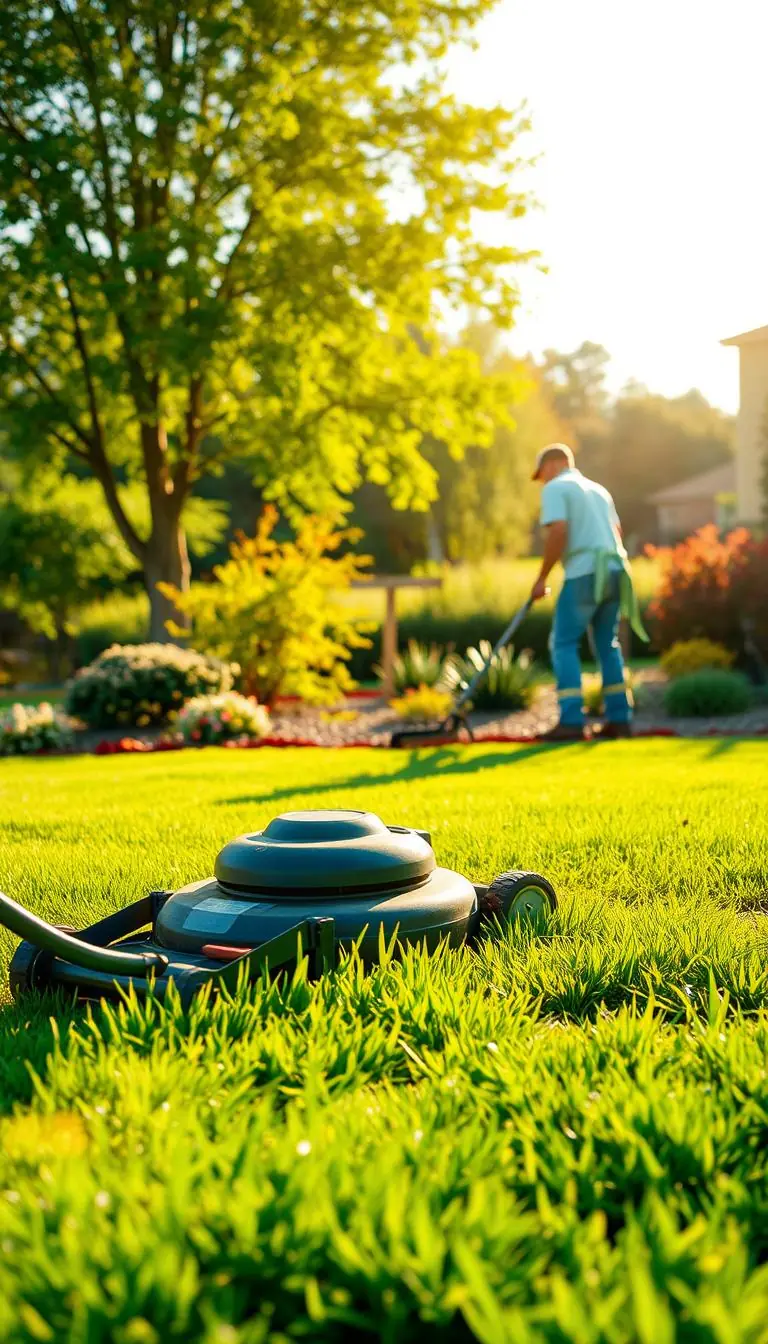
Imagine the fresh scent of cut grass and the soft rustle of fall leaves underfoot. Do you ever stand at your backdoor and dream of a calm, cared-for yard that invites morning coffee and afternoon play?
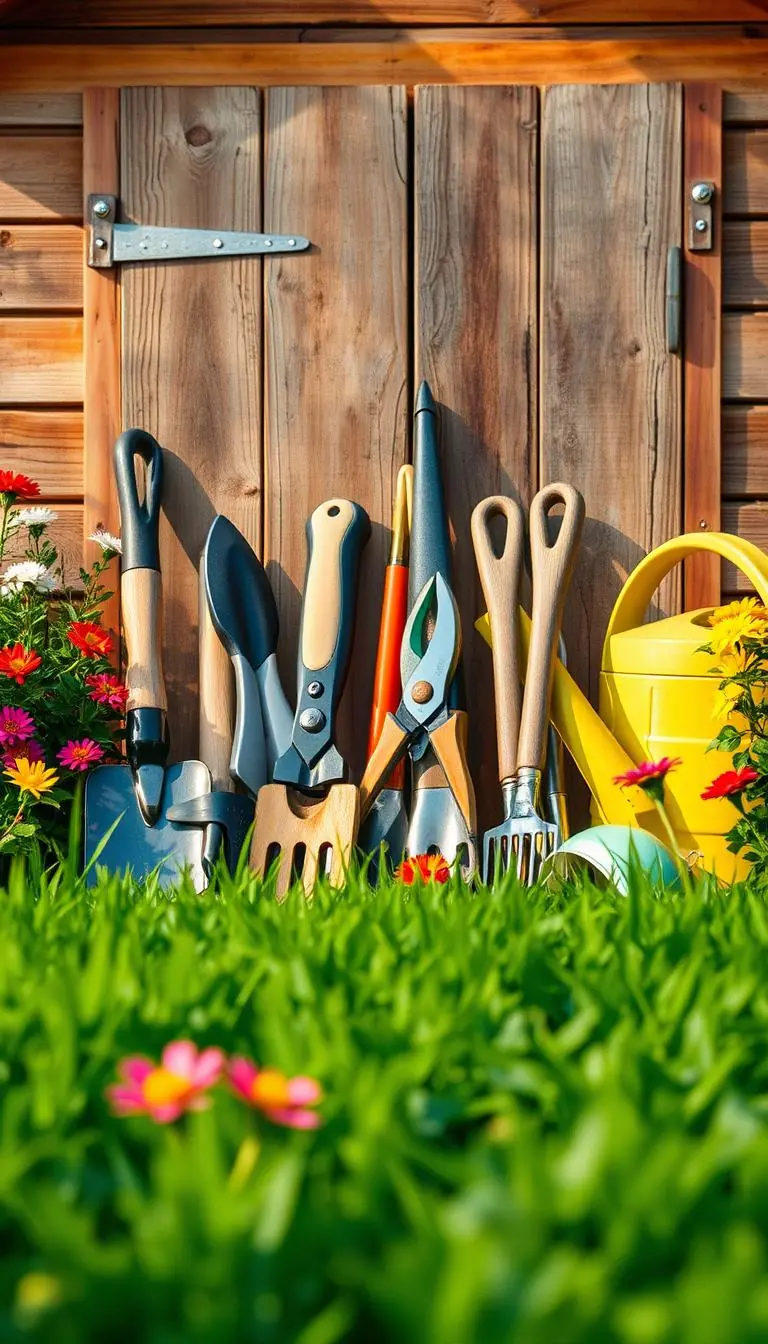
We help you get there with friendly, practical guidance. Start small with a simple kit that fits your space: a smooth-rolling cart for mulch, a rake that glides through leaves, a shovel that bites into moist soil, and clean pruners for quick shaping.
Seasonal tips keep work manageable. Overseed cool-season turf in early fall, prune hydrangeas after bloom, and store powered products properly in winter. When a wheelbarrow tire goes soft, replacement wheels and inner tubes get you back to work fast.
We’ll show where a cordless or gas-like option makes sense and when hand work feels better. Expect easy, visible wins—brighter borders, neat edges, and a garden that feels welcoming without overwhelming your weekends.
Key Takeaways
- Begin with a small, practical kit to build confidence and save time.
- Match products to season: fall for aeration and overseeding; spring for dethatching.
- Choose durable carts and keep spare wheels or inner tubes on hand.
- Balance powered gear and hand work to avoid overspending.
- Simple landscaping upgrades—mulch, trimmed shrubs, clean edges—boost curb appeal quickly.
Start Here: A Neighborly Guide to Choosing the Right Garden Tools Today
Begin with a simple checklist that lets you step outside and know exactly what your garden needs today.
Do a quick look-around. If your lawn feels spongy or matted, plan a light rake-out to lift debris and revive airflow. If the soil looks crusty and pale, loosen the top inch so water and air can move again. Enjoy the pine scent and damp earth as you walk.
Quick seasonal check: what your yard needs right now in the United States
North: for cool-season grasses like fescue or rye, overseed and feed in early fall or spring. South: for warm-season Bermuda and Zoysia, focus on summer feeding and early fall cleanup. Walk beds: trim spent blooms on hydrangea paniculata after flowering. Wait to prune spring-bloomers like forsythia until after they finish to keep next year’s color.
Simple kit to begin with: rake, shovel, pruners, and a cart you’ll actually use
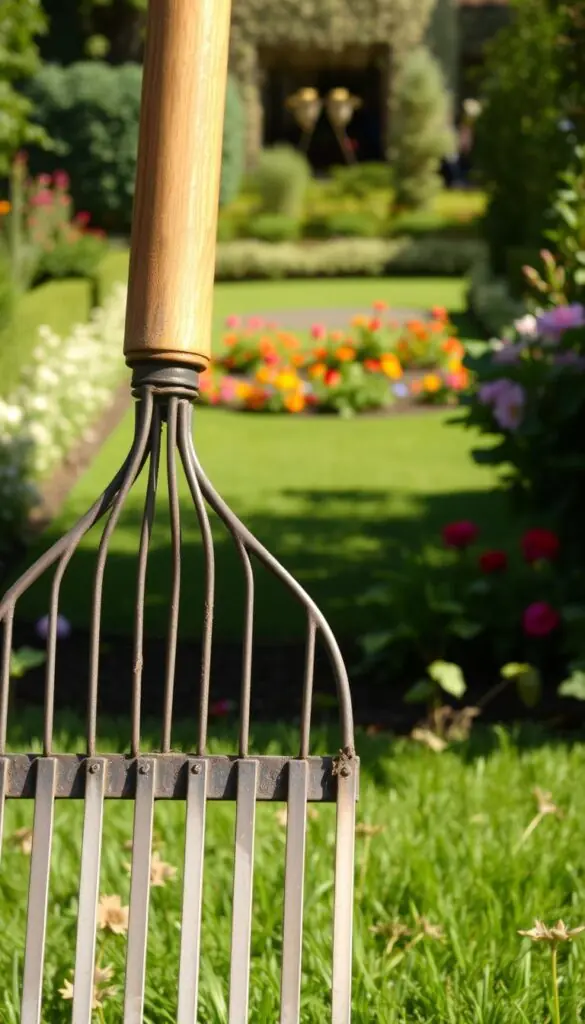
Build a no-regrets starter kit: a steel-tine rake for leaves and light dethatching, a round-head shovel for digging and planting, bypass pruners for clean cuts, and a sturdy cart with pneumatic wheels. Choose handles at wrist height to reduce strain.
- Check moisture by hand: brownie-crumb texture is ideal; powdery means add compost and water in the morning.
- Avoid common mistakes: don’t prune evergreens during heat waves and don’t water at night.
- If a cart tire sags, swap a replacement wheel or inner tube—five minutes and your day keeps moving.
Shop by Task: Garden tools and products that make lawn care easier
Match purpose to product, and the work becomes simple, steady, and even a little meditative. Start with one task and pick a piece that fits it: move, rake, dig, or trim. Small wins build confidence and tidiness fast.
Wheelbarrows and yard carts: move mulch, soil, and leaves without strain
Choose a full-steel single-wheel barrow for tight beds or a dump cart with pneumatic wheels for gravel paths. Rolling a loaded cart over loose stones feels steady when the tires cushion each step.
Garden rakes: leaf, landscaping, and soil-prep rakes
Use a springy leaf rake to sweep crunchy leaves; switch to a rigid landscaping rake to level gravel or spread topsoil. Match tine stiffness to the task for less effort and cleaner results.
Shovels and diggers: round-head, scoop, and square-head
Round-head shovels cut tidy planting holes. A scoop shovel loads mulch fast. Square-head shovels make crisp edging that frames beds like a picture.
Pruners and trimmers: loppers, shears, and pole saws
Keep pruning gear handy. Bypass pruners give clean cuts on live stems; anvil loppers handle dead wood, and a pole saw brings high branches down safely.
Lawn aerators, axes, and hand tools
Aerators pull little plugs so soil breathes and roots grow thicker. For clearing and firewood, reach for a machete, hatchet, or splitting wedge. Hand tools—hoes, cultivators, tampers—shine for precise beds and small plantings.
Quick tips:
- Keep spare wheels or inner tubes—prevention saves a weekend.
- Choose wood handles for warmth or aluminum for lighter swing.
- Use a scoop for mulch and a square-head for neat edges.

Powered vs. hand lawn tools: how to choose for comfort, power, and results
Start by matching the job to the way you like to work—fast and powered or slow and hands-on.
Cordless systems give you freedom to move and fewer cords underfoot. The Worx PowerShare platform lets one battery run many garden products, so you carry fewer chargers and swap power between mowers, trimmers, and blowers. The NITRO lineup delivers gas-like power in a lighter, ergonomic package for longer sessions.
Choose corded when you need steady power near outlets. A corded electric model keeps going for long hedge lines or patio clean-up without battery changes or downtime. It’s simple and dependable when outlets are close.
Corners where hand work wins
For pruning, planting, and precise shaping, reach for hand gear. Bypass pruners, a weeding knife, and a sharpener let you do delicate work without tearing roots.
"Quieter mornings and cleaner air make electric options kinder to neighbors and birds."
| Approach | Best for | Comfort note |
|---|---|---|
| Cordless | Wide areas, cordless platforms | Lightweight, fewer chargers |
| Corded | Close-to-outlet tasks | Steady power, no battery swap |
| Hand | Pruning, planting, touch-ups | Precise, low fatigue for short work |

- Tip: Mix methods—use a powered cultivator, then finish with hand tools for neat planting rows.
- Tip: Favor ergonomic designs to cut wrist strain and keep work pleasant.
Conclusion
Finish by enjoying the small, steady wins that make your yard feel lived-in and loved.
Step outside and feel the sun on fresh mulch and a breeze through the leaves. A few well-chosen garden tools and regular, short sessions keep beds tidy and paths clear.
Mix powered help like Worx PowerShare or NITRO with careful hand work. Use pruners for spent blooms, a shovel for crisp edges, and a rake to smooth mulch. Aerate compacted soil and keep spare wheels or inner tubes on hand for carts.
Take small steps, celebrate neat borders, and stop before you’re tired. You’ll grow confidence fast and enjoy your space more each season.
FAQ
What basic set of garden gear should I buy to get started?
Start with a simple kit you’ll actually use: a sturdy rake for leaves and light leveling, a versatile shovel for planting and moving soil, a pair of quality pruners for shrubs and small branches, and a small cart or wheelbarrow to haul mulch and compost. These give you the most value across seasons and tasks without cluttering your shed.
How do I pick between handheld tools and powered equipment?
Choose based on the size of your space, physical comfort, and the job’s frequency. For small yards and light gardening, hand tools give control and quiet work. If you have a larger property or heavy tasks, cordless or corded power options reduce effort and finish jobs faster. Consider ergonomics and weight to prevent fatigue.
Are battery-powered garden tools worth the investment?
Yes, when you want quiet, low-maintenance performance. Modern battery platforms share power across several tools, so one battery can run a trimmer, blower, and mower. They cut noise and fumes and are excellent for typical homeowners who value clean, easy operation.
What kind of shovel should I choose for planting and edging?
Keep one round-head shovel for digging and planting, and a square-head or edging shovel for straight cuts and moving materials. A lightweight, well-balanced steel head with a comfortable handle will make your work easier and last through many seasons.
How often should I sharpen and maintain pruners and shears?
Clean them after each use, oil the pivot monthly during active seasons, and sharpen blades when you notice tearing or dull cuts—usually every few months for regular use. Proper upkeep keeps plants healthy and extends tool life.
When should I aerate my soil, and which aerator is right?
Aerate compacted soil in early spring or fall to improve root growth and water absorption. For small yards, a hand or spike aerator works fine; for larger areas, a core aerator (manual or motorized) removes plugs and delivers better long-term results.
What rake types do I need for seasonal chores?
Use a leaf rake for fall cleanups, a landscaping rake for spreading mulch and gravel, and a soil-prep (bow) rake for leveling beds. Each design saves time and gives a cleaner finish when matched to the task.
How do I choose a reliable wheelbarrow or yard cart?
Look for solid construction, a comfortable grip, and a balance between load capacity and maneuverability. Pneumatic tires smooth rough ground; solid tires reduce maintenance. Consider replacement parts like inner tubes and wheels to keep it serviceable for years.
Are axes and striking tools necessary for most home gardens?
Only if you manage larger branches, split wood for firewood, or clear heavy brush. Choose the right tool—hatchets for small jobs, splitting axes for wood—to avoid overdoing it. For most beds and ornamental gardens, pruners and saws are sufficient.
What routine upkeep should I do to extend the life of garden equipment?
Wipe blades clean, dry tools after use, oil moving parts, tighten loose bolts, and store gear in a dry, shaded spot. Replace worn wheels, inner tubes, or handles early to avoid bigger repairs. Small fixes keep your weekend plans on track.
How can I reduce fatigue while working in the yard?
Choose ergonomically designed handles, lighter materials, and tools balanced for your height. Take short breaks, alternate tasks, and use a cart to move heavy loads instead of carrying. These habits help you enjoy tending your outdoor space without aches.
Are corded electric tools still useful compared with cordless options?
Yes—corded tools deliver steady power for long, continuous jobs near an outlet and often cost less upfront. They’re a great fit if you don’t want battery management and your work areas stay close to power sources.