Imagine cool, dappled light on a quiet morning and the soft feel of healthy blades underfoot. Do you look out at a dim corner of your lawn and wish it looked as full as the sunny side? You’re not alone.
You’ll learn a calm, step-by-step approach to help turf thrive where light is softer. We keep advice simple and neighborly so you can act with confidence. Start by mapping how much sunlight each area gets and choose seed or sod that suits the light and soil.
Practical tools—a rake, hand pruners, a hose or sprinkler, and an optional core aerator—make the job easier. Timing matters: plant cool‑season blends in the fall and plan warm‑season work in late spring. In low light, raise tree canopies, mow higher, water less often, and favor a bit more potassium over heavy nitrogen.
Key Takeaways
- Map sunlight to set realistic expectations for each area.
- Pick shade‑capable varieties and seed blends for best results.
- Use simple tools you likely have and time work by season.
- Mow higher, water less, and improve airflow to cut disease risk.
- Know when to choose low‑care plant alternatives if light is too low.
Read the Shade: Light, Trees, and Soil Set the Stage
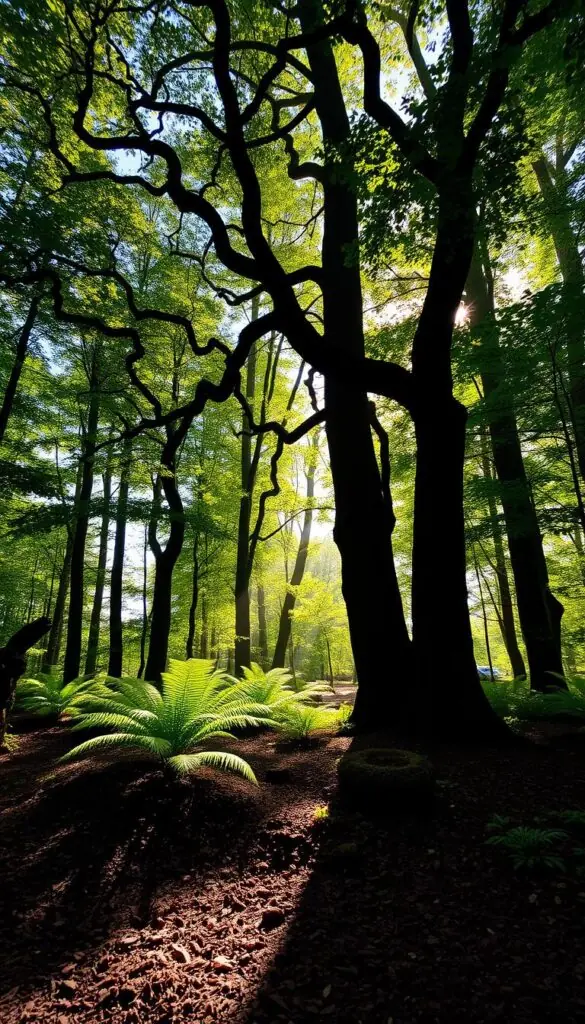
Start by watching how light moves across your yard through a full day; that simple map tells you what each spot can realistically support. Walk three times—morning, midday, and late afternoon—and note direct beams, partial pools, or dappled sunlight. Tally the total hours for each area so you know what to plant.
Map your sunlight
Use your phone to mark where sunlight lands. If a spot gets three to four hours of direct sun or four to six hours of dappled light, you can try a shade‑tolerant turf mix.
Raise the canopy
Look up at the canopy and spot dense crowns from maples or beeches and lighter crowns from pines or birches. Gently prune low branches with clean tools to about 6 feet under the crown so light and airflow reach the ground.
Roots and competition
Scan for surface roots around trunks and the dripline. Shallow‑rooted species like willows and maples compete strongly for water and nutrients, so thin turf near roots or consider groundcovers.
Soil feel and moisture
Check soil by touch after a dry day: it should crumble slightly. If it smears or stays tacky, compaction and poor drainage may trap moisture and raise disease risk.
"A little observation and a few careful cuts often make the biggest difference."
- Rake leaves often on new seedbeds so seedlings get light.
- Flag compacted areas now for seasonal core aeration later.
- Keep notes by area so you match care to real conditions.
Choose the Right Shade Grass for Your Climate and Conditions
Match seed to sunlight so new turf has a real chance to thrive.
In cool climates, favor tall fescue for durability and fine fescues (creeping red, chewings) for a soft, feathery texture. Add a little perennial ryegrass for quick cover while fescues establish.
In warm areas, pick St. Augustine under trees when you have about three to four hours of gentle sun. Zoysia makes a dense, springy carpet and can manage near three hours of direct light. Centipede needs more light and suits only light, shifting canopy spots.
Smart blends and labels
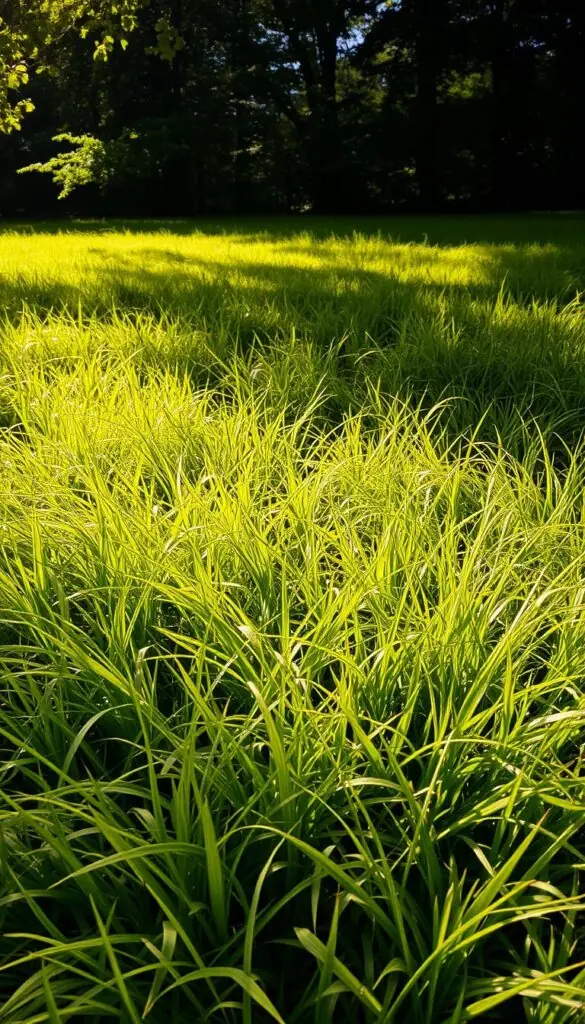
Look at the bag: "dense shade" mixes for 4–6 hours of filtered light; "shade" blends when some direct sun arrives. A reliable home blend is 80% tall fescue, 10% kentucky bluegrass, 10% fine fescue at about 6 lb per 1,000 sq ft.
"Three to four hours of direct sun or four to six hours of dappled light gives turf a fair chance."
| Region | Recommended species | Sun needed |
|---|---|---|
| Cool-season | tall fescue + fine fescue, small kentucky bluegrass | 3–4 hours direct or 4–6 hours dappled |
| Warm-season | St. Augustine, zoysia (centipede in light spots) | ~3–4 hours gentle sun |
| Very low light | Consider groundcovers or mulched sitting area | Less than 3 hours |
- Seed note: a small kentucky bluegrass percentage helps color without dominating.
- Mist new seed to keep the top 0.5 inch moist; shaded soil stays wetter—reduce water sooner.
- Avoid high-nitrogen mixes designed for full sun; they invite disease in dim areas.
How to Grow and Care for Grass in Shade: Tools, Timing, and Daily Habits
A few gentle habits—timed right and done with sharp tools—keep turf healthy in lower light.
Prep and seed by clearing debris, loosening the top inch of soil, and overseeding with a blend suited to your conditions. In cool seasons aim for early fall; warm-season spots do best late spring into summer.
Core aerate compacted spots in fall for cool lawns or late spring for warm types. You’ll love the earthy scent of pulled plugs and the way roots find room to grow.
Set mowing higher, sharpen blades, and cut no more than one‑third at a time. Water deeply in the morning but less often—shaded areas hold moisture longer. Feed lightly, reduce nitrogen, and add some potassium for stress tolerance.
Remove leaves on new seed, limit heavy traffic, and use stepping stones where needed. With these small steps your lawn will feel lush and calm—perfect for barefoot strolls at day’s end.
FAQ
What light conditions should I map before planting?
First walk the yard across a full day and note direct, partial, and dappled sunlight hours. Use a phone photo or a simple log to record where sunlight falls at morning, midday, and late afternoon. This helps you match the right turf type to the exact light your lawn receives.
Can pruning tree branches really help turf under trees?
Yes. Gentle pruning raises the canopy and improves light and air flow. Removing low limbs and thinning crowded branches lets more sun through and lowers moisture that invites disease. Do small cuts over several seasons to protect tree health.
How do tree roots affect turf success?
Surface roots compete for water and nutrients and often make soil shallow and compacted. Avoid deep tilling near trunks; instead, topdress with organic matter, water deeply but infrequently, and consider root-friendly species that tolerate competition.
What soil signs show poor drainage or compaction?
Soggy spots, standing water after rain, muddy shoes, or soil that resists a screwdriver indicate poor drainage. Hard, cracked soil that sheds water signals compaction. Aerate compacted areas and add compost to improve structure and moisture balance.
Which cool-season varieties work best in low light?
Tall fescue and fine fescues (including chewings and red fescue) perform well in limited light because of deeper roots and good disease tolerance. Choose seed blends labeled for dense cover and cool climates for best results.
Are there warm-season choices for shaded yards?
Yes. St. Augustine and zoysia tolerate filtered sun in warm climates; centipede can work in mild, partially shaded sites. Expect slower growth and lighter color where direct sunlight is scarce.
Should I buy a “shade mix” or a general lawn blend?
Buy seed labeled for dense cover or low-light conditions. Those mixes feature fine fescues or shade-adapted varieties. Avoid generic blends heavy in Kentucky bluegrass unless your area gets four or more hours of direct sun.
How many hours of sun does my lawn need to thrive?
Aim to know if you get three to four hours of direct sunlight or four to six hours of dappled light. Pick species and care routines based on that estimate—three hours favors shade-tolerant cool-season grasses while more light allows broader choices.
When is the best time to seed or overseed in low-light areas?
For cool-season varieties, early fall gives cooler temps and good soil warmth for root development. Spring can work but expect more competition from weeds. Warm-season types do best when soil temperatures rise in late spring to early summer.
How should watering differ under trees and in shaded spots?
Water deeply and less often to encourage deeper roots, but reduce frequency if soil stays moist from low evaporation. Check moisture by probing the soil—wet surface with dry below means shallow watering; aim for even moisture to prevent disease.
What mowing height is best for low-light areas?
Raise the mower blade so plants keep more leaf area to capture light. Taller turf builds stronger roots and shades out weeds. Avoid scalping; cut only one-third of the leaf blade at a time.
How do I manage nutrients and fertilization where light is limited?
Use lighter, more frequent feeds of a balanced fertilizer to avoid forcing excessive top growth. Soil tests guide nitrogen needs; too much nitrogen in low light invites disease and weak stems. Add compost yearly for slow-release nutrients.
Are there common diseases or pests that target low-light lawns?
Yes. Fungal problems thrive in cool, damp conditions with poor airflow. Keep canopy open, avoid overwatering, and choose resistant varieties. Monitor for grubs near tree roots and treat based on local extension recommendations.
Can I improve shaded areas without planting turf?
Absolutely. Consider mulched planting beds, native groundcovers, or shade-tolerant perennials that require less maintenance. These options reduce competition with roots and create a lush, low-care landscape beneath trees.
How does foot traffic affect plants in low-light zones?
Heavy traffic compacts soil and damages delicate leaves and crowns. Use stepping stones, pathways, or a reinforced turf solution to protect fragile areas. Rotate traffic routes when possible to reduce wear.
What ongoing maintenance keeps low-light lawns healthy year-round?
Focus on gentle pruning, periodic aeration, light fertilization, proper mowing, and targeted watering. Add organic matter annually and reseed thin patches with appropriate blends. Small, consistent steps yield a thriving, low-light landscape.