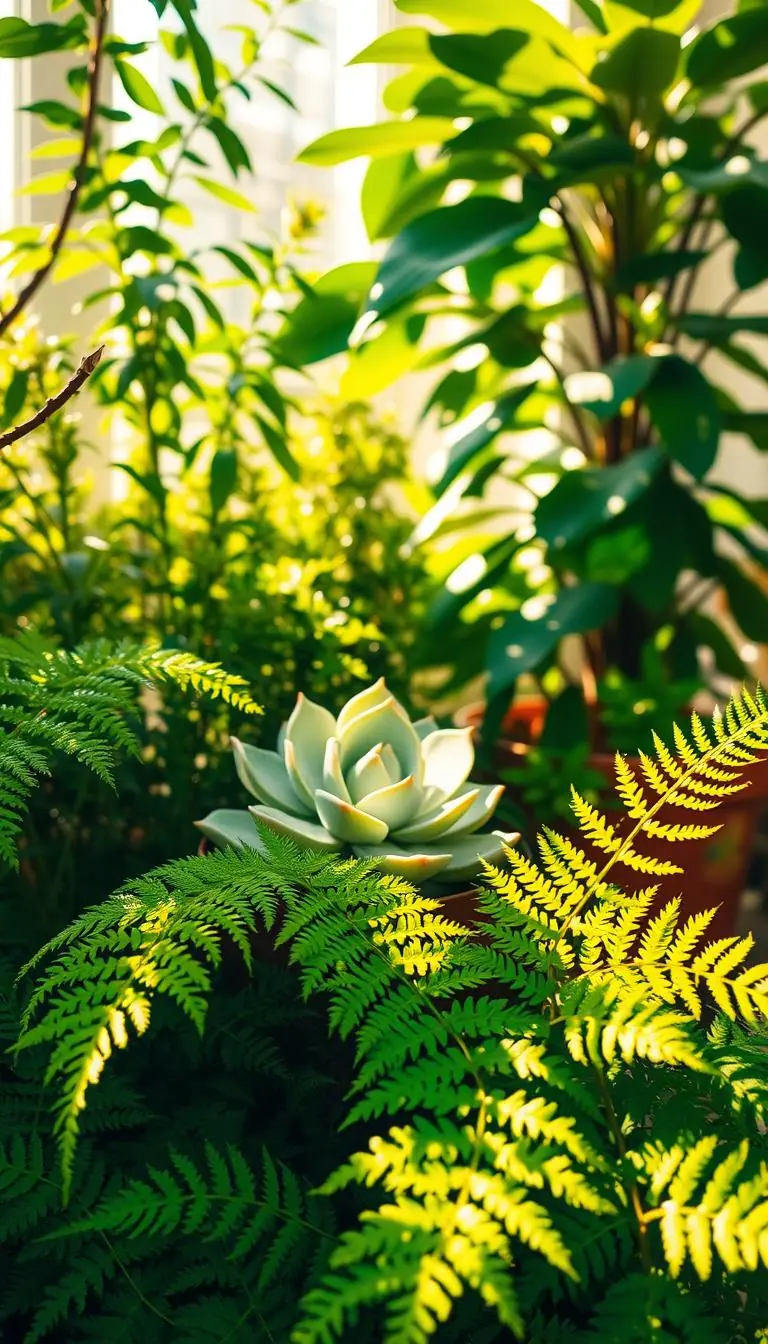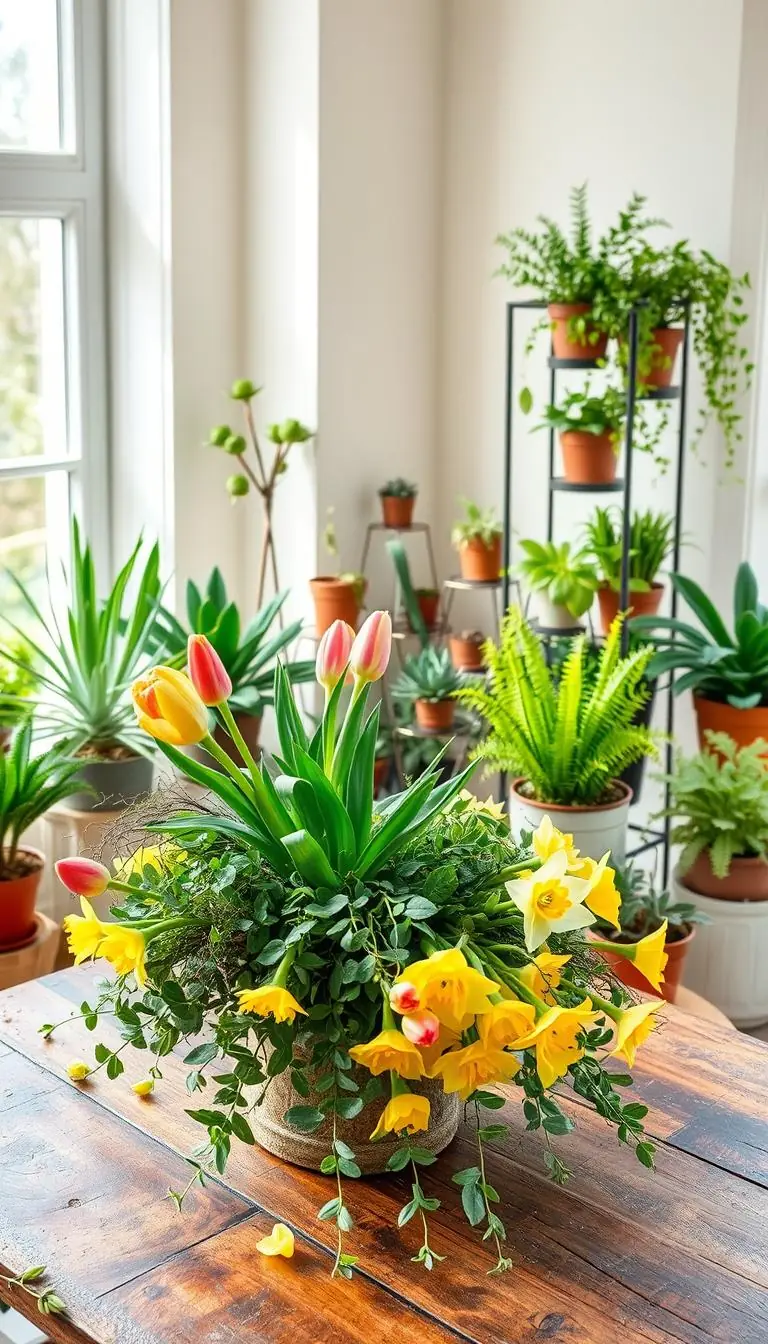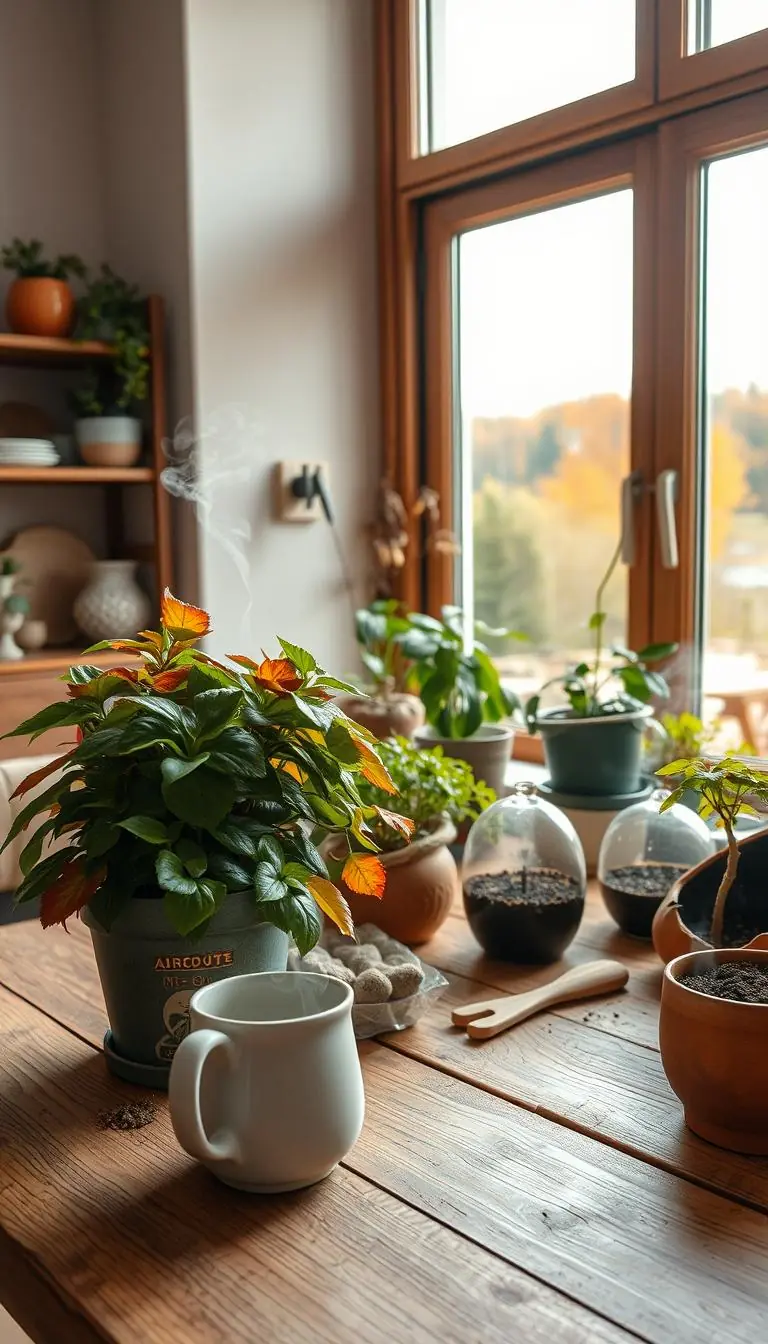
Imagine stepping outside at dusk and feeling the soft, cool breath of a small, thriving corner of green. Have you ever wished your foliage looked glossier and less frazzled by heat? This guide shows how a simple approach can help.
Why it works: Clusters create tiny humid pockets where nearby leaves share moisture, reducing crispy edges and boosting lush growth.
We’ll give a clear, friendly method you can use in one weekend: choose a spot, pick compatible specimens, arrange in threes for natural form, and mulch with 2–3 inches of arborist mulch for moisture retention.
Expect precise, usable numbers (18–36 inch radius per cluster), low-maintenance routines, and tool notes—from planters and saucers to pebble trays, drip lines, compost bins, and a basic moisture meter.
Along the way we’ll share real combos for sun and shade, container formulas like Thriller‑Spiller‑Filler, and simple tips to blend color and steady interest in your landscape.
Picture this: velvety leaves that hold dew, evening fragrance, and a calm, thriving spot you can build in a few hours.
Key Takeaways
- Clustering creates a small humid microclimate for lusher foliage and fewer dry edges.
- Use 18–36 inch radius clusters and 2–3 inches of arborist mulch for best results.
- Plant in threes and try a Thriller‑Spiller‑Filler approach for balanced texture and moisture hold.
- Simple tools—saucers, pebble trays, drip lines, and a moisture meter—make care easy.
- Actionable ideas and measurements let you set up a thriving corner in a weekend.
Why Humidity-Rich Groupings Work in the Garden
Clusters of greenery work like tiny weather systems, holding cool, moist air close to leaves.
How it happens: Leaves release water vapor as they breathe. When nearby specimens share that air, the moisture hangs around longer. This reduces stress, keeps foliage glossy, and slows soil drying at the surface.
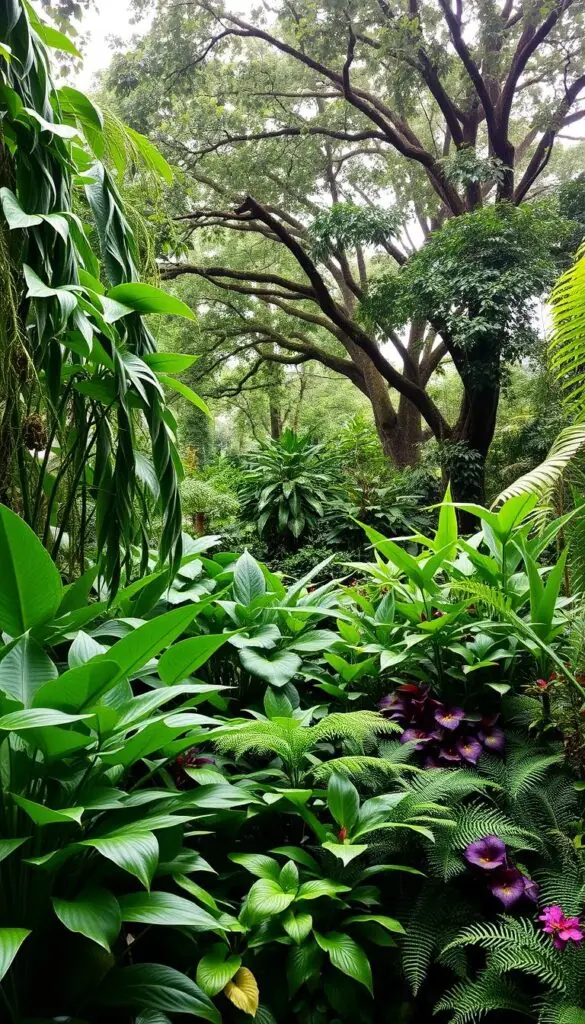
Layered structure — small trees, shrubs, and low underplanting — creates calm pockets where humidity settles. Groundcovers and spillers shade soil, protecting tender roots and keeping the root zone damp.
Seasonal note: this approach is most helpful in hot, dry summer months and in windy shoulder seasons. In winter, tighter groups cut wind that desiccates evergreens.
- Use odd-numbered masses (threes) and 2–3 inches of arborist mulch to retain moisture and create a cohesive look.
- Thriller‑Spiller‑Filler combos soften edges and shelter containers for a mini microclimate.
- Good design means space to breathe — leaves should touch air, not crowd neighbors.
| Effect | How it helps | Best move |
|---|---|---|
| Transpiration | Raises local humidity | Cluster thirsty species within an 18–36 inch radius |
| Shade & wind buffer | Slows evaporation | Layer heights: trees, shrubs, groundcovers |
| Mulch | Locks in moisture and adds color | Apply 2–3 inches of arborist mulch |
Step-by-Step: Build a Moisture-Holding Plant Cluster
Start by scouting a spot that matches sun, wind, and your local USDA zone—this makes the rest easy. In hot-summer zones (7–10), favor afternoon shade or a sheltered nook. In cooler zones (4–6), choose a sunnier site with a windbreak like a fence or hedge.
Choose compatible water needs
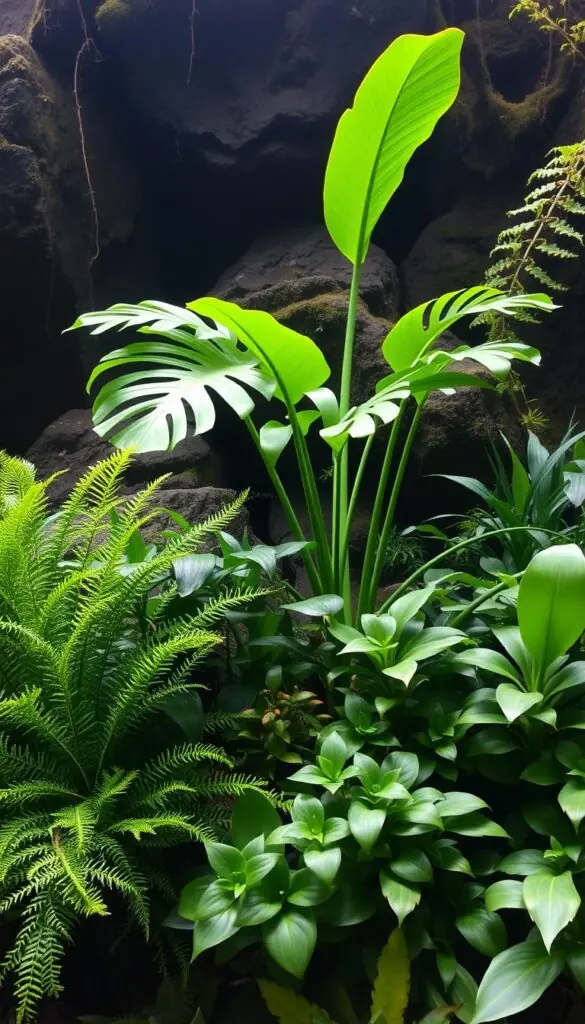
Pick plants that thrive at 40–60% humidity. Mix perennials, compact shrubs, and a few annuals for seasonal color without extra care.
Shape, height, and spacing
Lay out a loose triangle or arc within an 18–36 inch radius so air flows and foliage stays distinct. Place the tallest specimen at the back or center to shelter smaller companions.
Mulch and water
Spread 2–3 inches of arborist mulch across the base to cool soil and reduce splash. Run drip lines or soaker hoses and water in the morning so roots soak while leaves dry fast.
Tools and quick checklist
Bring planters or saucers for containers, pebble trays, a compost bin, a basic moisture meter, and a hose timer. Leave 2–4 inches between mature foliage edges so each variety has breathing space.
- Start small: plant in threes or fives and observe for a few weeks.
- Add one indicator species at the edge to signal when to water the whole group.
Design Frameworks that Boost Humidity and Beauty
An intentional layout can make a hot patio feel softer and more restful by holding cooler air. Use design recipes that marry function and form so your garden looks great and stays moist where it matters.
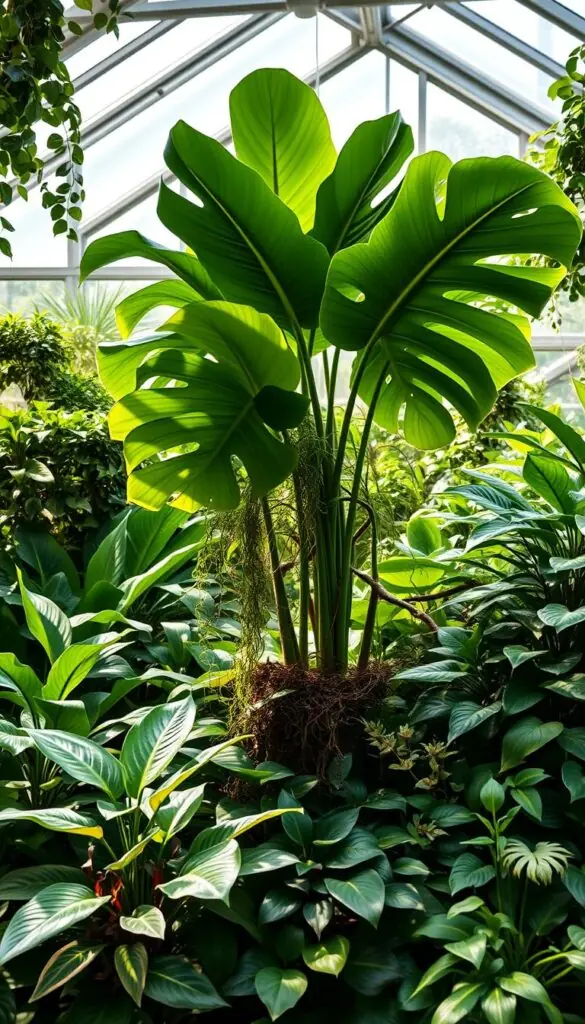
Thriller‑Spiller‑Filler for containers: place a tall focal like canna, add a cascading sweet potato vine at the rim, and tuck coleus to cover soil. This trio creates a self-shading canopy where spillers cool the edge and fillers hold moisture.
Simple rules to follow
- Work in threes or fives—triangles or arcs help the eye and prevent merging.
- Layer height: small trees or tall perennials break wind, mid shrubs cushion air, groundcovers protect soil.
- Choose cool color palettes and velvety textures to slow air and add sensory interest.
Keep maintenance light. Pinch vigorous spillers, deadhead blooms, and top-dress with compost each season. Finish with 2–3 inches of arborist mulch to lock in moisture and give a neat edge to your landscape.
Plant Grouping examples that add humidity and structure
Try these practical combinations to hold humidity, add texture, and make a small corner of your landscape shine.

Shade-loving trio
Hosta + Hakonechloa (Japanese forest grass) + sweet woodruff. Space as a loose triangle: hosta at the back point, forest grass to one side, woodruff in a sweeping front arc. Keep an 18–24 inch radius and apply 2–3 inches of arborist mulch.
Leaf surfaces stay cool and glossy, grass blades add chartreuse contrast, and woodruff gives a faint sweet scent. In colder zones pick hardy hosta varieties; in warm sites give extra afternoon shade.
Sunny container combo
Canna (thriller) + sweet potato vine (spiller) + coleus (filler). Use a large pot, set the canna in the center, let the sweet potato vine trail, and tuck coleus around the base to shade soil.
Water deeply each morning and place a saucer or pebble tray beneath the pot to lift humidity on hot days without waterlogging. Pinch coleus tips for bushier growth and rotate containers for even sun exposure.
Front-bed anchor
Ninebark + blue fescue drifts + coneflower accents. Plant a compact ninebark as a focal shrub, then add blue fescue in twos or threes and dot coneflowers for bright summer color. Leave 2–4 inches between mature foliage edges to let air move while retaining moisture.
Keep a narrow mulch strip at the front edge and tuck low perennials between fescue mounds to hold dampness. In hot gardens shade coleus and increase mulch to a full 3 inches; in cold gardens choose hardy cultivars.
| Example | Spacing (radius) | Mulch | Watering & maintenance |
|---|---|---|---|
| Shade trio | 18–24 in | 2–3 in arborist mulch | Morning deep water; divide hosta every 3–4 yrs |
| Sunny container | Large pot, thriller center | 2 in top-dress | Water daily in heat; use saucer/pebble tray; pinch coleus |
| Front-bed anchor | Shrub-centered massing, 2–4 in gaps | 2–3 in strip at edge | Water weekly deeply; deadhead coneflowers; refresh mulch yearly |
Companion planting ideas to create humid microclimates
A few well-chosen neighbors will turn a sunny patch into a friendlier, moister corner of the garden.
Tomato guild: Tuck basil close to tomato stems to boost scent defenses. Add marigolds for whitefly deterrence and scatter borage for pollinators and hornworm checks.
Keep 18–24 inches between tomato stems for airflow. Mulch 2–3 inches to cool roots and hold moisture during hot summer stretches.
Lettuce nest
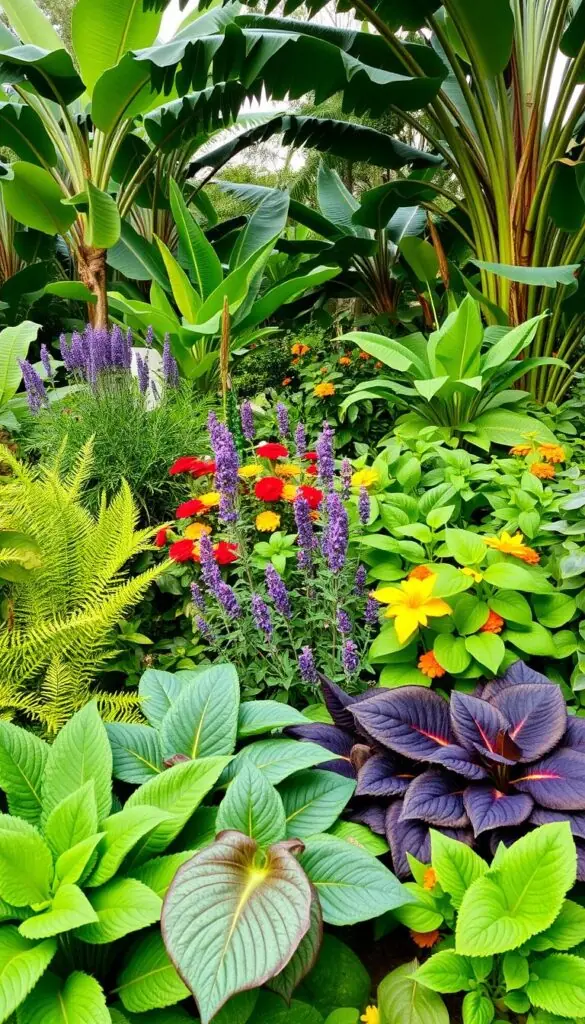
Ring looseleaf or romaine with alyssum and clumps of chives. The low band shades soil, raises humidity at the canopy, and attracts hoverflies that eat aphids.
Water early in the day. The shady edge helps leaves stay crisp and reduces bolting pressure in warm spells.
Cucumber climb
Plant dill at the base and set sunflowers a foot or two behind as a living trellis. This lifts vines into breezes while the shaded soil loses less moisture.
Train one vine per support and keep steady moisture to avoid bitter fruit.
Beans, corn, and squash
The Three Sisters sequence works: sow corn first, add beans to climb, then let squash sprawl. Corn gives structure, beans fix nitrogen, and squash shades soil to cut evaporation.
| Companion | Spacing / timing | Main humidity benefit |
|---|---|---|
| Tomato + basil + marigold + borage | 18–24 in between stems; mulch 2–3 in | Shades roots; attracts pollinators; pest balance |
| Lettuce + alyssum + chives | Ring alyssum 6–10 in from lettuce | Shaded soil; higher canopy humidity; aphid control |
| Cucumber + sunflower + dill | Sunflower 12–24 in behind; dill at base | Living trellis; airflow; soil shade |
| Corn + beans + squash | Corn first, beans after; squash trails between rows | Soil cover; reduced evaporation; nutrient balance |
Practical note: Place these clusters in compact patches, use drip lines under the canopy, and try small plots first to learn timing and space for your landscape.
Seasonal timing, spacing, and common mistakes to avoid
Time your work so roots settle before the heat hits—early spring gives you the best start. Set groups early so roots spread and hold moisture through summer. Plant in threes and allow mature spacing so foliage won’t merge later. Use right-angle clusters and layered heights for depth and airflow.

Spring and summer
Start planting in cool, workable soil. Water deeply at first to build resilient roots that keep the soil moist longer.
Begin with a lighter mulch (about 2 inches) and add more as temperatures rise. In summer, shift watering to early morning and tweak drip output so the sunny edge ones don’t stress.
If leaves touch and mold shows up, prune to open the canopy without breaking your sheltering layout.
Fall and winter
Top beds with leaf mold or compost to feed soil life and improve moisture-holding texture for winter. Pull containers close to a fence or hedge so they share warmth and humidity.
On windy sites, shield young trees and clusters with burlap or evergreen boughs. This cuts desiccation when winter sun and wind are harsh.
Missteps to skip
- Overcrowding: Traps stale air — correct by spacing for mature size and adding a mid-layer if the bed is flat.
- Mismatched water needs: Don’t mix thirsty types with drought lovers; group by need or use separate irrigation zones.
- Flat, single-height beds: Add a back height and mid-layer for shelter and visual interest.
Quick habit: Keep a simple log twice weekly: soil moisture at 3–4 inches and a note on canopy density. Small points like this save time and help you course-correct fast.
Conclusion
Wrap up by starting with a tiny test patch—three companions in a shady corner—and observe the change.
Start small. Choose a trio that mixes texture and color, add 2–3 inches of arborist mulch, and keep a simple morning watering habit. This easy way blends beauty and function in your landscape.
Over weeks you’ll notice cooler soil, plumper leaves, and a softer look to the eye. Use the Thriller‑Spiller‑Filler idea or plant grouping in threes to guide variety and shade without fuss.
Trust your senses and adjust spacing or mulch as needed. In time these small clusters make your garden feel calmer and more thriving. You’ve got this—set the space and enjoy the gentle lushness that follows.
FAQ
How does grouping plants help raise humidity around them?
Grouping plants close together creates a mini microclimate. Leaves release moisture through transpiration and, when foliage is near one another, that moisture stays in the local air longer. This reduces evaporation from soil and keeps roots and leaves more consistently damp, which benefits moisture-loving perennials, shrubs, and container combos.
Which site conditions are best for a humidity-rich cluster in U.S. zones?
Pick a spot with suitable sun and wind conditions for the chosen species. Sheltered areas shielded from drying winds and sites with morning sun and afternoon shade work well. Match the exposure to regional USDA zone needs so the group thrives without extra stress.
How do I choose plants with similar water needs?
Look for species that prefer moderate to high humidity and similar soil moisture—aim for those happy around 40–60% relative humidity. Use perennials, shade-loving shrubs, and annual fillers that list similar watering on their tags. This prevents overwatering some and drying out others.
What shape and size should a moisture-holding cluster be?
Use an arc or triangular arrangement within an 18–36 inch radius for small beds and containers. This creates visual depth, funnels moisture inward, and shades the soil. Larger landscape masses can follow the same geometry scaled up for a natural look.
How much mulch is ideal for retaining moisture?
Apply 2–3 inches of arborist or shredded hardwood mulch. That depth holds water, moderates soil temperature, reduces evaporation, and adds texture and color to the bed without suffocating roots.
What’s the best watering method to maintain humidity?
Use drip irrigation or soaker hoses for slow, deep watering and water in the morning when plants can absorb moisture before evening. For containers, place saucers or pebble trays beneath pots to hold evaporating water and raise local humidity.
Which tools and supplies help keep a humid grouping healthy?
Keep a simple checklist: planters, saucers, pebble trays, compost for steady nutrition, a moisture meter to avoid overwatering, soaker hoses or drip lines, and mulch. These save time and improve moisture control.
What container design boosts humidity without looking fussy?
Use the thriller-spiller-filler framework: a tall, moisture-holding thriller (like canna), a trailing spiller (such as sweet potato vine) and a mid-height filler (coleus). Grouping multiple containers close together also raises humidity between pots.
Why plant in threes or fives for humid groupings?
Odd-numbered masses look natural and create better canopy coverage. Clusters of three or five provide layered shade that reduces soil drying while giving each plant enough room to mature without crowding.
How do trees, shrubs, and perennials work together to trap moisture?
Taller trees and shrubs form windbreaks and dappled shade, which slows evaporation. Perennials and groundcovers beneath them shade soil directly and retain humidity around their leaves, creating a layered barrier against drying conditions.
What sensory choices help a humid garden feel inviting?
Choose deep greens, velvety leaves, fragrant evening blooms, and soft grasses. These textures and scents not only signal a lush space but also support higher humidity by offering more leaf surface for transpiration.
How do I keep a humidity-boosting design low maintenance?
Prune lightly, deadhead spent flowers, and top-dress with compost or mulch seasonally. Regular but measured care prevents overcrowding and keeps water use efficient without daily fuss.
Can you give easy plant combos that add humidity and structure?
Try a shade-loving trio like hosta, Japanese forest grass, and sweet woodruff for cool, moist corners. For sunny containers, pair canna (thriller), sweet potato vine (spiller), and coleus (filler). In front beds, anchor with ninebark, add blue fescue drifts, and spot coneflowers for height and airflow.
What companion plant guilds create humid microclimates in edible beds?
Use guilds that combine function and shelter: tomato with basil, marigold, and borage for shade and pest balance; lettuce ringed by alyssum and chives to cool soil; or cucumbers with sunflowers and dill for a living trellis that shades soil and improves airflow. The classic beans, corn, and squash trio also shades soil and limits evaporation.
When should I establish moisture-holding groups during the year?
Start in spring so roots settle before the heat. Water deeply as groups establish, then mulch lightly. In fall, add leaf mold and protect against winter winds by clustering containers and adding temporary screens.
What common mistakes reduce a grouping’s ability to hold humidity?
Avoid overcrowding plants with different water needs, creating a flat single-height bed, or placing groups in windy, exposed locations. These missteps increase stress, raise disease risk, or dry the soil quickly.