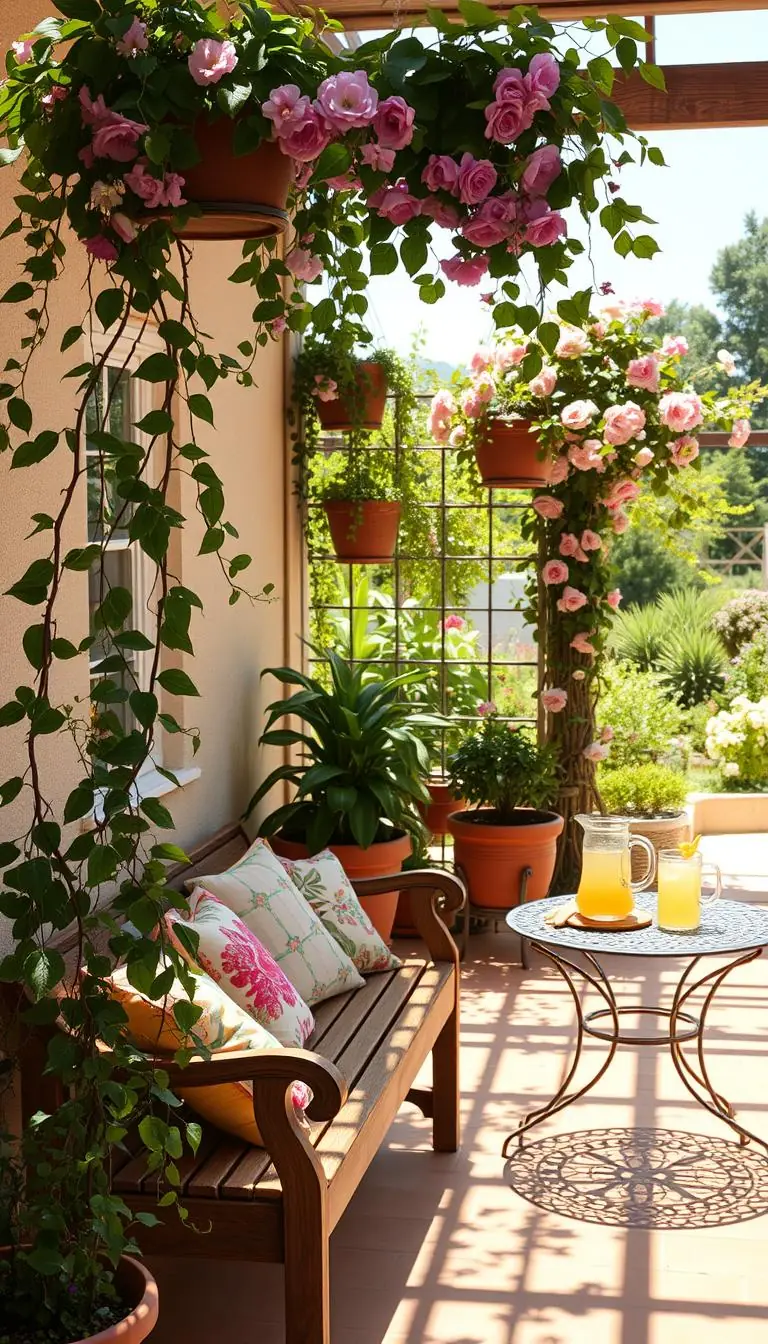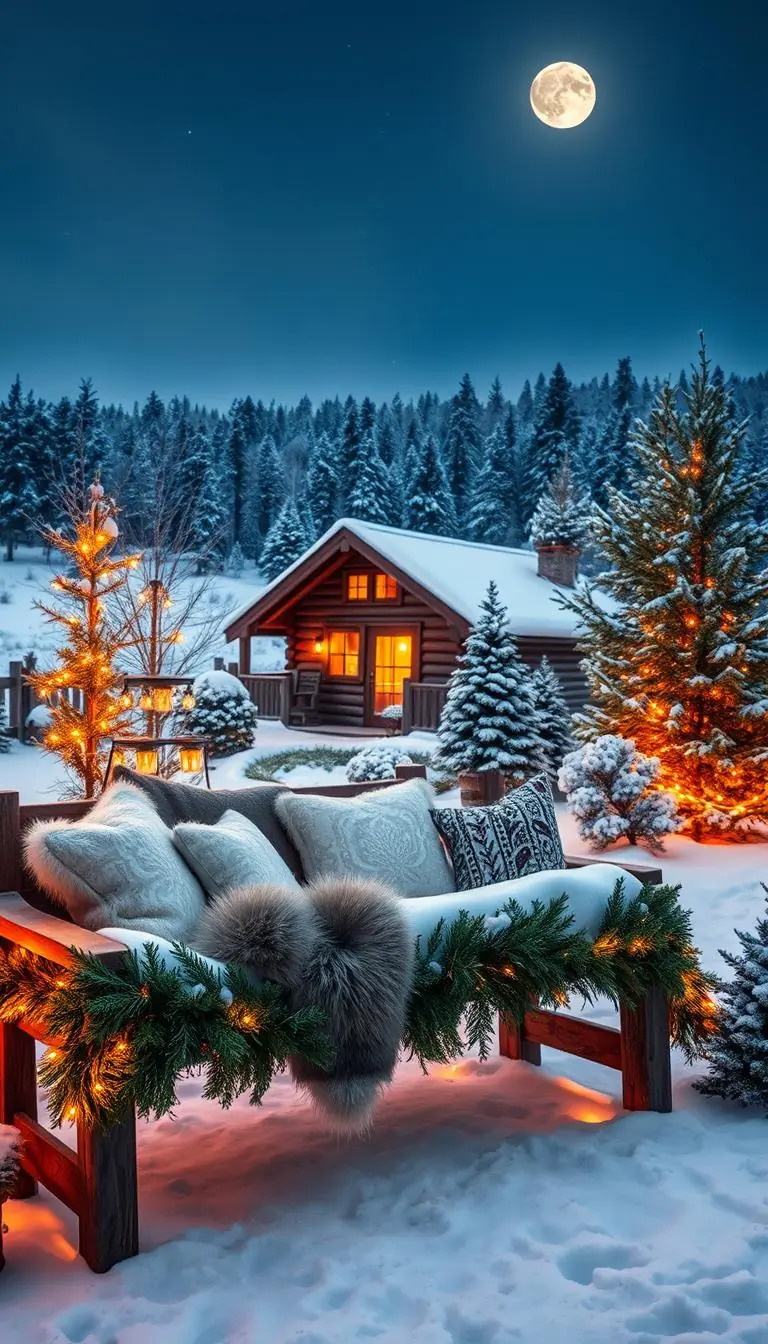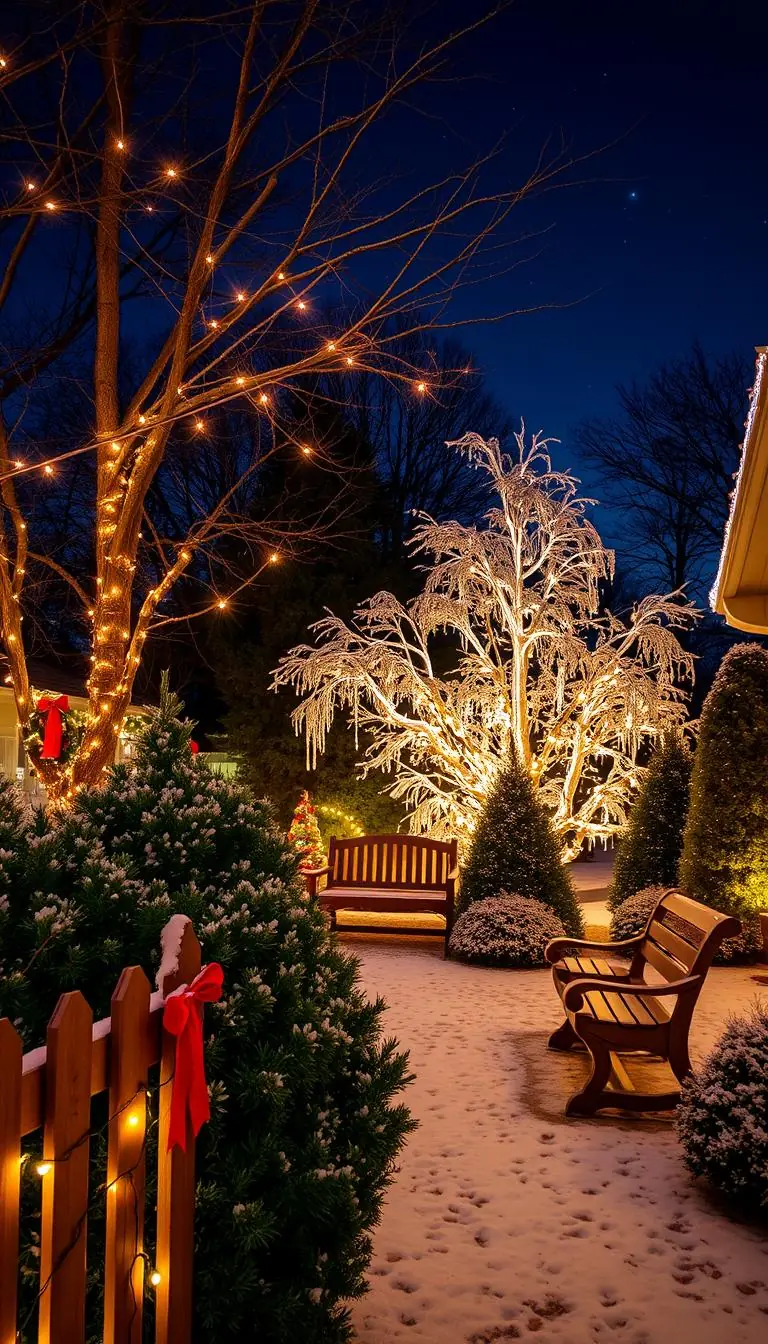
Imagine warm string lights blinking above a small pergola while the scent of cut grass drifts by. Have you noticed a tired patch in your garden or a porch that could glow at dusk?
You can make small changes that feel big. Start with durable pieces like a redwood pergola or a DIY copper cabana. Add soft touches: twinkle lights for evening glow, solar pathway lights for safe steps, and a potting bench that doubles as a drink station.
We’ll guide you through simple, weekend-ready projects that fit your climate and calendar. You’ll learn what tools to grab—cordless drill, exterior paint, masonry adhesive—and where to spend your time to get lasting results.
Whether you want a cozy fire pit for cool nights, faux turf and large planters for a pocket lawn, or seasonal accents like magnolia garlands and paper-bag luminaries, you’ll build a cohesive, inviting space around your home.
Key Takeaways
- Small projects—lights, planters, and a bench—can refresh any outdoor space quickly.
- Pick durable materials for long-term use: redwood, metal cabinets, and quartz counters.
- Match projects to the season so your time and budget work smarter, not harder.
- Layer lighting and textures for comfort: string lights, rugs, and big planters.
- Have the right tools ready—drill, paint, adhesive—to finish in a weekend.
- Use a simple color story and repeat textures to tie garden, porch, and seating together.
Start Here: A Neighborly Guide to Decorating Your Outdoor Space All Year
A quick map of your space makes every project feel manageable. Take ten minutes to sketch the yard and porch. Note doors, trees, and where the sun lands. This helps you pick furniture, planters, and pathways that fit the actual size and flow.

Quick planning: size, sun, zone, and how you actually use the space
Measure seating zones and walkways so items don't feel cramped or float. Track sun and wind through the day; full sun suits heat-loving plants, while afternoon shade keeps seating cool.
Check your USDA zone to choose hardy picks that thrive. Be honest about daily use — coffee, kids’ play, or grilling — and pick materials that stand up to that wear.
Tools and materials to keep handy
Keep these basics within reach:
- Pruners for quick snips and tidy beds.
- Cordless drill for brackets, fasteners, and pumpkin votives.
- Exterior paint for stenciled rugs and touch-ups.
- Masonry adhesive for stone, pavers, and repairs.
- Outdoor-rated lights and weatherproof hardware to avoid rust and extra wiring.
| Plan Check | What to Note | Example | Quick Fix |
|---|---|---|---|
| Size | Measure seating & walkways | 6-ft bench needs 36" clearance | Sketch layout on paper |
| Sun | Full, part, or shade | Afternoon shade protects cushions | Move seating or add a canopy |
| Zone | USDA hardiness | Zones 8-10 allow citrus | Choose hardy plant varieties |
| Use | Daily activities | Kids’ play needs durable rugs | Pick wipeable surfaces |
Start small with one sketched plan and a short tools list. You’ll finish a weekend project with more confidence and less guesswork.
Outdoor Decor Ideas
Pick a single seasonal tweak that suits your climate and your schedule. Start small and repeat a simple color story across cushions, pots, and blooms to make the whole space feel intentional.
Match projects to climate and season
Match your selections to the weather now: string lights and pergola shade in summer, lanterns and cozy throws in fall, and evergreen lattice for winter privacy. Let plant choices follow your zone—rosemary and lantana for dry heat; pansies and boxwood in cooler areas.
Pick an easy color story
Choose one bold anchor color and two supporting tones. Try soft greens with terracotta, or deep navy with copper. Repeat those colors in cushions, planters, and blooms so your garden and porch feel connected.
Take cues from nearby leaves and bark; echo a tree’s silvery gray in pots, or add scarlet mums to warm a cooling palette. Keep decorating flexible—swap pillow covers seasonally while letting path lighting and planters do most of the heavy lifting.
- Anchor a doorway or main seating with your strongest color.
- Soften edges with lighter hues and natural textures.
- If you love bold colors, keep patterns simple; if quiet, add one playful pattern.
String and Solar Lights that Extend Your Evenings
Evenings feel longer when a soft canopy of light welcomes you and your guests. Start by mapping spans for strings before climbing a ladder. That quick step keeps runs neat and your yard intentional, not improvised.
Twinkle and globe placement
- Drape twinkle lights across a pergola or from tree to tree over your patio to create a cozy, golden glow without harsh glare.
- Hang woven globe lights at staggered heights above seating; use stainless hooks and zip ties for tidy runs and extra security.
Pathway and safety tips
- Pop in solar pathway lights along beds and steps to guide guests—space them 6–8 feet apart for even pools of light.
- Plug strings into GFCI-protected outlets and use exterior-rated cords. Add a dusk-to-dawn timer so lights come on automatically.
Quick fixes for common mistakes
- Support strings every 4–6 feet to avoid sag.
- Keep bulbs at or above eye level and choose warm white (2700–3000K) for a welcoming glow.
- For trees, use soft straps or stainless eye bolts and leave slack for growth and wind.
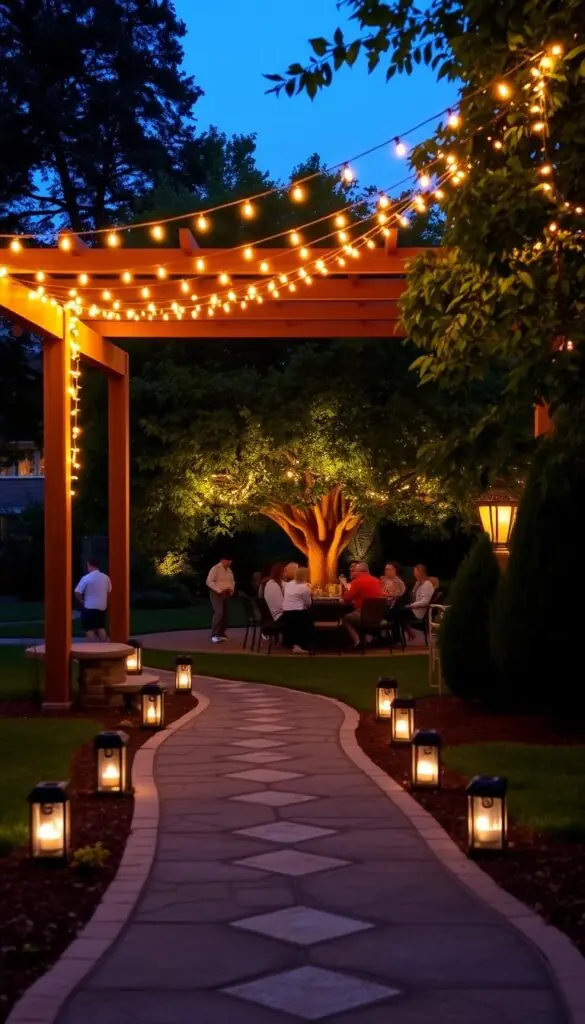
DIY Shade Structures: Copper Cabana and Redwood Pergola
A well-sized shade frame changes how you use your patio from morning coffee to late-night chats. Pick a style that fits your furniture and the rhythm of your yard. Copper and redwood both age gracefully and need little fuss.
Why choose copper or redwood? Copper gives a warm, timeless metal finish that patinas into a soft green. Redwood resists rot and insects and brings a rich, natural tone to the space.
Sizing and placement
Leave at least 3 feet of walking clearance around seating and aim for 7 feet of overhead height. Measure your furniture first, then add circulation room so the structure won’t feel crowded.
Fastening, footings, and fabric
Set posts on concrete piers or rated post bases. Use stainless or galvanized brackets and screws to prevent rust. Clip Sunbrella or performance panels to tension wires for slide-open privacy that resists sun and mildew.
- In windy areas, add gaps for airflow and side ties to secure panels.
- For rainy climates, pitch the top slightly to shed water.
- Plan anchor points for string lights or a central pendant before you fasten the final pieces.
| Material | Durability | Fastening | Fabric & Wind Tips |
|---|---|---|---|
| Copper frame | High; patinas over time | Stainless bolts, metal brackets | Use Sunbrella panels; allow airflow in gusty yards |
| Redwood pergola | High; rot-resistant | Galvanized post bases, structural screws | Seal or let silver; add side ties for privacy fabric |
| Anchors & hardware | Salt-air friendly options | Concrete piers, stainless hardware | Secure tension wires; dry-fit before final fastening |
| Fabric panels | Performance fabrics last | Clips, sliders, and ties | Pitch for rain; tie down in wind-prone spots |
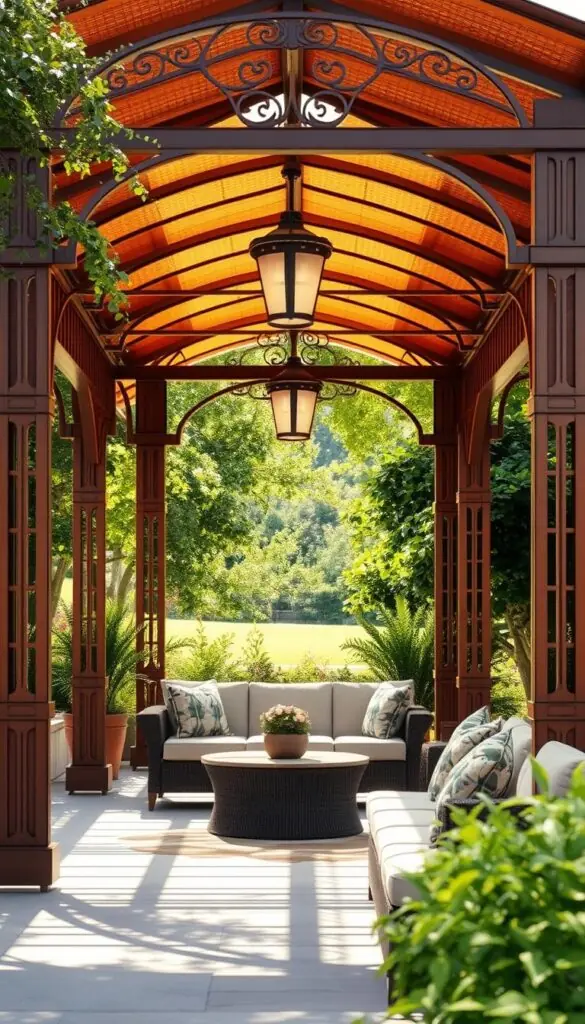
With careful measuring, pre-cut lumber, and the right tools, this diy weekend build is very doable. Dry-fit pieces, double-check sizes, and enjoy a shaded space that welcomes year-round use.
Put Big Trees to Work: Hammocks, Swings, and Overhead Moments
Tie a swing or hammock to the right limb and suddenly the backyard feels like a gentle retreat.
Safe heights and happy sittings: Hang a hammock about 18 inches off the ground (chair height). Set a swing seat 16–24 inches high so kids and guests can hop on easily.
Pick a healthy, mature tree with a limb 8–10 inches in diameter to support weight. Use wide tree straps or stainless eye bolts with lag shields to protect bark. Avoid chains that bite into wood.
Space hammock anchors 10–15 feet apart depending on your model. Test by sitting gently before you install permanent hardware. Add a gravel pad or mulch under the area to reduce mud and create a soft landing zone.

Quick checklist for a safe, cozy spot
- Confirm limb health and diameter.
- Choose straps or stainless hardware; pre-drill slowly.
- Measure anchor spacing and test load gently.
- Place gravel or mulch below for tidy footing.
- String a few lights along limbs, leaving slack so branches can move.
- Add a throw and small table to make the space welcoming.
"A well-hung hammock and a low table invite long talks, quiet reading, and easy afternoons."
| Item | Height | Hardware | Tip |
|---|---|---|---|
| Hammock | 18 in off ground | Wide straps or eye bolts | 10–15 ft anchor spacing; test before finalizing |
| Swing seat | 16–24 in off ground | Stainless eye bolts, lag shields | Choose sturdy limb (8–10 in dia) |
| Landing area | Ground level prep | Gravel or mulch | Keeps mud down; cushions falls |
If you’re new to diy rigging, go slowly, check hardware each season, and tighten as needed. With care, this becomes your favorite reading nook and a natural gathering area in the home landscape.
Paths with Purpose: Garden Walkways and Stepping Stone Texture
A simple path can guide feet, frame beds, and make a small yard feel edited and calm.
Start by marking a route with string or spray paint. This helps you visualize scale and protects flower beds while you plan. For a warm, rustic way, use repurposed wood planks set on tamped gravel. They lift feet off soil and keep delicate flowers safe.
Repurposed wood plank paths that keep feet off your plants
Step-by-step:
- Clear the route and lay landscape fabric to stop weeds.
- Spread and tamp 2–3 inches of crushed gravel for drainage.
- Set planks evenly—about a shoe’s width apart—and check with a level.
- Top-dress with pea gravel between boards for a neat finish.
Faux grass stepping stones for color on gravel or rock
For color without a full lawn, add faux grass stepping stones over a rock base. They create a playful pop of green and a clear way through rough terrain.
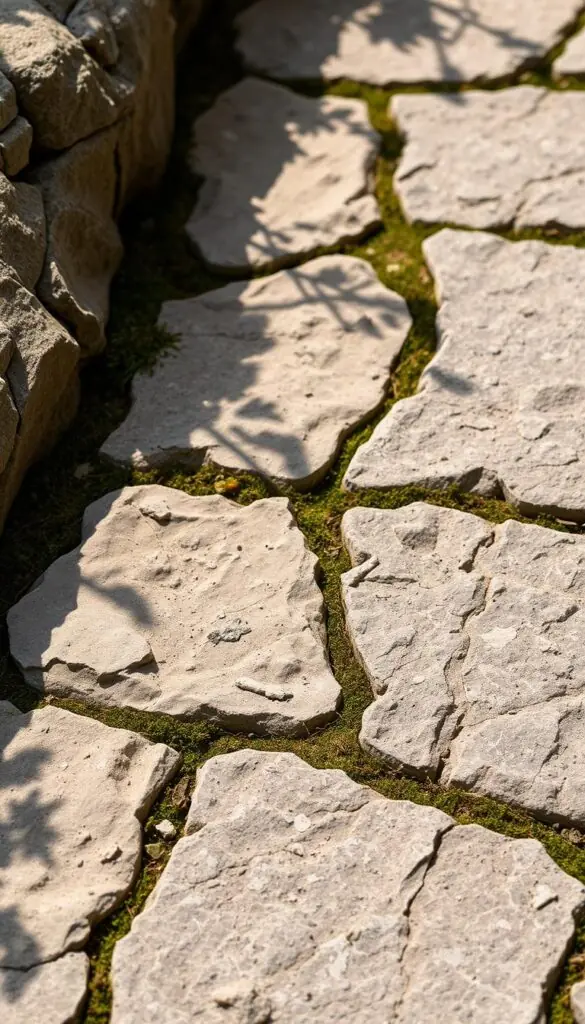
Edge paths with low herbs like thyme or dwarf mondo grass so scent brushes your ankles. Mix natural stone at turns to signal direction changes and anchor gateways. Add a few solar markers for gentle night guidance.
"A simple path protects beds while inviting you to slow down and enjoy the space."
Tools & maintenance: A rake, hand tamper, landscape fabric, utility knife, and a level make this DIY job easy. Sweep weekly, keep beds slightly raised to prevent wash, and check planks each season.
| Path Type | Base | Materials | Maintenance |
|---|---|---|---|
| Repurposed wood planks | Tamped crushed gravel | Weathered planks, landscape fabric, pea gravel | Check level, seal if needed, sweep weekly |
| Faux grass stepping stones | Compacted rock or pea gravel | Precut turf tiles, adhesive, edging | Brush debris, replace tiles if worn |
| Natural stone accents | Crushed stone or sand bed | Flagstone, pavers, jointing sand | Re-sand joints, remove moss, weed barrier |
Rugs, Stencils, and a Dash of Paint for Instant Pattern
A fresh pattern under your table makes a patio feel pulled-together in an hour or two. Roll out a neutral rug, set a single stencil, and you’ve got instant personality that reads like a custom piece.
Simple steps to stencil a rug:
- Lay the rug flat and tape the stencil in place so it won’t slip.
- Use exterior paint and dab with a sponge or small roller; two thin coats give crisp edges.
- Let each section dry 20–30 minutes before moving the stencil to avoid smears; a full cure takes 24–48 hours.
Pull your colors from nearby brick, stone, or siding so the new motif feels like it belongs. For busy brick, choose a simple stripe or border. For large-format pavers, try a bold geometric repeat to add energy without clutter.
Add a rug pad rated for the porch so corners lie flat and water drains. Refresh scuffs with leftover paint—five minutes keeps the look intentional. Pair the rug with matching pots or lanterns near the table to unify the seating nook and lift the whole decor.

Style Your Potting Bench for Plants and Parties
A potting bench can shift from muddy workhorse to a polite drink station in minutes. Add a simple runner and you have a tidy surface that feels intentional.
Start with storage. Keep tools in a caddy under the table so you can clear the top fast. Stash potting soil in lidded bins and hang small trowels on hooks for quick access.
Make a cheerful service spot by placing a large tray, a planter of mint or basil, and a few clean glasses on the bench. A single pot of cut flowers lifts the look and smells like your garden.
Build a vertical display above the bench with vintage crates or a narrow hutch. Use that shelf for small pots, seasonal accents, and extra napkins so the area can easily set for guests.
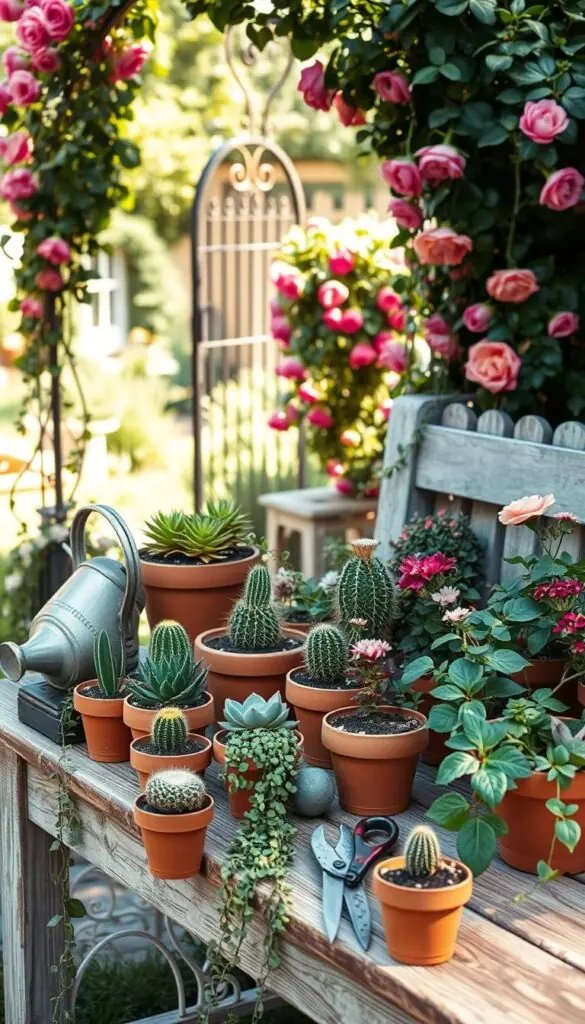
| Mode | Key Items | Quick Setup | Tip |
|---|---|---|---|
| Potting | Caddy, soil bins, hooks | Clear tray; pull out caddy | Brush surface after use |
| Party | Tray, cooler, planter | Load drinks, add ice | Use herbs as garnish |
| Display | Crates, small pots, flowers | Arrange shelf by height | Rotate seasonal accents |
Keep a small cooler under the bench and a paper-towel holder on the side. Swap in fall touches later—mini pumpkins or cinnamon sticks—while the working planter keeps the gardening spirit alive at home.
Smart Surfaces Underfoot: Tile, Stone, and Mixed Materials
Smart paving can change how you use a shady gap beneath a deck and invite evening gatherings. Pick a surface that suits how you move, cook, and linger so the area reads like a true room, not an afterthought.
Tiling under a deck to turn a void into a hangout
Tile beneath a deck makes the space cool underfoot in summer and easy to hose down after a party. Set a subbase with gravel and a drain point so water never pools.
When to choose plaster, natural stone, brick, or large-format pavers
Choose natural stone for texture and longevity, especially near salt air. Use plaster or smooth pavers for a clean, modern patio sweep. Large-format pavers cut down on grout lines and speed cleaning.
Mixed materials to create clear zones
Mix materials on purpose: brick at the grill for heat tolerance, larger stone tiles in the dining area, and a gravel ring around a fire pit. Keep joints consistent and slope surfaces slightly away from the house so rain drains out naturally.
- Tile “rug” under a table is a quick diy way to define the room.
- Use darker tones for high-traffic paths and lighter hues where you want an airy feel.
- Add a weatherproof outlet nearby so lights or a fan plug in safely.
Small material choices shape big comfort. With a few deliberate swaps, your underused space becomes an inviting part of the outdoor space and a fresh room for gatherings. Try one of these simple ideas to get started.
Family-Friendly Touches: Sandbox Coffee Table and Toy Storage
Keep play and porch life tidy with smart furniture that doubles as storage and fun.
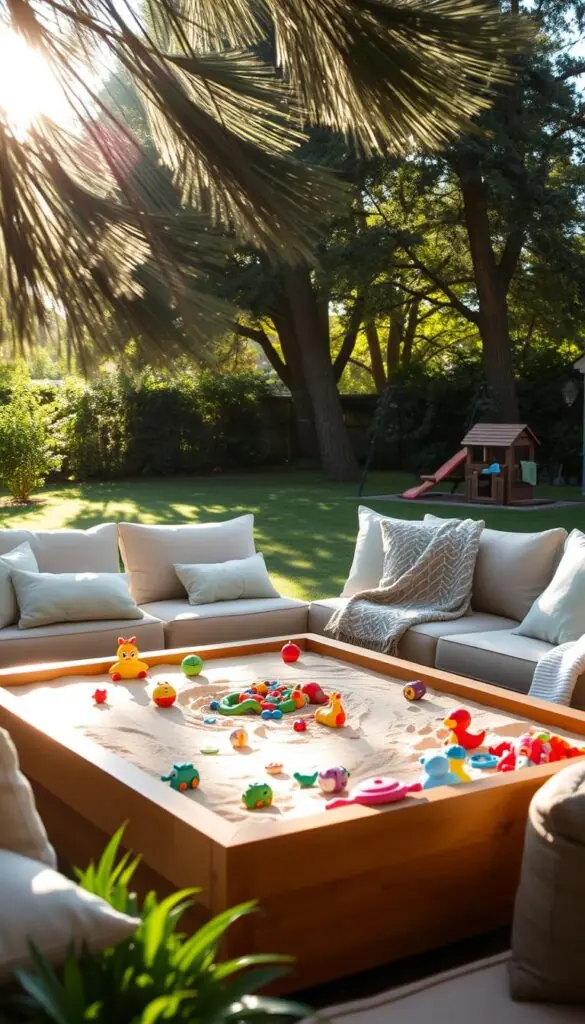
Dual-purpose coffee tables give kids a place to play and adults a clean surface for snacks. Build or buy a table with a lift-off lid and an inset sandbox. Use smooth, rounded edges and a water-resistant finish so the piece handles the backyard hustle.
Put a small rug under the table to catch stray sand. A quick shake keeps the lawn from getting sandy. Pick cushions with removable covers so the room outside stays easy to maintain like your living room inside.
Tidy chests that look good by the door
Tuck an attractive storage chest near the door to corral balls, bubble wands, and other things that drift across the yard. Add labeled bins inside so everyone knows where each place is for gear. Cleanup becomes a five-minute routine.
- Store a few board games and citronella candles so family nights happen on a whim at home.
- Rotate activities by season—sandbox in summer, block storage in winter—so the setup stays fresh.
| Piece | Feature | Benefit |
|---|---|---|
| Lift-top coffee table | Removable lid + sandbox insert | Playtime hidden; surface for evening snacks |
| Storage chest | Divided bins, labels | Quick tidy; gear stays near the door |
| Small rug | Catch-all under table | Protects lawn; easy to shake or hose |
"A few well-chosen pieces make your yard feel like a true place for family life."
Privacy with Greenery: Espalier, Lattice, and Living Screens
A living screen can turn a tight side yard into a quiet room without heavy construction. It works well for a small porch, a narrow garden, or a sunny passage by the house.
Start an espalier for scent and screening
Easy steps:
- Choose a dwarf apple, pear, or evergreen shrub for predictable size and blooms.
- Install horizontal wires or a trellis a few inches from the wall.
- Plant young stock, tie new growth gently along the wires, and prune lightly after bloom.
Training guides the plant’s form so it becomes a neat accent wall with flowers and fragrance.
Lattice and pots for instant pattern and airflow
Place lattice panels where you want pattern and breeze while hedges fill in. Add large pots of clumping bamboo, podocarpus, or viburnum for quick cover.
- Let a few leaves and tendrils soften the edges so the screen feels natural.
- Keep the base mulched and water deeply at first, then cut back as roots settle.
| Technique | Fast Benefit | Plant Picks | Care Tip |
|---|---|---|---|
| Espalier | Accent wall + scent | Dwarf apple, pear, evergreen | Tie young shoots; prune after bloom |
| Lattice | Patterned privacy, airflow | Climbing jasmine, clematis, ivy | Attach panels; train vines up frame |
| Container screen | Mobile cover | Clumping bamboo, viburnum, podocarpus | Large pot, deep watering first season |
"A little training now gives big rewards later: privacy, birdsong, and morning shade."
Outdoor Kitchens and Bars: Backsplash, Metal Cabinets, and Easy Care
Think of your cook area as a small room on the patio — one that should clean up in seconds.
Backsplash tile behind the grill makes cleanup simple. Pick glazed subway or a small mosaic stripe so sauce splatters wipe away and a pop of color lifts the space.
Nautical-grade metal cabinetry and quartz counters shrug off sun and rain. Stainless units resist corrosion and keep the prep surface low-maintenance for regular use.
Create a cocktail herb planter nearby. Keep a long planter or a trio of pots stocked with mint, basil, and rosemary so garnishes are a quick snip away.
Tuck drought-tough flowers like marigolds at the edges for color and pollinators. Mount hooks for tongs and towels and add a rolling cart that doubles as a bar on weekends.
Soft, dimmable lights make evenings feel calm. Seal grout yearly and rinse cabinets each month to keep everything shipshape with minimal fuss.
"A few weather-ready swaps give you a kitchen that cooks, cleans, and entertains with almost no extra work."
| Upgrade | Why it helps | Material | Care |
|---|---|---|---|
| Backsplash | Quick wipe-down; adds color | Glazed tile or mosaic | Wipe weekly; seal grout annually |
| Cabinetry | Weatherproof storage | Nautical-grade stainless metal | Gentle rinse monthly; check seals |
| Counter | Stain & UV resistant prep surface | Engineered quartz | Clean with mild soap; avoid harsh pads |
| Herb station | Fresh garnishes at arm’s reach | Long planter or three small pots | Pinch herbs; water regularly; rotate pots |
Gather ‘Round the Glow: DIY Fire Pit and Stone Seating Nooks
A modest fire pit makes a warm gathering place for evenings that stretch late into the season. Think safety first, then comfort. A well-placed pit invites friends and quiet moments alike.
Set a safe ring and prep the pad
Pick a level spot downwind from the house and away from overhanging branches. Check local codes before you set your fire ring.
Lay a pea gravel pad wider than the pit to catch sparks, improve drainage, and define the area underfoot.
Build choices that last
Build with local stone for a natural fit, or choose a steel insert for easier cleanup and longer life.
| Material | Benefit | Care |
|---|---|---|
| Local stone | Blends with yard, high mass | Repoint as needed; stack securely |
| Steel insert | Longevity; simple ash removal | Wipe down; avoid standing water |
| Pea gravel pad | Drainage; tidy look | Rake occasionally; top up as needed |
Cozy the hardscape for longer nights
Tuck the pit near a shade tree or along a pergola edge so daytime hangs stay cool and evenings keep their glow.
Add a low wall or built-in bench as a wind break and extra seating. Layer bright cushions and throws to soften the patio and invite longer chats.
- Keep a spark screen and a bucket of sand close by for safety.
- Store wood on a raised rack to stay dry between uses.
- Ring the space with low solar markers or lanterns so guests find the gathering place easily.
- Rotate chairs seasonally to match comfort with weather and refresh your decor ideas.
"A small, well-built fire pit can turn a yard corner into your favorite place to meet."
Small Spaces, Big Welcome: Balcony, Porch, and Compact Patios
Small balconies and narrow porches can still feel generous with a few scaled-down moves. Start by choosing one focal spot and keep the layout flexible so the area shifts easily from quiet reading to casual hosting.
Make a pocket lawn by rolling out quality faux turf and clustering two or three large planters. The soft surface reads like a small lawn and is easy to clean. Mark a tiny putting target if you like a playful touch.
Use symmetry for calm: a matching pair of chairs and a compact table makes the place feel planned. Choose foldable or lightweight seats so you can open the plan for guests.
Face your comfiest chair toward trees, sky, or a favorite planter to amplify the natural effect even in a city backyard. Keep the palette to two hues plus natural wood for an airy feel.
Add one vertical element—a slim trellis or narrow shelf—and tuck a lantern below for evening glow. Store a thin throw behind a cushion for chilly nights without crowding the spot.
"A clear view and flexible seating turn a small space into your favorite place to pause."
| Tip | Why it helps | Quick action |
|---|---|---|
| Faux turf + planters | Creates soft underfoot lawn effect | Roll turf; group 2–3 large pots |
| Symmetry | Calms the eye; simplifies arranging | Use matching chairs + small table |
| Portable seating | Makes space multiuse | Pick foldable or light chairs |
| Face the view | Boosts sense of openness | Angle chairs toward trees or sky |
Autumn Magic: Pumpkins, Mums, Garlands, and Candlelight
A few warm textures and glowing accents turn a plain step into a seasonal welcome. Use scent, soft lights, and small crafts to create a porch that invites lingering.
Fast fall focal points
From “mumkins” to pumpkin topiaries
Make “mumkins” by hollowing a pumpkin and tucking a nursery pot of mums inside for an instant, tidy display. Stack pumpkins largest-to-smallest with moss between layers to build topiaries and flank the door with matching planters for balance.
Garlands, wreaths, and burlap bundles
String a magnolia leaf garland around the entry; the glossy green fronts and coppery backs rustle and smell of late season. It will stay fresh for about a month if kept out of direct sun.
Safe, glowing accents
Line walks with paper-bag luminaries weighted with sand and LED candles for a twinkling, safe path. Carve mini pumpkins to float tea lights in a shallow bowl for dinner-time magic.
- Try: drill polka-dot pumpkin votives with a cordless drill for starry light patterns.
- Try: paint leaf motifs on gourds for a crafty pop of color.
"White pumpkins glow at dusk while scarlet mums bring a hearthlike warmth."
| Project | Quick Steps | Safety Tip |
|---|---|---|
| Mumkins | Hollow pumpkin, set nursery pot, water lightly | Use drip tray to protect porch |
| Pumpkin topiary | Stack pumpkins, add moss, secure with dowel | Test stability; place on flat surface |
| Luminaries & votives | Weight bags with sand; use LEDs; float candles in mini pumpkins | Prefer LED candles; avoid open flames near leaves |
Quick note: Mix white pumpkins for moonlike glow and scarlet mums for warmth to balance colors and make a rich, autumnal scene. These small things take little time and give big seasonal payoff.
Finishing Touches with Character: Vintage Crates, Wall Displays, and Garden Markers
A few handmade accents make a porch feel like someone's home, not a showroom. These small moves cost little and reward you every time you step outside.
Chicken-crate wall shelves to elevate planters on a porch
Mount a vintage chicken crate horizontally as a shallow shelf to create an instant rustic display. Line the base with a thin cedar strip so a planter sits level and any drains stay clear.
Secure the crate into studs or use masonry anchors for brick. Tuck a cluster of three small pots inside a crate bay to keep things tidy and swap herbs seasonally for scent and color.
Tuck the crate near seating so guests can see what’s growing. Let one trailing vine spill over the edge for movement and a lived-in feel.
DIY rock markers and painted leaves for a playful seasonal accent
Paint stones with plant names and simple pattern icons—tomato red dots, basil leaves—so your garden feels playful and organized. Seal markers with exterior varnish so rain won’t wash away the cheer.
Press a few painted leaves between books, then string them as a seasonal garland across the shelf for a subtle, homemade touch. These small crafts are perfect diy afternoons and make great gifts for neighbors.
- Mount crate horizontally; fasten into studs or use anchors.
- Line base with cedar to level pots and protect wood.
- Paint stones with names and icons for quick wayfinding.
- String pressed leaves for a soft, seasonal banner.
| Project | Quick Steps | Why it works |
|---|---|---|
| Crate shelf | Fasten to studs, add cedar strip, arrange 3 pots | Elevates a small planter and adds rustic charm |
| Rock markers | Paint name + icon, varnish, place at edge of bed | Colorful, practical way to label herbs and veggies |
| Painted-leaf garland | Press painted leaves, drill tiny holes, string | Adds whimsy and seasonal texture to a wall |
"Small, thrifted accents reuse materials and make a space feel personal every day."
Conclusion
A single, small change can make your yard feel friendlier the moment you step outside. From string lights that stretch the evening to a painted rug that lifts the step, you have outdoor decor ideas you can try today and enjoy for months.
Pick one easy win: hang a light strand, set a planter by the door, or add a bright pot to a shelf. These simple moves change the way the garden greets you and deepen the effect of each season.
Keep tools simple and match plants to your zone so care stays light. Repeat a color and texture through your display so every view feels calm and connected.
Take a breath, step outside, and spend a little time on one thing. Small steps add up — soft leaves underfoot, the clink of a glass at dusk, and that contented sigh when your backyard feels like home. We’re cheering you on.
FAQ
How do I start planning a patio or yard refresh that fits my space and climate?
Start small: measure your area, note sun and shade patterns, and check your USDA zone. Decide how you'll use the space — dining, lounging, play — then pick a simple color story to tie porch, patio, and garden together. Choose plants and materials that tolerate your local conditions (drought-tolerant perennials for hot, sunny yards; shade-loving ferns for north-facing porches). Keep tools like pruners, a cordless drill, outdoor-rated lights, exterior paint, and masonry adhesive on hand so projects move quickly.
What lighting options extend evening use without complicated wiring?
Solar pathway lights are a low-effort choice to guide guests and outline beds. String LED or twinkle lights across a pergola, patio, or tree canopy for a cozy glow. Woven globe lights add soft dimension over seating. For durability, choose outdoor-rated fixtures and avoid sagging cords or glare by spacing lights evenly and raising them above head height.
Which materials last best for DIY shade structures like a pergola or cabana?
Redwood and cedar resist rot and look lovely over time; copper accents resist corrosion and develop a patina. Size the structure to fit circulation and the seating area, and use proper footings and hardware. Add fabric panels or retractable canopies for adjustable shade and privacy. Use masonry adhesive and stainless-steel fasteners for long life.
Can I hang a hammock or swing from a big tree safely?
Yes — if the tree is healthy and the branch is sturdy. Hang at a safe height so the lowest point of the hammock is 18 inches off the ground when loaded. Use tree straps or heavy-duty hardware rated for outdoor use, and check weight limits. Periodically inspect attachment points for wear and replace straps as needed.
How can I create a garden path that looks intentional and protects plants?
Use repurposed wood planks or stepping stones to keep feet off beds. Mix textures like gravel with faux-grass stepping stones for color and drainage. Line paths with low plants or edging stone to define the route. Choose materials that suit the overall style — brick for a cottage look, large-format pavers for a modern feel.
What’s the easiest way to make a patio feel pulled together quickly?
Add an outdoor rug, stencil a rug pattern with exterior paint, or paint an accent wall to create a focal point. Coordinate cushions and planters around one or two colors for a calm, cohesive look. A simple string-light canopy and a few potted trees bring warmth and scale without a big build.
How do I style a potting bench that doubles as a party station?
Keep a tidy mix of practical items and pretty displays: labeled seed packets, a watering can, and a stack of colorful pots. Add hooks for garden tools and a tray for cocktails or appetizers. Use durable materials like galvanized metal or treated wood so the bench holds up to spills and sun.
What hardscape should I choose for mixed-use yards with a grill, dining, and fire pit?
Combine materials to define zones: large-format pavers or poured concrete for dining, gravel or pea stone for a fire pit area, and tile or natural stone for a cooking station. Durable counters and nautical-grade metal cabinets work well for outdoor kitchens. Make sure surfaces are level and meet local code for fire features.
Any tips for making small balconies or compact patios feel larger and welcoming?
Use tall planters to add green without crowding floor space and opt for foldable or stackable seating to switch between solo mornings and entertaining. Faux turf with one or two large planters creates a pocket lawn vibe. Arrange seating to face a view or focal point to make the space feel purposeful.
How can I add seasonal flair for autumn without a lot of work?
Group pumpkins and mums for instant fall color. Make a few “mumkins” by tucking small mums into hollowed pumpkins. Drape magnolia leaf garlands on railings and place paper-bag luminaries or mason-jar votives along steps for soft candlelight. Use white pumpkins for a moonlike glow or scarlet mums for warmth.
What are simple, family-friendly features to add for kids and storage?
Choose dual-purpose pieces like a sandbox coffee table or a lift-top dining table with storage. Attractive chests or bench boxes can corral balls, bubbles, and backyard gear while doubling as seating. Keep play areas visible from the kitchen or seating zone for easy supervision.
How do I create privacy using plants and structures without building a solid wall?
Espalier fruit trees or trained shrubs against a fence to add scent, flowers, and screening without bulk. Use lattice panels with climbing vines for pattern and airflow while hedges fill in over time. Plan for layered screening: fast-growing annual vines for immediate coverage and slower shrubs for long-term privacy.
What maintenance should I plan for to keep finishes and plants thriving year-round?
Regular tasks include pruning, replenishing mulch, sweeping leaves, and checking lights and fasteners. Reseal wood surfaces and touch up exterior paint each few years. Move sensitive pots into shelter before hard freezes and refresh soil in planters each season for healthy growth.