Imagine stepping out to a sunlit corner where citrus-scented blooms brush your fingertips and soft foliage rustles in a warm breeze.
Do you want a small urban garden that feels lush but stays simple? You’ll learn a clear way to pick containers that match your space and climate, build a resilient potting mix, and choose species that love your light and wind.
We help you avoid common mistakes—no drainage holes, undersized pots, or heavy garden soil—and show tools that make care easy: a moisture meter, risers, a drill, and a compact watering can.
The plan covers exact pot sizes for deep and medium containers, tips for insulating exposed planters in cold zones, and real plant suggestions for full sun or cool shade. You’ll get step-by-step setup: confirm drainage, layer materials, add compost, and space roots correctly so life in your containers starts strong.
Key Takeaways
- Choose containers by size and material for your space and climate.
- Use a light, well-draining mix amended with compost and perlite.
- Match species to sun exposure and shelter from wind.
- Stage pots with drainage, risers, and natural mulch to protect roots.
- Keep a small tool kit and follow simple weekly care habits.
Choose containers that fit your space, climate, and plants
Pick pots that suit your light, your load-bearing limits, and the plant roots you want to keep.
Size and depth: Start with one large 18–24 inch container for an anchor perennial or a small tree, two medium 14–18 inch planters for mixed displays, and a few 12 inch accents for tight corners. Aim for at least 16 inches of depth when you plant natives or woody-rooted species so roots establish and soil buffers freeze-thaw cycles.
Materials and weight: For upstairs living, choose fiberglass for low weight and powder-coated steel for wind stability. Concrete is durable but heavy—reserve it for ground-level patios or after checking structural limits.
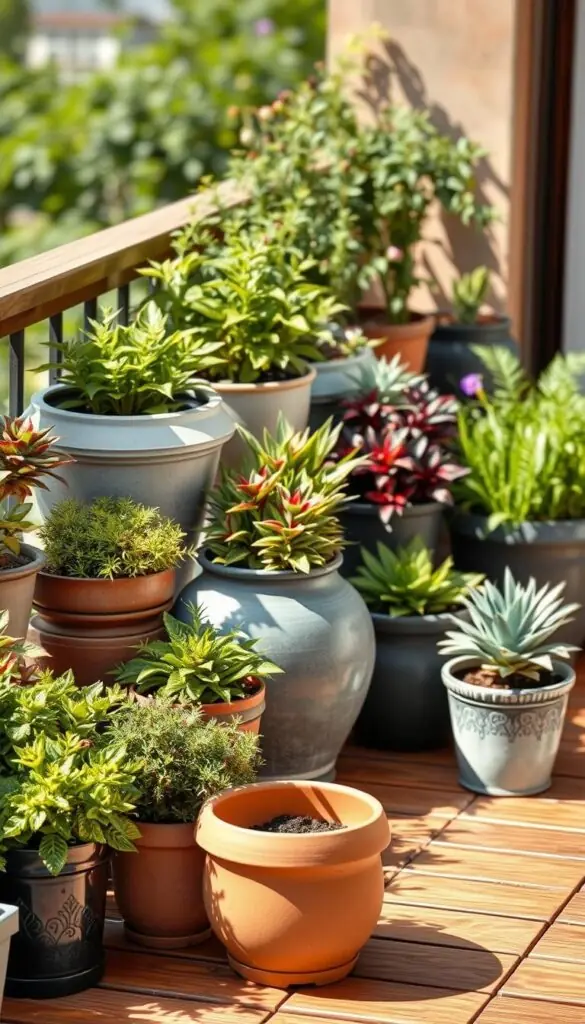
Drainage and insulation: Drill or confirm 3–5 half-inch holes per pot, add a mesh layer or shard to stop soil loss, and raise pots on feet so water drains. In cold zones line inner walls with 0.5–1 inch rigid foam before filling, or wrap exposed planters with an insulating tarp in winter.
- Match roles: 18–24" for small trees/tall grasses; 14–18" for perennials and mixed pots; 12" for herbs or single blooms.
- Avoid terracotta and fragile pottery in freezing climates; test plastic cold ratings first.
- Skip common mistakes: no drainage holes, saucers that trap water, too-shallow pots, or oversized concrete where weight is limited.
Soil, drainage, and mulch: build a resilient potting mix that plants love
A dependable potting mix sets the stage for strong roots and steady water balance.
Start with a quality base: combine 70–80% premium potting mix with 10–20% perlite to lighten the blend and improve aeration. Use the remaining 10–20% to tailor the soil: add sand for extra drainage or peat/coir for moisture-holding in shade or wetter spots.
For dry-loving species, increase sand to about 20–25% and finish the surface with fine gravel. For moisture-loving species, add 10% peat and a handful of compost to keep water near the roots.

Step-by-step pot setup
Cover drainage holes with a fine mesh, then add a 1–2 inch coarse layer (pine bark or chunky perlite). Fill halfway with your custom mix, set the plant at its original crown height, and backfill gently.
Water and moisture checks
Water until it pours from the holes, then wait until the top 1–2 inches dry before watering again. A pocket moisture meter removes guesswork on hot days.
"Soil should smell earthy, feel springy, and crumble in your hand—avoid sour odors or sludge."
Top-dress and seasonal tips
Top-dress with 1 inch of leaf litter or rotted bark to moderate temperature and build habitat for beneficial species. For dryland pots, use sand or pea gravel to keep crowns dry.
- Avoid: garden ground soil, bottom rocks, and packing soil too tightly—these harm drainage, add unnecessary weight, and suffocate roots.
- Summer: add a slightly thicker mulch to reduce evaporation.
- Winter: refresh mulch but keep drainage clear so winter wet does not linger.
Balcony plants by light, wind, and weather conditions
Your exposures—bright south light, cool shade, or gusty edges—guide smart plant selections. Below are curated, actionable lists so you can pick species that look beautiful, smell lovely, and grow well where you live.
Full sun / south-facing balcony: choose drought-tough perennials and woody natives. Pair butterfly milkweed (bright orange, 2–3' tall, summer bloom) with nodding onion (1', pink globes) and black-eyed coneflower (2–3', long summer bloom). Add little bluestem for blue-green foliage that turns copper in fall. For compact shrub accents, try beach plum or New Jersey tea—both hardy in many U.S. zones and bird-friendly.
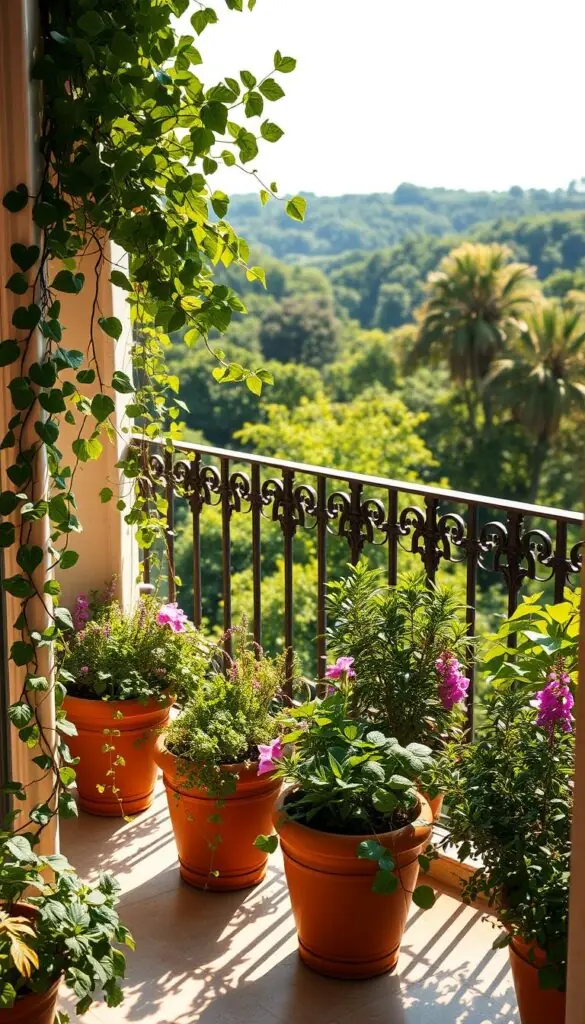
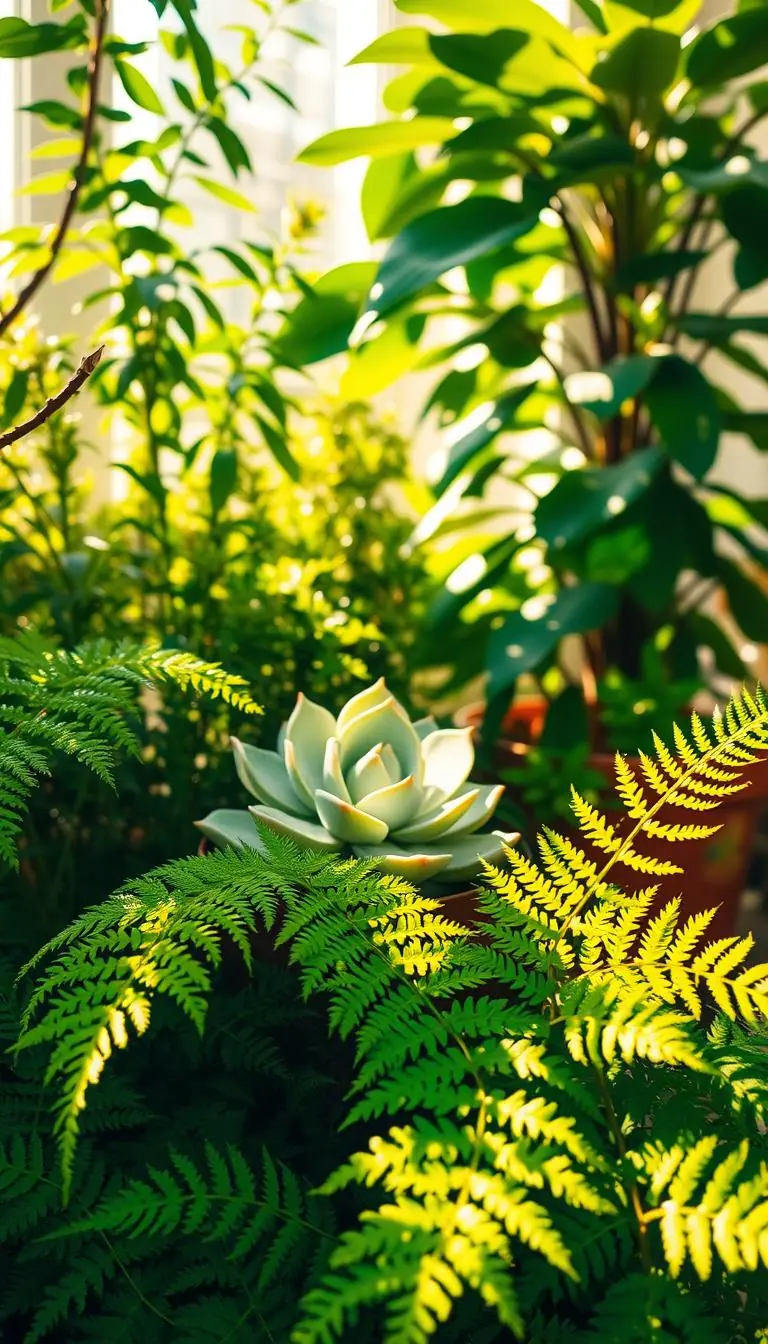
Semi-shade and cool spots: favor soft textures and scent. Christmas fern and maidenhair drape well; woodland phlox and violets add spring color. Hydrangea and witch hazel work as small woody focal points in larger pots.
Wind-exposed edges: use wide-based planters and flexible stems. Little bluestem, switchgrass, and bayberry bend without breaking. Nurse with Carex or sedges to help neighbors overwinter.
Mixed or shifting light: pick adaptable species like penstemon, coneflowers, and asters. Keep these in mobile planters so you can roll herbs or flowers into morning sun and out of afternoon heat. Common mistake: putting shade lovers into relentless sun—this stresses foliage and shortens bloom.
- Keep most perennials under 24" for tidy displays; reserve tallest pieces for pots near walls.
- Mix fine grasses with bold foliage for texture and seasonal interest.
Planting and layout: a step-by-step method for small spaces
Begin with a simple map of your space to see where sun, wind, and traffic paths fall. This small sketch guides size, sightlines, and where to add height or hanging features.
Measure, stage, and plant: spacing, depth, and root care for containers
Measure floor area and door clearances. On a 5×10 layout, line largest pots along the wall for stability, put medium planters midline, and add slim railing boxes for herbs you snip often.
- Stage: soak nursery pots, prefill containers half full, tease circling roots, and set crowns level with the mix.
- Spacing: space perennials 8–12 inches apart so they fill without crowding.
- Depth: aim for at least 12–16 inches for most perennials; deeper for small trees or large grasses.
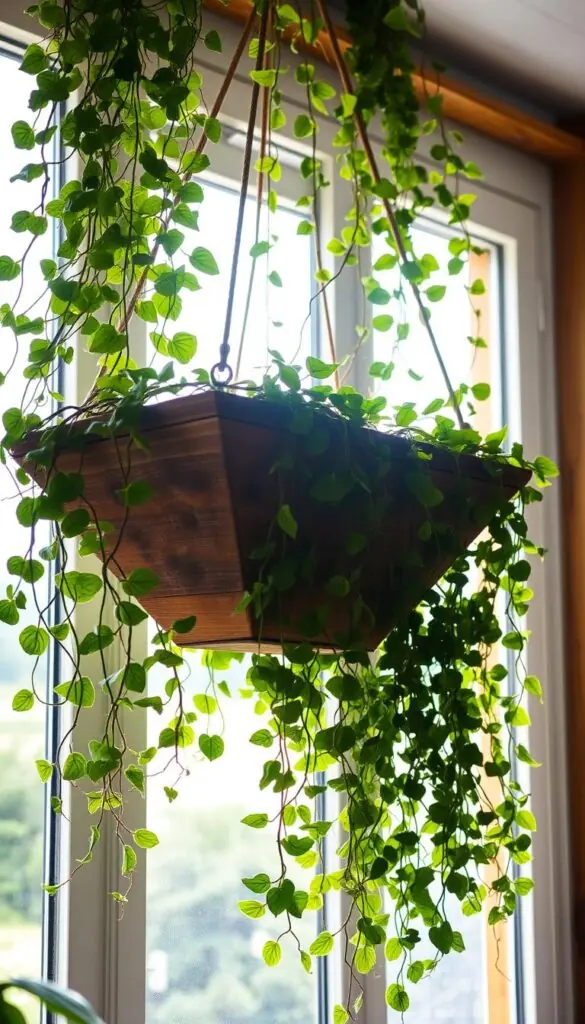
Design for beauty and function: thriller, filler, spiller and verticals
Use the thriller-filler-spiller formula to make each pot sing: a tall thriller, mounding filler, and a trailing spiller. This works in a single container or grouped planters.
Go vertical with lightweight trellises, railing boxes, and sturdy hooks. Test hardware for weight and avoid putting tall thrillers on the railing where wind can topple them.
Easy maintenance tips: group thirsty pots together for one watering pass, keep a caddy with pruners and a trowel by the door, and water in the cool of morning to avoid wet leaves in sun.
"A tidy, layered layout saves space and makes care quick and joyful."
- Avoid blocking doors with oversized pots.
- Use adjustable chains for hanging so each hanging plant sits level in wind.
- Consider a micro-drip kit with a timer for consistent watering when you travel.
Seasonal care, watering, and overwintering strategies
Simple seasonal habits protect roots and keep flowering strong year after year. Follow a clear weekly rhythm and you’ll spend less time fixing problems and more time enjoying your space.
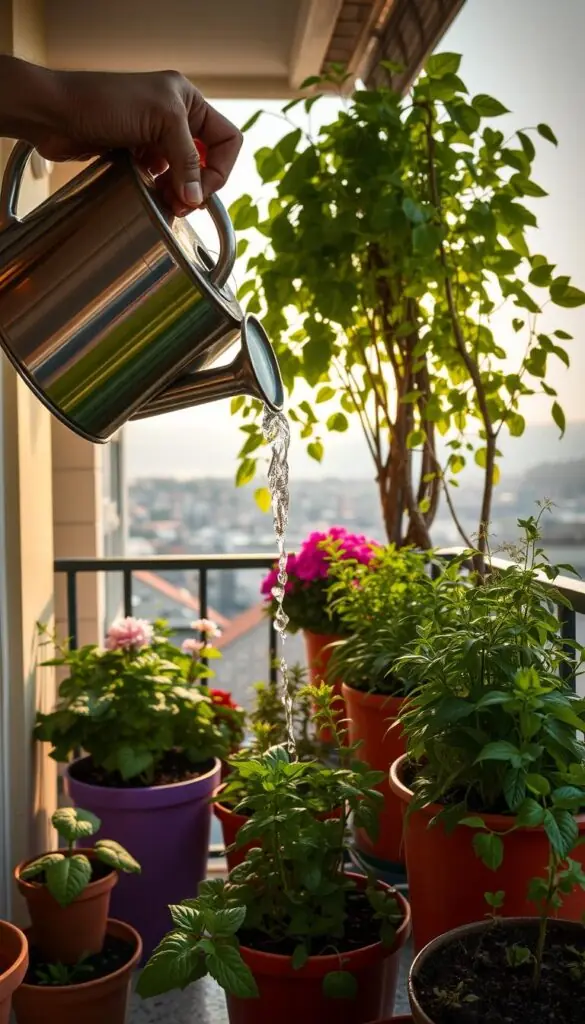
Watering rhythms and heat adjustments
Check soil each morning. When the top inch is dry, water slowly until it drains. On hot, windy summer days add a light evening pass to help stressed foliage.
Avoid midday soaking; it wastes water and can burn leaves. Use a timer or micro-drip kit to keep a steady routine while you travel.
Feeding and basic maintenance
Mix a slow-release organic fertilizer at planting, then supplement monthly with diluted seaweed or fish emulsion during active flowering. Prune weekly: deadhead spent blooms and trim leggy growth so species rebloom faster.
Cold-weather tactics and overwintering
Cluster pots near a sheltered wall and elevate them on feet. Line exposed sides with foam for winter freeze-thaw protection. Add nurse species like sedges to form insulating duff around crowns.
"A small weekly schedule keeps water, feed, and shelter simple across seasons."
- Weekly schedule: check AM moisture; water if dry; feed once a month in season; deadhead weekly.
- Tools: lightweight hose, hose-to-sink adapter, timer or drip line, moisture meter.
- Common mistakes: watering at noon, letting saucers hold water, sealing pots in plastic that traps moisture.
Conclusion
Start with one well-chosen container and watch a small corner become a living, restful spot.
Take it slow. Choose a sturdy pot, a resilient mix, and a trio of hardy plants that suit your light. This simple step builds confidence season by season.
Native-forward choices invite pollinators and birds, turning even a 5×10 area into a living corridor. Larger, insulated containers and fibrous mixes help multi-year success in cold places.
Over time you’ll learn what works: repeat routines that save time, move pots as light shifts, and enjoy the sensory rewards—color, scent, and the quiet hum of neighborhood life.
You’re ready. Start small, keep it easy, and let your garden grow into a comforting, food‑friendly place you return to all year.
FAQ
What size and depth of container work best for a small balcony or patio?
Choose a pot deep enough for the plant’s root system—6–8 inches for annual herbs, 12–18 inches for many perennials and small shrubs, and deeper for dwarf trees. Wider containers hold more soil and moisture, so they help reduce watering frequency. Keep weight in mind: lightweight fiberglass or resin can mimic heavier materials like concrete without stressing railings or floors.
Which materials hold up best year-round and which should I avoid?
Fiberglass, powder-coated steel, and frost-resistant concrete are durable across seasons. Terra cotta looks lovely but dries quickly and can crack in freeze-thaw cycles unless winterized. Avoid thin plastics that warp in sun and untreated wood that rots unless sealed. Good drainage and insulation reduce damage from weather and temperature swings.
How do I ensure proper drainage and protect roots from freezing?
Always use pots with drainage holes and raise them on risers or feet to let water escape. A base layer of coarse grit or lightweight drainage media helps, but don’t rely on it instead of proper potting mix. Insulate sensitive roots in winter with bubble wrap around the pot, moving planters close to the building, or grouping containers together to retain warmth.
What should I use for a potting mix for containers on a sunny, wind-exposed balcony?
Start with a high-quality commercial potting mix and lighten it with perlite or coarse sand for better drainage. Add a slow-release fertilizer and some organic matter like compost to feed microbes and retain moisture. On windy sites, a mix with good water-holding capacity helps reduce stress from rapid drying.
How do I set up a container step-by-step for long-term success?
Begin with a clean pot, add a small layer of coarse material for base drainage if desired, then fill with your customized potting mix leaving room at the top for watering. Plant at the same soil depth as nursery pots, firm gently, and water thoroughly. Top-dress with compost or bark to reduce evaporation and improve habitat for beneficial organisms.
Which groundcover or mulch is best for containers to conserve moisture and suppress weeds?
Use compost or shredded bark as a top layer for moisture retention and soil health. Decorative gravel works for succulents and keeps splash-up off foliage. Avoid heavy mulches that compact in shallow pots; instead choose light materials that allow air movement and help maintain root health.
What species do well on a south-facing, full-sun exposure?
Look for drought-tolerant bloomers and herbs such as lavender, rosemary, sedum, and salvias, plus sun-loving perennials and ornamental grasses. Choose deep-rooted varieties for larger pots so they access more stored moisture and withstand heat and wind.
What should I plant in semi-shade or north-facing spots?
Opt for shade-loving options like ferns, hostas, hydrangeas, impatiens, and violets. Focus on soft foliage textures and plants that prefer consistent moisture and cooler root temperatures. Use lighter-colored pots and reflective surfaces to boost available light.
How do I protect containers and vegetation from strong winds?
Choose wide-based, heavy planters or anchor lightweight pots to prevent tipping. Plant sturdy, low-profile species and woody accents, use windbreak screens or trellises, and group containers to create a sheltered microclimate. Grasses and dense foliage reduce wind stress by flexing rather than snapping.
How should I arrange plants for both beauty and function in a small space?
Apply the thriller-filler-spiller method: one focal plant (thriller), several mid-height companions (fillers), and trailing plants (spillers) to soften edges. Use vertical planters, hanging baskets, and staggered heights to maximize visual interest without crowding the floor. Leave access for watering and maintenance.
What are the best practices for watering on a sunny, hot afternoon versus cooler mornings?
Water deeply in the morning when temperatures are cooler to reduce evaporation and fungal risk. On hot, windy days you may need to water again in the evening for thirsty containers, but avoid soaking foliage late at night. Monitor moisture by checking the mix a few inches down rather than relying on surface dryness.
How often and how much should I feed container-grown specimens?
Use a light, balanced slow-release fertilizer at the start of the season and supplement with a dilute liquid feed every 3–4 weeks during active growth. Containers have limited soil and nutrients so regular, moderate feeding supports blooming and foliage without causing excess salt buildup.
What pruning and deadheading routines extend bloom and keep plants healthy?
Deadhead spent flowers to encourage more blooms and remove any diseased or yellowing foliage promptly. Light pruning maintains shape and size; trim woody plants in early spring and cut back perennials after flowering if needed. Regular maintenance reduces pests and improves air circulation.
How do I overwinter container specimens without risking root damage from freeze-thaw cycles?
Move sensitive containers indoors or to an unheated garage if possible. For immovable pots, wrap them with insulating material, group them near walls, and mound mulch or leaves over the root ball. Reduce watering and stop fertilizing as plants go dormant. For very cold climates, consider planting tender species in the ground or using frost-hardy varieties.
Which varieties are best for hanging planters or vertical displays?
Choose trailing species like lobelia, bacopa, petunia, and ivy for lush spillover, and combine with upright plants for contrast. For vertical pockets, select shallow-rooted herbs, succulents, and annuals with good drought tolerance. Ensure secure mounting and use lightweight soil mixes to limit overall weight.
How do I manage weight limits and safety for elevated spaces?
Know the load-bearing capacity of your deck or railing and favor lightweight containers and soil mixes. Use fewer, larger pots rather than many small heavy ones, and distribute weight evenly. Avoid placing heavy concrete planters directly on railings or unsupported ledges.
Can I reuse potting mix from year to year, and how should I refresh containers?
You can refresh old mix by replacing the top third with fresh potting soil and adding compost and slow-release fertilizer. If the old mix is compacted or shows disease/pest issues, fully replace it. Sterilize containers between uses to prevent carryover of pathogens.
How do I choose plants that will grow well together in the same container?
Match species with similar light, water, and nutrient needs. Combine drought-tolerant companions together and keep moisture-loving plants grouped. Consider root habits and growth rates so fast-rooting species don’t outcompete smaller ones. Using compatible plants reduces maintenance and supports long-term health.